When it comes to indoor gardening, understanding "how many hours a day should grow lights be on" is crucial. Dr. Emily Chen, a horticultural lighting expert, emphasizes, “Plants thrive with a consistent light schedule.” This insight highlights the importance of proper light management for optimal growth.
Different plants have varying light needs. Some may flourish with 12 hours, while others might require up to 18 hours of light daily. It is essential to find a balance that meets specific plant requirements. Overexposure can lead to stunted growth, while insufficient light can hinder photosynthesis.
Still, many indoor gardeners often overlook the nuances of light duration. A general rule of thumb is to adjust the hours according to the plant's growth stage. This approach allows for flexibility. Monitoring and adapting can create a thriving indoor ecosystem.
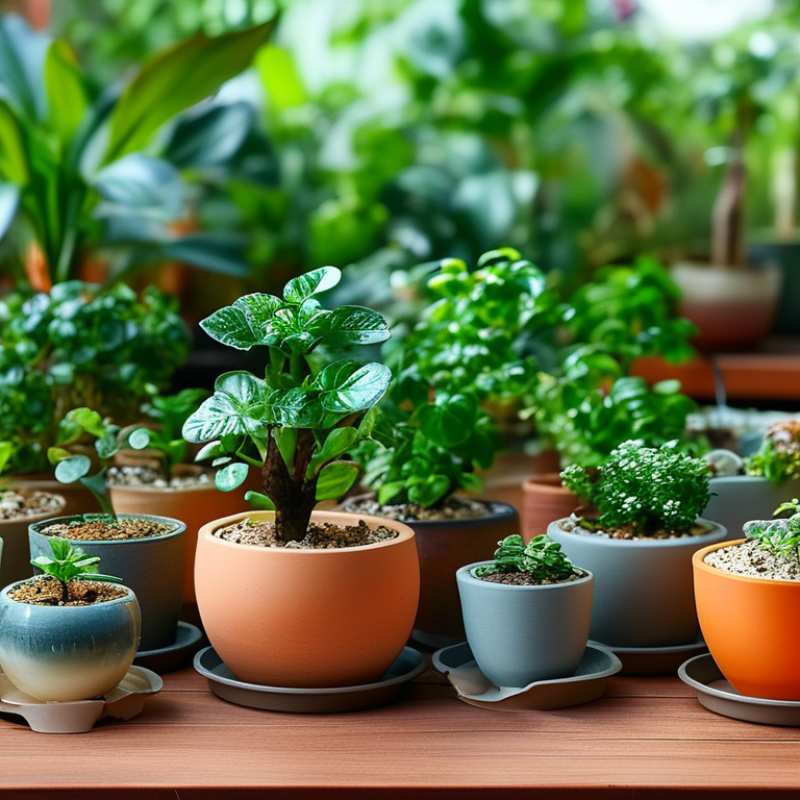
Grow lights are essential for indoor gardening. They simulate natural sunlight, allowing plants to grow efficiently. Understanding the types of grow lights available can help you choose the best option for your needs. LED lights are energy-efficient and produce minimal heat. HID lights are powerful but generate more heat. Fluorescent lights are great for starting seedlings and are cost-effective. Each type has its unique benefits and drawbacks, making it important to match the light to your plants' requirements.
Light spectrum plays a significant role in plant growth. Different plants require varying light colors for optimal development. Blue light supports vegetative growth, while red light aids flowering. Many lights now offer a full spectrum for all growth stages. Adjusting the light intensity and duration is crucial. Too much light can cause stress, while too little can hinder growth. Monitoring your plants' response to light helps refine your setup.
Timing is another vital factor. Most plants thrive with 12 to 16 hours of light daily. However, different species may have specific needs. It's essential to pay attention to your plants. Observing their growth and adjusting light hours accordingly is key. A common mistake is not changing light duration as seasons change. Regularly evaluating your setup ensures a healthy growing environment. Becoming attuned to your plants leads to better results and a more rewarding gardening experience.
When growing plants indoors, light duration is crucial for their development. Each growth stage requires a different amount of light. Seedlings thrive with 14 to 18 hours of light daily. They need ample light to establish strong roots. Too little light can result in leggy growth, indicating weak plants.
In the vegetative stage, plants require 16 to 20 hours of light. This helps them grow robustly. Studies indicate that light intensity and duration directly impact biomass accumulation. However, overexposure can cause stress. Plants may show signs like yellowing leaves or stunted growth.
For flowering and fruiting, plants benefit from reduced light. Offering 12 to 14 hours per day encourages blooming. This stage requires precise timing. Inconsistent light schedules may lead to poor yields.
Tips: Monitor plant responses to light changes. Always adjust based on specific plant needs. Using timers can help maintain consistency. Set your grow lights to promote healthy growth. Over time, observe how your plants react. This feedback is invaluable for improving your methods.
When considering the duration for which grow lights should be kept on, several factors play a crucial role. The type of plants being cultivated is one of the primary influences. For instance, leafy greens generally require about 12 to 16 hours of light daily, while flowering plants may thrive with 14 to 18 hours. A report from the horticulture industry indicates that adjusting light hours can significantly impact crop yields.
Light intensity is another important factor. Different plant species have varying needs for light intensity. Growers must balance light exposure to avoid light stress, which can lead to stunted growth. A study observed that excessive light hours led to decreased photosynthetic efficiency in some plants. Also, the growth stage of the plant is essential. Seedlings and young plants often need more light than mature plants.
Lastly, environmental conditions play a crucial role. Temperature and humidity levels can influence how plants absorb and utilize light. Under lower humidity, plants experience higher transpiration rates, which means they may require more light exposure to compensate. Understanding these factors allows growers to optimize their lighting schedules. Balancing these elements can be challenging but crucial for successful growth.
Setting up a grow light schedule can be a bit tricky. For most plants, a daily light cycle of 12 to 16 hours is ideal. However, plants may react differently to light exposure. Some might thrive with less light, while others may require more. Observing your plants closely can help you find the right duration. Be attentive to their growth patterns and adjust accordingly.
It's also essential to consider the time of year and your specific growing environment. Seasonal changes can impact the effectiveness of grow lights. You may need to extend light hours during winter when natural sunlight is limited. Besides, remember to give your plants a consistent dark period. This period is necessary for their growth and development.
Mistakes happen, and that's okay. You may accidentally leave the grow lights on too long one day. This can cause stress to your plants. Each plant has its unique needs, and understanding these will take time. Experimenting with different schedules provides valuable insights. Listen to your plants, observe changes, and refine your approach to create a successful growing environment.
Managing grow lights effectively is essential for optimal plant growth. Many growers make mistakes that limit the potential of their indoor gardening. One common mistake is not providing the correct light duration. Research indicates that most plants thrive with 12 to 16 hours of light daily. However, beginners often either overexpose or underexpose their plants, leading to stunted growth or leggy plants.
Another frequent error is positioning the grow lights too high or too low. Ideally, insufficient distance can cause light burn, while excessive distance can result in inadequate light penetration. According to industry data, the right distance varies based on light intensity and plant type. For example, LEDs may need to be placed 12 to 24 inches away, depending on the specific model and plant needs.
Moreover, it’s crucial to adjust lighting as plants mature. A static approach does not account for changes in plant height or leaf density. Many gardeners overlook the importance of this adjustment, leading to uneven growth. This oversight can diminish yields and overall plant health. Understanding these common pitfalls helps growers achieve the best results from their lighting setups, ensuring robust and healthy plants.
| Grow Light Model | Recommended Hours/Day | Common Mistakes |
|---|---|---|
| Model A | 14-16 hours | Overexposure leading to plant stress |
| Model B | 12-14 hours | Incorrect distance from plants |
| Model C | 10-12 hours | Not considering light spectrum |
| Model D | 12-16 hours | Failure to adjust for growth stage |
| Model E | 14-18 hours | Inconsistent lighting schedules |
| Model F | 8-10 hours | Using bulbs not suited for plants |
| Model G | 12-15 hours | Not rotating light sources |
| Model H | 10-14 hours | Ignoring heat buildup |
| Model I | 12-16 hours | Not monitoring light intensity |
| Model J | 14-20 hours | Overfeeding plants due to growth stimulation |
: Seedlings thrive with 14 to 18 hours of light each day to establish roots.
Insufficient light can lead to leggy growth, indicating weak and unhealthy plants.
Plants in the vegetative stage need 16 to 20 hours of light for robust growth.
Overexposure to light can cause stress, yellowing leaves, or stunted growth.
During flowering, plants benefit from 12 to 14 hours of light daily to encourage blooming.
Inconsistent light schedules can lead to poor yields and less productive plants.
You may need to extend light hours in winter when natural sunlight is limited.
This can stress your plants, so monitor their condition and make adjustments as needed.
Observing how plants respond helps refine your growing schedule for better results.
Yes, mistakes are common. Experimentation and observation can lead to improved methods.
In the realm of indoor gardening, understanding how many hours a day should grow lights be on is crucial for optimal plant development. Grow lights come in various types, each tailored to different plant needs and growth stages. For example, seedlings typically thrive with 12-16 hours of light, while flowering plants may require a longer duration, around 14-18 hours. Additionally, factors such as plant type, growth stage, and the specific light spectrum can greatly influence optimal light exposure.
Setting up a proper grow light schedule is essential for maximizing plant health. It's important to avoid common mistakes like inconsistent light durations or improper distance from the plants. By carefully considering these elements and adjusting light hours according to specific growth needs, gardeners can ensure their plants receive the energy required for healthy growth and robust yields.
