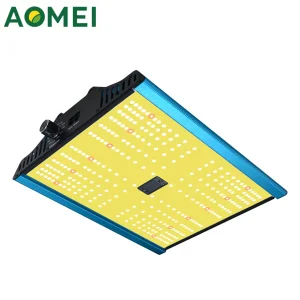
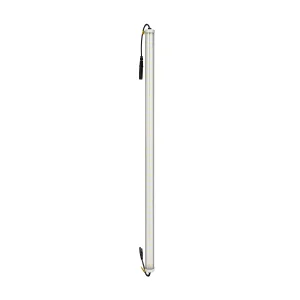
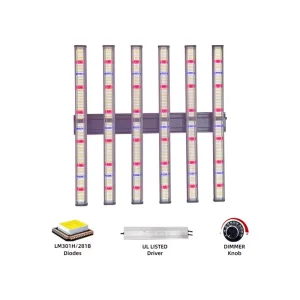
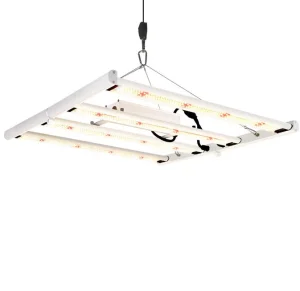
Engineered for large-scale operations, commercial facility deployment, and maximized Daily Light Integral (DLI) cultivation strategies.
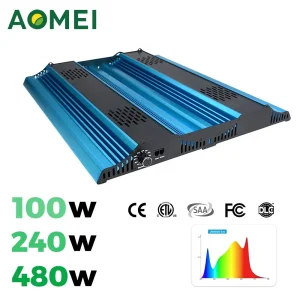
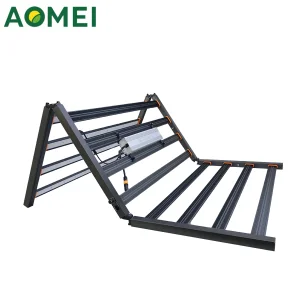
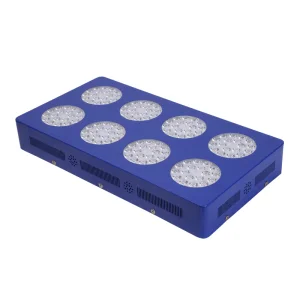
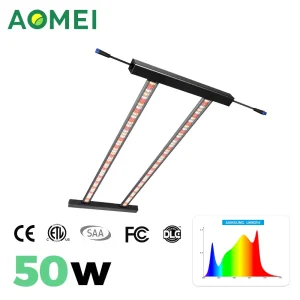
A comprehensive analytical overview of technical requirements, architectural constraints, and economic scaling factors governing enterprise-level grow light systems.
In contemporary controlled environment agriculture (CEA), industrial greenhouse facilities require precision lighting systems capable of providing steady, predictable crop growth outcomes. Global enterprise procurement groups look past simple wattage figures; instead, they focus on complex metrics such as Photosynthetic Photon Efficacy (PPE), Daily Light Integral (DLI) delivery maps, chromatic degradation curves, and thermal dissipation coefficients. Selecting a greenhouse grow light factory requires an advanced understanding of hardware durability, light output uniformity, and spectral design customization.
Large facility operators must manage the balance between natural sunlight and supplemental artificial light. This balance shifts with geographical locations and seasonal light changes, requiring lighting systems equipped with advanced, automated control features. Automated systems utilize smart dimming tech—such as 0-10V, PWM, and RJ14 wired control networks—to adapt real-time output based on ambient light sensor readouts. This responsive adjustment maintains steady DLI targets while lowering overall grid energy expenses. Industrial factories must design their lighting structures to survive high humidity, floating particulate matter, and regular chemical spray washdowns common in commercial growing environments.
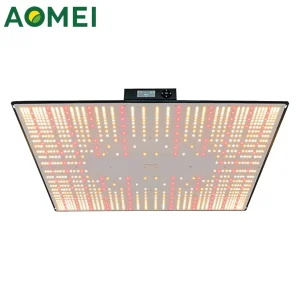
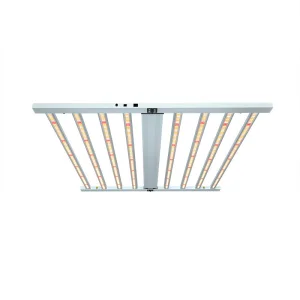
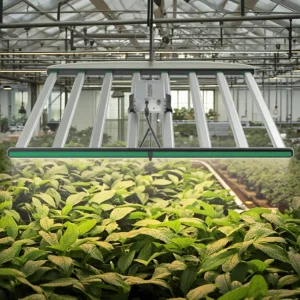
Large greenhouses need consistent photon dispersion to prevent uneven crop canopies. Modern multi-bar layouts focus on delivering uniform light footprints across wide areas, reducing hot spots and low-light edges.
Enterprise buyers require robust engineering that guarantees a minimum of 50,000 operational hours. Premium components like Samsung LM301H Evo diodes preserve spectrum quality and prevent quick light output decay over years of use.
Commercial facilities must coordinate lighting loads with industrial power grids. Drivers with power-factor correction and low total harmonic distortion (THD) protect delicate automated control systems from electrical issues.
“The transition from traditional High-Pressure Sodium (HPS) installations to solid-state LED systems represents more than just energy reduction. It allows for precise control over plant shapes, secondary metabolite production, and predictable harvesting schedules across global agricultural regions.”
An anatomical breakdown of how ecosystem agglomeration in South China drives down manufacturing capital expenditures while accelerating engineering adaptation speeds.
The manufacturing cluster located within the Shenzhen and Zhongshan industrial corridors stands as the global hub for solid-state horticultural lighting production. This close proximity of raw material suppliers, specialized optical molding firms, driver design labs, and automated assembly operations provides an unmatchable ecosystem for development speed and cost control. While overseas assemblers face logistics delays and part shortages, specialized Chinese factories can source, build, prototype, and test customized fixtures within single-digit day windows.
This ecosystem integration directly protects quality assurance across the entire production path. By combining component manufacturing (such as raw LED packaging and housing metalwork) with final driver testing, advanced grow light factories maintain strict control over mechanical tolerancing and thermal transfer paths. This localized production setup minimizes systemic assembly flaws, ensuring long-term product reliability when deployed in high-stress, commercial agricultural settings globally.
From raw extruded aluminum heat sinks to custom wave-soldered circuit boards, local production cuts out international transit markups. This keeps high-performance tech accessible for large multi-hectare farm projects.
As plant science uncovers new spectrum efficiencies (like deep 660nm red or far-red 730nm targets for the Emerson enhancement effect), production lines can adapt PCB designs quickly without requiring re-tooling periods.
Corporate Profile, Manufacturing Assets, and Global Institutional Lighting Footprint.
Zhongshan Venti Lights Co., Ltd. was established on January 25th, 2005. It is an integrated enterprise specializing in the research and development, manufacturing, and global marketing of LED lighting products. With years of steady growth, the company has developed a strong production and innovation capability supported by modern facilities and a professional engineering team.
At present, we operate two specialized production bases to optimize product differentiation and quality control. The headquarters in Shenzhen, covering an area of approximately 5,000 square meters, focuses on the manufacturing of advanced LED components and decorative amusement LED bulbs. The subsidiary factory in Zhongshan, covering around 3,000 square meters, is dedicated entirely to high-performance LED grow lights and LED driver power supplies, providing stable and efficient lighting solutions for horticulture and commercial applications worldwide.
Quality is at the core of everything we do. The company has implemented a strict quality management system in line with ISO9001 standards, ensuring consistent control throughout the entire production process—from raw material selection to final product testing. Many of our products have obtained international certifications such as CE and RoHS, while selected LED driver products have also passed SAA certification, meeting the requirements of different global markets.
To enhance production efficiency and product consistency, approximately 70% of our manufacturing processes are automated, utilizing precision automated component placement machines and ultrasonic systems, with the remaining 30% completed through skilled manual assembly and comprehensive visual inspection. This balanced approach allows us to maintain both high-volume precision and flexible customization for client requests.
In terms of research and development, Zhongshan Venti Lights Co., Ltd. is recognized as a National High-Tech Enterprise and continues to invest in innovation each year. Our R&D team develops multiple new product series annually and has obtained various design and utility model patents. With a continuous focus on energy efficiency, smart lighting technology, and sustainable horticultural lighting solutions, we strive to stay ahead in a highly competitive global market.
We believe that innovation, quality, and integrity are the foundation of long-term success. As the lighting industry continues to evolve, we remain committed to strengthening our comprehensive capabilities and delivering reliable, high-performance lighting solutions to customers worldwide. With a professional, honest, and customer-focused approach, Zhongshan Venti Lights Co., Ltd. looks forward to building long-term partnerships and creating a brighter future together.
A visual walkthrough of our verified step-by-step production flow, ensuring absolute quality control from raw inputs to certified luminaire delivery.
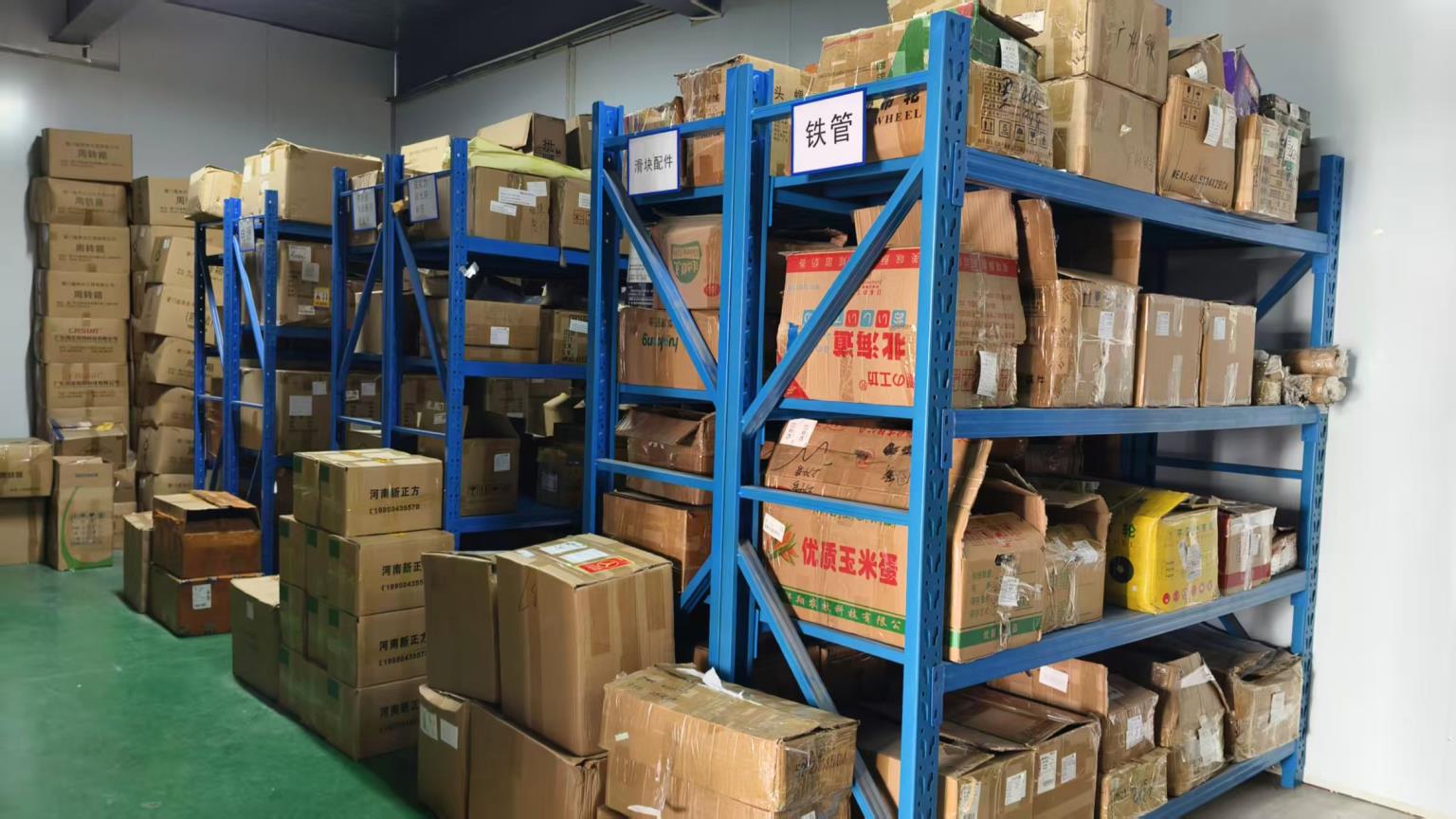
Incoming inspection of high-grade aluminum profiles, chips, and components under strict warehouse inventory protocols.
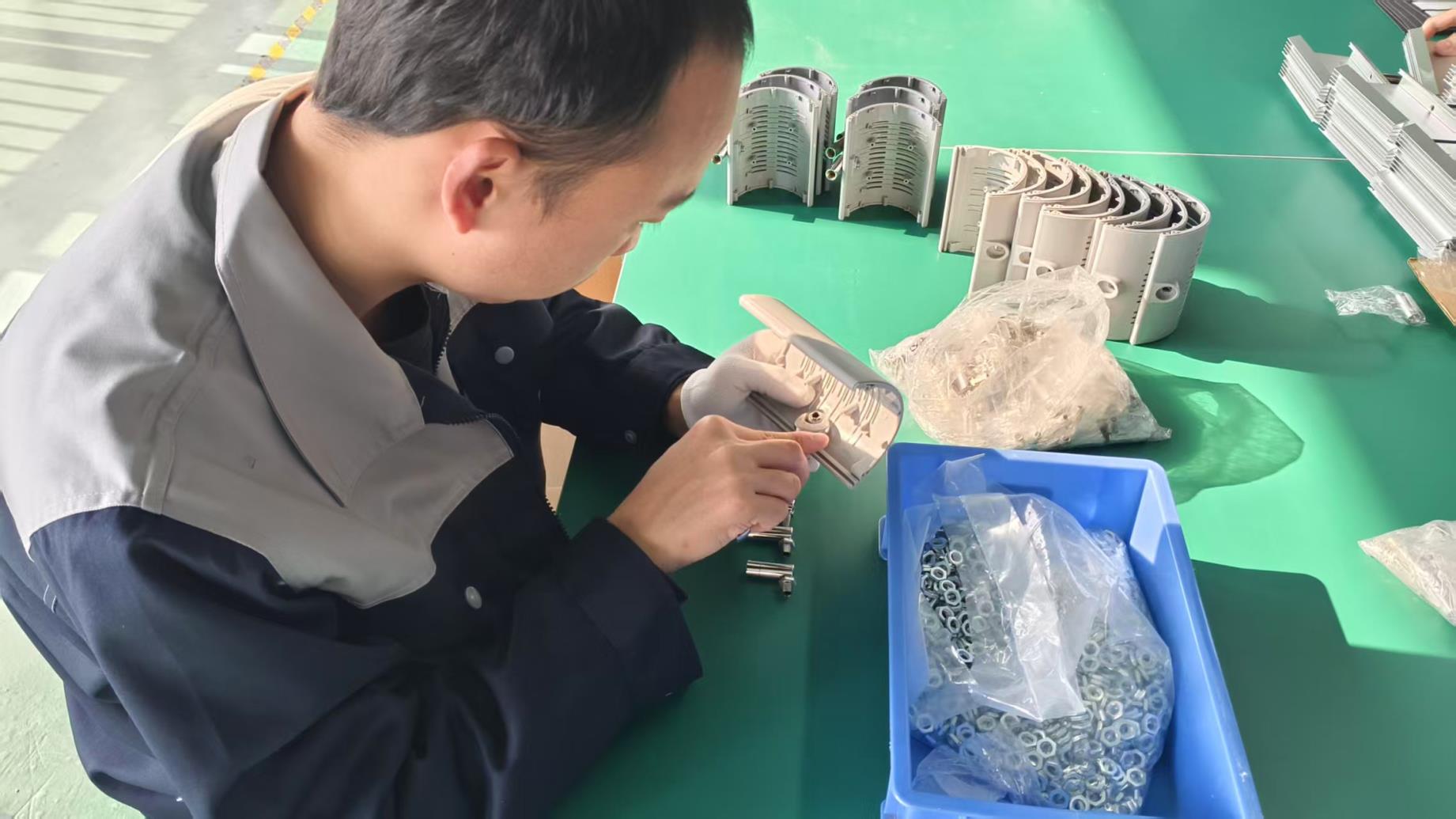
Precision mechanical mounting of foundational end connections, securing structured structural paths.
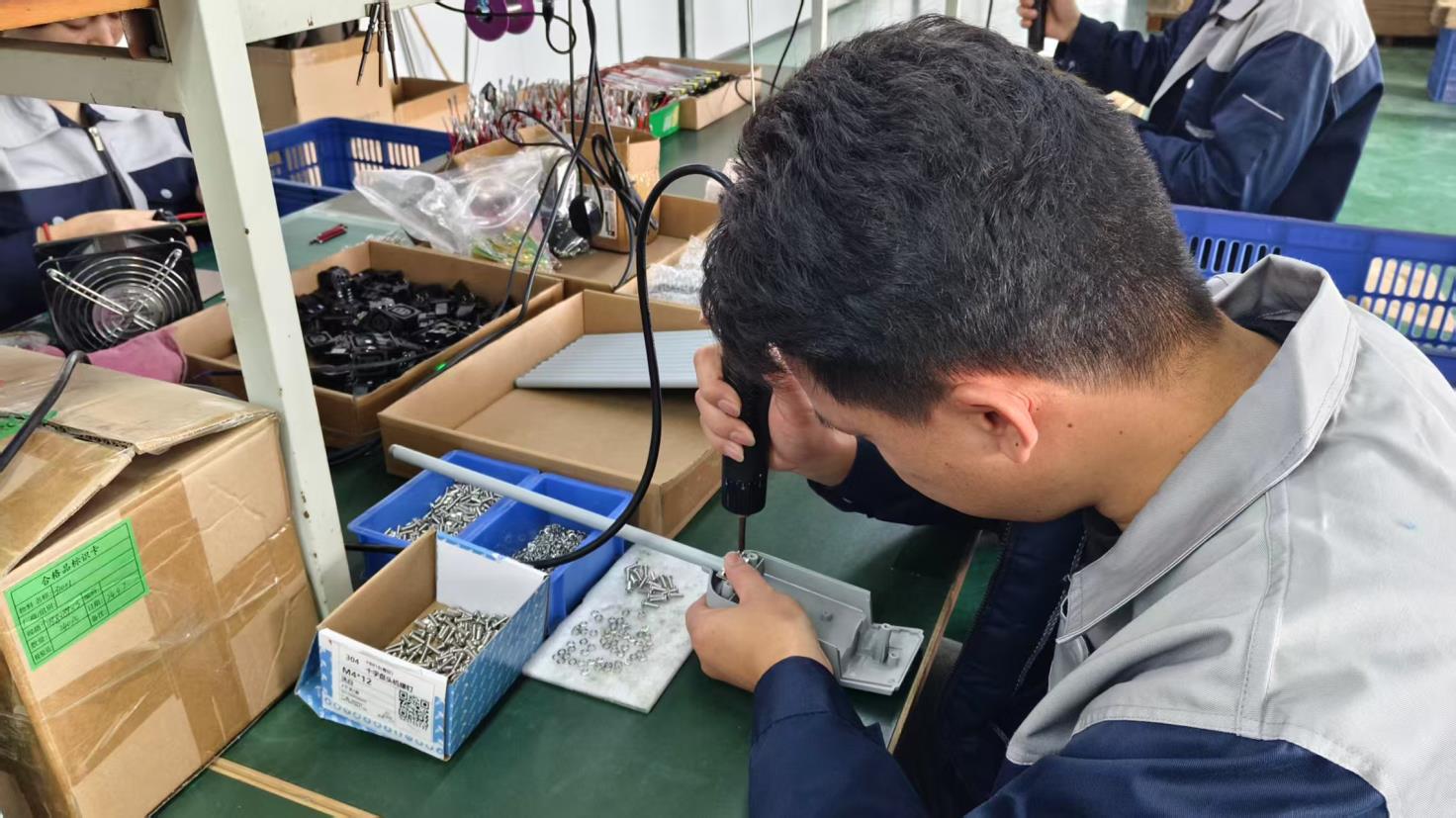
Closing of the fixture rear chassis to establish robust dust-tight environments suitable for IP protection.
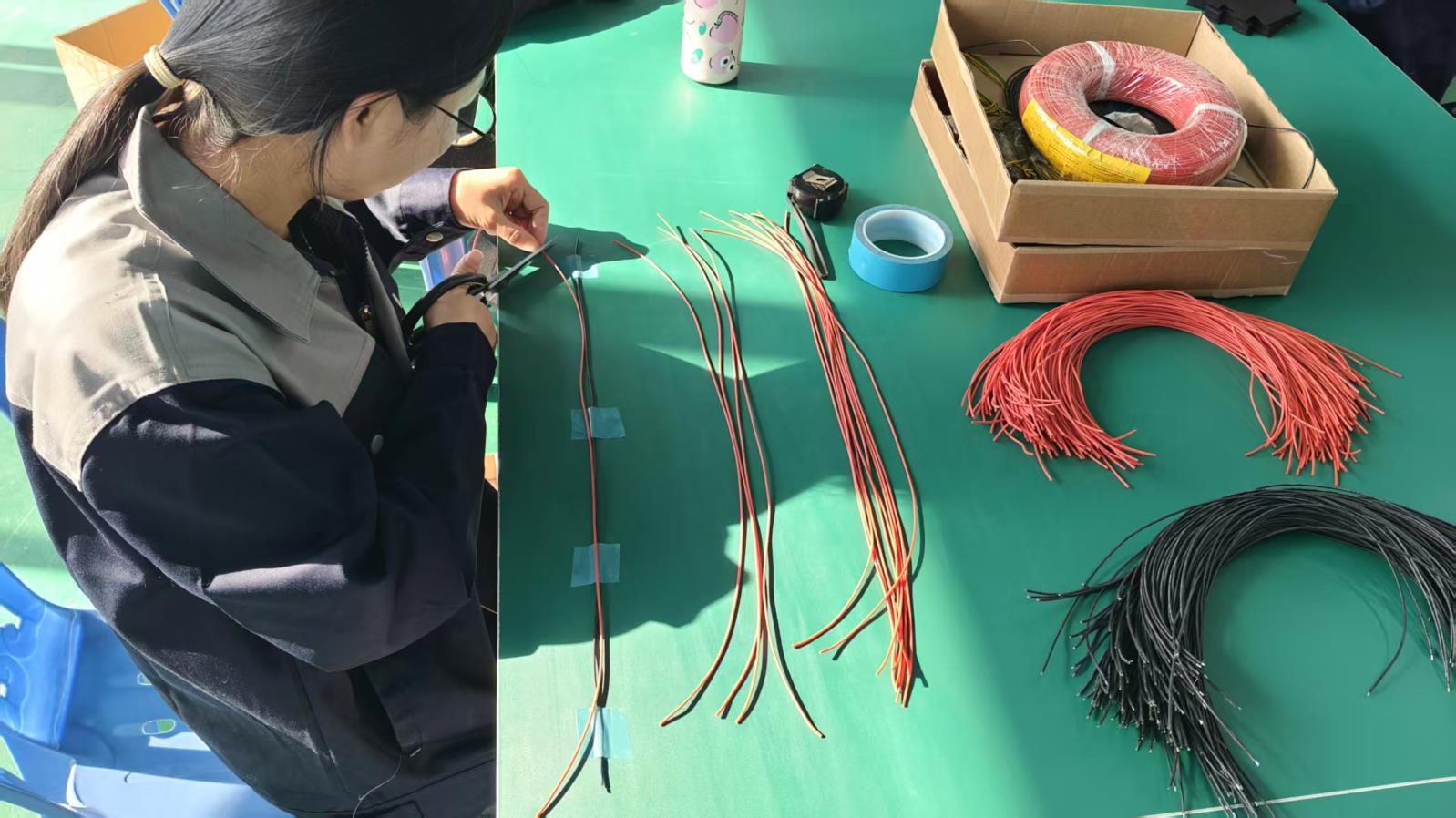
Automated measuring and cutting of high-temperature inner wiring harnesses to exact length tolerances.
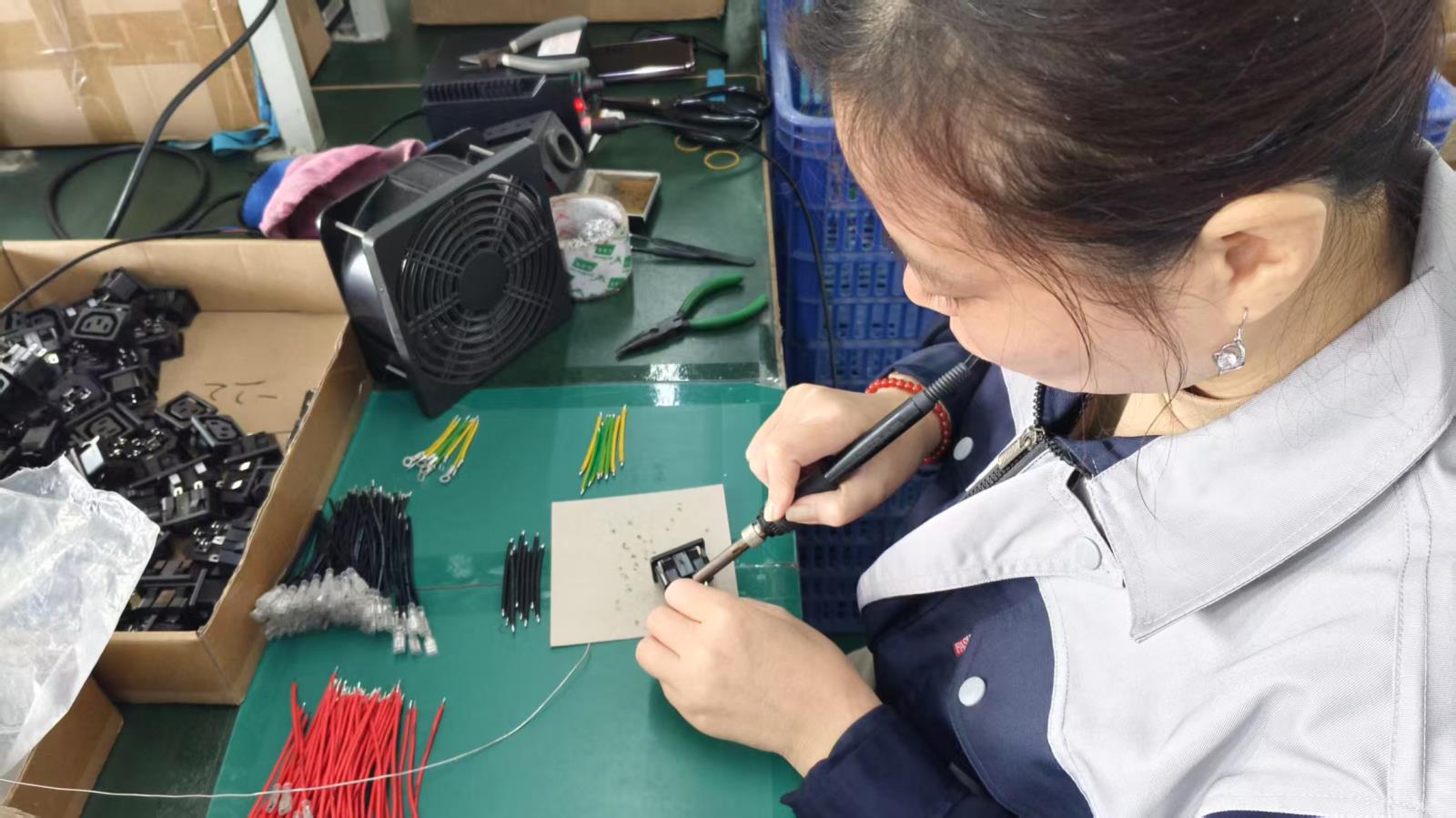
Experienced manual and semi-automated iron soldering of drivers and regulation connections.
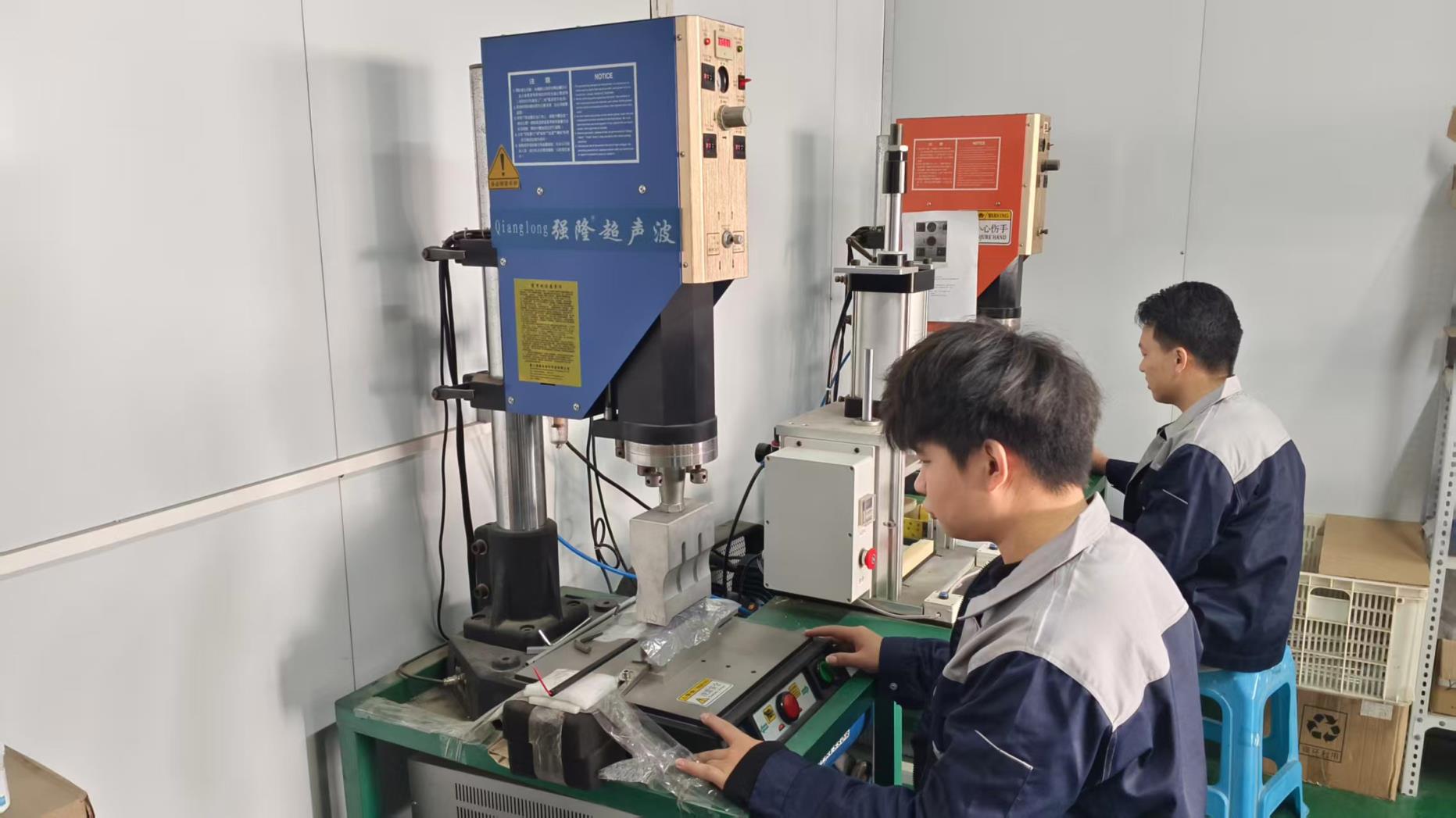
High-frequency acoustic polymer bonding providing airtight joints without chemical adhesives.
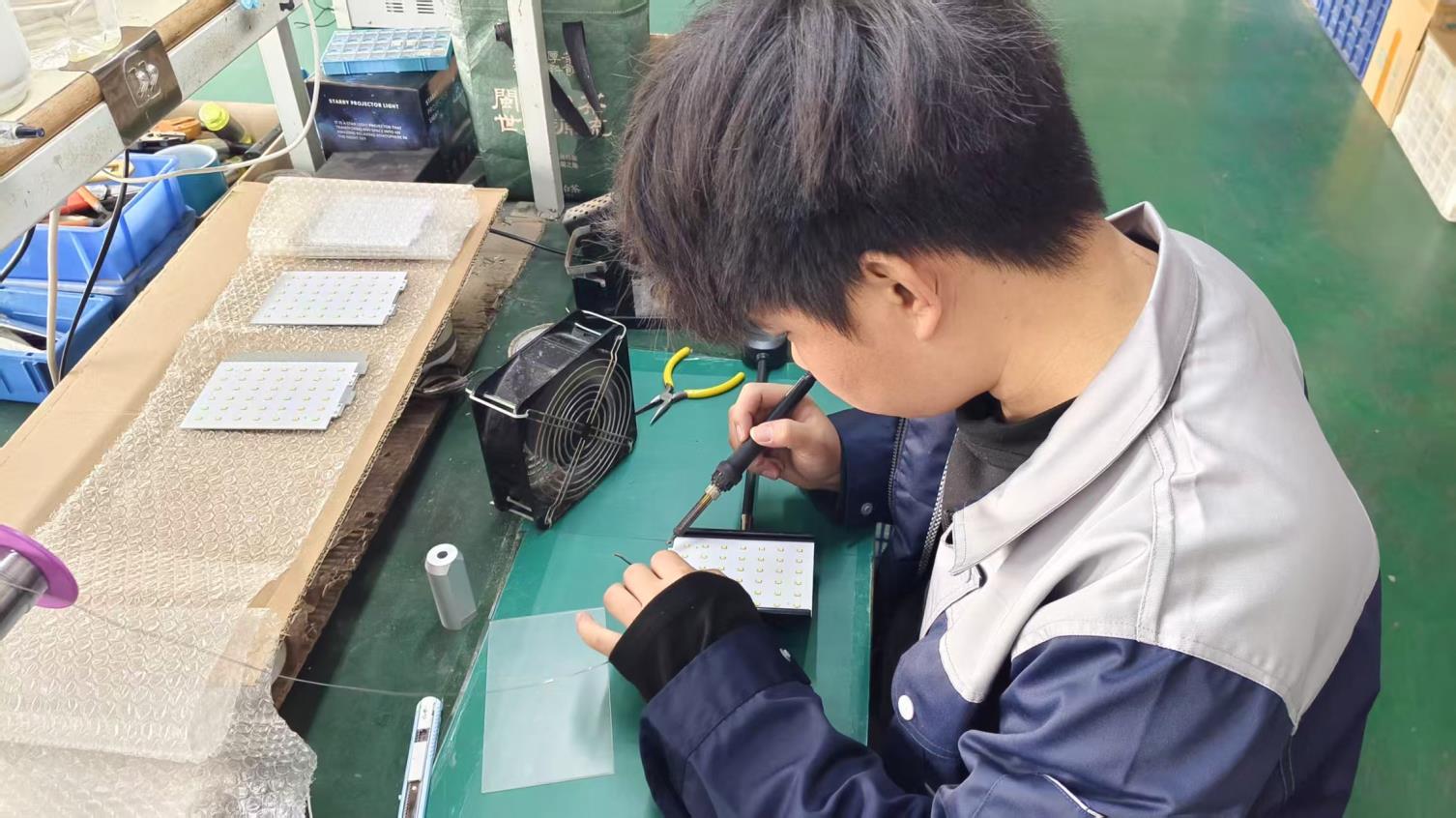
Securing the primary photosynthetic diode matrixes to thermal backplanes for optimal heat transfer.
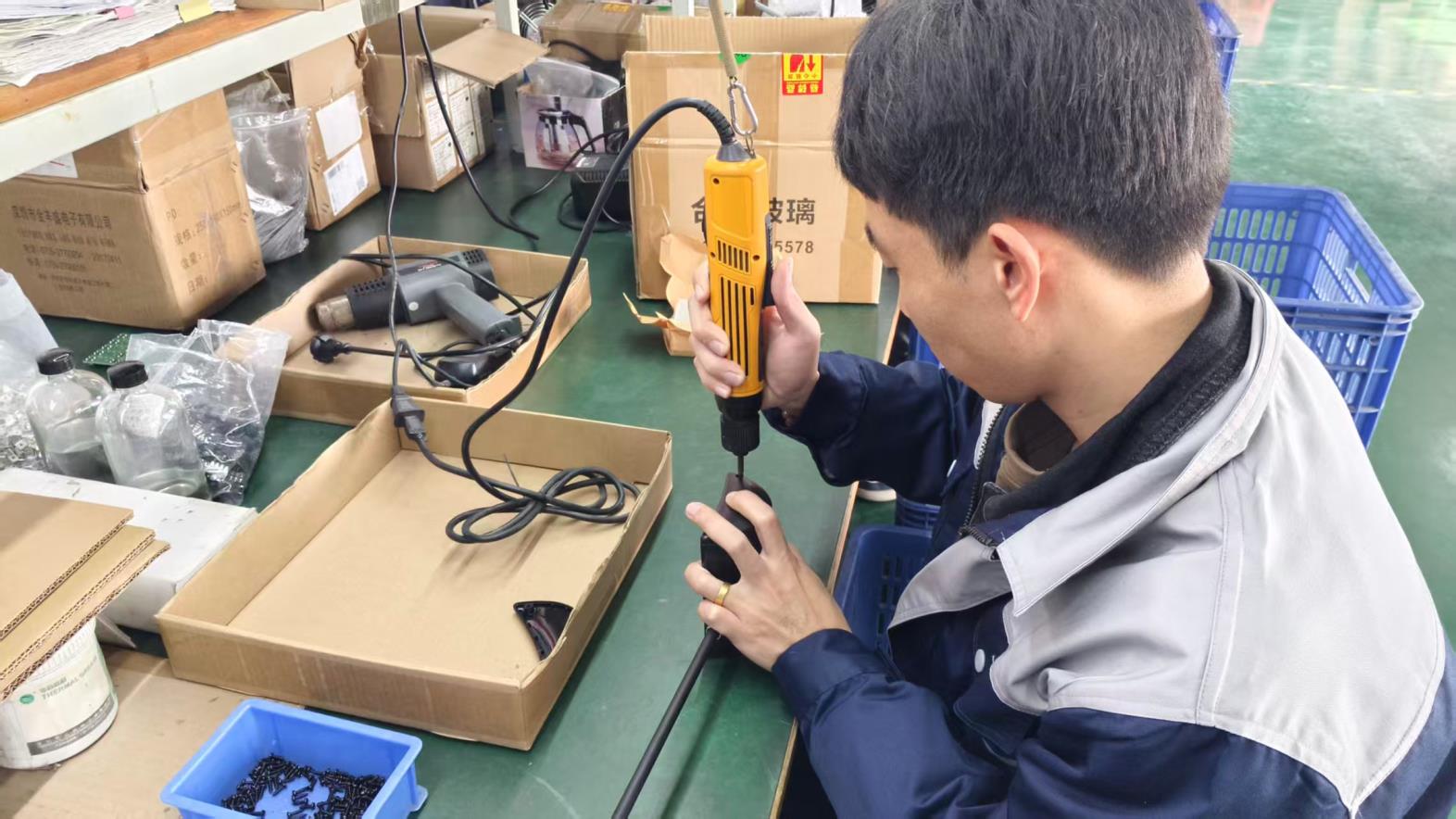
Torque-calibrated sealing of side plates to maintain complete long-term water-resistant performance.
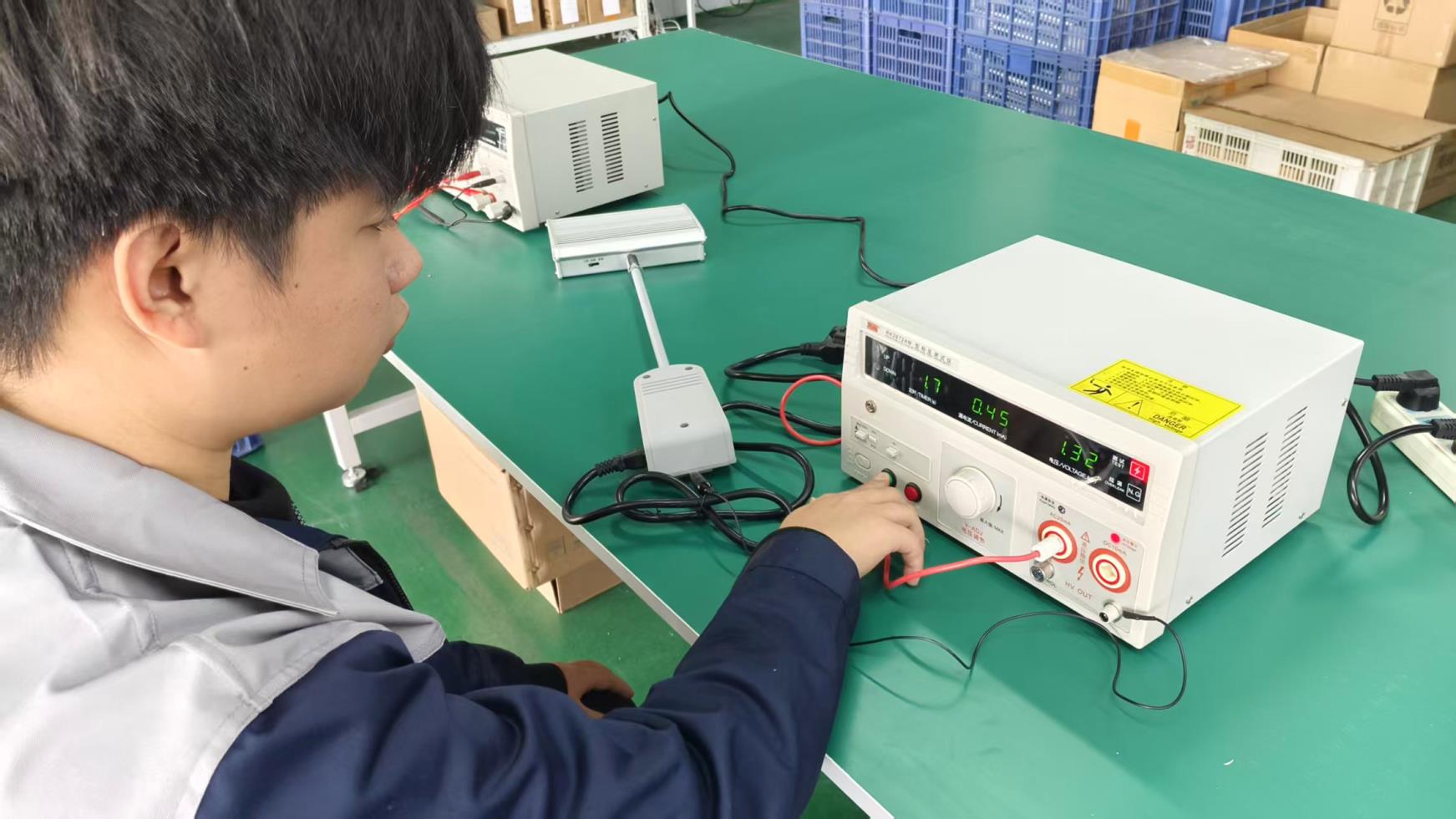
Detailed electrical parameters checking, including forward voltage, wattage limits, and connection integrity audits.
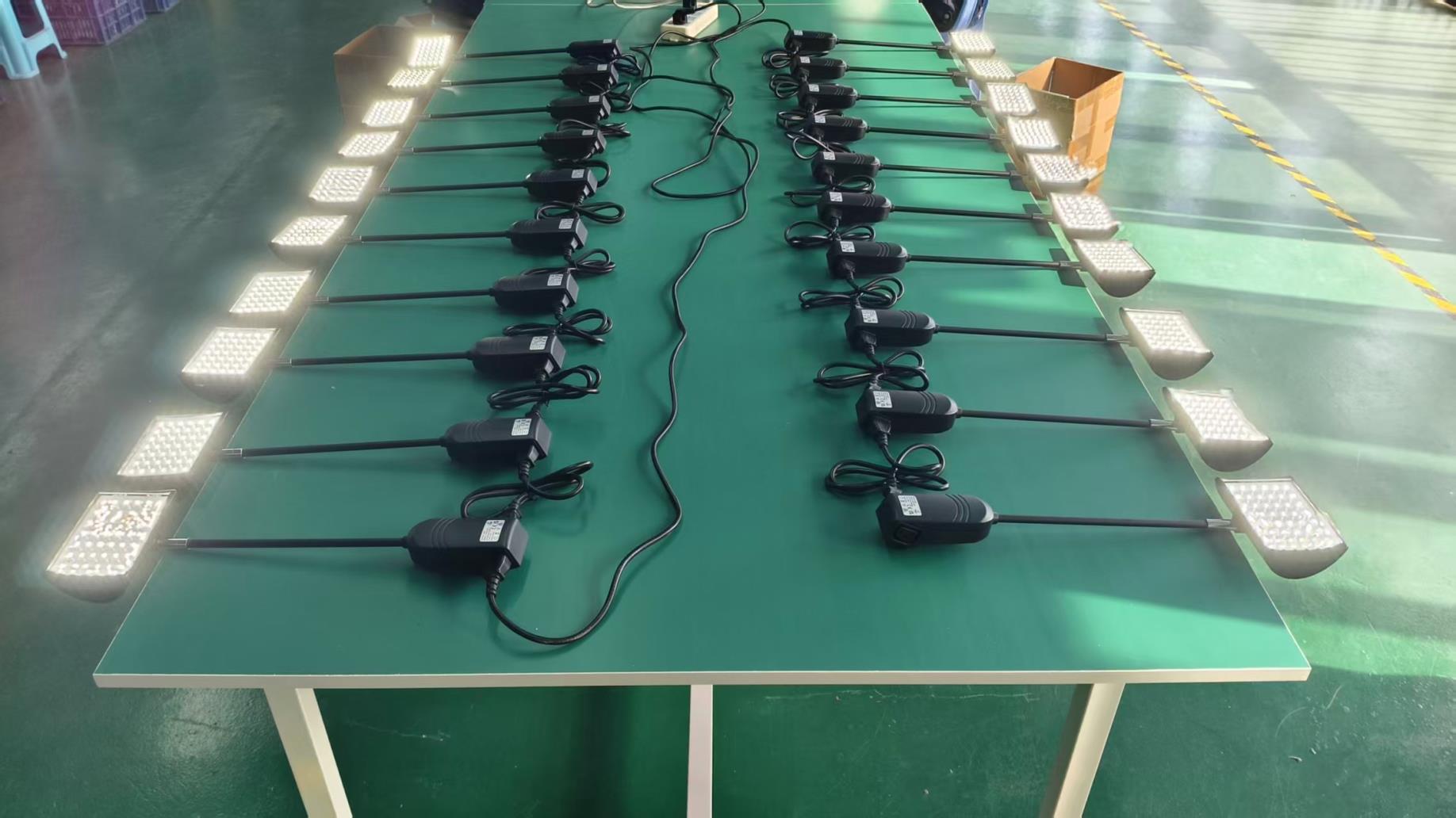
Extended high-stress continuous power burns to monitor thermal stability and discover premature failures before shipping.
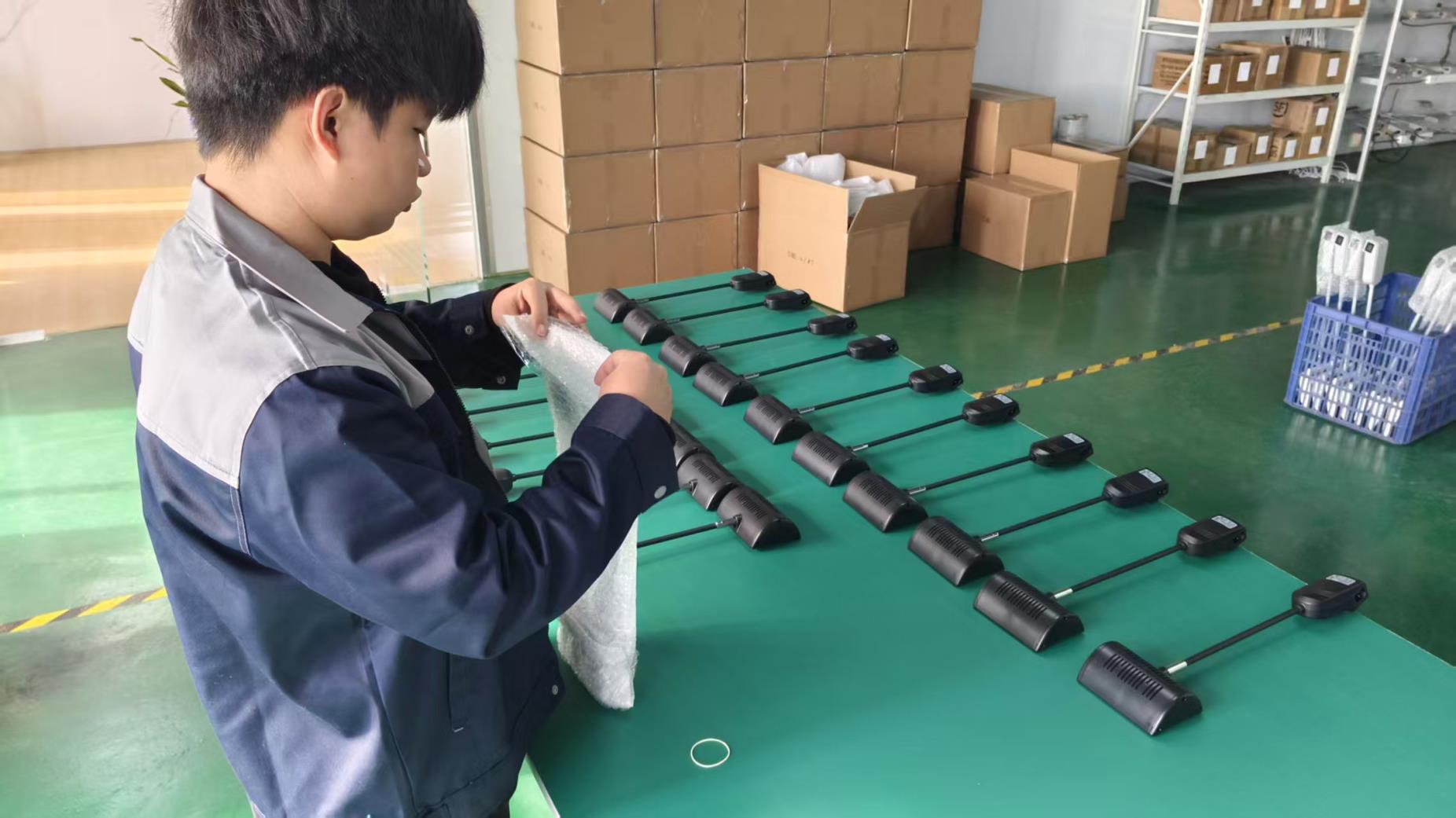
Applying protective anti-static wrap and custom cushioning to safeguard fragile optical assemblies.
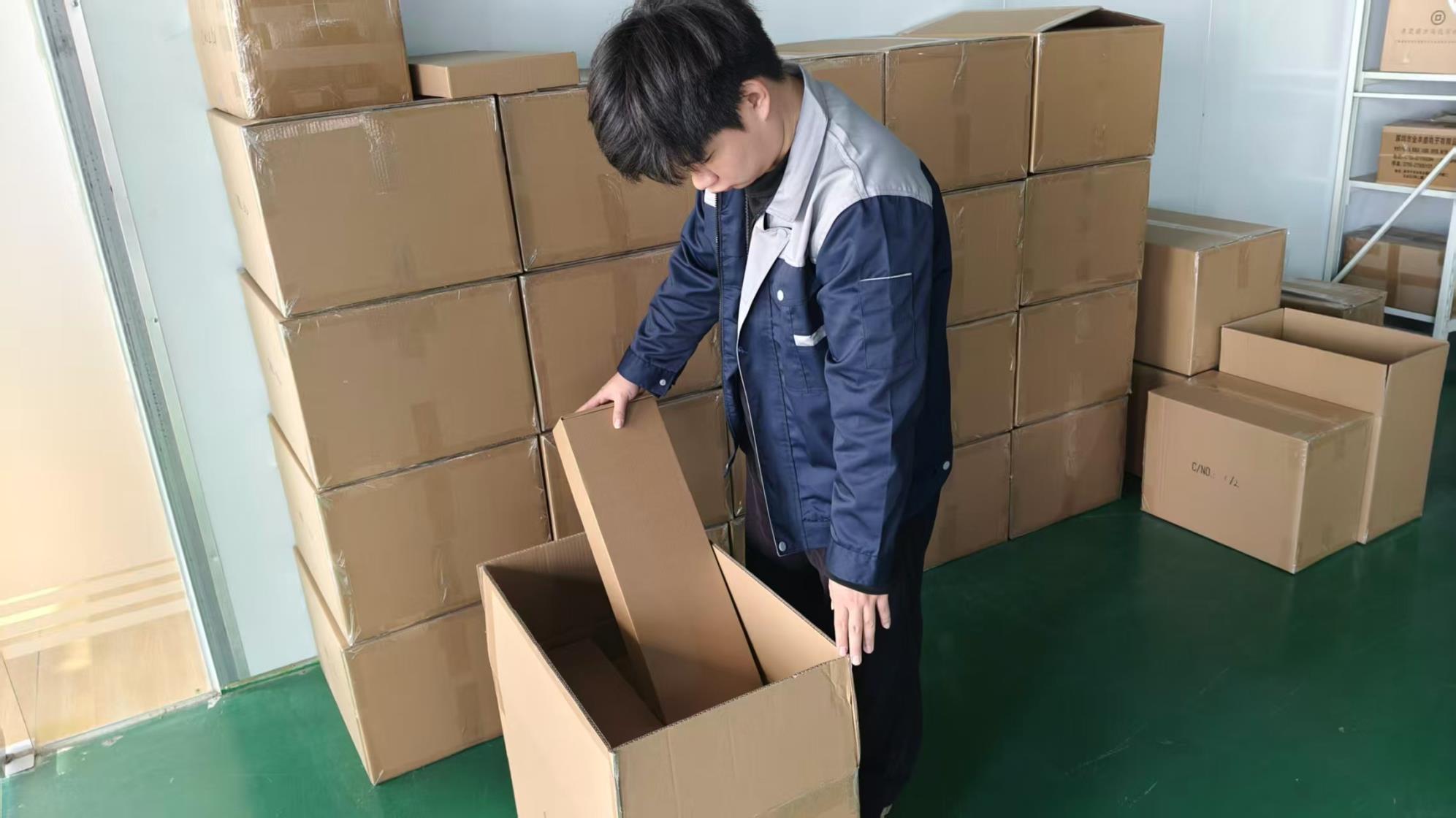
Bulk placement into thick, export-ready double-corrugated container boxes built for sea freight transit.
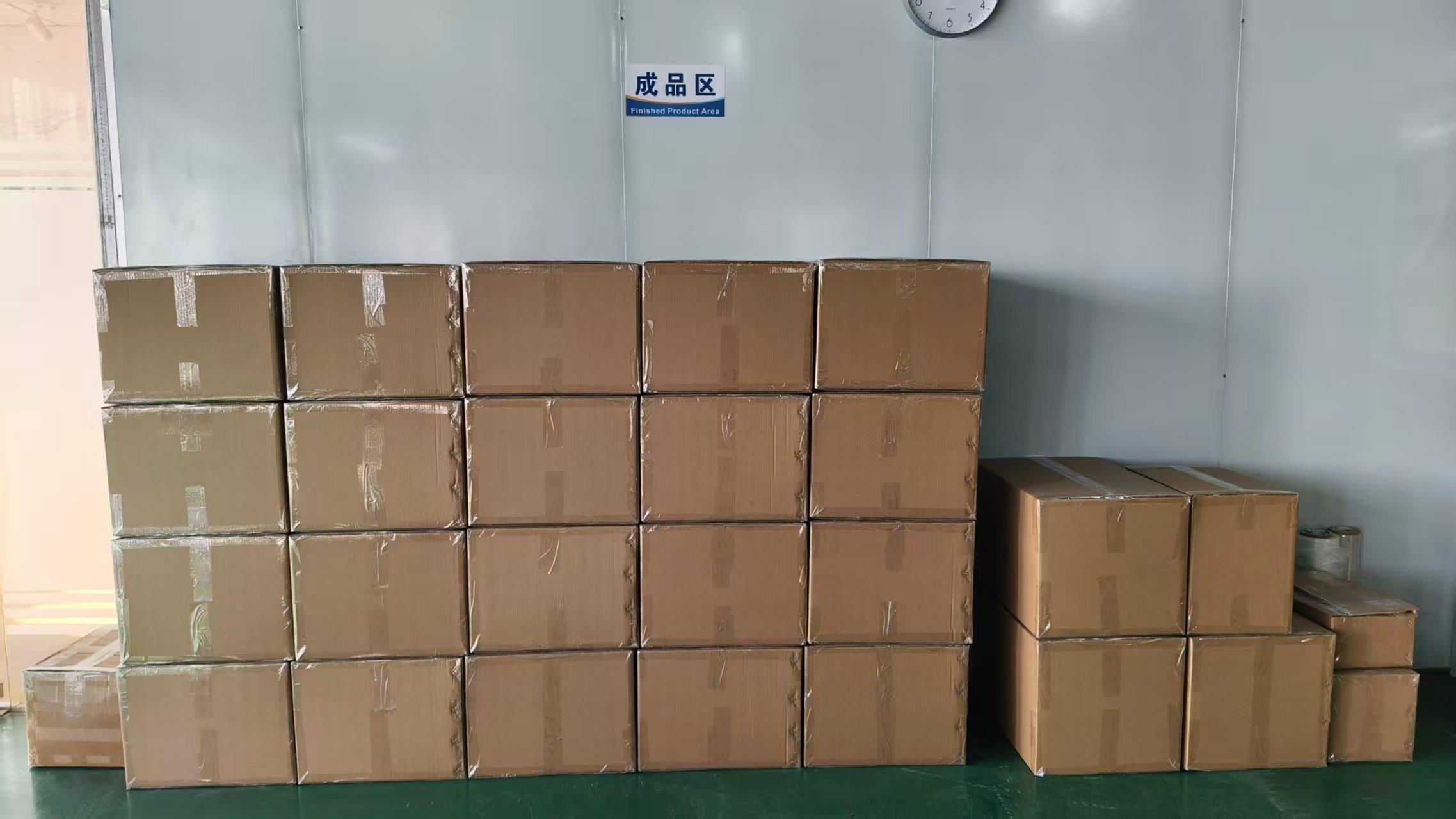
Completed luminaires awaiting final shipping validation from third-party inspectors.
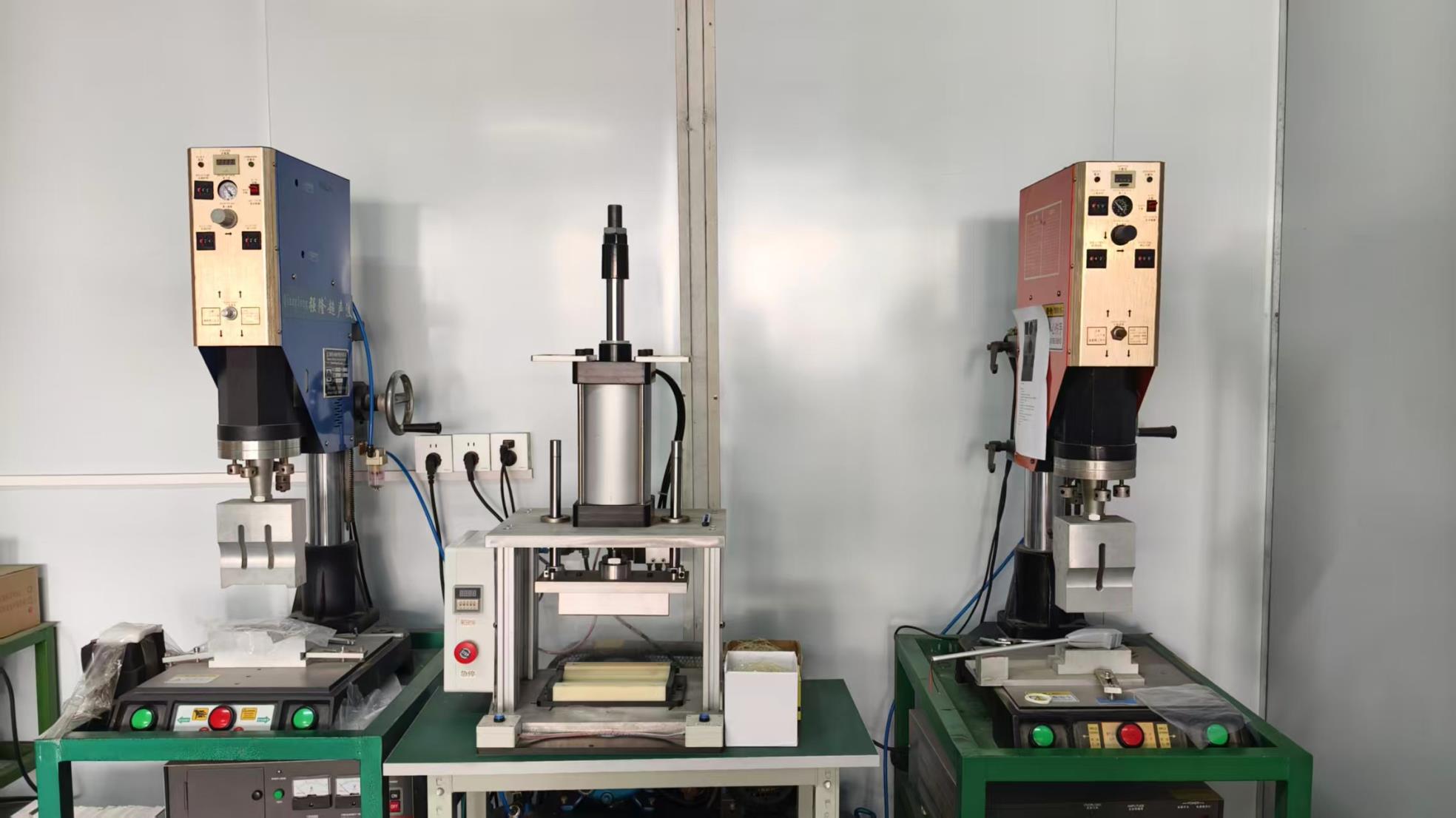
A look at our advanced on-site machinery, providing precise, solid-state enclosure joints across production runs.
Navigating international agricultural standards, regional utility rebates, and structural safety codes.
Operating across worldwide jurisdictions requires strict compliance with individual regional safety frameworks. For example, North American commercial installations look for UL 8800 certifications, which govern the safety of horticultural lighting equipment used in damp, high-humidity environments. Meanwhile, European markets require comprehensive CE and RoHS validation to ensure no hazardous materials threaten local soil or workers. Experienced factories must design their driver platforms to support different regional input voltages, ranging from 120V single-phase systems up to 480V three-phase industrial grids common in massive growing facilities.
In addition, smart growers rely on regional energy efficiency listings, like the DesignLights Consortium (DLC) Premium registry, to secure valuable utility rebates that lower up-front purchase costs. Our production lines utilize verified optical testing equipment to verify performance data matches strict local guidelines. This compliance focus protects your commercial investment and guarantees worry-free integration with local electrical inspectors.
Built to prevent fire and shock risks in high-humidity cultivation facilities, ensuring long-term physical protection for workers and automated systems.
Total protection against dust ingress and high-pressure water jets, allowing worry-free overhead cleaning and continuous spray applications.
Complete compliance configurations designed for Oceania markets, matching specific reactive current restrictions and electrical grid laws.
Analyzing target crop performance across varied commercial facility setups and regional cultivation approaches.
Every crop demands a tailored light strategy to reach its true yield potential. High-density leafy green facilities rely on slim bar systems to distribute light evenly across multi-tier racks, ensuring uniform leaf development and rapid harvest cycles. In contrast, tall, high-wire vine crops require high-output, deep-penetrating fixtures to reach lower leaves through thick canopies, maintaining healthy fruit production from top to bottom.
By tailoring light spectra with specific red, blue, and far-red ratios, growers can trigger desired plant behaviors—such as root strength, shorter stem growth, or faster flowering. This strategic lighting approach helps commercial farms maintain steady, predictable harvest windows all year round, regardless of changing weather conditions outside.
High-power 1000W to 1200W top-lighting systems serve as vital seasonal sun support, helping maintain stable, predictable daily harvests through low-light winter months.
High DLI TargetSupplemental TechLow-profile quantum bars deliver uniform close-range light for leafy greens and herbs, maximizing shelf space without risking heat damage to the canopy.
Space SavingLow Heat EmissionPrecise, low-energy clone lighting provides gentle, uniform light levels that help young roots form quickly and reliably without stressing delicate new growth.
6500K Clean SpectrumRoot StimulationEvaluating the convergence of Artificial Intelligence, variable spectrum physics, and hyper-efficient chip designs within the CEA sector.
The horticultural lighting industry is shifting toward smart, adaptable systems. Fixed-spectrum lighting is giving way to dynamic control, allowing growers to fine-tune specific light wave ratios in real time to match each crop's growth phase. Emerging technologies focus on integration with automated machine vision systems. These smart setups monitor crop health indicators, like leaf temperature and color shifts, to automatically adjust light output and spectrum mixes for optimal growth.
At the same time, diode technology continues to push efficiency boundaries. Modern setups deliver more light energy while converting less power into waste heat, reducing the need for bulky, heavy heat sinks. This efficiency gain lowers cooling costs inside facilities and allows for cleaner, lighter fixture designs that simplify installation and maintenance across massive commercial projects.
Providing verified engineering clarity on critical metrics, thermal challenges, and procurement decision factors.
PPF measures the total amount of plant-usable light a fixture produces every second, while PPFD tracks how much of that light actually hits a specific square meter of your crop canopy. When evaluating greenhouse grow light factories, focus on their PPFD maps. These show how evenly the light spreads across real-world growing spaces, ensuring your crops receive uniform coverage without hot spots or dark corners.
An IP65 rating means the fixture is completely protected against dust entry and can handle direct water spray from any angle. In busy commercial greenhouses, regular water spray, high humidity, and foliar feeding create a tough environment. Proper sealing protects delicate circuits and diodes from corrosion and short circuits, ensuring years of dependable operation.
An RJ14 daisy-chain setup allows a single central controller to manage up to 100 separate light fixtures simultaneously. This connection makes it simple to automate lighting schedules, dim outputs across the entire room, and simulate natural sunrises and sunsets, eliminating the need to manually adjust individual dial switches on every fixture.
Far-red light triggers what is known as the Emerson enhancement effect. When combined with standard deep red wavelengths, it stimulates faster photosynthesis, encourages larger leaf growth to capture more light, and helps speed up flowering transitions, helping growers shorten crop cycles and improve overall yield consistency.
Targeted spectral distributions, deep-canopy penetrative fixtures, and scalable localized system options.