When it comes to indoor gardening, the decision between bar and panel grow lights can be crucial. Understanding "what is the difference between bar and panel grow lights" can guide your choice. Dr. Emily Green, a renowned horticultural expert, emphasizes, “Each light has unique advantages, tailored for different growing needs.”
Bar grow lights are often long and thin, ideal for narrow spaces. They provide uniform light coverage and are great for seedlings or compact plants. In contrast, panel grow lights are square or rectangular, offering wider light dispersion. They are suitable for larger plants or growing setups.
Reflecting on these options, considerations like space, plant type, and budget come into play. Each type has its pros and cons. Growth, energy efficiency, and light spectrum are vital factors to ponder. The right choice is not always straightforward. Assessing your specific requirements will lead you closer to an informed decision.
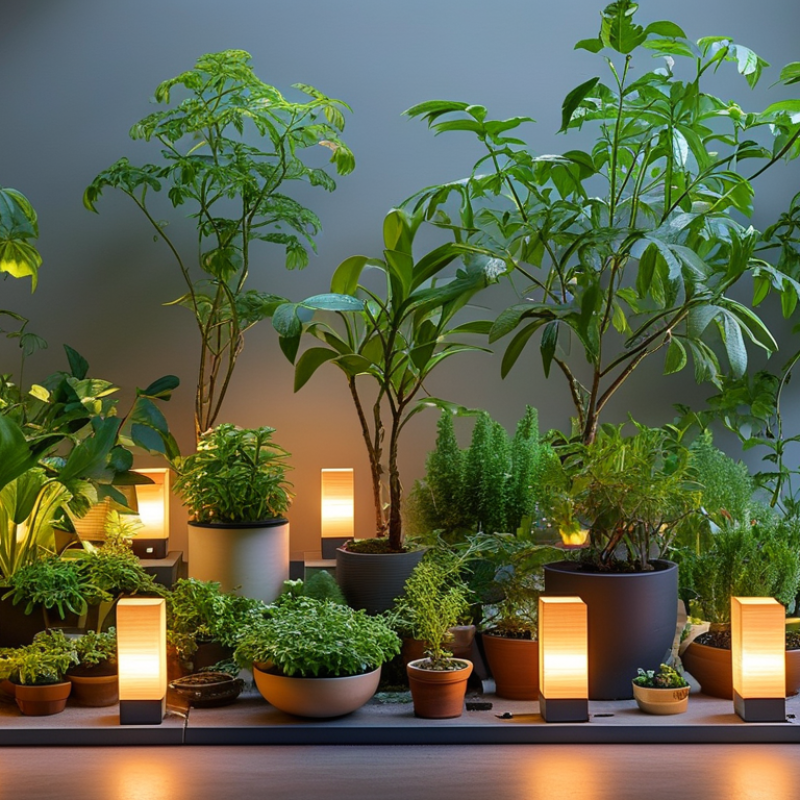
When considering bar and panel grow lights, understanding their basics is crucial. Bar lights are long and narrow, making them ideal for larger spaces. They provide uniform light distribution and are great for covering wide areas. Many growers appreciate their ability to provide efficient light intensity for various plants.
Panel lights have a different design. They are flat and designed to fit into tight spaces. Panel lights can be easier to install and often come with adjustable settings. Some users prefer them for small indoor setups. However, they may not deliver the same level of coverage as bar lights. This can lead to uneven growth in certain areas of your garden.
Choosing the right light involves some reflection. Think about your space and plant needs. What works for one garden might not suit another. Both types have their advantages and limitations. Take the time to evaluate your environment. This will help you make a decision that best fits your gardening goals.
When considering grow lights, the light spectrum is crucial. Bar and panel grow lights differ significantly in this aspect. Research shows that bar lights often emit a more focused spectrum. This allows for better targeting of specific plant growth stages. For example, studies indicate that blue light promotes vegetative growth while red light supports flowering.
Panel lights, on the other hand, tend to offer a broader, more even distribution of light. This can benefit larger growing areas where uniformity matters. Data suggests that panel lights may produce higher yields in such settings. However, they might lack intensity compared to bar lights.
Interestingly, some growers report mixed results. One common concern is the overreliance on one light type. It often leads to suboptimal growth. Testing different spectrums in varying environments can unveil unexpected outcomes. A adaptable approach may yield unexpected results. Balancing light intensity and spectrum remains a key challenge for many cultivators.
When choosing between bar and panel grow lights, energy efficiency is a crucial factor. Many growers often overlook the importance of energy consumption statistics. Understanding how each type impacts your electricity bill can inform a better decision. Bar grow lights tend to distribute light more evenly across a wider area. This can enhance photosynthesis, potentially requiring less energy for the same output.
Panel lights, on the other hand, may consume less energy but focus light on a smaller area. Their performance can vary greatly depending on the setup and size of your grow space. Reflect on your specific needs before making a choice. Many setups find using a combination efficient. This can balance energy consumption and maximize yield.
Energy usage isn’t just about the immediate cost. It affects the environment too. Sustainable practices are becoming a necessity. Monitoring your energy usage regularly can reveal patterns. Small adjustments could lead to significant savings in the long run. Consider reviewing energy bills and consumption statistics over time. This practice enhances your understanding of what works best for your setup.
This chart compares the average energy consumption of bar and panel grow lights. Bar lights consume an average of 150 W/m², whereas panel lights are more energy-efficient at 120 W/m². This information can help growers make informed decisions based on energy efficiency.
When choosing between bar and panel grow lights, installation and space requirements are crucial. Bar lights are typically more versatile. They can be mounted horizontally or vertically, making them suitable for various grow spaces. If you're working with limited height, bar lights can often fit into tighter setups.
Panel grow lights usually require more vertical space. They provide even light distribution but may not be ideal for low-ceiling environments. Always measure your growing area before making a choice. The distance from the plants is vital. Too close, and you risk burning the plants; too far, and the light won't penetrate effectively.
Power source and wiring also matter. Bar lights might need more direct placement near outlets, while panel lights can often be daisy-chained for convenience. However, this may lead to overloading circuits if not calculated correctly. Identify your space limitations and power needs carefully. Reflect on how these features align with your specific growing goals.
When deciding between bar and panel grow lights, a cost-benefit analysis is crucial. Both types have different upfront costs and long-term savings. Bar lights tend to have a lower initial purchase price but can consume more energy. In contrast, panel lights might be pricier upfront, yet they are often more energy-efficient, which can save you money over time.
It's essential to consider your growing space. Bar lights are suited for narrow areas, while panels provide widespread coverage. Evaluate your specific needs before making a decision. Investing in the right type at the start can lead to reduced energy bills and enhanced plant growth.
Tips:
Choose lights based on the size of your grow area. Look into wattage and light spectrum requirements. Don't forget to factor in maintenance costs. Regular checks can prolong the life of your grow lights. Entering this investment without research may lead to regrets later on. Understand that experimenting with different types may be necessary for optimal results.
: Energy efficiency is crucial when choosing between bar and panel grow lights.
Bar grow lights distribute light evenly, enhancing photosynthesis and potentially reducing energy needs.
Yes, panel lights generally consume less energy but focus on smaller areas.
Regularly monitoring energy bills and consumption statistics can reveal helpful usage patterns.
Yes, bar lights can be mounted horizontally or vertically, making them versatile for smaller areas.
Panel lights require more vertical space, so measure your area carefully before installation.
Placing lights too close can burn plants; too far can reduce light penetration.
Bar lights need direct placement near outlets, while panel lights can daisy-chain but may overload circuits.
Yes, using a combination can balance energy consumption and maximize yield.
Sustainable practices are increasingly necessary and can lead to long-term energy savings.
When choosing between bar and panel grow lights, it is essential to understand the differences in their design and functionality. Bar grow lights typically provide a more focused beam of light, making them suitable for specific plant growth needs, while panel grow lights offer a broader coverage area, which can be beneficial for larger grow spaces. What is the difference between bar and panel grow lights also extends to their light spectrum; bar lights may cater to specific wavelengths required during different growth stages, whereas panels often provide a full spectrum that supports overall plant health.
Energy efficiency is another critical factor, with usage statistics showing varying consumption rates between the two types. Installation needs differ as well, with bar lights usually needing more strategic placement compared to the uniform distribution of panel lights. Finally, a cost-benefit analysis reveals that while initial investments may vary, understanding the long-term benefits of each type can lead to an informed decision that impacts not just plant growth but overall operational costs.
