How to Choose the Right Grow Light Wattage for Indoor Plants?

Time:2026-06-18 Author:Liam
0%

Choosing the right grow light wattage for indoor plants is a crucial decision. The right wattage can significantly affect plant growth and health. Insufficient light can hinder photosynthesis. Conversely, too much light may lead to stress or burning.

Understanding how to choose the right grow light wattage for indoor plants requires knowledge and experience. Different plants have varying light needs. For example, succulents may thrive in lower wattage, while tropical plants often require more. It's important to research specific plant requirements.

Selecting wattage isn't always straightforward. You might find that what works for one plant doesn't suit another. Sometimes, adjustments are needed as plants grow. Take the time to monitor their response. This process involves a bit of trial and error. Stay observant and be ready to adapt your light setup for the best results.
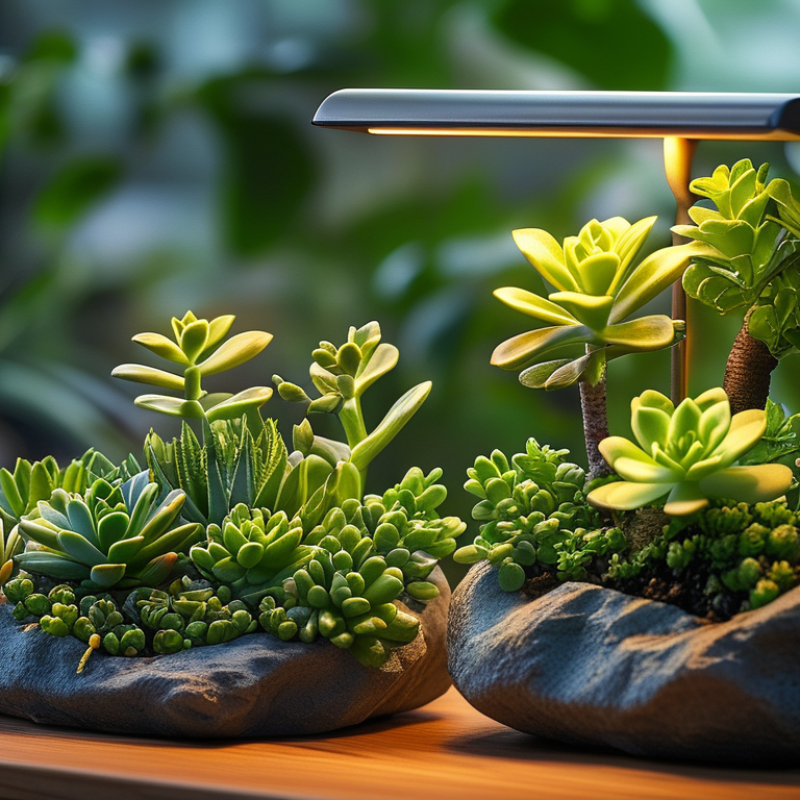
How to Choose the Right Grow Light Wattage for Indoor Plants?

Understanding the Basics of Grow Light Wattage for Indoor Plants

When selecting the right grow light wattage for indoor plants, it's crucial to understand the basics first. Wattage affects the intensity of light your plants receive. Higher wattage means more light, which can benefit plants with high light requirements. For example, vegetables and flowering plants may thrive with 400-600 watts. However, delicate seedlings and houseplants might only need 100-200 watts.

Knowing how many plants you have is equally important. Space the lights according to the number of plants you intend to grow. If you have a small area, concentrate the light to avoid overwhelming the plants. Too much light can lead to leaf burn and stunted growth. Conversely, too little can hinder photosynthesis and elongate stems, making them weak.

Choosing the right wattage involves a balance between energy use and plant needs. Consider your space and the plants’ requirements carefully. Reflect on the type of growth you aim for. Adjust the distance of the lights as your plants grow. Lighting is not one-size-fits-all. It requires continual assessment and fine-tuning.

How to Choose the Right Grow Light Wattage for Indoor Plants?

Plant Type Light Requirement (Watts per Square Foot) Suggested Wattage for 4x4 ft Area Best Light Type
Succulents 20 - 30 W 320 - 480 W LED
Herbs 30 - 50 W 480 - 800 W CFL
Leafy Greens 30 - 40 W 480 - 640 W LED
Flowering Plants 50 - 70 W 800 - 1120 W HPS
Fruit-bearing Plants 70 - 100 W 1120 - 1600 W LED

Determining the Light Needs of Your Specific Indoor Plants

Choosing the right wattage for grow lights involves understanding your indoor plants' specific light needs. Different plants have varying requirements. For instance, leafy greens like lettuce thrive in moderate light, while flowering plants often need brighter options.

When determining wattage, consider the space you’re working with. A small area may need only 100-200 watts, while larger setups might require more. Check the light intensity; some plants may flourish with lower wattage. However, installing too little light can lead to weak growth. Observe your plants; if they stretch towards the light, they might need more intensity.

Indoor gardening is a learning experience. Not all plants will react the same way to the same wattage. You might find that a certain plant prefers less light than expected. Take notes as you adjust the setup. Each plant’s response can guide future decisions. This trial and error makes indoor gardening rewarding, albeit occasionally frustrating. Finding the perfect balance takes patience and observation.

Calculating the Appropriate Wattage Based on Growing Space Size

When selecting the right grow light wattage, it's essential to consider the size of your growing space. Larger spaces require more wattage to ensure plants receive adequate light. For example, a small closet might need around 100 watts, while a larger room can necessitate 300 watts or more. Measuring your space accurately helps determine the right wattage for your specific needs.

Tips: Use a wattage guide. This can give you insight into how many watts your plants need based on their growth stages. Remember, light intensity plays a crucial role. If you’re unsure, consider starting with a lower wattage and adjusting as needed.

The distance between your plants and the light affects the overall performance. Too far, and your plants won’t thrive; too close, and they may get burned. Regularly assess your plants’ health to adjust your setup correctly. Each plant species has different light requirements, adding to the complexity. Be prepared to experiment to find the ideal balance.

Choosing Between LED, Fluorescent, and HPS Grow Lights

When selecting grow lights for indoor plants, many face the LED vs. fluorescent vs. HPS debate. LED lights are often praised for their efficiency. They consume less energy and have a longer lifespan compared to HPS and fluorescent options. Industry reports suggest that LEDs can consume up to 50% less energy while providing a comparable light output. This appeals to those looking for both cost-saving and sustainability.

Fluorescent lights are less expensive upfront but have limitations. They emit more heat, which may impact nearby plants. Their efficiency diminishes over time. Studies indicate that after 6,000 hours, their light output drops significantly. This decrease can affect plant growth, especially in flowering stages. However, they are still a good fit for seedlings due to their gentle light.

HPS lights offer strong light but come with drawbacks. They generate substantial heat, necessitating additional cooling methods. This can raise operational costs. Reports show that while HPS lights are powerful, their energy costs can be significantly higher over time compared to LEDs. Each lighting type has merits worth considering. Choosing the right wattage requires assessing your space and plant needs.

Tips for Adjusting Light Wattage Throughout Plant Growth Stages

Choosing the right wattage for grow lights is crucial as plants develop. During the seedling stage, lower wattage is often sufficient. Many growers start with 100-150 watts per square foot.

As plants grow, their light requirements increase. For vegetative stages, ramp up the wattage to 250-300 watts. In this phase, plants develop leaves and stems, needing more energy. Keeping an eye on plant behavior is essential. Stunted growth may signal inadequate light.

During the flowering stage, plants require maximum wattage. This can be around 400-600 watts per square foot. However, monitor for light burn. Signs include discolored leaves. Adjusting the distance between lights and plants can help. Optimal distance varies with wattage.

Finding the right balance takes practice. Not all plants react the same way. Some may thrive under bright lights, while others prefer softer shades. Learning from your plants is key.

FAQS

: What is the importance of wattage in grow lights?

: Wattage affects light intensity. Higher wattage provides more light, benefiting high light requirement plants.

How many watts do I need for seedlings?

Seedlings generally need 100-200 watts. Too much light can cause undue stress and hinder growth.

Why does plant spacing matter when using grow lights?

Spacing ensures even light distribution. Overcrowded plants may get too much light, leading to leaf burn.

How can I tell if my plants need more light?

If plants stretch towards the light, they may require more intensity. Regular observation is key.

What's a good starting point for wattage in small spaces?

For small areas, starting with 100-200 watts is recommended. Adjust based on your plants' responses.

How does light distance impact plant growth?

Light too far can lead to weak growth. If too close, plants may get burned. Regular adjustments are necessary.

What should I consider when choosing grow light wattage?

Balance energy use with plant needs. Each plant species has unique requirements, requiring ongoing adjustments.

Can all plants thrive under the same wattage?

No, different plants have unique needs. Some may require less light than expected, leading to experimentation.

Is indoor gardening a straightforward process?

No, it involves trial and error. Each setup can be frustrating but is also rewarding with patience.

How can I track my lighting adjustments?

Take notes on plant responses. Document changes helps refine decisions and improve future success.

Conclusion

When considering how to choose the right grow light wattage for indoor plants, it's essential to understand the fundamental principles behind wattage and its impact on plant growth. Different plants have varying light requirements, which can depend on their species, size, and growth stage. By accurately assessing the light needs of your specific indoor plants, you can begin to calculate the appropriate wattage based on the size of your growing space.

Additionally, selecting the right type of grow light is crucial, with options like LED, fluorescent, and HPS lights each offering distinct advantages. As your plants progress through various growth stages, being prepared to adjust the light wattage will maximize their health and productivity. This comprehensive approach ensures that your indoor garden thrives under optimal lighting conditions.

Liam

Liam

Liam is a dedicated marketing professional with a profound expertise in the industry, where he excels at highlighting the unique advantages of our core products. With a keen understanding of market trends and consumer needs, Liam frequently updates our company’s professional blog, providing......