Managing temperature in a grow room is crucial for plant health. Grow lights produce significant heat, impacting the environment. This article explains how to cool down a hot grow room with multiple lights effectively.
Proper cooling techniques not only enhance plant growth but also improve energy efficiency. Simple adjustments can lead to substantial differences in temperature control. For instance, using exhaust fans can significantly lower heat levels. Increasing airflow helps disperse the warm air created by the lights.
The challenge lies in balancing light and temperature. Finding the right cooling method may require trial and error. It's essential to consider all options, such as reflective materials and ventilation upgrades. An optimal approach combines experience and knowledge in plant care. Understanding how to cool down a hot grow room with multiple lights will lead to a healthier growing environment and successful yields.
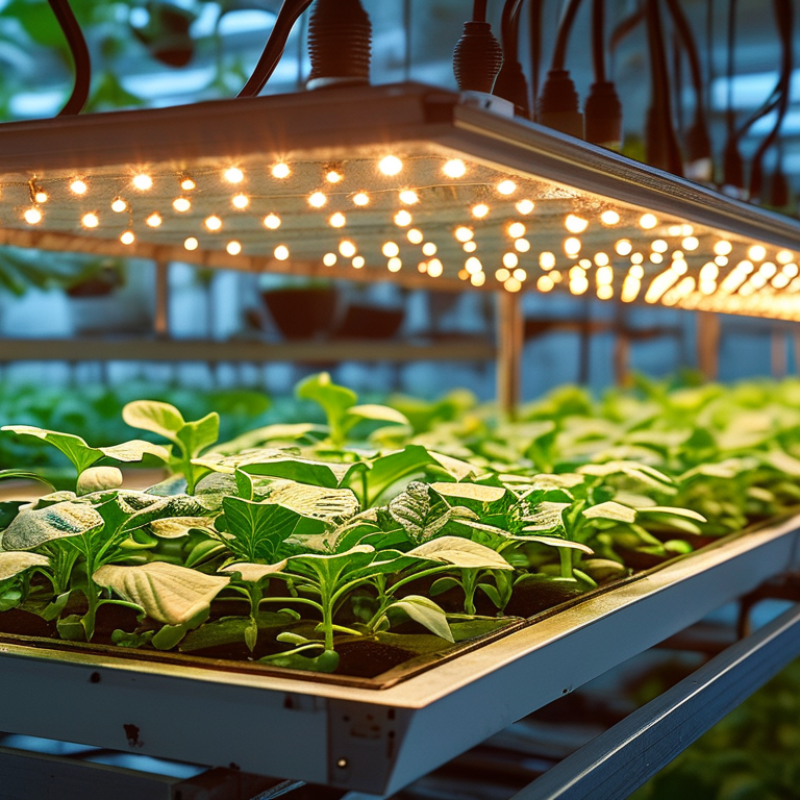
Heat generation in grow rooms can be a significant issue for indoor gardening. The lighting systems, often the main culprits, contribute excessive heat. High-intensity discharge lamps and LED lights both produce heat during operation. This can lead to temperature spikes that negatively affect plant health.
Managing this heat is essential. Ventilation plays a crucial role. Using exhaust fans can help remove hot air. A simple intake system can provide fresh, cooler air. Placement of lights also matters. Keeping them at an optimal distance reduces heat buildup. Growers often neglect the positioning of their lights, which can lead to hotter rooms.
Experimenting with cooling solutions might be necessary. Some growers find success with portable air conditioning units. Others use water-cooled systems, but those can be complex. Finding the right balance between heat and light can be challenging. Each grow room is unique. It may take time to develop the best cooling strategy.
Creating an optimal environment for your grow room is crucial. A hot grow room can harm plants, slowing their growth. To combat this, identifying effective cooling methods is essential.
One approach is improving ventilation. Ensure that fans circulate air efficiently. Positioning them at strategic points can help maintain a consistent temperature. Using exhaust fans to expel hot air is also vital. Remember, neglecting airflow can create hot pockets, leading to uneven plant growth.
Another tactic involves using air conditioning. Though it may seem expensive, it can reliably lower temperature. Consider portable air conditioners for small grow rooms. Moreover, reflective materials on walls can reduce heat absorption. It’s vital to evaluate the placement of lights too. Keeping them at an appropriate distance can minimize heat accumulation. Alongside these methods, continual monitoring is necessary. Without regular checks, you might miss subtle changes.
When considering ventilation strategies for a hot grow room, air circulation is crucial. Proper airflow helps maintain consistent temperatures. Stagnant air can trap heat and create hotspots. Ventilation systems should be placed strategically to facilitate movement. Exhaust fans work well to expel hot air. Meanwhile, intake fans bring in cooler air.
Open windows and vents can enhance airflow too. However, it’s vital to monitor outdoor conditions. Extreme weather may not always allow for effective cooling. Observing plant health can help indicate issues with air circulation. Yellow leaves or stunted growth are signs of inadequate ventilation. Regularly reviewing the setup can lead to improvements.
Implementing these strategies can be challenging. Sometimes, the airflow may feel uneven. Adjustments might be necessary based on the room's layout. Trial and error can lead to better results. Remember, even small changes can have significant effects on temperature control. Keep experimenting until the right balance is achieved.
Maintaining an optimal temperature in a grow room is critical for plant health. Air conditioning (AC) units and portable coolers are two effective cooling methods. AC units can maintain consistent temperatures, but they may require professional installation. Choosing the right size for your space is essential; an oversized unit can lead to humidity issues.
Portable coolers offer flexibility. They can be moved to different locations as needed. However, they often require regular maintenance, like checking water levels. Consider your room's layout when placing these units for optimal airflow.
Heat can accumulate around lights. Proper ventilation systems must be in place. Use exhaust fans to remove hot air, which helps maintain a cooler environment. It’s wise to monitor the temperatures frequently. Regular adjustments may be necessary. Testing different setups will help you identify the most effective cooling strategies. Don't overlook insulation; it can dramatically affect temperature control.
This chart illustrates the various cooling methods used in grow rooms, showcasing their effectiveness based on average temperature reduction (in degrees Fahrenheit) and energy consumption (in kWh). The data represents common cooling solutions employed by growers.
Reflective materials play a crucial role in managing heat in a grow room. Using reflective films can increase light efficiency by up to 30%. This means that growers can utilize less energy while achieving optimal plant growth. In many commercial setups, Mylar and white paint are common choices due to their easy application and high reflectivity. Growers should consider the placement of these materials to create maximum exposure for plants.
Light placement also affects temperature regulation. Fixtures positioned too close to plants can increase localized heat. It is essential to maintain at least 12 inches between lights and plant tops for both temperature control and to prevent light burn. Utilizing vertical space can help distribute light more evenly, further reducing hotspots. Research indicates that optimizing light placement can improve yield by as much as 20% while minimizing energy costs.
Some growers overlook how light intensity impacts heat generation. With high-intensity discharge (HID) lights, proper airflow becomes essential. Cooling systems should complement light placement. Ventilation should be set up to move warm air away from the plants effectively. However, improper configurations can lead to inefficient cooling, leaving plants susceptible to stress. Reflecting on these factors can lead to a more successful and energy-efficient grow room.
| Dimension | Data |
|---|---|
| Average Temperature (°F) | 85 |
| Light Type | LED |
| Number of Lights | 10 |
| Total Wattage | 1200W |
| Reflective Material Used | Mylar |
| Ventilation System Type | Inline Fan |
| Cooling Method | Air Conditioning |
| Humidity Level (%) | 60 |
| Optimal Temperature Range (°F) | 70-80 |
| Distance of Lights from Canopy (inches) | 18 |
: Excessive heat from lighting systems can harm plant health. It leads to temperature spikes that stress plants.
Use proper ventilation. Exhaust fans help remove hot air, and an intake system can provide cooler air.
Keep lights at least 12 inches from plant tops. This reduces heat buildup and prevents light burn.
Yes, AC units maintain consistent temperatures. However, they may need professional installation and careful sizing.
Portable coolers are flexible and movable. They require maintenance, like checking water levels, to function properly.
Yes, reflective materials can increase light efficiency by up to 30%. They help reduce energy use while maximizing growth.
Good insulation can significantly affect temperature management. It prevents heat from escaping or entering the grow room.
Higher light intensity generates more heat. Effective airflow and cooling systems are essential to manage this heat.
Regular temperature checks are crucial. Frequent adjustments may be needed to maintain optimal conditions for plant health.
Finding the right balance can be challenging. Experimenting with different setups may take time, and results can vary.
Effectively cooling down a hot grow room with multiple lights requires a comprehensive understanding of heat generation in such environments. The heat produced by grow lights can significantly impact plant health, so it is essential to identify effective cooling methods. This includes implementing ventilation strategies that promote optimal air circulation, which can help dissipate excess heat.
Additionally, the use of AC units and portable coolers can provide targeted cooling solutions for grow rooms. It's also beneficial to maximize efficiency by utilizing reflective materials and strategically placing lights to minimize heat accumulation. By combining these techniques, growers can learn how to cool down a hot grow room with multiple lights, ensuring a conducive environment for plant growth.
