What Happens If Plants Get Too Much Grow Light Tips?

Time:2026-07-14 Author:Henry
0%

When considering indoor gardening, lighting plays a crucial role. However, not all light is beneficial. Understanding "what happens if plants get too much grow light" is essential for any gardener. Overexposure can lead to several adverse effects. Plants may exhibit signs of stress, such as leaf burn and discoloration.

Too much light can disrupt a plant's natural processes. For instance, photosynthesis becomes inefficient under excessive light. This can stifle growth instead of promoting it. Many gardeners overlook this detail. They believe more light equals faster growth, but this is not always true.

In addition to symptoms like yellowing leaves, plants may require additional care. Finding the right balance in light exposure is key. Monitoring the intensity and duration of light can prevent problems. Thus, it’s vital to educate oneself on this topic. Proper understanding can save time and effort in maintaining a healthy plant.
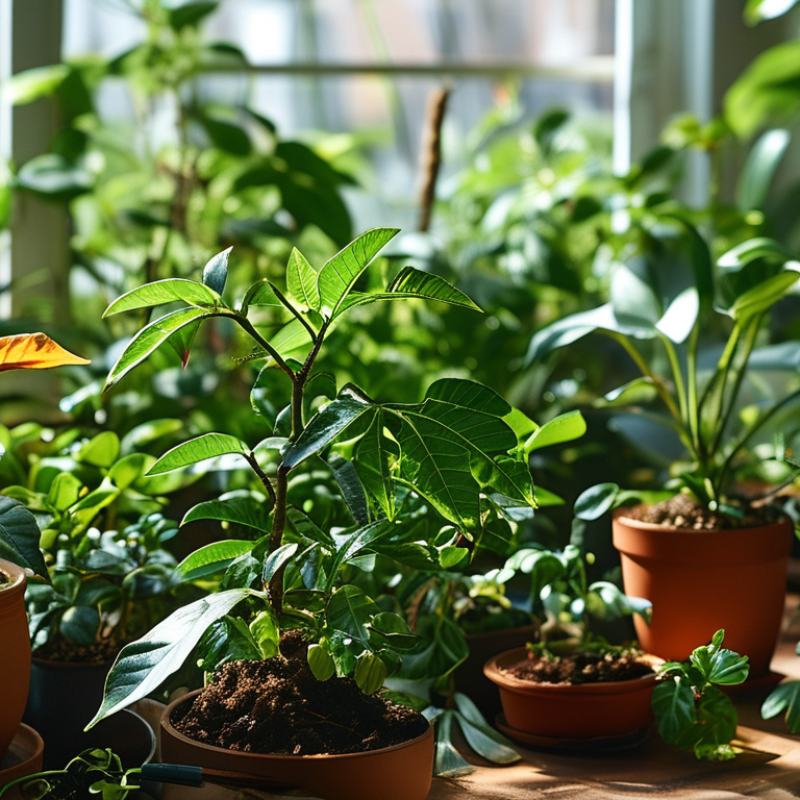
What Happens If Plants Get Too Much Grow Light Tips?

Effects of Excess Light on Plant Photosynthesis Rates

Excessive light can dramatically affect plant photosynthesis rates. When plants receive too much light, they can suffer from photoinhibition. This occurs when light exceeds the optimal intensity for photosynthesis. A study by the American Society of Plant Biologists found that plants exposed to excessive light can experience a 50% reduction in photosynthetic efficiency.

Additionally, the type of light can influence these effects. High-intensity light can lead to stress responses, causing production of reactive oxygen species. These can damage plant cells and disrupt normal physiological functions. According to a report from the National Academy of Sciences, some plants may adapt by producing more chlorophyll, yet this is not always sufficient.

Plants may show signs of stress, like leaf burn or discoloration. These symptoms indicate that light levels are not optimal. Growers should monitor light intensity carefully, aiming for a balance. While plants need light for growth, too much can cause significant harm. Adjusting light exposure based on specific plant needs is crucial for healthy growth.

Identifying Signs of Light Stress in Common Houseplants

Excessive grow light can significantly stress houseplants. Signs of light stress vary among species but commonly include leaf burn and discoloration. Overexposure may cause pale leaves or curling edges. According to a study from the International Journal of Botany, nearly 40% of houseplants experience stress due to high light intensity.

It’s crucial to monitor indoor lighting conditions closely. Position your plants at least two feet away from intense grow lights. A distance of 18 inches is recommended for many varieties. This simple adjustment can often prevent light-related issues.

When identifying light stress, look for wilting or leggy growth. Plants may stretch towards the light source. Adjust your light placement or reduce the duration of exposure to daily cycles. A good rule of thumb is to provide 12-14 hours of light per day. An easy way to manage this is using timers for consistency. Remember, understanding your plant’s specific needs is vital. Be prepared to experiment and adjust as you learn.

Optimal Light Intensity for Different Plant Species

Light intensity plays a crucial role in plant growth. Different species require varying amounts of light for optimal health. For example, low-light plants like ferns thrive well in 200-400 µmol/m²/s. In contrast, high-light species, such as succulents, might need 800-1200 µmol/m²/s for vigorous growth. Overexposure can lead to leaf burn and stunted growth.

According to a study by the American Society for Horticultural Science, plants can experience light saturation. Beyond a certain point, additional light does not increase photosynthesis. In fact, too much light can damage chlorophyll, weakening the plant. Tomato plants typically prefer around 600-800 µmol/m²/s but can exhibit stress after 1,200 µmol/m²/s.

Setting optimal conditions also requires considering the duration of light exposure. Most plants benefit from 12-16 hours of light per day. However, some researchers suggest that less light with higher quality can yield better results. Monitoring light quality is vital. Using full spectrum light can improve growth substantially, but excess may cause rapid leaf yellowing, indicating stress. Finding the right balance is essential for thriving plants.

Comparative Analysis of Grow Light Types and Their Effects

Choosing the right grow light is crucial for plant health. There are various types of grow lights, including LED, fluorescent, and high-intensity discharge (HID) lights. Each type has its advantages and disadvantages. LEDs are energy-efficient and have a long lifespan. Fluorescent lights, on the other hand, are great for seedlings but can produce excess heat. HID lights are powerful but can be overkill for small indoor gardens.

Excessive light can harm plants significantly. Too much grow light can cause leaf burn and stress. Plants respond by stunting growth or even dying. Growers need to monitor light intensity closely. Adjusting the height of the light source can help. Some lights offer adjustable settings, which might help in mitigating light stress.

The spectrum of light matters too. For instance, the blue spectrum promotes vegetative growth, while red light aids flowering. Understanding these nuances is vital. Growers often experiment, but not all strategies succeed. It may take time to find the ideal light combination. Maintaining balance is essential for a thriving garden. Growers often overlook these details, leading to less-than-ideal results.

What Happens If Plants Get Too Much Grow Light Tips? - Comparative Analysis of Grow Light Types and Their Effects

Grow Light Type Optimal Light Distance (inches) Effects of Excess Light Best Plants for Use
LED Grow Lights 12-24 Light Burn, Leaf Curl Succulents, Herbs
Fluorescent Lights 6-12 Stretching, Yellowing Seedlings, Lettuce
High-Intensity Discharge (HID) 24-36 Scorched Leaves, Wilting Tomatoes, Peppers
Incandescent Lights 18-30 Heat Stress, Leaf Drop Flowering Plants

Mitigation Strategies for Overexposure to Grow Lights

Plants rely on grow lights for photosynthesis, but overexposure can lead to harm. It is crucial to monitor the light intensity and duration carefully. Signs of stress include yellowing leaves and stunted growth. If you observe these symptoms, it's time to intervene.

One effective mitigation strategy involves adjusting the distance between the grow light and plants. Increasing this space can significantly reduce light intensity. Another method is to limit the light duration. Typically, 12 to 16 hours of light is sufficient for most plants. Consider using timers to help regulate this.

Additionally, introducing shade cloth can help filter excessive light. Placing plants in different areas of your space may also reduce light exposure. If plants show signs of distress, assessing their environment is vital. Reflecting on your setup can often lead to better outcomes.

Impact of Grow Light Overexposure on Plant Health

FAQS

: What are common signs of light stress in houseplants?

: Common signs include leaf burn, discoloration, pale leaves, and curling edges.

How far should plants be from grow lights?

Position plants at least two feet away, preferably 18 inches for many varieties.

How can I prevent light-related issues in my plants?

Adjust light placement and reduce exposure duration, using a timer for consistent cycles.

What light intensity do low-light plants need?

Low-light plants like ferns thrive in 200-400 µmol/m²/s intensity.

Can plants experience light saturation?

Yes, beyond a certain light point, photosynthesis won't increase and can damage chlorophyll.

How many hours of light do most plants require daily?

Most plants benefit from 12-16 hours of light each day for optimal growth.

What is the difference between LED and HID grow lights?

LEDs are energy-efficient and long-lasting; HID lights are powerful but may be excessive for small gardens.

How does light spectrum affect plant growth?

Blue light promotes vegetative growth, while red light supports flowering in plants.

What can excessive light cause in plants?

Excessive light can lead to leaf burn, stunted growth, or even the plant dying.

Is it important to monitor light quality?

Yes, maintaining light quality is crucial. Too much can cause rapid yellowing of leaves, indicating stress.

Conclusion

Excessive exposure to grow lights can significantly impact plant health, raising the question: what happens if plants get too much grow light? High light intensity can disrupt photosynthesis, leading to inefficient energy utilization and potentially causing light stress in common houseplants. Signs of this stress may include yellowing leaves, burnt tips, or stunted growth.

Understanding the optimal light intensity for different plant species is crucial to avoid these issues. Various types of grow lights also produce differing effects on plants, emphasizing the need for a comparative analysis to tailor lighting strategies effectively. Implementing mitigation strategies, such as adjusting the distance of grow lights or using light-dimming options, can help safeguard plants from the detrimental effects of overexposure, ensuring healthy growth and vibrant foliage.

Henry

Henry

Henry is a dedicated marketing professional with a profound expertise in the company's offerings. With years of experience in the industry, he possesses an impressive understanding of the market dynamics and consumer behaviors that drive success. Henry is committed to sharing his insights through......