Why Choose Full Spectrum Grow Lights for Indoor Farming?

Time:2026-07-04 Author:Liam
0%

Indoor farming has gained popularity due to its efficiency and control. As urban farming becomes a trend, lighting choice is vital. Experts highlight the advantages of full spectrum grow lights. One such expert, Dr. Emily Green, a horticulturist at the Urban Agriculture Institute, emphasizes, "Full spectrum grow lights mimic natural sunlight, optimizing plant growth in confined spaces."

These lights provide wavelengths necessary for photosynthesis. This leads to healthier plants, higher yields, and faster growth rates. When we ask, "why is full spectrum grow light better for indoor farming?" the answer lies in their ability to create an ideal growing environment. They support all growth stages, from seedling to flowering, without the inconsistency that other lights provide.

However, not all options are perfect. Some growers may find full spectrum lights more costly initially. The energy consumption can also be a concern for long-term use. Still, the benefits often outweigh these drawbacks. Investing in full spectrum lights can enhance indoor farming success significantly.
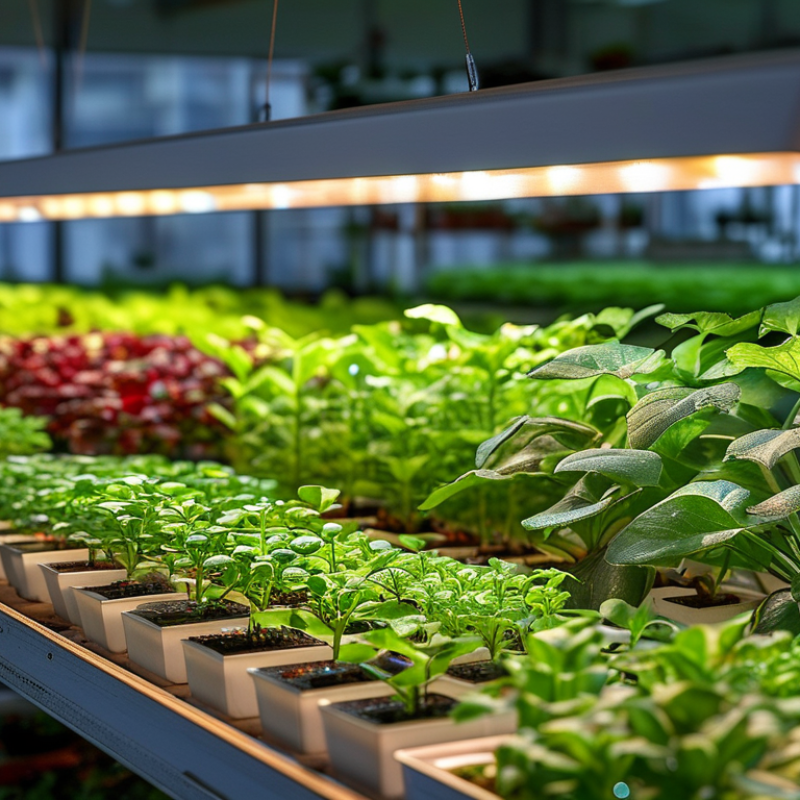
Why Choose Full Spectrum Grow Lights for Indoor Farming?

Benefits of Full Spectrum Grow Lights for Plant Growth

Full spectrum grow lights are essential for indoor farming. They mimic natural sunlight, providing plants with the full range of wavelengths they need. This spectrum includes both cool and warm light. As a result, plants can photosynthesize effectively, leading to robust growth and vibrant colors.

These lights enhance seedling development and flowering phases. Plants under full spectrum light often show quicker growth rates. They gain stronger stems and larger leaves. This light type also helps prevent common issues like leggy plants. Sometimes, even experienced growers face challenges with light placement and intensity. Adjusting these factors can reveal optimal growth patterns over time.

Furthermore, full spectrum lights can impact plant health. Plants exposed to a broader range of wavelengths tend to have better resistance to pests. However, not all plants respond uniformly to full spectrum lights. It's vital to monitor their reactions. Observing changes in plant health can guide adjustments in settings. Each grower’s experience is unique, making patience and reflection key elements in optimizing growth.

Understanding the Spectrum: What is Full Spectrum Lighting?

Understanding full spectrum lighting is crucial for effective indoor farming. Full spectrum grow lights mimic natural sunlight. They provide a balanced light spectrum that supports plant growth at all stages. Unlike traditional lights, full spectrum lights enable plants to photosynthesize more efficiently. This is essential for healthy and robust growth.

When setting up your indoor farm, consider your plants' specific light needs. Different plants have varying requirements for light intensity and spectrum. Some thrive under blue light, while others prefer red light. Experimenting with light duration can also yield valuable results.

Tips: Adjust your light height as plants grow. Monitor your plant responses closely. If yellowing leaves appear, your lights may be too close. Another tip is to use light timers to simulate natural day cycles. This helps maintain a consistent environment for growth.

While full spectrum lights are beneficial, they may not be perfect for every situation. Over-lighting can lead to stress in sensitive plants. The energy cost can also be considerable. Careful monitoring and adjustment are necessary to ensure optimal growth without waste.

How Full Spectrum Lights Mimic Natural Sunlight for Indoor Plants

Full spectrum grow lights are gaining traction in indoor farming. They replicate natural sunlight, which is crucial for healthy plant growth. These lights emit a balanced spectrum of colors, from deep red to blue and everything in between. A study by the American Society for Horticultural Science indicated that plants grow faster under full spectrum light compared to standard grow lights. The right light spectrum enhances photosynthesis, stimulating plant development.

Different plants require varying light wavelengths. For example, red light promotes flowering, while blue light aids in vegetative growth. Research shows that plants exposed to both colors thrive significantly better. A reliable report from the National Renewable Energy Laboratory states that using full spectrum lights can increase yields by up to 30%. However, achieving the best results depends on understanding specific plant needs and adjusting light levels accordingly.

Despite the impressive benefits, challenges exist. If too much light is introduced, plants can become stressed. This can result in leaf burn or stunted growth. It's critical for growers to monitor their plants closely. Adjustments may be necessary. Finding the right balance is not always straightforward. Consideration of plant types and growth stages is essential for success. Full spectrum lights provide an excellent alternative, but careful management is key to maximizing their potential.

Comparing Full Spectrum Grow Lights with Other Lighting Types

When it comes to indoor farming, lighting plays a crucial role in plant growth. Full spectrum grow lights provide a wider range of wavelengths compared to other lighting types. These lights simulate natural sunlight, leading to healthier plants and higher yields. Reports suggest that full spectrum lights can increase plant growth rates by up to 20% when compared to HID (High-Intensity Discharge) lighting systems.

In contrast, traditional options like red and blue LED lights target specific growth stages. While they work effectively for seedling propagation, they may lack the coverage for later growth stages. Studies indicate that plants grown under full spectrum lights show more robust root systems, which is essential for nutrient uptake. Full spectrum lights often result in fewer nutrient deficiencies compared to more focused lighting.

However, full spectrum lights can be more expensive upfront. Not all growers may find them necessary, especially for those on tight budgets. The energy costs also need consideration since these lights can consume more power. Observing these factors can help in making an informed decision when selecting lighting for indoor farming.

Why Choose Full Spectrum Grow Lights for Indoor Farming?

Tips for Selecting the Right Full Spectrum Grow Light for Your Needs

Selecting the right full spectrum grow light is crucial for indoor farming success. When choosing one, consider the type of plants you grow. Different plants may require varying light intensities and spectrums. Researching their specific needs helps in making informed decisions.

Light output is another key element. Measure the lumens your space requires. Also, the distance between the light and plants matters. Too close might cause burns; too far can hinder growth. Use adjustable hangers for flexibility.

Energy efficiency is essential in long-term use. Look for lights that provide maximum output with less consumption. A well-designed grow light can save money while ensuring healthy plant growth. Ultimately, always reflect on your space and plants through the selection process. Adjust as you learn what works best over time.

FAQS

: What are full spectrum grow lights?

: Full spectrum grow lights mimic natural sunlight, providing a complete range of wavelengths for plant growth.

How do these lights benefit plants?

They enhance photosynthesis, leading to quicker growth rates and stronger plants with vibrant colors.

What are common challenges with using full spectrum lights?

Growers may struggle with light placement and intensity, impacting plant health and growth.

Do all plants respond the same to full spectrum lights?

No, different plants react uniquely to these lights, requiring careful monitoring and adjustments.

Can too much light harm plants?

Yes, excessive light can cause leaf burn or stunted growth, stressing the plants.

Are full spectrum lights more effective than other lighting types?

Studies show they can increase growth rates by up to 20% compared to traditional lighting.

What energy concerns should growers keep in mind?

Full spectrum lights can consume more power, affecting energy costs and budget.

How important is adjusting light levels for different phases?

It's vital for varying growth stages and plant types, ensuring optimal results.

Can full spectrum lights prevent nutrient deficiencies?

Yes, they often result in healthier root systems, leading to fewer deficiencies compared to focused lighting.

Why is patience important when using full spectrum lights?

Observing plant reactions and making gradual adjustments is essential for successful growth outcomes.

Conclusion

Full spectrum grow lights are increasingly recognized as essential for indoor farming due to their numerous benefits for plant growth. These lights provide a balanced spectrum that closely resembles natural sunlight, facilitating optimal photosynthesis and overall plant health. By understanding the spectrum, it becomes clear why is full spectrum grow light better for indoor farming, as it supports all stages of plant development, from germination to flowering.

Moreover, when compared to other lighting types, full spectrum grow lights stand out for their ability to enhance plant yield and quality. Selecting the right full spectrum grow light requires consideration of factors such as wattage, size, and plant requirements. Ultimately, employing full spectrum lighting can significantly improve the success of indoor gardening endeavors, making it a preferred choice among growers.

Liam

Liam

Liam is a dedicated marketing professional with a profound expertise in the industry, where he excels at highlighting the unique advantages of our core products. With a keen understanding of market trends and consumer needs, Liam frequently updates our company’s professional blog, providing......