Can Grow Lights Cause Eye Damage to Humans in 2026?

Time:2026-08-18 Author:Liam
0%

As indoor gardening grows in popularity, many wonder, "Can grow lights cause eye damage to humans?" This concerns health and safety. Dr. Emily Robertson, a leading expert in ocular health, asserts, "Prolonged exposure to intense grow lights may pose risks to eye health."

Recent studies suggest that the light emitted from certain grow lights can be intense. Some wavelengths may lead to discomfort or even more serious conditions over time. Gardeners and hobbyists rely on these lights for optimal plant growth. Yet, the impact on human vision is an emerging topic.

It's critical to approach this subject with caution. Users should be aware of their exposure duration. Protective eyewear is often recommended, but not always used. Awareness of potential risks is essential. As discussions continue, questions linger about long-term effects on eye health in growers. Balancing the benefits of indoor gardening with safety is key.
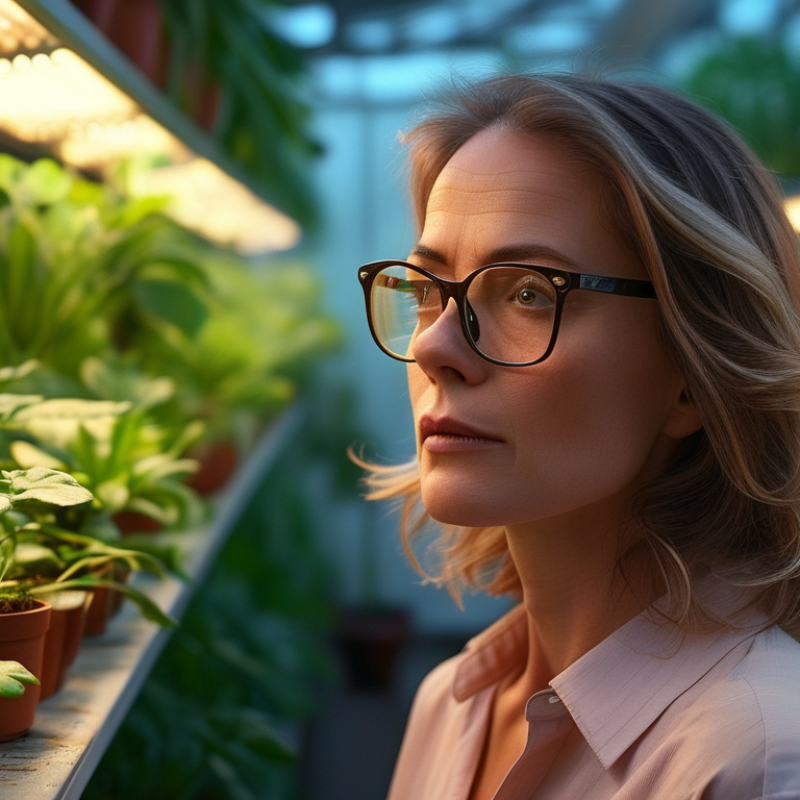
Can Grow Lights Cause Eye Damage to Humans in 2026?

Potential Risks of Grow Lights to Human Vision in 2026

As the usage of grow lights continues to rise, concerns about their impact on human vision are becoming more prominent. A 2023 report from the American Optometric Association highlights that prolonged exposure to high-intensity grow lights can lead to eye strain and discomfort. These lights emit significant amounts of blue light, which is known to contribute to digital eye strain. Many individuals working in indoor farming may underestimate these risks.

Research shows that excessive blue light exposure may lead to retinal damage over time. The International Journal of Environmental Research and Public Health emphasizes the need for protective measures. Employers in the agriculture sector should consider implementing safety protocols, including providing protective eyewear for workers. This can help mitigate risks associated with long-term exposure.

**Tips:**
1. Limit your exposure to grow lights. Consider taking regular breaks to prevent strain.
2. Use protective eyewear specifically designed to filter blue light. This can significantly reduce potential harm.
3. Adjust the height and intensity of grow lights to minimize direct eye exposure. Experiment with different settings to find a balance that works for you.

Types of Grow Lights and Their Emission Spectra

When discussing grow lights, it's essential to understand their emission spectra. Different types of grow lights produce varying wavelengths of light. This variation can affect plant growth and human health in different ways. LED lights are popular for their energy efficiency and specific spectrum outputs. Fluorescent lights are often used in smaller setups. However, incandescent lights, less common now, emit a broader spectrum with more heat.

Understanding the emission spectra helps in selecting the right grow light for your needs. For instance, blue light aids vegetative growth, while red light promotes flowering. If you're using these lights indoors, consider the distance between the plants and the lights. A too-close light may lead to excessive heat and potential damage.

Tips: Always wear protective eyewear when working with bright grow lights. This simple change can help prevent eye strain or damage over time. Consider using timers to control light exposure on plants. Overexposure can lead to stress on both plants and eyes. Lastly, keep room ventilation in mind to reduce heat buildup and ensure a healthy growing environment.

Scientific Studies on Light Exposure and Eye Health

Scientific findings suggest that prolonged exposure to certain artificial light sources, such as grow lights, may affect eye health. Research published in various journals indicates that blue light emitted from these lights can lead to digital eye strain. Symptoms often include discomfort and blurred vision. In a study by the American Optometric Association, about 60% of adults reportedly experience symptoms from prolonged light exposure.

Investigations into ultraviolet (UV) light show potential risks too. UV radiation can cause cataracts and other eye issues over time. A 2022 report emphasized that exposure levels from some grow lights could reach concerning levels. While these lights support plant growth, the potential harm they pose to human eyes must not be ignored.

Additionally, individuals working in close proximity to grow lights need to reflect on their light exposure. Protective eyewear can mitigate risks, yet awareness remains low. An analysis found that only 25% of workers use adequate eye protection when around potent light sources. Continuous research is essential to develop safer grow light technologies and better understand their impact on eye health.

Preventive Measures for Safe Use of Grow Lights

As the use of grow lights continues to rise, concerns about their impact on eye health emerge. Research from the American Academy of Optometry suggests that specific light wavelengths can lead to retinal damage over time. In particular, blue light exposure from these devices can strain the eyes, leading to potential long-term effects.

To mitigate these risks, several preventive measures can be implemented. First, using grow lights with adjustable settings allows for managing exposure duration and intensity. Limiting the duration of direct light exposure is critical. Eye protection, such as specialized eyewear that filters harmful wavelengths, offers an additional layer of defense. Regular breaks from prolonged exposure can also help reduce fatigue and strain on the eyes.

Furthermore, creating a safe environment is essential. Ensure that grow lights are properly installed and maintained to avoid glare and flicker, which can further irritate the eyes. The National Institute for Occupational Safety and Health recommends routine eye exams for those frequently exposed to artificial lighting. By understanding the risks and implementing simple preventive measures, users can enjoy the benefits of grow lights while safeguarding their eye health.

Potential Eye Damage from Grow Lights

This chart represents the potential risk of eye damage associated with different intensities of grow lights. As intensity increases, the perceived risk of eye damage also rises significantly, highlighting the importance of preventive measures for safe usage.

Future Perspectives on Grow Light Technology and Safety Standards

As grow light technology advances, concerns about eye safety are emerging. A report from the American Optometric Association highlights that prolonged exposure to high-intensity grow lights can potentially lead to serious eye issues. This includes the risk of phototoxic damage, which can result in temporary visual disturbances and long-term vision problems.

Industry experts suggest that regulatory bodies should establish clear safety standards for grow light usage. The International Lighting Commission recommends adjustments to exposure limits and guidelines for eye protection. These precautionary measures are vital, especially as indoor farming continues to expand. Some growers may underestimate the risks associated with UV radiation emitted by certain grow lights.

Ongoing research is crucial in this area. Studies indicate that different wavelengths affect eye health differently. For instance, blue light has been shown to have the highest potential for retinal damage. Understanding these impacts will inform better practices and enhance safety protocols, encouraging growers to adopt suitable protective measures. Balancing between effective plant growth and eye safety requires a thoughtful approach, ensuring both plants and human health are preserved.

FAQS

: What types of grow lights are popular for indoor gardening?

: LED lights are favored for energy efficiency. Fluorescent lights suit smaller setups. Incandescent lights are now less common.

How do different light wavelengths affect plants?

Blue light helps vegetative growth. Red light promotes flowering. Each wavelength serves a specific purpose in growth.

What should I consider regarding light distance from plants?

The distance between lights and plants is crucial. Too close could cause excessive heat and damage to the plants.

How can I protect my eyes from grow lights?

Always wear protective eyewear designed for bright lights. This simple step helps prevent eye strain and potential damage.

How important is controlling light exposure duration?

Overexposure to grow lights can stress both plants and your eyes. Use timers for better control of exposure duration.

What measures can reduce eye strain from grow lights?

Limit direct light exposure. Regular breaks can help reduce eye fatigue. Adjusting light intensity can also help.

What should be done to maintain a safe environment when using grow lights?

Ensure proper installation and maintenance of lights. Avoid glare and flicker to reduce irritation to the eyes.

Why is it important to have routine eye exams?

Frequent exposure to artificial lighting can lead to eye health issues. Regular check-ups can help track potential damage.

What can happen if I don't manage exposure to blue light?

Long-term exposure can lead to retinal damage. It's crucial to follow safety measures to protect your vision.

Is there anything else I should remember when using grow lights?

Always consider room ventilation. Proper airflow reduces heat buildup, creating a healthier environment for both plants and users.

Conclusion

The article "Can Grow Lights Cause Eye Damage to Humans in 2026?" explores the potential risks associated with grow lights and their effects on human vision. It discusses the different types of grow lights, including their emission spectra, and highlights scientific studies that have examined the relationship between light exposure and eye health. The findings indicate that while grow lights are beneficial for plant growth, there are concerns about prolonged exposure potentially causing harm to human eyesight.

Preventive measures for safe use of grow lights are emphasized, suggesting strategies to mitigate risks, such as proper shielding and limited exposure time. Additionally, the article considers future perspectives on grow light technology, advocating for the development of enhanced safety standards to protect users. Overall, it seeks to answer the critical question of whether grow lights can cause eye damage to humans, urging both awareness and caution in their usage.

Liam

Liam

Liam is a dedicated marketing professional with a profound expertise in the industry, where he excels at highlighting the unique advantages of our core products. With a keen understanding of market trends and consumer needs, Liam frequently updates our company’s professional blog, providing......