How to Hang Bar Grow Lights in a Grow Tent Effectively?

Time:2026-08-13 Author:Mason
0%

Hanging bar grow lights in a grow tent may seem straightforward, but it requires careful planning and knowledge. According to Lisa Johnson, a renowned horticultural specialist, "Proper placement of grow lights can significantly enhance plant health and yield." Understanding how to hang bar grow lights in a grow tent effectively can help you achieve optimal results for your indoor garden.

Many growers underestimate the impact of light height and angle. If lights are too high, plants may not receive adequate light. Conversely, if they are too low, plants can suffer from light burn. Each plant species has unique light requirements, which adds another layer of complexity. Using adjustable hangers can provide flexibility as plants grow and their light needs change.

Reflecting on common mistakes is also important. Many new growers neglect to consider their tent size and light output. It's crucial to periodically check the light's effectiveness. Observing plant growth patterns can reveal whether adjustments are necessary. This continuous learning process can lead to more fruitful harvests. Learning how to hang bar grow lights in a grow tent is not just a task—it's an ongoing journey toward better gardening.
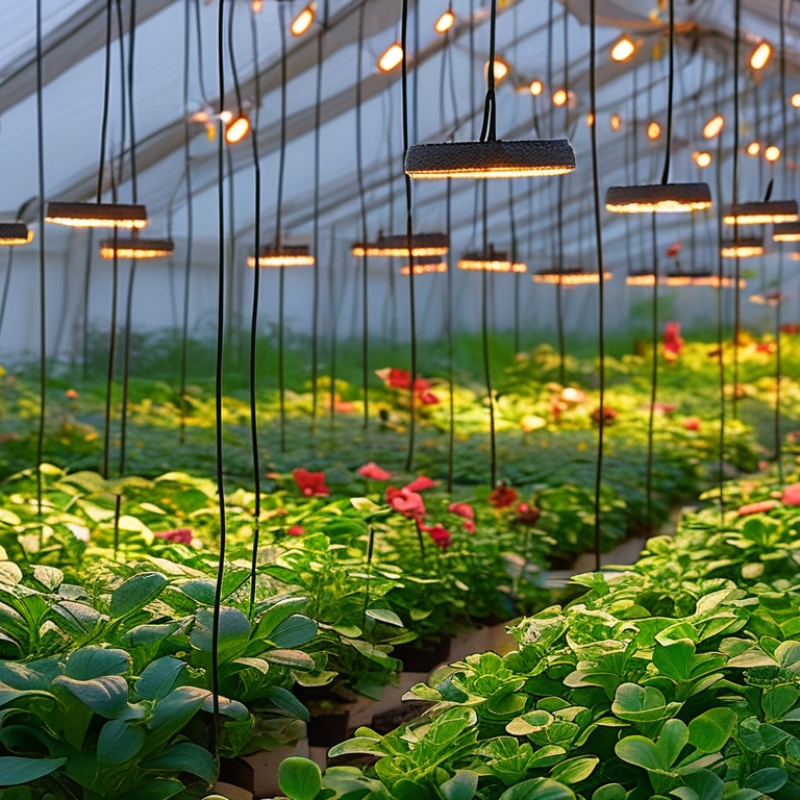
How to Hang Bar Grow Lights in a Grow Tent Effectively?

Understanding the Requirements for Bar Grow Lights in a Grow Tent

When using bar grow lights in a grow tent, understanding their requirements is crucial for optimal results. Bar grow lights need the right placement for effectiveness. Position them close to your plants but watch for heat levels. Too much heat can stress your plants. Maintain a distance of 12-24 inches, depending on the light intensity. It helps if you monitor plant responses regularly.

Tips: Adjust the light height as your plants grow. This will ensure they receive adequate light throughout their lifecycle. Also, use reflective materials on the tent walls. This amplifies light efficiency, allowing even distribution across your plants.

Consider the spectrum of light your plants need. Different growth stages require varying light spectrums. Seedlings perform well under a bluish spectrum, while flowering stages thrive with warmer tones. A grow light with adjustable spectrum settings can help cater to these evolving needs. Remember to regularly check your plants for any signs of light stress or deficiency. Being proactive will promote healthier growth.

Choosing the Right Location for Your Bar Grow Lights

Choosing the right location for bar grow lights is crucial in a grow tent. Proper placement maximizes light exposure and promotes healthy plant growth. Studies show that plants benefit significantly from light at specific angles. For most indoor setups, placing lights 12-24 inches above the canopy ensures optimal light distribution.

Consider the tent's dimensions and the height of your plants. Taller plants may require adjusting light height to prevent light burn. A 2022 report indicated that grow tents with higher ceilings produced up to 15% more yield due to more effective light placement. It's important to move the lights periodically and observe the plant response. Adjusting based on how your plants react to light intensity can lead to better outcomes.

Tips: Use reflective materials on tent walls. This helps distribute light evenly, enhancing growth. Monitor the temperature regularly. Lights can raise the tent's temperature, affecting plant health. Adjust ventilation as needed. Regularly check for uneven growth, as this signals improper light placement.

Preparing the Grow Tent for Effective Light Placement

When preparing your grow tent for effective light placement, start by strategically positioning your plants. Give careful thought to their heights and light requirements. Taller plants should be placed in the back or corners, while shorter ones can go in the front. This setup maximizes light exposure for all plants.

Next, consider the layout of your tent. Ensure all walls are reflective. This allows light to bounce around the space, providing better coverage. You can use Mylar or white paint on the walls. Check for any obstructions like hanging wires or equipment. Clear these out to prevent shadows that could hinder growth.

Also, think about ventilation. Proper airflow is crucial for healthy plants. Ensure your lights don’t block any vents. When hanging your lights, adjust them to the correct height. Too close can scorch plants; too far leads to inadequate growth. Regularly monitor the plants’ responses to light. Be prepared to make adjustments over time. Experience will help you in this process.

Methods for Securely Hanging Bar Grow Lights

Hanging bar grow lights securely in a grow tent is crucial for successful indoor gardening. There are various methods to achieve this effectively. Using adjustable hanging kits is a popular choice. These kits often include hooks and chains, allowing flexibility in height. Ensure the lights are not too close to plants; heat can cause damage.

Another effective method involves using ratchet straps. These straps provide stability while being easy to adjust. They can hold heavier lights securely without sagging. Be cautious when selecting the attachment points. The tent's structure must support the weight of the lights. Test the stability before leaving them unattended.

Consider using a light hang system that allows for easy repositioning. This can help as plants grow taller. However, challenges can arise when figuring out the optimal height. Sometimes, you may find that your lights are either too high or too low after adjustments. Constant evaluation of plant response to light will guide you in perfecting your setup. Regularly check for wear and tear on your hanging equipment, ensuring safety and reliability in your garden.

Adjusting Light Height for Optimal Plant Growth

Adjusting light height is crucial for optimal plant growth in a grow tent. Plants need specific light intensities for different growth stages. For instance, seedlings require less light intensity than mature plants. According to the American Society for Horticultural Science, the optimal light distance for seedlings is about 24 inches from the light source. However, as plants mature, this distance should decrease to around 12 inches, maximizing photosynthesis without causing light burn.

Different plants react uniquely to light height, making adjustments necessary. Some may stretch toward the light, indicating it's too far away. Conversely, leaf curling can suggest light stress. Regular monitoring of plant responses to light is essential. It's not just about following the rules; growers must observe and adapt. Studies show that plants can exhibit significantly slower growth rates if light is not adjusted properly, with reductions in yield up to 20%.

Using a light meter can help you achieve the right intensity at various heights. The goal is to find a balance that promotes healthy, vigorous growth. Remember, plant health is an ongoing journey. It's important to reflect on your setup regularly and adjust lights as needed, ensuring that your plants get the best possible care.

FAQS

: How far should bar grow lights be from plants?

: Maintain a distance of 12-24 inches, depending on light intensity. This helps prevent heat stress.

Why is light placement important in a grow tent?

Proper placement maximizes light exposure, promoting healthier plant growth. Plants respond to specific angles of light.

How does light spectrum affect plant growth?

Different growth stages need different spectrums. Seedlings thrive under bluish light, while flowering plants prefer warmer tones.

When should I adjust the light height?

Adjust light height as plants grow. Seedlings require more distance than mature plants to avoid light burn.

What are the signs of light stress in plants?

Look for signs like stretching or leaf curling. These indicate improper light placement or height.

How can reflective materials help in a grow tent?

Using reflective materials on walls distributes light evenly, enhancing growth and efficiency for your plants.

How often should I monitor plant responses to light?

Regular monitoring is essential. Observe growth patterns and adjust lighting to promote healthy development.

Can improper light adjustments impact yield?

Yes, not adjusting light can reduce growth rates significantly, sometimes by up to 20%. It’s crucial to adapt.

What’s the role of a light meter in plant care?

A light meter helps measure intensity at different heights, ensuring plants receive ideal light for growth stages.

Is it necessary to reflect on my setup regularly?

Yes, regularly reflecting on your setup can lead to adjustments that improve plant health and overall growth outcomes.

Conclusion

In order to effectively learn how to hang bar grow lights in a grow tent, it's essential first to understand the specific requirements of these lights. This involves considering factors such as light intensity, coverage area, and the growth stages of the plants. Choosing the right location within the tent is crucial for ensuring that all plants receive adequate light, which may require adjustments based on the structure of the grow space.

Preparing the grow tent for optimal light placement includes organizing the interior layout and ensuring ventilation is not obstructed. Methods for securely hanging bar grow lights may involve various techniques, such as using adjustable hanging systems or sturdy hooks. Finally, adjusting the light height according to the growth needs of the plants is vital; this allows for optimal photosynthesis, ultimately promoting healthy plant growth and maximizing yield potential.

Mason

Mason

Mason is a seasoned marketing professional with a deep expertise in the company's offerings and a passion for driving brand awareness. With a strong background in digital marketing strategies, he has an innate ability to connect with diverse audiences and effectively communicate product benefits.......