Ideal Grow Light Distance from Seedlings for Best Growth?

Time:2026-06-18 Author:Amelia
0%

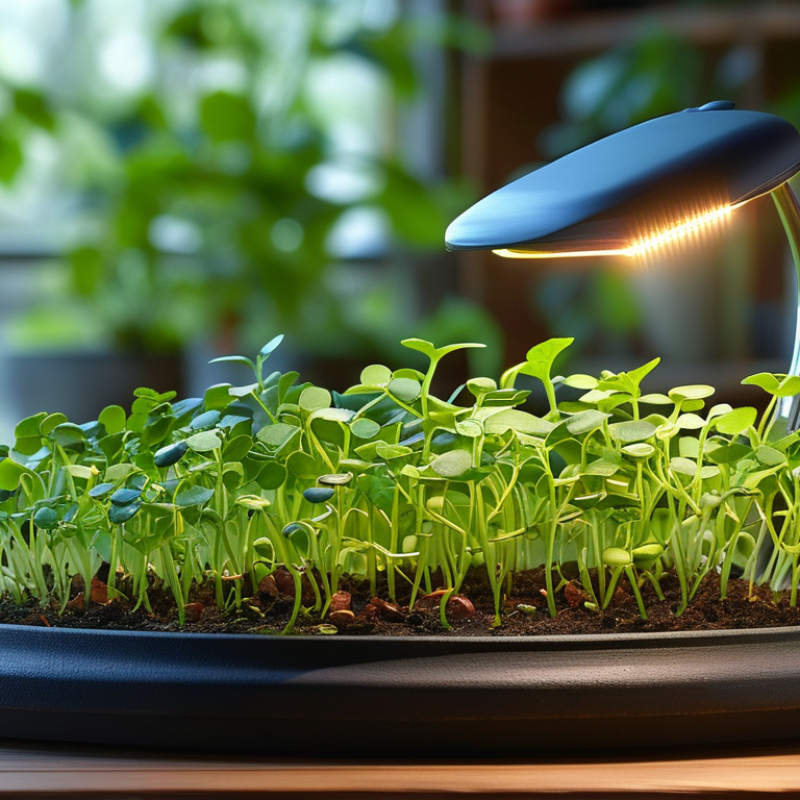
Determining "how far should grow lights be from seedlings" is crucial for optimal plant growth. Research indicates that the ideal distance varies based on light type. For example, LED lights often require a distance of 12 to 24 inches, while fluorescent lights can be placed closer, around 6 to 12 inches. Expert horticulturist Dr. Emily Roberts emphasizes, “The right distance ensures seedlings receive adequate light without the risk of burning.”

Many growers overlook the importance of proper light placement. Too close, and seedlings may wilt or become leggy; too far, and they might not photosynthesize effectively. A well-placed grow light fosters sturdy, healthy seedlings. Understanding specific light requirements, as reported by the American Society for Horticultural Science, enhances growth rates significantly.

However, what works for one setup might not suit another. Factors like light intensity, seedling type, and environmental conditions play a role. Therefore, continuous monitoring is essential. Adjustments may be necessary as seedlings grow. This reflection on light distance is not just academic; it's a practical challenge many growers face daily.
Ideal Grow Light Distance from Seedlings for Best Growth?

Ideal Light Intensity for Seedlings: Recommendations from Horticulture Experts

When it comes to growing seedlings, light intensity plays a crucial role in their development. Horticulture experts recommend a light intensity of around 200 to 400 micromoles per square meter per second for most seedlings. This range encourages robust growth while preventing issues like legginess or burning. It’s essential to measure light levels accurately using a PAR meter.

Seedlings can react differently to light. Some thrive under brighter conditions, while others may need less intensity. Observing changes in growth can help identify the ideal conditions. If seedlings appear pale or excessively stretched, they may require more light. Conversely, if leaf edges brown or curl, the intensity might be too high. Adjustments should be gradual to avoid shocking the plants.

Creating a consistent light exposure schedule is also vital. Many experts suggest providing 14 to 16 hours of light per day. Nighttime darkness is just as important, allowing seedlings to rest. Experimenting with these variables can often lead to unexpected insights. Gardening is a learning curve, and not every attempt will yield perfect results. Careful observation will ultimately guide adjustments for better growth in the future.

Optimal Distance for LED Grow Lights: Best Practices for Seedling Growth

When it comes to optimal growth for seedlings, the distance of LED grow lights is crucial. Research indicates that a distance of 12 to 24 inches from seedlings is generally ideal. This distance ensures that plants receive adequate light without the risk of burning. For example, studies show that at 20 inches, seedlings exhibit faster growth rates compared to greater distances.

However, it’s essential to adjust the height based on the specific light output and seedling type. Some plants may require closer proximity, while others thrive at greater distances. A 2019 report by the Horticultural Lighting Research Consortium found significant differences in growth rates among various species. Pay attention to the light intensity provided to each seedling type. Not all seedlings respond the same way to light.

Monitoring plant response plays a vital role in successful growth. Symptoms like leaf curling or discoloration can indicate the need for readjustment. Experimenting with slight variations in distance can lead to improved growth outcomes. Each grower's environment also plays a part. Humidity and temperature should be balanced with light height. Continuous adaptation is key for optimal seedling development.

Impact of Light Spectrum on Seedling Photosynthesis and Growth Rates

The impact of light spectrum on seedling growth is significant. Different wavelengths influence photosynthesis rates and overall plant health. A study by the Journal of Horticultural Science found that red and blue wavelengths boost chlorophyll production. Red light promotes stem elongation, while blue light strengthens stems. This interaction is critical for young plants, which need a balanced light spectrum for optimal growth.

Seedlings under a mixed light spectrum showed a 20% increase in photosynthetic efficiency compared to monochromatic light. Researchers recommend using a combination of 400-700 nm wavelengths. This range closely mimics natural sunlight, leading to robust seedling development. However, growers often overlook the importance of light distance. Placing lights too close can cause leaf burn, while too far results in leggy plants.

Finding the right light distance also involves adjusting the spectrum. For example, seedlings thrive under a distance of 12-24 inches with a full-spectrum LED light. This distance allows for even distribution and minimizes heat damage. Many novice growers struggle with these adjustments, leading to suboptimal growth outcomes. Continuous experimentation and observation are crucial for refining these parameters and achieving healthier seedlings.

Ideal Grow Light Distance from Seedlings for Best Growth

Light Spectrum Ideal Distance (inches) Photosynthesis Rate (µmol/m²/s) Growth Rate (cm/week)
Full Spectrum 12 300 5
Cool White 14 250 4
Red/Blue 10 400 6
Warm White 16 220 3
UV/IR 18 280 4.5

Common Light Distance Guidelines: A Comparison Across Different Plant Species

Choosing the right distance for grow lights can significantly impact your seedlings' growth. Different plant species have varying light requirements. For instance, delicate seedlings like lettuce thrive best with lights 12-18 inches away. Conversely, robust plants, such as tomatoes, can handle up to 24 inches due to their thicker foliage.

Tips: Observe your seedlings daily. Yellowing leaves may indicate light stress, while leggy growth suggests they're reaching for more light. Adjust your grow light position based on their response.

It's essential to monitor the temperature around your lights. Excessive heat can damage seedlings. A distance that works well one day might change as plants grow. Adjust accordingly. Improper distances may stunt growth or lead to disease. Understanding these nuances is key to successful gardening.

Tips: Ensure air circulation around lights to avoid overheating. Don’t forget to check your light’s intensity. Too strong light can harm sensitive seedlings, while too weak light may fail to support their growth. Each plant’s needs can vary, so stay attentive.

Signs of Light Stress in Seedlings: Adjusting Distance for Maximum Health

Light stress can significantly affect seedlings. It's essential to recognize the signs early to ensure healthy growth. If seedlings appear leggy and stretched, they may be reaching for light that is too far away. These indicators suggest the light intensity is insufficient, necessitating an adjustment in distance.

On the other hand, too much light can cause damage. Seedlings may display yellowing leaves or even browning tips. This condition signals that the grow light is too close. It's crucial to monitor changes. If seedlings look healthy initially, they might later show signs of stress as they grow. Regular check-ups on the light distance can help maintain optimal conditions.

The goal is to find a balance that works. This might require some experimenting with light height and duration. Each seedling type has its own needs. Observing and adjusting promptly is key. If stress signs appear, take action immediately. This attentiveness enhances the overall health and growth potential of your seedlings.

FAQS

: How does light spectrum affect seedling growth?

: Different wavelengths impact photosynthesis and overall plant health. Red and blue light enhance chlorophyll production.

What is the recommended light spectrum for seedlings?

A mix of 400-700 nm wavelengths simulates natural sunlight, promoting better seedling growth.

What is the ideal distance for grow lights?

Seedlings typically thrive with lights 12-24 inches away, depending on species and light type.

What happens if lights are too close?

Lights placed too close can cause leaf burn and damage seedlings' health.

How do I know if my seedlings need more light?

Look for yellowing leaves or leggy growth. These signs indicate light stress and a need for adjustment.

Why is monitoring temperature around lights important?

Excessive heat can harm seedlings. Adjustments may be necessary as plants grow and change.

What should I do if growth appears stunted?

Observe your seedlings closely, check light distance and intensity. Improper conditions may hinder growth.

Can light intensity affect seedlings?

Yes, too strong light can harm sensitive seedlings, while too weak light may not support healthy growth.

What common mistakes do novice growers make?

Many overlook light distance and spectrum adjustments, leading to suboptimal growth outcomes.

How can I improve my seedling care?

Continuous experimentation and keen observation of plant responses are key to refining your approach.

Conclusion

Determining how far grow lights should be from seedlings is crucial for optimal growth and health. Horticulture experts recommend specific light intensities tailored to different plant types, emphasizing that the right distance can significantly impact seedling development. For LED grow lights, general best practices suggest maintaining an optimal distance to prevent light stress while ensuring adequate light penetration for growth.

Moreover, the light spectrum plays a vital role in photosynthesis; therefore, the distance must also accommodate the specific needs of the plant species being grown. By comparing common light distance guidelines across various plants, growers can establish the best practices to enhance growth rates. Being observant of signs of light stress in seedlings will further help in adjusting the grow light distance for maximum health, ensuring robust development throughout the early stages of plant life.

Amelia

Amelia

Amelia is a seasoned marketing professional with a wealth of expertise in our company’s core offerings. With an unwavering passion for driving growth and innovation, she plays a pivotal role in shaping our marketing strategies and enhancing brand visibility. A key aspect of her responsibilities......