As the popularity of indoor gardening grows, so does the interest in LED grow lights. The question arises, "what is the lifespan of an LED grow light bar?" According to Dr. Emily Green, a renowned horticultural expert, "The durability of LED grow lights can greatly impact their effectiveness for growers." Many enthusiasts and professionals seek clarity on how long these lights last.
LED grow light bars offer energy efficiency and longevity. Typically, they last 25,000 to 50,000 hours. However, factors can affect their lifespan. Quality of construction and usage conditions matter. Some lights may fail earlier than expected. It is essential to choose reputable brands.
Investing in LED technology can benefit growers significantly. Yet, understanding what is the lifespan of an LED grow light bar ensures smart decisions. While many lights perform well, not all yield the same results. Users must consider their specific gardening needs and environmental factors. In doing so, they can achieve the best results in their indoor gardens.
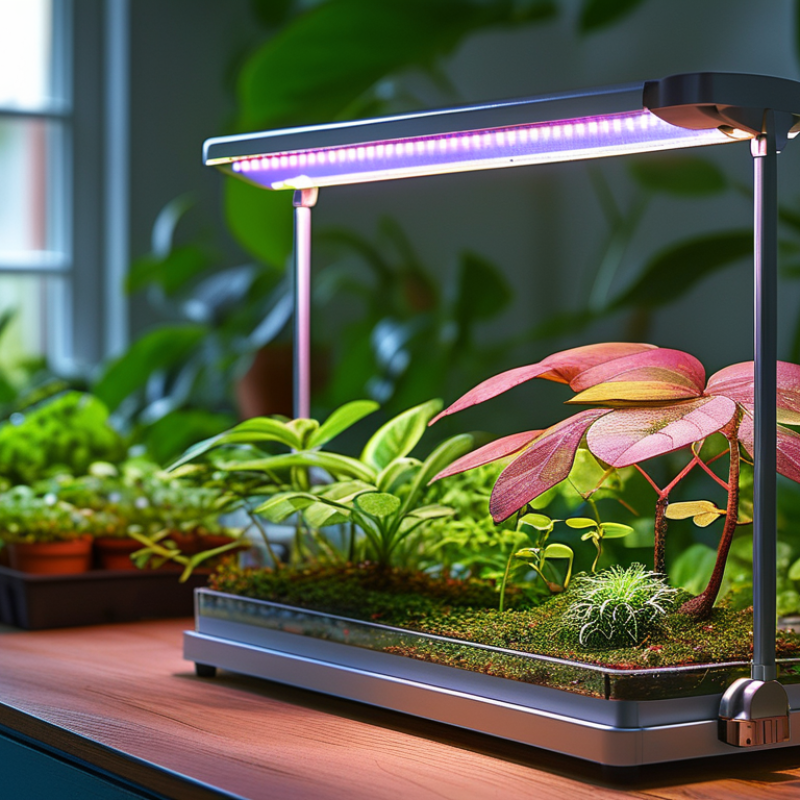
Factors Affecting the Lifespan of LED Grow Light Bars
The lifespan of an LED grow light bar can vary significantly based on several factors. Heat management plays a crucial role. Excessive heat can shorten the life of the LEDs. Quality of materials also matters. A well-constructed light bar can last longer than a cheaper alternative. The type of diodes used impacts performance. Some diodes are rated for higher usage, allowing for extended lifespans.
Another significant factor is usage patterns. Continuous use can lead to quicker degradation. Conversely, using a light bar intermittently may enhance its longevity. Light intensity settings further influence lifespan. Operating at lower intensity settings can reduce stress on the components. Regular maintenance, like cleaning the fixture, is often overlooked.
Dust accumulation can lead to overheating, diminishing the lifespan of the unit.
Lastly, environmental conditions affect performance. High humidity or poor ventilation can impact heat management. It’s essential to monitor these conditions regularly. Reflecting on these aspects will help growers optimize their setup. It’s an ongoing learning process, and adjustments may be necessary for the best results.
Typical Lifespan Range for LED Grow Light Bars: An Industry Overview
The lifespan of LED grow light bars is a significant factor for both hobbyists and commercial growers. Typically, these lights can last anywhere from 25,000 to 50,000 hours. This range highlights their durability compared to traditional lighting options. However, the actual lifespan can be affected by several factors.
Heat management is critical. Elevated temperatures can shorten the lifespan of LED grow lights. Proper ventilation and heat sinks play a vital role in maintaining optimal temperatures. Routine maintenance is also essential. Dust can accumulate and obstruct light output, impacting plant growth.
Quality of components varies between manufacturers. Lower-quality LEDs may have a shorter lifespan. Investing in well-engineered products often results in better performance. Yet, even the best lights need to be monitored, as efficiency can degrade over time. Growers might notice a decline in light intensity after several years, signaling the need for replacements. Adjustments in growing techniques can help mitigate these issues.
Comparison of Lifespan Across Different LED Technologies
When exploring the lifespan of LED grow light bars, it's essential to compare different LED technologies. LED lights generally have an impressive lifespan, often ranging from 30,000 to 100,000 hours. However, this longevity can differ based on the specific technology used.
For example, standard LED chips usually last around 30,000 to 50,000 hours. Meanwhile, horticultural LEDs designed for grow lights optimize light spectrum and often can exceed 50,000 hours. According to a 2021 report from the Department of Energy, advanced LEDs can reach up to 100,000 hours, significantly outperforming conventional grow lights, which may last only 10,000 to 15,000 hours.
Choosing the right LED technology is crucial for maximizing efficiency. Consider heat management, as excessive heat can shorten the lifespan of any light. LEDs that run cooler tend to last longer. Regularly checking the light output can also indicate impending failure.
Pay attention to lumens per watt and color spectrum for plant growth. Some grow lights offer a balanced spectrum, which can boost plant health. Think about the environmental impact, too. High-quality lights can save energy, making them a better option for sustainability-conscious growers.
The Role of Heat Management in Extending LED Lifespan
The performance and longevity of LED grow light bars heavily depend on effective heat management. Excessive heat can dramatically decrease the lifespan of the LEDs. Studies indicate that the average lifespan of a high-quality LED grow light can be between 25,000 to 50,000 hours. However, if heat is not properly dissipated, this can be significantly reduced.
Monitoring and controlling temperatures is crucial. LEDs typically operate optimally at temperatures between 25°C and 35°C. A study by the U.S. Department of Energy suggests that for every 10°C increase in operating temperature, the lifespan of an LED can be cut in half. This underscores the essential role of heat sinks and ventilation systems in maximizing efficiency.
Poor heat management can lead to premature failure of components. This includes not just the LED chips but also the drivers that supply power to them. Regular checks and maintenance are necessary to ensure that lights function within their optimal temperature range. Ignoring heat management can lead not only to reduced lifespan but also to inconsistent light output, which can affect plant growth adversely. Thus, understanding and implementing effective heat control methods are critical for anyone investing in LED grow lights.
Expected Maintenance and Replacement Schedules for Grow Lights
LED grow light bars have a range of lifespans, typically lasting from 25,000 to 50,000 hours. However, their efficiency may degrade over time. Regular maintenance is crucial for optimal performance. Dust and grime can accumulate on the fixtures, blocking light. Cleaning them every few months can extend their lifespan.
Replacement schedules depend on usage and environmental conditions. For home growers, it may be necessary to consider replacement every 3 to 5 years. Higher intensity lights used in commercial settings can fail sooner. Monitoring the light output is essential. If plants show signs of stretching or poor growth, it might be time to assess your lights.
Evaluating performance is not always straightforward. Many growers underestimate how light quality impacts plant health. While an LED may still be operational, it could be underperforming. Staying informed about the conditions your plants thrive in is crucial. Balancing light needs with cost and maintenance can lead to better results.
FAQS
: LED grow light bars usually last between 25,000 to 50,000 hours.
High temperatures can significantly decrease the lifespan of LEDs.
LEDs operate optimally between 25°C and 35°C.
Proper heat management prevents premature failure of LED components.
Dust can obstruct light output, negatively affecting plant growth over time.
Lower-quality LEDs often have shorter lifespans, affecting overall performance.
Growers should regularly check temperatures and ensure proper ventilation.
Yes, light intensity may decline after several years, signaling potential replacement.
Regular checks and cleanings of lights can enhance performance.
No, the durability varies, and investing in quality can lead to better longevity.
Conclusion
The article "What is the Lifespan of an LED Grow Light Bar?" provides a comprehensive overview of the various factors that influence the longevity of LED grow light bars. Key elements include the quality of materials used, the efficiency of the LED technology, and the significance of heat management in prolonging the lifespan. Typically, LED grow light bars can last anywhere from 25,000 to 50,000 hours, depending on these factors.
Furthermore, the article highlights the differences in lifespan among various LED technologies, demonstrating that advanced designs can lead to extended operational time. Effective heat management is emphasized as crucial for maintaining performance and longevity. Additionally, it discusses expected maintenance and replacement schedules, which are important for ensuring optimal growing conditions over time. Overall, understanding what is the lifespan of an LED grow light bar helps cultivate better planning for growers seeking to maximize their investment in horticultural lighting.

