Understanding how to measure grow light intensity at home is crucial for any indoor gardening enthusiast. Accurate measurements ensure your plants receive the right amount of light. This guidance helps you avoid overexposure or insufficient lighting, which can lead to poor growth.
There are various methods to assess grow light intensity. Some require specialized tools, while others utilize simple household items. Conducting these tests can be enlightening, revealing not only the effectiveness of your setup but also the needs of your plants.
As you explore different techniques, remember that results may vary. Personal observations provide valuable insights. You may find that what works for one plant type doesn't suit another. Embrace the learning journey, adjusting your methods as needed.
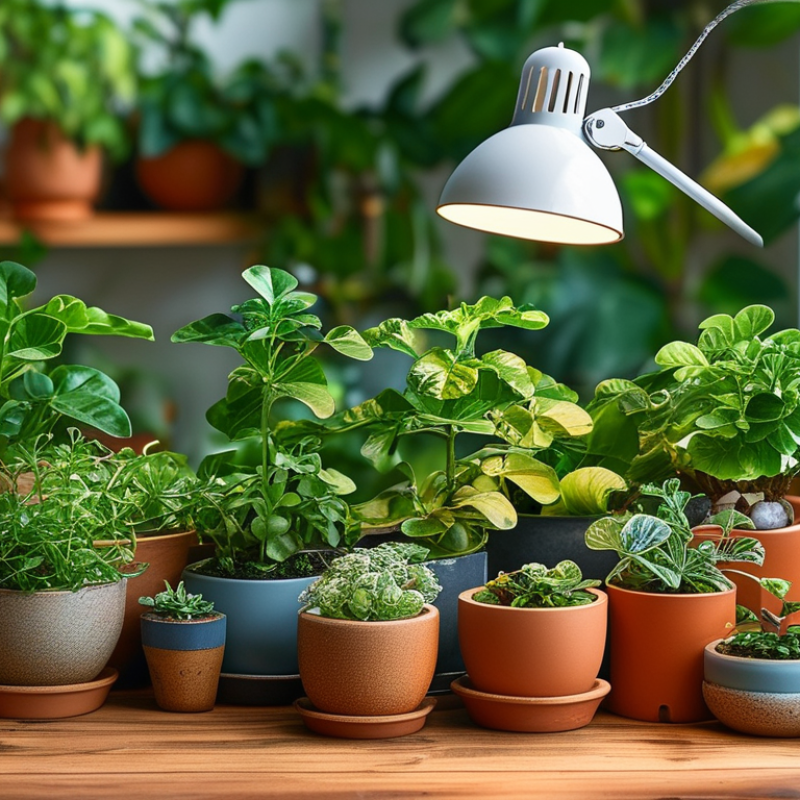
Light intensity plays a crucial role in plant growth. Understanding how to measure it can greatly enhance your indoor gardening success. Plants require specific light conditions to thrive. According to the USDA Agricultural Research Service, light intensity impacts photosynthesis efficiency. Higher light levels can boost plant growth, but too much can cause stress.
Tools like a light meter can provide accurate readings of your grow light intensity. For example, a well-calibrated device can measure light in lux or PAR (Photosynthetically Active Radiation). Studies show that many plants thrive at 200-400 µmol/m²/s. Observing your plants closely is essential. If they're stretching toward the light, they may need more intensity.
Tip: Position your light source at the right distance to prevent leaf burn. Experiment with different heights to find what works. Regularly check your light intensity, especially as seasons change. Awareness of your plants' needs can guide adjustments in your grow setup. When in doubt, research specific plant requirements to support their growth journey.
Measuring grow light intensity at home is essential for optimal plant health. Various tools can help you achieve accurate readings. One popular option is a light meter. This device quantifies light levels in foot-candles or lux. Studies show that plants thrive best at 400-700 μmol/m²/s of photosynthetically active radiation (PAR). A light meter can directly measure this range, ensuring you provide appropriate lighting.
Another useful tool is a smartphone app. These apps utilize your phone's sensors to estimate light intensity. While they may lack accuracy compared to a professional light meter, they offer a convenient and quick measurement method. A 2020 report indicated that using such apps can yield results within 20% of actual values. This can guide hobbyists in adjusting light distance or duration.
Lastly, a quantum light sensor can measure PAR specifically. It gives precise feedback for plant growth. However, these sensors can be more expensive. Reflecting on your choices is important. While investing in tools can improve your plants' vitality, consider your specific needs and limitations. Accurate measurements lead to better light management in your gardening endeavors.
Measuring grow light intensity at home can enhance your gardening success. To start, you’ll need a light meter. These devices measure the amount of light a plant receives. They can be handheld or smartphone-compatible. Ensure the device is calibrated correctly. This will improve accuracy in your readings.
Once you have your light meter, find a spot under your grow light. Hold the meter at the height of your plants. It’s best to take multiple readings to find an average. Record these values. Use them to compare how different sections of your garden respond. This can reveal hotspots or areas that need more light.
Analyzing the results is important. If some plants are thriving while others are not, there may be uneven light distribution. Adjust your grow lights accordingly. Remember that light intensity can fluctuate throughout the day. It’s wise to measure at different times. Regular checks will lead to better light management for your plants. Adapt your setup based on your findings.
When comparing different light sources at home, it’s vital to understand their intensities.
LED, fluorescent, and incandescent lights serve distinct purposes.
Each type emits varying levels of light intensity. For instance, LEDs often provide a more focused spectrum, ideal for plant growth.
On the other hand, incandescent bulbs offer warmth but usually lack the necessary intensity for effective growth.
To accurately measure light intensity, consider using a light meter.
This tool allows you to gauge how much light reaches your plants. You can test a few spots around your home to find optimal locations.
Don't overlook the distance between plants and lights. Sometimes, a slight adjustment can significantly improve light exposure.
Additionally, ensure to monitor your plants’ responses. If they show signs of stress, your light source may not be suitable.
Experiment with different setups. Evaluate your results, and adjust as needed.
This process may require some time. It’s essential to remember that not all light sources work equally well in various environments.
What works for one plant may not work for another. Keep refining your approach based on what you observe.
When it comes to plant care, understanding light intensity is crucial. Light measurements guide you in creating an optimal environment for your plants. Several tools are available to measure light intensity, but interpreting these readings is key. Different plants require varying light levels, so knowing how much your grow light emits is essential.
Using a light meter can provide precise data. This tool measures the amount of light falling on your plants, indicated in foot-candles or lux. However, it’s important to remember that readings can vary based on distance from the light source. For example, light intensity decreases significantly as you move away from the bulb.
Tips for effective measurement include taking readings at different heights and angles. This approach gives a comprehensive understanding of how light penetrates your growing area. Additionally, consider measuring light intensity at various times throughout the day. Plants thrive on consistency, so knowing how light changes can help you adjust your setup as needed. Reflect on your readings and always be willing to adapt your approach for better plant health.
: A light meter, smartphone apps, and quantum light sensors are popular tools for measuring light intensity.
They can estimate light intensity but may be within 20% of actual values, providing quick measurements.
Different plants have specific light requirements, so measuring it helps ensure optimal growth conditions.
Take measurements at various heights and angles to understand light distribution better.
Each type of light source emits different intensities and spectrums, affecting how well plants grow.
If plants show stress, you may need to change the light distance or intensity.
Light intensity decreases significantly as you move farther away from the bulb.
Monitoring plant responses to light is crucial; adapt your setup based on their health.
Not all light sources are suitable for every plant; experiment to find the best match.
Regular measurements, especially at different times of day, help maintain consistent lighting conditions.
Measuring grow light intensity at home is essential for ensuring optimal plant growth. Understanding the importance of light intensity helps gardeners provide the right conditions for their plants. To effectively measure grow light intensity at home, various common tools, such as light meters, can be employed. A step-by-step guide on using these meters allows users to accurately assess the light levels in their growing environment.
Comparing different light sources and their intensities is also crucial, as various types of grow lights emit different levels of light suitable for specific plants. Interpreting these light measurements will enable gardeners to adjust their setups, ensuring that plants receive the appropriate amount of light for healthy growth. By following these guidelines on how to measure grow light intensity at home, plant enthusiasts can enhance their gardening practices and achieve better results.
