Growing seedlings indoors can be rewarding, but it often comes with challenges. One common issue is leggy seedlings. Many gardeners wonder, "why do seedlings get leggy under grow lights?" The answer involves several factors, primarily light intensity and placement.
Insufficient light can cause seedlings to stretch toward the source, resulting in elongated stems. This is due to etiolation, a process where plants grow taller to seek more light. Additionally, grow lights that are too far from plants can exacerbate this problem. Seedlings become weak and unstable as they reach for light.
To combat this, adjust the light's height and intensity. Ensure seedlings receive enough light, ideally around 12 to 16 hours per day. Observe their growth patterns; a little adjustment can yield significant results. Remember, not all issues are straightforward. Reflecting on your setup can help reveal what changes may be necessary.
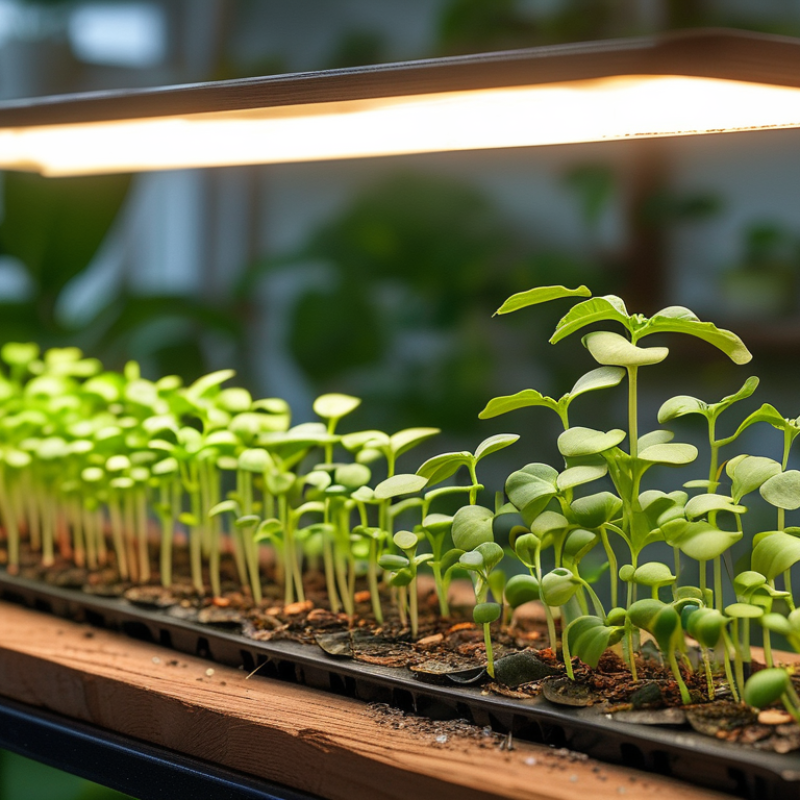
Leggy seedlings can be frustrating for gardeners. They often indicate poor lighting conditions. Understanding the causes helps in addressing this common issue. Insufficient light exposure pushes seedlings to stretch towards the light, resulting in weak, spindly growth. This elongated form is not ideal for healthy plants.
Inadequate light can stem from incorrect grow light placement or insufficient light intensity. If your lights are too far away, seedlings tend to grow leggy as they compete for light. Ideally, grow lights should be about 2 to 4 inches above seedlings. Regular adjustments are necessary as plants grow.
Another factor could be light duration. Seedlings typically need around 14-16 hours of light daily. Monitor their growth regularly and adjust the light schedule as needed. Finally, don’t forget to ensure proper watering and soil conditions. Over or under-watering can also lead to weaker plants. Reflecting on these factors guarantees healthier seedlings.
Choosing the right grow lights is crucial for nurturing seedlings. High-quality grow lights should provide the right spectrum, intensity, and positioning. LEDs are highly recommended. They are energy-efficient and generate less heat. According to research by the American Society for Horticultural Science, specific light wavelengths significantly influence seedling growth. Blue light promotes vegetative growth, while red light supports flowering.
Distance from the seedlings is vital. Grow lights should be placed 2 to 4 inches above the seedlings. As they grow, adjust the height to prevent leggy growth. A study published in the Journal of Plant Physiology indicated that seedlings exposed to inadequate light become elongated. This indicates the need for proper light exposure.
Monitoring light duration is essential. Most seedlings require 14 to 16 hours of light daily. Many gardeners underestimate this requirement, leading to weak plants. Using a timer can help maintain consistent lighting schedules. Reflective surfaces around the seedlings can also enhance light distribution. This not only boosts growth but also aids in overall plant health. Ensuring proper light conditions is critical for successful seedling development.
Light duration plays a crucial role in the healthy growth of seedlings. Research shows that seedlings need about 12 to 16 hours of light per day for optimal development. Insufficient light can lead to leggy seedlings, which are weak and tall. A study highlighted that seedlings exposed to less than 10 hours of light exhibited significant elongation, which is undesirable for strong growth.
When using grow lights, consider the type of light source. High-intensity discharge, LED lights, and fluorescent lighting all vary in their light spectrum and intensity. These factors directly influence seedling health. For instance, blue light is essential for vegetative growth, while red light promotes flowering. Understanding these properties can guide the selection of lights and duration for effective seedling growth.
Adjusting light duration is not always straightforward. Some growers may unintentionally provide too little or too much light. Inconsistent light schedules can stress seedlings, leading to poor growth. Observing seedlings for signs of stretching can indicate light duration issues. Regular adjustments based on specific growth stages might be necessary for best results.
When growing seedlings, light height plays a crucial role in preventing them from becoming leggy. Leggy seedlings are often a sign of inadequate light exposure. To counteract this, adjust your grow lights to be closer to the seedlings. Ideally, the lights should be positioned 2 to 6 inches above the plants. This adjustment encourages stronger, more compact growth and reduces the tendency of seedlings to stretch towards the light source.
Monitoring the light's distance is essential. If seedlings begin to lean towards the light, it may either be too far away or inadequate in intensity. Regularly check the height, as seedlings grow quickly and need their light adjusted frequently. If you notice leggy growth, reflect on your light setup. Perhaps you've been too cautious about heat. Lights too close can cause leaf burn, but finding the right balance is important for healthy seedlings.
Consistent care and observation will guide you in maintaining optimal light conditions. Over time, you'll develop a feel for the right height as you learn from past attempts. The key lies in being attentive and responsive to your seedlings' needs, as each variety can behave differently.
| Light Height (inches) | Seedling Type | Recommended Adjustment Frequency | Signs of Stretching |
|---|---|---|---|
| 12 | Tomato | Every week | Thin, tall stems |
| 18 | Pepper | Every 10 days | Weak growth |
| 6 | Lettuce | Every 5 days | Long stems with sparse leaves |
| 24 | Cucumber | Every 1-2 weeks | Bending towards light |
| 15 | Basil | Weekly | Stable but slow growth |
Maintaining the right temperature and humidity levels is crucial for healthy seedlings under grow lights. Ideal temperatures range from 65°F to 75°F during the day. Nighttime temperatures should drop slightly, ideally between 55°F and 65°F. According to research published in the Journal of Horticulture, seedlings exposed to consistent temperatures within this range develop more robust root systems. However, fluctuations can lead to stress, causing seedlings to become leggy.
Humidity levels also play a significant role. Seedlings thrive in humidity levels of 40% to 70%. Too low humidity can lead to wilting and hinder growth, while excessively high humidity can foster mold and mildew. A study by the American Society for Horticultural Science found that maintaining adequate humidity reduces the risk of damping-off disease, a common issue among young plants. Regular monitoring with a hygrometer can help maintain these levels.
While controlling temperature and humidity sounds straightforward, many growers struggle with inconsistent conditions. Small changes can lead to big problems. For instance, if a room is too hot during the day, seedlings may stretch towards the light. Using fans to circulate air can help, but there’s a fine balance. Overdoing ventilation can lower humidity levels too much, creating a less than ideal environment for seedlings. Adapting to these conditions requires careful attention and trial and error.
: Seedlings need 12 to 16 hours of light daily for strong growth.
Insufficient light can cause leggy seedlings, which are weak and elongated.
Different grow lights provide varying spectrums. Blue light supports growth; red light helps with flowering.
Position grow lights 2 to 6 inches above seedlings to prevent leggy growth.
Seedlings leaning toward the light may signal that the light is too far away or too weak.
Ideal daytime temperatures are 65°F to 75°F, dropping to 55°F to 65°F at night.
Humidity should be maintained between 40% to 70% for healthy seedlings.
Small fluctuations can stress seedlings, leading to leggy growth or disease issues.
Strong ventilation can lower humidity too much, creating stress for seedlings.
Observing their responses over time can help you adjust conditions more effectively.
Leggy seedlings are a common issue faced by gardeners, often causing frustration as they stretch excessively towards light. Understanding why do seedlings get leggy under grow lights is crucial for promoting healthy plant development. Key factors include insufficient light intensity, improper light duration, and incorrect light height. Choosing the appropriate grow lights, such as full-spectrum options, can prevent seedlings from reaching for light. Ensuring that the lights are positioned at an optimal height, typically just above the seedlings, helps minimize stretching.
In addition to light considerations, maintaining proper temperature and humidity levels is vital for seedling health. Seedlings thrive in environments that mimic their natural conditions, and deviations can lead to poor growth. By adhering to these principles—selecting the right lights, adjusting their height, managing light duration, and controlling the surrounding environment—gardeners can effectively prevent leggy seedlings and ensure strong, healthy plants.
