Indoor grow lights work around humidity, nutrient spray, and frequent watering. Their plugs and cable joints can sit close to damp trays, where one small splash may travel along a cord. The National Fire Protection Association’s report Home Structure Fires Involving Electrical Failure or Malfunction found that electrical failure or malfunction was associated with an estimated 34,000 U.S. home structure fires annually during 2012–2016. That figure covers many electrical causes, not grow lights alone. Still, it is a useful reminder: connections deserve more attention than they often get.
This guide explains how to waterproof indoor grow light connections without relying on improvised fixes. It covers safe power isolation, suitable enclosures, cable glands, and the limits of common IP ratings. A sealed connector is not automatically safe in every location; installation details and product instructions matter. Keep water away from energized parts. Always. Check equipment labels, inspect seals for damage, and replace cracked or loose components rather than wrapping them and hoping for the best. Even careful work has limits. A setup that looks dry today may collect condensation overnight, so routine inspection belongs in the plan.
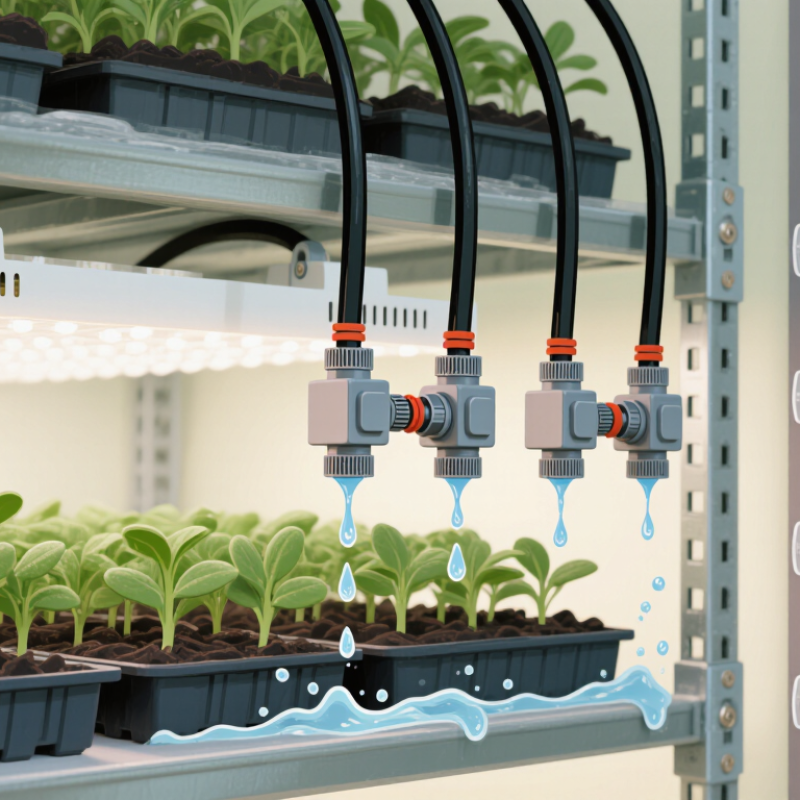
Indoor grow lights can create moisture risks even when the room looks dry. Water may collect where cool walls meet warm, humid air, then drip onto plugs or cable joints. Check connections near humidifiers, open water trays, and plant leaves that regularly shed droplets. Look for damp dust, green or white residue, rust, softened insulation, or a musty smell. Discoloration is not proof of a fault, but it deserves attention. A neat cable run can still hide a wet spot.
Tips: Switch off power before looking closely, and keep hands dry. Check the floor, cable route, plug housing, and nearby surfaces for condensation or splashes. Never handle a wet connection. If you find moisture, leave the circuit off and follow the light’s instructions; ask a qualified electrician if damage or uncertainty remains. Do not wrap tape around a damp plug and assume it is protected.
Keep connections elevated and away from trays, drains, and spray paths. Leave airflow around plugs instead of covering them with fabric or plastic. Water-resistant covers only help when they suit the equipment and are installed correctly. I can see why people focus on visible puddles, but a slow drip behind a shelf is easier to miss. Recheck after watering or changing room humidity.
| Connection Area | Common Moisture Risk | Warning Signs | Safer Preventive Action | Verification |
|---|---|---|---|---|
| Plug and receptacle | Water from hand-watering, splashes, or a nearby leak can reach the outlet or plug. | Visible droplets, damp cover, corrosion, discoloration, or a burning smell. | Keep plugs and receptacles outside splash zones and elevated above the floor. Use equipment and covers suitable for the location and follow local electrical requirements. | With power off, check that the area is dry and that the cover and receptacle are intact. Have damaged or wet electrical equipment assessed by a qualified electrician. |
| Inline connectors and extensions | Water can travel along a cable or collect where cables rest on a wet surface. | Moisture at a connector seam, a cable lying in pooled water, or cracked insulation. | Route cables away from watering paths and standing water. Use only connectors rated for the environment; do not rely on tape or improvised wrapping as waterproofing. | Inspect the full cable route while de-energized. Replace damaged cables or connectors rather than covering the damage. |
| Suspended-light connection points | Condensation or droplets from foliage can fall onto connectors or cable entries. | Water marks, damp connector housings, or droplets near cable glands. | Position connections away from direct drips and provide a suitable drip loop where the equipment instructions allow it. Do not obstruct ventilation or modify the fixture. | Check the area during normal operation and after watering, without touching energized equipment. |
| Driver or power-supply enclosure | High humidity, splashing, or restricted airflow can expose the unit to moisture or overheating. | Condensation, rust, unusual heat, buzzing, or a tripped protective device. | Install the driver in the location and orientation specified by its manufacturer. Keep it dry and maintain required clearance and ventilation. | Confirm the enclosure is undamaged and the installation follows the product instructions. Stop using equipment showing signs of water ingress. |
| Floor-level wiring | Spills, runoff, or a leak can leave cords and connections sitting in water. | Pooled water near cables, wet plugs, or water stains along the cable path. | Route and secure wiring above floor level where practical. Keep connections clear of sinks, reservoirs, and other likely spill sources. | After a spill, do not touch wet electrical equipment. Isolate power only from a safe, dry location and seek qualified help if equipment may have become wet. |
| Protective device and circuit | Moisture-related faults can create shock or fire hazards; protection requirements depend on the installation and local code. | Repeated breaker or GFCI/RCD trips, tingling sensations, or unexplained loss of power. | Use required ground-fault protection and correctly rated circuits as determined by local electrical rules. Never bypass a breaker or protective device. | Arrange testing and repairs through a qualified electrician. A repeatedly tripping device is a warning, not a reason to keep resetting it. |
No. A fixture’s rating may not cover exposed plugs or mismatched connectors. Check each component’s rating and its seal condition.
IPX4 covers splashing water under tested conditions. IPX5 covers water jets, but neither rating guarantees protection for a poorly assembled connection.
Match it to the cable’s measured outside diameter and jacket material. Tighten it to the specified torque; overtightening can damage the seal.
No. Tape alone is not a dependable enclosure. Use a compatible, suitably rated enclosure with correctly fitted cable entries.
Switch off and unplug the light. If the plug is unreachable, turn off the correct circuit. A dark lamp is not proof that power is disconnected.
Look for cracked insulation, bent pins, corrosion, or moisture inside. Don’t tape over damage. Replace damaged parts with suitable rated components.
No. A drip loop helps guide water away from a plug, but it does not make the connection waterproof. Keep cords clear of trays and drains.
Ask for help if ratings are unclear, wiring needs alteration, seals are damaged, or water is inside a connector. Don’t guess.
Keep connectors off the floor and away from spray. Recheck them after moving lights or irrigation lines; small condensation beads can be easy to miss.
This guide explains how to waterproof indoor grow light connections while reducing the risks of moisture, corrosion, and electrical faults. Start by identifying where water or condensation may reach plugs, cable joints, and nearby fixtures. Check that every component is rated for its location and intended use, and follow the equipment instructions and applicable electrical requirements. Choose enclosures, cable glands, and sealing materials that are compatible with the cables and connections; a seal should protect the joint without trapping moisture or straining the wiring.
Before moving, covering, or protecting any connection, switch off the power and unplug or isolate the circuit safely. Keep connections positioned away from likely spills and standing water, and avoid relying on improvised coverings as a substitute for properly rated equipment. Once the installation is complete, inspect seals, cable entries, and enclosures for gaps, damage, or signs of condensation. If the setup is unclear, damaged, or difficult to seal safely, stop and consult a qualified electrician.

