How to Set Up a Vertical Farming Light System for Success?

Time:2026-07-09 Author:Charlotte
0%

Setting up a vertical farming light system plays a crucial role in ensuring crop success. According to Dr. Emily Greene, an expert in horticultural lighting, "Proper lighting is the backbone of vertical farming." Her insight underscores the importance of selecting the right light configuration.

Understanding how to set up a vertical farming light system requires a balance of art and science. Each plant species has unique light needs. The spectrum and intensity of light must cater to these needs. This can lead to challenges. Growers should not underestimate the need for adjustments as plants grow.

Trial and error are part of the process. No system is perfect on the first attempt. Regular monitoring and tweaking are essential. Both technology and nature play a role. Successful vertical farming demands patience and consistent learning.
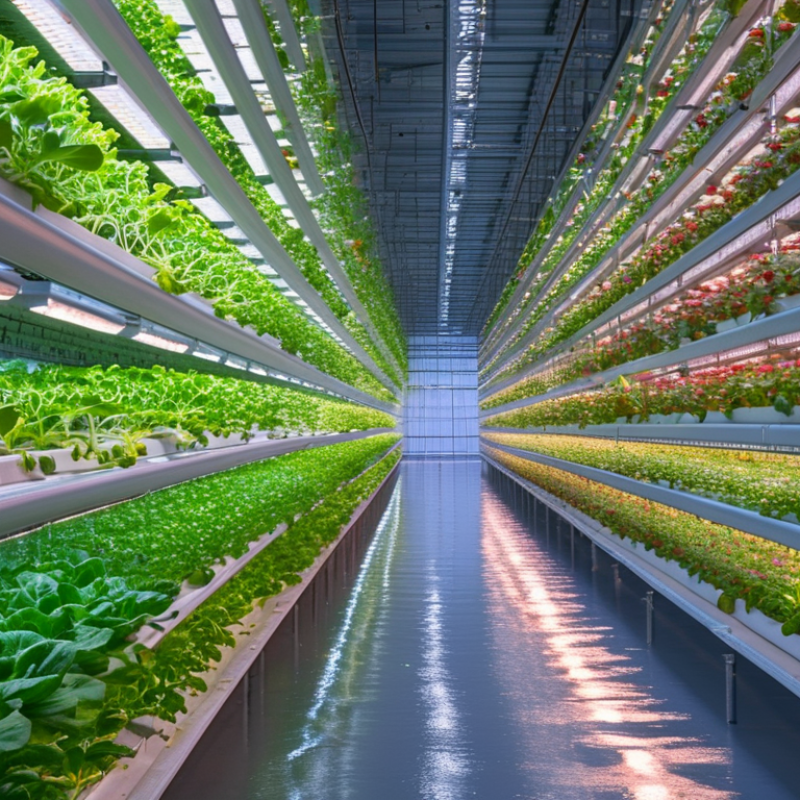
How to Set Up a Vertical Farming Light System for Success?

Choosing the Right Type of Grow Lights for Vertical Farming Systems

Choosing the right type of grow lights is crucial for vertical farming systems. Quality light promotes healthy plant growth. LEDs are popular due to their energy efficiency. They emit specific wavelengths that plants need for photosynthesis. This can lead to faster growth cycles and higher yields.

Fluorescent lights are another option, especially for seedlings. They are less intense, which works well for young plants. However, they may require more frequent bulb changes. Think about the height of your setup. Some lights might not fit well in tight spaces. Understanding the growth stage of your plants is key to choosing the right light.

Reflecting on your choices is essential. Not every light works for every plant type. Consider experimenting with different lights for varying crops. Keep track of how each type affects growth. This reflection can help refine your vertical farming approach. Mistakes lead to learning, shaping a better lighting strategy.

Understanding Light Spectrum and Its Impact on Plant Growth

Understanding light spectrum is essential in vertical farming. Plants utilize different wavelengths for growth, primarily in the photosynthetically active radiation (PAR) range of 400 to 700 nanometers. A study from the University of Tokyo states that blue light (400-500 nm) promotes vegetative growth. Conversely, red light (600-700 nm) supports flowering and fruiting. Effective integration of these spectra can enhance yield and plant health.

Research indicates that plants thrive under specific light ratios. An optimal balance of red to blue light is often cited as a 70:30 ratio. This can significantly impact crop quality and growth rates. For example, tomatoes under this light configuration showed a 20% increase in fruit weight. However, lighting setups can be complex. Misjudging the light spectrum's role might lead to subpar results, underscoring the importance of precise measurements and adjustments.

Monitoring light intensity is equally crucial. Light should be uniform across the growing area to avoid stress or uneven growth patterns. Reports highlight that uneven light distribution can reduce yields by up to 15%. Inconsistent lighting may cause plants to grow taller and yield less fruit. Continuous adaptation and reflection on light settings ensure better outcomes and sustainable vertical farming practices.

Calculating Optimal Light Intensity for Different Crops

When setting up a vertical farming light system, calculating the optimal light intensity for different crops is crucial. Each plant species has distinct light needs. For instance, leafy greens like lettuce thrive under lower light, while fruiting plants such as tomatoes require more intense light. Understanding these differences helps maximize yield and quality.

To determine the right intensity, consider measuring light in micromoles per square meter per second (µmol/m²/s). This measurement gives a clear picture of how much light your crops receive. Aim for 200–400 µmol/m²/s for leafy greens and 400–700 µmol/m²/s for fruiting plants. Pay attention to the distance between lights and plants; if too far, light intensity decreases. If too close, it could lead to heat stress.

It's not just about intensity; the duration of light exposure matters too. Many plants need 12–18 hours of light daily. Experiment with different schedules to see what works best for your crops. Keep track of growth and adjust accordingly. Remember, there’s always room for improvement. Adjustments may lead to better results. Understanding each crop's unique needs ensures a successful vertical farming setup.

How to Set Up a Vertical Farming Light System for Success? - Calculating Optimal Light Intensity for Different Crops

Crop Type Optimal Light Intensity (µmol/m²/s) Light Duration (Hours/Day) Growth Stage
Lettuce 150 - 300 14 - 16 Vegetative
Tomatoes 400 - 800 12 - 14 Fruit Development
Basil 250 - 400 14 - 16 Vegetative
Pepper 300 - 600 10 - 12 Flowering
Strawberries 300 - 700 12 - 16 Fruit Development

Setting Up a Timed Lighting Schedule for Maximizing Yield

To maximize yield in vertical farming, a timed lighting schedule is essential. Plants need light for photosynthesis, but the duration and intensity matter. Many growers overlook the importance of timing. A tailored light schedule can significantly boost plant growth and productivity.

Start by understanding your plants’ natural light cycles. Some thrive under longer periods of light, while others prefer shorter durations. Aim for specific light durations, typically between 12 to 18 hours daily. Adjust according to the plant type. Consistency is key for optimal growth.

**Tips:** Monitor your plants closely. If they show signs of stress, like leaf burn or stretching, reconsider your light intensity. Experimentation is vital; what works for one type may not suit another. Keep a journal of your observations to refine your approach.

Implement a timer to ensure lights turn on and off at the same times daily. This reduces the risk of human error. Lack of routine can lead to unexpected results. Make adjustments gradually, observing how your plants react to changes. Remember, even small tweaks can lead to significant differences in yield.

Maintaining and Adjusting Your Vertical Farming Light System for Efficiency

Maintaining your vertical farming light system is crucial for high yields and energy efficiency. Regular monitoring is essential. Check your light intensity and spectrum frequently. Adjust based on plant growth stages. Young seedlings require lower light, while mature plants thrive under higher intensity.

Positioning the lights correctly can also influence growth. Keeping lights too close or too far can stress plants. Measure distance from light to the canopy regularly. Some plants may become leggy if lights are not optimal.

Finally, consider the duration of exposure. Most plants need around 12-16 hours of light daily, but this varies. Experimenting is part of the learning curve. Logs can help track plant responses to different light schedules. Don't hesitate to revisit your setup and make adjustments for improvements.

Vertical Farming Light System Efficiency

This chart displays the energy efficiency of different light sources used in vertical farming. LED lights are the most efficient, followed by HPS, CFL, and incandescent lights, which illustrates the importance of choosing the right lighting for optimal growth and sustainability in vertical farming setups.

FAQS

: What is the importance of light spectrum in plant growth?

: Light spectrum significantly affects plant growth. Plants use specific wavelengths for optimal growth, especially within 400 to 700 nanometers.

What type of light promotes vegetative growth in plants?

Blue light, ranging from 400 to 500 nanometers, is known to promote vegetative growth effectively.

How does red light influence plants?

Red light, from 600 to 700 nanometers, supports flowering and fruiting, enhancing overall yield.

What is the ideal light ratio for optimal plant growth?

An optimal red to blue light ratio is often cited as 70:30. This can significantly improve crop quality.

Why is uniform light distribution crucial?

Uneven light can reduce yields by up to 15%. It creates stress and uneven growth in plants.

How far should lights be positioned from plants?

Measure the distance regularly. Keeping lights too close or too far can lead to plant stress and poor growth.

How many hours of light do most plants need daily?

Most plants require about 12-16 hours of light each day, though this can vary based on the plant type.

How can I track plant responses to light settings?

Maintaining logs can help monitor plant responses to different light schedules for future adjustments.

What can happen if the light intensity is not adjusted correctly?

Incorrect light intensity can make plants leggy or lead to suboptimal yields, requiring continual reflection and adjustment.

What role does experimentation play in vertical farming?

Experimenting with light settings is necessary. It helps tailor conditions for better growth outcomes and plant health.

Conclusion

Setting up a vertical farming light system is crucial for maximizing plant growth and yield. To begin, it's essential to choose the right type of grow lights suited for the specific crops being cultivated. Understanding the light spectrum is also critical, as different plants respond uniquely to various wavelengths of light. Additionally, calculating the optimal light intensity tailored for different crops can significantly impact their health and productivity.

Once the appropriate grow lights are selected, implementing a timed lighting schedule can help regulate plant growth cycles and enhance yields. Regular maintenance and adjustments of the lighting system ensure continued efficiency and effectiveness. By following these steps on how to set up a vertical farming light system, growers can optimize their vertical farms and achieve successful outcomes.

Charlotte

Charlotte

Charlotte is a seasoned marketing professional with a deep understanding of the company's portfolio and a passion for elevating its presence in the market. With a keen eye for detail and a commitment to excellence, she ensures that our professional blog is regularly updated with insightful articles......