10 Tips Why Are My Plant Leaves Turning Yellow Under Grow Lights?

Time:2026-07-24 Author:Amelia
0%

Understanding why plant leaves turn yellow under grow lights is crucial for growers. Grow lights provide artificial sunlight, but improper use can stress plants. According to a report from the American Botanical Council, nearly 30% of indoor growers experience leaf discoloration. This highlights the commonality of the issue.

Dr. Emma Larkin, a leading horticultural expert, emphasizes, “Light quality is key to healthy plants.” Yellowing leaves can indicate nutrient deficiencies or light stress. The intensity and type of light used can significantly impact plant health. Excessive heat from grow lights may also cause damage, leading to yellowing.

Growers must reflect on their methods and conditions. Factors like watering, humidity, and light distance play a vital role. Ultimately, solving the question of "why are my plant leaves turning yellow under grow lights" requires a holistic approach, considering all environmental influences.
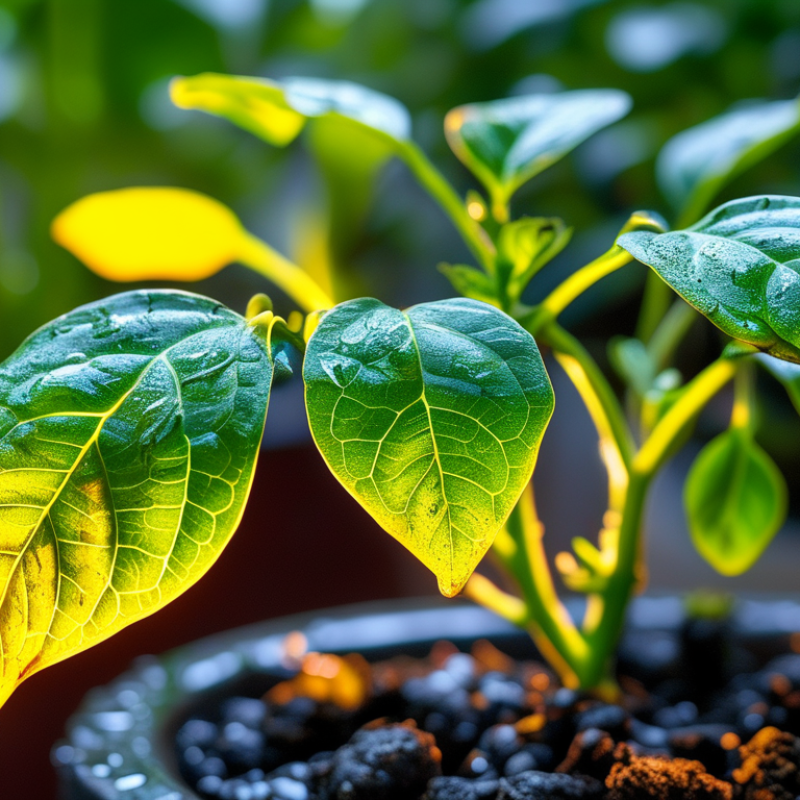
10 Tips Why Are My Plant Leaves Turning Yellow Under Grow Lights?

Understanding the Basics of Plant Growth Under Grow Lights

Understanding the growth of plants under grow lights requires knowledge of light spectrum and intensity. Grow lights mimic sunlight, but not all plants react positively. A report from the American Society for Horticultural Science shows that improper light intensity can cause leaf discoloration, including yellowing.

Yellowing leaves often signal stress. High-intensity lights can generate excess heat, leading to leaf burn. A study published in the Journal of Plant Growth Regulation outlines that plants exposed to temperatures above 80°F show signs of stress. The ideal temperature range for many houseplants is between 70°F and 75°F. Keeping your grow lights at the right distance can help manage this.

Nutrient balance is crucial. Yellow leaves might indicate nitrogen deficiency, which is vital for chlorophyll production. Research indicates that the correct N-P-K (Nitrogen-Phosphorus-Potassium) ratio is essential for healthy growth. Soil testing can provide insight into nutrient levels, helping you adjust as needed. Improper water levels can also cause similar symptoms. Over-watering traps roots in soggy soil, leading to root rot. Adjustments to watering practices are often necessary for optimal plant health.

Common Nutrient Deficiencies Leading to Yellowing Leaves

Yellowing leaves in plants can signal nutrient deficiencies. The most common deficiency related to leaf discoloration is nitrogen deficiency. Plants require nitrogen for chlorophyll production. A lack of nitrogen can cause older leaves to turn yellow while newer leaves remain green. According to a study from the American Society of Horticultural Science, nitrogen-deficient plants often exhibit stunted growth and reduced yields.

Another frequent cause of yellowing is iron deficiency. Plants need iron for healthy photosynthesis. When iron levels are low, leaves may show a yellowing pattern known as chlorosis. This often affects young leaves first, creating a striking contrast with the green veins. Research from the Journal of Plant Nutrition reveals that pH levels impact iron availability, emphasizing the importance of soil pH management for healthy plant growth.

Magnesium deficiency can also lead to yellowing leaves. Magnesium is essential for chlorophyll, and its absence can cause leaf tissue to yellow between the veins. This typically affects older leaves first. A reliable source of data from the Plant Physiology Journal highlights that ensuring adequate magnesium is critical for robust plant health and crop production. Observing these symptoms can guide growers toward timely interventions, including soil testing and targeted fertilization.

10 Tips: Why Are My Plant Leaves Turning Yellow Under Grow Lights?

Nutrient Deficiency Symptoms Common Causes Solutions
Nitrogen Uniform yellowing of older leaves Insufficient fertilizer Increase nitrogen-rich fertilizer
Iron Yellowing between veins on new leaves Soil pH too high Apply chelated iron solution
Magnesium Yellowing at leaf edges, dropping of older leaves Imbalanced nutrient mix Supplement with magnesium sulfate
Zinc New leaves small and yellow Deficient soil Use zinc fertilizer
Calcium Yellowing with necrosis on leaf tips Inadequate watering Add lime or gypsum to soil

The Role of Watering Practices in Leaf Coloration

Watering practices significantly influence the coloration of plant leaves. Overwatering is a common mistake among growers. A study from the American Society for Horticultural Science reveals that 70% of houseplant issues stem from improper watering. Yellowing leaves often indicate root stress, which can occur when the soil remains too wet. This limits oxygen flow to the roots, leading to anaerobic conditions.

On the other hand, underwatering can also cause yellow leaves. Plants deprived of water may suffer from dehydration, resulting in stress responses that include color changes. The University of Florida’s research indicates that moisture levels need careful monitoring. Regular checks of soil moisture can help avoid the pitfalls of both under and overwatering.

Furthermore, light conditions can exacerbate watering issues. Grow lights increase evaporation rates, potentially leading to quicker moisture loss. A recent survey highlighted that 60% of growers wait too long between waterings under grow lights. This can intensify stress on the plant, worsening yellowing. It’s crucial to adapt watering schedules based on light intensity and humidity levels, ensuring a more balanced environment for healthy foliage.

Impact of Light Intensity and Duration on Plant Health

Light intensity and duration are crucial for plant health. Grow lights can sometimes produce more heat than natural light. This temperature change can stress plants, leading to yellowing leaves. To optimize their health, light intensity must be carefully managed.

One common issue is excessive light intensity. If grow lights are too close or too bright, leaves can burn. The result? Yellowing and curling leaves. Adjusting the distance can help. Aim for around 12 to 24 inches from the plants.

Duration matters too. Plants generally need 12 to 16 hours of light daily. Too much light can disrupt their natural rhythms. Start with shorter lighting periods and adjust based on how your plants respond. Monitor their health closely. Sometimes, trial and error is necessary to find the perfect balance.

Impact of Light Intensity and Duration on Plant Health

Environmental Factors Affecting Plant Growth Under Artificial Lights

Plants under grow lights can suffer from yellowing leaves due to various environmental factors. Light intensity is crucial. If the lights are too close, they can scorch the leaves, causing discoloration. In contrast, insufficient light can lead to weak growth and yellowing. According to a study by the University of Florida, optimal light intensity should be measured around 200-300 µmol/m²/s for many houseplants.

Temperature plays a significant role as well. Plants thrive in a stable range, typically between 70°F and 80°F (21°C to 27°C) during the day. Higher temperatures can increase transpiration rates, leading to nutrient deficiencies and yellowing leaves. Conversely, temperatures below 60°F (15°C) can hinder growth and cause stress. A horticulture expert highlights that sudden temperature fluctuations affect plant health adversely.

Humidity is often overlooked but is essential for vibrant green foliage. Many plants require humidity levels of 40% to 60%. Grow lights can dry the air, exacerbating the problem. Increased airflow can also lead to moisture loss, leading to symptoms of stress. An analysis from the American Society for Horticultural Science emphasizes monitoring humidity levels to prevent detrimental effects on growth. By addressing these factors, the chance of yellowing leaves can significantly decrease.

FAQS

: What can cause yellowing leaves in plants?

: Yellowing leaves can result from overwatering or underwatering. Both conditions stress the roots.

How does overwatering affect plants?

Overwatering limits oxygen flow to roots, causing root stress and yellowing leaves.

What is the impact of underwatering?

Underwatering leads to dehydration. Plants may respond to this with color changes.

How should soil moisture be monitored?

Regularly check soil moisture levels to prevent over and underwatering. This promotes healthy plants.

Why is light intensity important for plant health?

Light intensity affects growth. Too much light can scorch leaves; too little can weaken plants.

What temperature do most houseplants prefer?

Most plants thrive between 70°F and 80°F. Extremes can trigger stress and yellowing.

How does humidity affect leaf color?

Low humidity can cause moisture loss in leaves, leading to yellowing. Most plants need 40%-60% humidity.

What should growers consider regarding grow lights?

Grow lights can increase evaporation and stress plants. Adjust watering based on light intensity and conditions.

What environmental factors can affect plant growth?

Light intensity, temperature, and humidity all critically impact plant health and coloration.

What common mistakes do growers make?

Many growers underestimate the need for moisture checks and adjust watering frequency incorrectly.

Conclusion

Understanding why are my plant leaves turning yellow under grow lights involves several key factors that influence plant health. Firstly, assessing the basics of plant growth under grow lights is essential; such environments mimic natural sunlight but may not provide all the necessary wavelengths for optimal photosynthesis. Nutrient deficiencies, particularly in nitrogen, magnesium, and iron, often lead to yellowing leaves, indicating that plants may not receive adequate nutrients from the soil or grow medium.

Moreover, improper watering practices can exacerbate the issue, either through overwatering or underwatering, which impacts leaf coloration significantly. Additionally, the intensity and duration of light exposure are crucial; too much or too little light can stress plants, resulting in yellowing foliage. Finally, environmental factors, such as temperature and humidity, play a role in overall plant health. By addressing these elements, growers can better understand and mitigate the yellowing of leaves under grow lights.

Amelia

Amelia

Amelia is a seasoned marketing professional with a wealth of expertise in our company’s core offerings. With an unwavering passion for driving growth and innovation, she plays a pivotal role in shaping our marketing strategies and enhancing brand visibility. A key aspect of her responsibilities......