Transitioning plants from grow lights to sunlight is a crucial step for optimal growth and health. Many gardeners prefer artificial light, yet sunlight offers essential benefits. According to a 2022 study by the Horticultural Society, plants exposed to natural sunlight exhibit a 30% increase in growth rates compared to those kept solely under artificial light.
Expert horticulturist Dr. Emily Greene emphasizes the importance of this transition. She states, "Understanding how to transition plants from grow lights to sunlight is key to maximizing their potential." This reveals a significant gap in many gardeners' practices. Without proper guidance, plants may experience shock or stunted growth during the transition.
When making this shift, gradual exposure is vital. Start with just a few hours of sunlight and increase exposure over time. This minimizes stress on the plants. However, some gardeners overlook this, leading to weaker plants. Additionally, monitor temperatures and humidity levels, as fluctuations can adversely affect plant health. This approach not only enhances growth but also fosters resilience in plants.
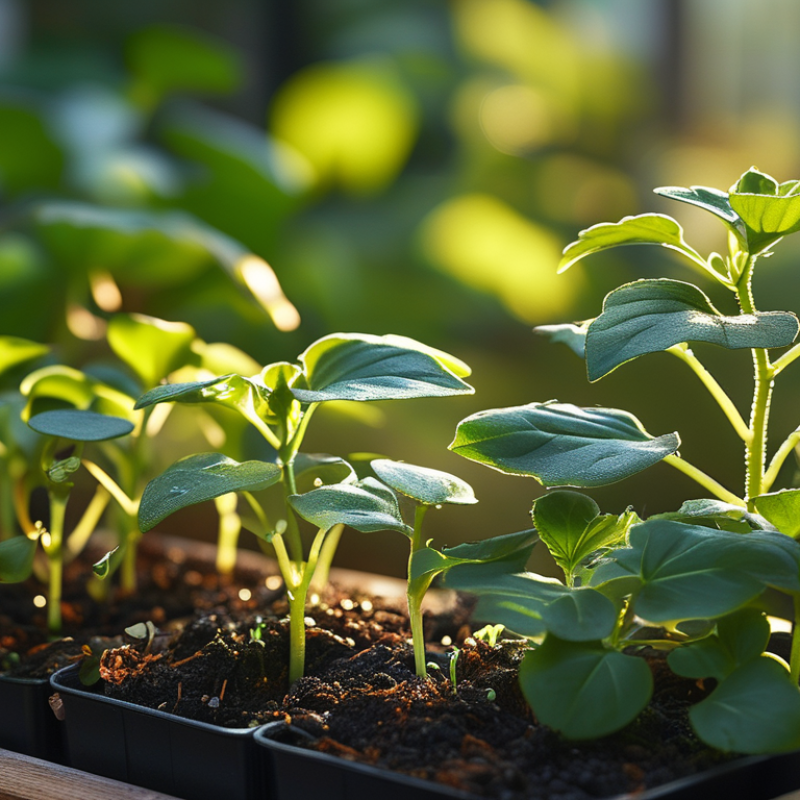
Benefits of Transitioning Plants to Natural Sunlight
Transitioning plants from grow lights to natural sunlight can greatly benefit their growth. Natural sunlight provides a fuller spectrum of light, which is essential for photosynthesis. Plants thrive in varied light wavelengths, promoting stronger stems and healthier leaves. Under grow lights, plants may become accustomed to a specific light spectrum. When moved to sunlight, they can experience shock. Gradual exposure is key to a successful transition.
Natural sunlight also enhances the plant’s ability to produce essential oils and fragrances. This can positively affect their growth and health. Moreover, engaging with sunlight strengthens plants’ resilience against pests and diseases. A balanced exposure helps in developing thicker cell walls, making them sturdier. Transitioning can also be an opportunity to evaluate plant health and growth patterns. Not all plants adapt equally to sunlight, and some may need special care.
However, not every plant will thrive in direct sunlight. Some may scorch or wilt if exposed too suddenly. Monitoring temperature and humidity levels is vital during this process. It encourages a more instinctual growth pattern. This reflection on their needs can lead to better cultivation strategies. Instead of relying solely on artificial lighting, embracing sunlight allows for a more holistic gardening experience.
Understanding the Growth Stages of Indoor Plants
Transitioning indoor plants from grow lights to natural sunlight can be vital. Understanding their growth stages is essential for this process. During the seedling stage, plants are delicate and require gentle light. Grow lights provide a consistent source, but natural sunlight introduces variations that can stress young plants. This shift should be gradual, allowing time for adjustment to the increased intensity.
As plants mature, their needs evolve. In the vegetative stage, they can benefit from longer exposure to sunlight. Research indicates that plants exposed to 14-16 hours of light daily experience improved growth rates. However, direct sunlight can be overwhelming, potentially causing leaf burn. A slow transition allows the plant’s photosynthesis mechanisms to adapt.
Once in the flowering stage, the light requirements shift again. Plants require different wavelengths for optimal results. Too much sunlight can hinder blooming. Striking the right balance is crucial, and monitoring plants closely is important. Data shows that up to 30% of indoor plants may struggle during this transition, leading to stunted growth or decline. Regular checkups can help identify issues early, refining the process for future grow cycles.
How to Gradually Introduce Sunlight to Your Plants
Transitioning plants from grow lights to sunlight requires careful planning and gradual exposure. Start by placing your plants in a shaded outdoor area for a few hours. This method allows them to acclimate to natural light. Research shows that increasing light intensity too quickly can cause leaf burn. According to the American Society for Horticultural Science, gradual exposure reduces stress on plants, enhancing their growth and overall health.
Tips: Monitor your plants closely during the transition. Look for signs of stress, such as yellowing leaves or wilting. If you see these, move them back to a shadier location for a few days. Adjust the time spent in sunlight based on your plant type. Some thrive in direct light, while others prefer indirect.
Once acclimated, slowly increase sun exposure each day. Start with one to two hours and increase by 30 minutes every few days. A study from the Journal of Plant Nutrition highlights the benefits of this method, emphasizing improved photosynthesis rates in gradually acclimated plants. Over time, they will adapt to full-day sunlight without adverse effects. Monitor temperature and humidity levels, as these factors also impact plant health during this transition.
Why You Should Transition Plants from Grow Lights to Sunlight
This chart illustrates the gradual increase in plant growth rate as they are transitioned from grow lights to natural sunlight over a period of six weeks. The transition helps plants adapt to changes in light conditions, ultimately enhancing their growth potential.
Common Mistakes When Transitioning Plants Outdoors
Transitioning plants from grow lights to natural sunlight can be tricky. A common mistake many make is moving their plants too quickly. Gradually introducing plants to sunlight is essential. Start with just a few hours of indirect light. This allows the plants to adjust without shock.
Another issue is misjudging sunlight intensity. Direct sunlight can be harsh, especially for plants accustomed to artificial light. It may lead to leaves burning or fading. It's crucial to monitor their response. Look for signs of stress, like wilting or browning. Adjust their placement accordingly.
Keep in mind that outdoor conditions can vary. Wind, temperature, and humidity are factors that affect your plants. Some indoor plants may not thrive outside at all. It's important to do your research and reflect on your plants' needs. Consider their specific light and climate preferences before moving them outside.
Why You Should Transition Plants from Grow Lights to Sunlight? - Common Mistakes When Transitioning Plants Outdoors
| Plant Type |
Ideal Light Condition |
Common Mistakes |
Recommended Transition Duration |
| Tomato |
Full Sun |
Moving directly to full sun without acclimatization |
1-2 weeks |
| Pepper |
Full Sun |
Overwatering during the transition |
2 weeks |
| Lettuce |
Partial Shade |
Underestimating sun exposure |
3-5 days |
| Basil |
Full Sun |
Ignoring temperature fluctuations |
1-2 weeks |
| Cucumber |
Full Sun |
Transplanting too late in the season |
1 week |
Signs Your Plant is Adjusting Well to Sunlight
Transitioning plants from grow lights to sunlight can be challenging. Observing signs of adjustment is essential. Healthy leaves are a good indicator. If your plant’s leaves are vibrant and green, it shows they are adapting to natural light. A study by the American Society for Horticultural Science indicates that proper acclimation reduces transplant shock by 30%.
Another sign of adjustment is growth rate. If a plant begins to produce new leaves or stems, that’s encouraging. Research shows that plants receive essential energy levels from sunlight, leading to a 70% increase in photosynthetic activity compared to artificial light. Look for sturdy stems as well; weak and leggy growth often indicates stress.
However, not all plants adapt seamlessly. Some may develop leaf burn or yellowing, which requires attention. You might find some plants unable to adjust fully. Monitor their response closely during this transition. Adjusting exposure gradually helps mitigate these risks. It's important to reflect on each plant's unique needs and responses to ensure a successful transition to natural sunlight.
Conclusion
Transitioning indoor plants from grow lights to sunlight is essential for their long-term health and development. The benefits of making this switch include improved growth rates, enhanced natural color, and stronger plant structures. Understanding the growth stages of indoor plants can help you determine the right time to introduce them to natural light, ensuring they thrive in their new environment.
To successfully learn how to transition plants from grow lights to sunlight, start by gradually increasing their exposure to sunlight. This helps prevent shock, allowing plants to acclimate to the stronger rays. Common mistakes include moving plants outside too quickly or neglecting to monitor their response to sunlight. Signs that your plant is adjusting well include new growth and vibrant leaves, indicating that they are adapting positively to their new lighting conditions.

