In the world of indoor gardening, a pressing question arises: can you use regular LED lights as grow lights? This topic has garnered attention from enthusiasts and experts alike. Dr. Emily Hart, a prominent horticulturist, comments, “Regular LED lights often lack the proper spectrum needed for plant growth.” Her insight underscores the complexities involved in this discussion.
Using standard LED lights might seem like an easy solution. However, they may not provide sufficient light intensity. Many grow lamps are designed to emit specific wavelengths to stimulate photosynthesis. In contrast, most regular LEDs focus on energy efficiency rather than plant needs.
Understanding these nuances is critical for anyone considering this option. It’s not just about light; it’s about the right kind of light. Regular LEDs might require complementary solutions to achieve optimal plant growth. As indoor gardening continues to evolve, reflecting on these factors becomes essential for success.
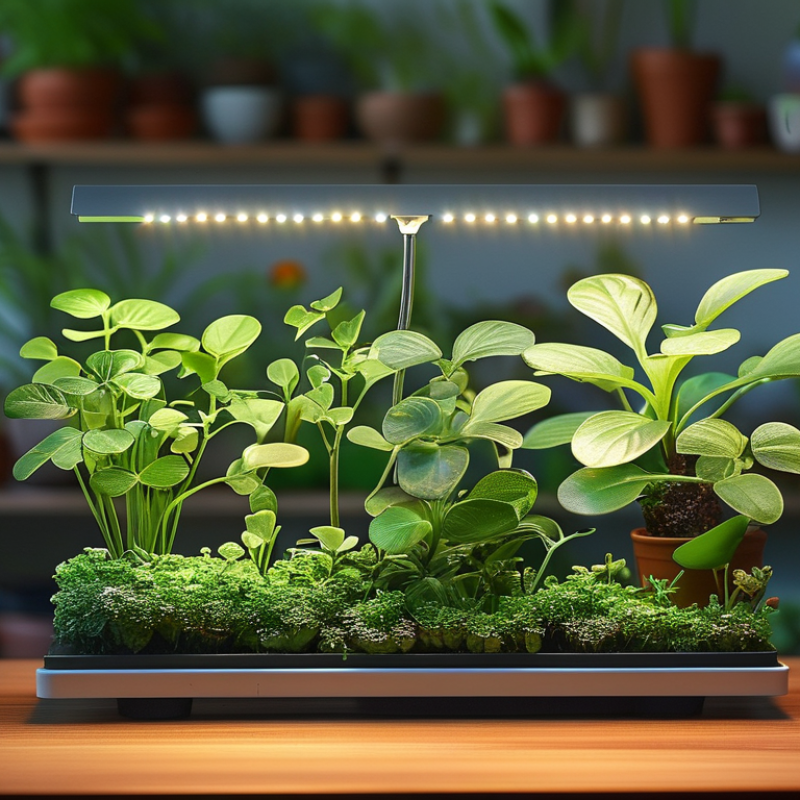
Regular LED lights can be used to support plant growth, but their effectiveness varies. Unlike dedicated grow lights, regular LEDs may not emit the specific spectrum plants need.
Plants thrive under light in the blue and red wavelengths. Many regular LEDs focus more on white light, which isn’t ideal.
Using regular LED lights might provide some benefits. They consume less energy and generate less heat compared to traditional bulbs. However, the light output generally lacks the intensity required for robust growth. This limitation can lead to slower plant development or poor yields.
It's essential to consider the distance between the light source and plants. Regular LEDs may need to be positioned closer to ensure adequate light exposure. Observing your plants can help gauge their response. If they appear leggy or discolored, it may indicate insufficient lighting. Adjusting light duration and intensity might improve results.
Regular LEDs can work, yet they may not offer the optimal growing conditions needed for all plants.
Plants require specific light spectrums for optimal growth.
Photosynthesis primarily relies on red and blue wavelengths.
Research shows that blue light (400-500 nm) promotes leaf development and chlorophyll production.
Red light (600-700 nm) aids flowering and fruiting.
Using regular LED lights might not meet these specific needs.
A study from the American Society for Horticultural Science indicates that traditional white LEDs often lack sufficient blue and red wavelengths.
This insufficiency can slow growth and yield.
While regular LEDs provide some light, they may not deliver the intensity or spectrum plants prefer.
However, there's potential for improvement. Some growers have experimented with combining LEDs to enhance the spectrum.
Yet, results vary significantly based on plant types and growth stages.
Ongoing research needs to address which combinations yield optimal results.
Understanding these spectrum needs remains crucial for anyone attempting to use standard LEDs as grow lights.
When considering grow lights, the differences between regular LED lights and specialized grow lights become crucial. Regular LEDs are designed for general lighting. They emit light across a broad spectrum, but they often lack specific wavelengths needed for plant growth. In contrast, specialized grow lights focus on the red and blue wavelengths. Plants use these colors most effectively for photosynthesis and flowering.
Using regular LEDs might save money initially, but they have limitations. Plants may not thrive to their full potential. Regular lights can lead to stunted growth or poor yields. Tailoring your light source to the needs of your plants ensures optimal development and health.
Tips: If you opt for regular LEDs, combine them with reflectors to enhance light distribution. Experiment with different placements to find what works best. Monitor your plants closely for signs of stress or slow growth. Adjust your lighting strategy as necessary, and don’t hesitate to try different approaches.
In 2026, technological advances in LED lighting are reshaping agriculture. Farmers are increasingly turning to optimized full-spectrum LED lights for indoor gardening. These innovative lights can mimic natural sunlight, promoting robust plant growth. With the right wavelengths, plants can thrive even in small spaces.
The question remains: can regular LED lights replace grow lights? While standard LEDs provide energy efficiency, they lack the specific spectrum needed for plant growth. Regular LEDs may emit light, but they don’t cater to plant needs. This leads to suboptimal growth. Many growers are experimenting, trying to find a balance. Some report mixed results, suggesting a deep dive into plant-light interaction is essential.
As we look ahead, understanding the science behind light and growth is crucial. Growers must consider not just energy savings, but also the health of their plants. Reliance on standard LEDs might lead to disappointment. Embracing the advancements in agricultural LED technology could offer sustainable solutions. The path forward requires experimentation and patience.
| Dimension | Regular LED Lights | Grow Lights |
|---|---|---|
| Light Spectrum | Full Spectrum (Broad) | Customized Spectrum (Optimized for Photosynthesis) |
| Efficiency | Approx. 90 lumens/watt | Approx. 150-200 lumens/watt |
| Heat Emission | Moderate | Low |
| Lifespan | 25,000 - 50,000 hours | 50,000+ hours |
| Heat Sink Requirement | Moderate Requirement | Minimal Requirement |
| Usage Cost | Low | Higher Initial Cost |
Using regular LED lights as grow lights has become a hot topic in recent years. Many indoor gardeners explore this alternative due to potential savings. Regular LEDs are cost-effective. They are widely available and cheaper compared to specialized grow lights. Yet, their effectiveness may not match dedicated grow lights in promoting plant growth.
When using regular LEDs, light spectrum matters. Plants require specific wavelengths for photosynthesis. Average LED lights often don't provide the optimal spectrum. They may encourage growth but can lead to stunted plants over time. Also, energy efficiency can vary. While many LEDs have lower power consumption, not all yield the same intensity or quality of light needed for thriving plants.
Assessing your setup is crucial. Take into account the types of plants you are growing. Lettuce and herbs might adapt to regular LEDs, but fruiting plants could struggle. Regular LEDs sometimes create uneven light distribution. This can cause some plants to flourish while others lag behind. Reflecting on these aspects helps in making informed decisions. Understanding your gardening goals will guide your choice better.
: Regular LEDs emit light across a broad spectrum. Specialized grow lights focus on specific red and blue wavelengths for plant growth.
Regular LEDs may save money, but they often lead to stunted growth and poor yields for plants over time.
Combine regular LEDs with reflectors. Experiment with light placements and closely monitor plant health for adjustments.
Yes, they mimic natural sunlight and can significantly enhance robust plant growth in small spaces.
No, regular LEDs lack the specific wavelengths needed for optimal plant growth, leading to disappointing results.
Assess the types of plants. Leafy greens might thrive under regular LEDs, whereas fruiting plants usually need specialized lights.
No, energy efficiency varies. Not all LED lights provide the same light intensity or quality for the plants.
They may create uneven light distribution, causing some plants to thrive while others struggle. Monitoring is essential.
Understanding the science behind plant growth and light is crucial for optimal health and performance of your plants.
It allows gardeners to discover what lighting works best for their specific plants and setups, requiring patience and reflection.
The question "can you use regular LED lights as grow lights" is a topic of increasing interest among indoor gardeners and agricultural enthusiasts. Regular LED lights can support plant growth to some extent, but they may not provide the optimal spectrum needed for healthy growth. Understanding the specific light spectrum requirements of plants is crucial, as different growth stages demand varied light conditions. While specialized grow lights are designed to emit the ideal wavelengths for both photosynthesis and plant development, advancements in LED technology may soon bridge the gap between standard and specialized lighting solutions.
As we look toward 2026, the ongoing technological improvements in LED lighting for agriculture could enhance the viability of using regular LEDs for plant growth. Evaluating the cost-effectiveness of regular LEDs versus grow lights is also essential, as the initial price difference may influence growers' decisions. Ultimately, while regular LED lights can suffice for some plant species, those seeking optimal growth results might still benefit more from dedicated grow lights, particularly when considering their specific lighting needs.
