Why You Should Know How Much Electricity a Commercial Grow Light Uses?

Time:2026-08-08 Author:Sophia
0%

Understanding the electricity consumption of commercial grow lights is crucial for any business in the horticultural sector. Industry expert Dr. Jane Smith, a leading figure in agritech, emphasizes this point: “Knowing how much electricity a commercial grow light uses can drastically influence operational costs.”

Grow lights are essential for indoor plants. They provide the necessary light spectrum for plant growth. However, the electricity they consume can add up quickly. For growers, this means tracking energy usage is not just smart; it’s vital. If a grow light consumes more power than anticipated, profits can dwindle.

Moreover, selecting the right fixtures could lead to significant savings. Each watt counts. Reflecting on your grow light choices matters. Awareness of energy efficiency in grow lights can empower your operation. It can turn costly oversight into valuable savings. Understanding how much electricity does a commercial grow light use is a fundamental step in maximizing both yield and profitability.
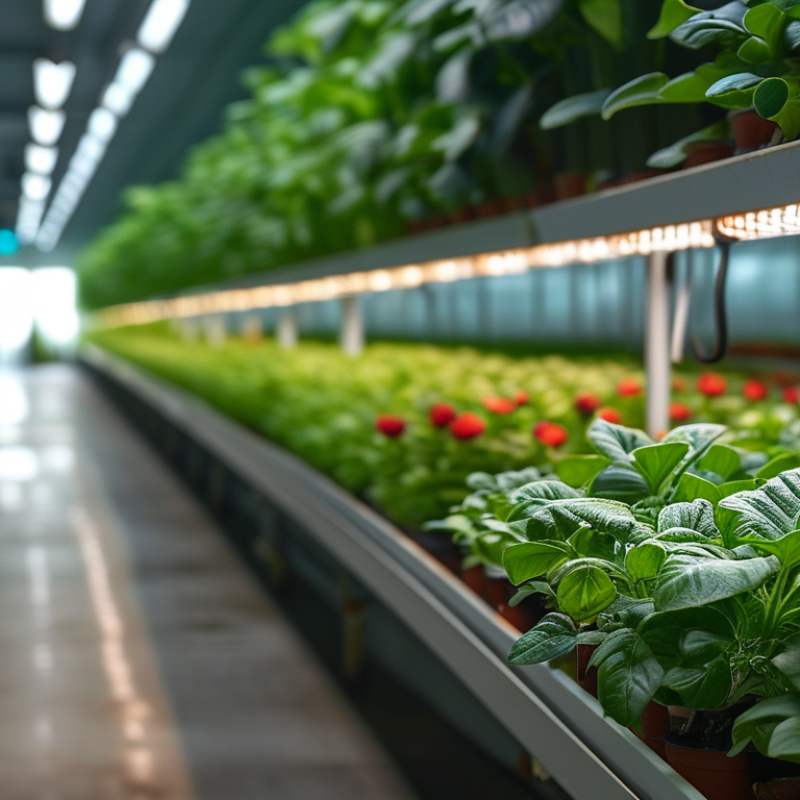
Why You Should Know How Much Electricity a Commercial Grow Light Uses?

Understanding the Importance of Electricity Consumption in Grow Lights

Electricity consumption is vital when it comes to commercial grow lights. Understanding this aspect can lead to better energy management. When growers are aware of how much electricity their lights use, they can make informed decisions. This can affect not only their utility bills but also their overall profitability.

Analyzing the wattage and efficiency of grow lights is essential. Not all lights are created equal. Some may provide more light per watt, while others consume more energy for less output. Growers should also consider peak usage times. Adjusting usage based on light intensity can result in significant savings. Evaluating these factors can help reveal areas where adjustments are necessary.

Moreover, excessive energy consumption can lead to environmental concerns. Sustainable practices are becoming more critical in agriculture. Growers need to be conscious of their energy footprint. Reflecting on these elements can encourage a more responsible approach. Energy efficiency should be an ongoing conversation within the grow community. Being proactive in understanding electricity consumption can lead to a healthier grow operation.

Electricity Consumption Data for Commercial Grow Lights

Grow Light Type Wattage (W) Daily Operation Hours Monthly Electricity Cost ($)
LED Grow Light 300 12 $21.60
High-Pressure Sodium (HPS) 600 12 $43.20
Metal Halide (MH) 400 12 28.80
T5 Fluorescent 216 12 15.66

Factors Influencing Electricity Usage of Commercial Grow Lights

Understanding the factors influencing electricity usage of commercial grow lights is crucial for efficient cultivation. Various elements play a significant role in determining how much energy these lights consume. The type of light, for instance, affects usage. LED, HPS, and fluorescent lights differ in efficiency and output. LEDs typically use less electricity, which can reduce overall costs. However, initial expenses for LEDs can be challenging.

The wattage of the grow light is another key factor. Higher wattage means more energy consumed. Growers must find the balance between light intensity and energy needs. A light that is too weak may not support healthy plant growth, while one that is overly powerful may lead to unnecessary energy waste.

Additionally, the duration and frequency of light usage directly impact electricity bills. Continuous lighting can lead to significant costs over time. Adjusting photoperiods based on plant needs can help minimize waste. Neglecting these details may lead to unexpected expenses. Focusing on optimizing energy use not only aids in sustainability but also enhances profitability. The journey of finding the right balance requires ongoing reflection and adjustment.

Comparing Efficiency of Different Types of Grow Lights

When choosing grow lights for commercial purposes, efficiency is crucial. Not all lights consume energy the same way. Some types can produce more light per watt than others. LED, HPS, and fluorescents are commonly compared. LEDs offer high efficiency with lower energy usage. They last longer and generate less heat. However, initial costs may be higher.

HPS lights have been popular for years. They emit a high intensity of light. Yet, they consume more electricity and produce significant heat. This means additional cooling systems may be necessary. Fluorescent lights are less efficient than both but can be a budget-friendly option. They use less energy but also provide lower light output.

Selecting the right grow light isn't easy. Growers must balance initial costs and long-term savings. Understanding how electricity usage impacts budgets is vital. Each type has advantages and drawbacks. Reflecting on these choices helps in making informed decisions for sustainable growth.

Calculating Operating Costs for Grow Lights in Commercial Settings

Understanding the operating costs of grow lights in commercial settings is crucial for profitability. According to industry reports, grow lights can account for up to 30% of a cultivation facility's total energy bill. Calculating their electricity usage helps businesses make informed decisions. For example, an LED light may use 300 watts per hour, while older models could consume up to 600 watts. This difference greatly impacts monthly electricity costs.

Regularly analyzing billable hours enhances budget accuracy. Reports indicate that with efficient management practices, businesses could reduce energy costs by 20-30%. It's essential to monitor the usage patterns of lights during different plant growth stages. Adjusting the timing and intensity can lead to significant savings.

**Tips:** Use energy monitoring tools. They offer real-time insights and help identify patterns. This data allows for smarter adjustments, optimizing both light usage and costs. Also, consider the balance between initial investment and ongoing electricity costs. Sometimes, a slightly higher upfront cost can yield lower long-term expenses. Evaluate both aspects diligently to ensure sustainable growth.

Impacts of Electricity Use on Environmental Sustainability in Agriculture

The environmental impact of electricity use in agriculture is significant. Commercial grow lights are essential for indoor farming, but they come with high energy costs. According to a report by the U.S. Department of Energy, lighting accounts for up to 25% of energy use in greenhouse operations. This adds financial pressure on farmers while increasing the carbon footprint of their operations.

It's important to evaluate the types of grow lights used. LED lights are more efficient than traditional HID lamps. Research shows that LED systems can reduce energy consumption by up to 50%. However, the initial investment can be daunting. Many growers hesitate to switch, despite potential long-term savings. This reluctance can hinder progress toward sustainable practices.

Furthermore, the source of electricity affects sustainability. Renewable energy sources can lessen environmental impact. Yet, many agricultural operations still rely on fossil fuels. This raises questions about their commitment to sustainable farming. Transitioning to clean energy not only benefits the environment but can also enhance a brand’s reputation. Understanding these dynamics is crucial for anyone in the agricultural sector aiming to embrace sustainability.

FAQS

: What factors influence electricity usage of grow lights?

: Factors include light type, wattage, duration, and frequency of usage.

How does the type of light affect energy consumption?

Different lights like LED, HPS, and fluorescent have varying efficiencies and outputs.

Why is wattage important when selecting grow lights?

Higher wattage means increased energy consumption. Balance is needed for plant growth.

How can light usage frequency impact costs?

Continuous lighting leads to higher energy bills. Adjusting usage based on plant needs helps.

What are the energy efficiency comparisons between different lights?

LEDs are more efficient than HPS and fluorescent. They consume less power and last longer.

What are the environmental impacts of grow light usage?

High energy costs increase the carbon footprint. Electricity use can significantly affect sustainability.

Why might growers hesitate to switch to more efficient lights?

Initial costs of LEDs can be daunting. This reluctance hinders sustainable practices.

How does the electricity source impact environmental sustainability?

Using renewable energy reduces impact. Many still rely on fossil fuels, questioning sustainability efforts.

What is critical for optimizing grow light energy usage?

Ongoing reflection and adjustments are vital. Stay aware of changes to enhance profitability.

Conclusion

Understanding how much electricity a commercial grow light uses is essential for growers who want to optimize their operations and minimize costs. The electricity consumption of grow lights significantly impacts both the profitability of commercial agriculture and the sustainability of farming practices. Factors such as the type of lighting technology, wattage, and duration of use play crucial roles in determining overall electricity usage.

Different types of grow lights, whether LED, fluorescent, or HID, exhibit varying efficiencies and operating costs. By comparing these options, growers can calculate their electricity expenses more accurately. Moreover, recognizing the implications of electricity consumption on environmental sustainability is vital, as excessive use can contribute to increased carbon footprints in agriculture. In sum, understanding how much electricity a commercial grow light uses not only aids in cost management but also promotes a more eco-friendly approach to farming practices.

Sophia

Sophia

Sophia is a dedicated marketing professional with an exceptional depth of knowledge about her company's products and services. With a keen understanding of market trends and customer needs, she crafts insightful blog posts that not only inform but also engage readers, enriching the company’s online......