1 / 5
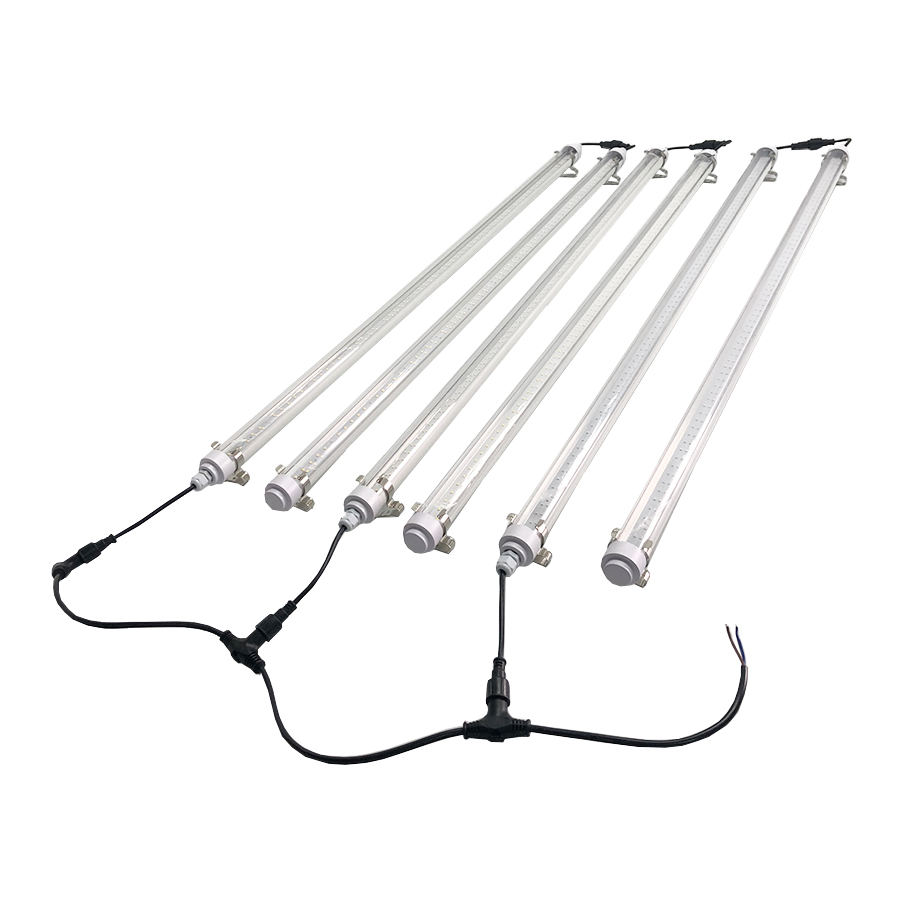
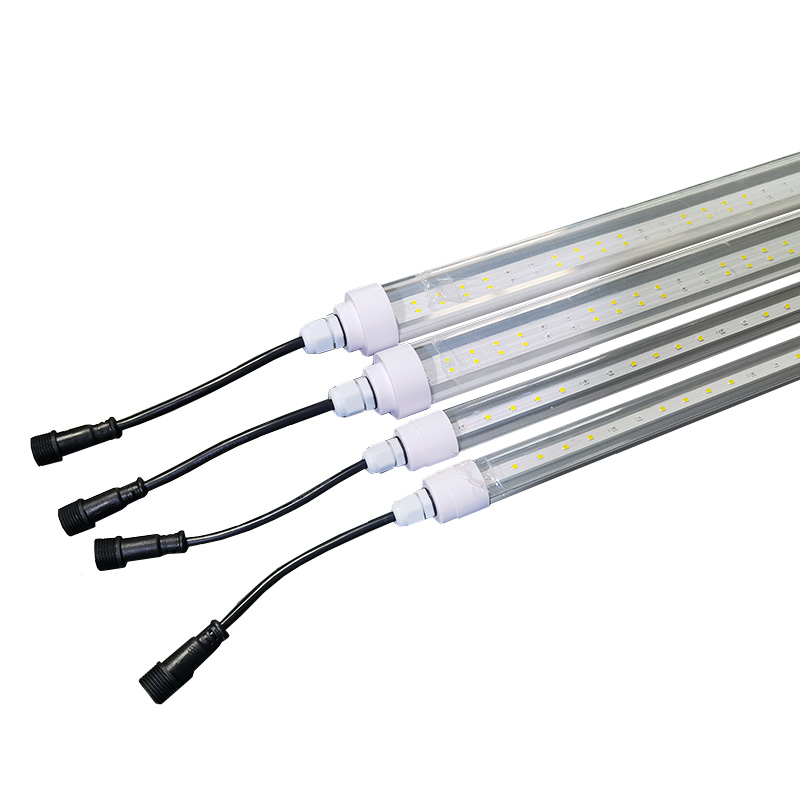
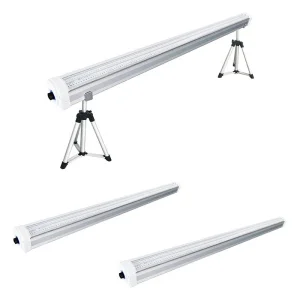
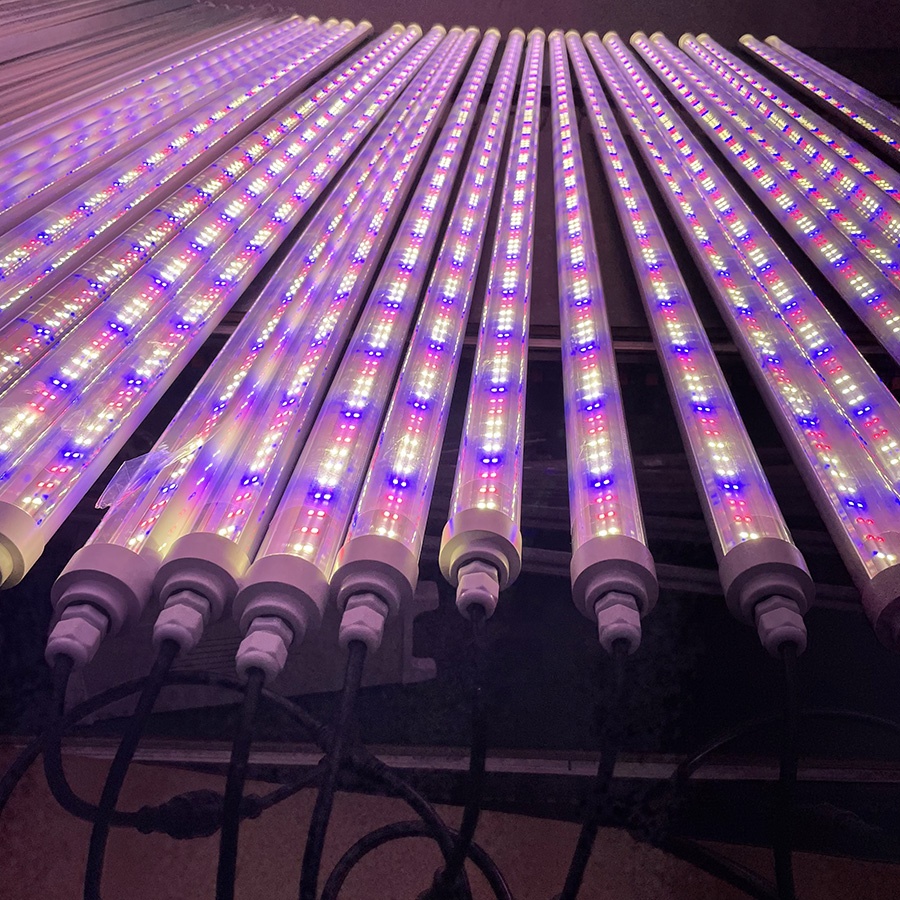
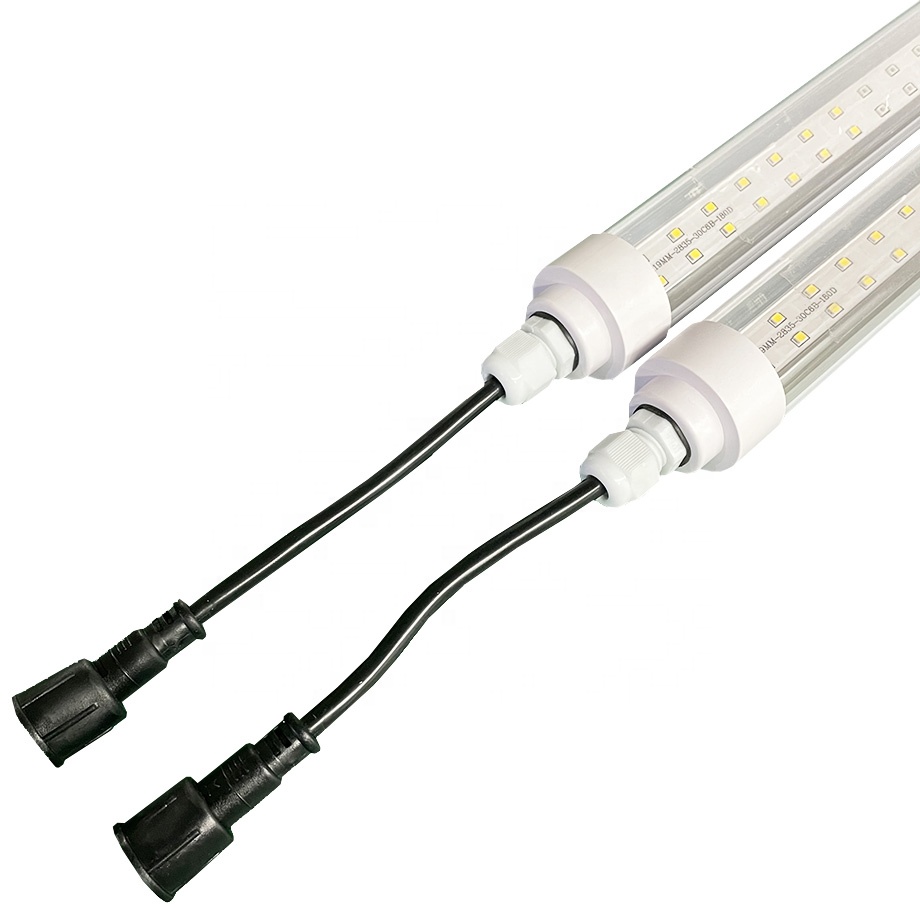
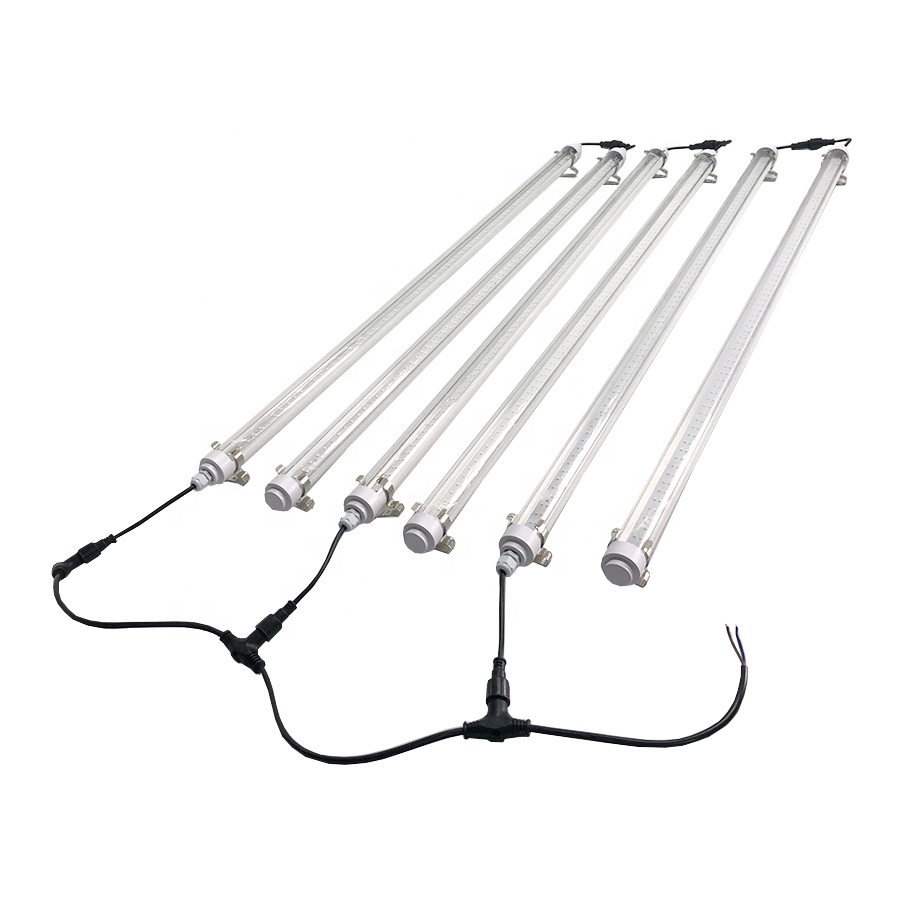
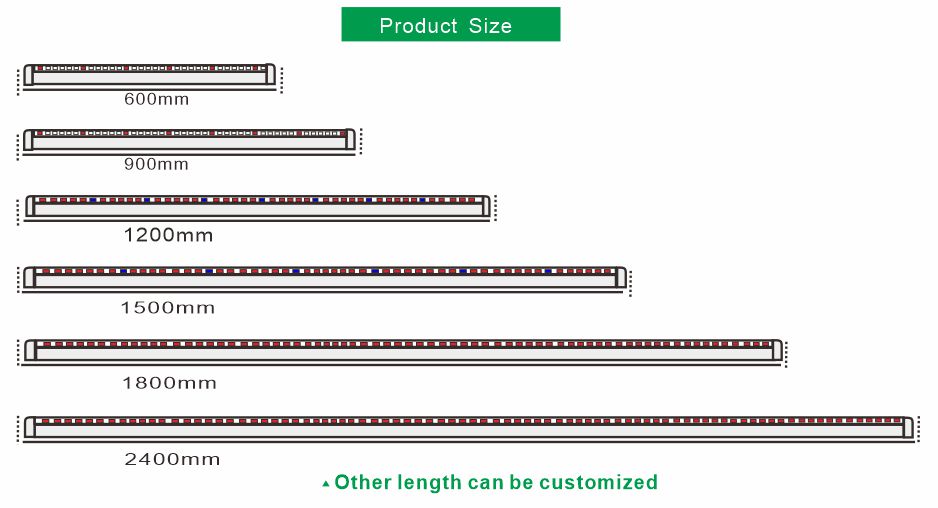
| Model | Size(mm) | Power | Voltage | LED TYPE | LED Qty |
|---|---|---|---|---|---|
| YH-T806B | L600 | 20W | AC100-240V | SMD2835 | 72PCS |
| YH-T809B | L900 | 30W | SMD2835 | 120PCS | |
| YH-T812B | L1200 | 36W | SMD2835 | 144PCS | |
| YH-T815B | L1500 | 45W | SMD2835 | 180PCS |
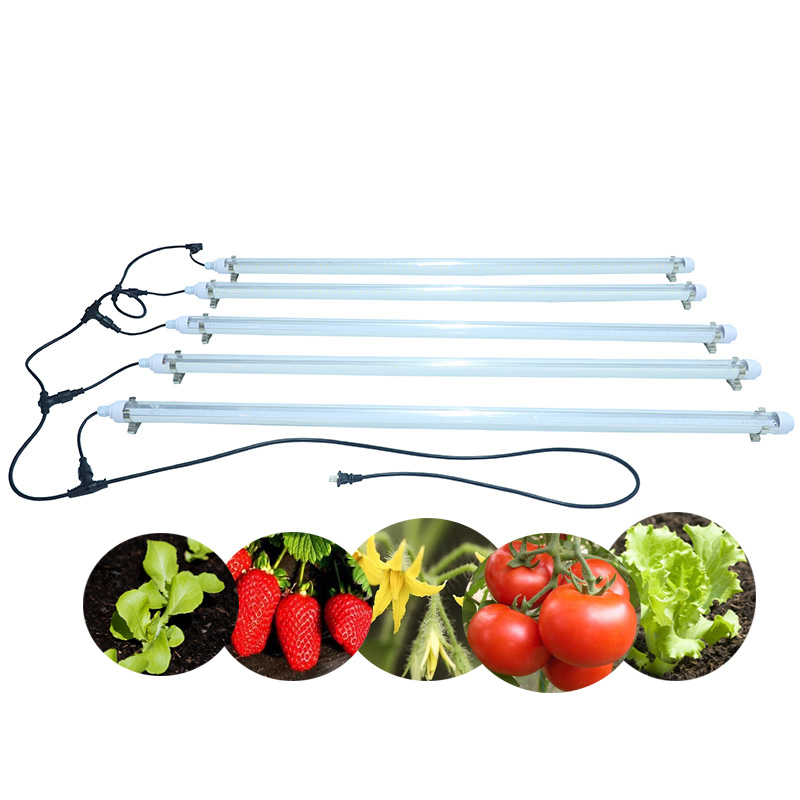
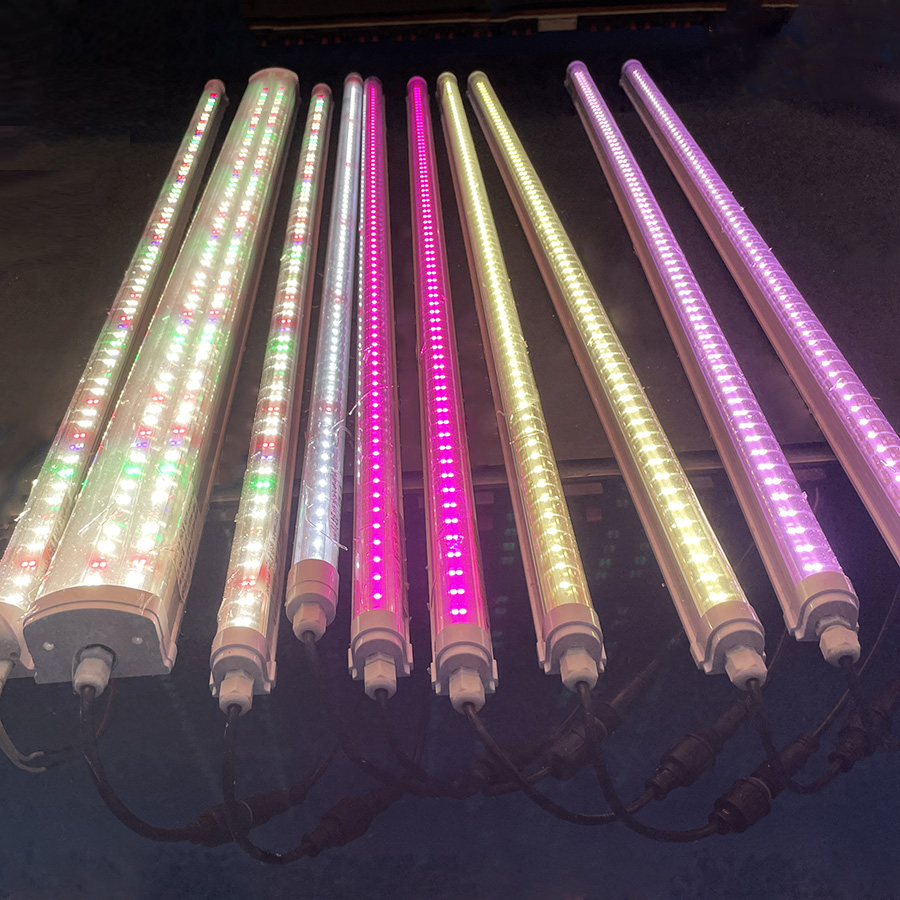
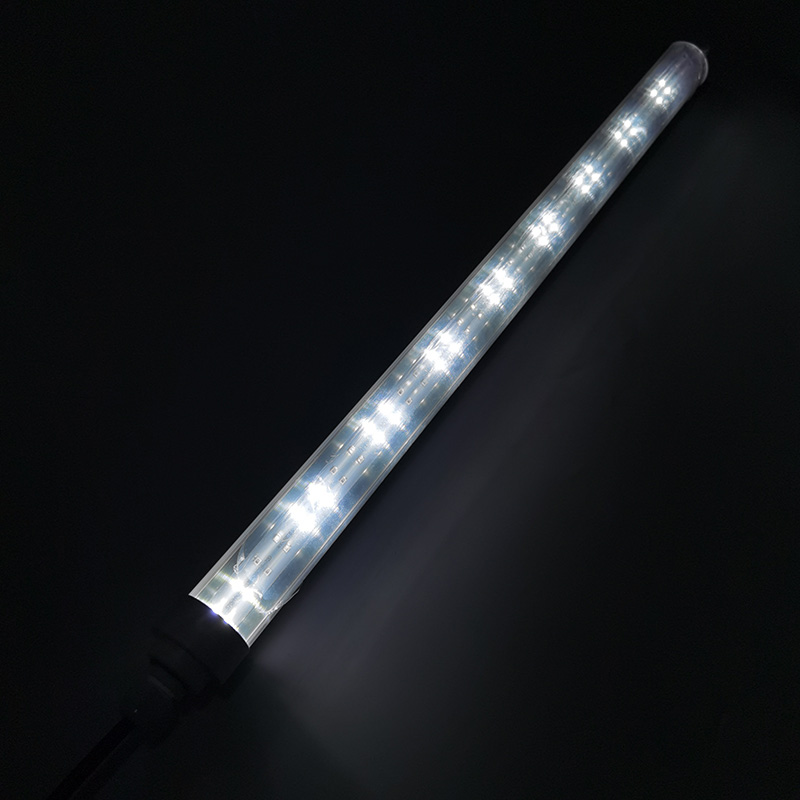
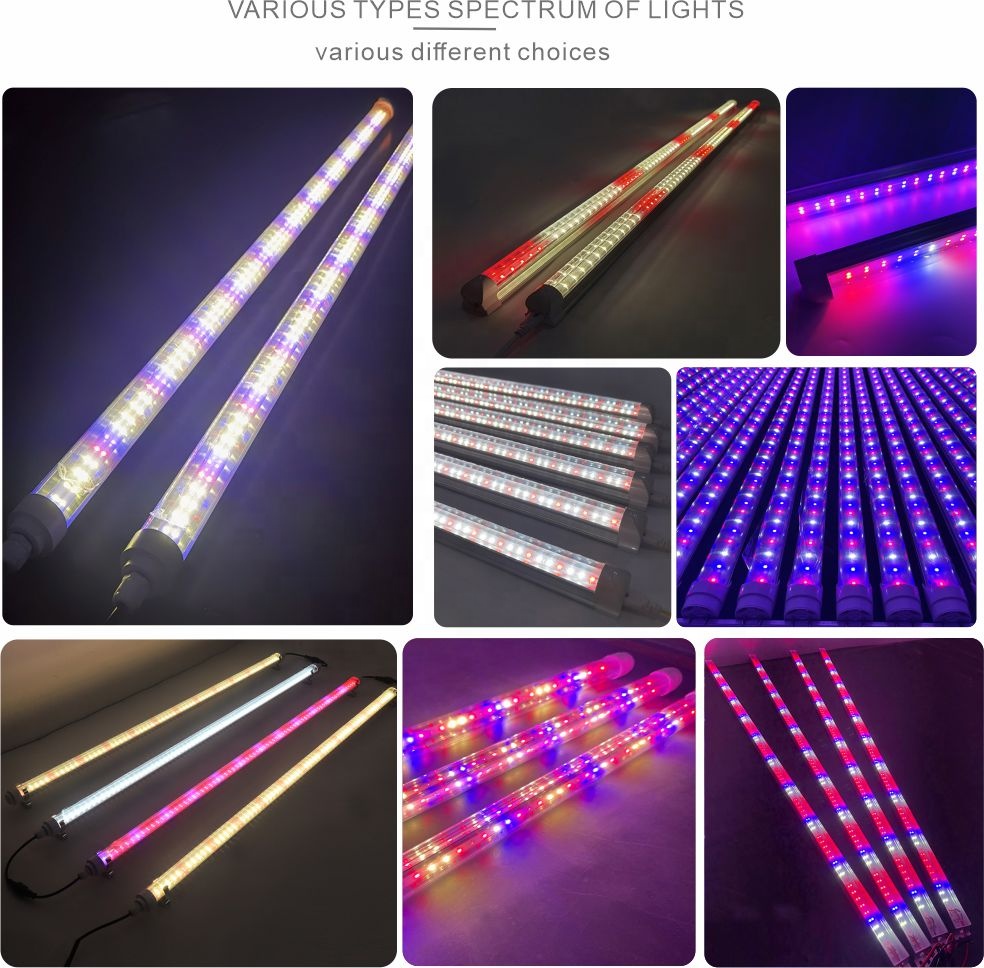
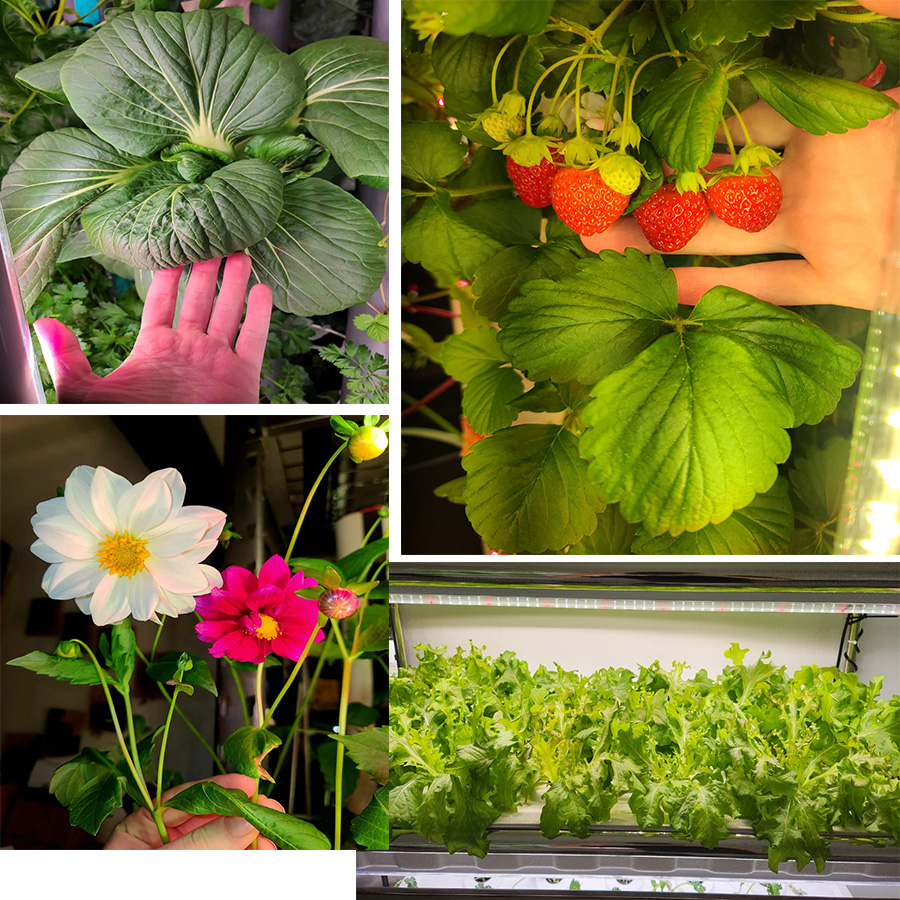
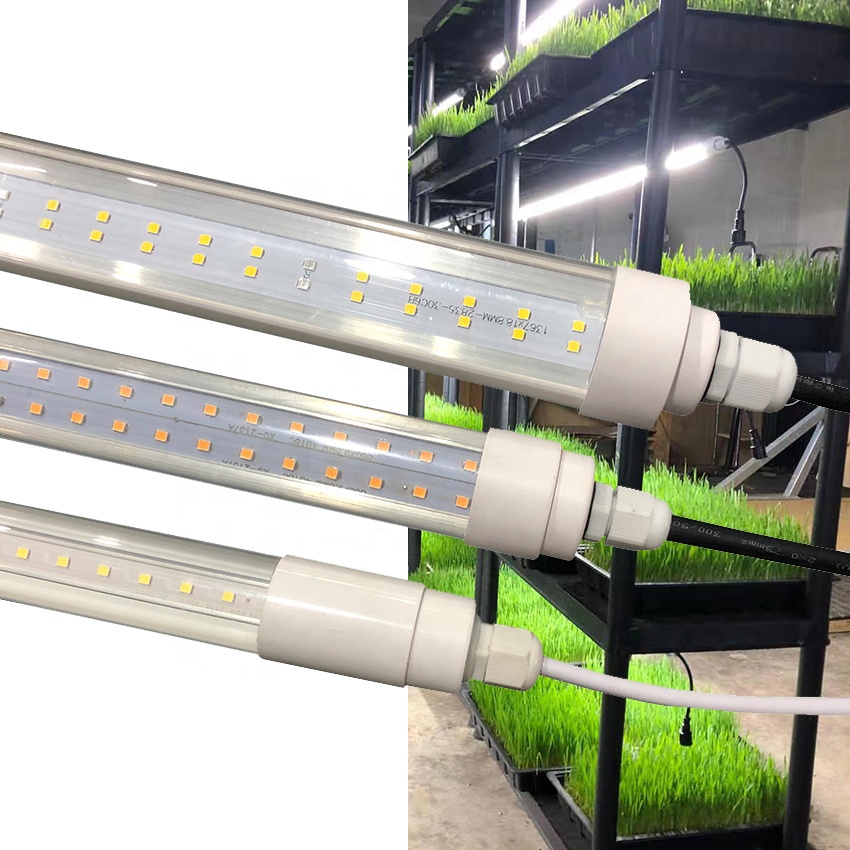
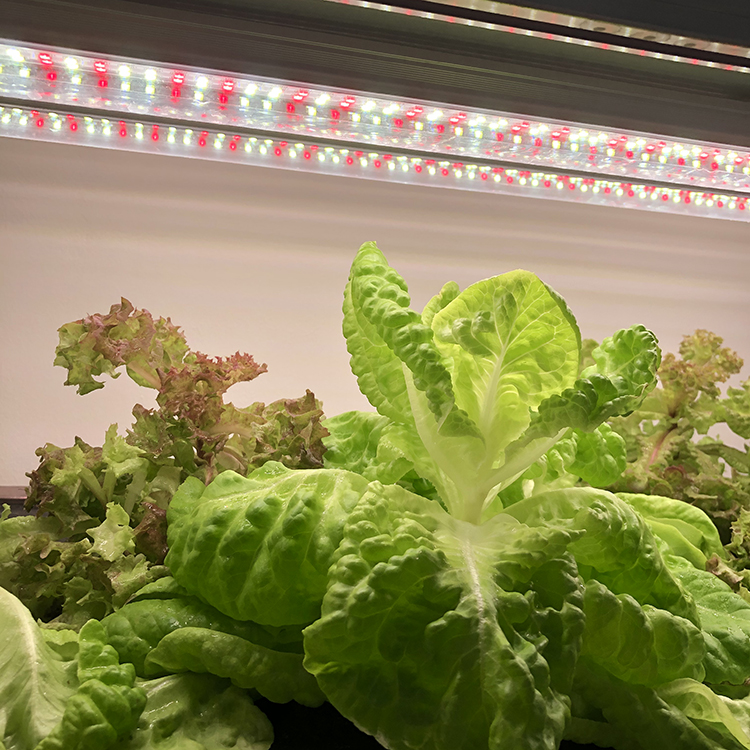
Fruits and vegetables: tomatoes, lettuce, chives, spinach, amaranth, swiss chards, basil, micro-greens, cucumbers, peppers, eggplant, broccoli, spinach, strawberries, grapes, dragon fruit. Potted plants: succulent plants, rose and so on.
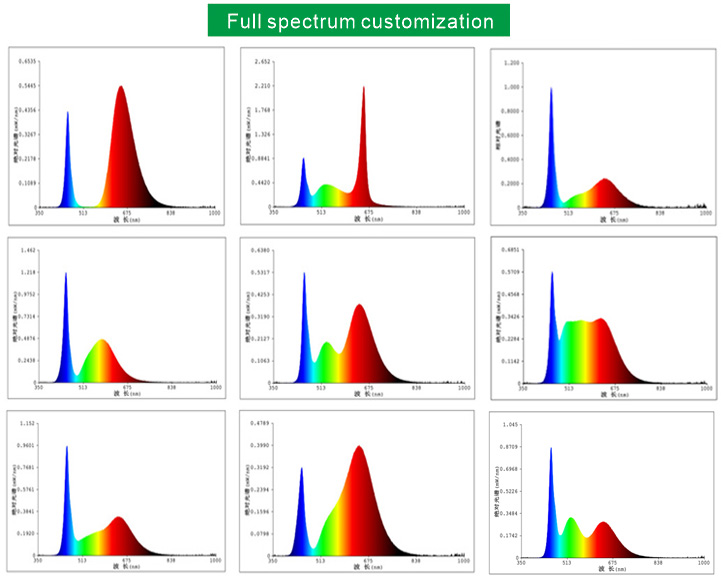
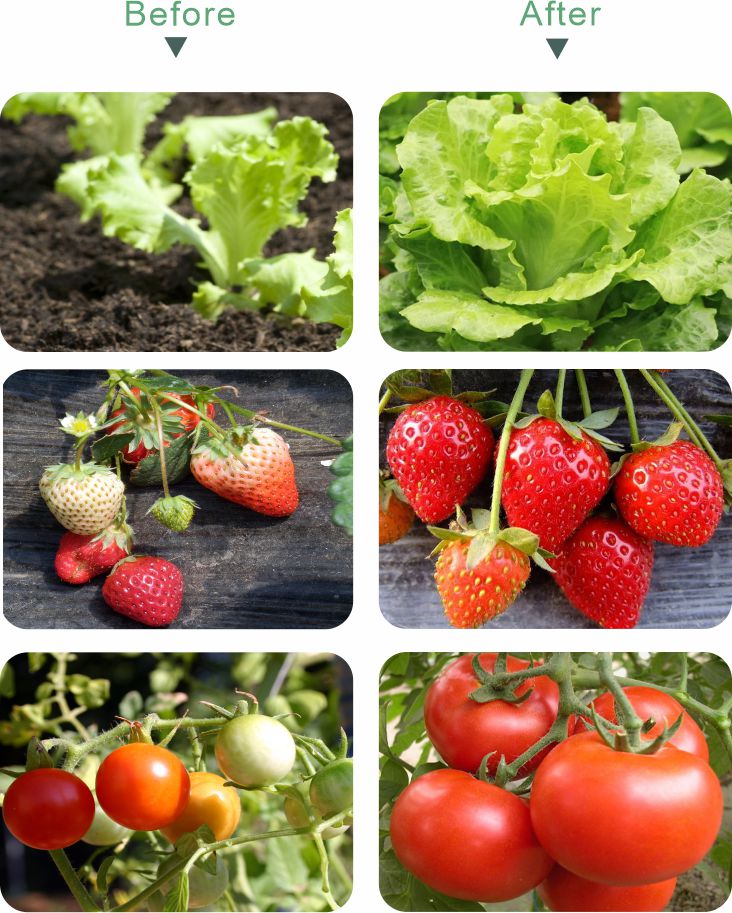
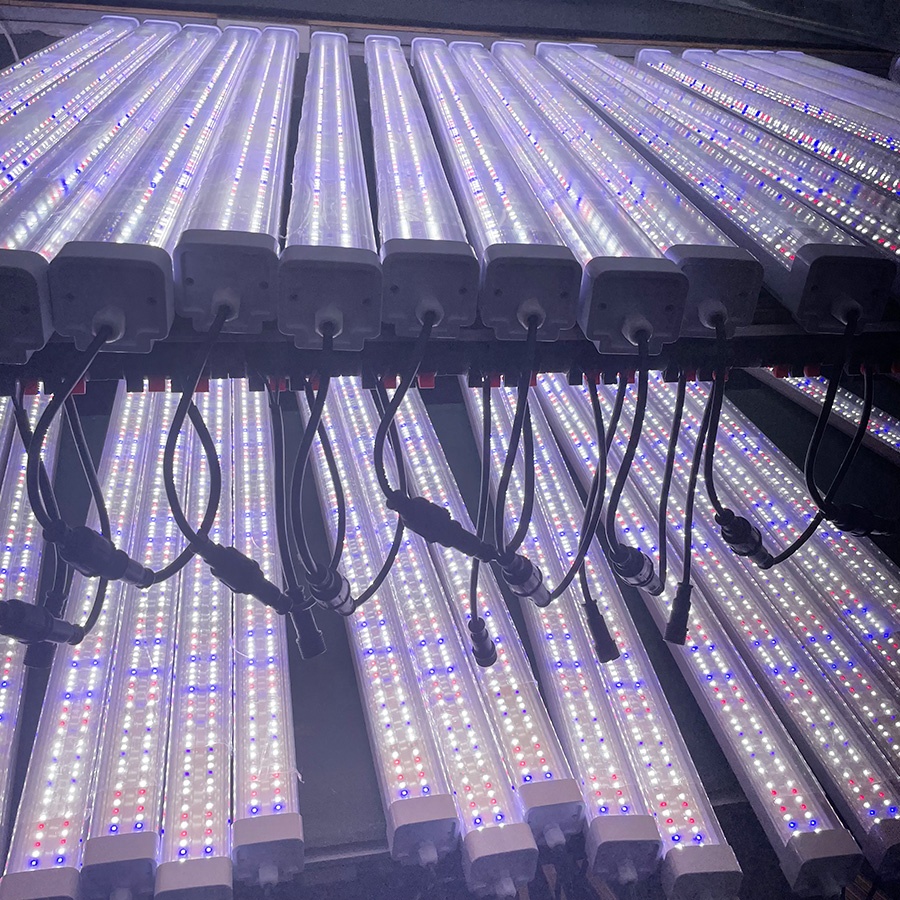
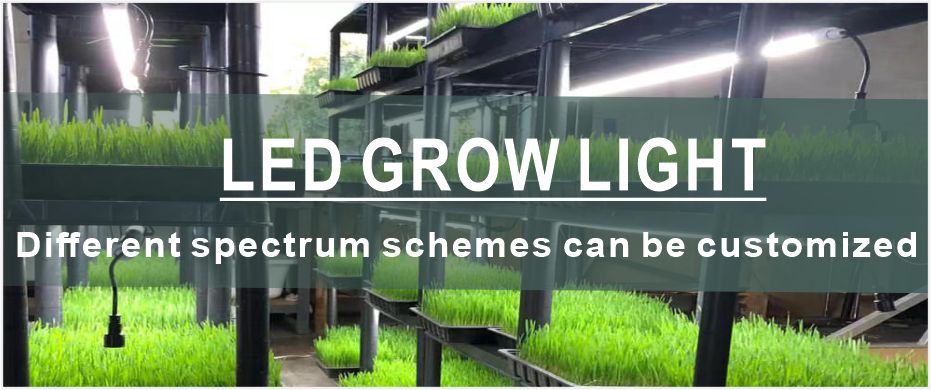
There are also many kinds of plant applications, according to the plant to absorb different light spot, customized spectrum for light supplement.
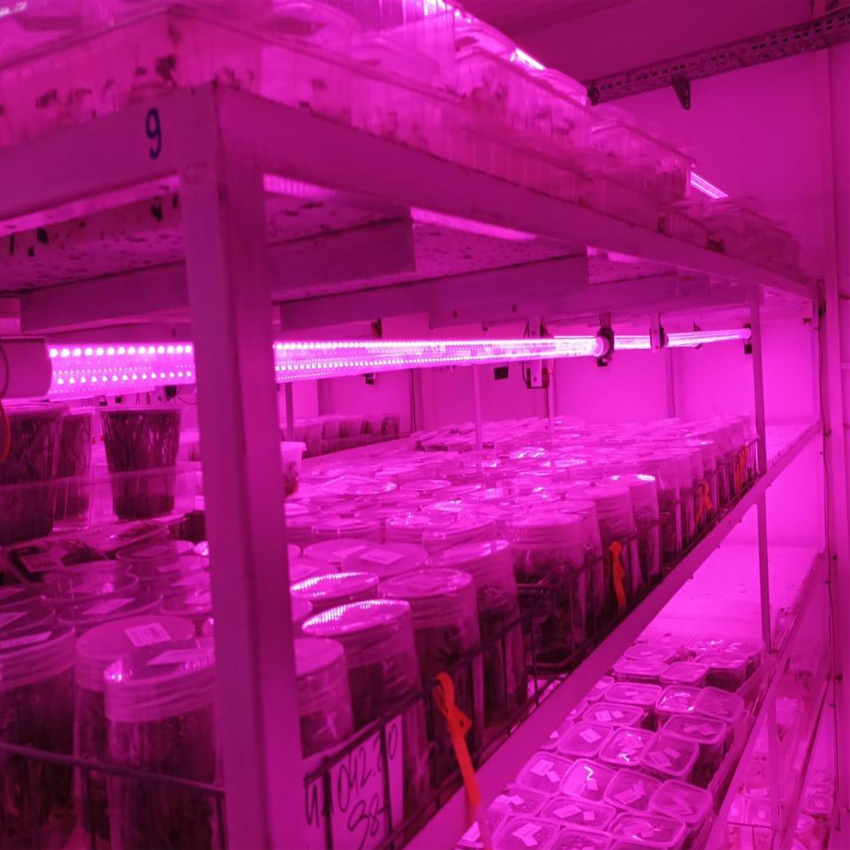
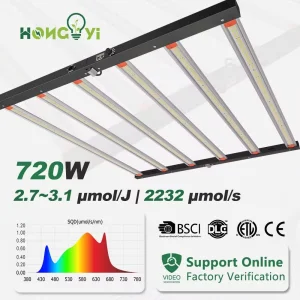
| The effects of different spectrum ranges on plant physiology: | |
|---|---|
| 280 – 315nm | Minimal impact on morphology and physiological processes. |
| 315 – 400nm | Low chlorophyll absorption, Affect the photoperiod effect, Prevent stem elongation. |
| 400 - 520nm (blue) | The absorption ratio of chlorophyll and carotenoids is the largest, Greatest impact on photosynthesis. |
| 520 – 610nm (green) | Pigment absorption rate is not high. |
| 610 – 720nm (red) | The absorption rate of chlorophyll is low, which has a significant influence on photosynthesis and photoperiod effect. |
| 720 – 1000nm | Low absorption rate, Stimulate cell lengthening, Affect flowering and seed germination. |
| >1000nm | Converted into heat. |