Established on January 25th, 2005, Zhongshan Venti Lights Co., Ltd. has evolved into a premier, vertically integrated national enterprise. We specialize in the advanced research, engineering design, raw material manufacturing, and global commercial distribution of premium LED horticultural and architectural lighting products. Over two decades of steady industrial scaling and systematic R&D have consolidated our position as a reliable supplier in the agricultural tech domain.
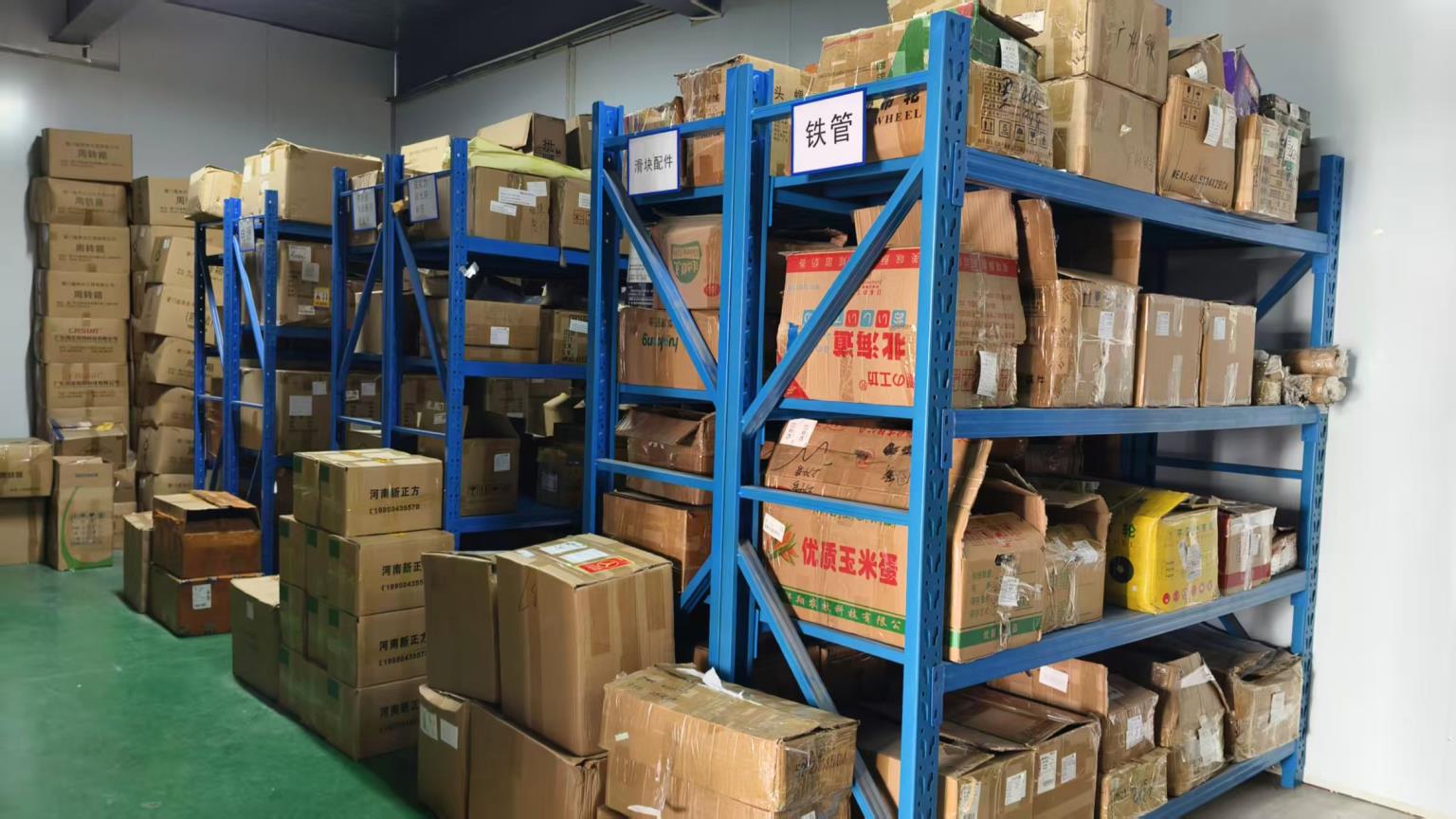
Our industrial infrastructure is divided strategically across two specialized, high-performance manufacturing centers to maximize output precision and component verticality:
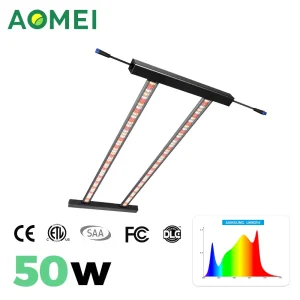
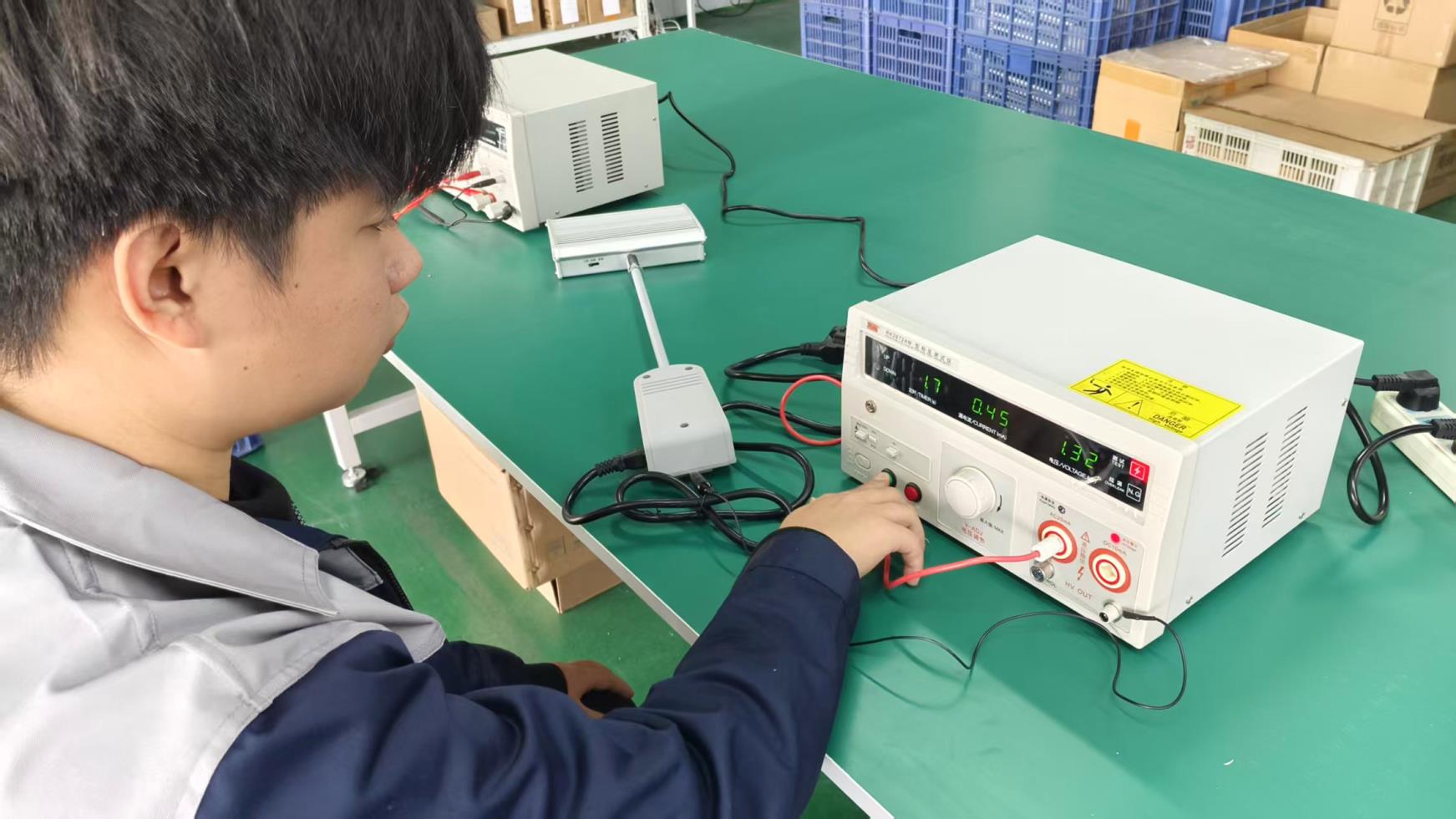
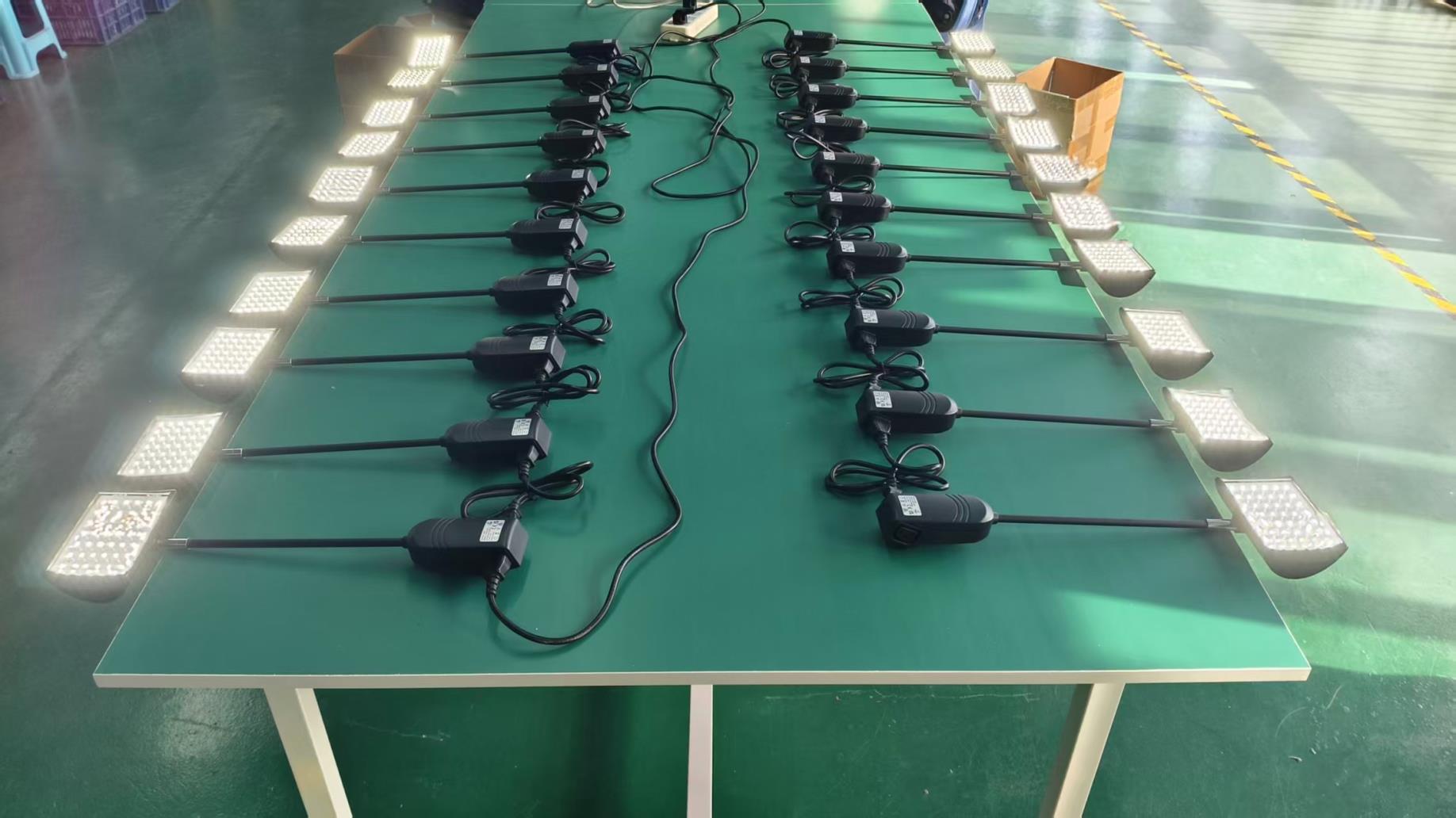
Quality assurance is woven directly into our operational culture. Operating under strict conformance to ISO9001 quality management standards, we maintain complete traceability from raw component evaluation through to product burn-in testing. The product portfolio carries major regulatory certifications, including CE, RoHS, and safety-validated SAA certifications for target drivers. This guarantees seamless integration with local electrical grids in the EU, Oceania, North America, and beyond.
By balancing automated SMT assembly lines (covering ~70% of manufacturing processes) with expert physical assembly, quality validation, and optoelectronic analysis (30%), we offer both scale efficiency and custom design flexibility (OEM/ODM). Today, as a certified National High-Tech Enterprise, we invest heavily in quantum efficiency optimization, remote control protocols, and thermoregulatory structural designs to help commercial growers reduce operating costs (OPEX) and improve yield consistency.
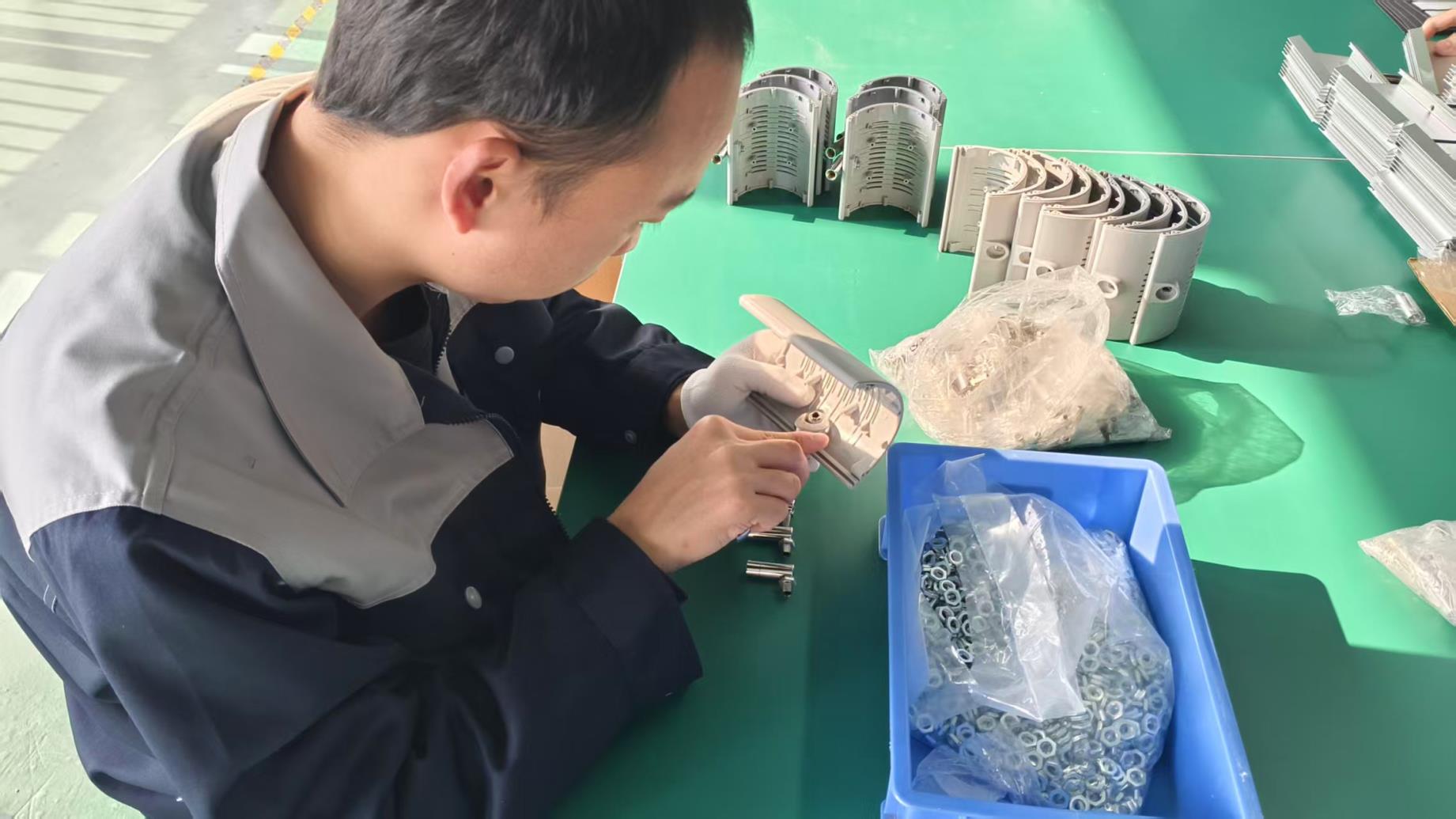
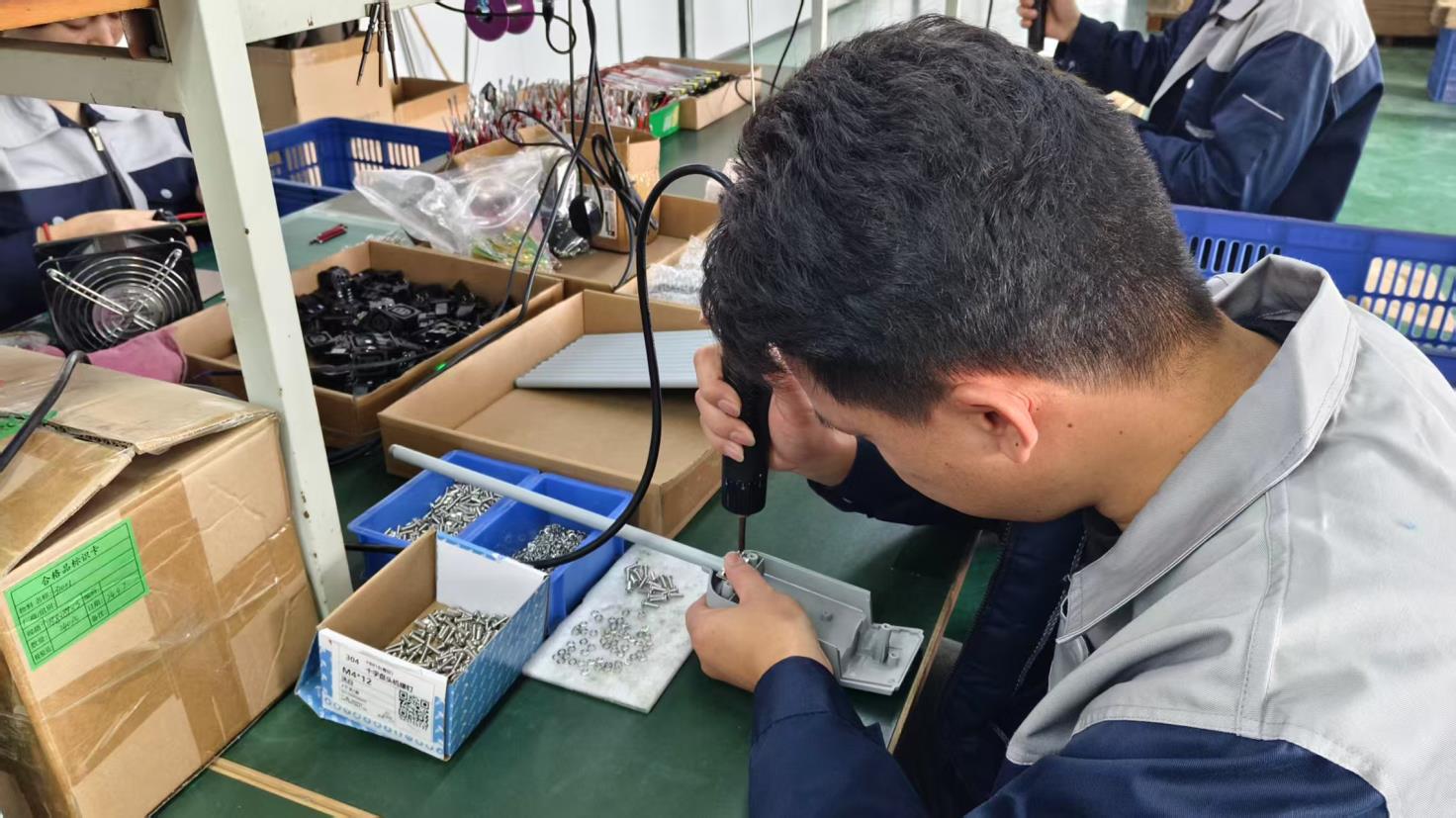
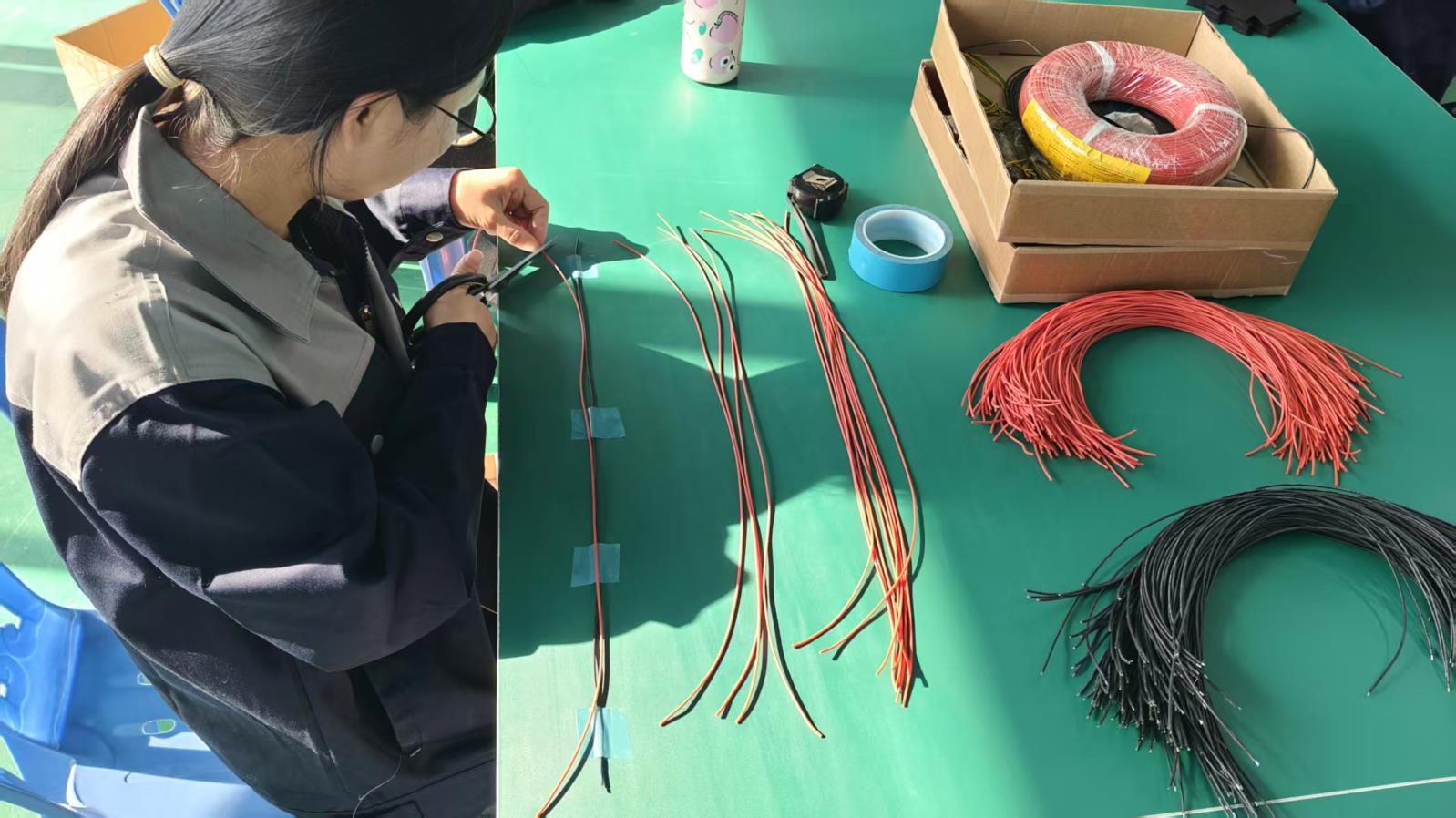
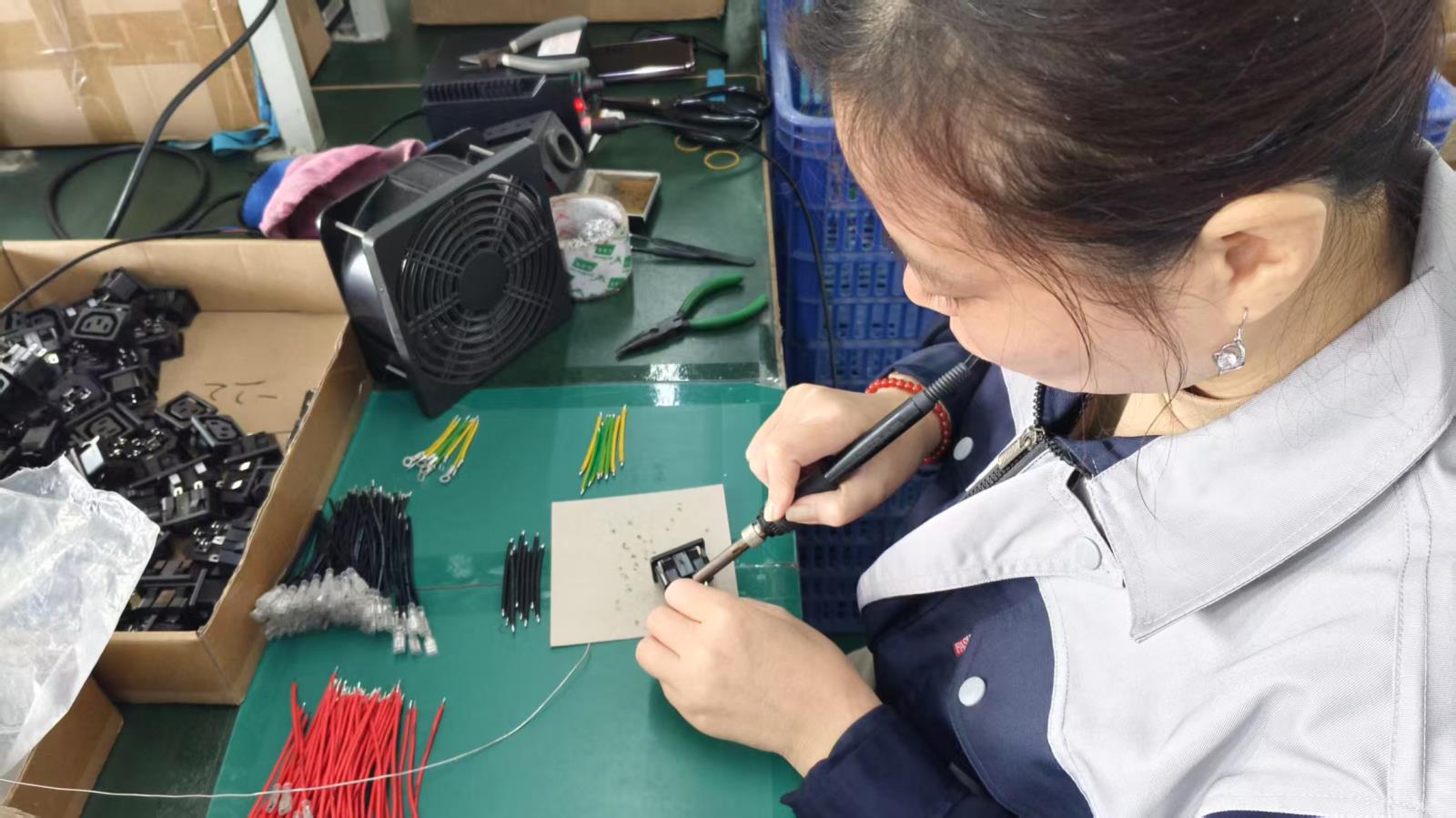
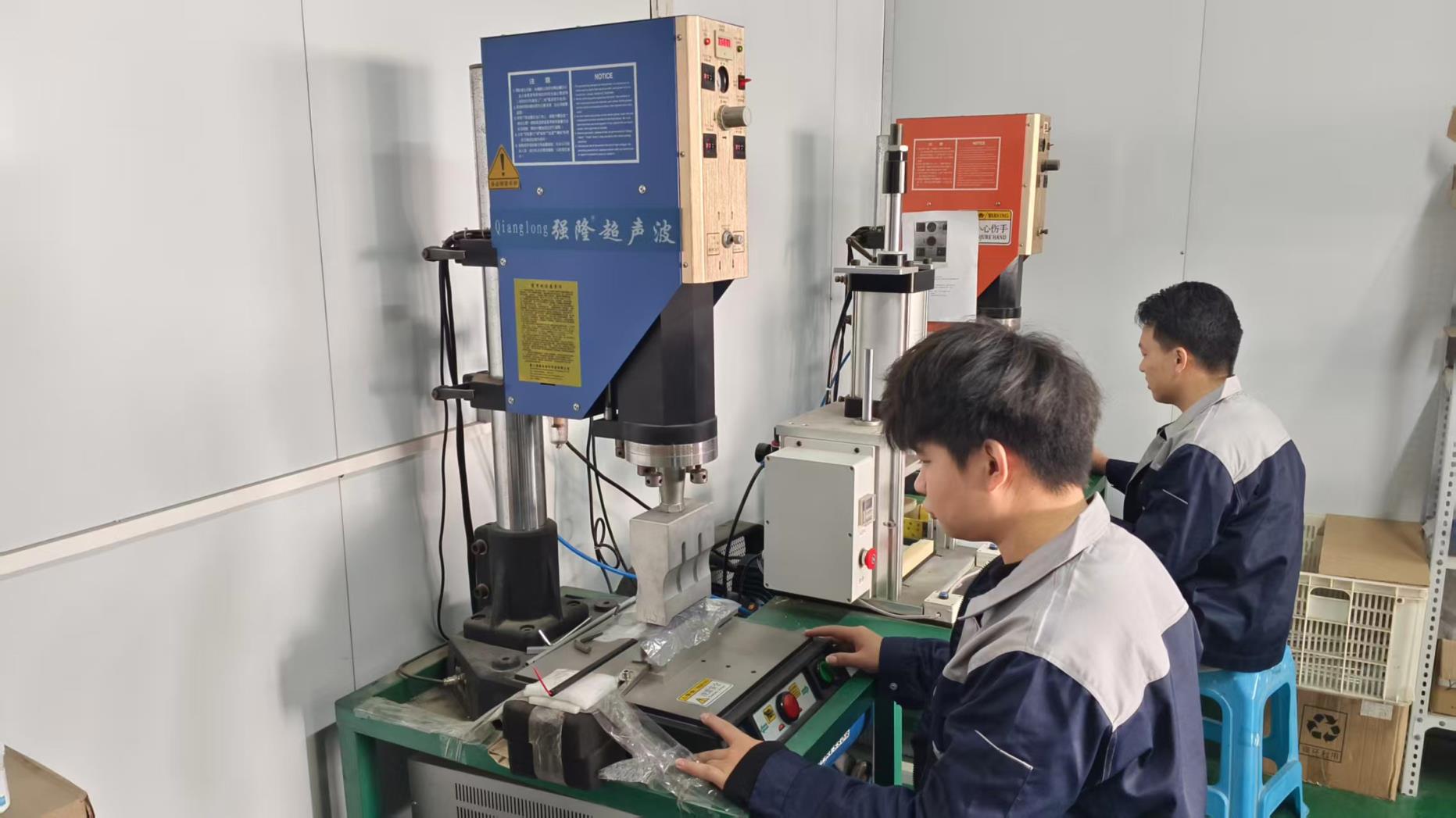
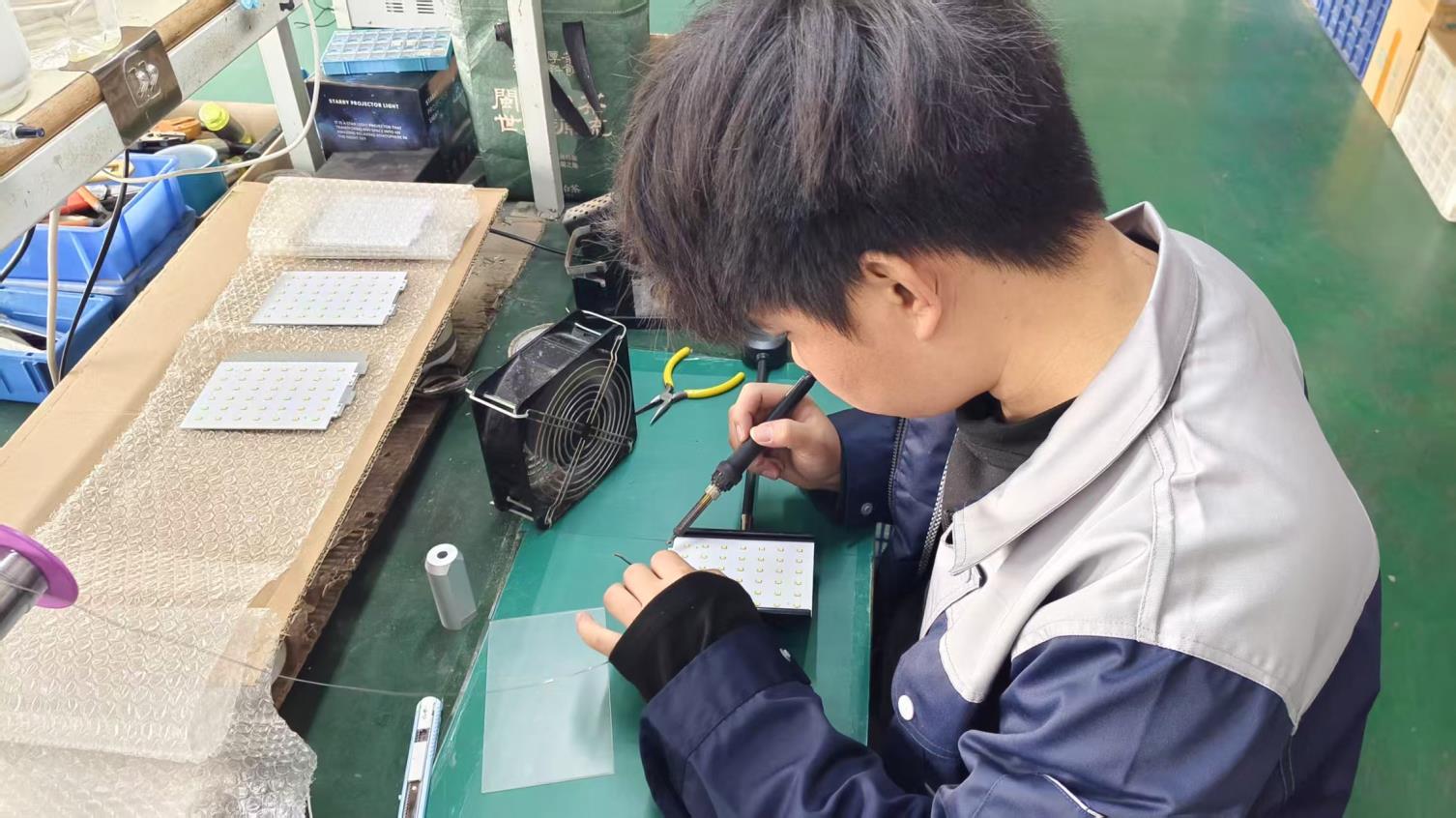
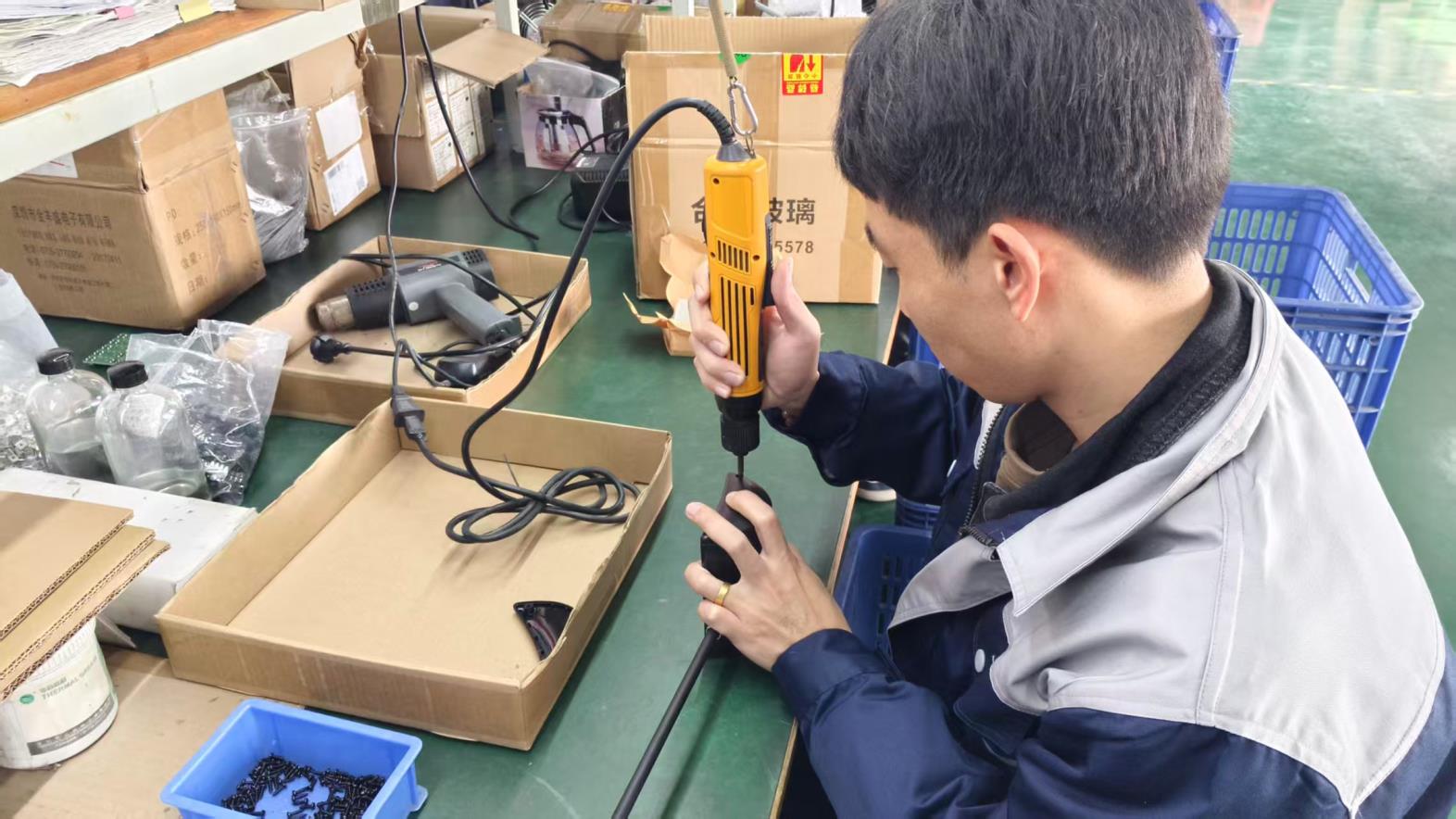
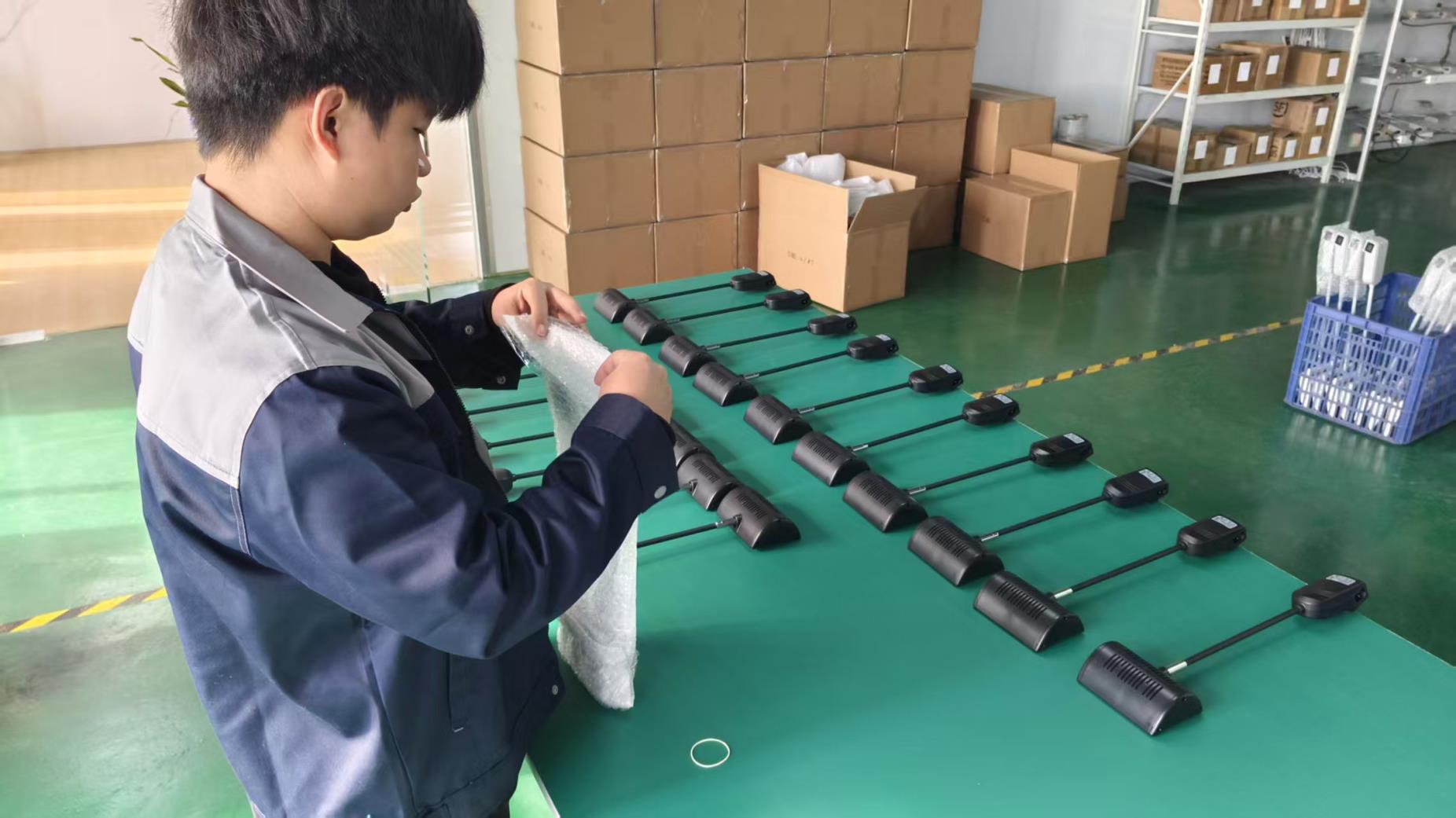
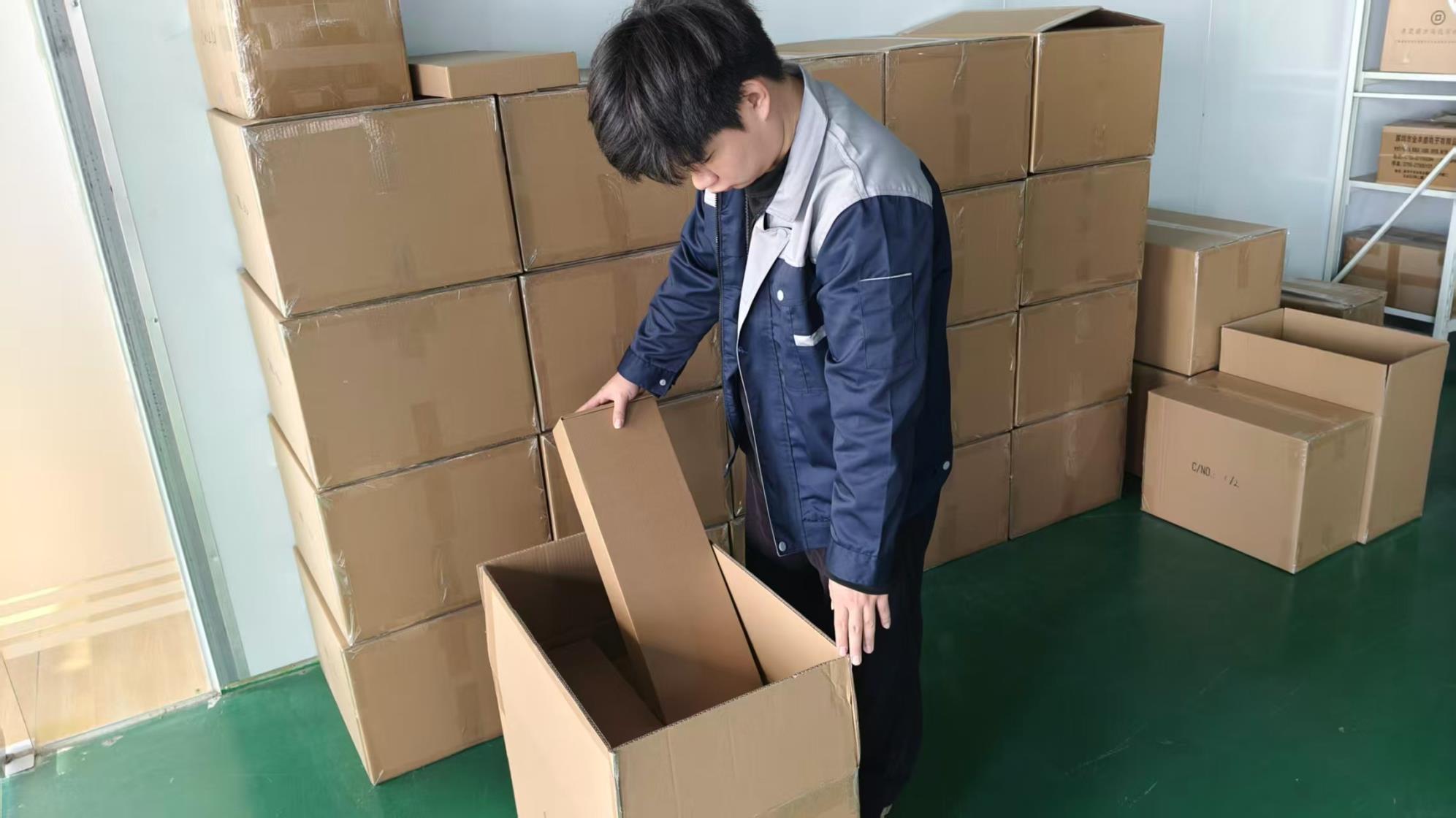
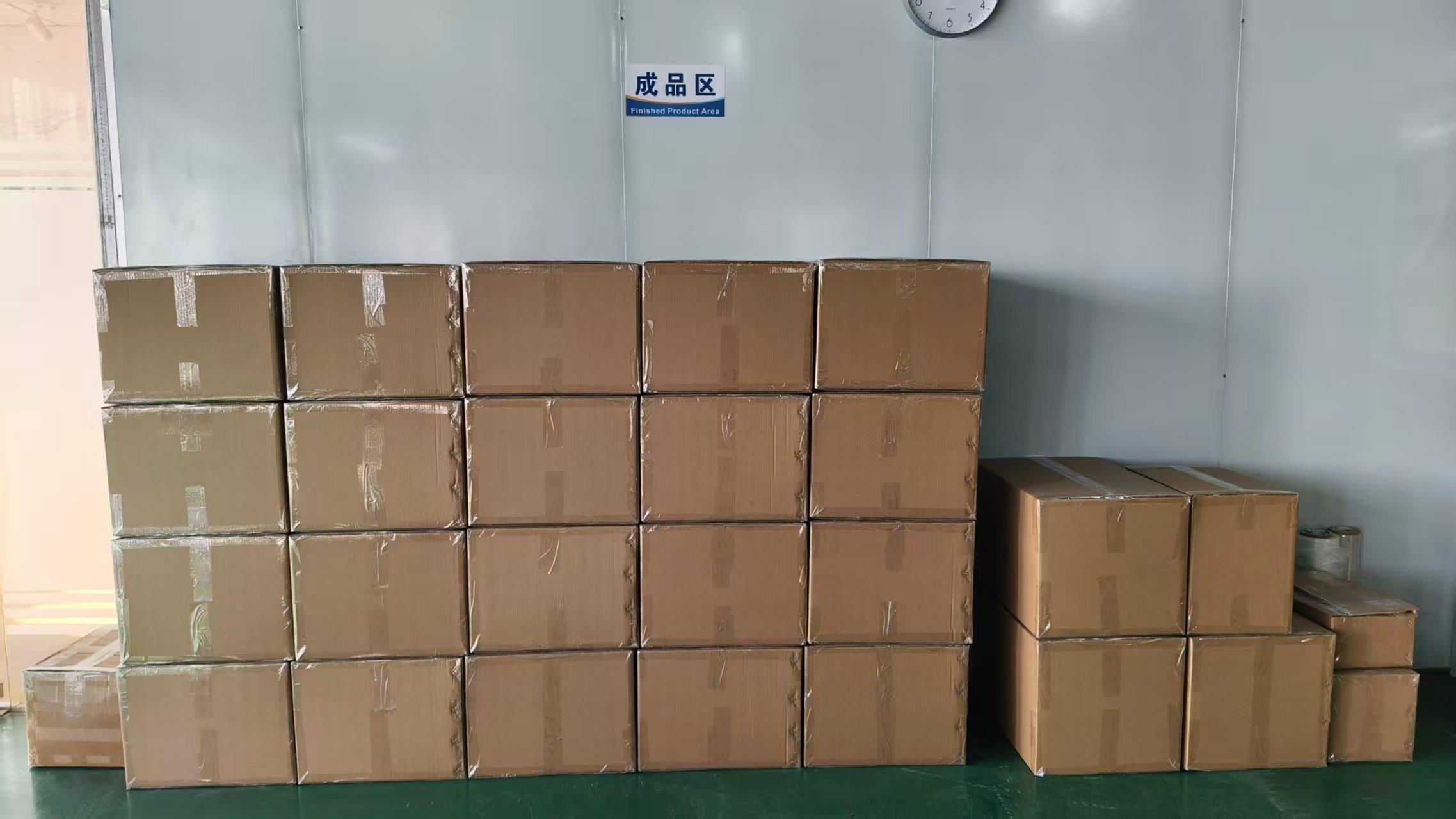
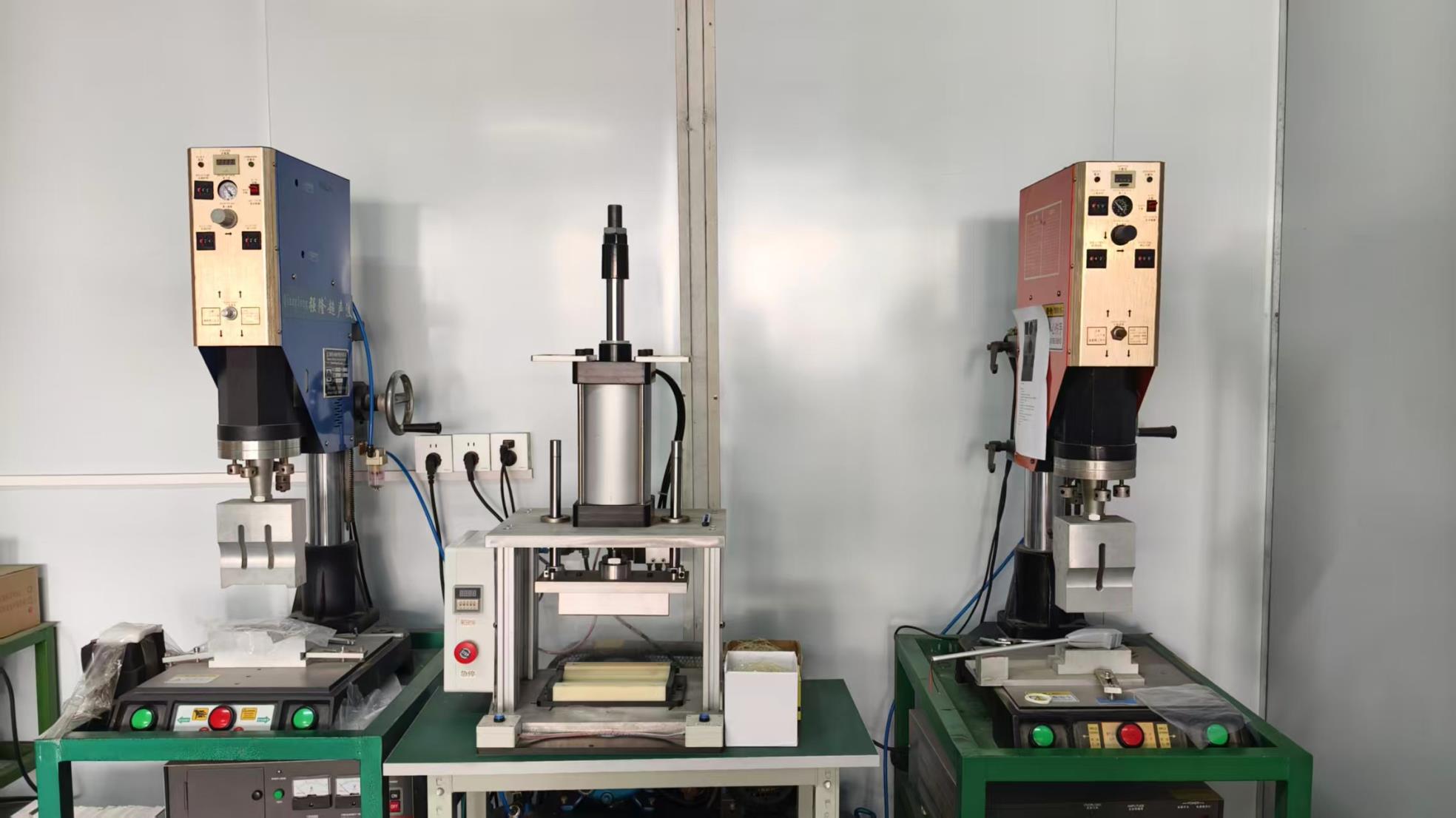
To ensure stable PPFD levels and waterproof integrity in humid greenhouse environments, every step of our manufacturing is performed to high quality standards.
Modern horticultural practices have moved beyond simple lighting metrics (lux and lumens) to focus on Photosynthetically Active Radiation (PAR), measured in micromoles per second (μmol/s). The search for high-yield bloom light has driven key innovations in spectrum composition, electrical efficiency, and thermal management:
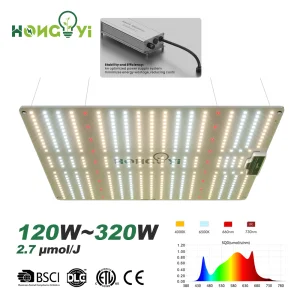
The "bloom" phase requires a higher concentration of deep red (660nm) and far-red (730nm) wavelengths. These wavelengths trigger phytochrome conversion (Pr to Pfr), simulating sunset and autumn. This process accelerates budding, increases flower density, and stimulates secondary metabolite production (such as terpenes and essential oils).
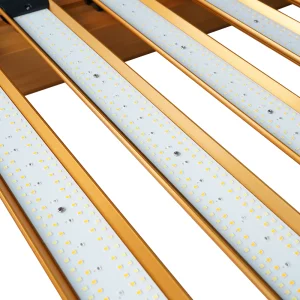
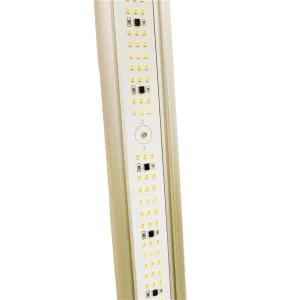
Integrating top-bin diodes (like the Samsung LM301H EVO) allows fixtures to achieve photosynthetic photon efficacy (PPE) ratings up to 2.9 to 3.2 μmol/J. This significantly reduces utility costs while maintaining high light output.
Modern facilities rely on 0-10V, PWM, or DALI digital dimming protocols. These systems interface with environmental computers to adjust light levels based on real-time greenhouse daylight levels (maximizing DLI targets).
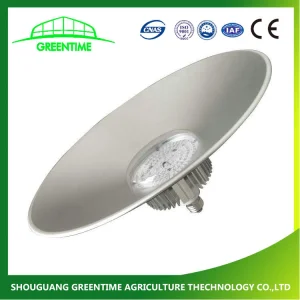
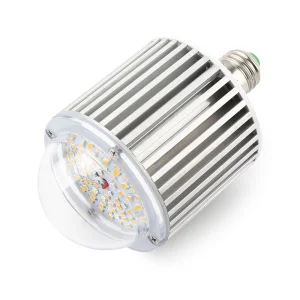
Because heat degrades LED performance, aluminum passive cooling profiles are essential. Standardizing fixtures to IP65 waterproof and dustproof ratings ensures reliable operation in high-humidity agricultural settings.
For commercial growers and agricultural project managers, sourcing LED fixtures from China involves balancing raw component costs against long-term reliability. We focus on key technical requirements to ensure our systems meet professional standards:
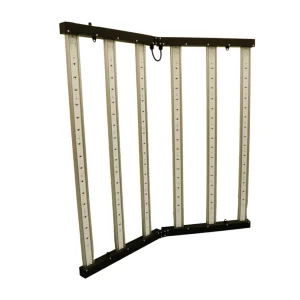
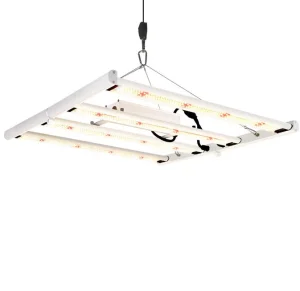
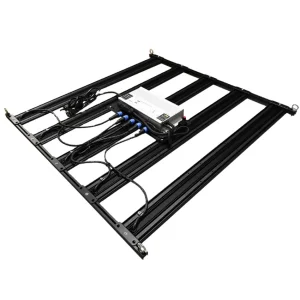
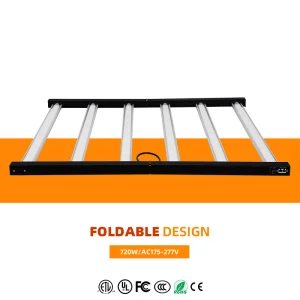
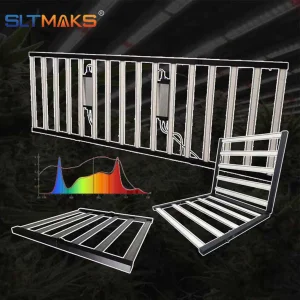
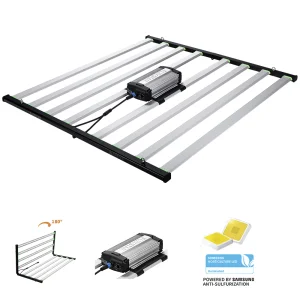
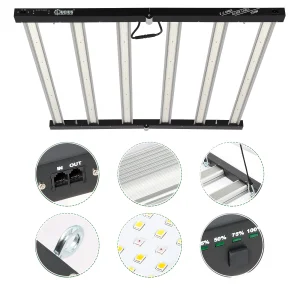
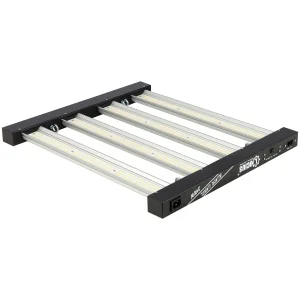
A quality fixture must distribute light evenly across the canopy to prevent hot spots. Our multi-bar folding fixtures (e.g., 640W, 720W, and 1000W models) are designed to provide uniform PPFD distribution over 4x4ft and 5x5ft areas, ensuring consistent crop growth.
Drivers are the most critical point of failure in LED systems. We utilize drivers with high power-factor values (>0.95) and robust surge protection (up to 6kV). These are certified under SAA, CE, and UL standards to handle voltage fluctuations.
Industrial operations require fixtures that maintain their light output over time. Our LED systems are engineered to retain at least 90% of their initial PAR output after 50,000 hours of continuous operation, reducing replacement costs.
Venti Lights designs complete, integrated lighting systems tailored to specific commercial growing facilities and plant layouts:
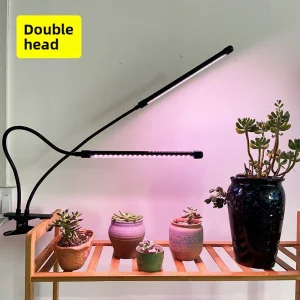
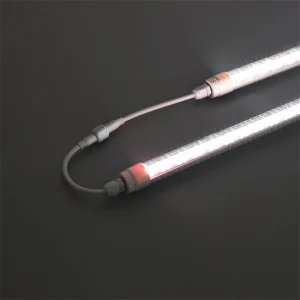
Designed for multi-tier racking systems with limited vertical clearance. We use low-profile, dimmable T8 and custom bar lights (like our 240W models) to provide uniform lighting close to the canopy without causing heat damage.
Focused on supplemental lighting that blends with natural sunlight. High-output, waterproof fixtures (such as our 720W and 1000W lights) help growers maintain a stable Daily Light Integral (DLI) across varying seasons and weather conditions.
Tailored solutions for photoperiod-sensitive crops requiring precise spectrums. Features like folding designs, integrated timers, and customizable red/far-red channels support optimal crop development from vegetative growth to final flowering.
As a National High-Tech Enterprise, our R&D department continues to develop new horticultural lighting technologies. Our product development roadmap focuses on three main technological improvements:
Developing multi-channel fixtures that allow independent adjustment of blue, white, deep-red, and far-red spectra. This enables growers to customize lighting formulas for different crop varieties and growth stages.
Integrating wireless mesh networks (Bluetooth/Zigbee) with environmental monitoring sensors. This enables lighting arrays to dynamically adjust output based on real-time ambient daylight, temperature, and relative humidity.
Researching lightweight composite thermal sinks and durable surface coatings. These designs improve heat dissipation and resist chemical degradation from common agricultural spray applications.
Our products are designed and manufactured to meet the technical and safety standards of diverse international markets:
All assembly and testing operations follow documented quality procedures, ensuring consistent performance and product reliability.
Our fixtures comply with European safety, electromagnetic compatibility, and hazardous material restrictions.
Our LED driver units are certified to meet electrical safety standards for the Australian and New Zealand markets.
We offer comprehensive warranty coverage on our commercial product lines, backed by replacement parts and technical support.