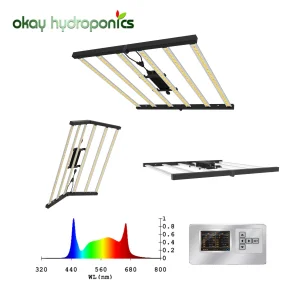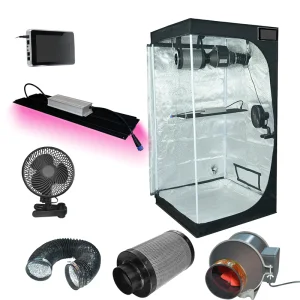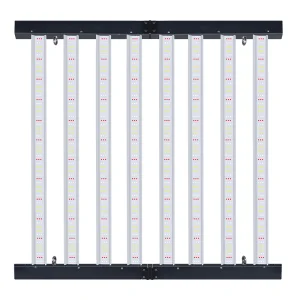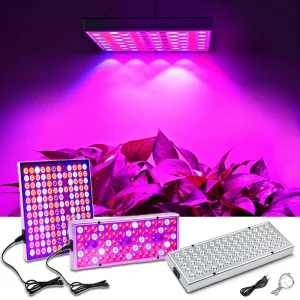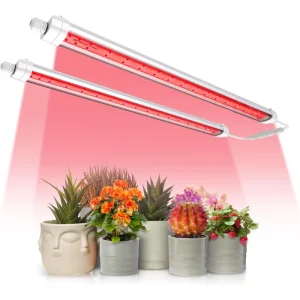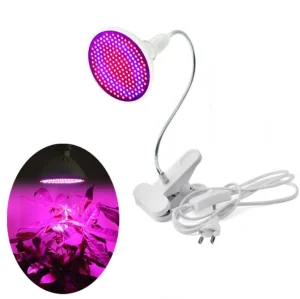
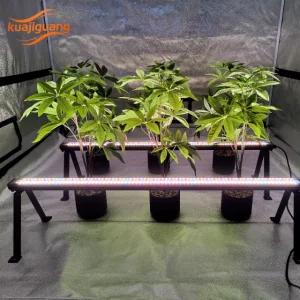
In modern horticulture, light is no longer treated as simple illumination; it is a highly programmable growth variable. Photosynthetically Active Radiation (PAR), traditionally defined within the 400 to 700 nanometer (nm) range, is the energy engine for plants. The McCree curve establishes that plants absorb blue and red spectral regions with peak efficiency.
However, current academic research and agricultural yield metrics show that extending the spectrum beyond the traditional PAR boundary (known as extended PAR or ePAR, covering 400–750nm) yields significant photosynthetic gains. Deep Red (660nm) radiation drives biomass accumulation and photosynthetic capacity, while Far-Red (730nm) wavelengths prompt the shade avoidance response, accelerating vegetative elongation and flowering.
Blue light (450nm) is responsible for stomatal opening, compact growth structures, and secondary metabolite synthesis (such as terpenes and cannabinoids). To construct a commercially viable horticultural grow light, engineers must balance these wavelengths precisely, utilizing premium LED packages (e.g., Samsung LM301B/281B, Osram, or Lumileds) and tuning their spectral power distributions (SPD) to match the cultivar’s specific growth stage.
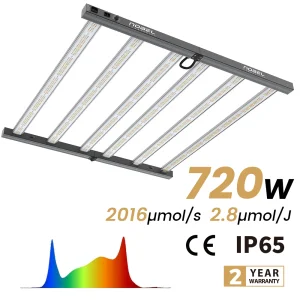
As global energy prices fluctuate, large-scale greenhouse facilities demand fixture efficiencies reaching 2.7 to 3.0 µmol/J. A highly optimized color spectrum minimizes lost heat radiation, directing electrical input exclusively toward photosynthetically effective photons.
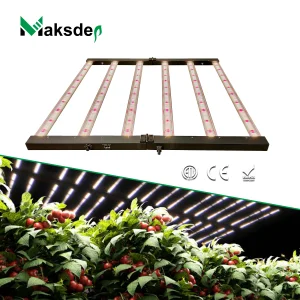
Commercial enterprise buyers avoid generic "one-size-fits-all" grow lights. Procurement now centers around multi-channel, dimmable LED grow lights with independent controls for Veg, Bloom, and UV/Far-Red channels to fine-tune photomorphogenesis dynamically.
Operating environments in commercial farms are highly humid and dusty. Institutional buyers mandate IP44, IP65, or IP66 ingress protection alongside robust thermal management systems (like high-grade 6063 aluminum extrusion bodies) to protect delicate diode boards.
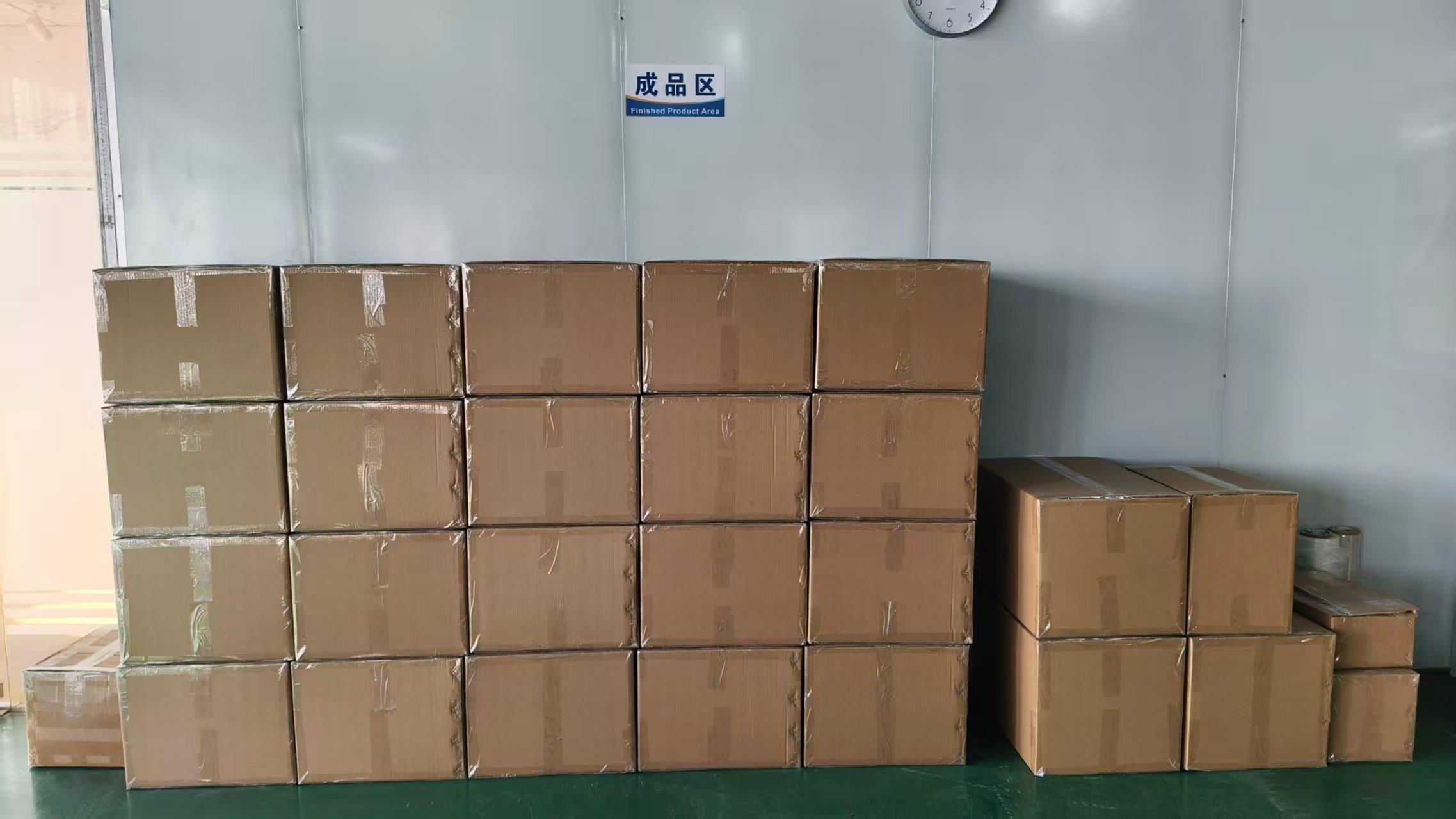
Founded on January 25th, 2005, Zhongshan Venti Lights Co., Ltd. has established itself as an integrated global supplier of LED lighting. Guided by years of steady growth, the company combines R&D, manufacturing, and global marketing of advanced LED grow lights and components to satisfy complex commercial horticulture applications.
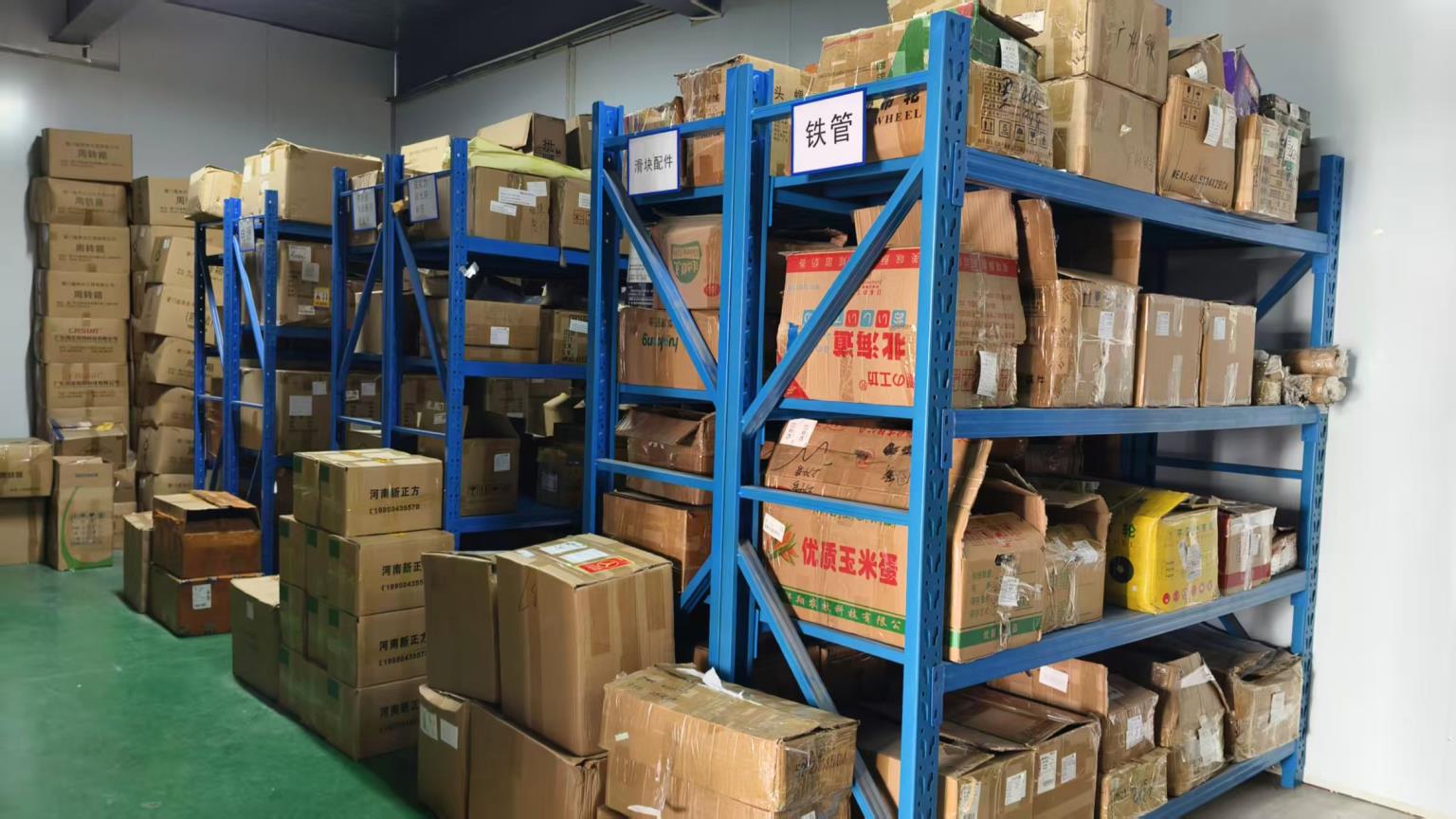
Venti Lights operates two modern production bases:
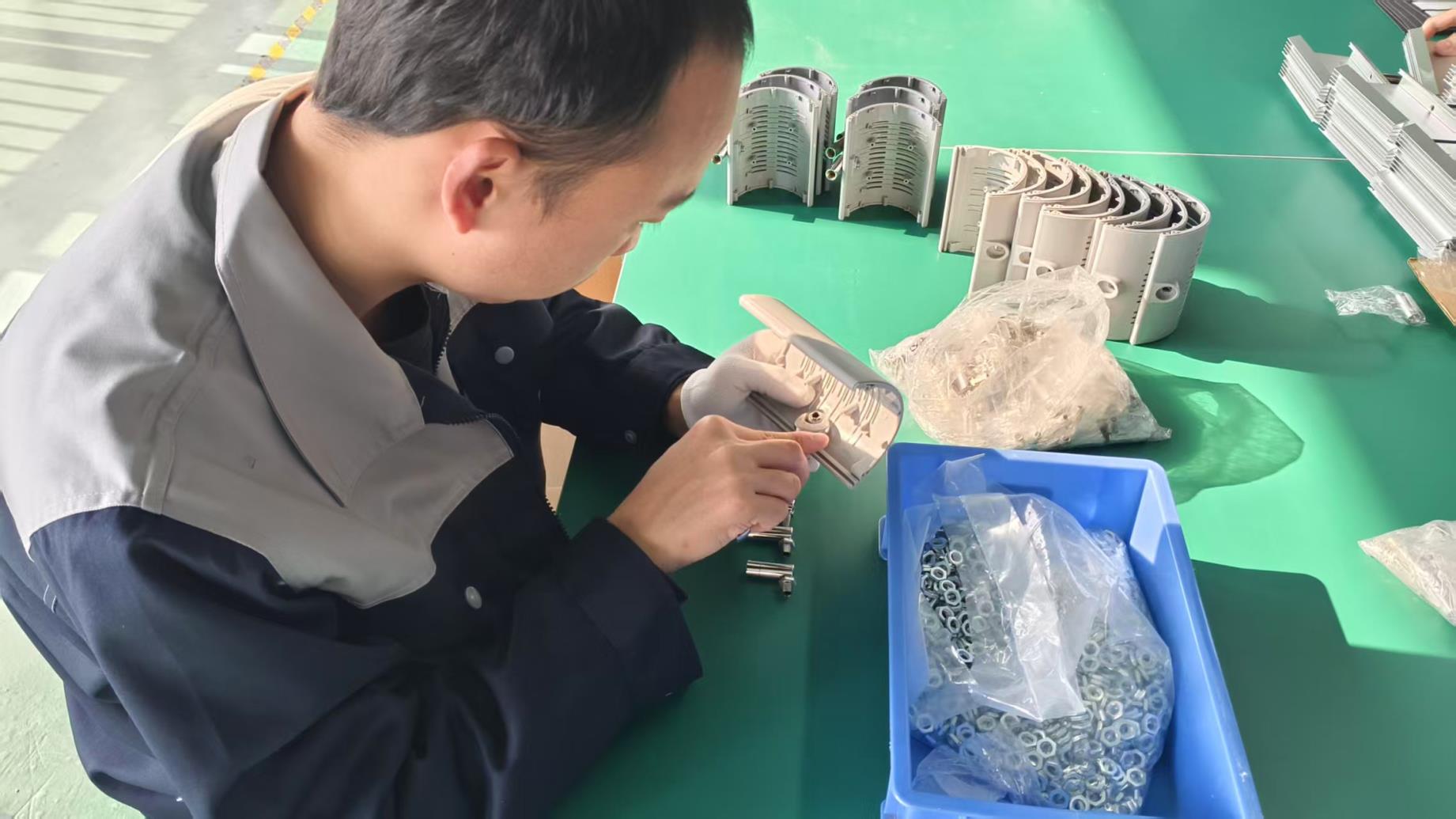
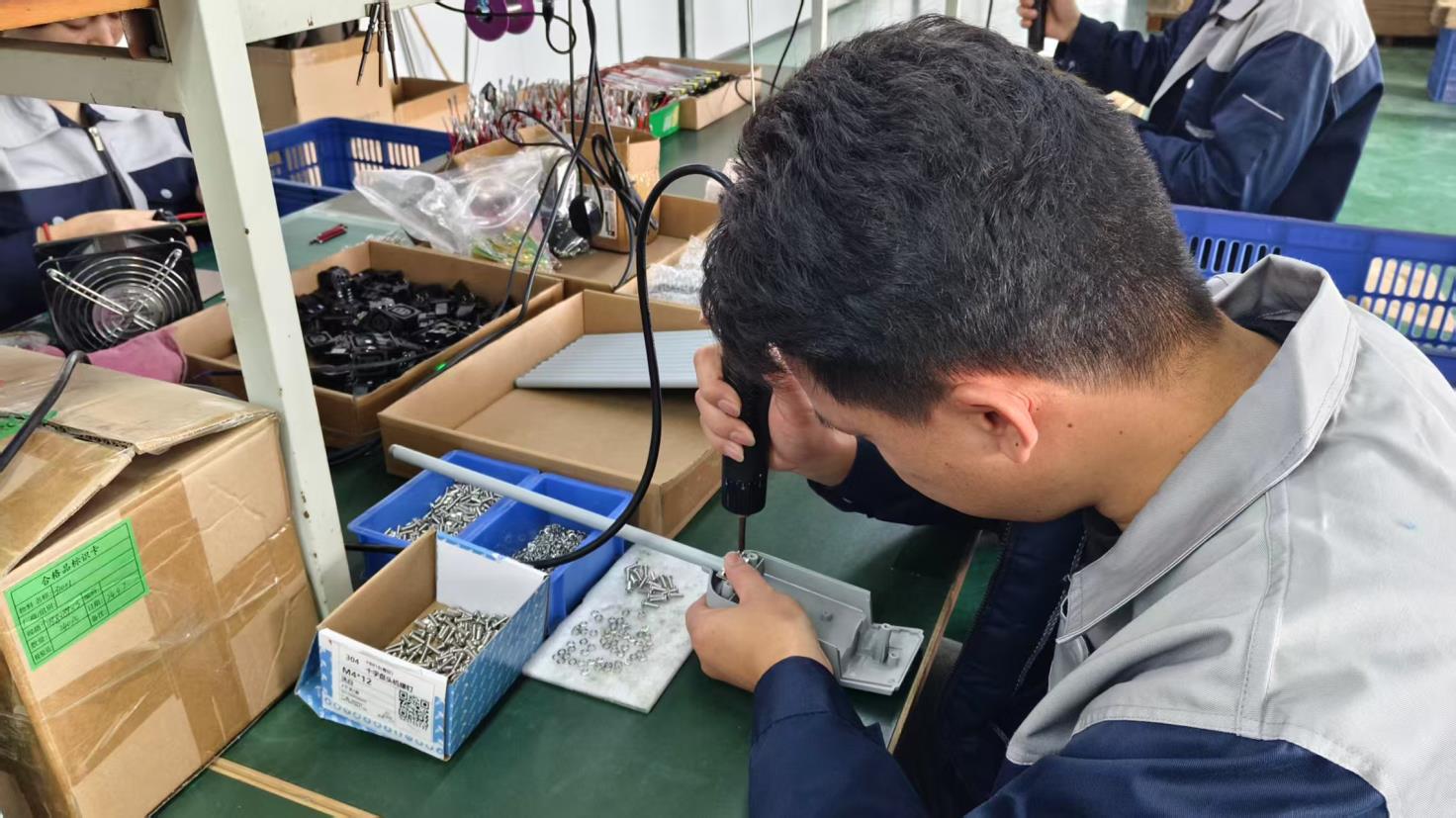
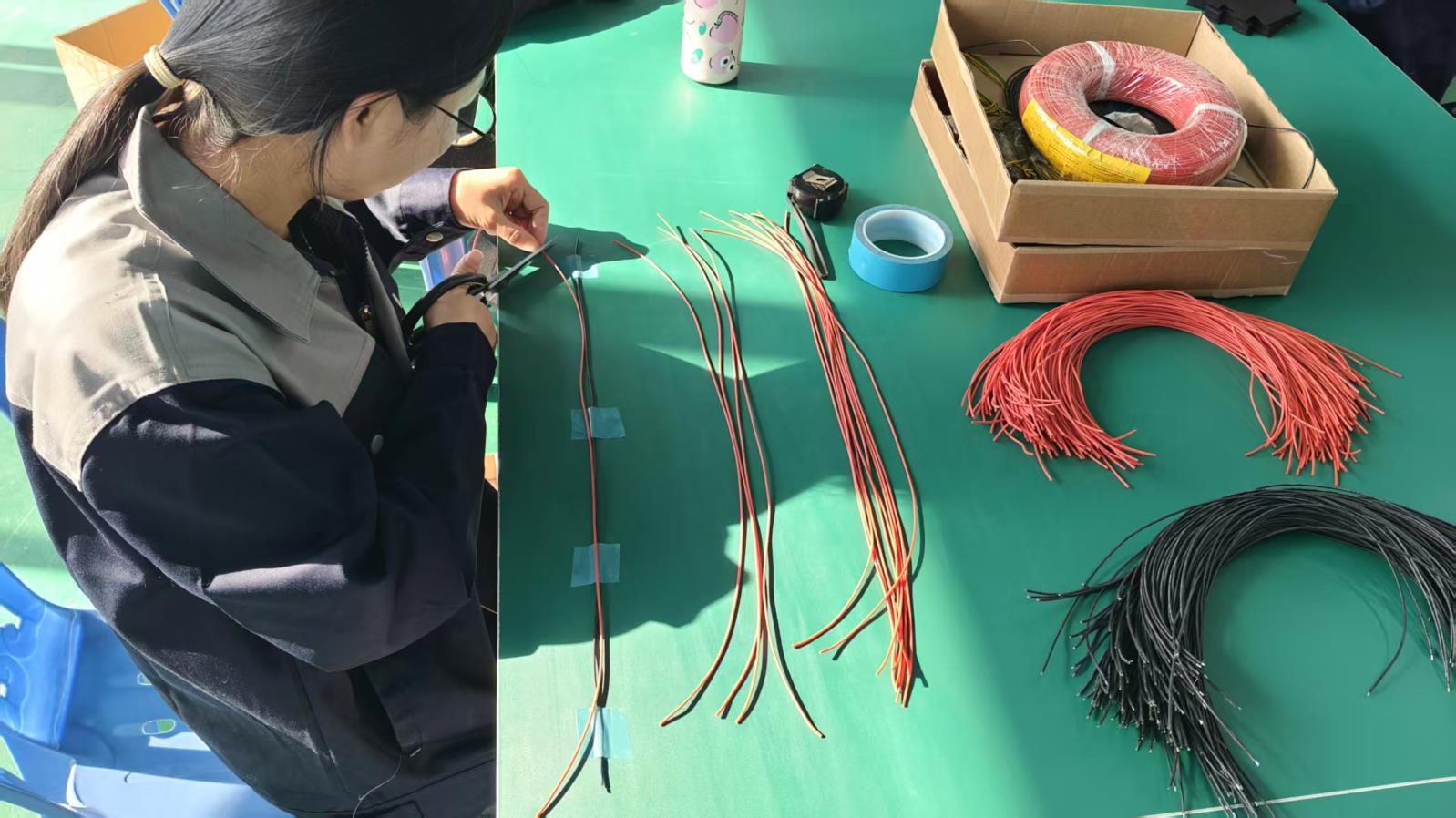
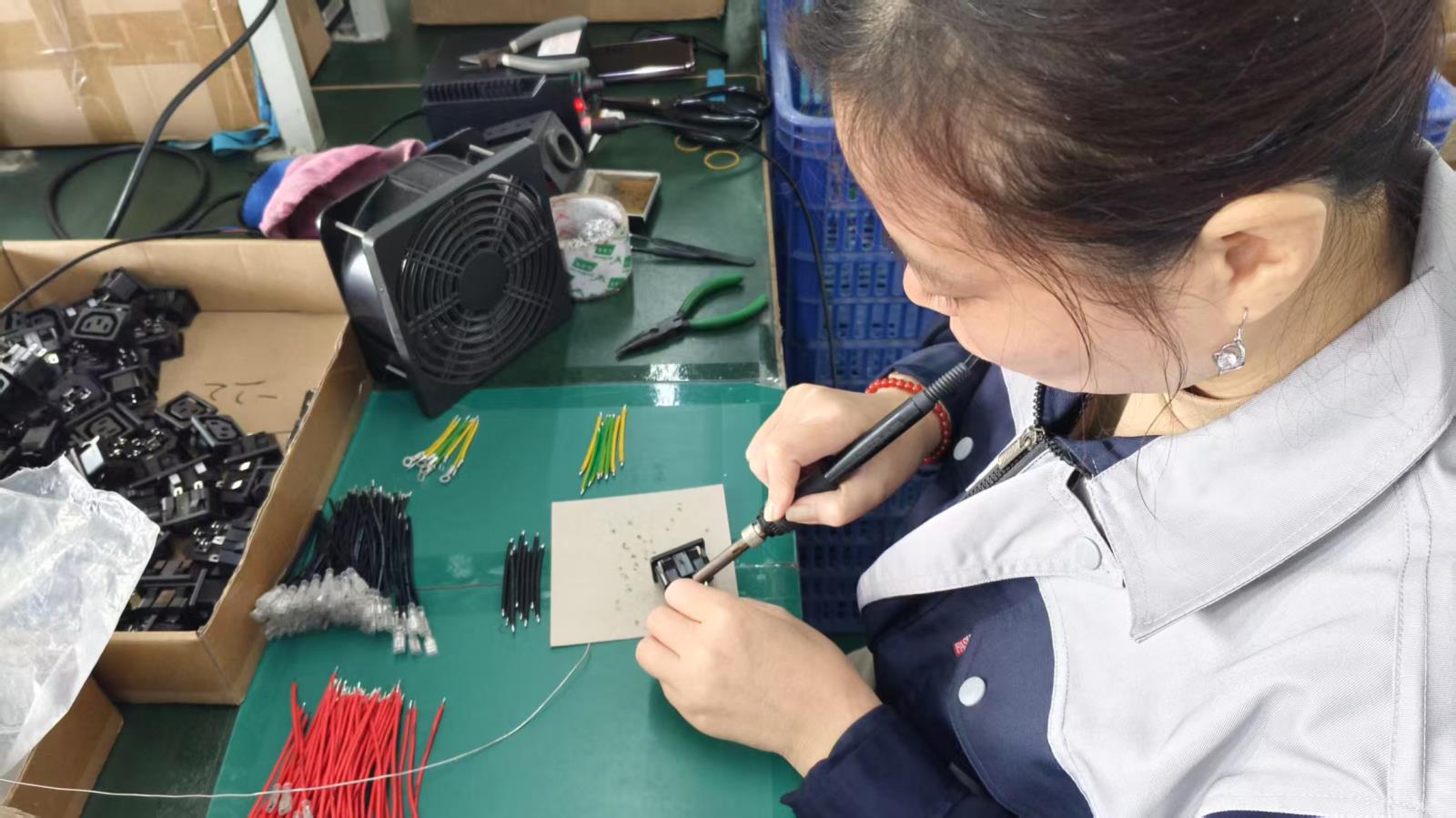
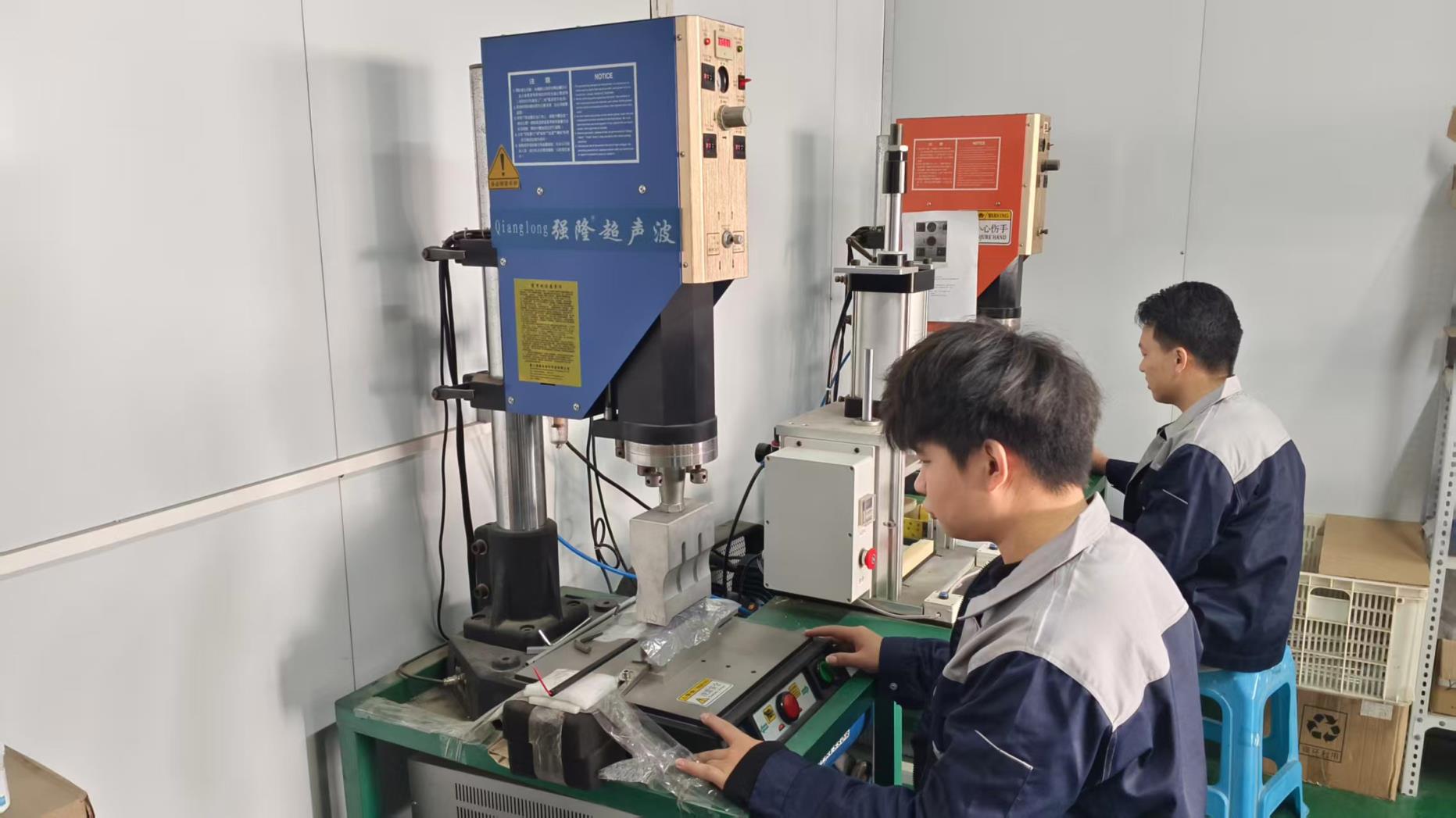
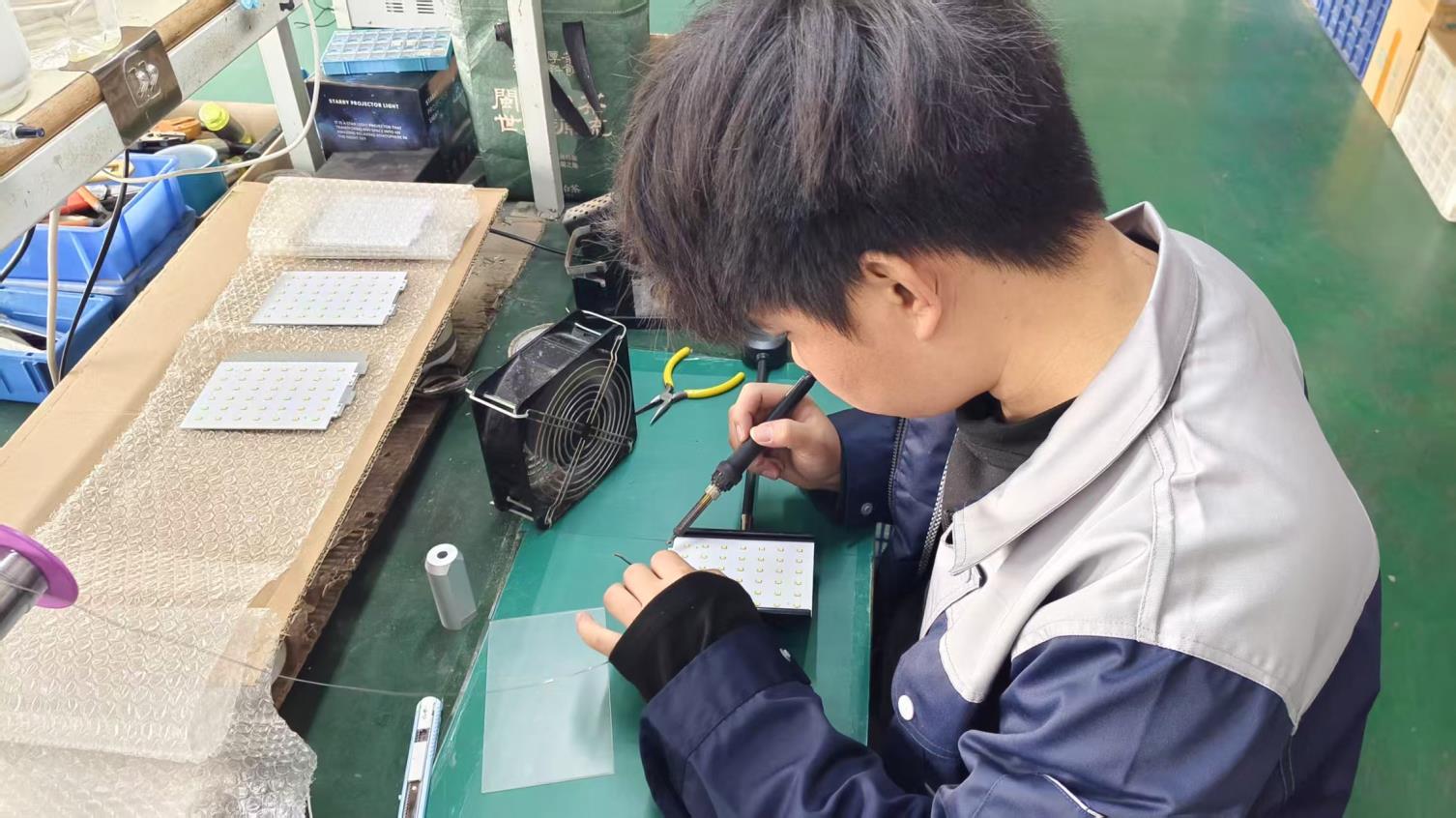
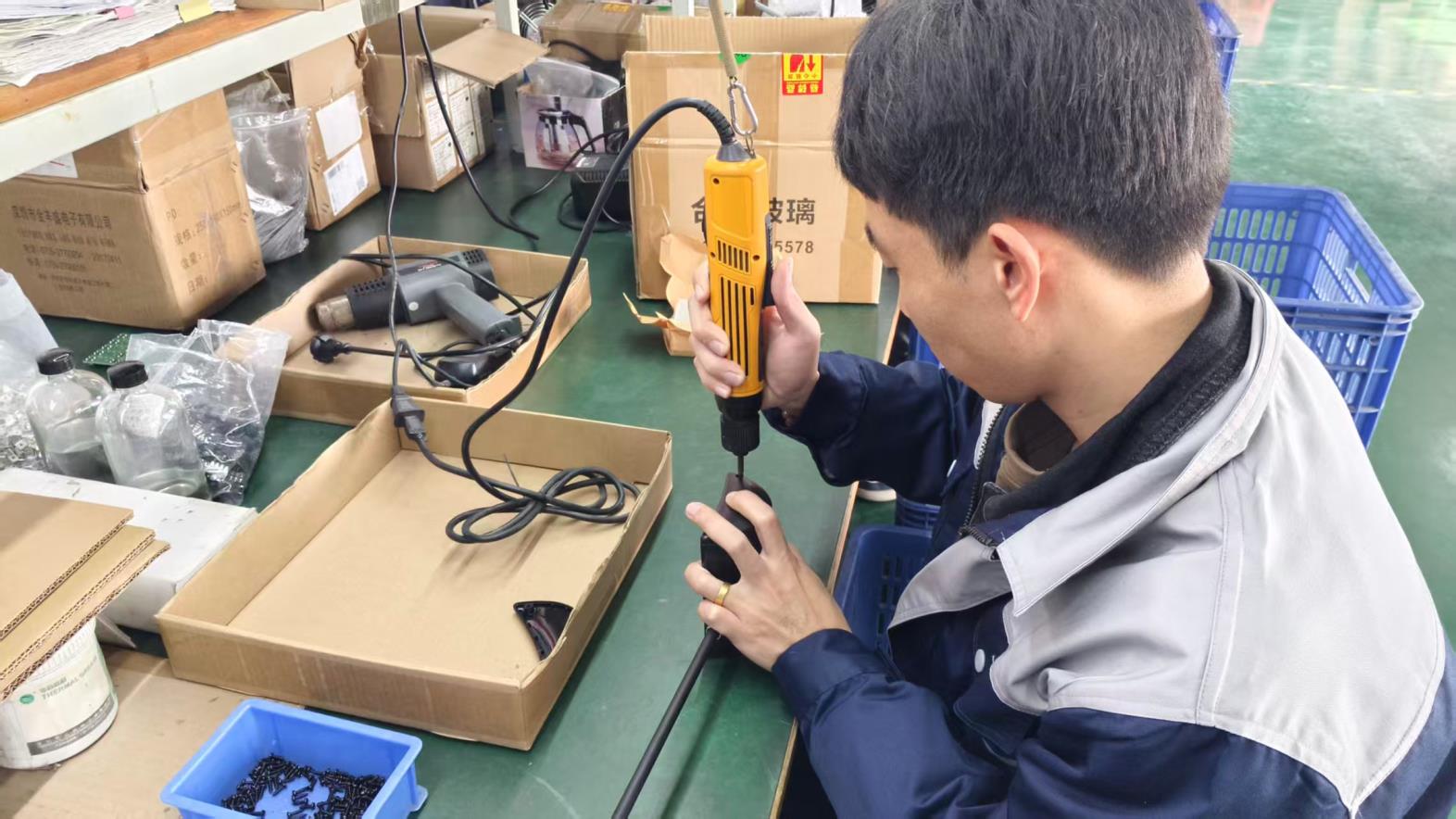
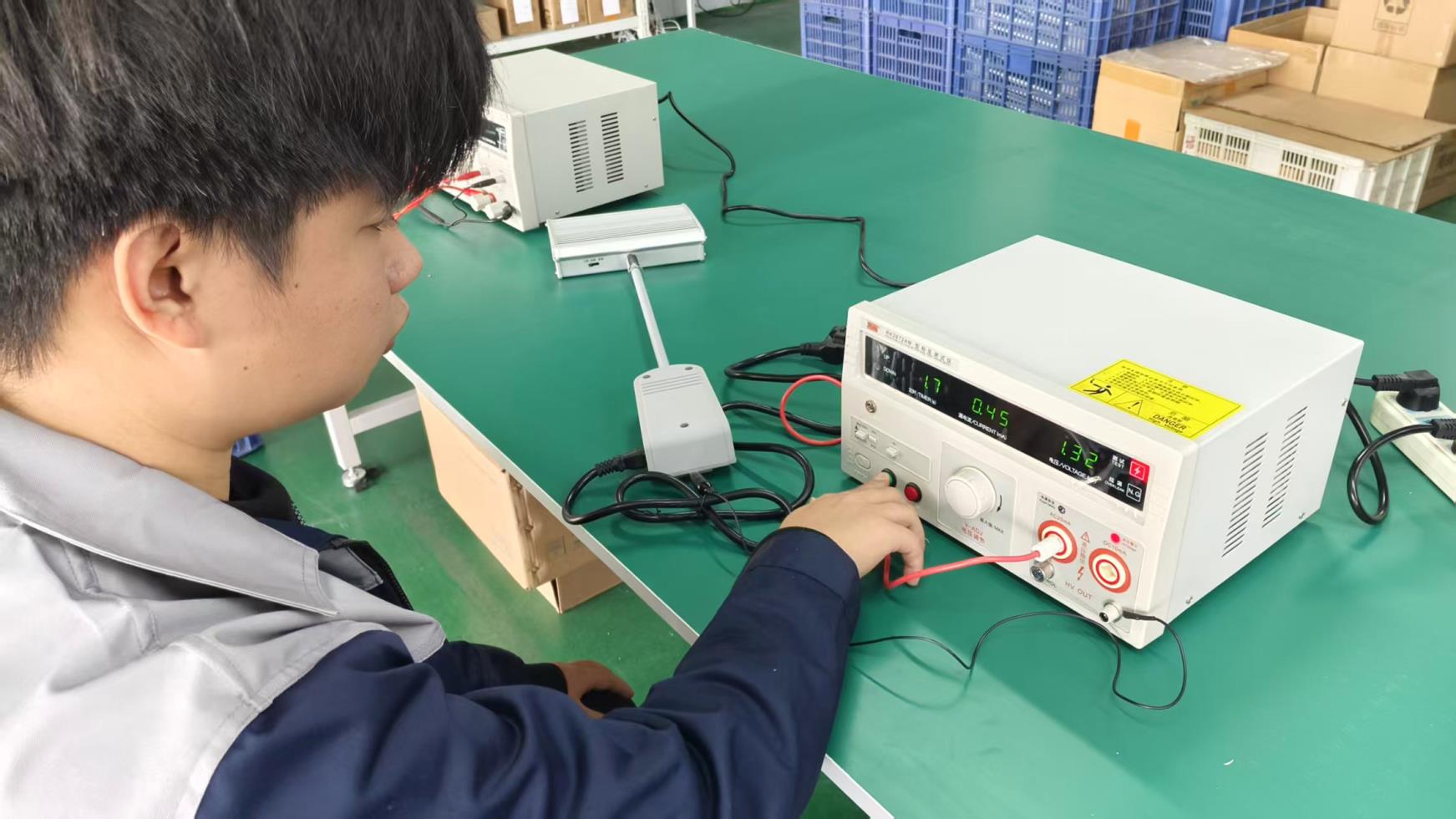
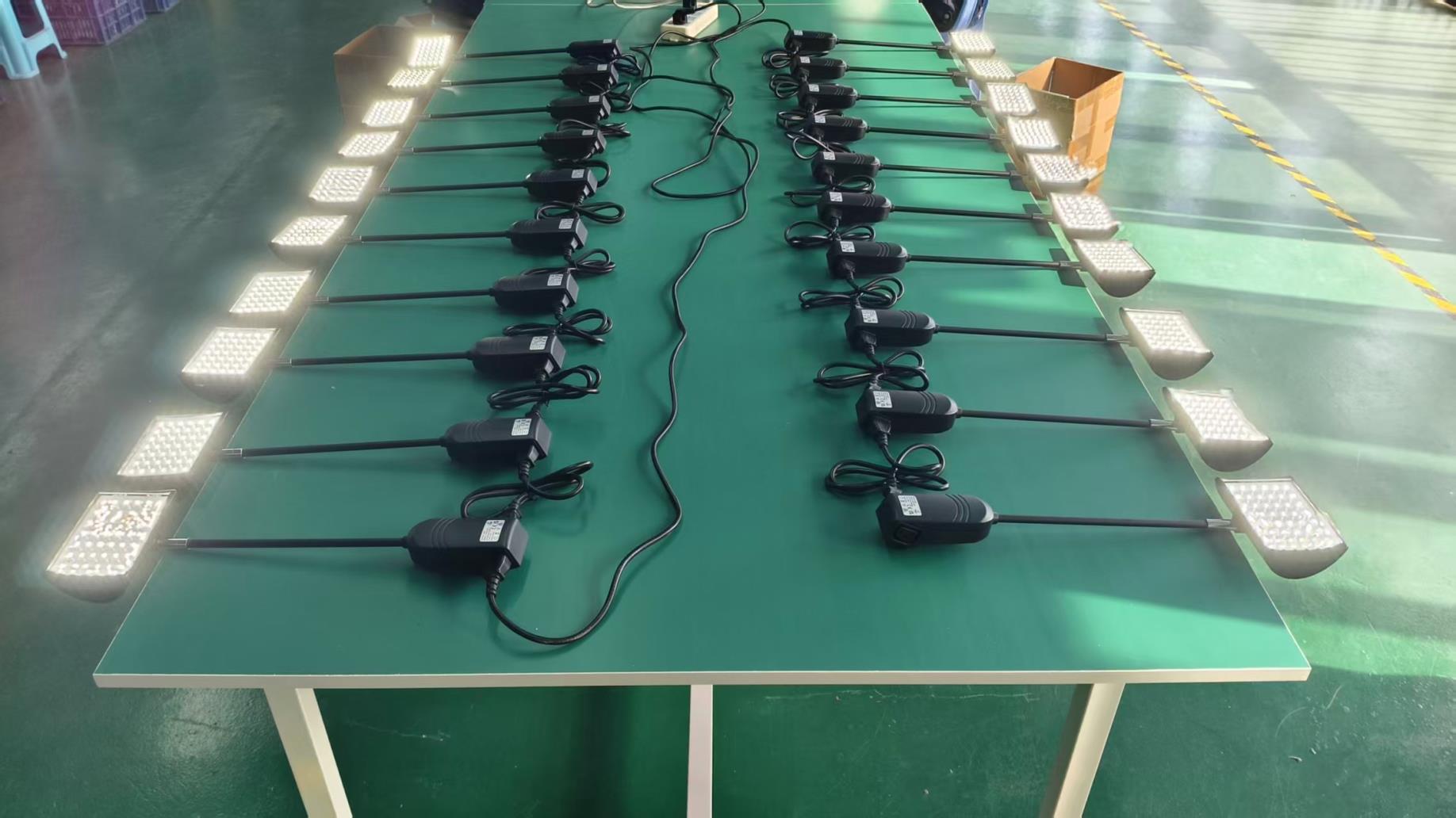
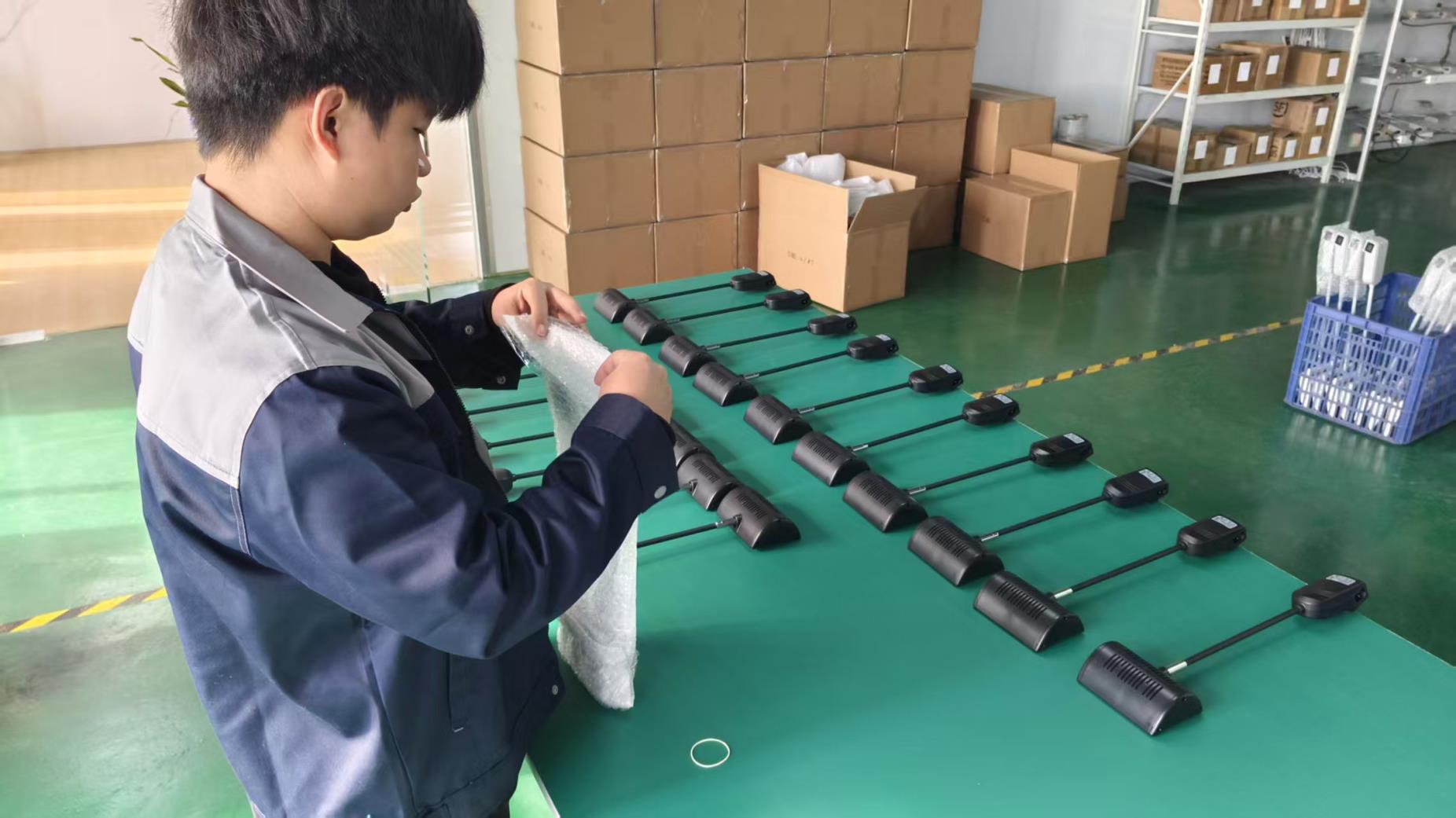
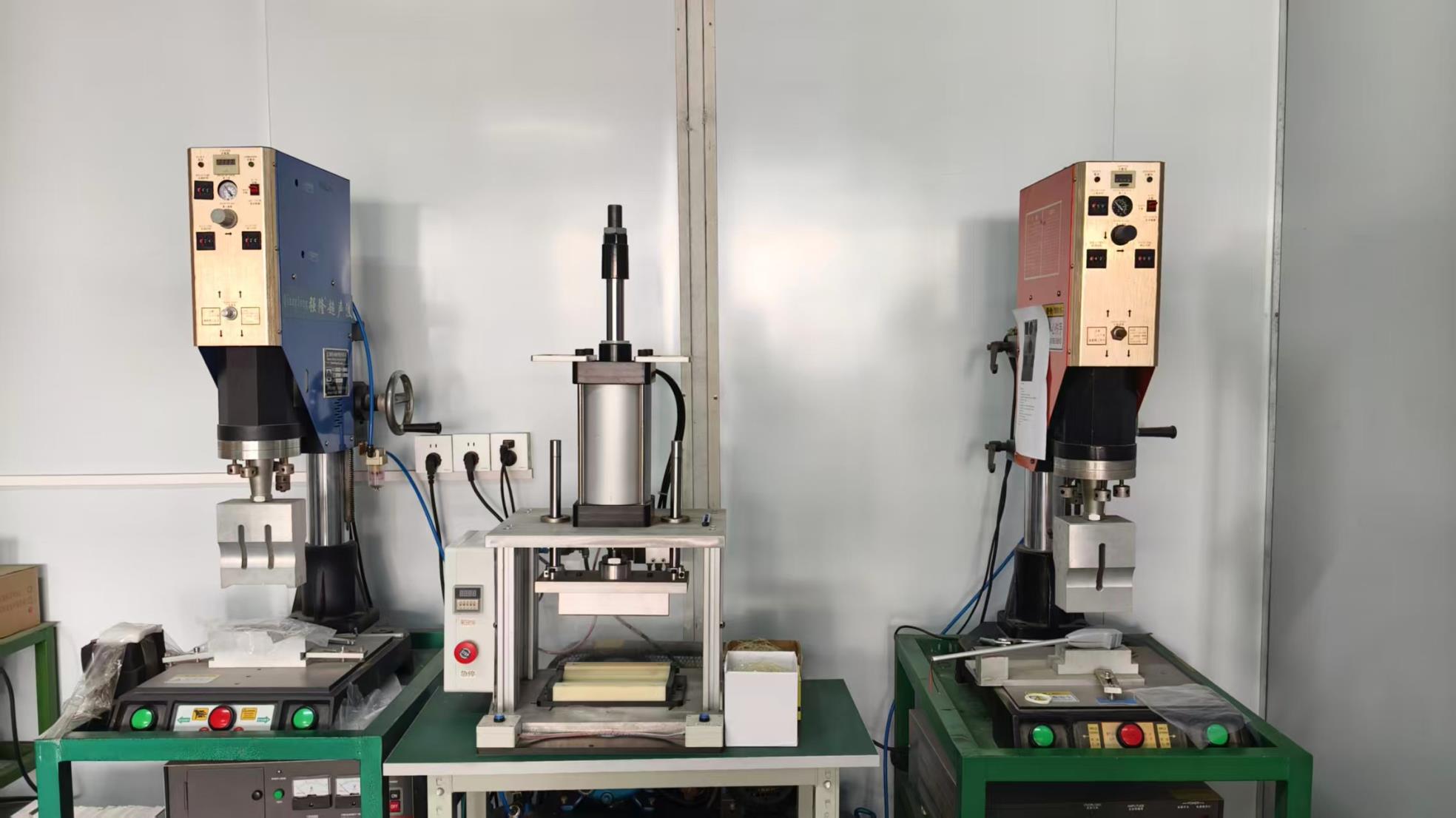
To ensure consistent product performance, approximately 70% of manufacturing processes are automated (such as SMD placement, automated wave soldering, and high-speed pick-and-place lines), while 30% is carried out by skilled technicians for assembly and multi-stage testing. Venti Lights holds a National High-Tech Enterprise status, maintaining an active portfolio of utility model and design patents.
| Spectrum Mode | Primary Target Wavelengths | Optimal Crop Type | Photomorphogenic Effect | PPE Efficiency (µmol/J) |
|---|---|---|---|---|
| Vegetative Dominant | 450nm Blue, 630nm Red, 5000K White | Leafy Greens, Microgreens, Herb Propagation | Compact internodes, thick cell walls, high stomatal density | 2.6 - 2.8 |
| Bloom / Fruit Dominant | 660nm Deep Red, 730nm Far-Red, 3000K Warm White | Cannabis, Strawberries, Tomatoes, Peppers | Accelerates floral onset, stimulates budding sites, increases yield weight | 2.8 - 3.2 |
| Full Spectrum Balance | 400-780nm Continuous Spectrum, UV-A Peak | Universal Greenhouse, Crop Breeding Chambers | Simulates solar spectrum, boosts overall photosynthetic rate and THC/CBD content | 2.7 - 2.9 |
Used as supplemental lighting to counter overcast days and winter sunlight drops. Dimmable LED configurations provide consistent daily light integrals (DLI) without overloading local electrical grids.
Sole-source lighting where natural sunlight is entirely absent. Multi-layered racking systems require slim profiles, low heat signatures, and high-uniformity optics to deliver light evenly at close ranges.
Academic institutions and agricultural laboratories demand highly precise spectral setups to study photomorphogenesis, plant pathobiology, and breeding kinetics under isolated wavelengths.
The horticultural lighting industry is shifting toward closed-loop adaptive lighting ecosystems. Venti Lights R&D continues to focus on three distinct technical phases:
Standard white LEDs rely on YAG phosphors, which lose efficiency when producing high-index red spectrum. Quantum dot integration allows for narrow-band spectral emission control, increasing electrical conversion efficiency within the 660nm and 730nm bands by up to 15%.
Future lighting systems will interface directly with local greenhouse climate computers and plant canopy sensors. Light outputs adjust dynamically according to live DLI measurements, ambient cloud cover, and electricity pricing metrics, maximizing photosynthetic output while controlling operational expenses.
By utilizing high-voltage DC bus grids (e.g., 380V DC systems), large commercial installations can centralize driver components outside the growing area. This layout minimizes heat loading inside cultivation bays, reduces cabling costs, and streamlines electrical maintenance.
Operating in international commercial markets requires strict adherence to local safety and environmental codes. Venti Lights holds ISO9001 certification at its core production facility, ensuring raw materials are tracked from arrival to dispatch.
Products comply with CE and RoHS requirements for European distribution, and select drivers carry SAA certification to meet Australia/New Zealand standards.
To address the strict regulatory requirements of commercial agricultural facilities, our technical engineering team supports builders during project planning phases. This includes preparing detailed DIALux light mapping models, calculating precise PPFD uniformity across diverse multi-tier racking projects, and advising on local electrical code compliance.