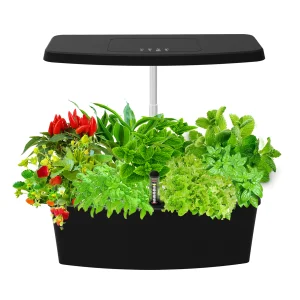
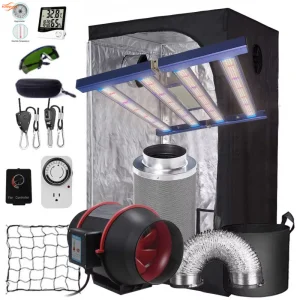
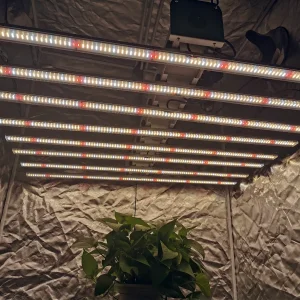
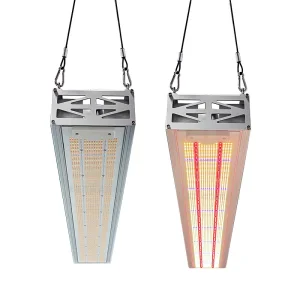
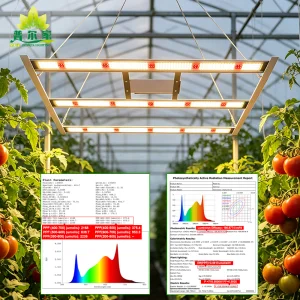
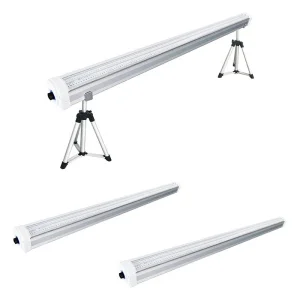
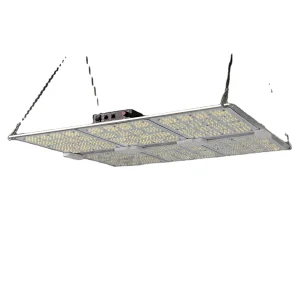
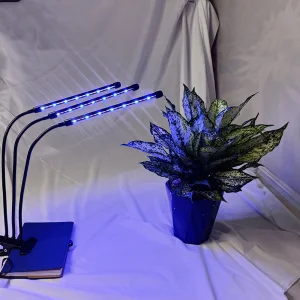
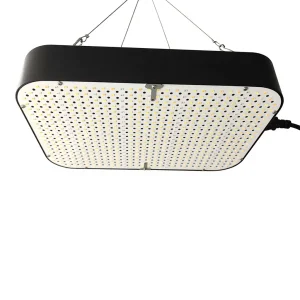
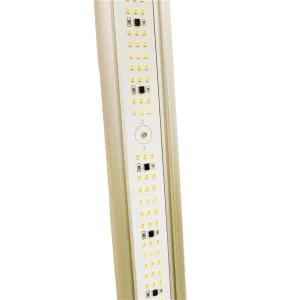
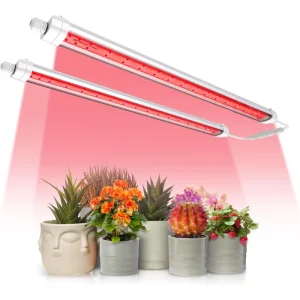
Engineered with industrial-grade heat sinks, premium diodes (Samsung LM301H, LM281B), and high-efficiency thermal pathways to ensure longevity, stable PAR metrics, and minimized spectral drift under continuous operation.
In high-intensity agricultural LED applications, thermal management is the primary determinant of system longevity, quantum efficacy, and spectral stability. Unlike residential lighting, horticultural illumination requires high PPF (Photosynthetic Photon Flux) outputs over continuous 12-to-18-hour daily cycles. Without precise thermodynamic design, the junction temperature (Tj) of LED diodes escalates, resulting in catastrophic light output degradation, wavelength shifts, and premature driver failure.
By keeping the diode junction temperature below 85°C, we minimize non-radiative recombination processes. This maintains high photon-to-electron conversion efficiencies, optimizing PPF per Watt over decades of use.
Thermal stress shifts the emission spectrum, causing red diodes (660nm) to drift towards less effective wavelengths. Our thermal control housings stabilize the targeted spectrum, guaranteeing consistent crop yields.
Integrating decoupled isolated drivers prevents the conductive heat of the LED board from compounding power supply thermal loads, protecting electrolytic capacitors from premature drying.
Established on January 25th, 2005, Zhongshan Venti Lights Co., Ltd. has developed into a fully integrated enterprise specializing in the research and development, precision manufacturing, and international marketing of high-performance LED lighting systems. Over nearly two decades of consistent technological evolution, the company has built robust manufacturing capabilities, supported by state-of-the-art facilities and a highly specialized engineering team dedicated to thermodynamic innovation.
At present, we operate two specialized production bases designed to optimize cost-efficiencies and technological focus:
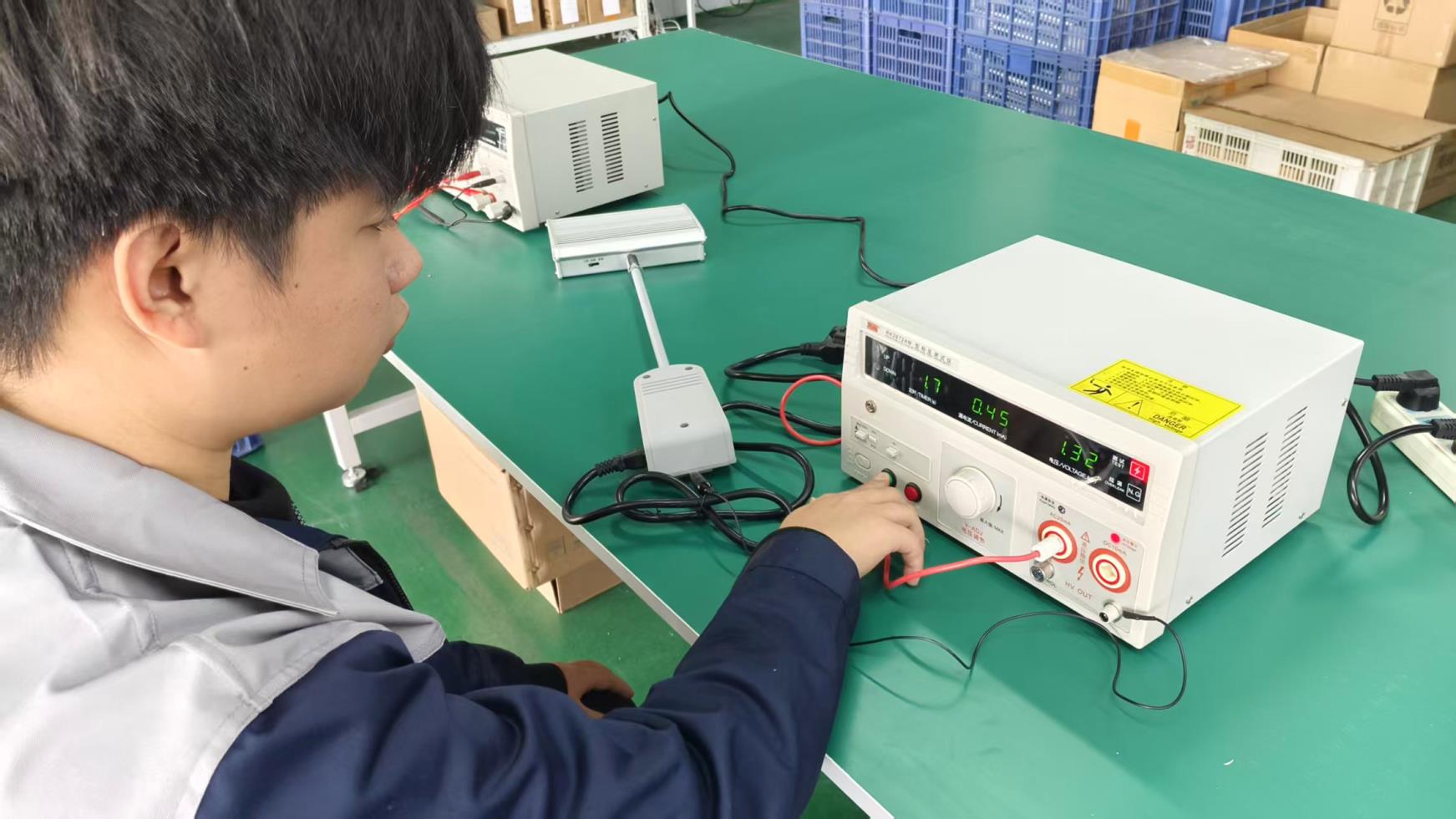
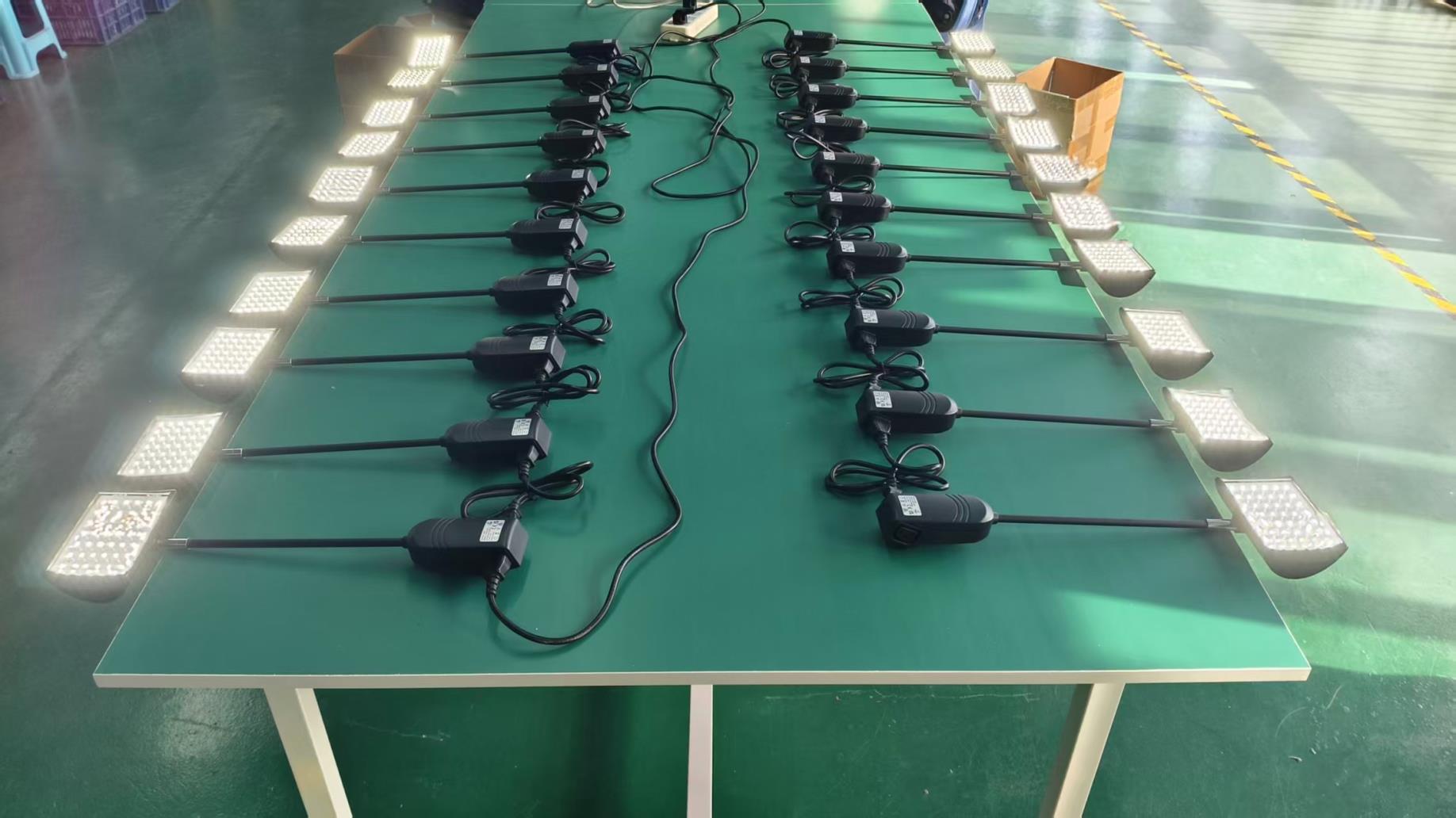
Quality represents the core of our manufacturing philosophy. We implement a rigorous quality control framework certified under ISO9001 standards, overseeing all production phases from spectroradiometric testing of inbound raw materials to final thermal image tests of completed luminaires. Our products carry international regulatory compliance markings including CE and RoHS, with our premium LED driver lines holding SAA certification to support smooth market entry globally.
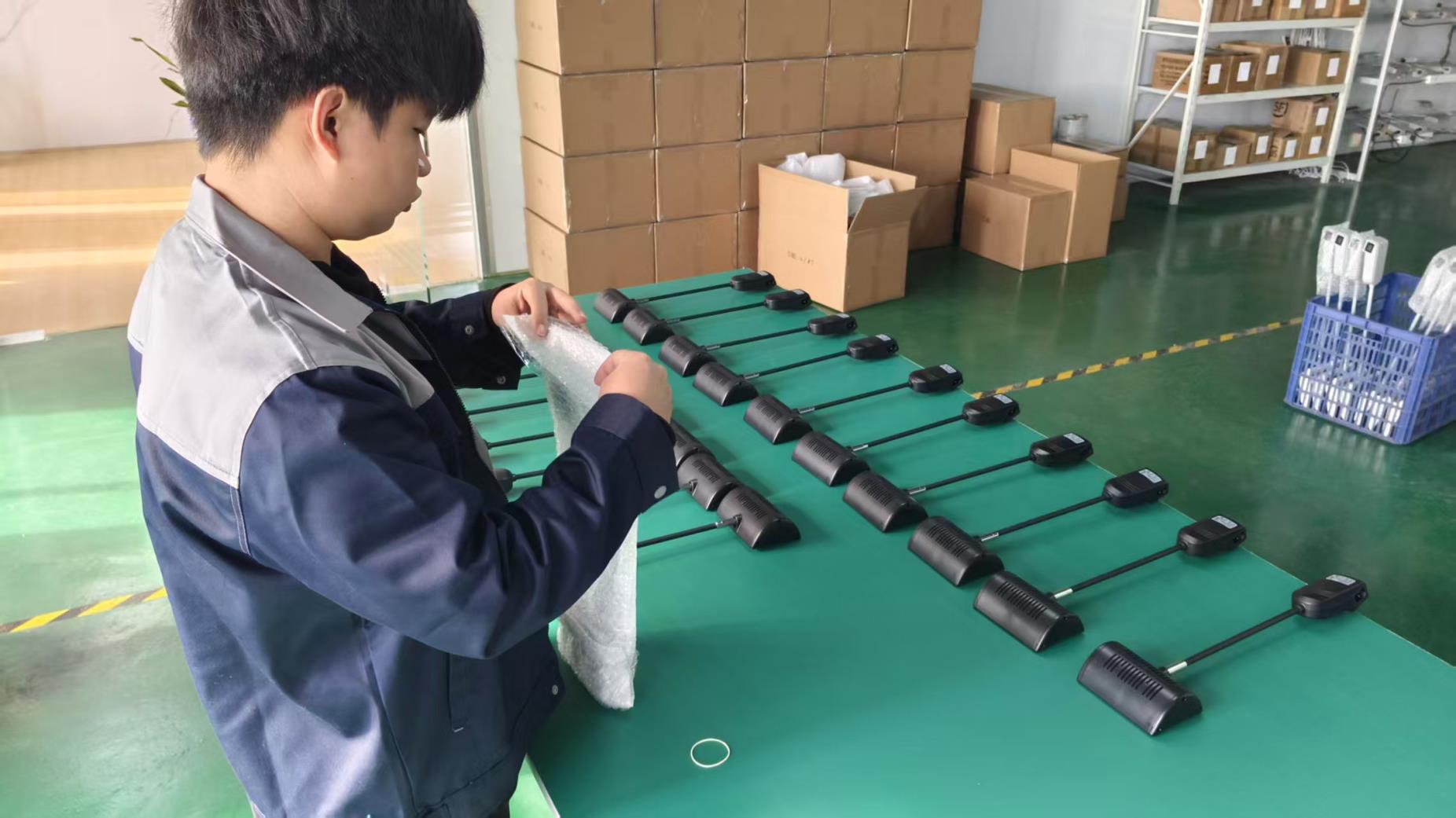
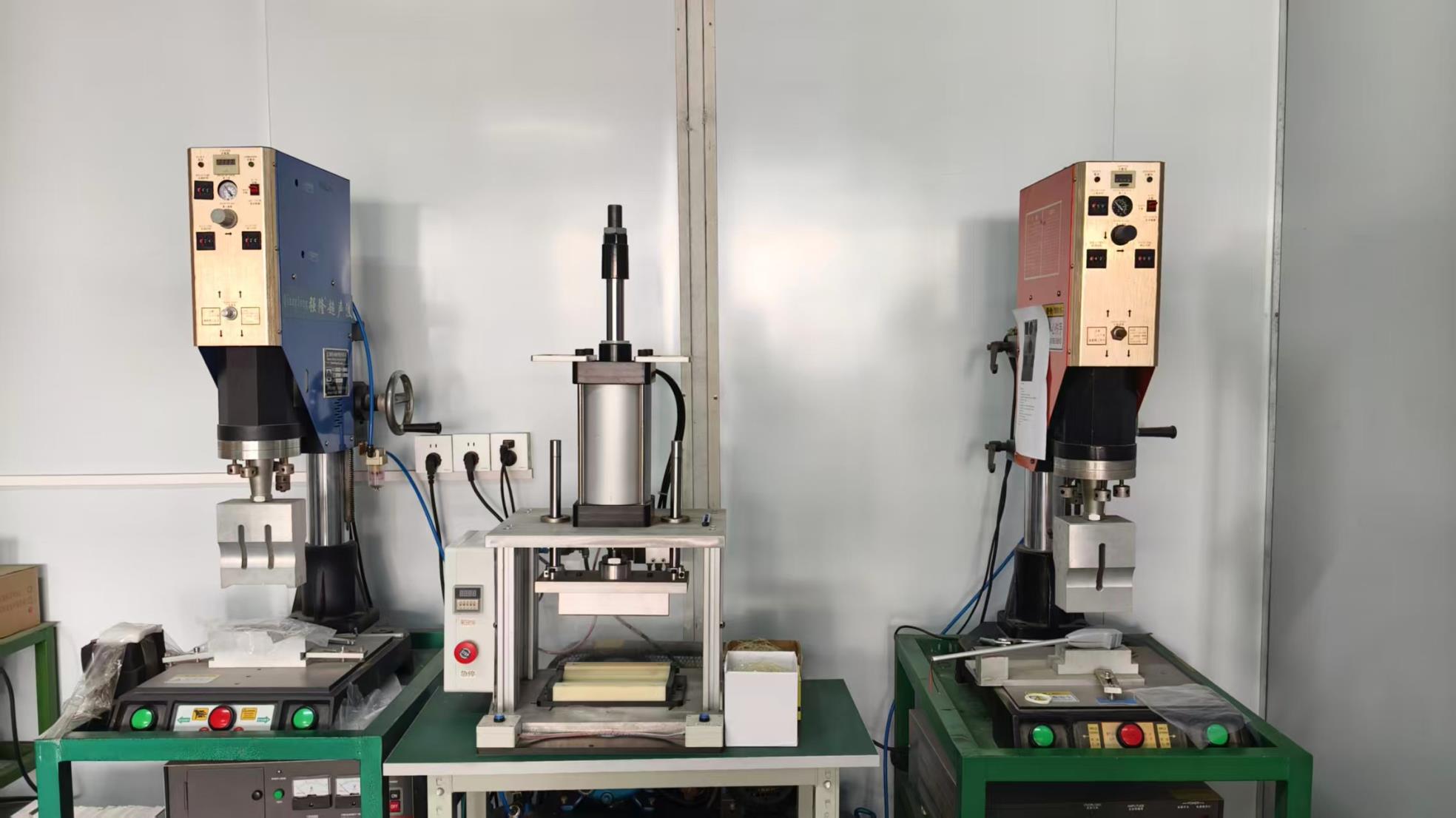
To achieve both volume scale and technical precision, approximately 70% of our production processes are automated using high-precision SMT machines, automated reflow ovens, and ultrasonic welding machines. The remaining 30% is managed through manual assembly and inspection by skilled technicians, ensuring meticulous quality control for complex, custom specifications.
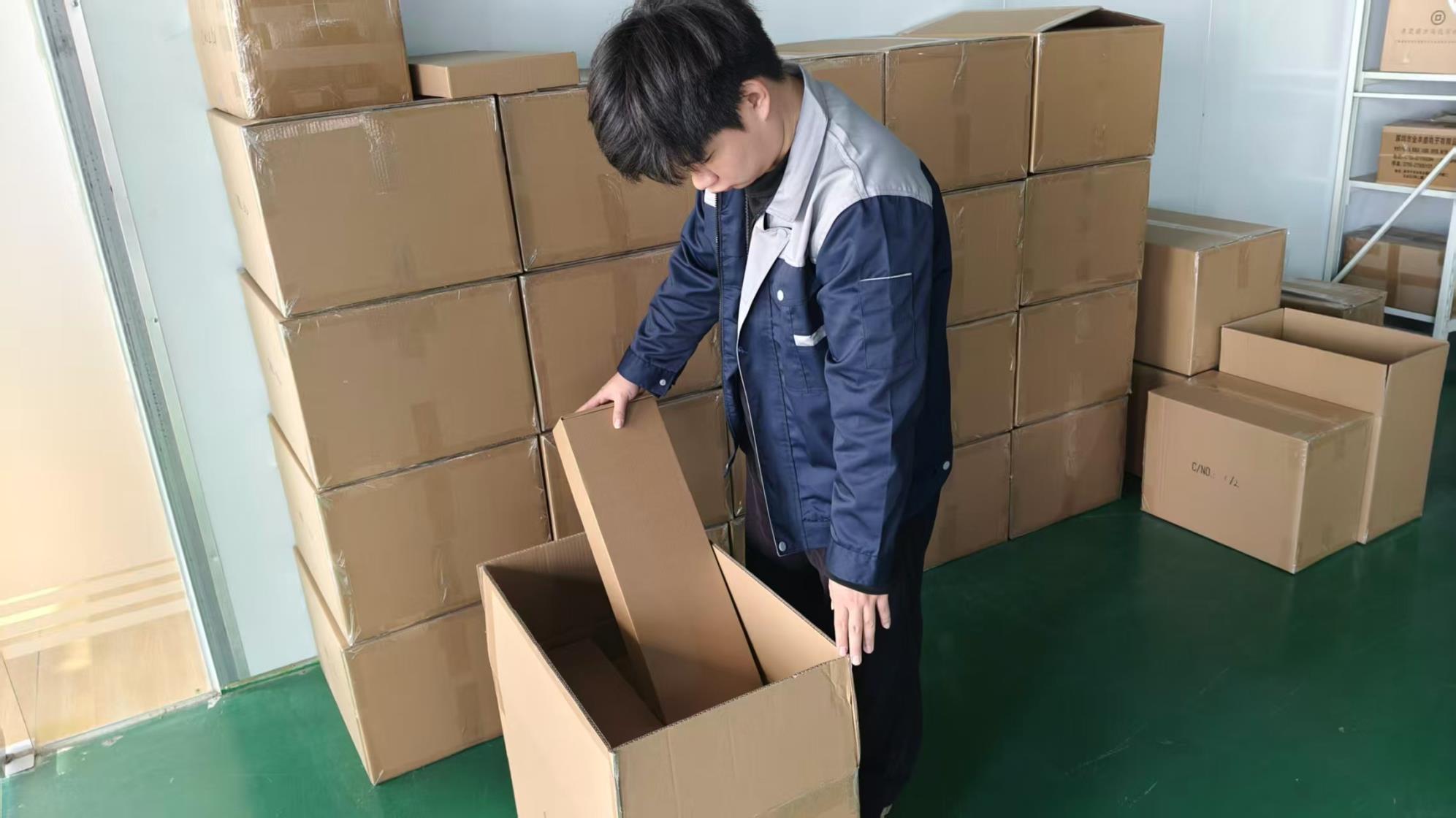
Our commitment to quality is demonstrated across every phase of production. We utilize specialized tooling, rigorous inline inspection, and high-frequency testing equipment to deliver consistent, dependable products.
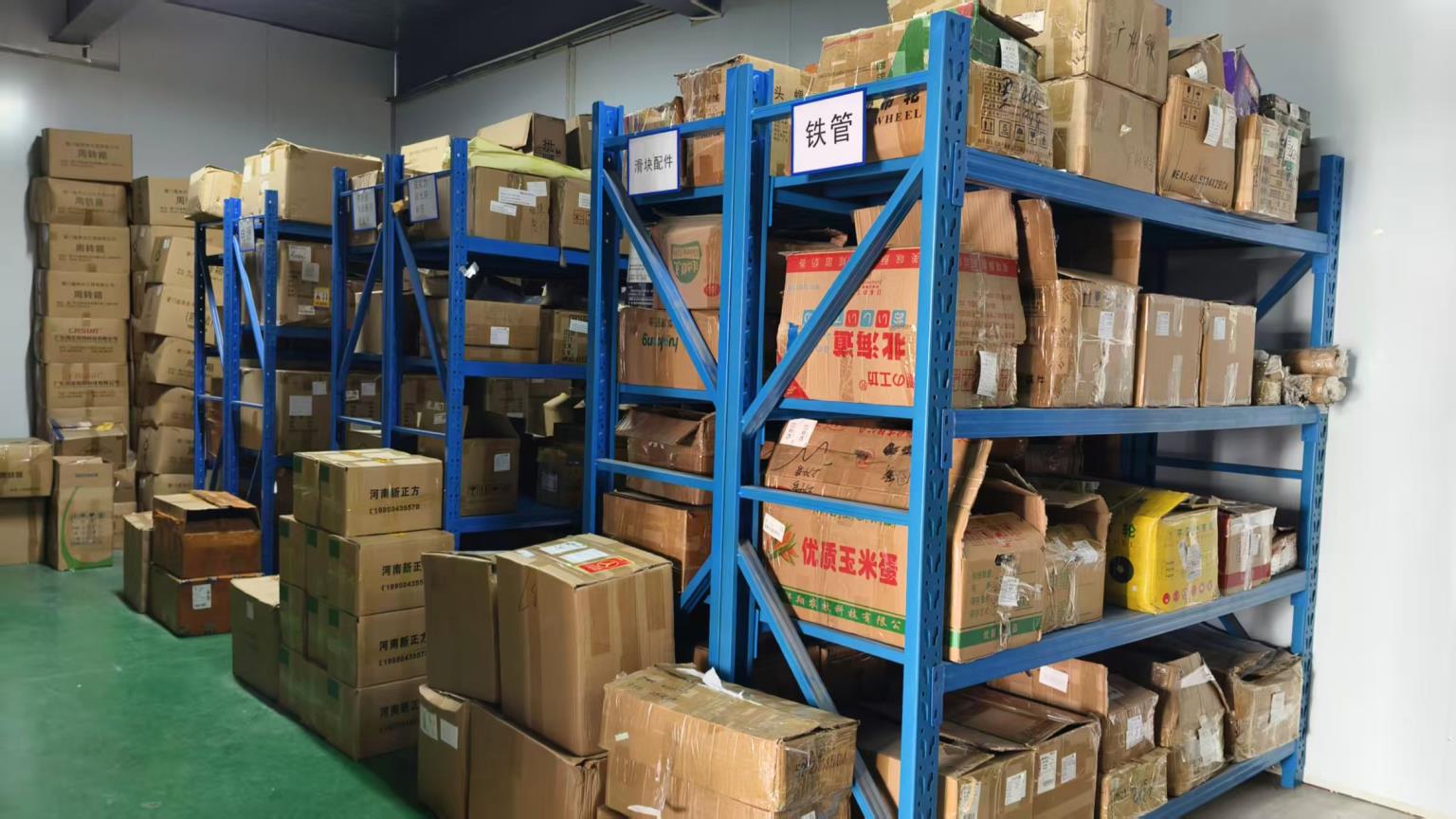
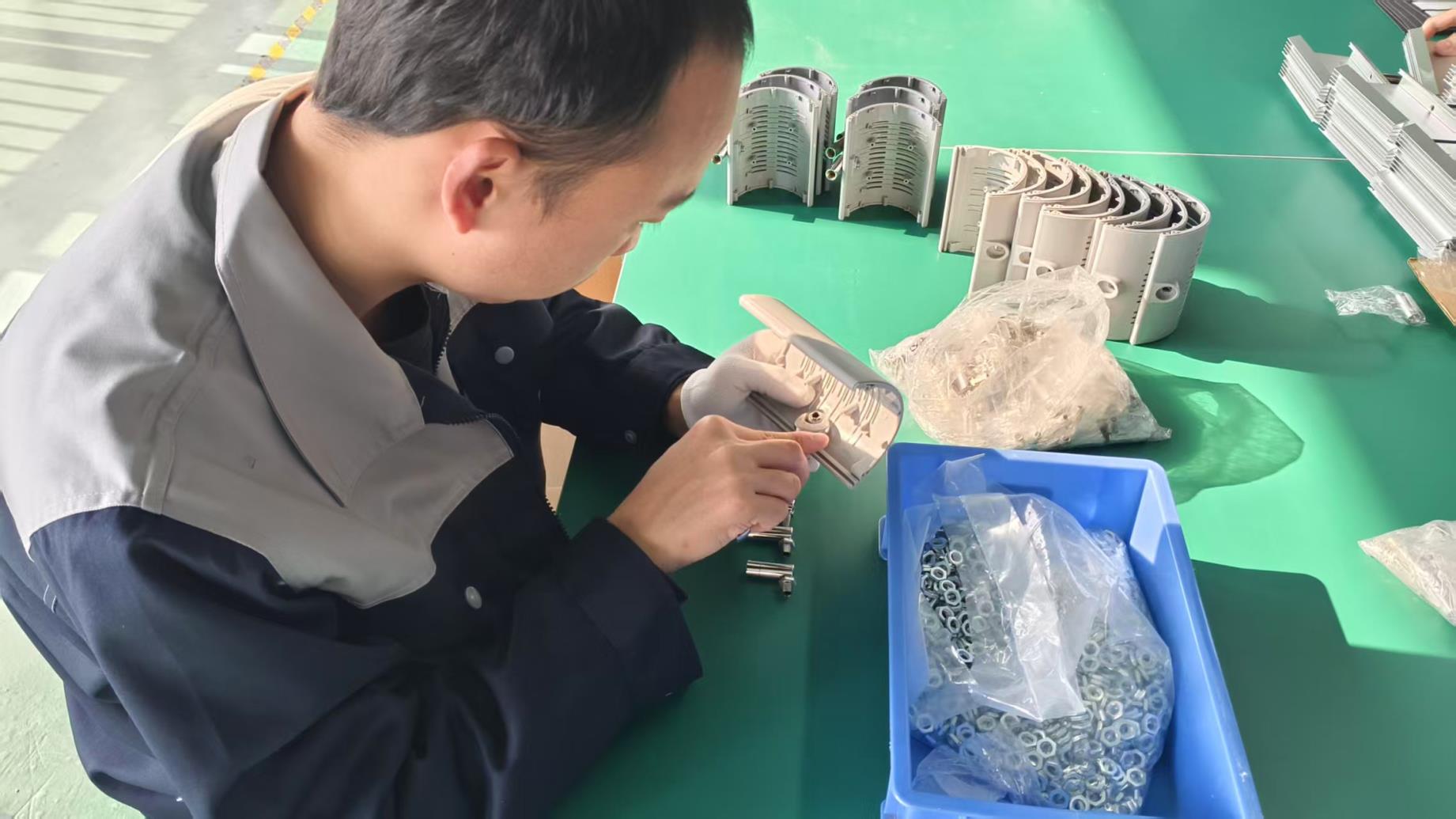
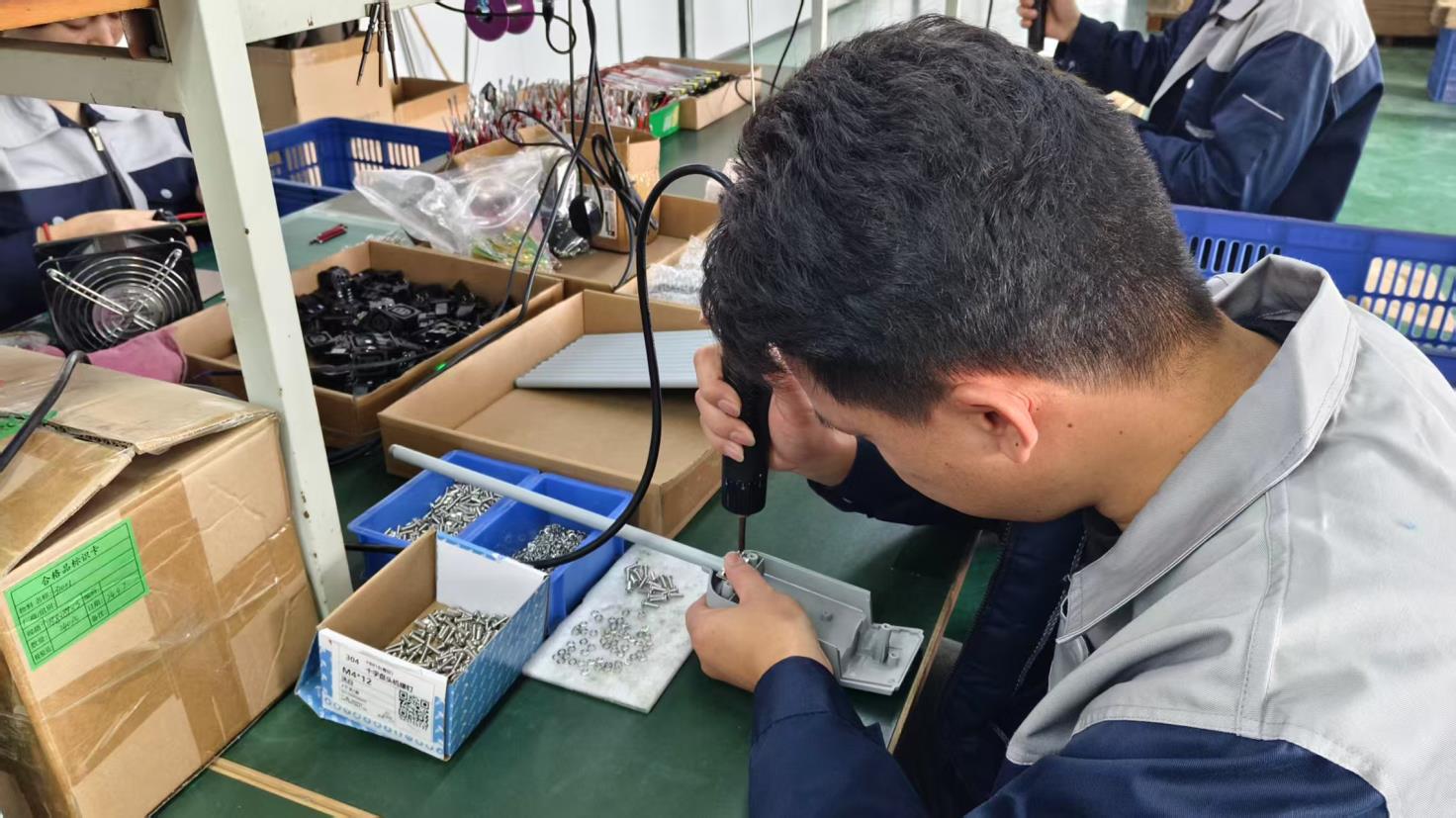
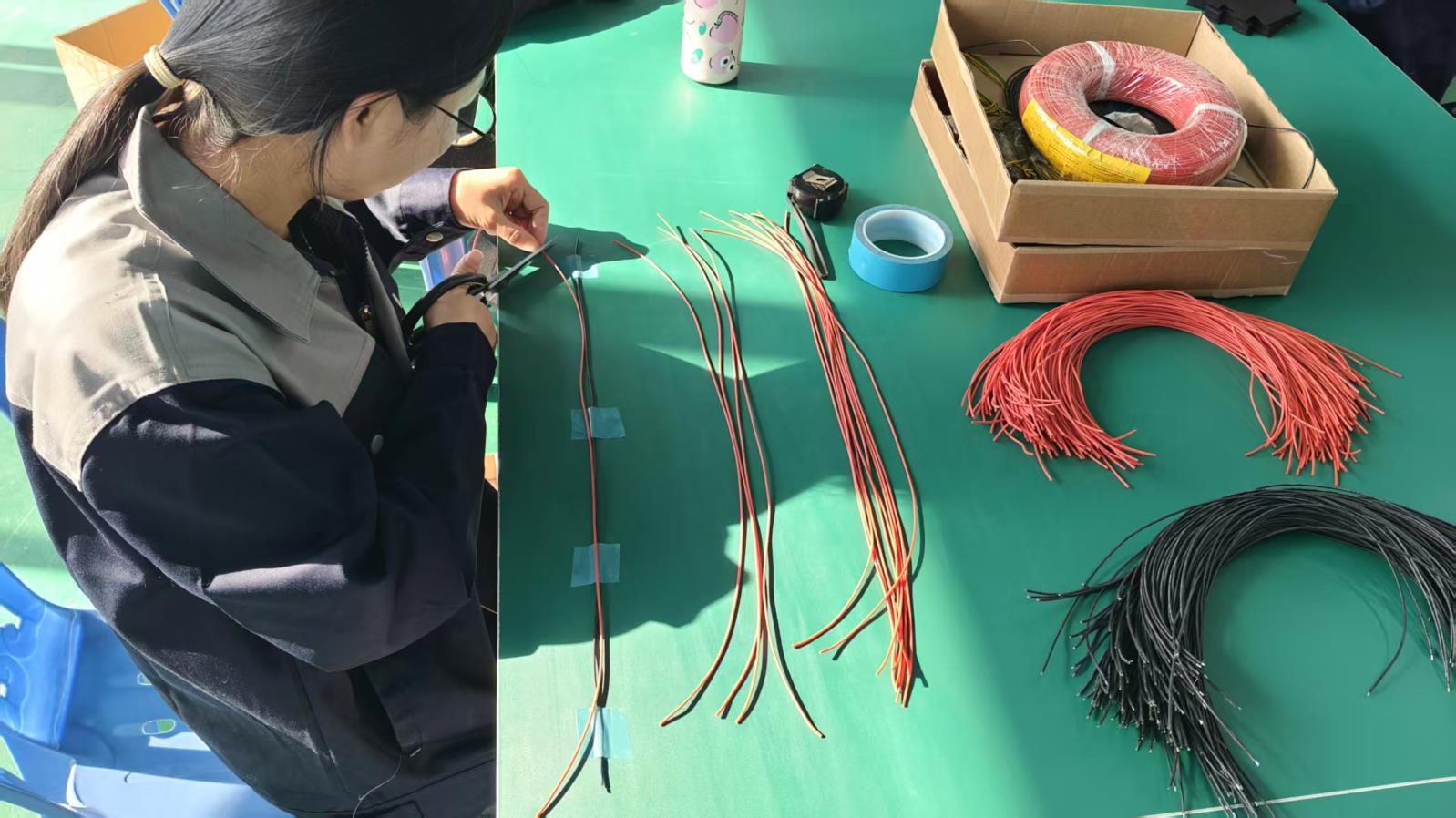
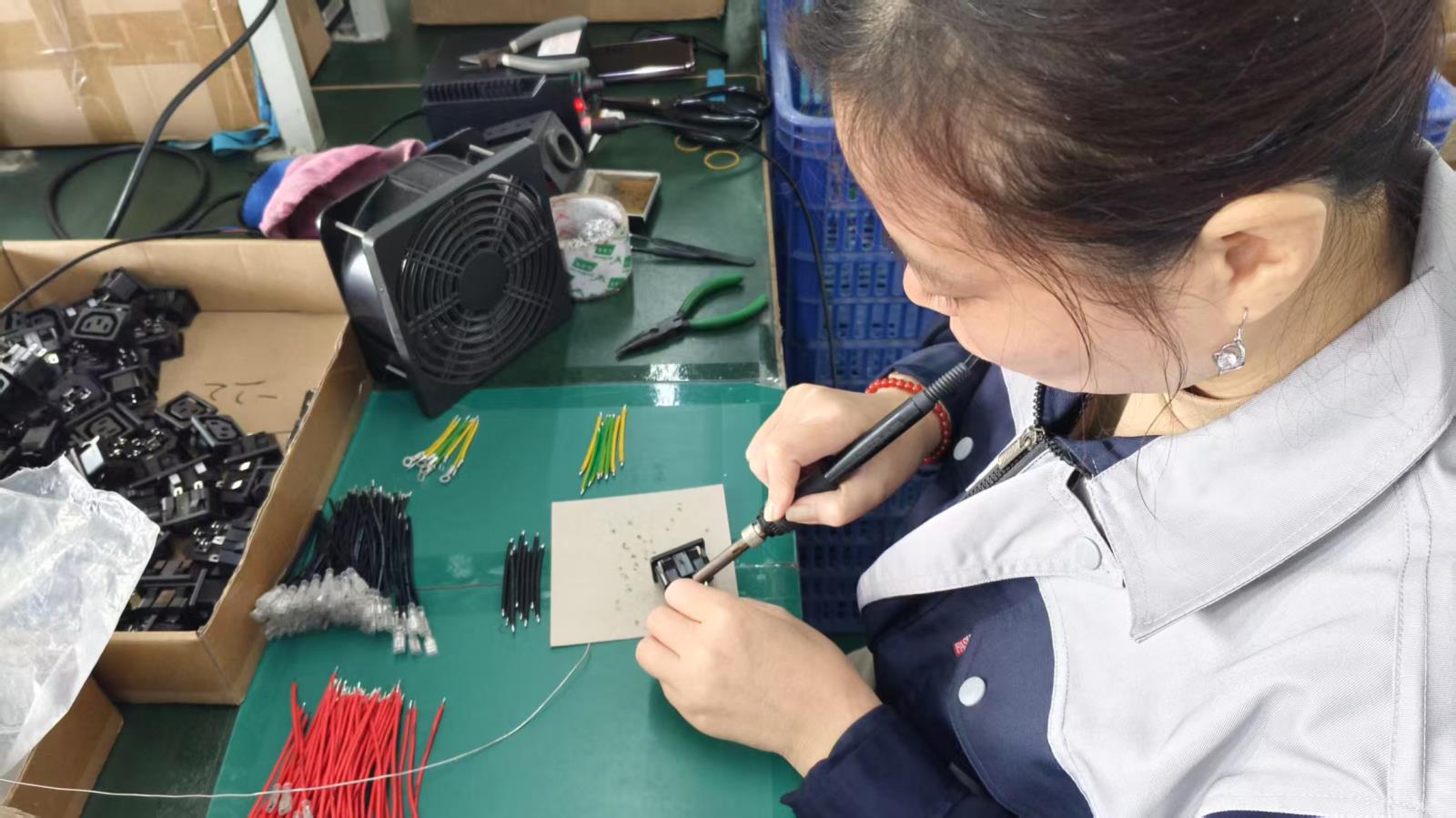
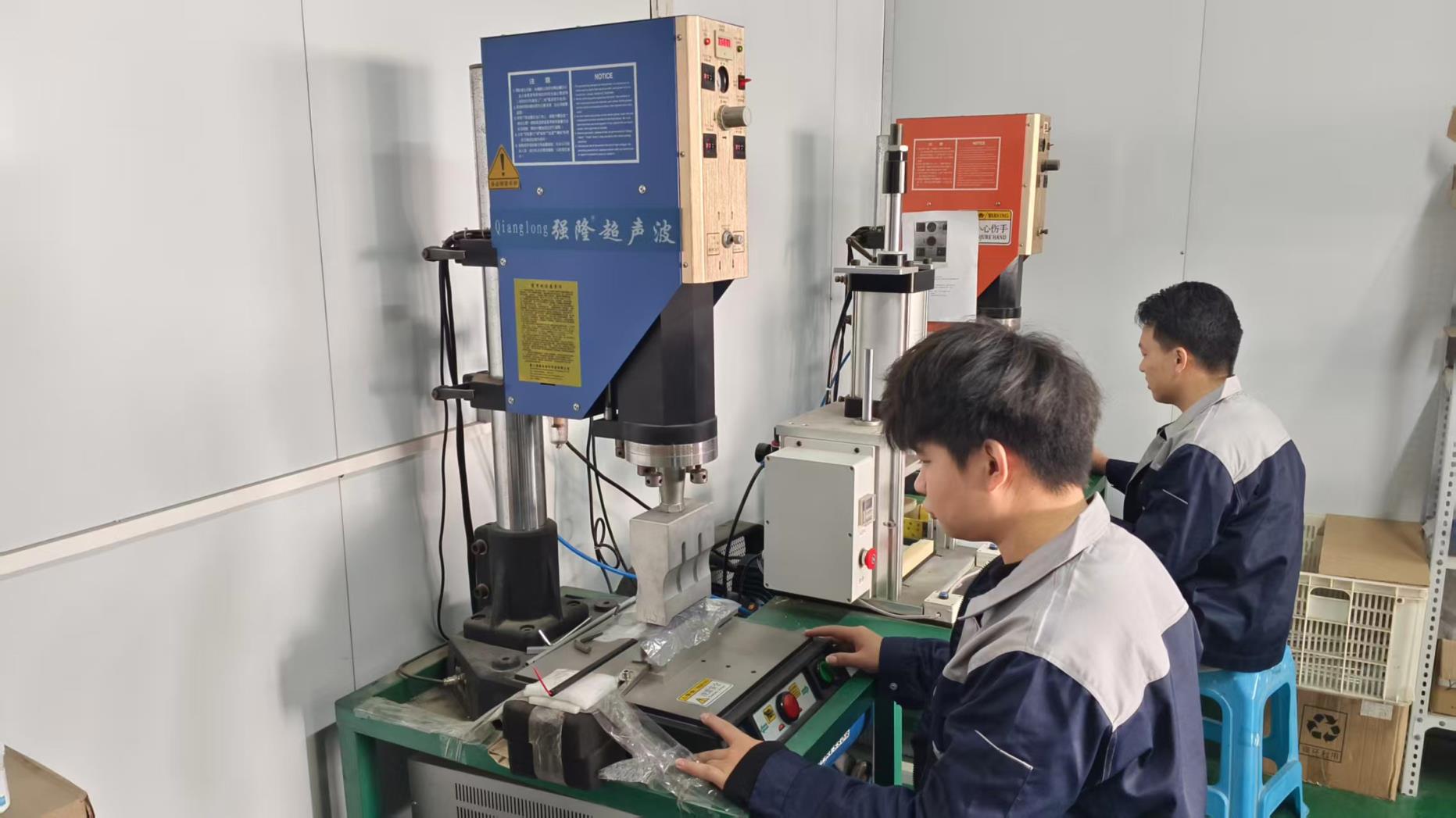
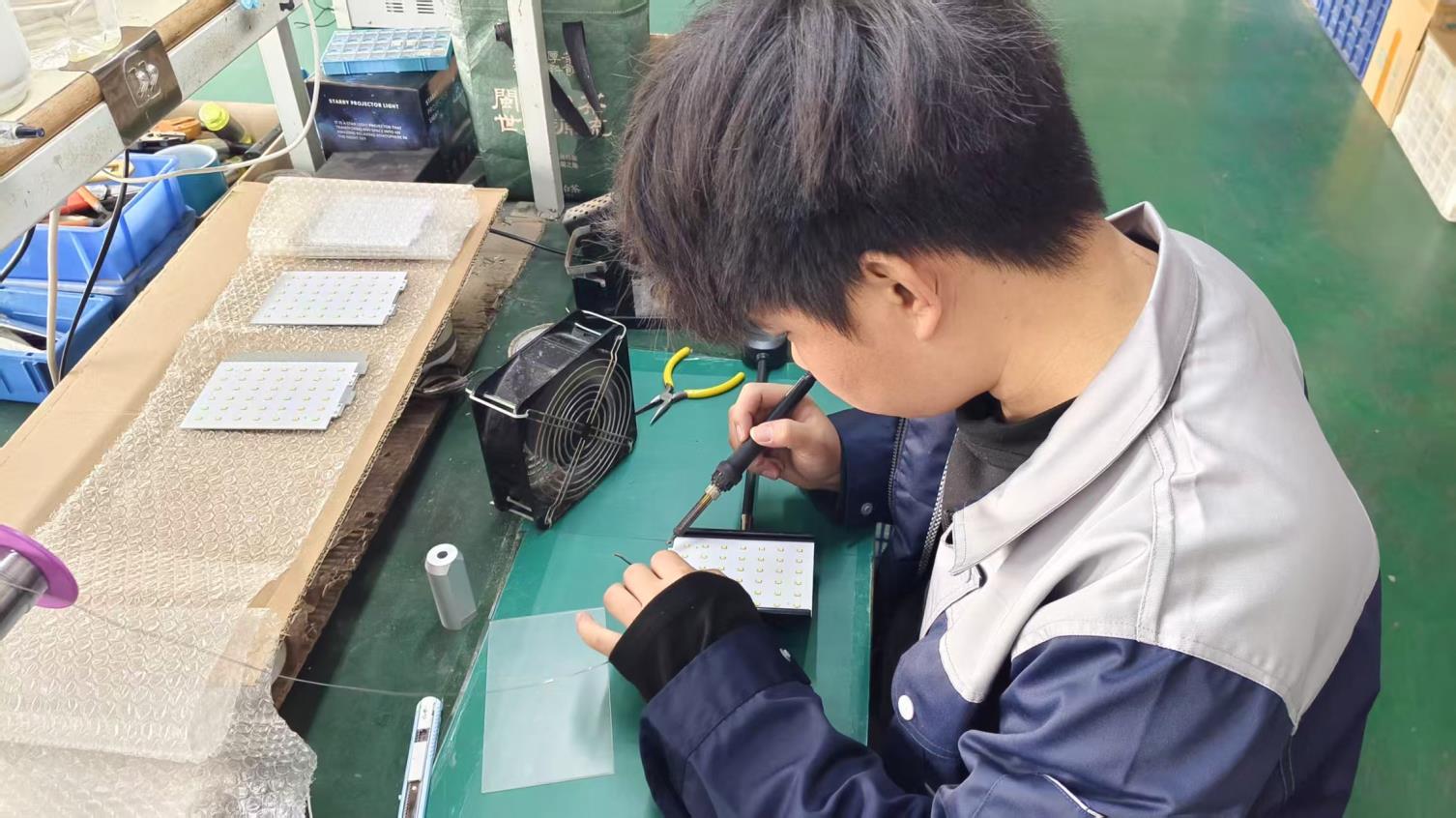
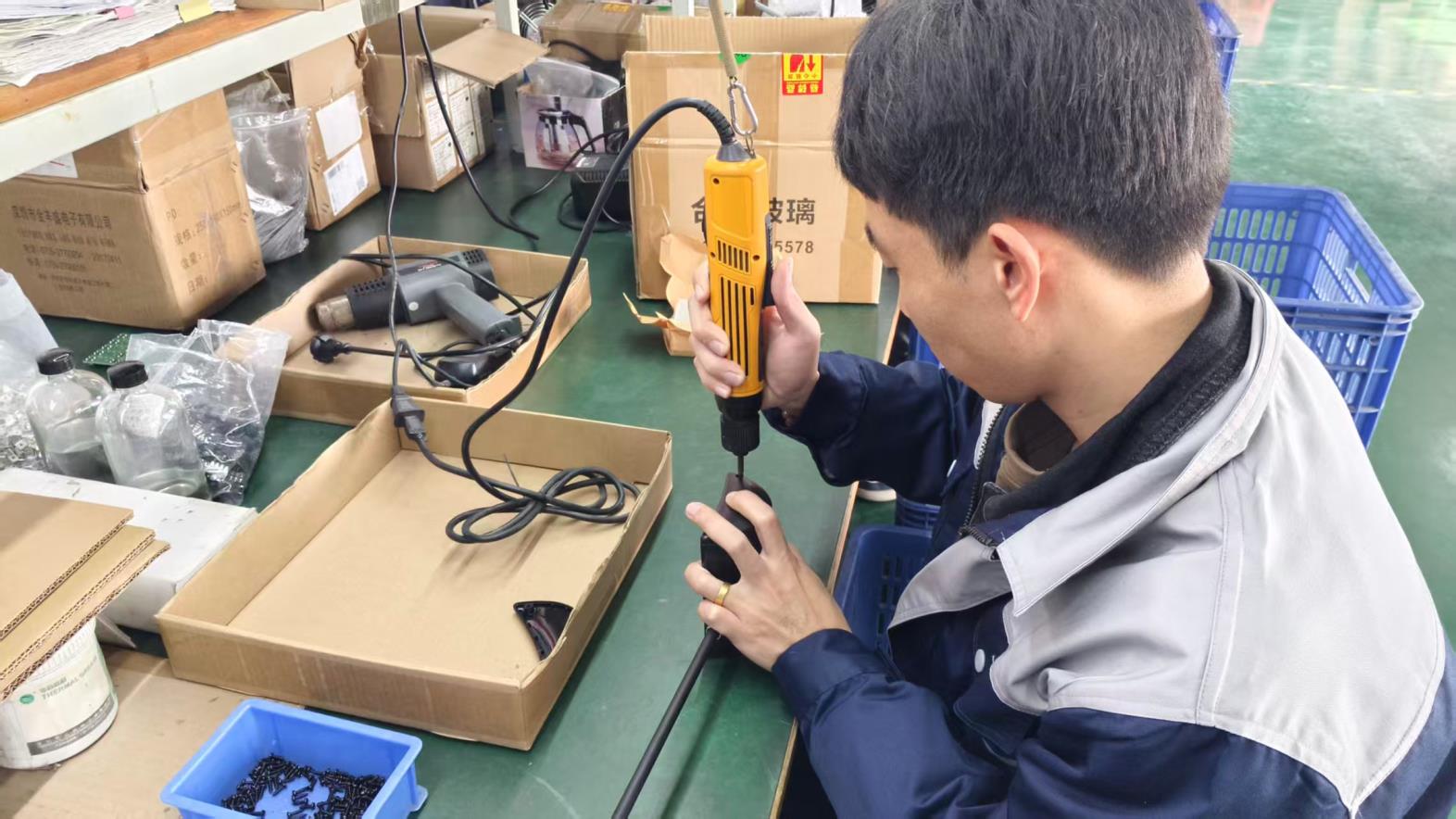
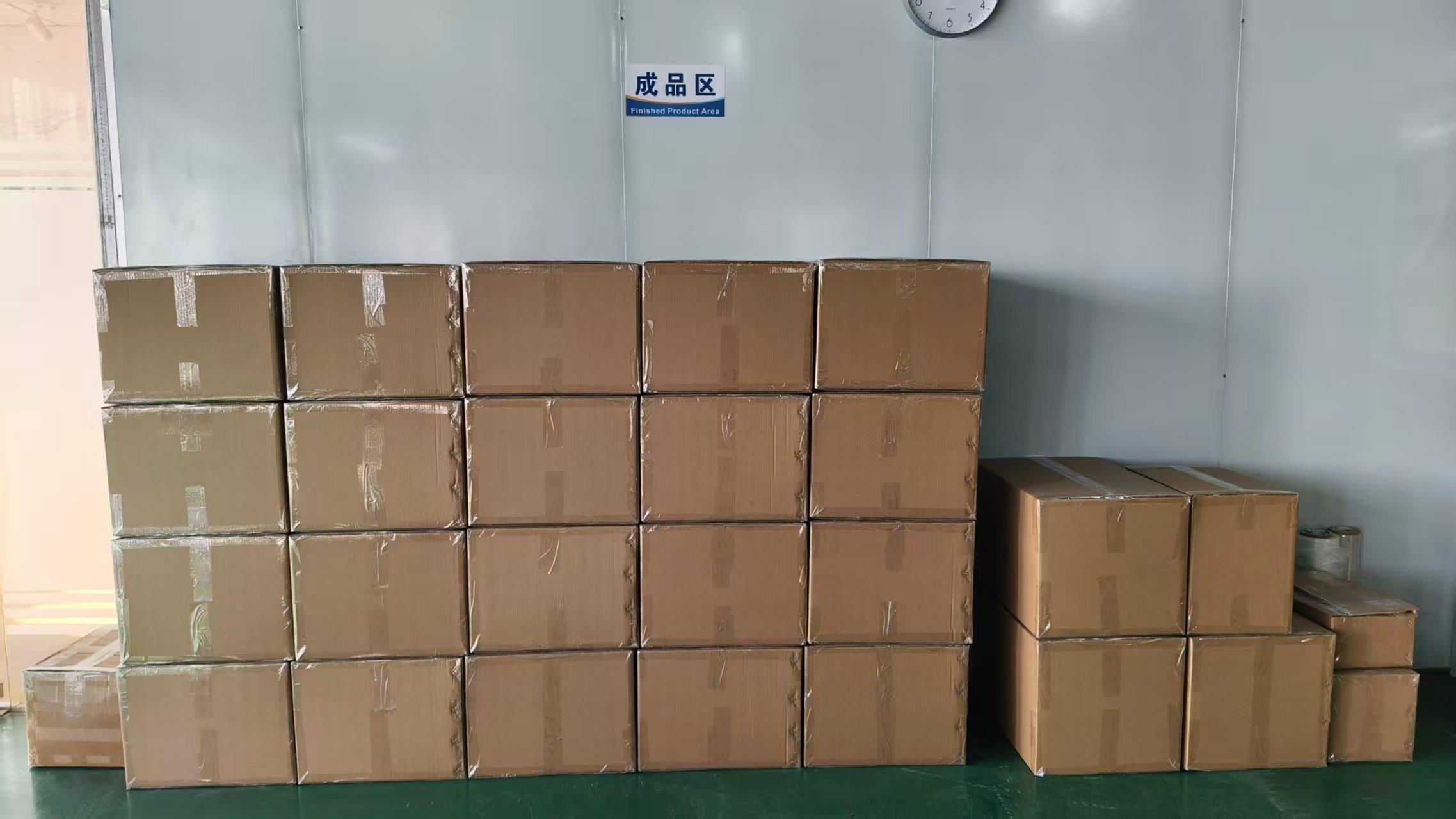
Sourcing from China's premier lighting hubs, specifically the Zhongshan and Shenzhen industrial clusters, offers global procurement teams significant structural advantages. These extend beyond basic labor cost benefits to encompass deep ecosystem integration, rapid prototyping, and specialized component sourcing.
Our locations in Zhongshan and Shenzhen put us at the center of the world's most advanced optoelectronic supply chain. Raw materials, high-purity aluminum profiles, thermal interface materials, and SMT processing services are sourced within a 50km radius. This localized ecosystem dramatically reduces logistical lead times and manufacturing costs.
High-performance passive thermal cooling requires premium 6063-T5 aluminum extrusions. China's metallurgy supply chain provides immediate, cost-effective access to these materials. This enables the engineering of thick, finned heat sinks with high thermal conductivity, eliminating the need for loud, failure-prone active cooling fans.
Our combined engineering expertise in Shenzhen and Zhongshan enables rapid turnaround on custom requirements. Whether adjusting spectral distributions (such as adding UV or far-red wavelengths) or designing custom physical formats, we can take a product from CAD concept to functional prototype in fraction of the time required by Western manufacturers.
Commercial growers and large-scale agricultural enterprises look for specific technical benchmarks when sourcing grow lights. Below are the key engineering specifications that professional procurement teams evaluate to ensure long-term ROI.
Operating commercial facilities worldwide requires adherence to local electrical standards, safety regulations, and building codes. We prioritize international compliance engineering to ensure our products integrate seamlessly into global operations.
Full CE compliance (LVD and EMC directives) and RoHS certification, ensuring safe electrical operation and restriction of hazardous substances.
Equipped with wide-voltage drivers (120-277V & 347-480V industrial grid systems) to support large-scale commercial facilities.
Certified SAA drivers with insulated plugs and Australian-standard grounding systems, designed for immediate compliance approval.
Different crop cultivation environments place unique demands on lighting design. Our systems are engineered to address the specific environmental challenges of various agricultural applications.
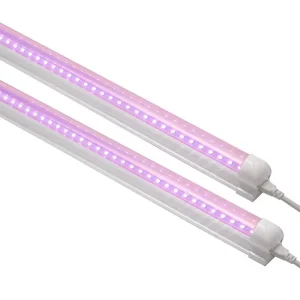
Multi-tier vertical farms have tight clearances between shelving layers. In these setups, ambient heat build-up can easily damage crops. Our ultra-thin linear bars rely on passive convective dissipation, preventing hot spots and ensuring uniform temperatures across close-clearance canopy layers.
Greenhouse installations must withstand high humidity, water spray, and variable solar heating. Our heavy-duty fixtures feature IP43 to IP65 ratings and anti-corrosive powder coatings. They provide reliable supplemental light without obstructing natural sunlight.
Large-scale indoor facilities require careful management of HVAC loads. By isolating LED drivers and using high-efficiency heatsinks, our fixtures minimize radiative heat emissions toward the plant canopy, reducing HVAC cooling and dehumidification costs.
As the horticultural lighting industry matures, the focus is shifting from simple energy replacement to advanced system intelligence, material science, and thermodynamic efficiency.
Zhongshan Venti Lights Co., Ltd., as a recognized National High-Tech Enterprise, invests significantly in annual R&D. Our engineering teams are currently focused on integrating intelligent IoT micro-controllers and advanced phase-change thermal materials. This research aims to deliver higher PPE metrics and improved thermal stability for commercial growers worldwide.
Find answers to common questions about thermal management, diode selection, and procurement specifications for commercial lighting systems.
From commercial greenhouses to vertical farming arrays and research facilities, our catalog offers reliable, high-efficacy options tailored to your specific crops and layout requirements.