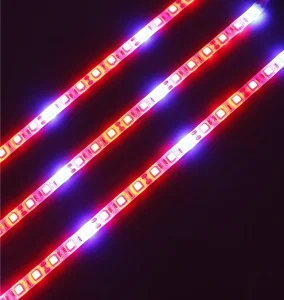
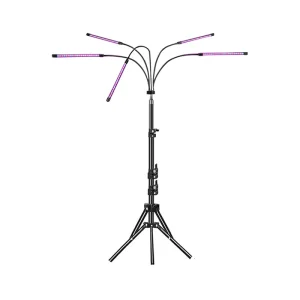
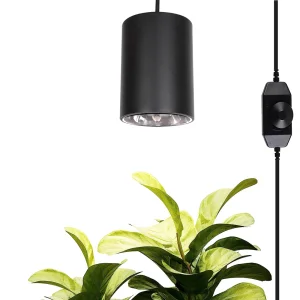
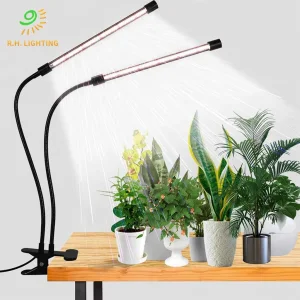
As the world’s most populous metropolitan area, Tokyo faces a critical challenge: providing fresh, high-quality produce while navigating extreme space scarcity and high energy costs. The Tokyo market has transitioned from traditional agriculture to Plant Factories with Artificial Lighting (PFAL). Our recent market intelligence indicates a 45% increase in vertical farming investments within the Kanto region, driven by Japan’s "Green Food System Strategy."
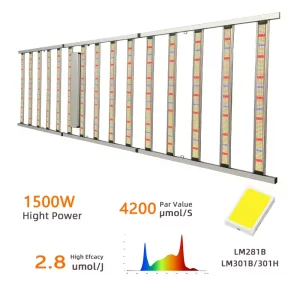
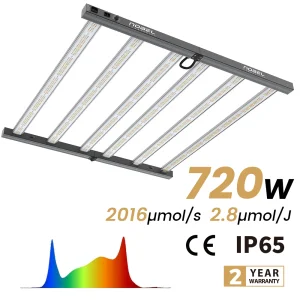
For Tokyo-based commercial growers, "Full Spectrum" is no longer just a buzzword; it is a requirement for Photosynthetic Photon Efficacy (PPE) exceeding 2.8 µmol/J. Our manufacturing roadmap specifically targets the Japanese market's demand for high-CRI (Color Rendering Index) and optimized PAR (Photosynthetically Active Radiation) to cultivate high-value crops like Wasabi and Japanese leafy greens in controlled environments.
International procurement officers are shifting away from generic lighting toward integrated horticultural ecosystems. This involves spectral tuning, heat dissipation management, and IoT connectivity. Zhongshan Venti Lights Co., Ltd. addresses these needs by offering "Solution-as-a-Service," where we provide customized spectral maps based on the specific cultivar’s genetic potential.
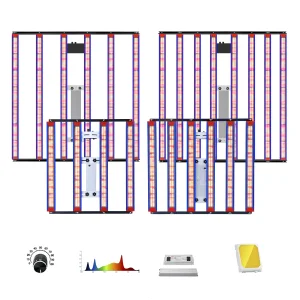
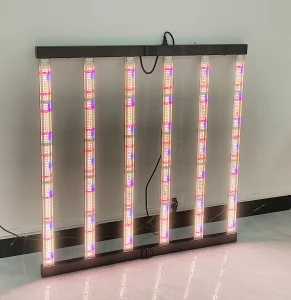
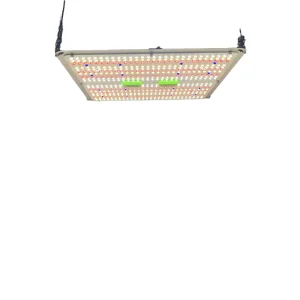
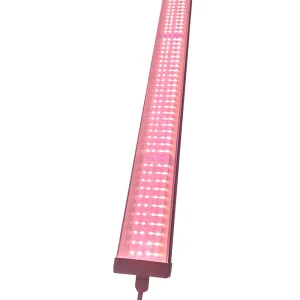
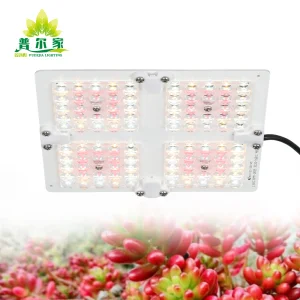
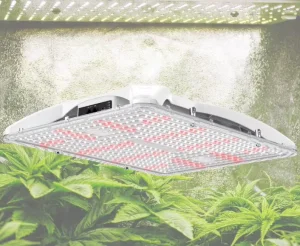
Our macro-industry solutions include modular designs that allow for easy scalability in large-scale Tokyo industrial warehouses. By utilizing Samsung LM301H and LM281B+ diodes, we ensure that our global partners receive the highest information gain in their agricultural yields, minimizing the "shadow effect" and maximizing light penetration through dense canopies.
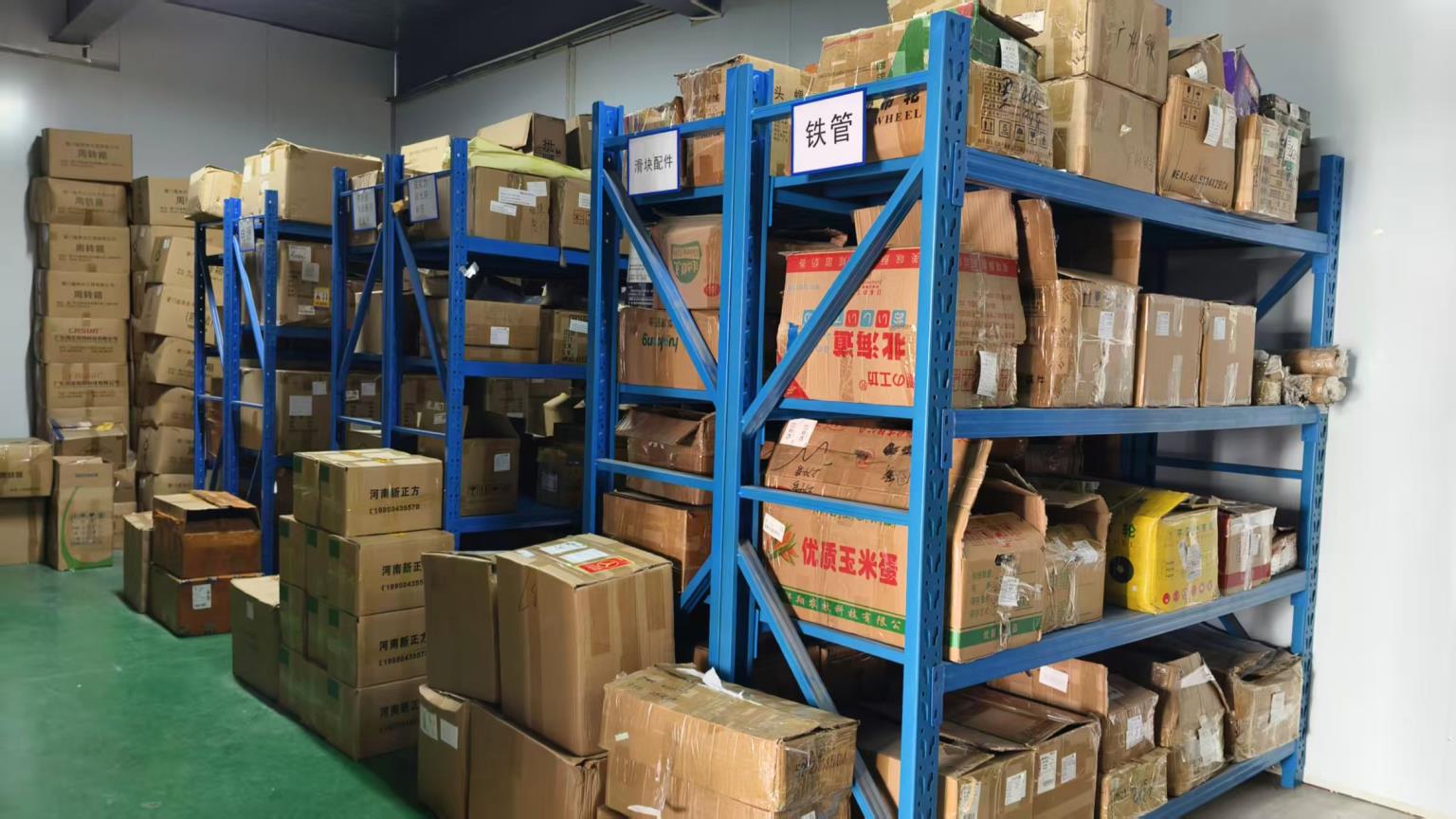
Zhongshan Venti Lights Co., Ltd., established in 2005, stands as a pillar of innovation in the LED industry. Recognized as a National High-Tech Enterprise, we operate two massive production bases: our Shenzhen headquarters (5,000 sqm) focusing on component precision, and our Zhongshan factory (3,000 sqm) dedicated exclusively to horticultural lighting and power driver engineering.
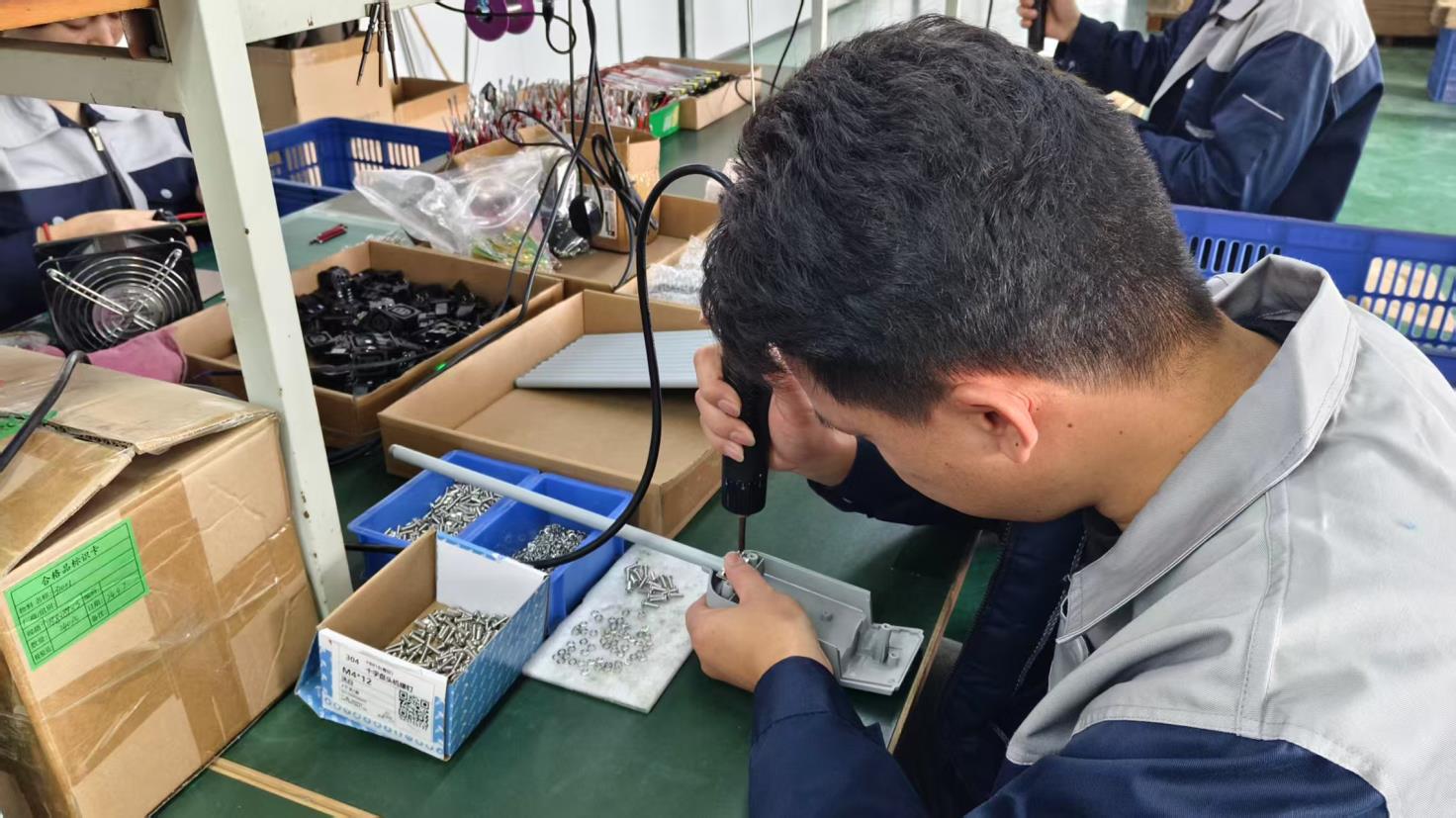
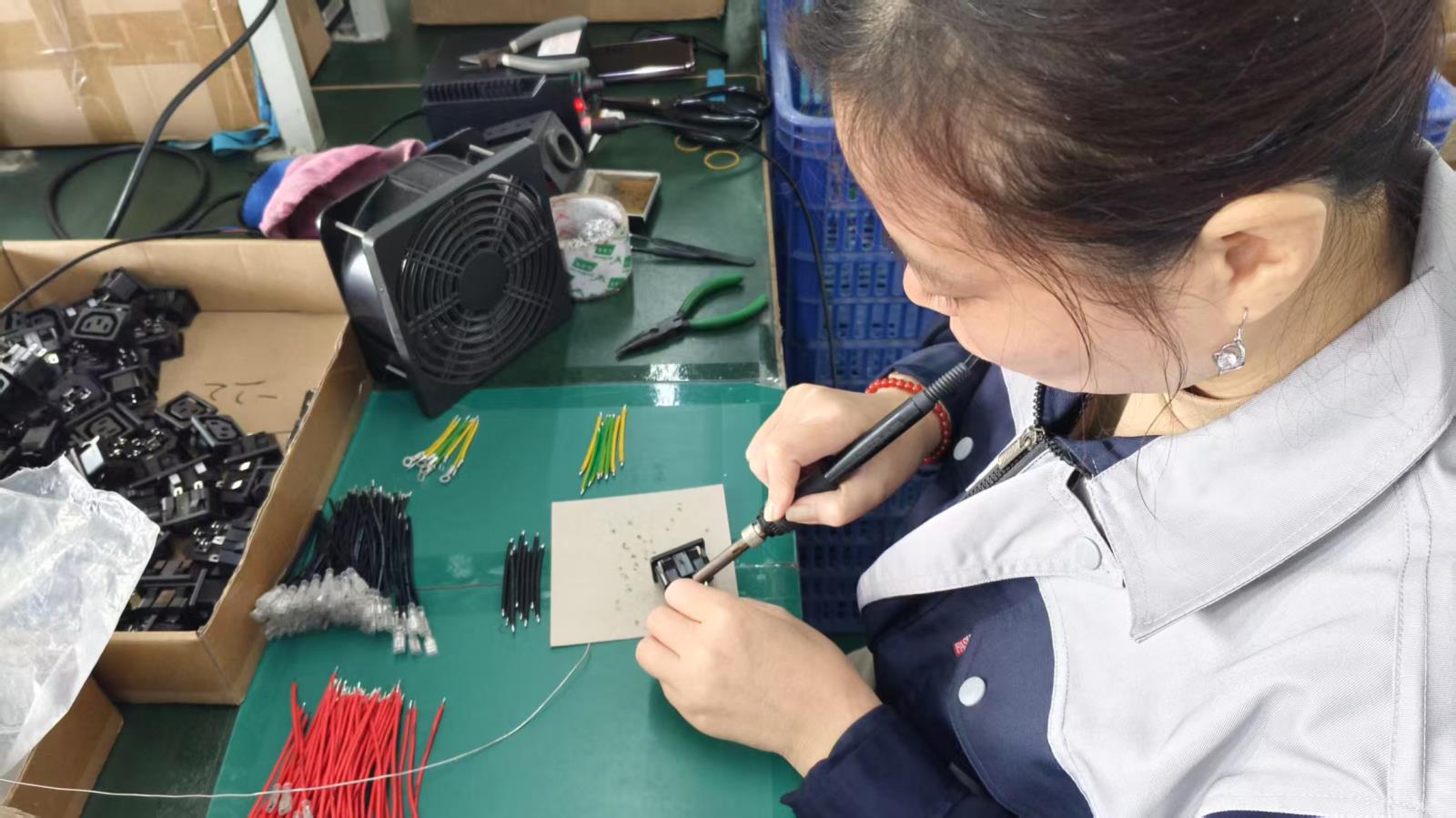
Our commitment to ISO9001 standards and rigorous CE, RoHS, and SAA certifications ensures that every light fixture exported to Tokyo meets the stringent safety and performance requirements of the Japanese market. With 70% automated production, we guarantee consistency that manual assembly simply cannot match.
The future of horticultural lighting lies in Adaptive Spectrum Technology. Our R&D team is currently developing AI-integrated drivers that adjust light intensity and spectrum in real-time based on leaf temperature and CO2 concentration. For the Tokyo market, where labor costs are high, these automated systems reduce the need for constant human monitoring.
Key focus areas for 2024-2025 include:
Entering the Tokyo industrial sector requires more than just a good product; it requires PSE (Product Safety of Electrical Appliance & Materials) compliance and local logistical support. Zhongshan Venti Lights provides comprehensive documentation, custom labeling, and Japanese-language technical manuals to ensure a seamless integration into the local supply chain.
Adherence to METI regulations and electrical safety standards essential for Japanese commercial use.
Fast-track shipping to Yokohama and Tokyo ports with optimized customs clearance documentation.
Bespoke branding and spectral configurations tailored for the Japanese "Plant Factory" model.
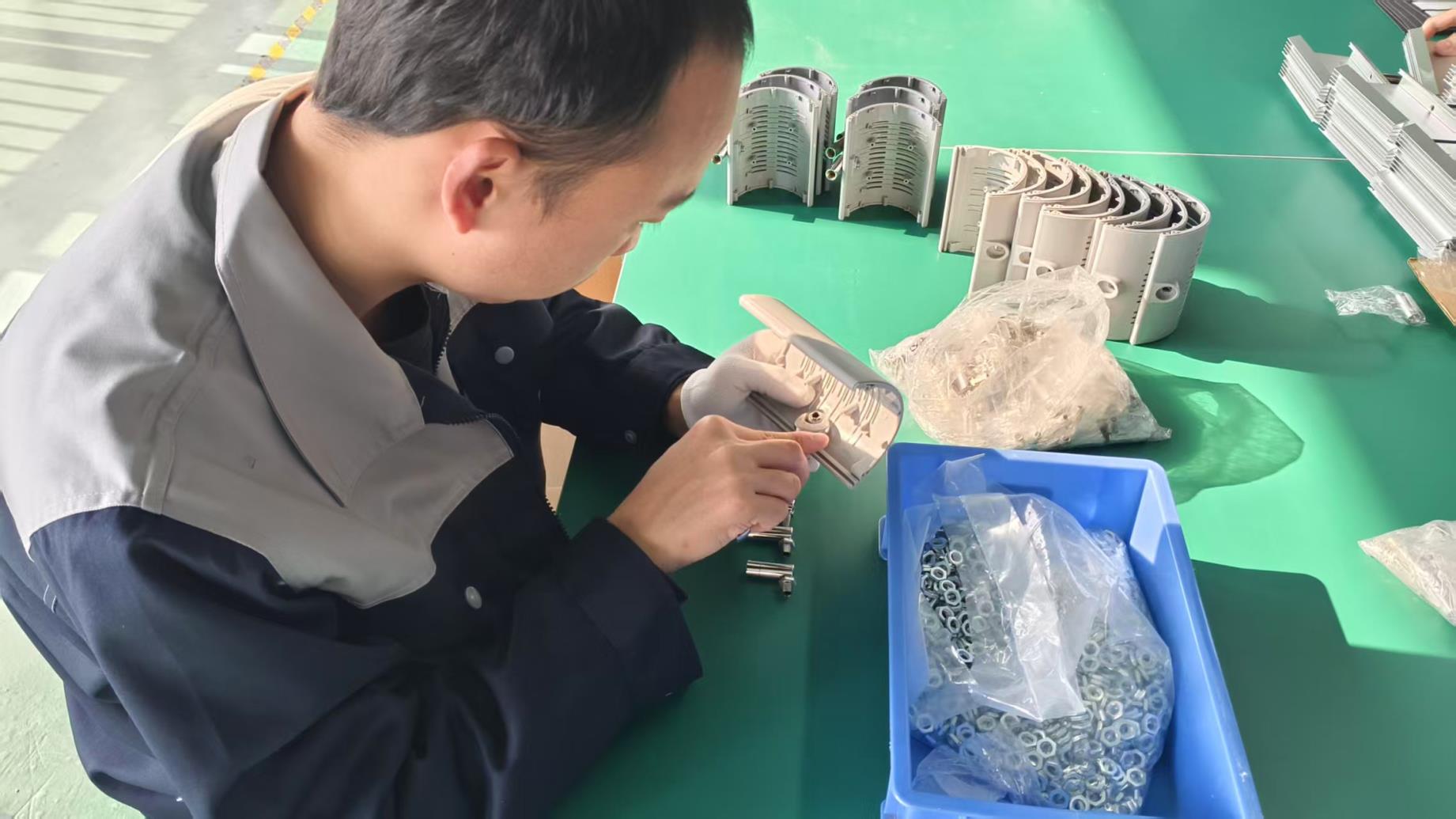
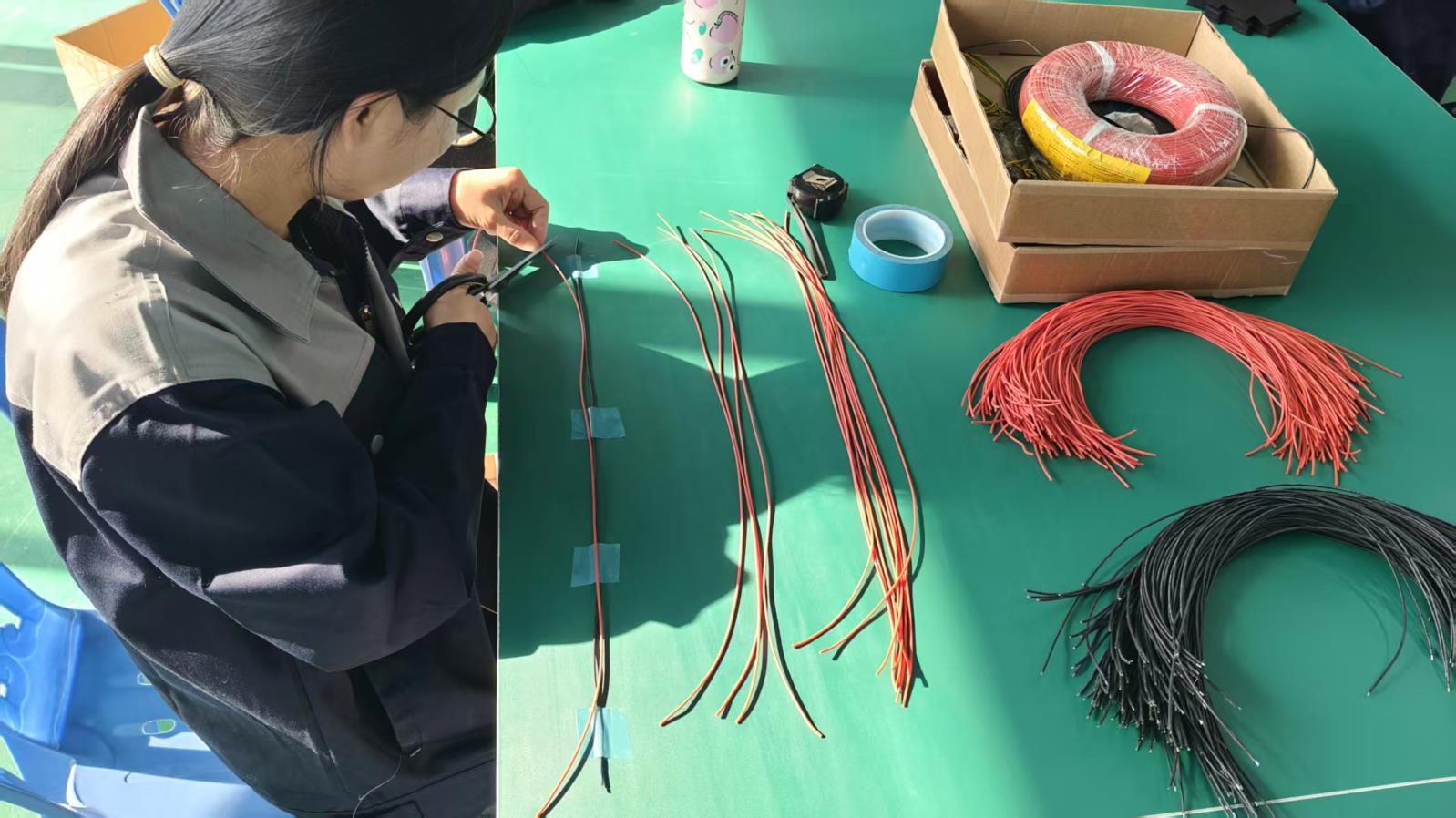
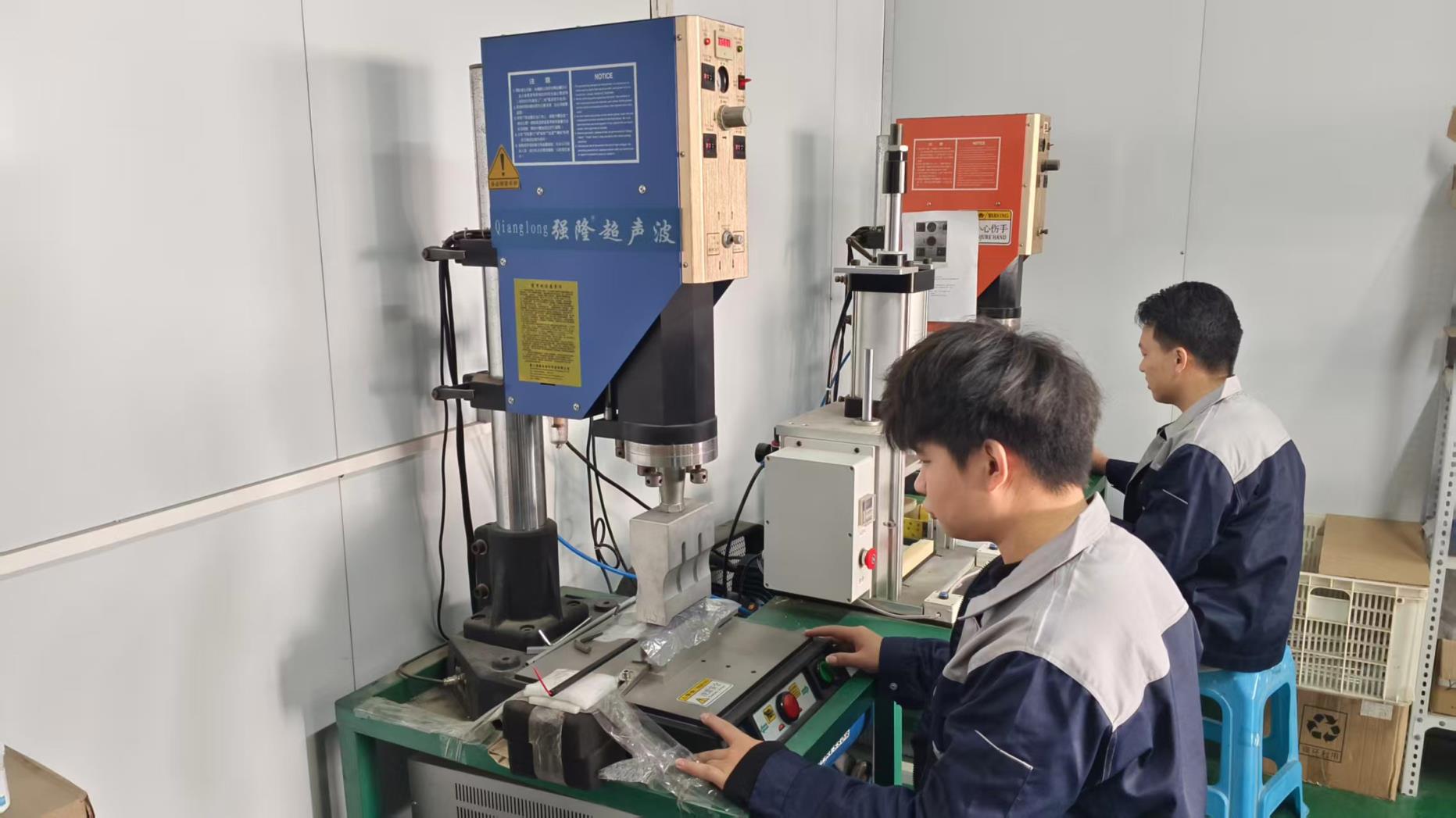
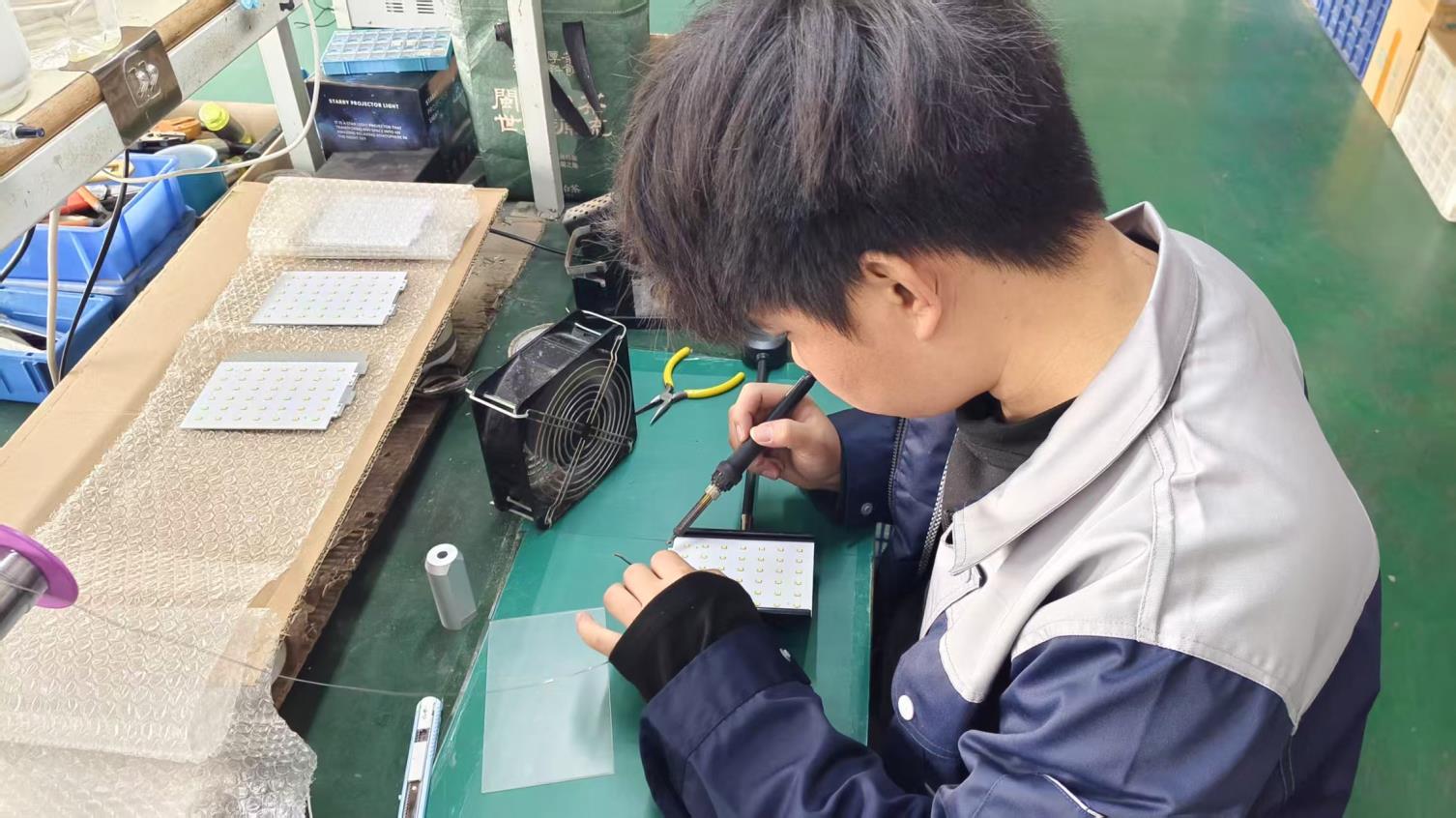
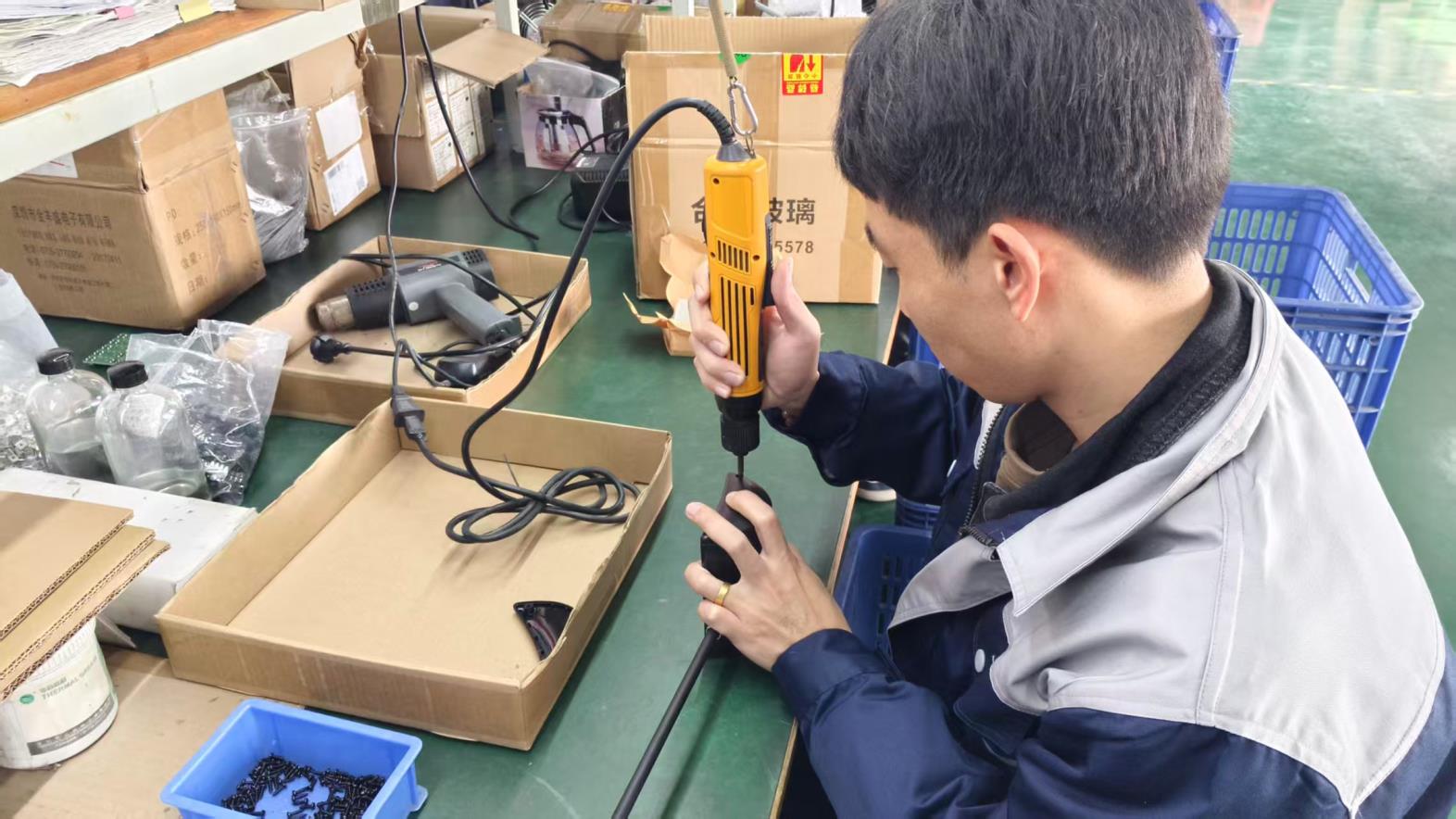
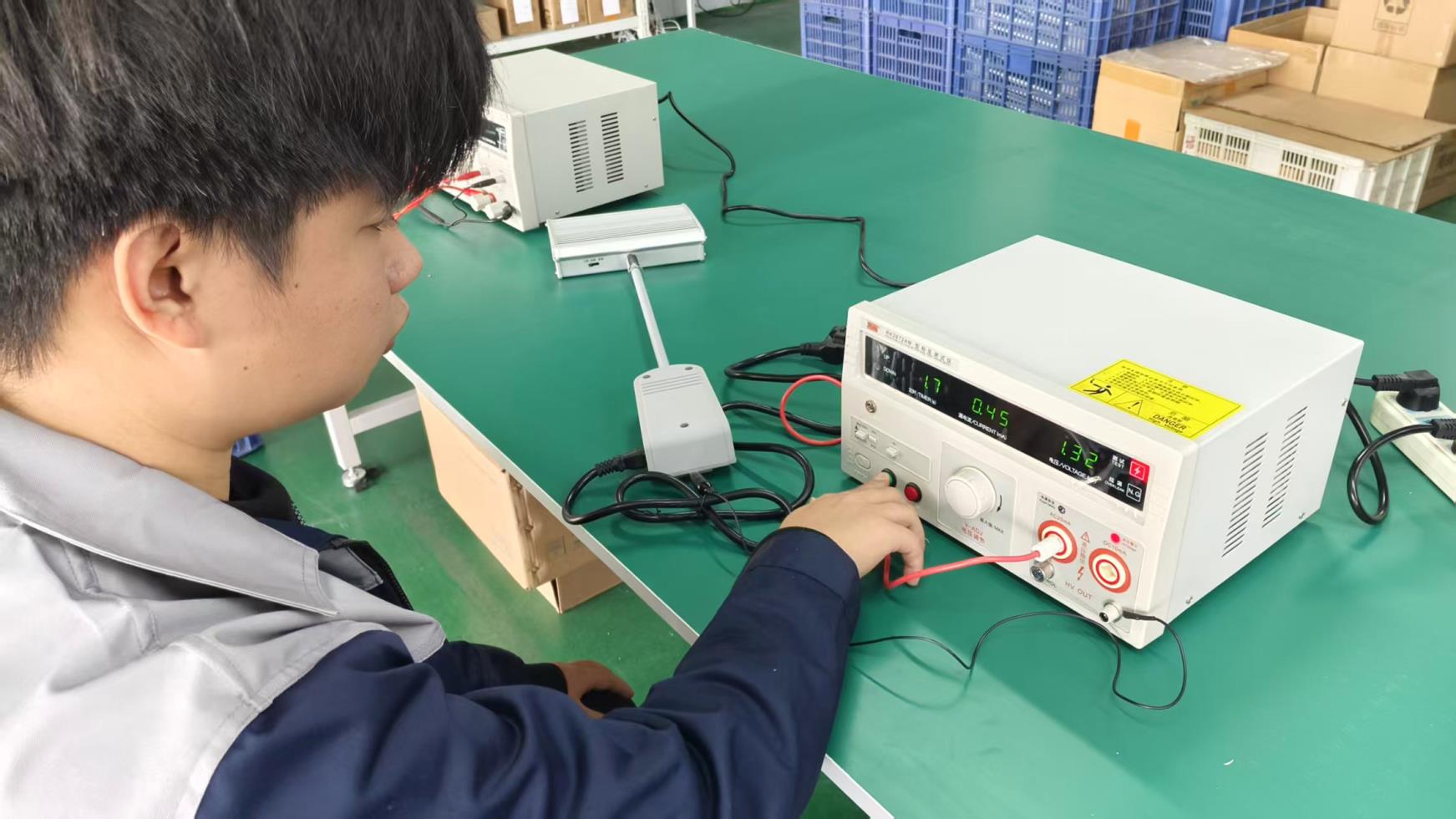
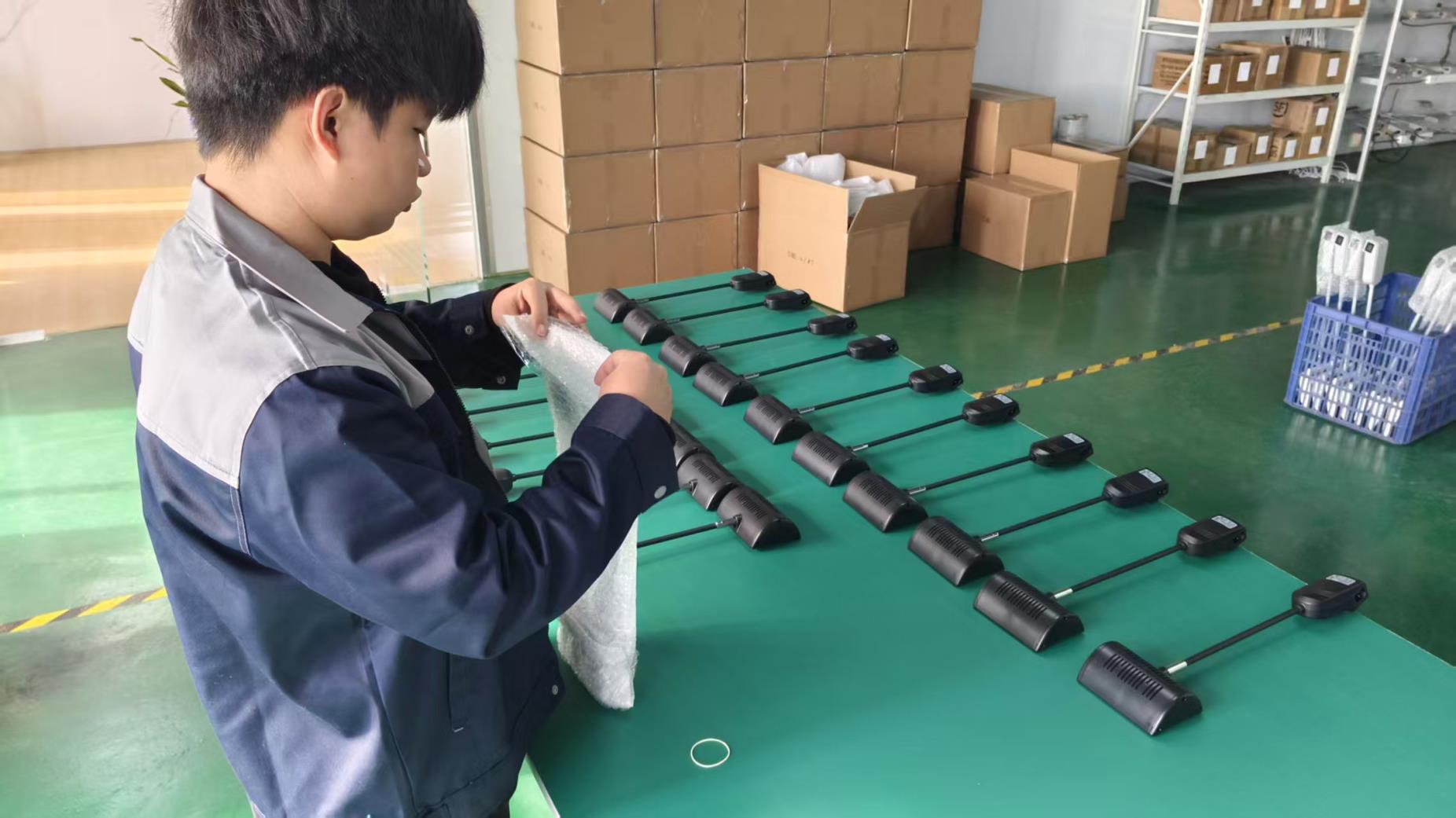
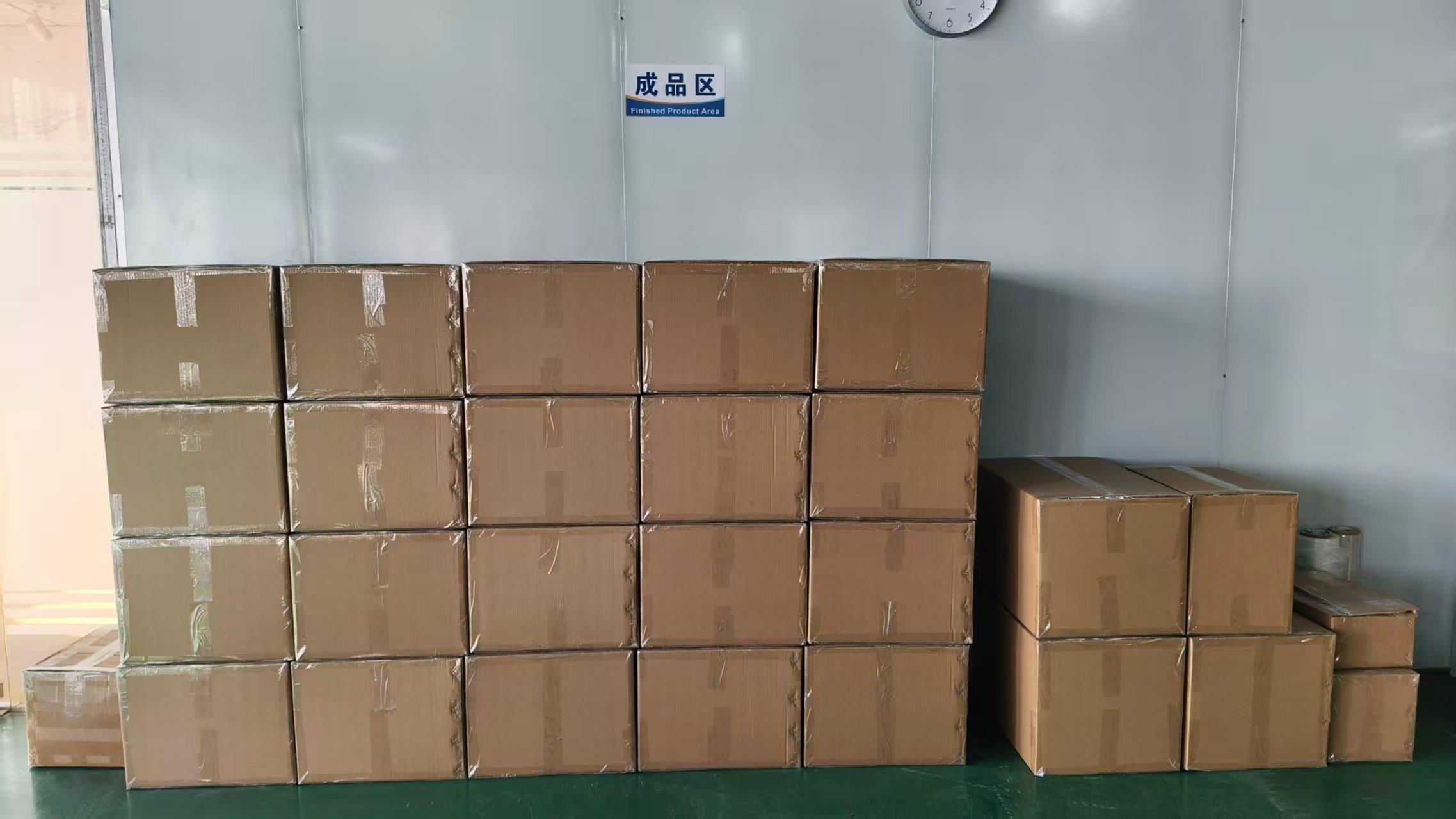
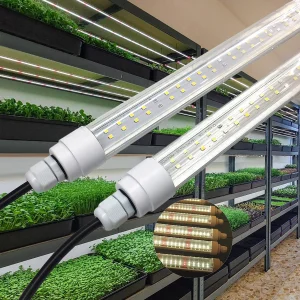
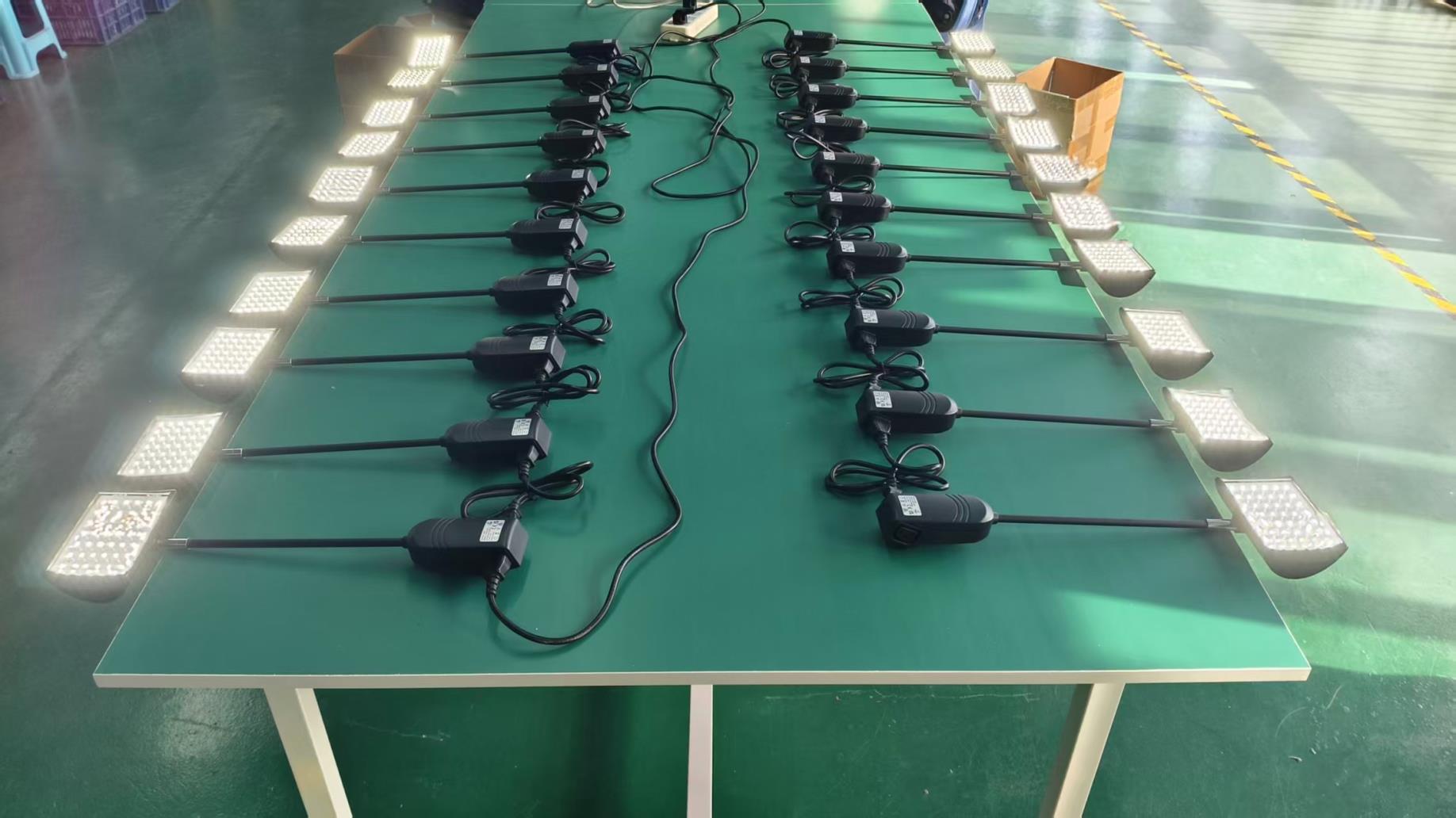
Our commitment to technical excellence extends to the very machines we use. For example, our Ultrasonic Welding Machines (shown above) ensure a hermetic seal for our IP65 and IP66 rated products, a necessity in the high-humidity environments of hydroponic grow rooms. Each unit undergoes a rigorous 24-hour aging test to eliminate infant mortality of electronic components, ensuring that once our lights are installed in a Tokyo facility, they remain operational without maintenance for years.
Furthermore, our R&D into LED driver power supplies allows us to offer a wide range of input voltages, including the standard 100V-200V utilized across Japan’s diverse power grid. By controlling the manufacturing of the driver—the most common point of failure in LED systems—we offer a reliability rating that is 30% higher than competitors who outsource their power components.