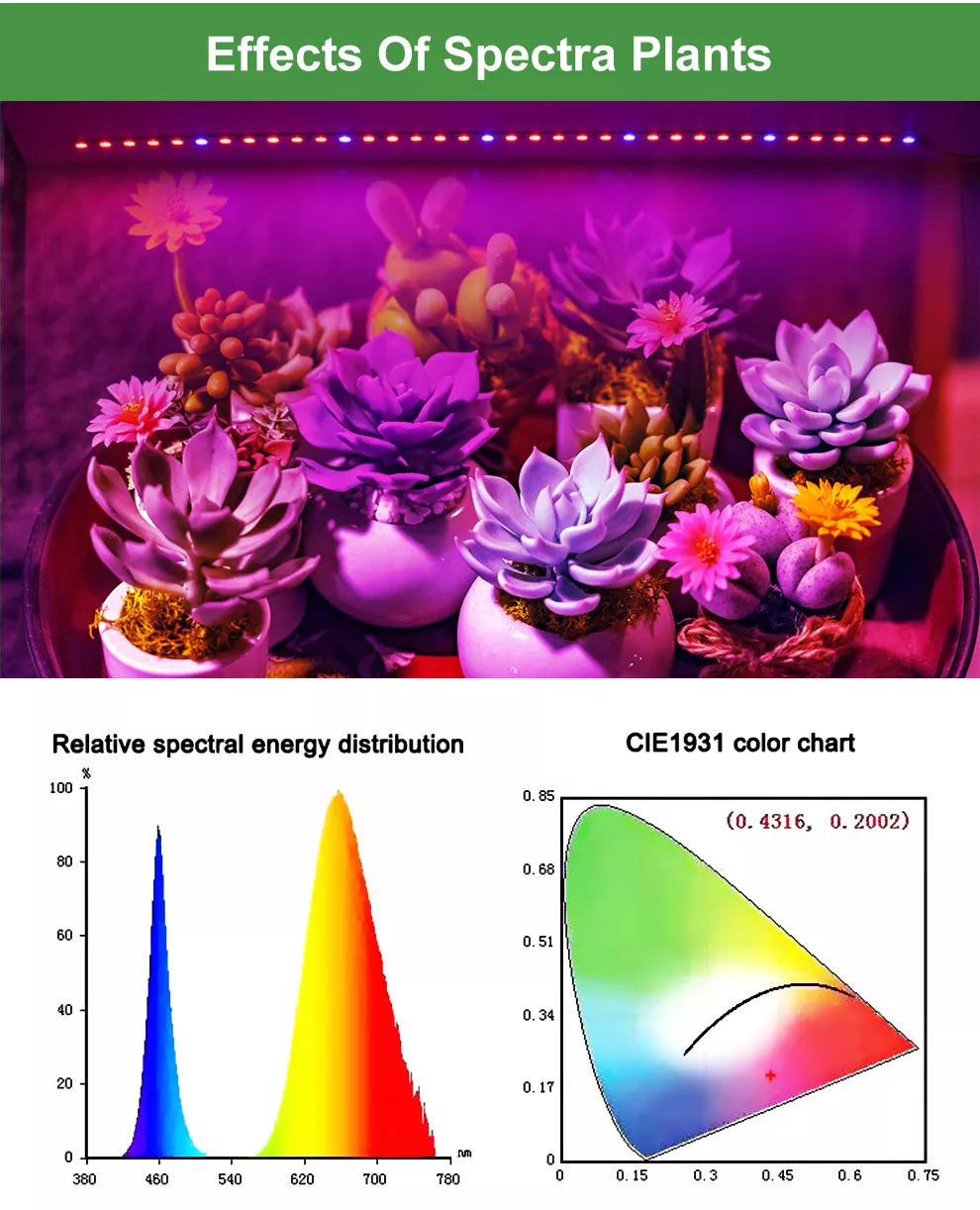
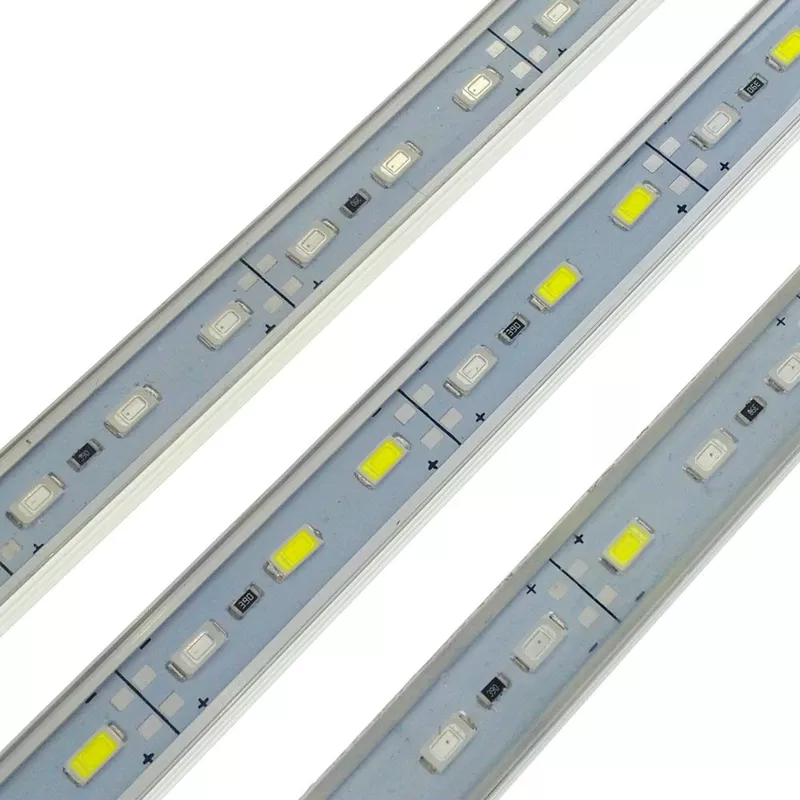
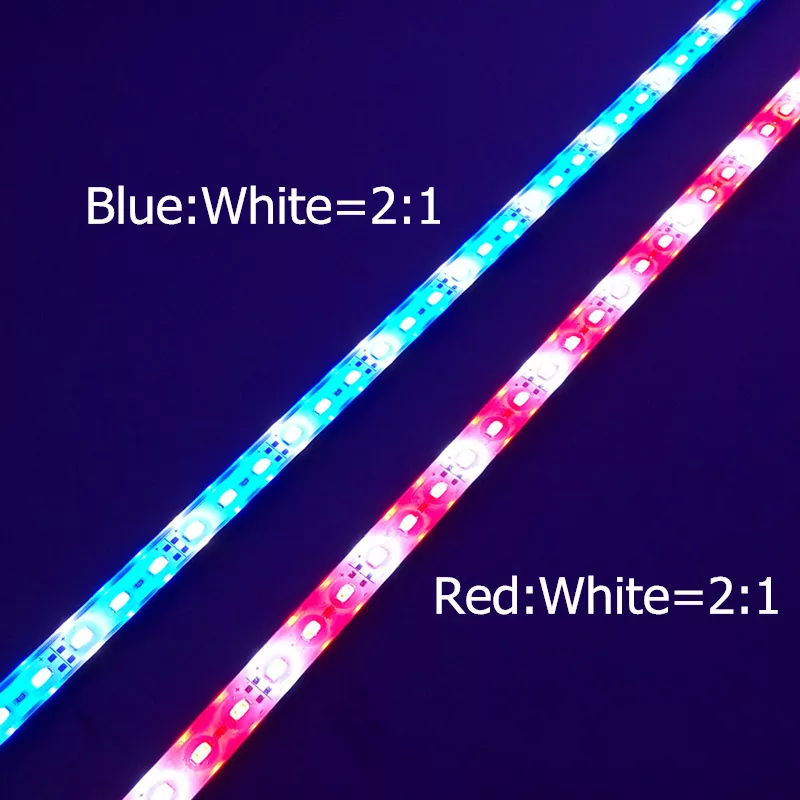
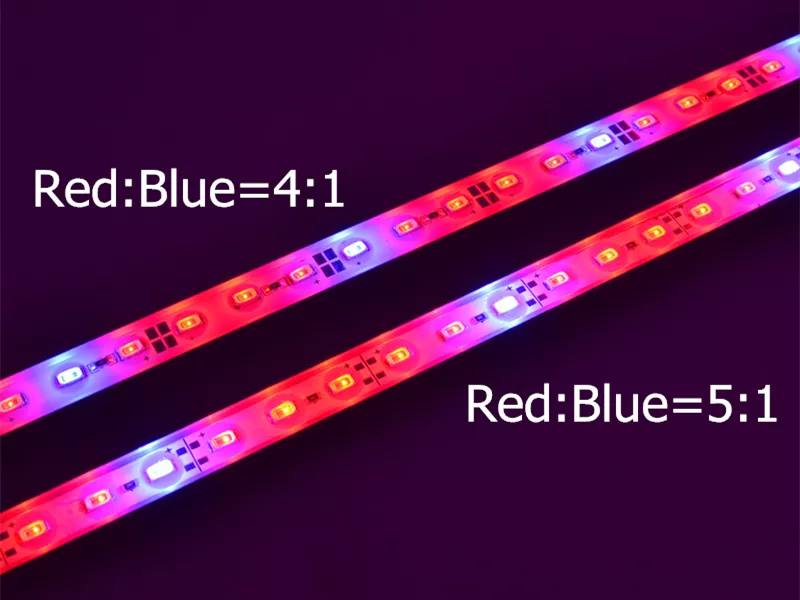
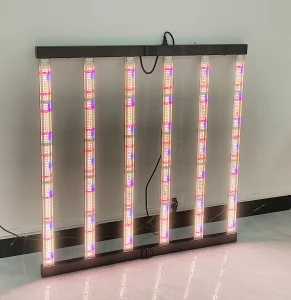
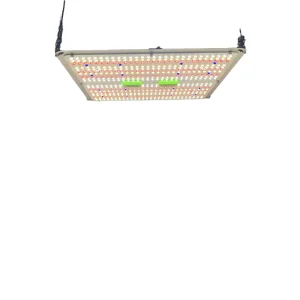
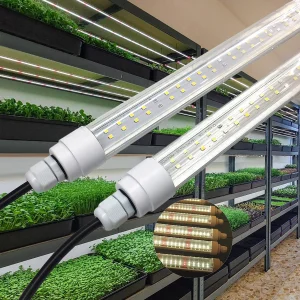
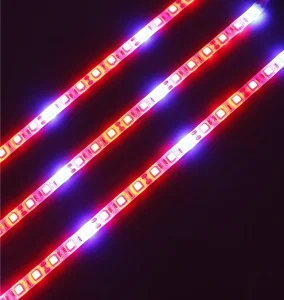
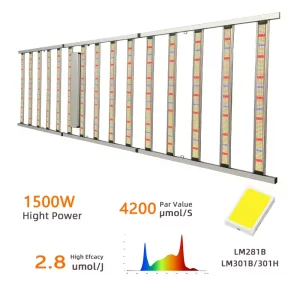
Spectral Range Effects on Plant Physiology:
- 280nm ~ 315nm: Influence on morphological and physiological processes is minimal
- 315nm ~ 420nm: Chlorophyll absorbs less, impacts photoperiod effect, prevents stem elongation
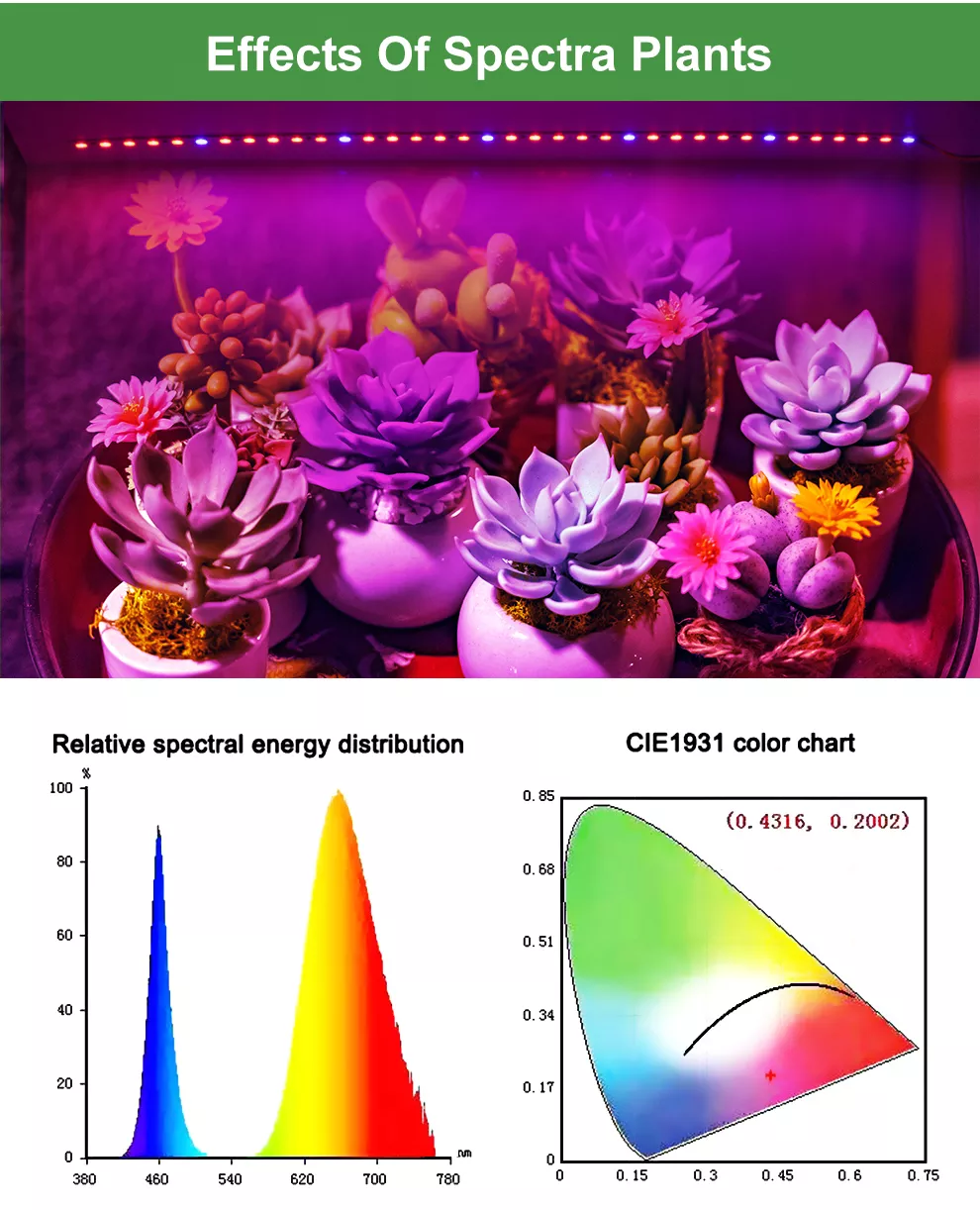
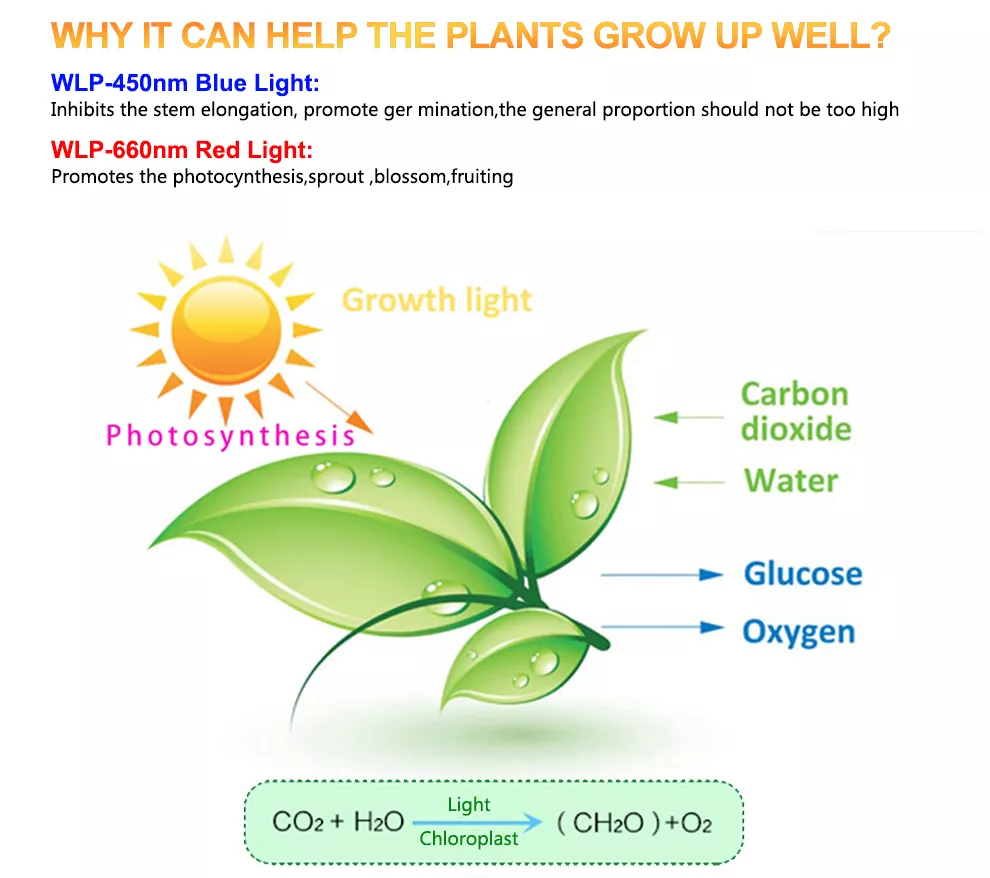
- 420nm ~ 500nm (Blue): Chlorophyll and carotenoids absorbed largest proportion; greatest impact on photosynthesis
- 500nm ~ 620nm: Dye absorption rate is not high
- 620nm ~ 750nm (Red): Chlorophyll absorption rate "high"; significant influence on photosynthesis and photoperiod
- 750nm ~ 1000nm: Stimulates cell elongation, impacts flowering and seed germination
- > 1000nm: Converted into calorie
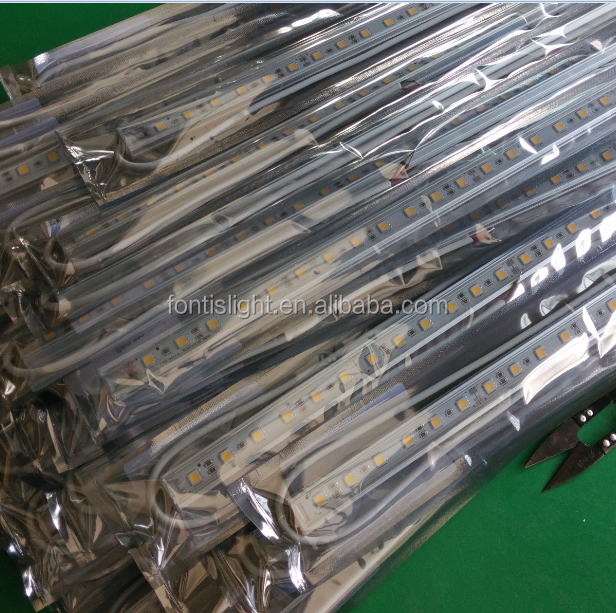
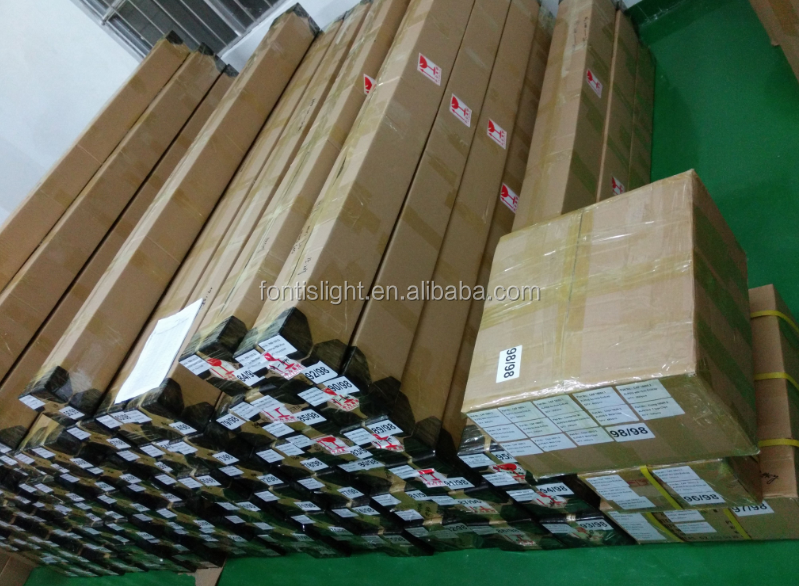
To better ensure the safety of your goods, professional, environmentally friendly, convenient and efficient packaging services will be provided.
Frequently Asked Questions
What is the specific wavelength for the Red and Blue LEDs?
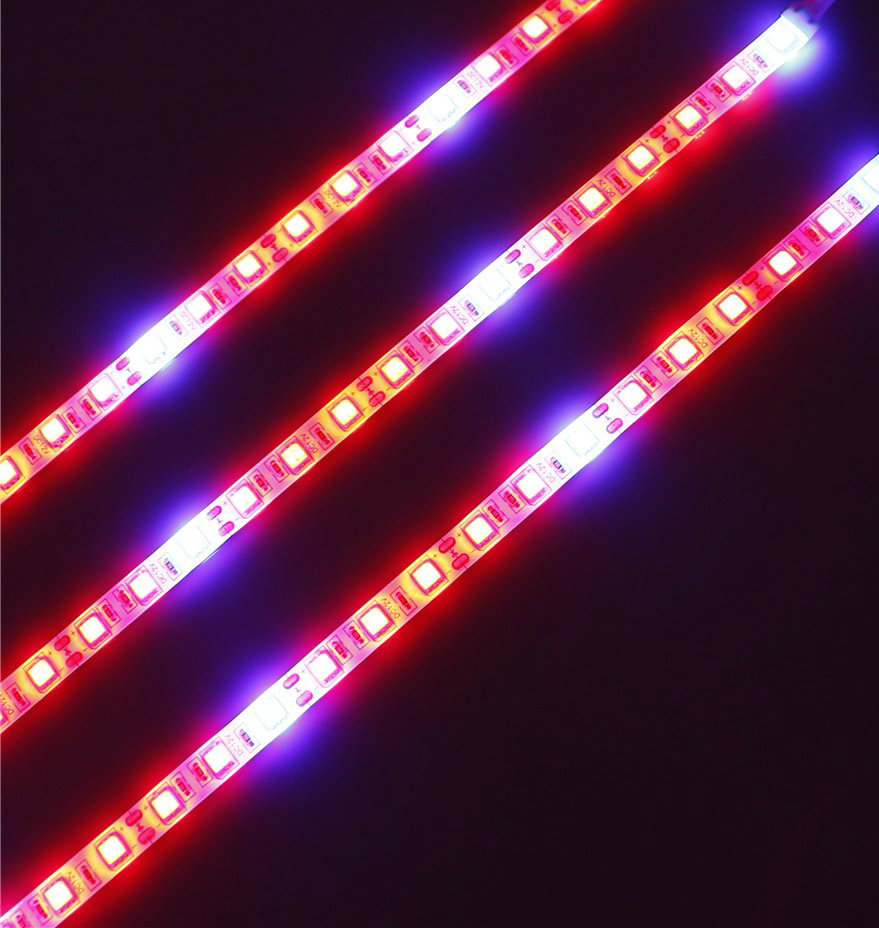
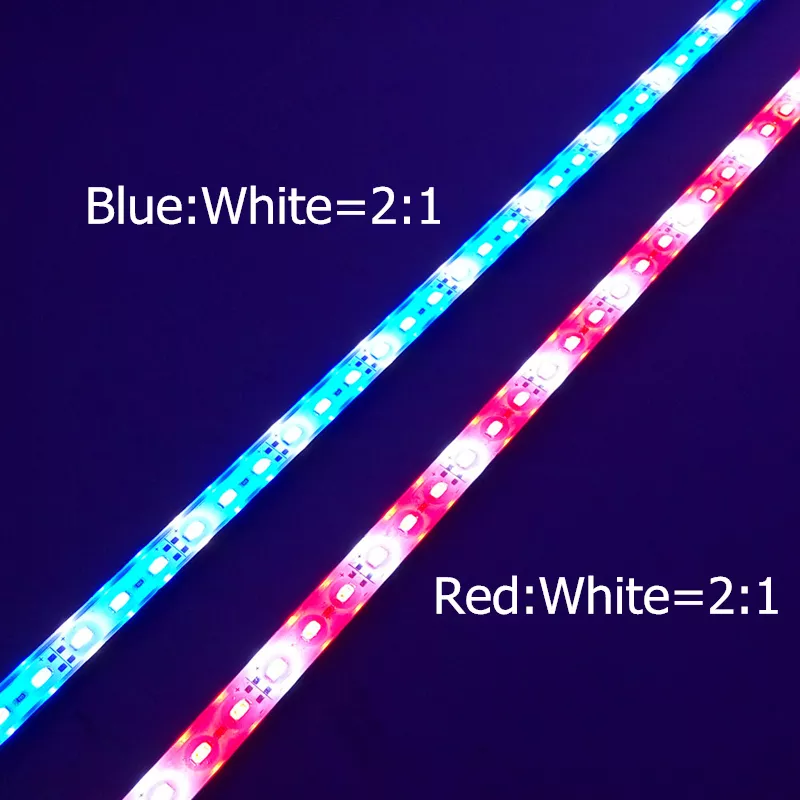
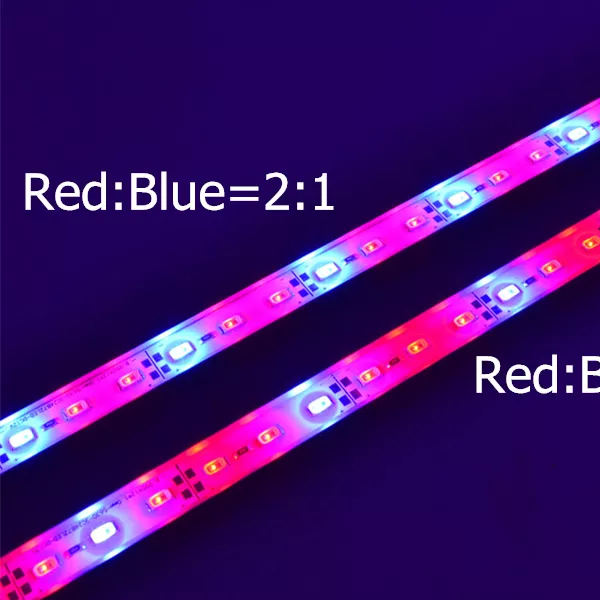
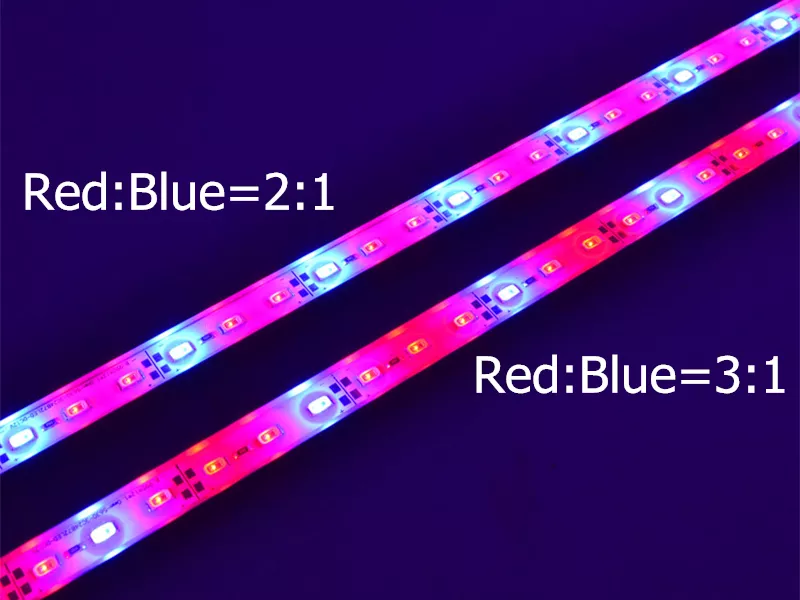
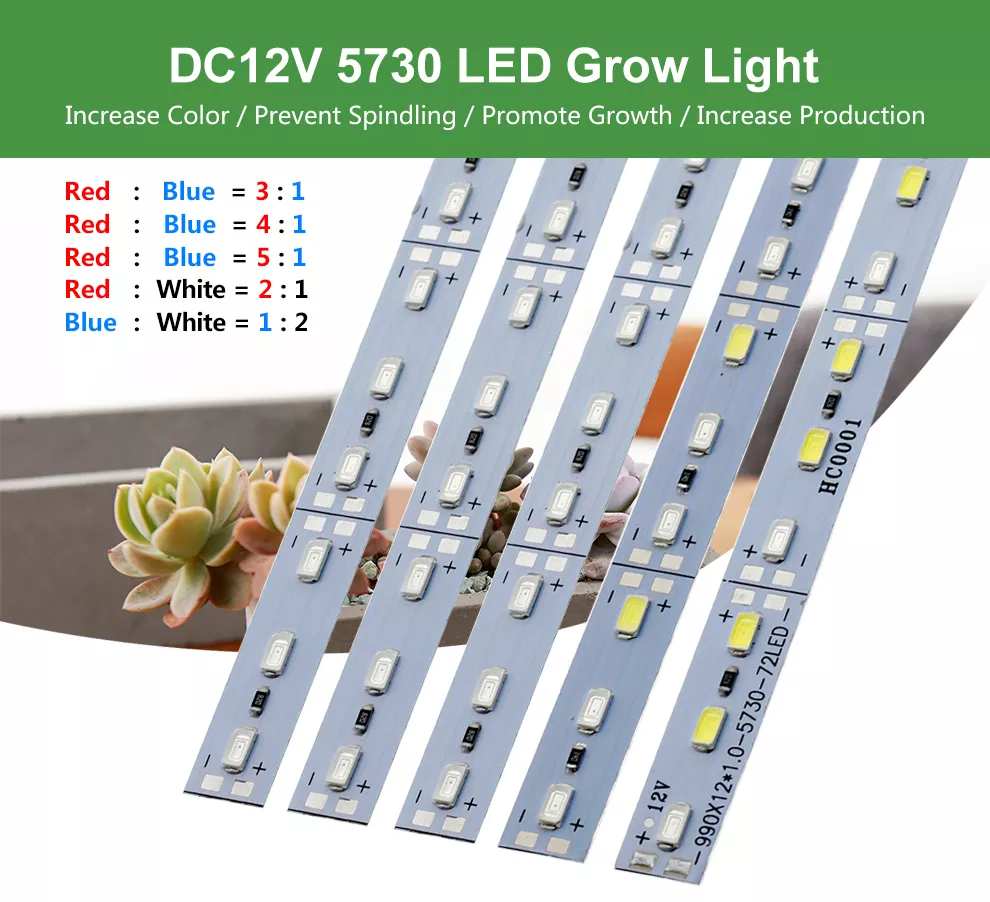
The LED strip uses 660nm for Red light and 450nm for Blue light, which are the most effective wavelengths for accelerating leaf growth and promoting flowering.
Is this LED strip light waterproof?
Yes, we offer various IP ratings including IP67 and IP68, making them suitable for humid environments like grow tents and gardens.
What input voltage is required for operation?
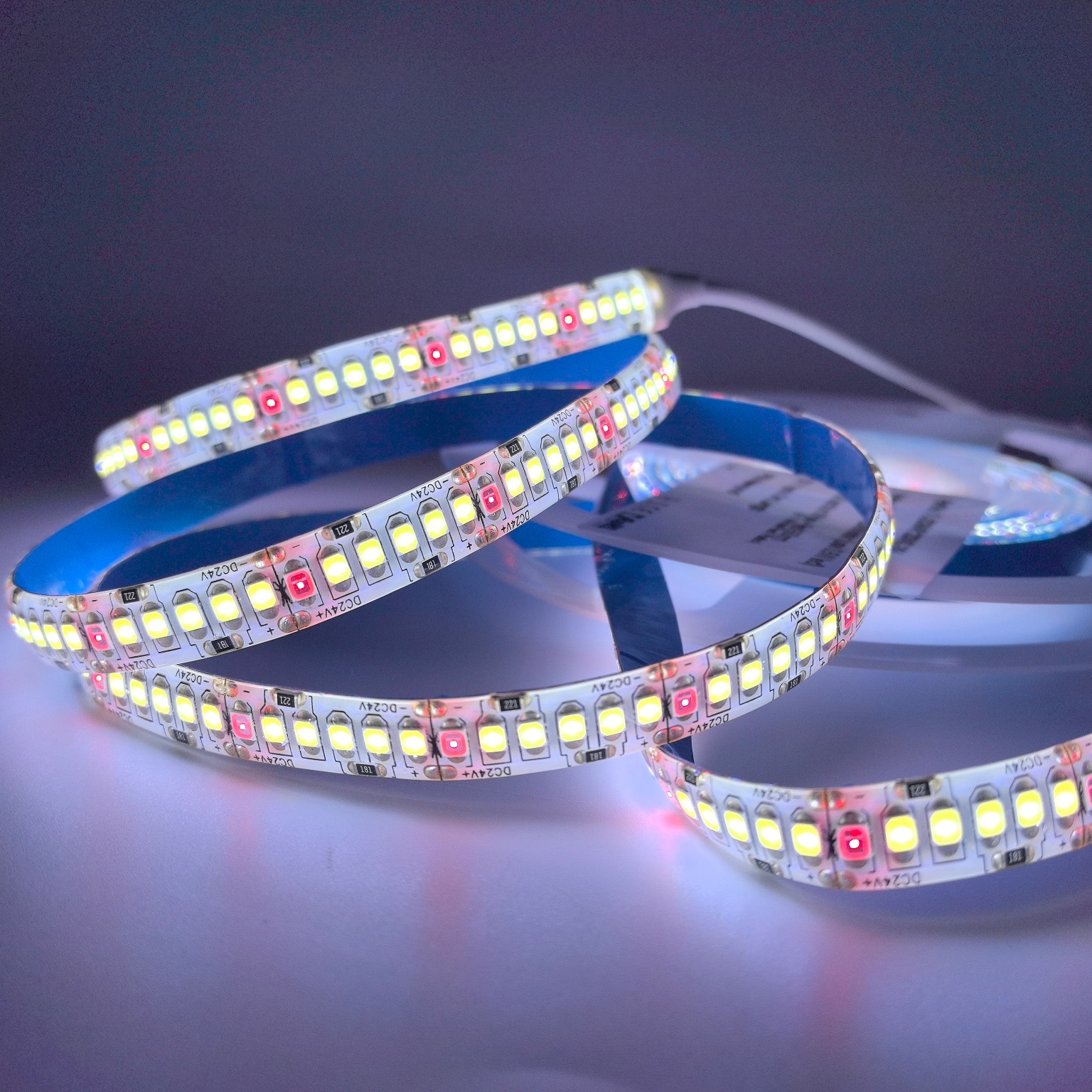
The product is designed to work with DC 12V or DC 24V power supplies, ensuring safety and compatibility with standard LED controllers.
What is the lifespan of the grow lights?
Our LED rigid strip lights have a working lifetime of up to 50,000 hours, providing long-term reliability for your planting needs.
Can the length of the LED strip be customized?
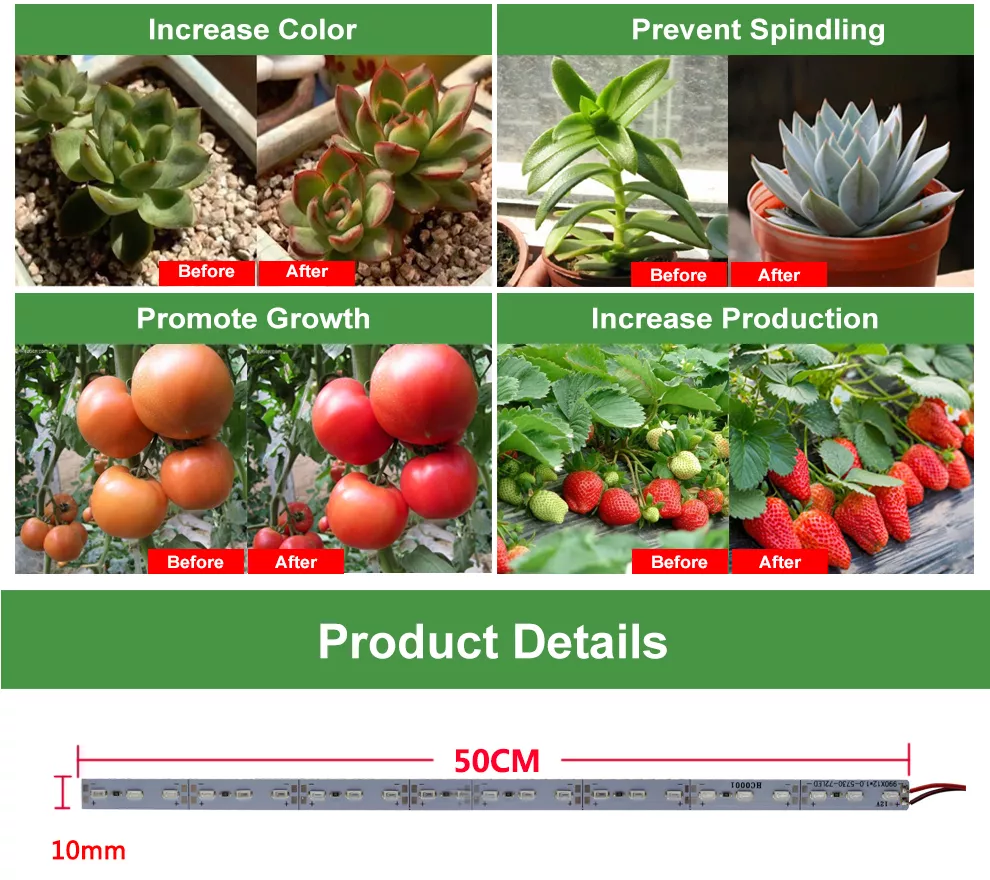
The standard length is 50cm, but we provide customization services to meet your specific project requirements.
How do you guarantee the quality of the products?
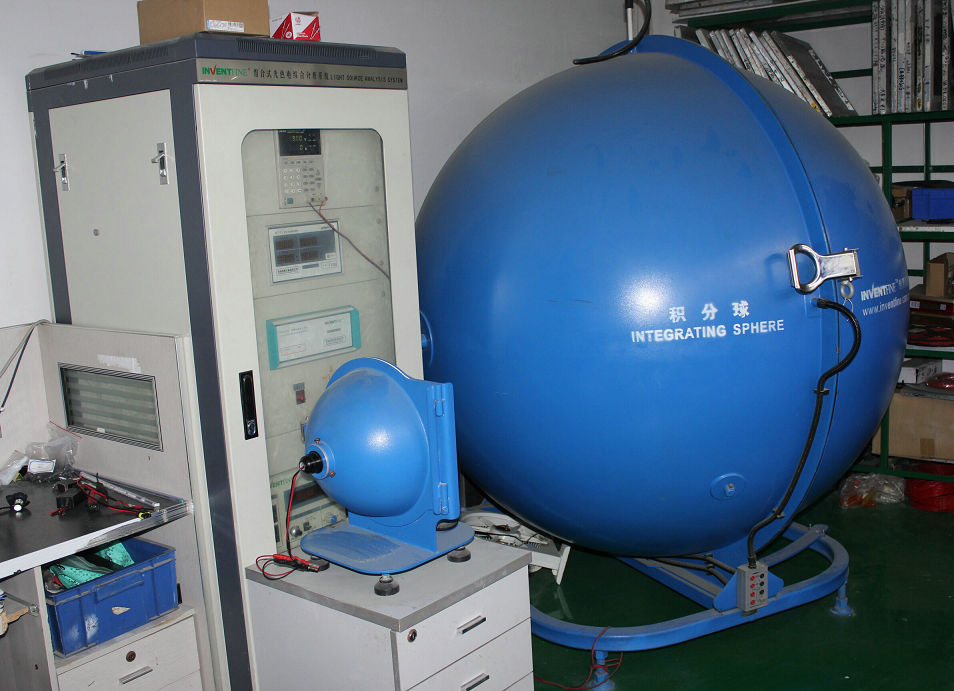
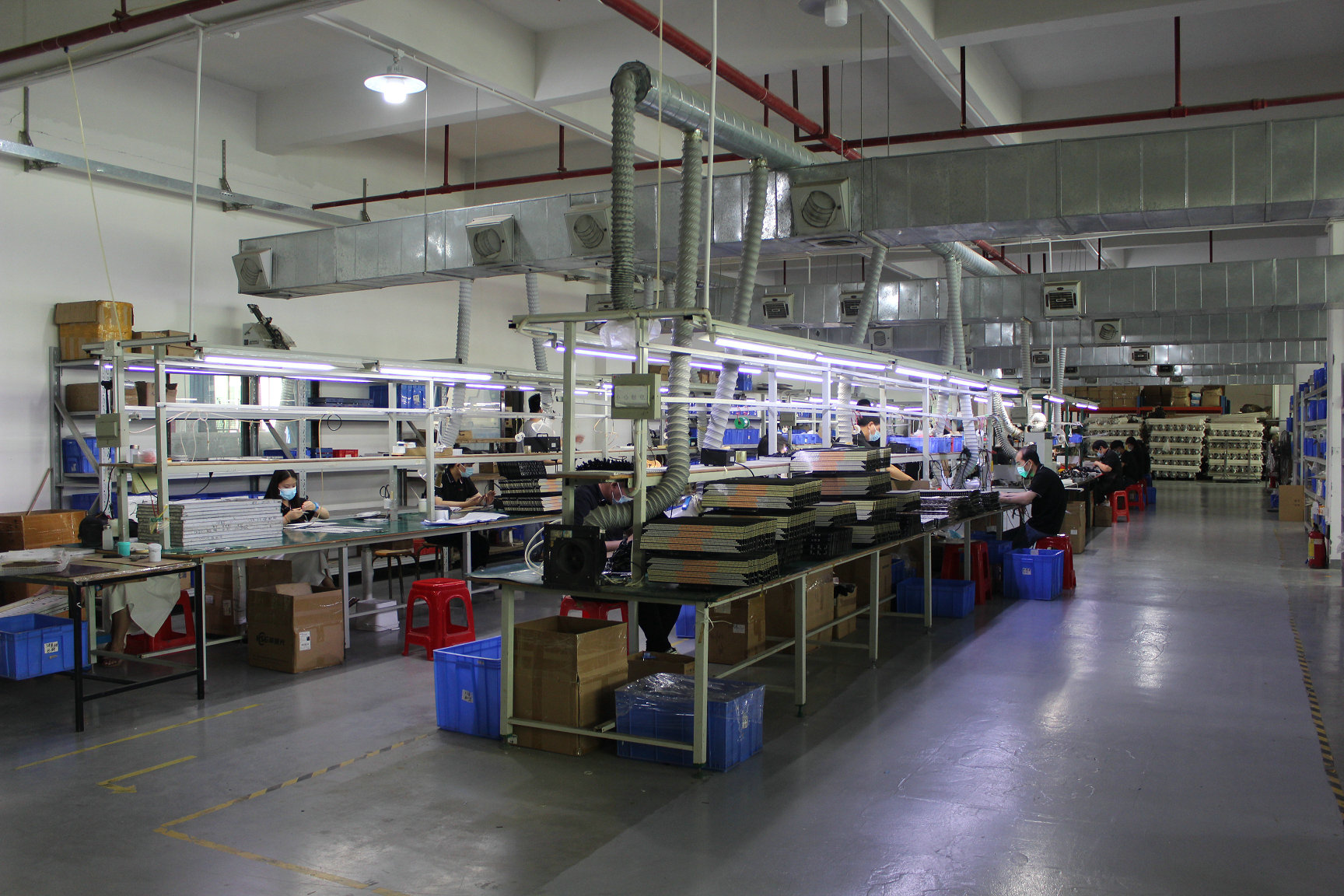
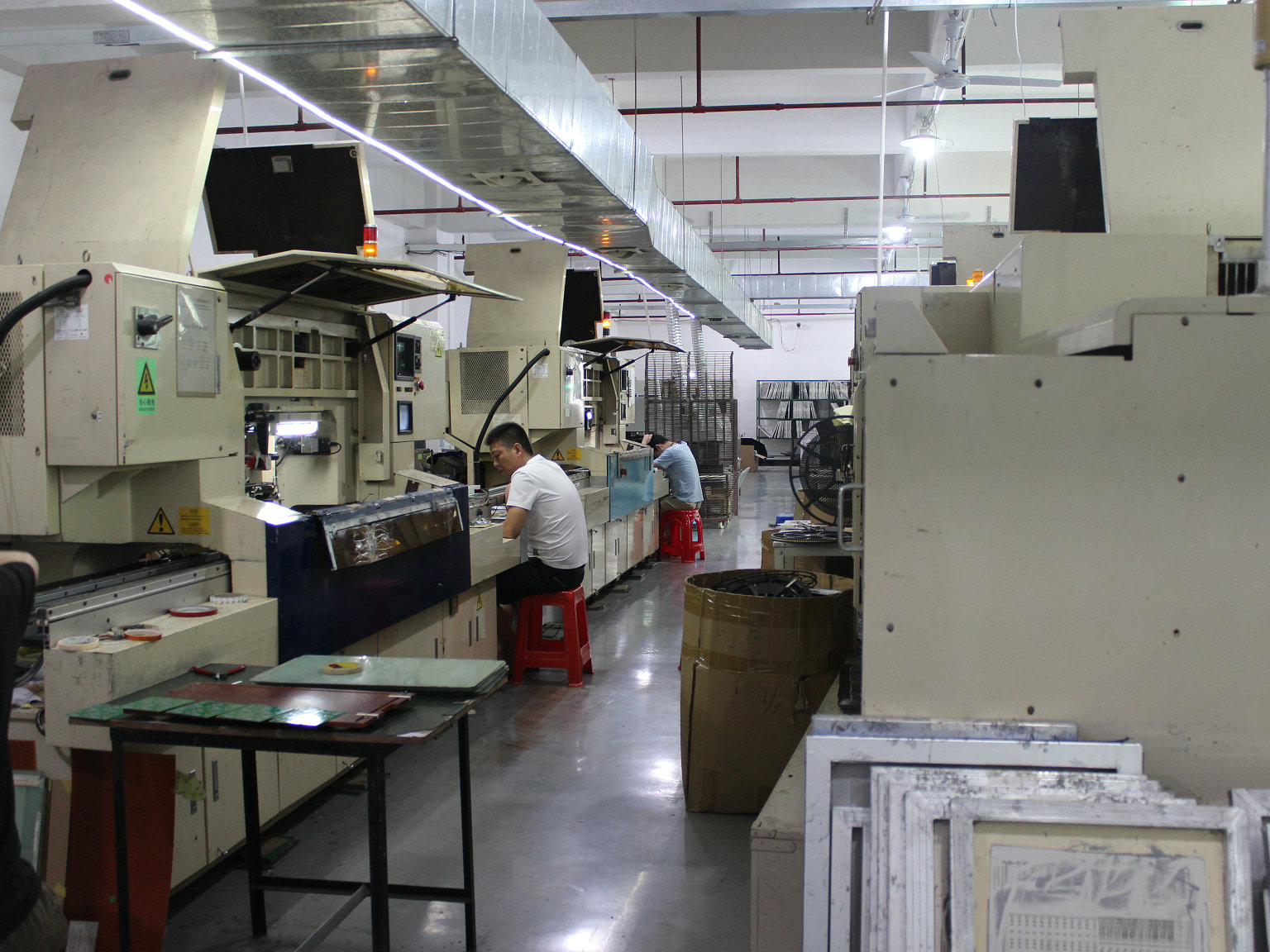
We follow a strict quality control process, including a pre-production sample before mass production and a final inspection before shipment.