Premium photobiological designs optimised for local greenhouse operations, vertical farms, and high-temperature environments.
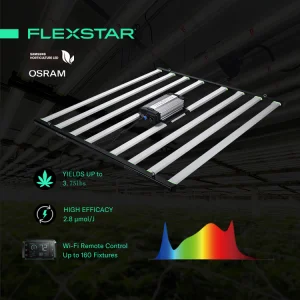
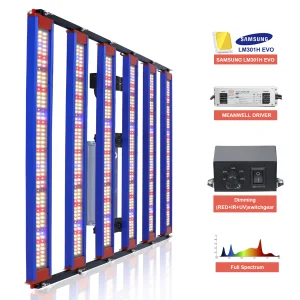
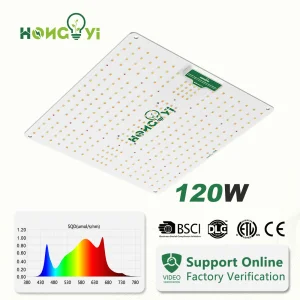
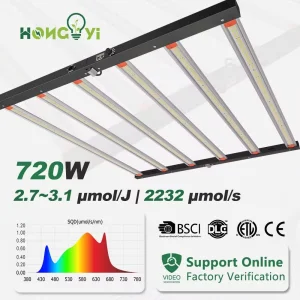
The global controlled environment agriculture (CEA) industry is undergoing a structural paradigm shift from legacy gas-discharge lamps (HPS/MH) to highly sophisticated solid-state LED systems. Driven by the pressing need for carbon reduction, extreme energy efficiency, and dynamic spectral tuning, commercial growers worldwide are adopting high-efficiency linear grow lights. While the global industry focuses on maximizing micromoles per watt, developing agricultural economies present unique localized challenges that require specialized solutions.
Namibia, characterized by its hyper-arid climate, low average rainfall, and high evapotranspiration rates, faces critical vulnerabilities in national food security. Historically dependent on importing a significant percentage of its fresh produce from South Africa, the country's local market is actively transitioning toward self-sufficiency. The government's *Green Scheme* initiative, combined with private sector investments in areas like Khomas, Erongo, and the Karas regions, is driving demand for advanced agricultural technologies.
"Controlled Environment Agriculture in Namibia is no longer an alternative farming method; it is a strategic national security priority to mitigate climate change volatility, conserve scarce groundwater, and achieve food self-reliance."
However, the Namibian climate introduces distinct engineering challenges for commercial growers. Ambient daytime temperatures in greenhouses can frequently exceed 40°C, and water resources are heavily mineralized or strictly rationed. Under these conditions, legacy high-pressure sodium (HPS) systems are non-viable due to the excessive radiant heat they emit directly onto the crop canopy, which drastically increases plant transpiration rates and crop water stress. Modern linear LED grow lights solve this challenge by separating heat generation from light emission. Our passive-cooling fixtures dissipate thermal energy upward through high-grade aluminum extrusions, keeping the crop canopy cool, reducing water consumption by up to 40%, and maintaining optimal Photosynthetic Active Radiation (PAR) delivery.
Namibia boasts some of the highest solar irradiance levels globally, yet commercial grid electricity tariffs remain relatively high and subject to regional supply constraints. For CEA operators, the cost of grid power to run HVAC systems and supplemental lighting can quickly erode operational profitability. The solution lies in high-efficacy horticultural LED systems integrated with on-site photovoltaic (PV) solar microgrids.
As a premier factory and exporter, we design our linear LED grow lights with high-efficiency drivers (up to 96% power factor correction) and top-bin Samsung LM301H EVO diodes, yielding system efficacies up to 3.1 μmol/J. By minimizing electrical current requirements, our lighting arrays reduce the capital expenditure (CAPEX) of solar storage batteries and hybrid inverters, making off-grid and semi-grid-tied indoor farming financially viable in remote regions such as the Otjozondjupa and Oshikoto zones.
Furthermore, our engineering team supplies custom lighting control strategies that align with diurnal solar generation curves. Through 0-10V dimming interfaces and smart controllers, growers can program their linear lighting systems to peak during periods of maximum solar generation, reducing reliance on expensive battery backup during night cycles. This integration represents the future of desert agriculture, turning environmental challenges into a competitive advantage.
Engineered for multi-tier farming systems, hydroponic racks, and propagation shelves under intense heat conditions.
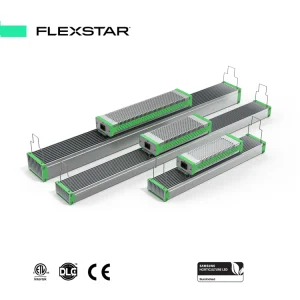
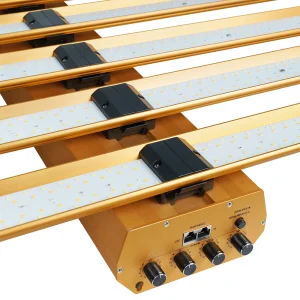
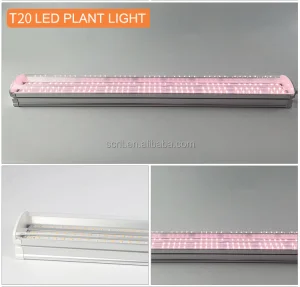
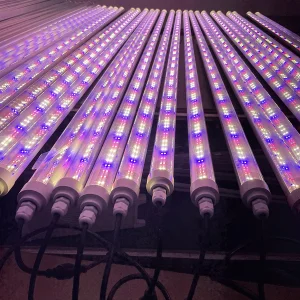
As a technical-driven manufacturer, we reject generic lighting solutions. Plants do not absorb light uniformly; instead, their photoreceptors (Chlorophyll A, Chlorophyll B, and carotenoids) respond to specific wavelengths within the Photosynthetically Active Radiation (PAR) band (400nm - 700nm). For Namibian growers cultivating in high-irradiance areas, managing light quality is just as critical as managing quantity.
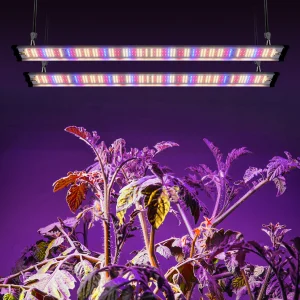
Our linear grow light bars leverage a deep-red dominated spectrum (660nm) paired with high-performance white diodes (3000K & 5000K). This combination simulates natural sunlight while boosting photosynthetic efficiency during critical vegetative and flowering cycles. We also integrate specialized ultraviolet (UV-A / UV-B) and far-red (730nm) channels. UV-A plays a vital role in stimulating secondary metabolites, raising the potency and terpene profiles of high-value crops, and natural defense mechanisms against pests. Far-red wavelengths initiate the *Emerson enhancement effect*, accelerating the transition from vegetative to flowering stages and maximizing overall throughput in space-limited environments.
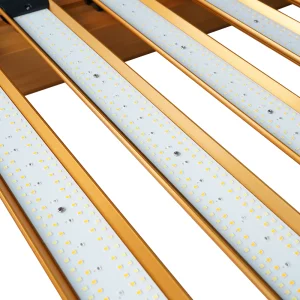
Another essential feature of our hardware is thermal management. High ambient temperatures in Namibia accelerate diode degradation. Our design integrates 6063-T5 aircraft-grade aluminum alloy housings with deep-fin heat sink configurations. By optimizing the surface-to-volume ratio, we keep junction temperatures below 65°C, ensuring our lights maintain 90% of their initial output after 50,000 operational hours. This durability is crucial for long-term investments in harsh desert climates.
A globally trusted, high-tech manufacturing leader in solid-state horticultural lighting since 2005.
Established on January 25th, 2005, Zhongshan Venti Lights Co., Ltd. is a fully integrated, national high-tech enterprise specializing in the research, development, engineering, and global exportation of advanced LED lighting solutions. With 19 years of continuous growth, we operate modern, specialized production facilities with a deep engineering team dedicated to horticultural technology.
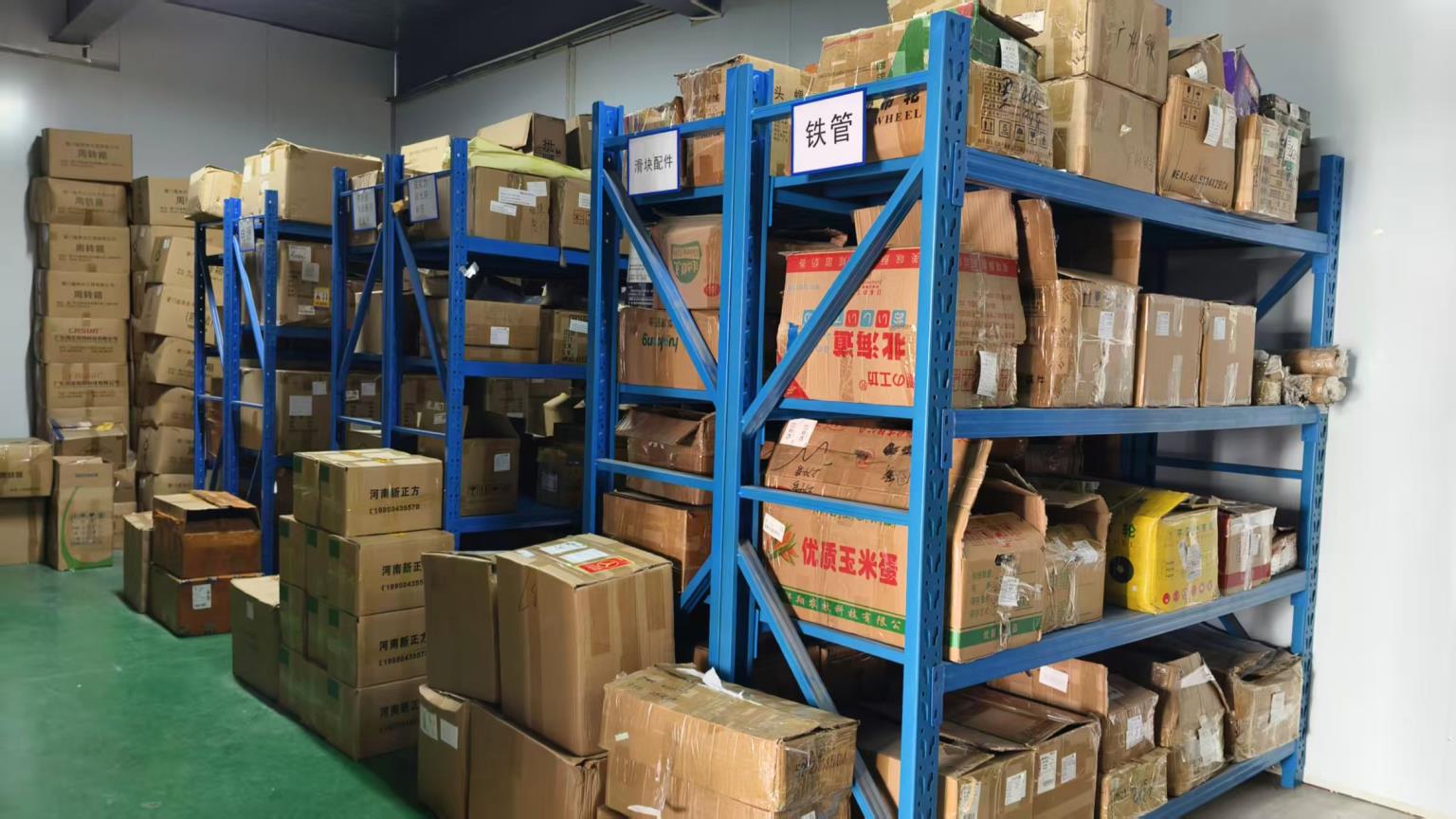
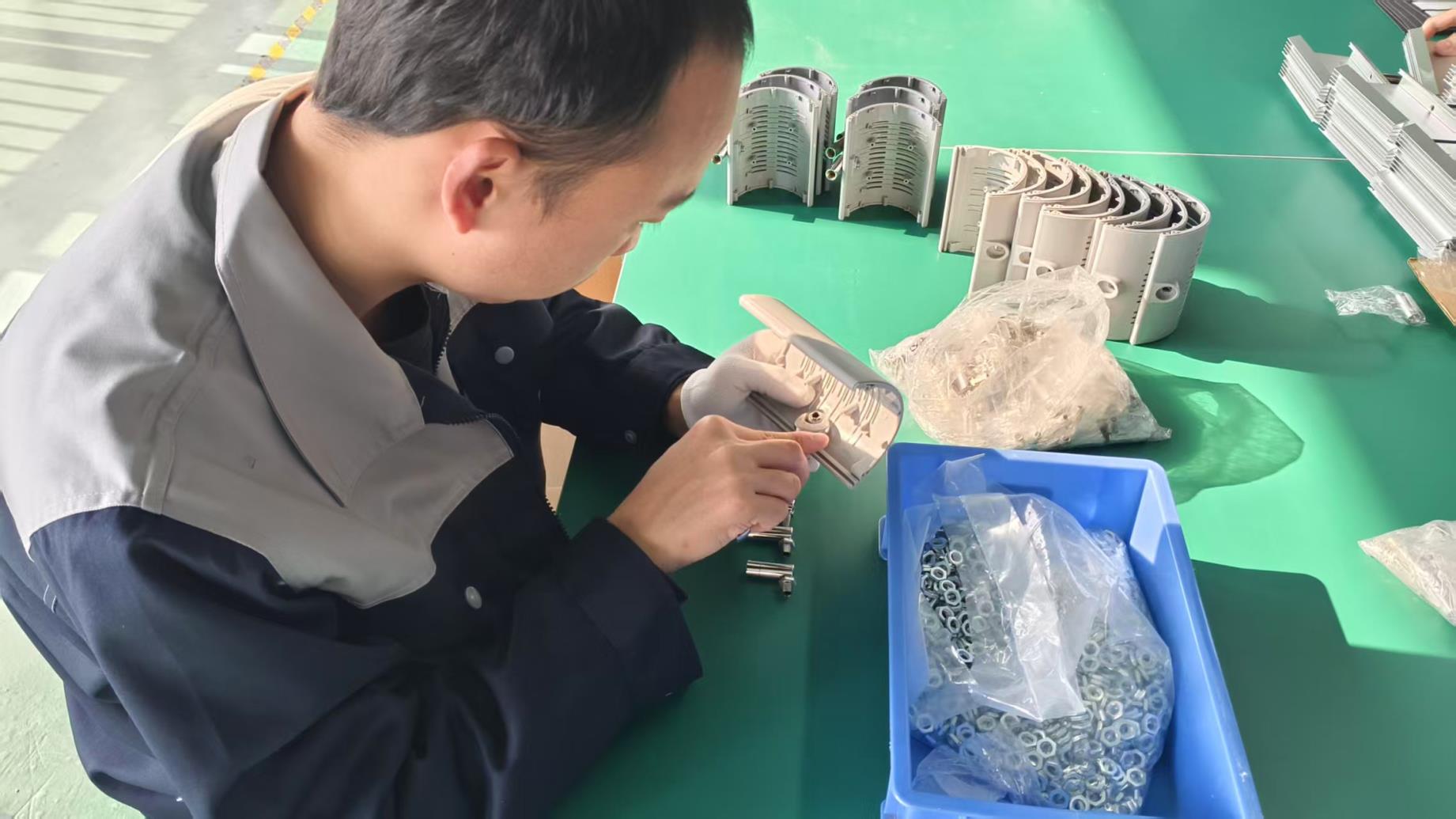
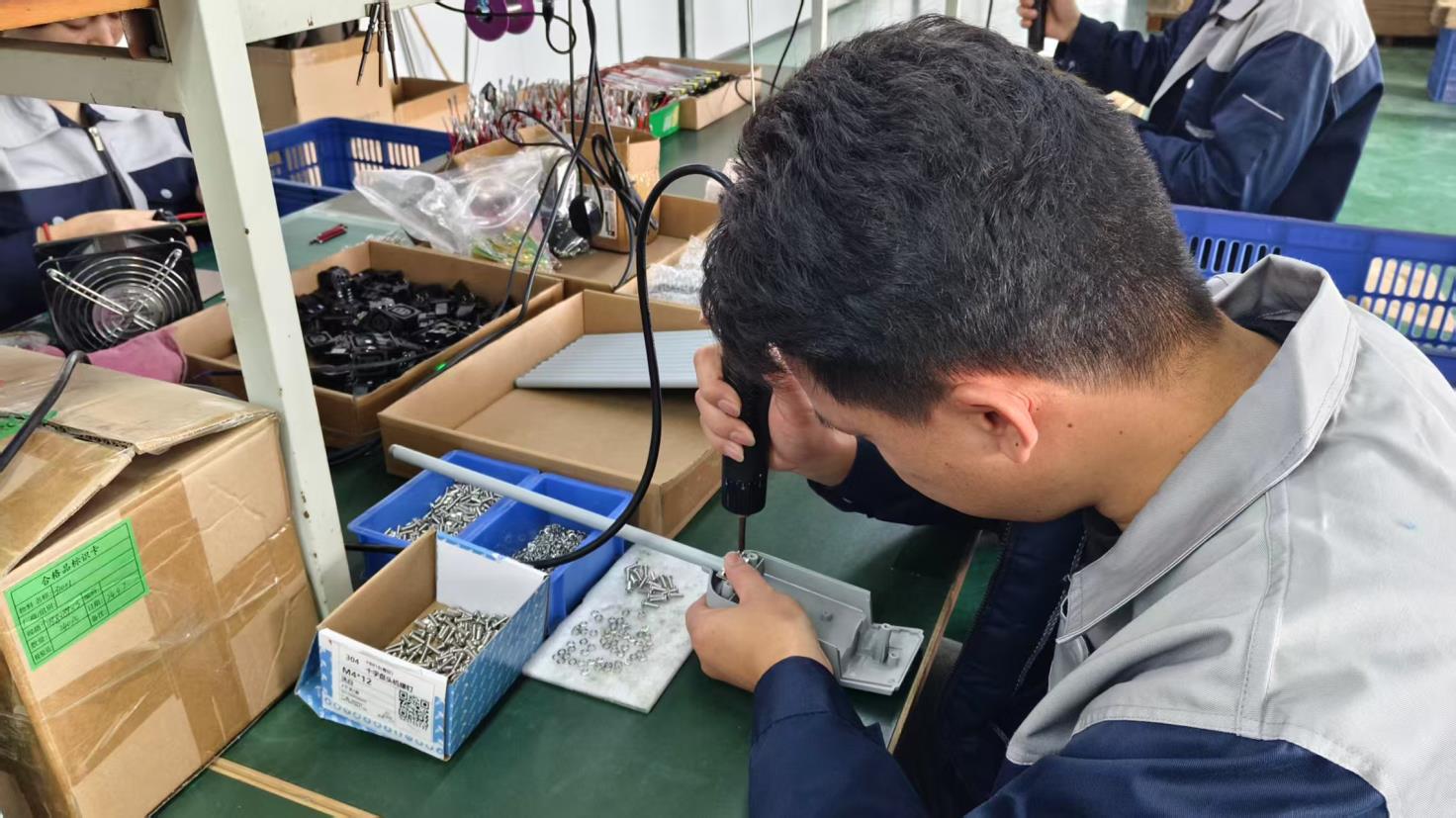
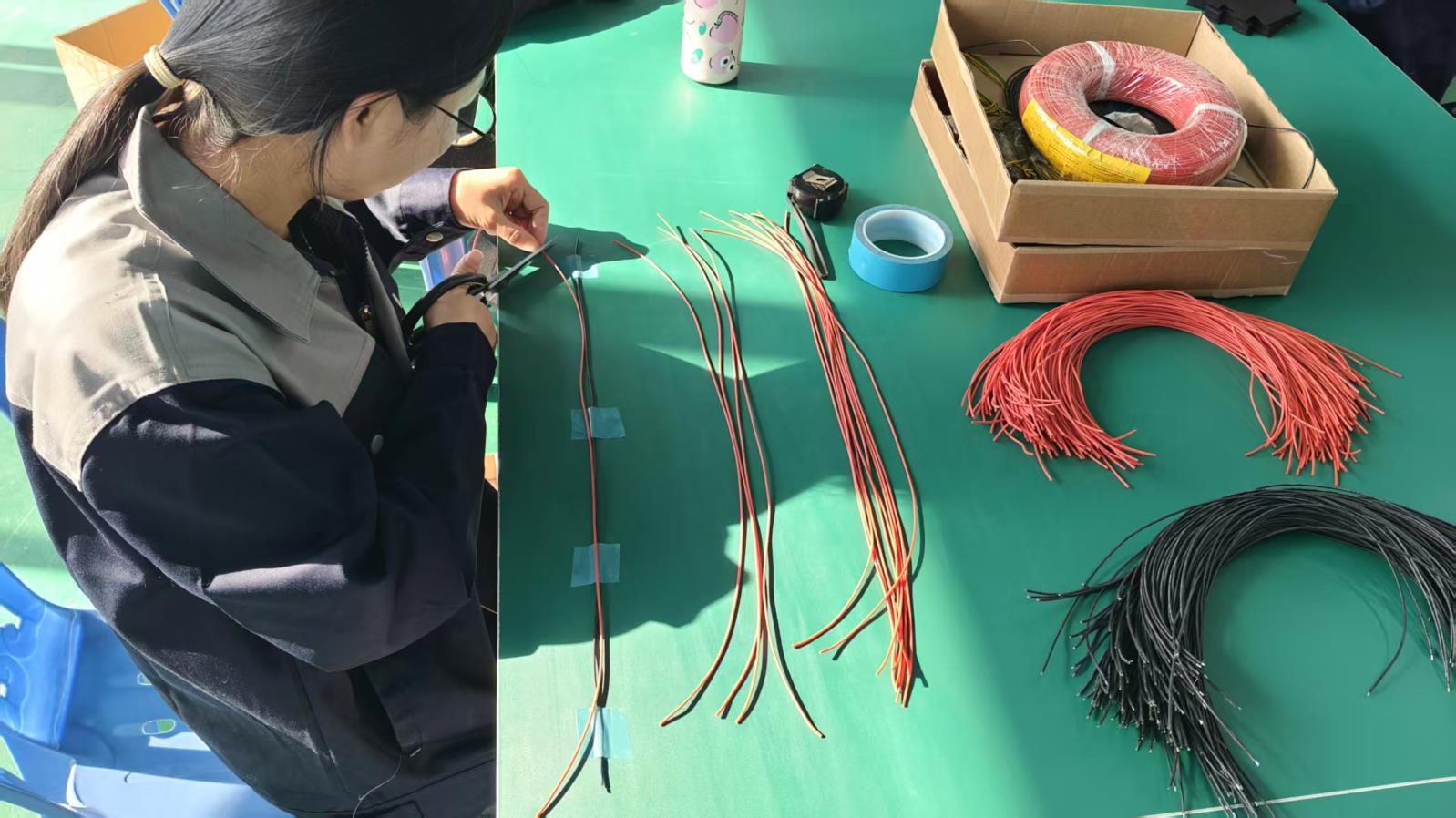
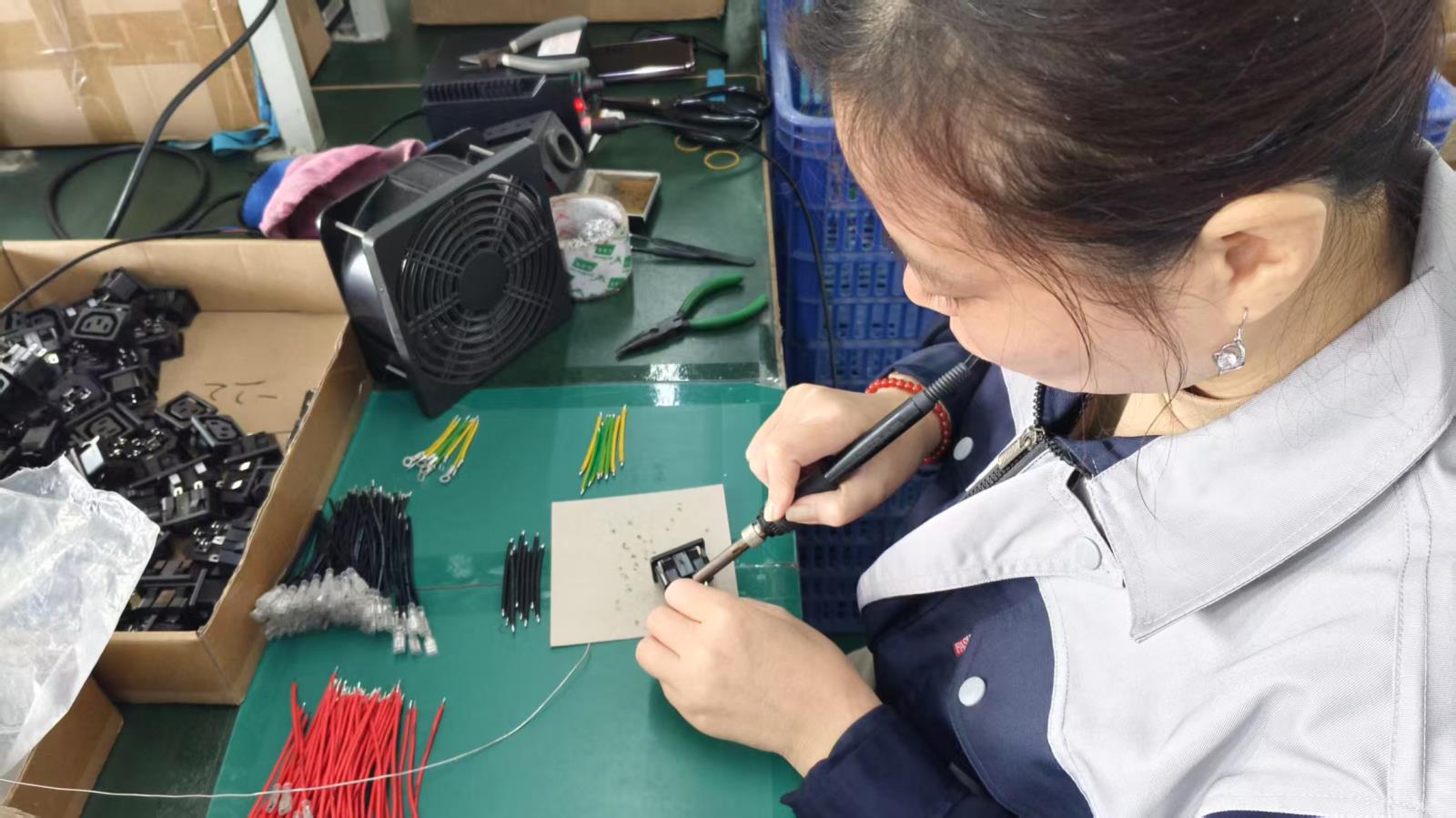
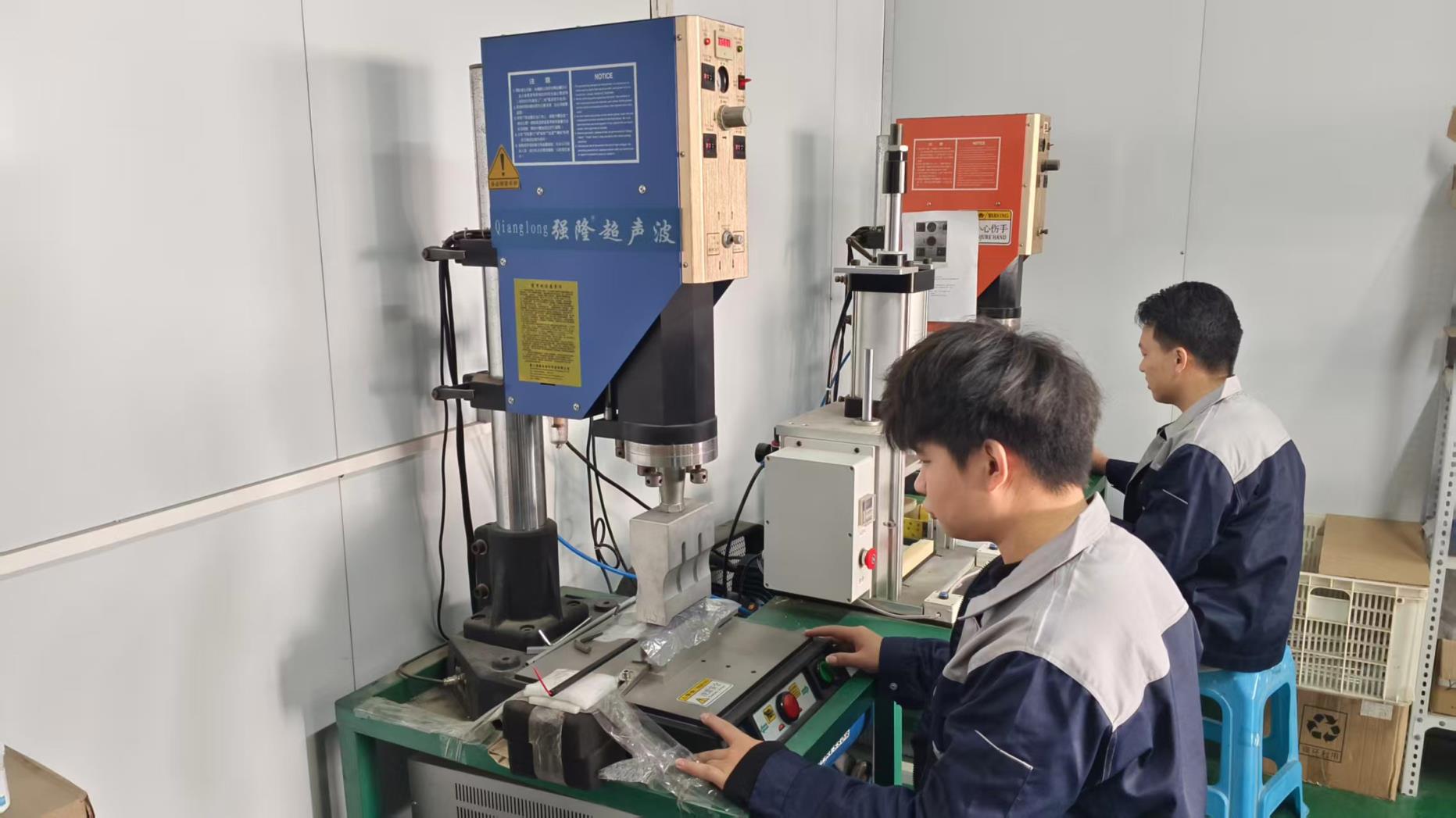
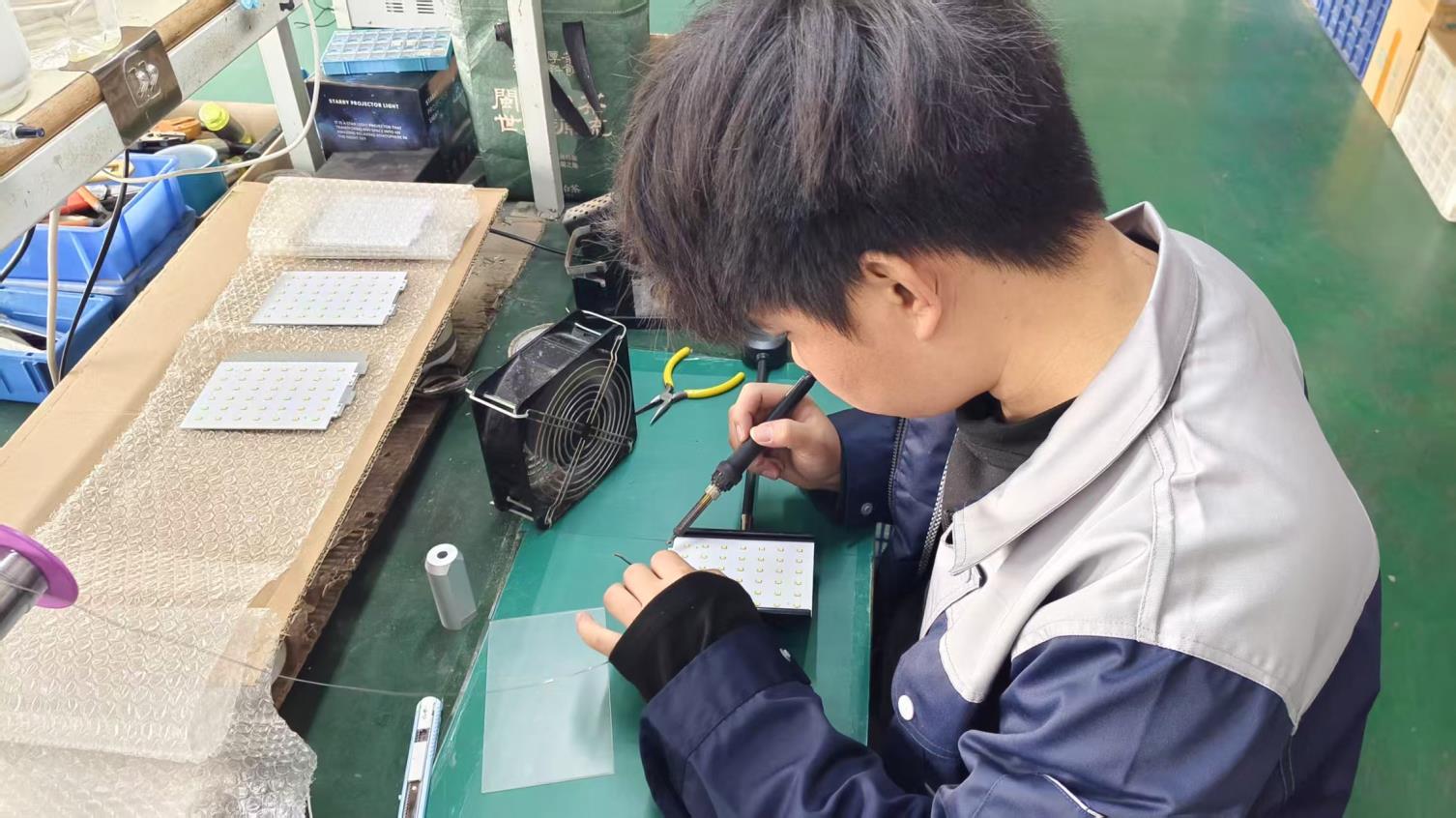
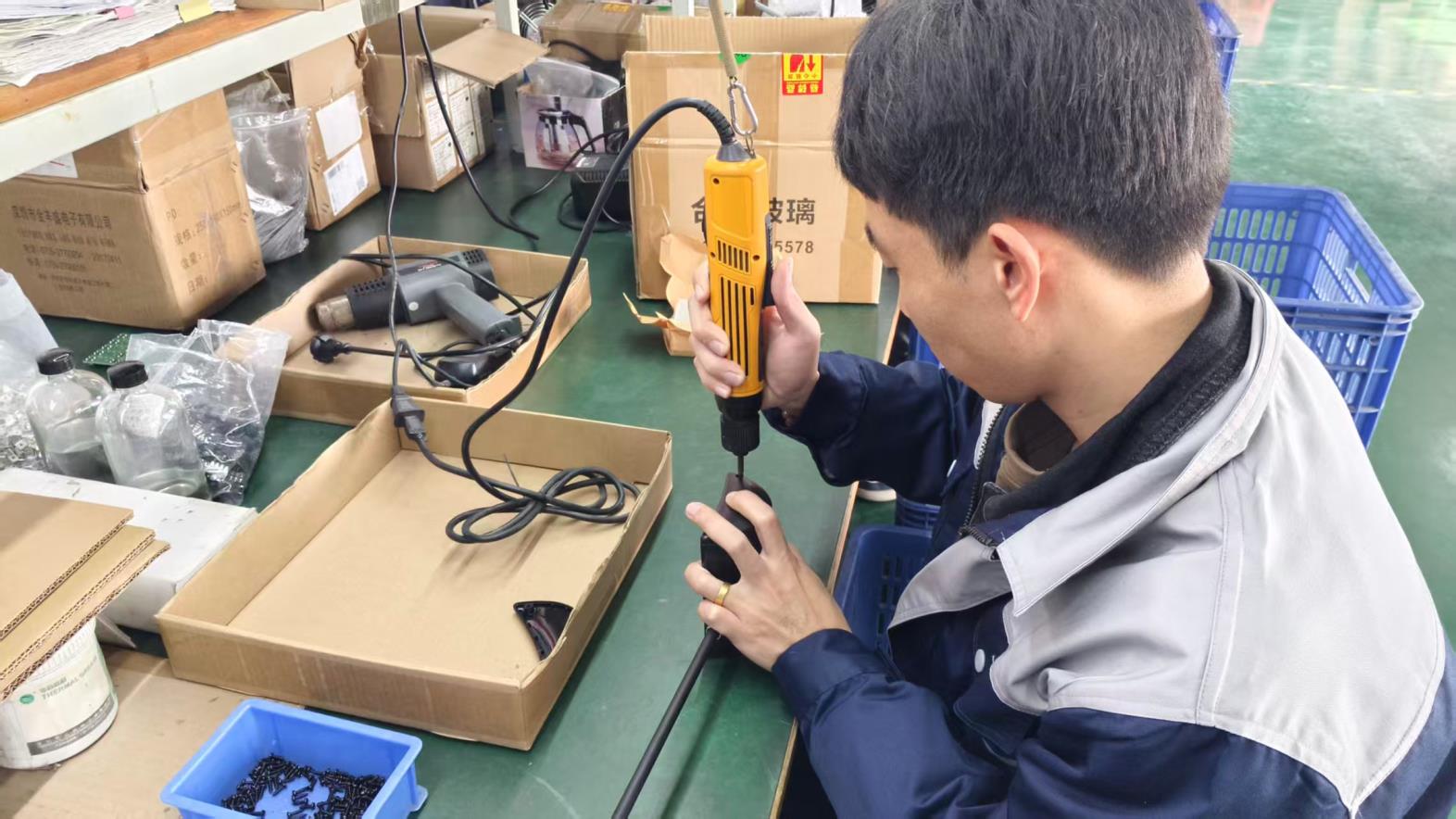
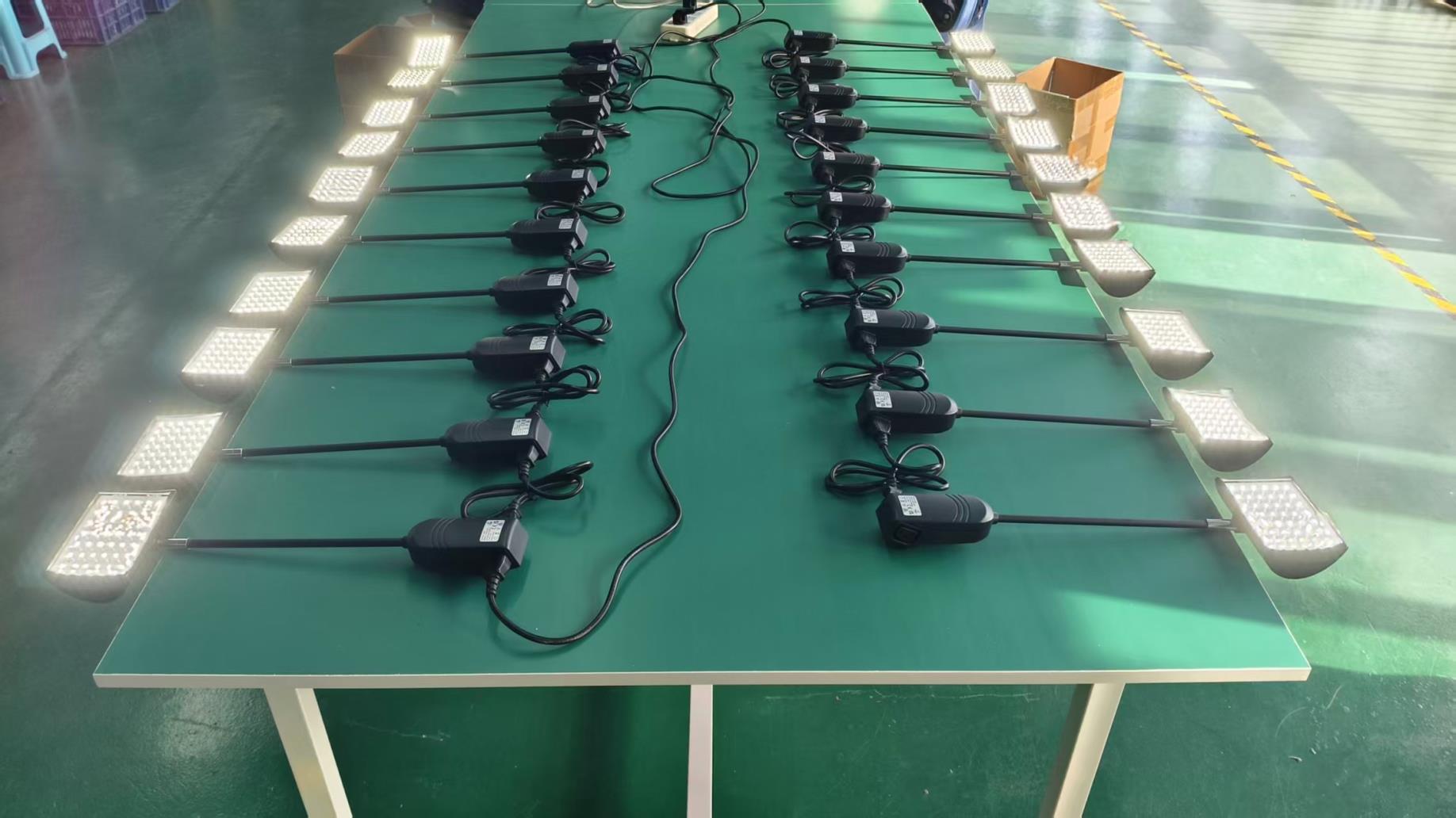
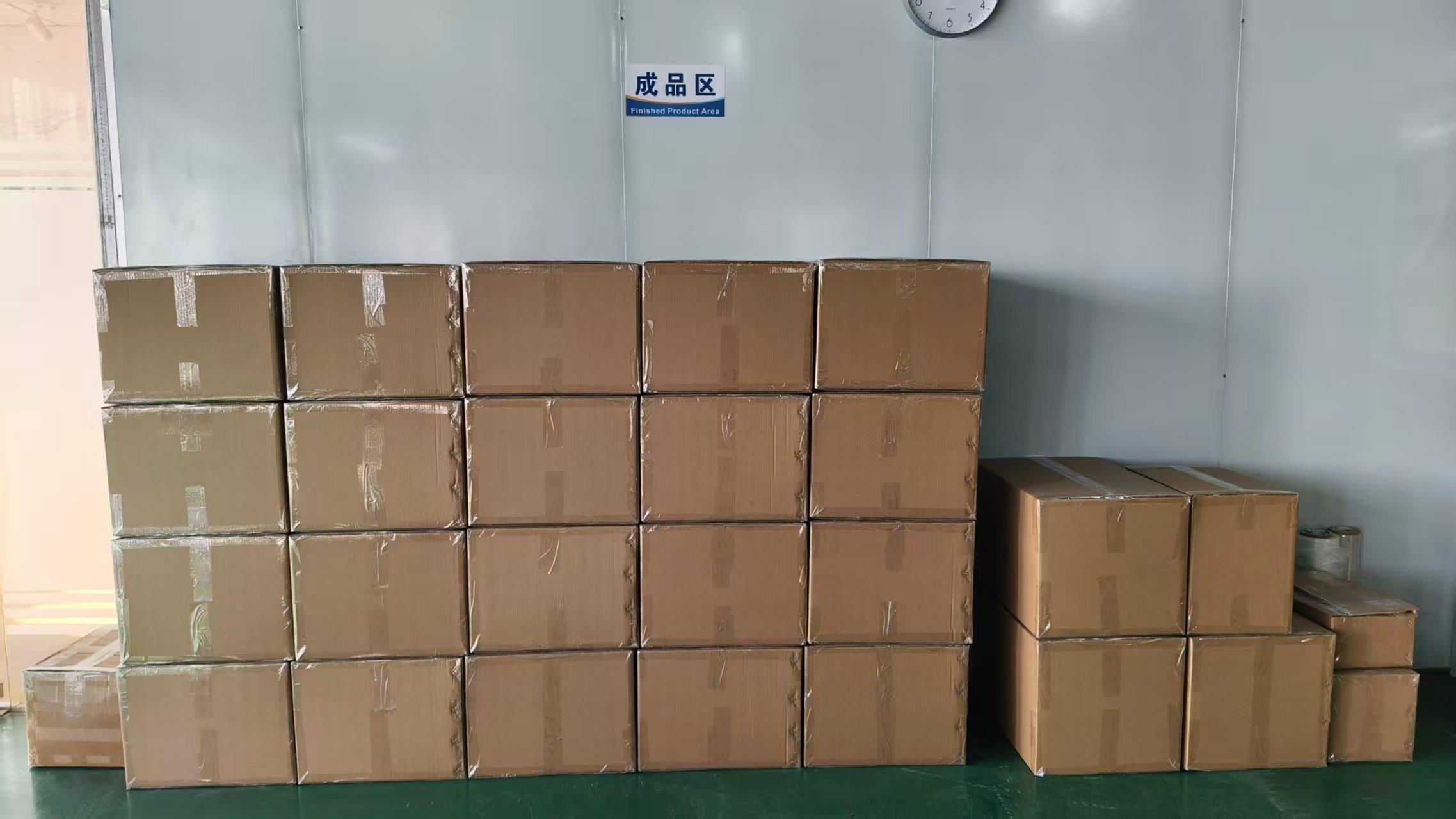
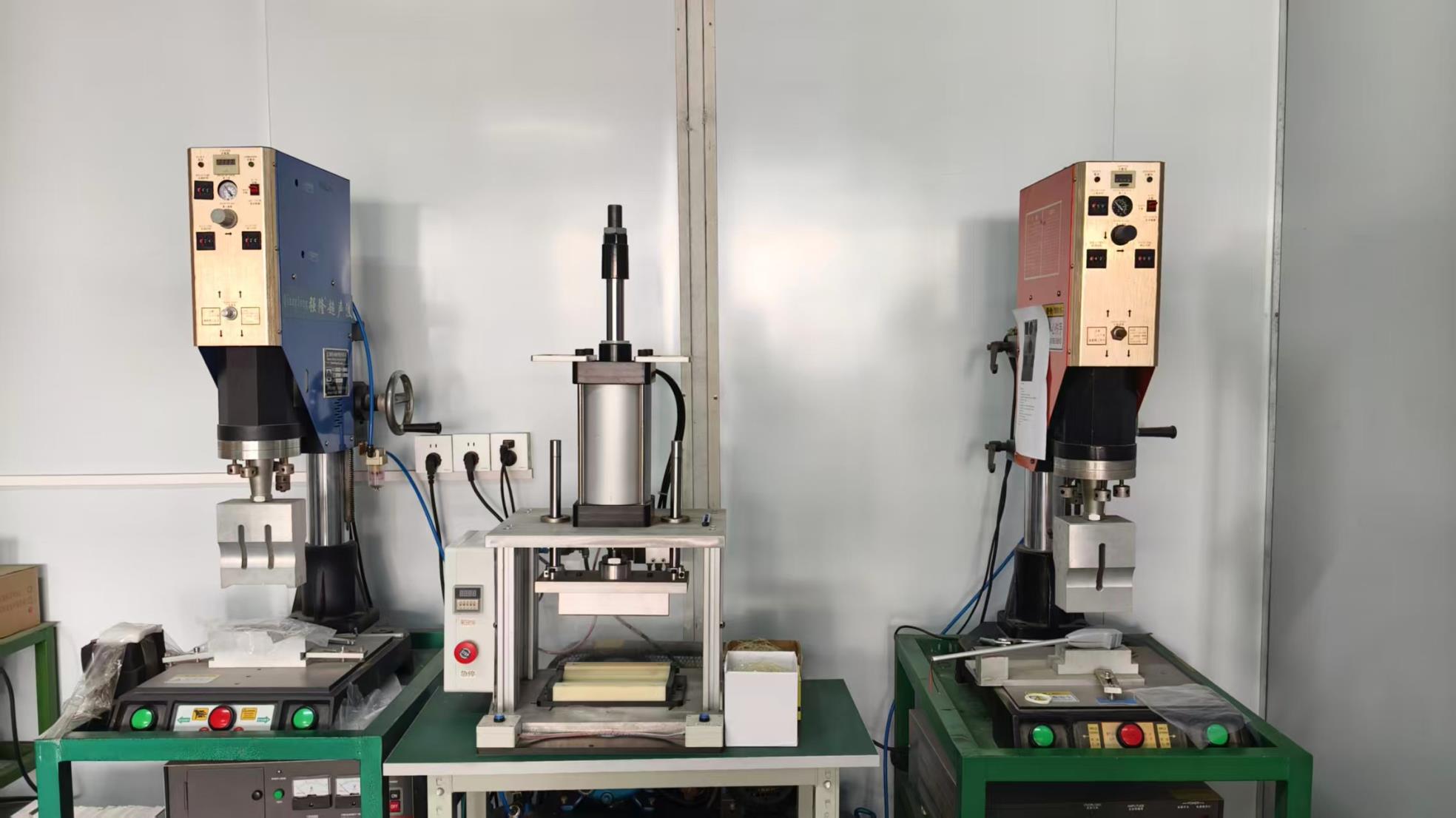
Our operation spans two specialized hubs: our 5,000 square meter Shenzhen Headquarters, focusing on high-precision LED packaging, components, and automated assembly; and our 3,000 square meter Zhongshan Subsidiary Factory, dedicated specifically to commercial LED grow lights and LED driver systems. This dual-base strategy ensures full quality control over the entire supply chain, from the raw diode to the finished, field-deployable luminaire.
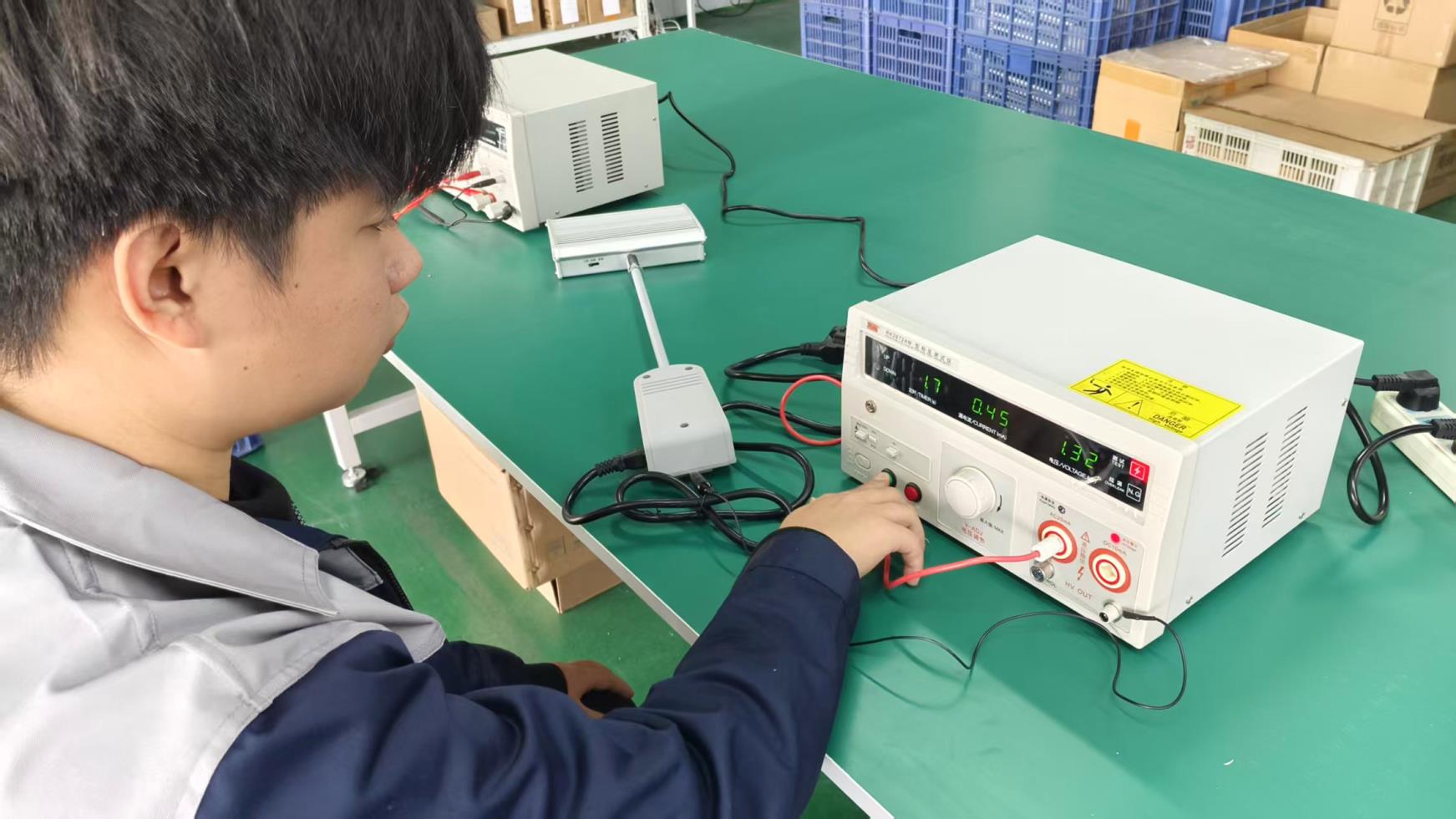
We manage our operations under strict ISO9001 quality management standards, maintaining full traceability on all components. Our products hold international certifications including CE and RoHS, and our proprietary LED driver systems are SAA certified to comply with electrical safety standards in diverse international markets.
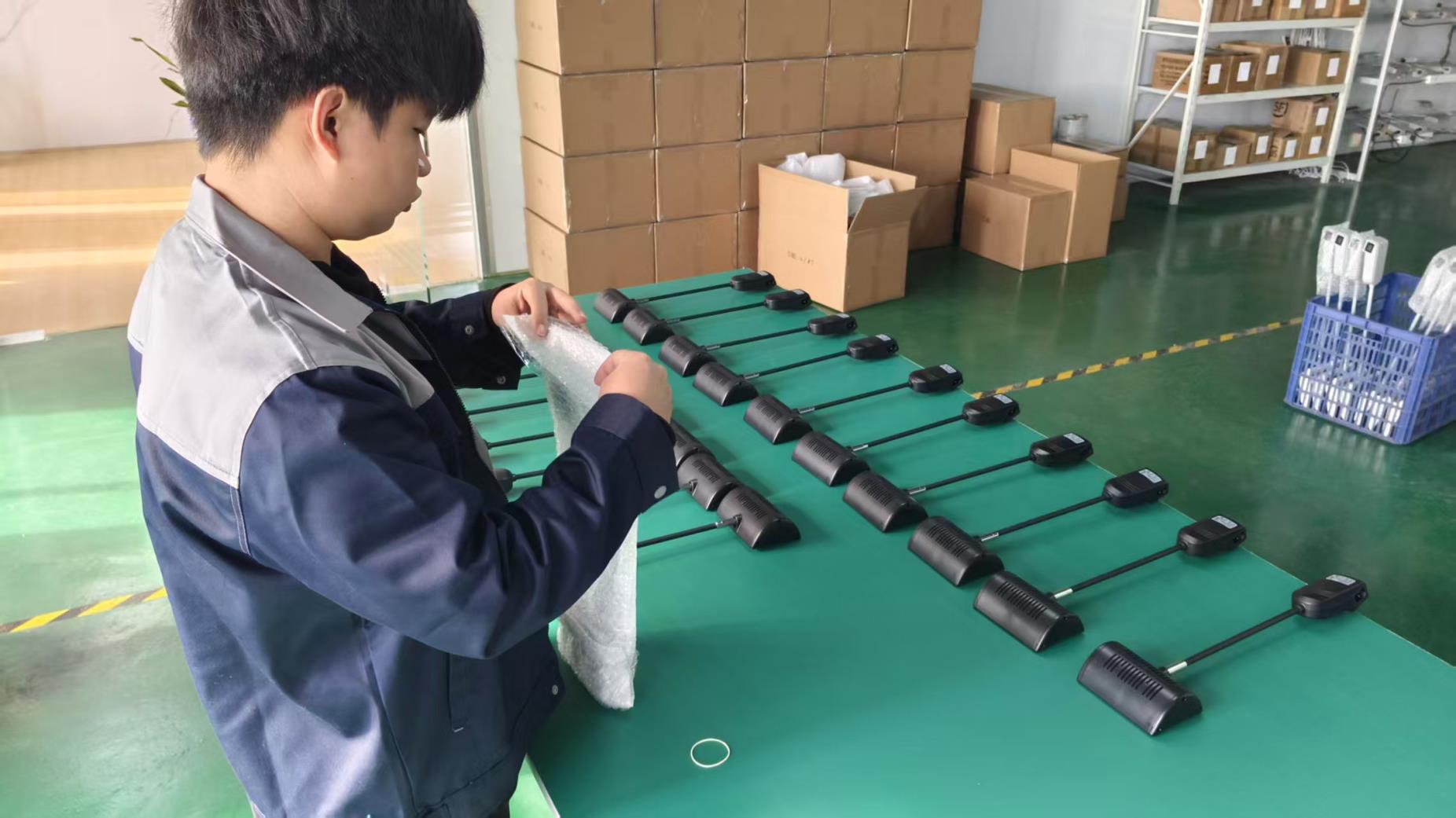
By automating 70% of our core assembly lines and relying on skilled, manual QC inspection for the remaining 30%, we balance high-volume consistency with custom design flexibility.
With urban centers expanding, multi-tier vertical farming arrays equipped with our ultra-thin T8 and linear strip grow lights supply high yields of lettuce, kale, and microgreens. Operating in climate-controlled warehouses, these farms bypass the harsh Namibian outdoor heat entirely.
Coastal operations face high relative humidity and salty sea mists, which can cause rapid corrosion in standard light fixtures. Our IP66 daisy-chain linear LED fixtures are constructed with heavy anodized aluminum housings and anti-corrosive powder coatings, preventing water ingress and salt damage.
Strict chemical residue and quality standards require precise environmental control. By incorporating our dimmable, UV-inclusive linear bars, commercial cultivators can fine-tune photoperiods and light spectrums, maximizing crop potency while reducing HVAC heat loads.
Premium fixtures designed for large acreage, high canopy penetration, and demanding environmental conditions.
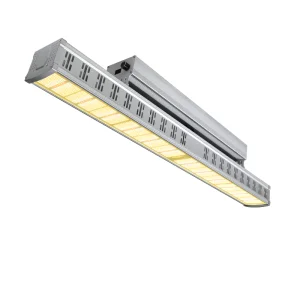
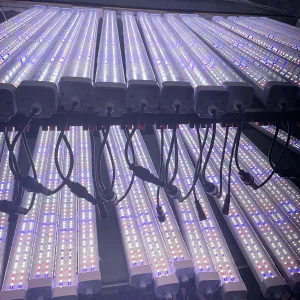
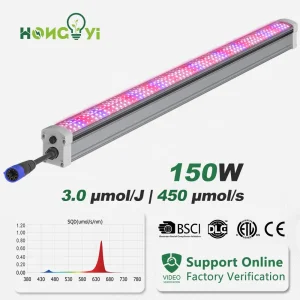
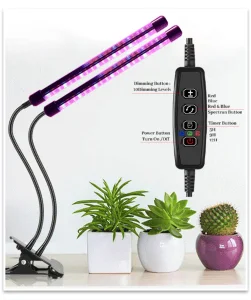
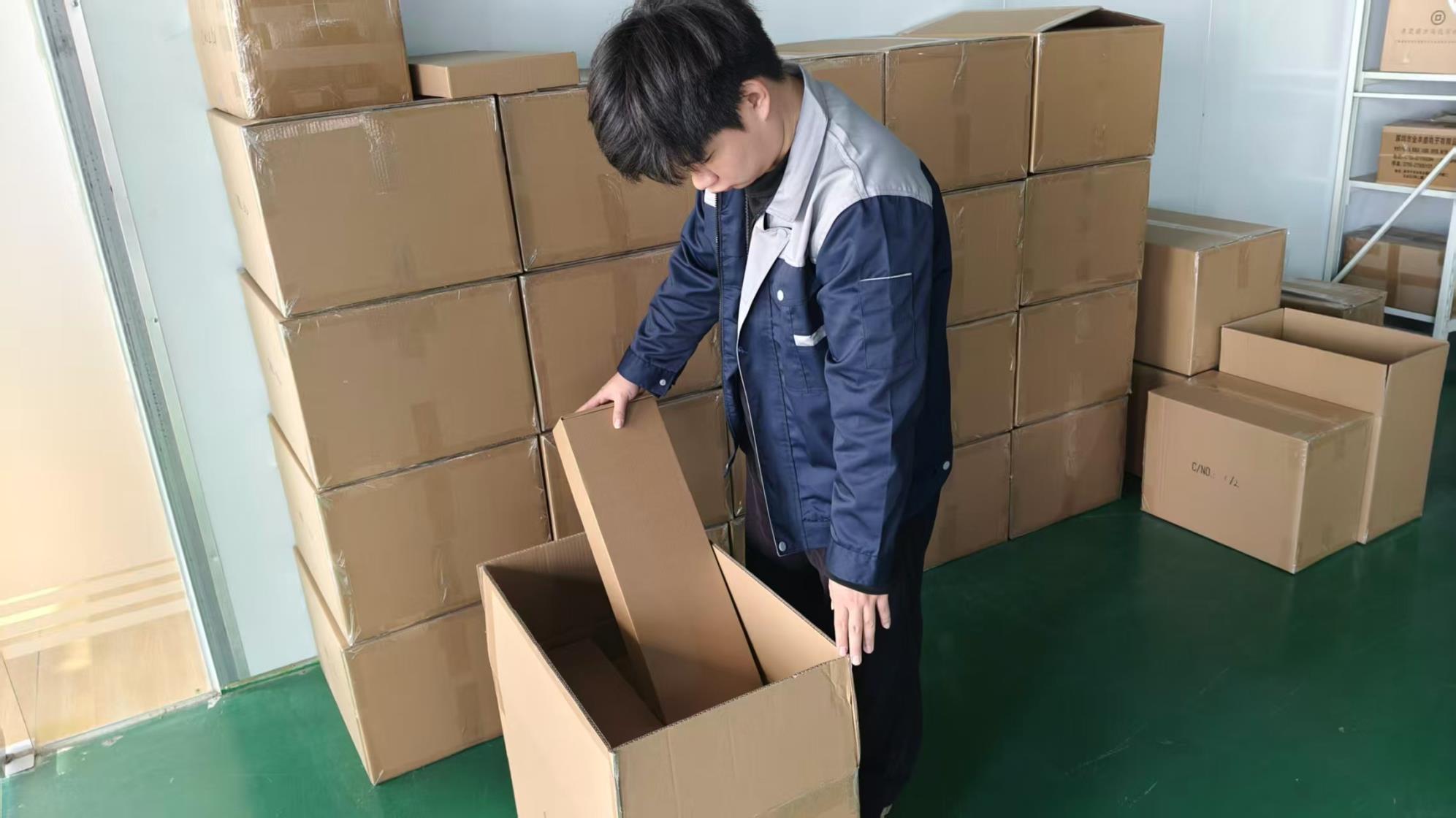
Exporting sensitive electrical equipment to Southern Africa requires structured compliance and solid logistics infrastructure. Over the past decade, we have established robust delivery corridors to the SADC (Southern African Development Community) region. We coordinate directly with importing authorities and local clearing agents in Windhoek, Walvis Bay, and Keetmanshoop to guarantee smooth customs clearance.
Our logistics and manufacturing standards align with key regulatory benchmarks:
Beyond logistics, we back our hardware with a solid factory warranty. In the event of module or driver failure, we do not require growers to return complete heavy fixtures. Instead, our quick-connect waterproof cable design allows operators to replace hot-swappable LED driver blocks on site in under 5 minutes, keeping downtime to a minimum.
Agricultural technology is moving toward autonomous optimization. In cooperation with leading researchers, we are currently testing next-generation AI-driven horticultural control systems. These systems rely on real-time feedback loops from multispectral optical sensors placed directly inside the crop canopy.
Rather than running fixed light cycles, these smart linear LED arrays automatically adjust their intensity and spectrum dynamically based on real-time solar irradiance, leaf temperature indices, and local transpiration rates. This dynamic control is especially valuable for growers in hyper-arid zones like Namibia, allowing facilities to automatically reduce light intensity and greenhouse heat loads during peak midday heat.
Additionally, we are testing far-red spectral programs that trigger the *shade avoidance response* at specific times during the day. This technique helps maximize leaf expansion in leafy greens, boosting light interception and crop yield per square meter without raising energy usage.
Expert answers addressing the local climatic, electrical, and logistical needs of commercial CEA operations in Namibia.
Consult with our horticultural lighting engineers. We provide custom dialux lighting designs, PPFD mapping, and tailored manufacturing configurations for Namibian agricultural operations.
