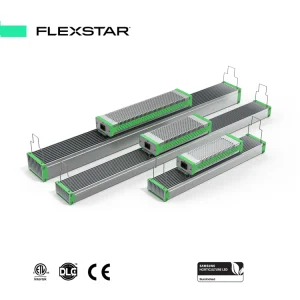
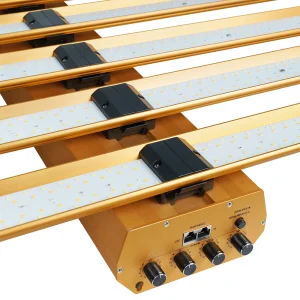
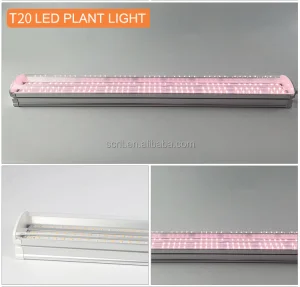
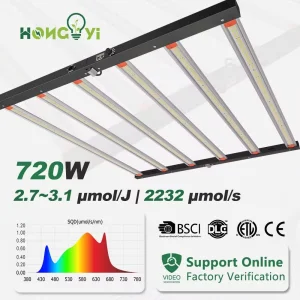
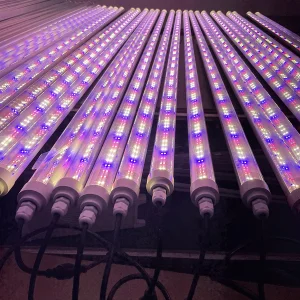
Premium high-efficiency linear and panel solutions optimized for high relative humidity (RH) and extreme tropical environments.
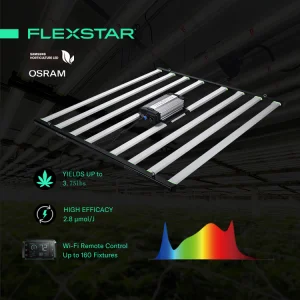
São Tomé and Príncipe, an island nation situated in the Gulf of Guinea off the western equatorial coast of Central Africa, experiences a humid tropical climate defined by high annual precipitation, persistent cloud cover, and specific regional microclimates. While traditional agriculture remains the backbone of the domestic economy—primarily centered on organic cocoa, coffee, and coconut oil exports—the nation faces critical vulnerabilities concerning food security, dietary diversification, and supply chain dependencies.
A substantial portion of fresh vegetables, high-value culinary herbs, and specialized seed stocks must be imported, leading to high retail costs and susceptibility to maritime shipping delays. Transitioning toward Controlled Environment Agriculture (CEA), vertical farming, and light-supplemented greenhouses has emerged as a strategic developmental pathway to foster agricultural self-reliance.
Implementing modern linear LED grow lights within São Tomé and Príncipe requires an understanding of localized environmental and infrastructural challenges. The islands encounter high relative humidity (often exceeding 80–90% year-round), high ambient air temperatures, and localized energy system constraints characterized by high fuel-import costs and grid variations. Thus, traditional high-pressure sodium (HPS) or metal halide (MH) fixtures are fundamentally unviable due to their excessive heat output, high power consumption, and short operating lifespans.
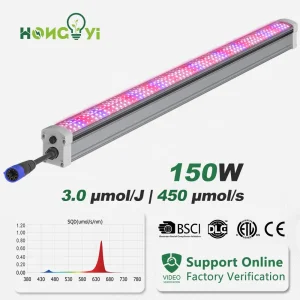
Industrial growers in São Tomé and Príncipe are increasingly adopting customized linear LED arrays. These solid-state lighting systems operate at exceptional photobiological efficiency (PPE), converting a higher proportion of electrical energy into Photosynthetically Active Radiation (PAR) while minimizing radiant thermal output.
Modern plant factory engineering relies on optimizing spectral output to match the precise absorption peaks of plant photoreceptors—primarily Chlorophyll A and B, Phytochromes (Pr and Pfr), and Cryptochromes. For vertical farms and multi-layer cultivation systems in the Central African tropical zone, a standardized "white light" spectrum is insufficient to achieve commercial efficiency.
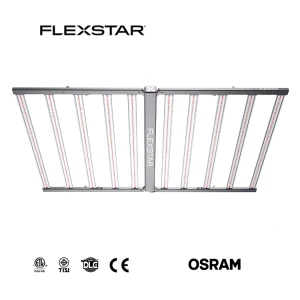
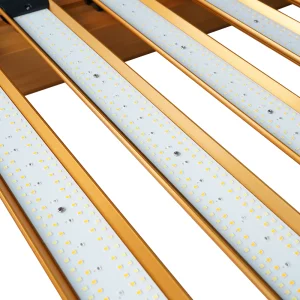
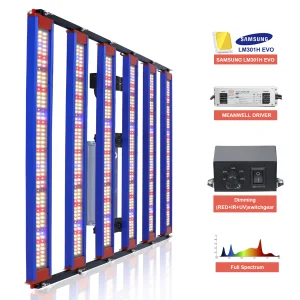
Our technology roadmap highlights our commitment to advanced semiconductor research. By integrating industry-standard Samsung LM301H EVO diodes with specialized deep red (660nm) and far-red (730nm) LED chips, we deliver targeted light recipes that optimize crop growth cycles:
Deploying commercial lighting solutions in the Gulf of Guinea involves addressing distinct agricultural use cases. Our engineering division provides tailored packages designed for these specific macro-level operations:
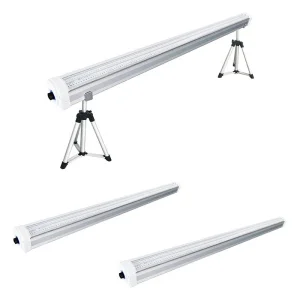
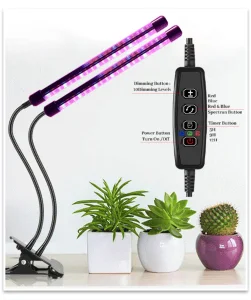
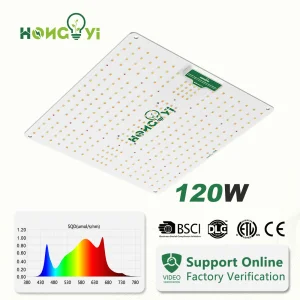
In urban centers like São Tomé city, land limitations make vertical container farms and rack systems highly viable for local produce cultivation. Our thin-profile T8 linear grow lights and 120W multi-bar arrays fit directly into narrow shelves, providing uniform light distribution without burning tender seedlings or leafy greens.
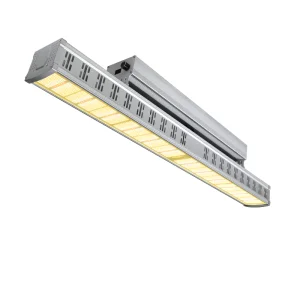
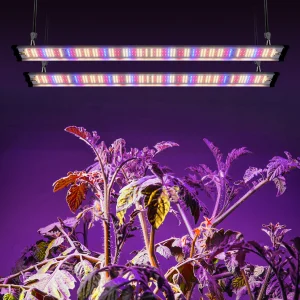
São Tomé's rainy season (the Gravana and heavy wet seasons) causes extended periods of heavy overcast skies, significantly reducing daily light integral (DLI) levels. By utilizing high-power linear top lights (such as our 660W and 720W configurations), commercial greenhouse operators can maintain a consistent DLI, securing stable harvest cycles for premium organic exports like vanilla and high-grade cocoa seedlings.
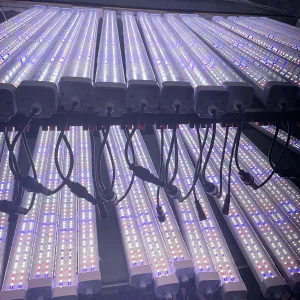
For dense fruiting crops, under-canopy linear strips ensure lower flowers receive sufficient photons, reducing bud drop and improving overall yield quality. This method helps prevent microclimate-induced fungal issues by warming the lower air layers slightly, encouraging uniform transpiration.
Established on January 25th, 2005, Zhongshan Venti Lights Co., Ltd. is a vertically integrated enterprise specializing in the R&D, manufacturing, and global distribution of LED lighting products. Over twenty years of steady development, we have established a robust manufacturing and innovation infrastructure supported by modern facilities and a highly experienced engineering team.
We operate two modern production bases:
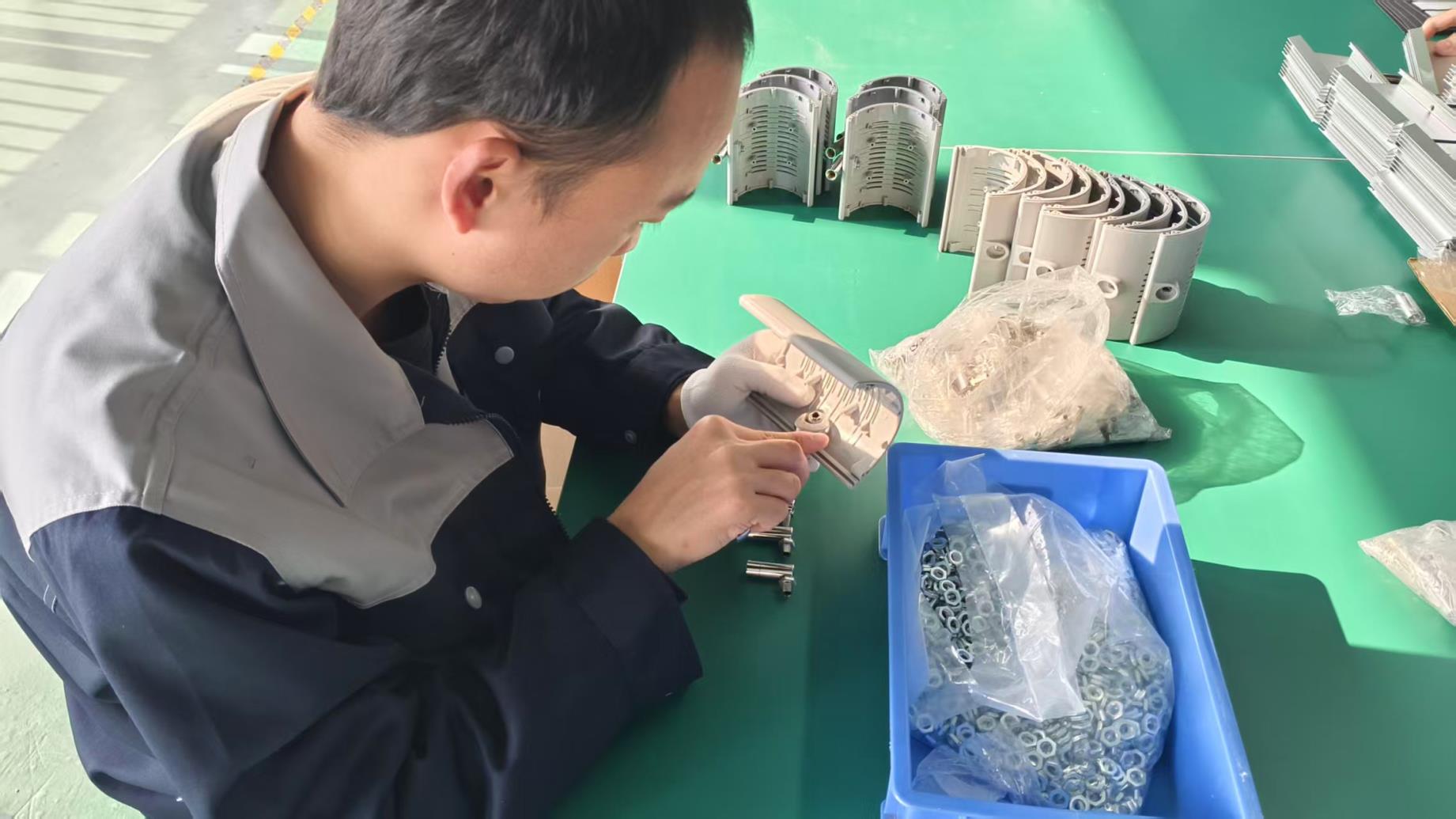
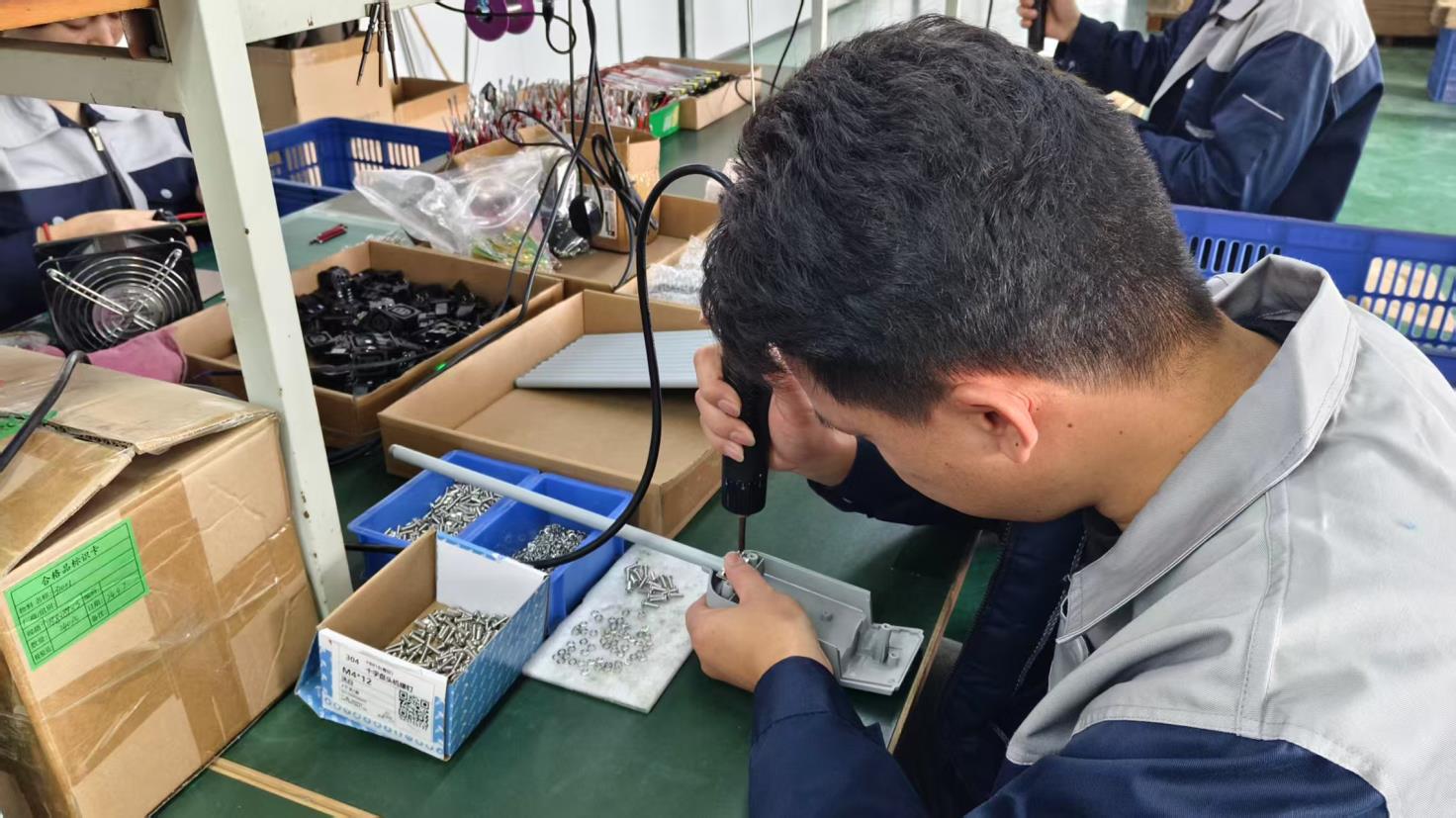
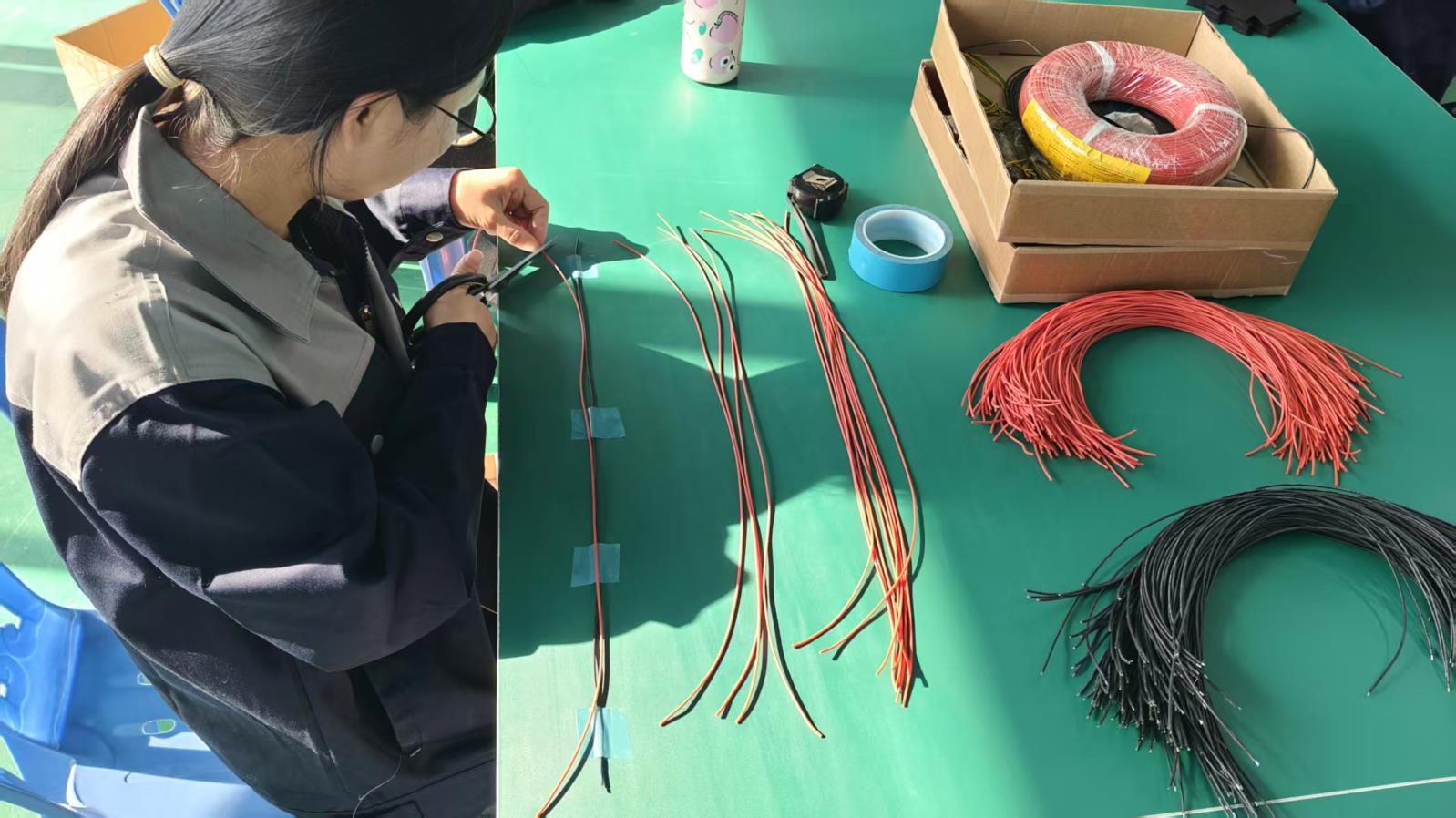
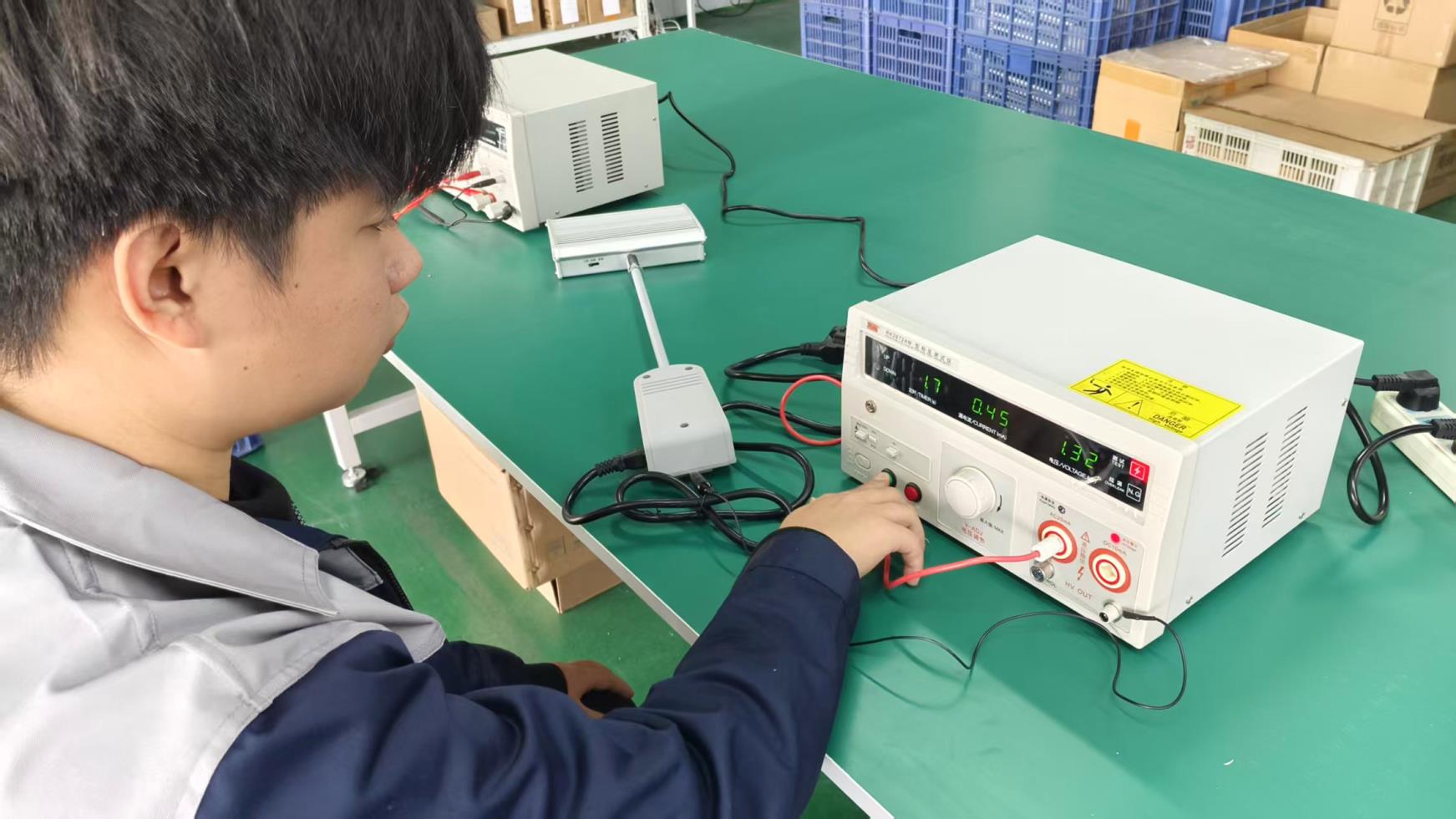
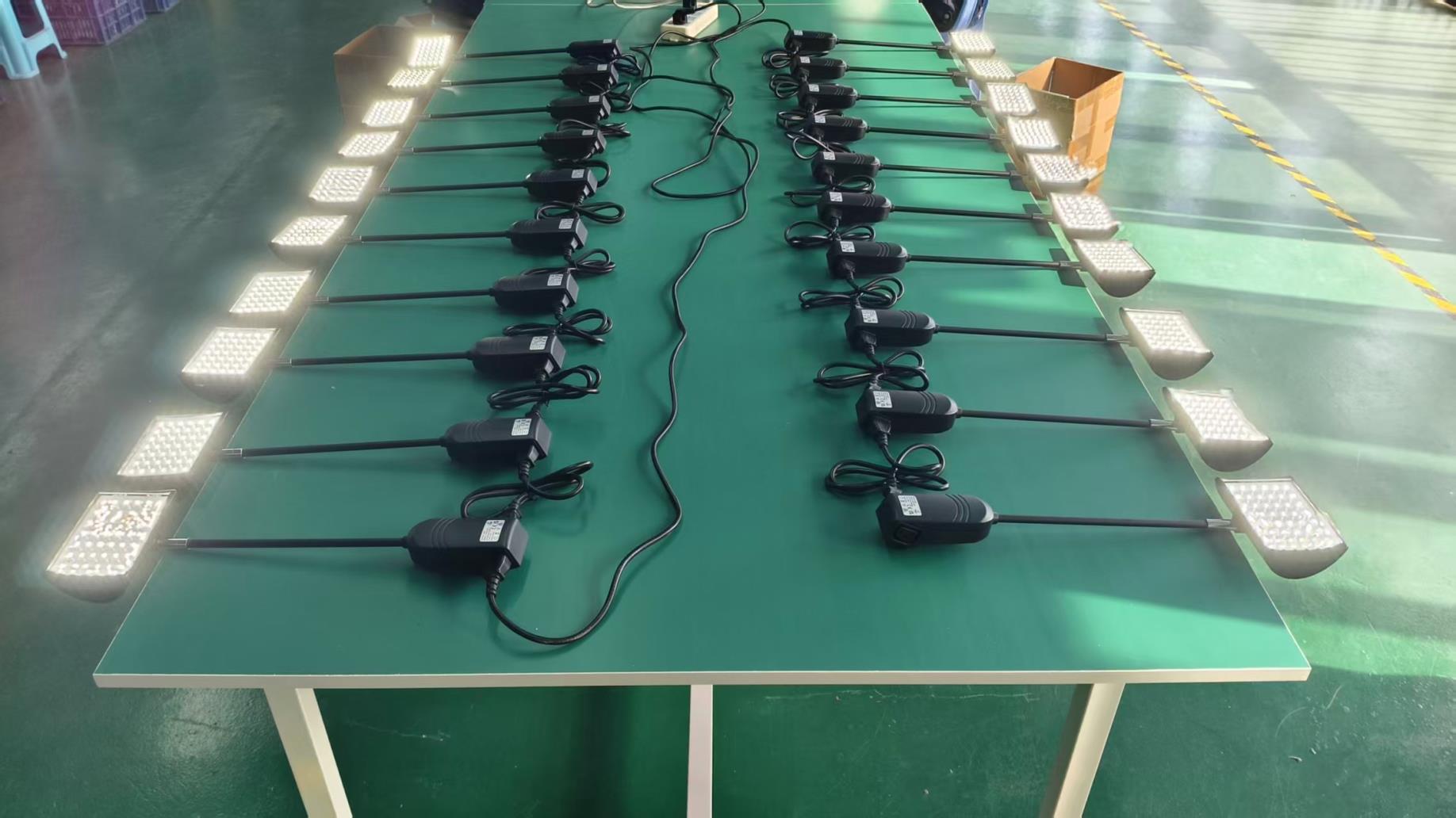
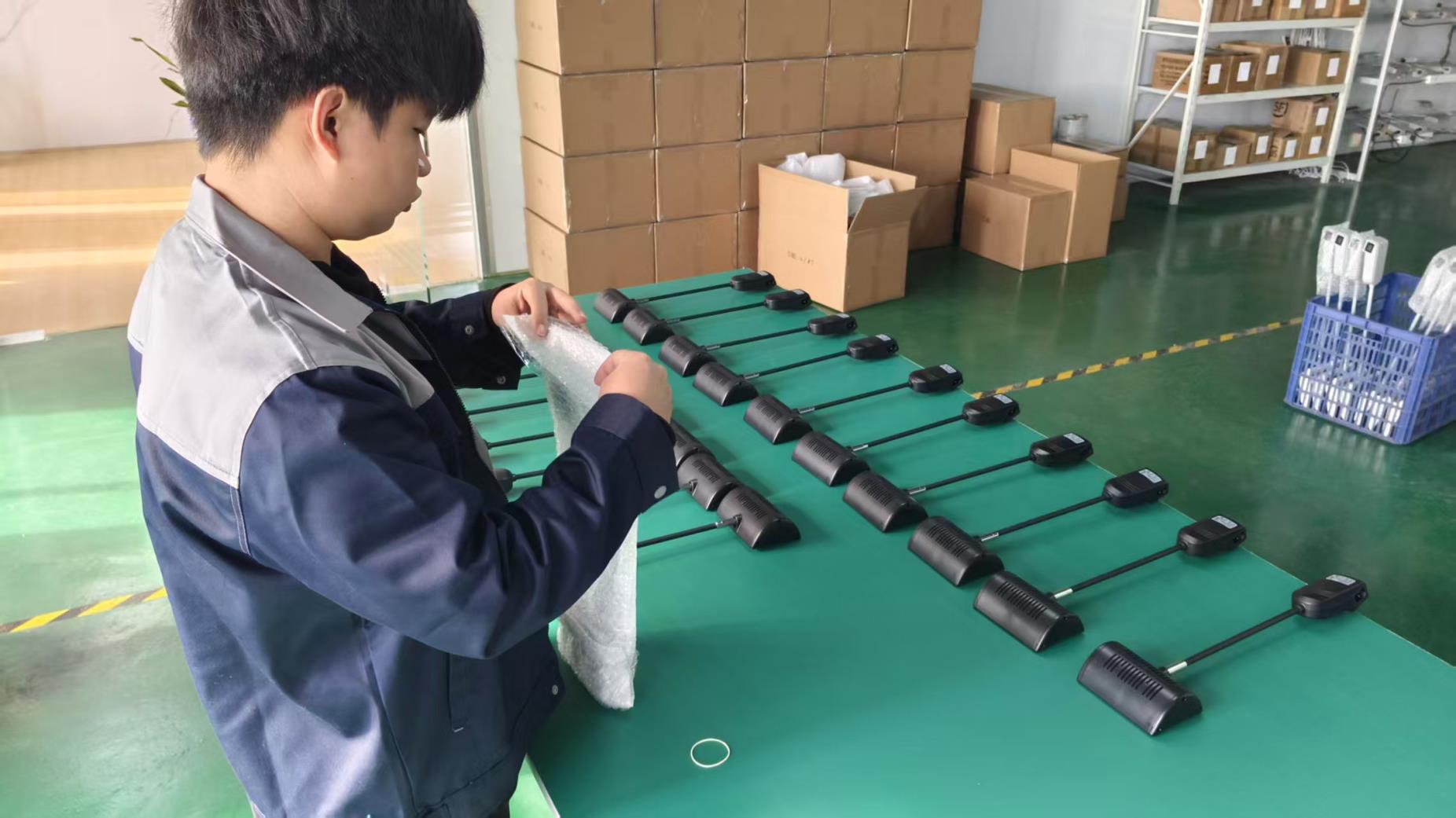
Quality and reliability form the foundation of our manufacturing processes. Operating under a strict quality management system certified to ISO9001 standards, we monitor every step of production—from raw material inspection (IQC) to final automated burn-in and packaging. Our products hold international certifications including CE and RoHS, and our LED driver systems carry SAA certification, meeting rigorous global compliance requirements.
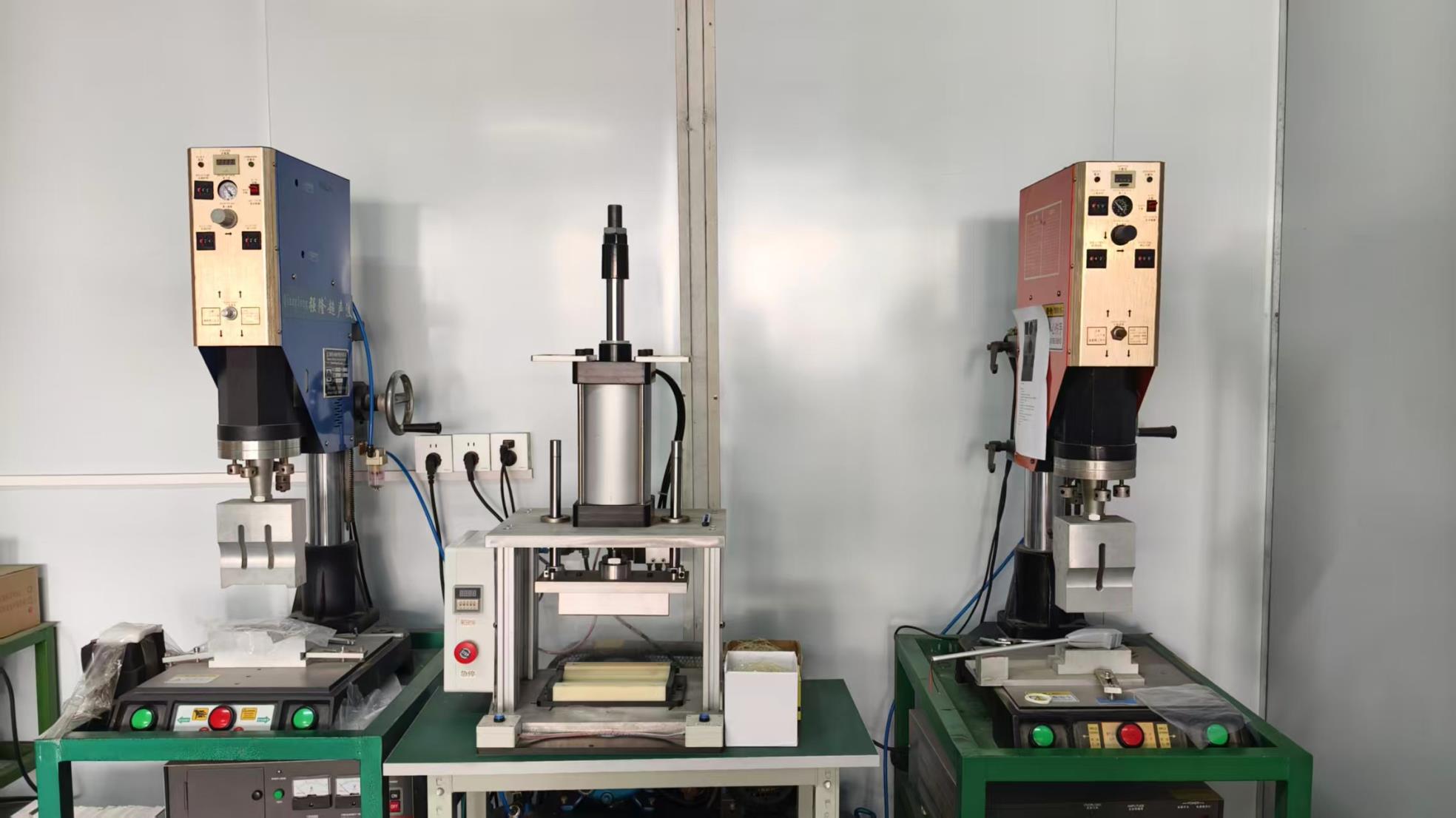
To ensure structural integrity and consistent performance, 70% of our manufacturing line is fully automated, combining precision robotic soldering and assembly with skilled manual inspections. As a designated National High-Tech Enterprise, we invest heavily in R&D annually, acquiring numerous utility and structural patents to remain at the forefront of horticultural lighting technology.
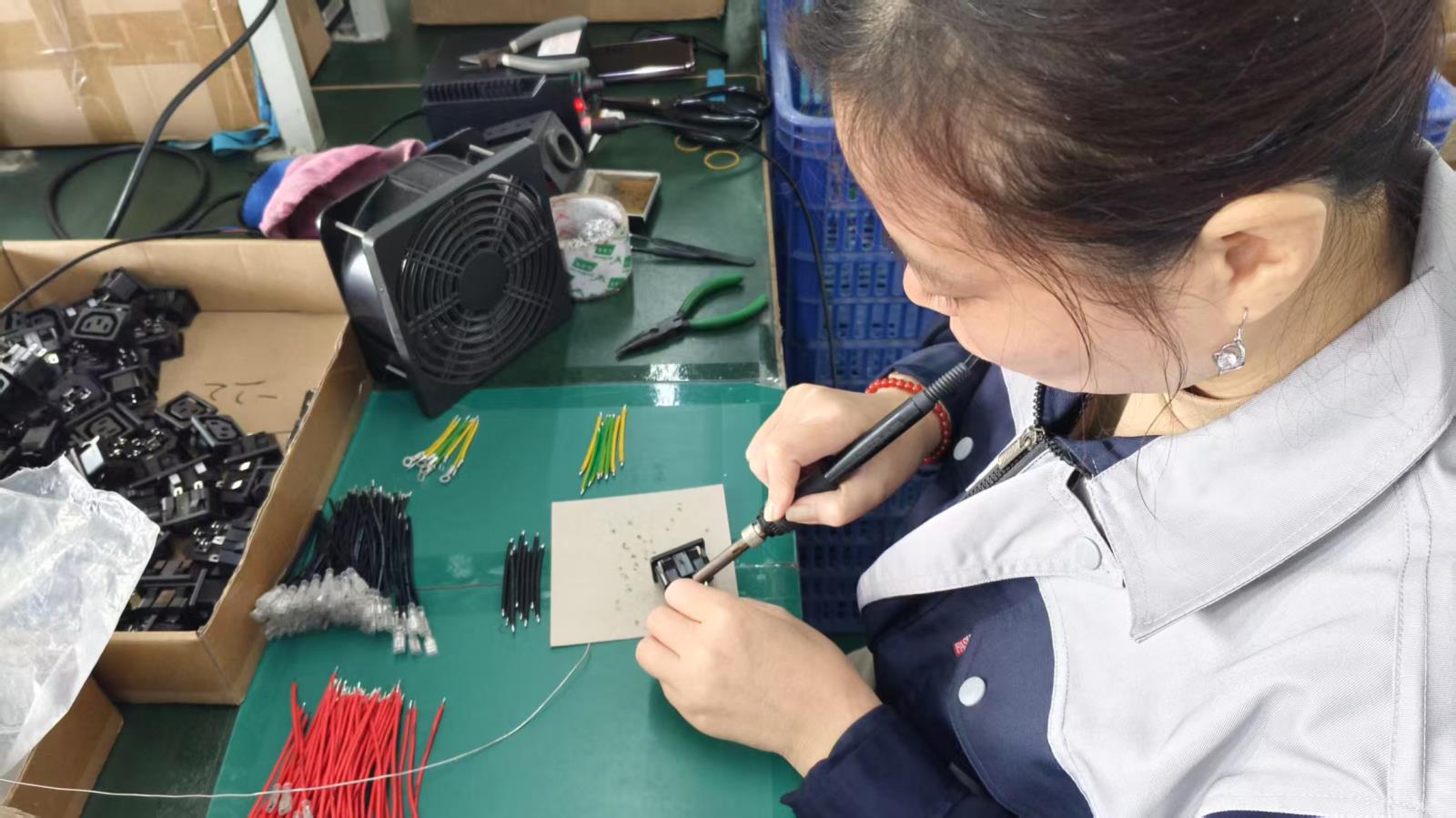
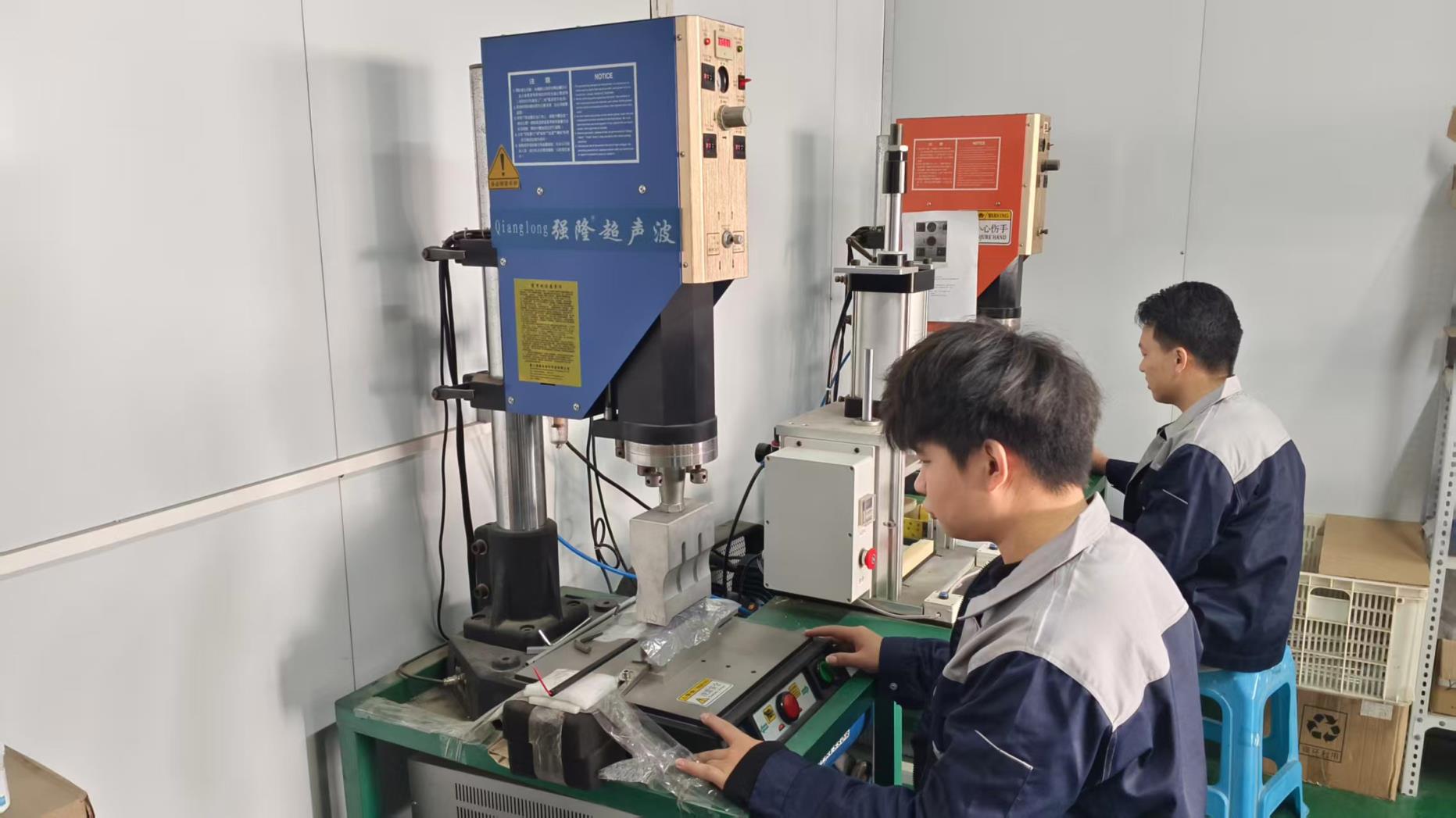
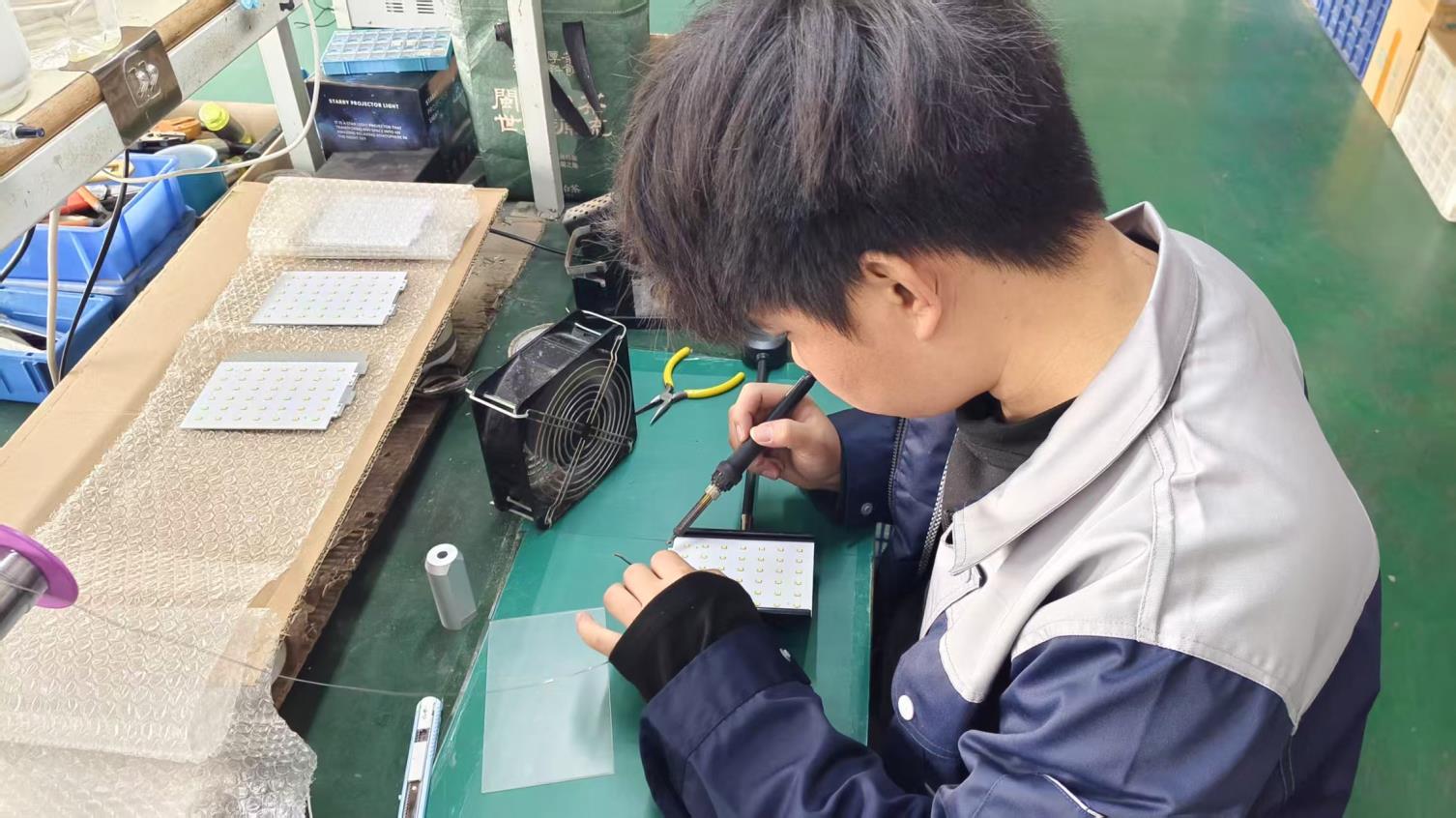
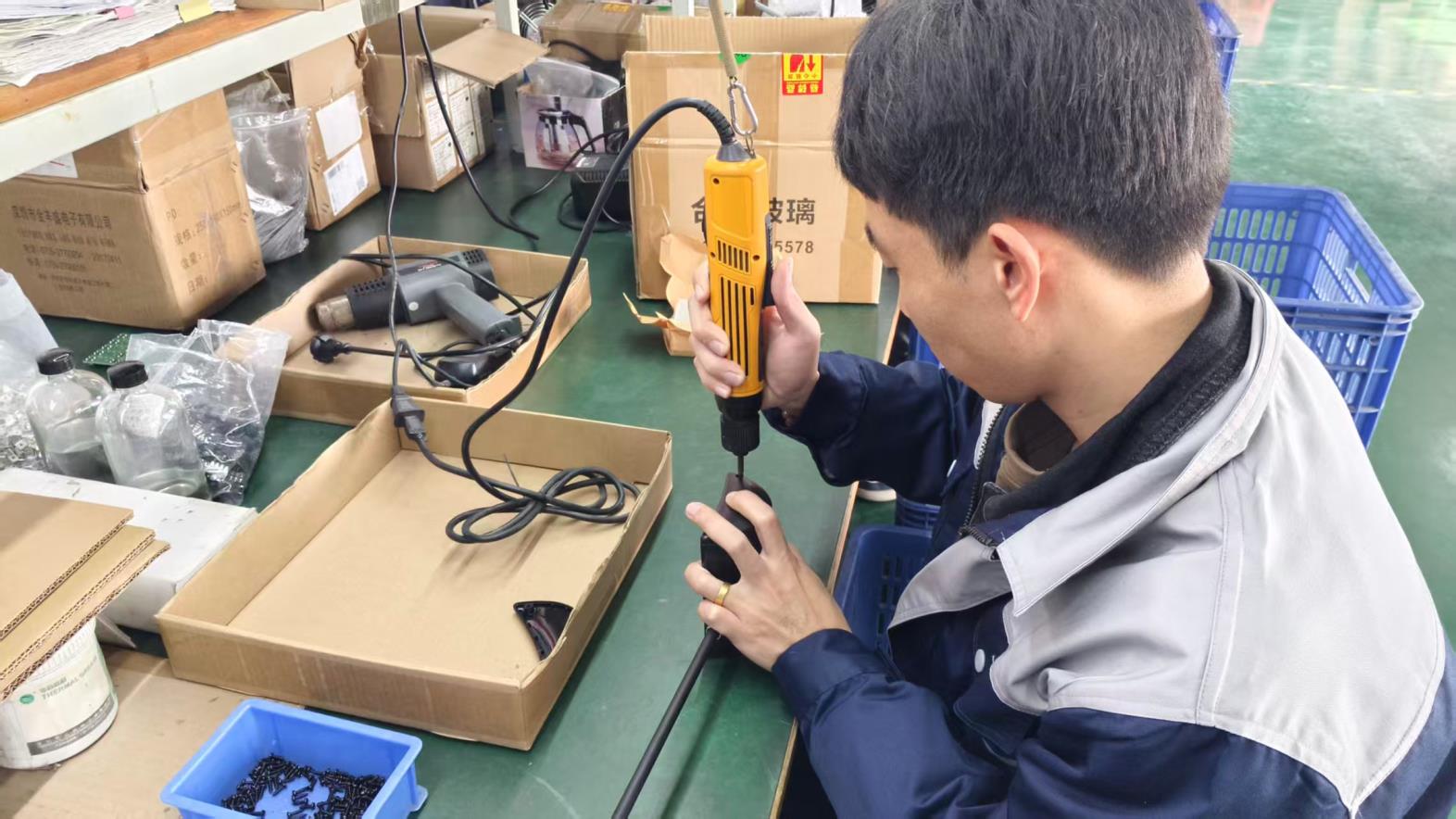
Commercial agricultural projects require partners capable of navigating local logistical and operational environments. Importing advanced technology to Central Africa involves addressing distinct challenges:
Commercial greenhouse builders and state-backed agricultural projects need to evaluate horticultural systems based on total cost of ownership (TCO) and levelized return on investment. Our team works alongside procurement managers to address key design metrics:
Our linear grow lights are engineered with IP65 and IP66 water and dust protection. We apply a protective silicone coating over the LED boards and use waterproof cable connectors, keeping the internal electronics sealed against moisture and tropical humidity.
In dense planting setups, upper leaves block light from reaching lower parts of the plant, which can restrict growth. Under-canopy lighting delivers PAR directly to lower leaves, improving photosynthesis, boosting overall yield, and helping maintain consistent quality.
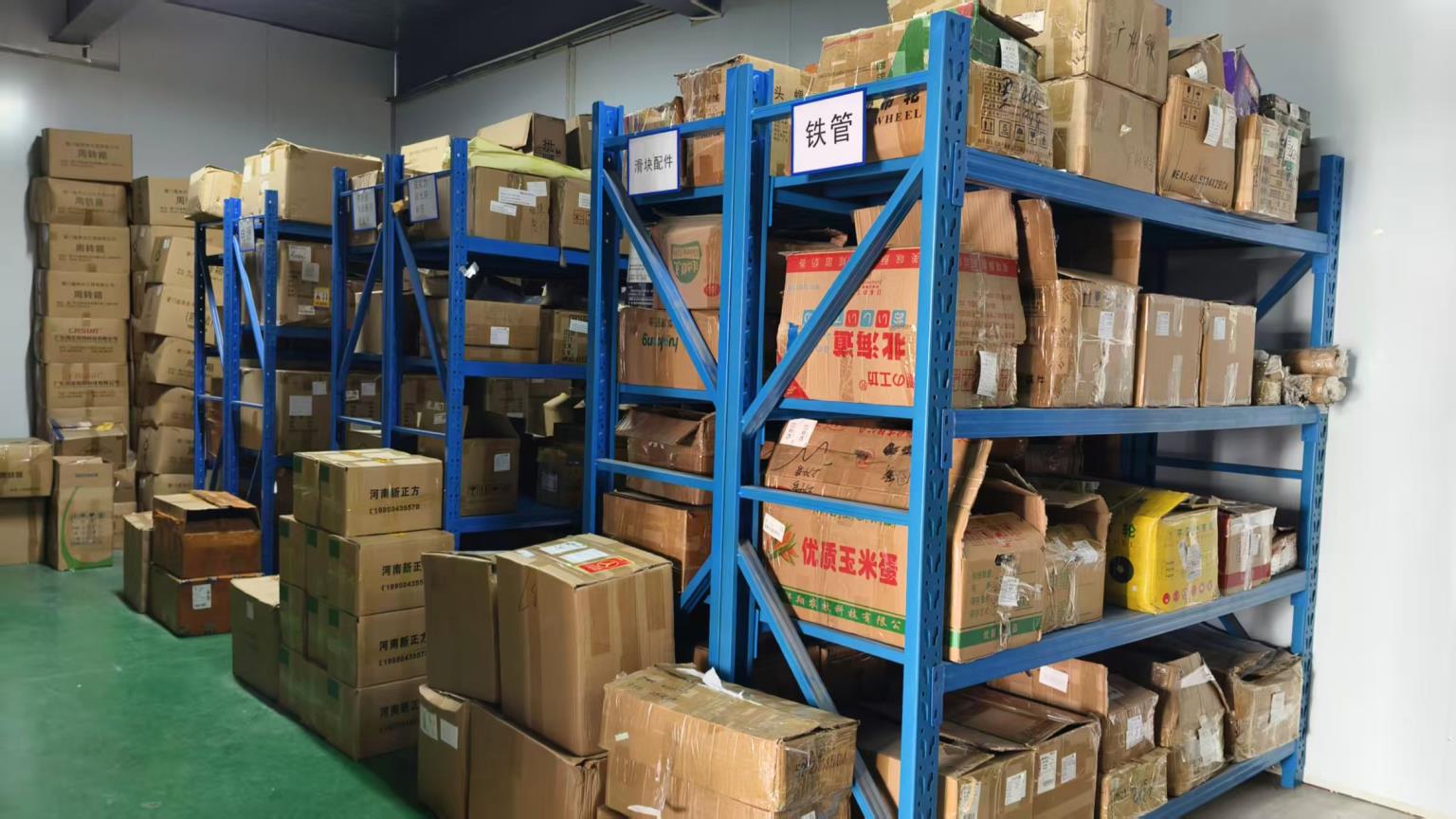
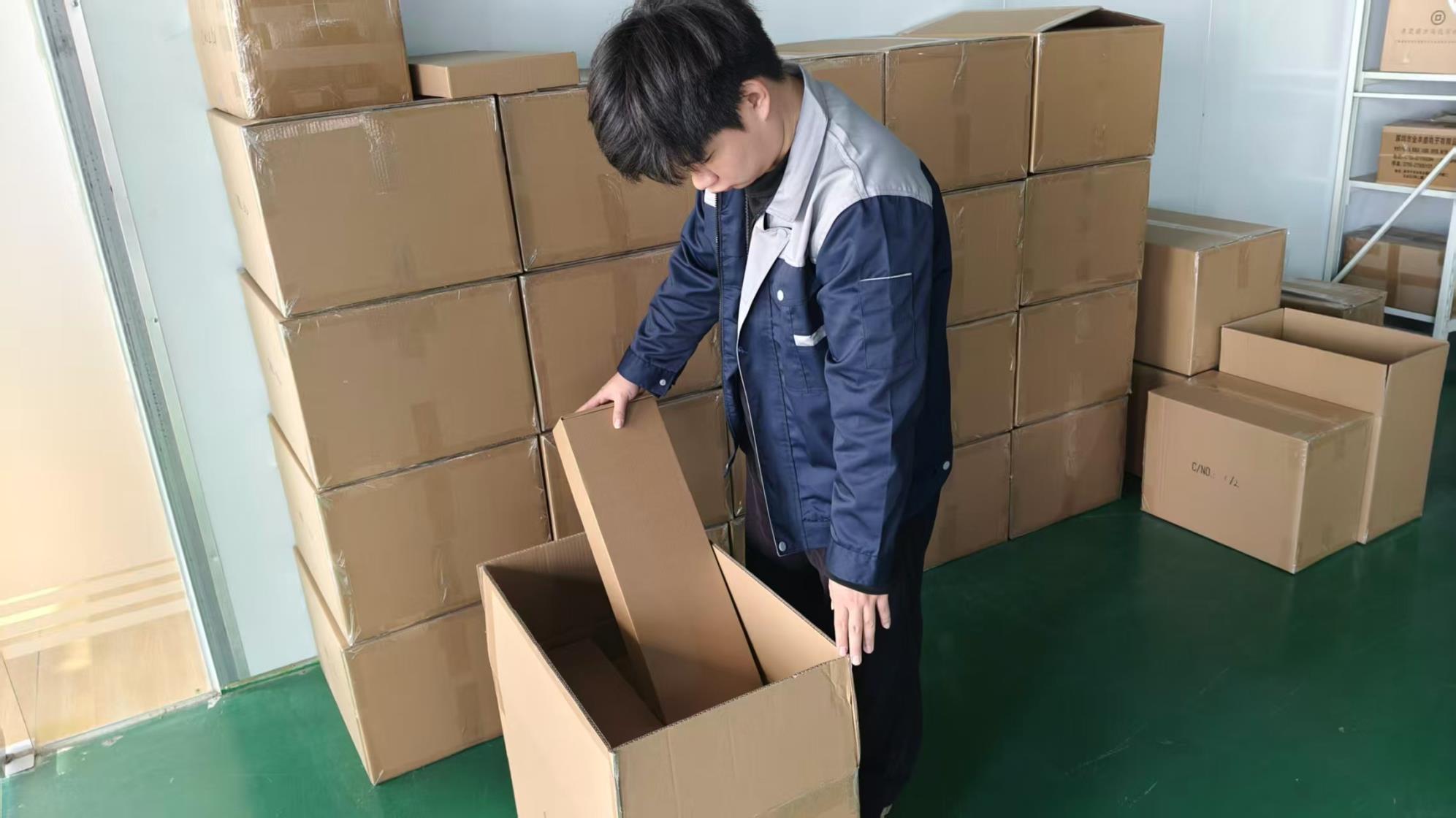
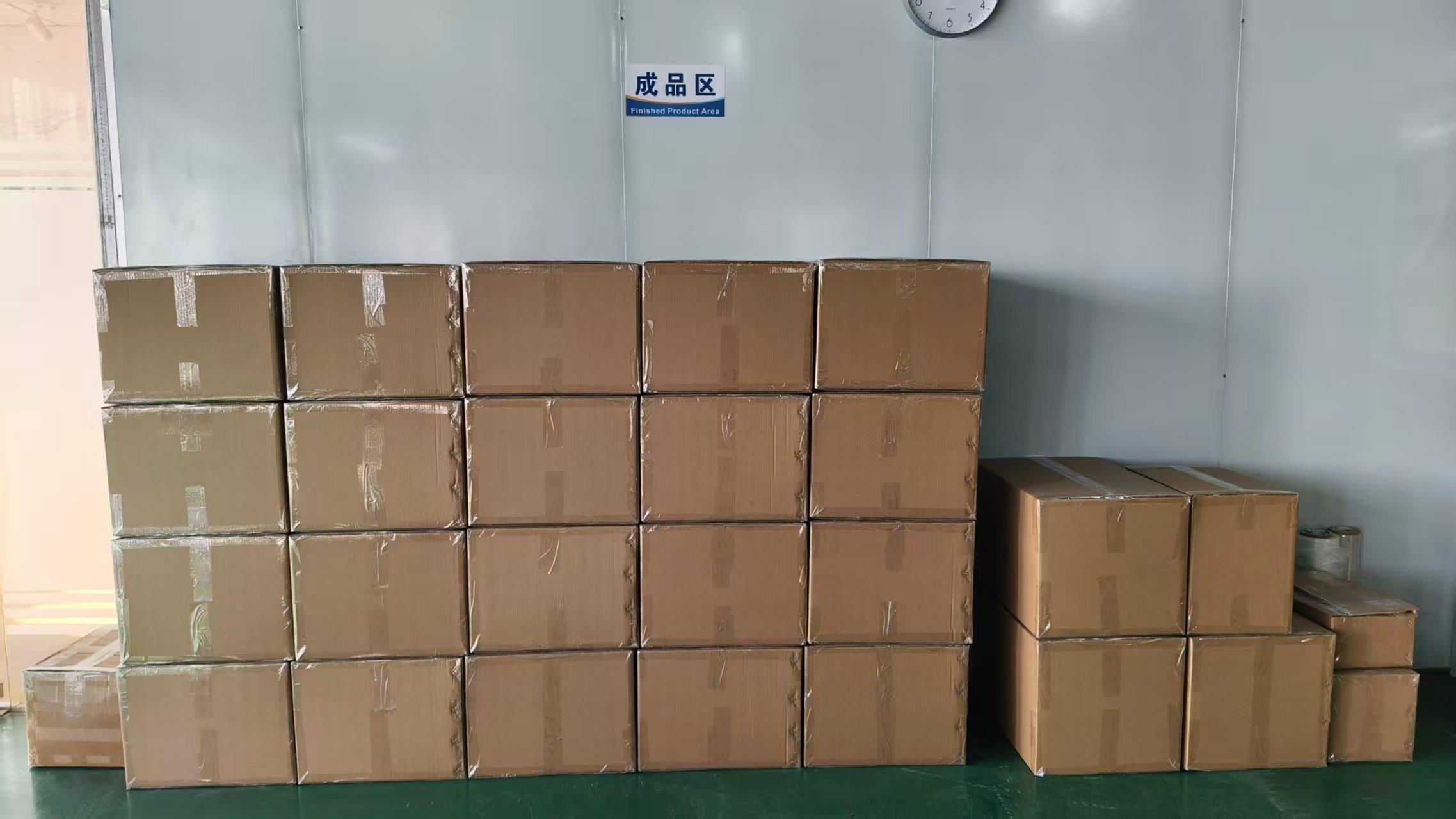
We handle logistics directly from our production plants in Zhongshan and Shenzhen. Standard bulk orders are packed in reinforced export cartons, loaded into sea containers, and shipped to the Port of São Tomé, with shipping times typically ranging between 35 and 50 days.
Yes, our R&D team designs custom spectrum ratios to match the growth stages of your target crops, adjusting red, blue, green, far-red, and UV light channels to help maximize growth and efficiency.
Our lights use high-quality power drivers designed to handle a wide range of input voltages (100V-277V) and feature built-in surge protection. This design helps stabilize performance and protects the LEDs during voltage spikes or unstable grid conditions.
Explore our complete range of certified LED grow lights, engineered for high efficiency, durability, and commercial agricultural applications.