Strategic Insights into Modern Horticultural Engineering
The global horticultural industry is undergoing a radical transformation. As traditional High-Pressure Sodium (HPS) systems give way to Solid-State Lighting (SSL), the role of a professional Vegetative Light Manufacturer has evolved from simple hardware provision to sophisticated "Light Recipe" engineering. Vegetative lights, specifically designed for the non-flowering phase of plant development, are critical in building the structural integrity, root mass, and leaf area necessary for high-yield harvests.
The market is projected to reach $12.5 billion by 2028, driven by the expansion of indoor vertical farms in urban hubs like Singapore, Dubai, and New York.
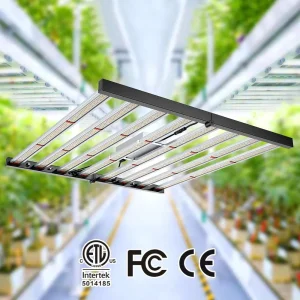
Modern CE-certified LED systems offer up to 60% energy savings, allowing growers to scale operations without proportional increases in utility overheads.
The integration of UV-A and Far-Red (IR) spectra allows for "stress-free" growth acceleration, enhancing secondary metabolite production.
As we move toward 2026, the technology behind Full Spectrum Vegetative Lights is converging with Artificial Intelligence. Our R&D focuses on several key technological pillars:
Localized Application Scenarios and Large-Scale Implementations
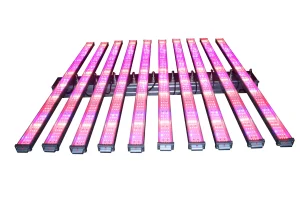
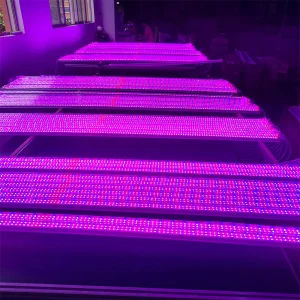
For high-density leafy green production in urban environments. Our ultra-slim LED bars (e.g., 2FT/4FT tubes) maximize racking space while providing uniform 6500K light distribution, essential for maximizing biomass and preventing "stretch" in young seedlings.
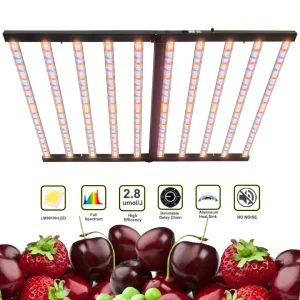
Integrating 1000W spider-style LED lights to supplement natural sunlight during winter months. Our CE-certified drivers ensure stability in high-humidity environments (IP65 rated), providing the consistent DLI (Daily Light Integral) required for year-round production.
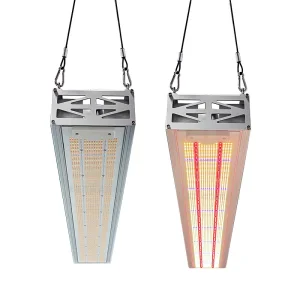
For specialized crops requiring precise control over terpenoid and cannabinoid profiles. Utilizing Samsung LM301B/H chips with specific UV/IR additions enables growers to manipulate plant morphology through light alone.
In regions like Northern Europe or Canada, where winter light levels are insufficient, Vegetative Light Exporters play a critical role in food security. By providing locally optimized spectra—higher blue light concentrations for stocky, strong plants—we enable producers to move from traditional outdoor cycles to continuous, predictable indoor harvest schedules.
A National High-Tech Enterprise Dedicated to Lighting Innovation
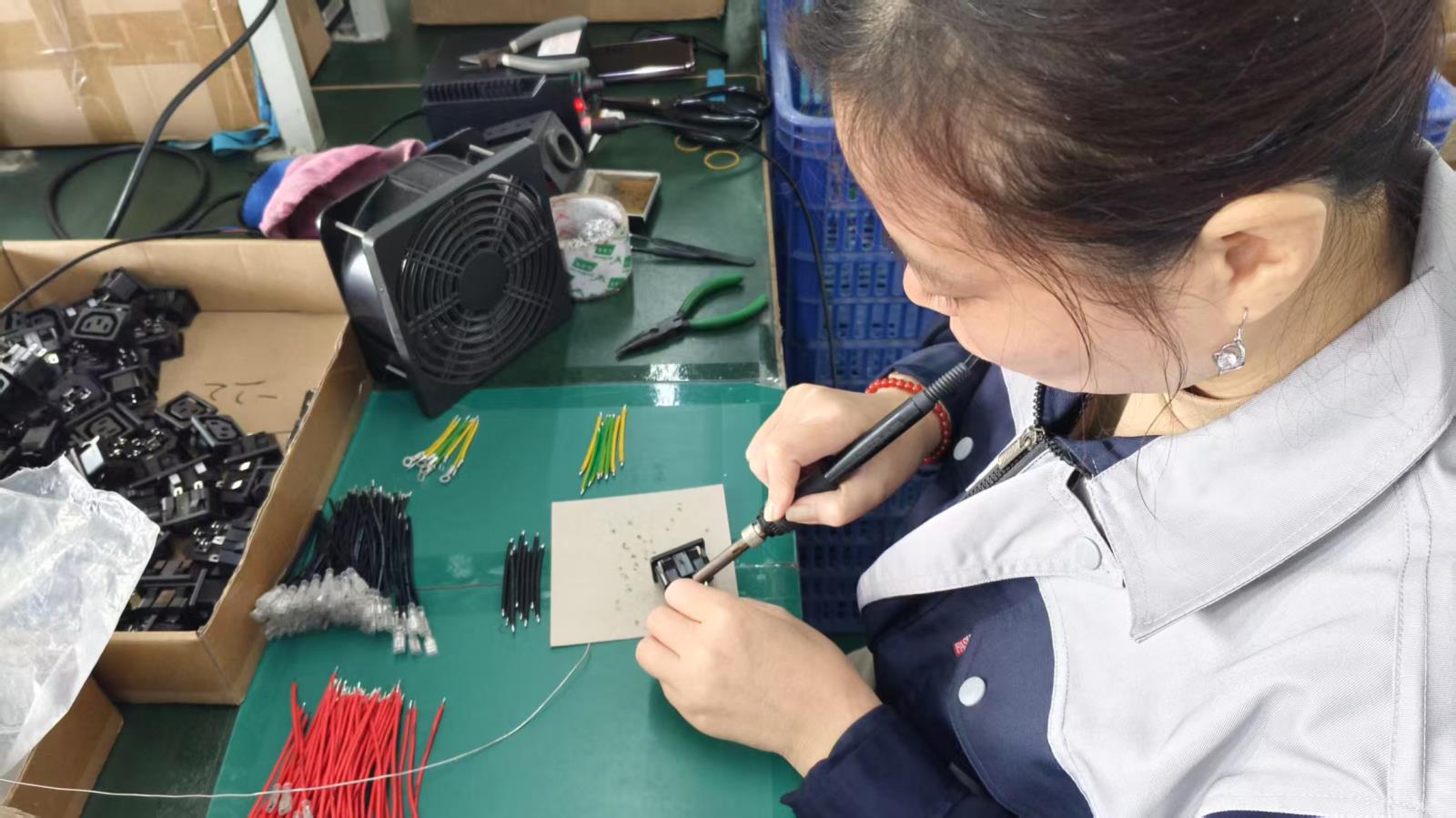
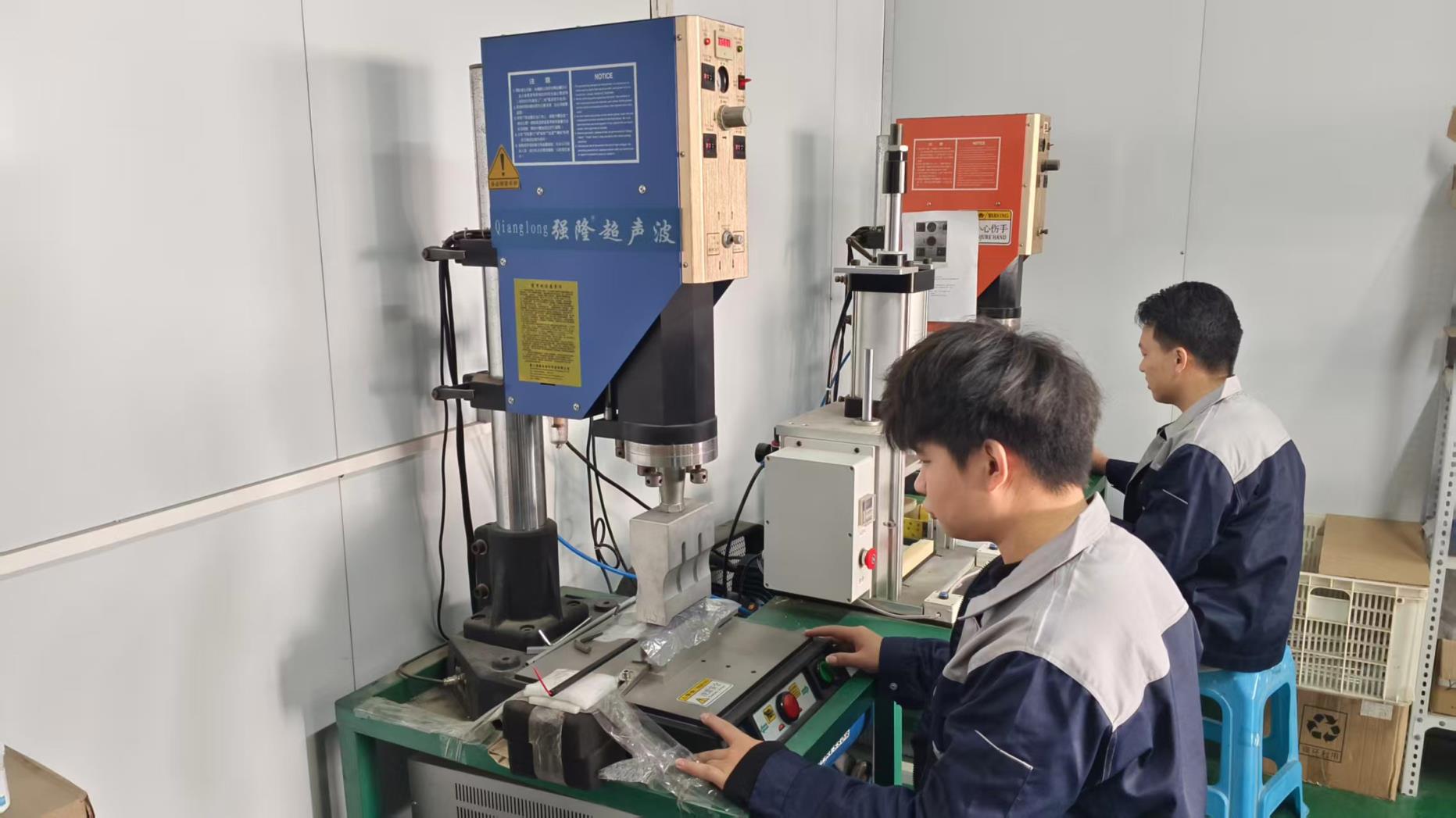
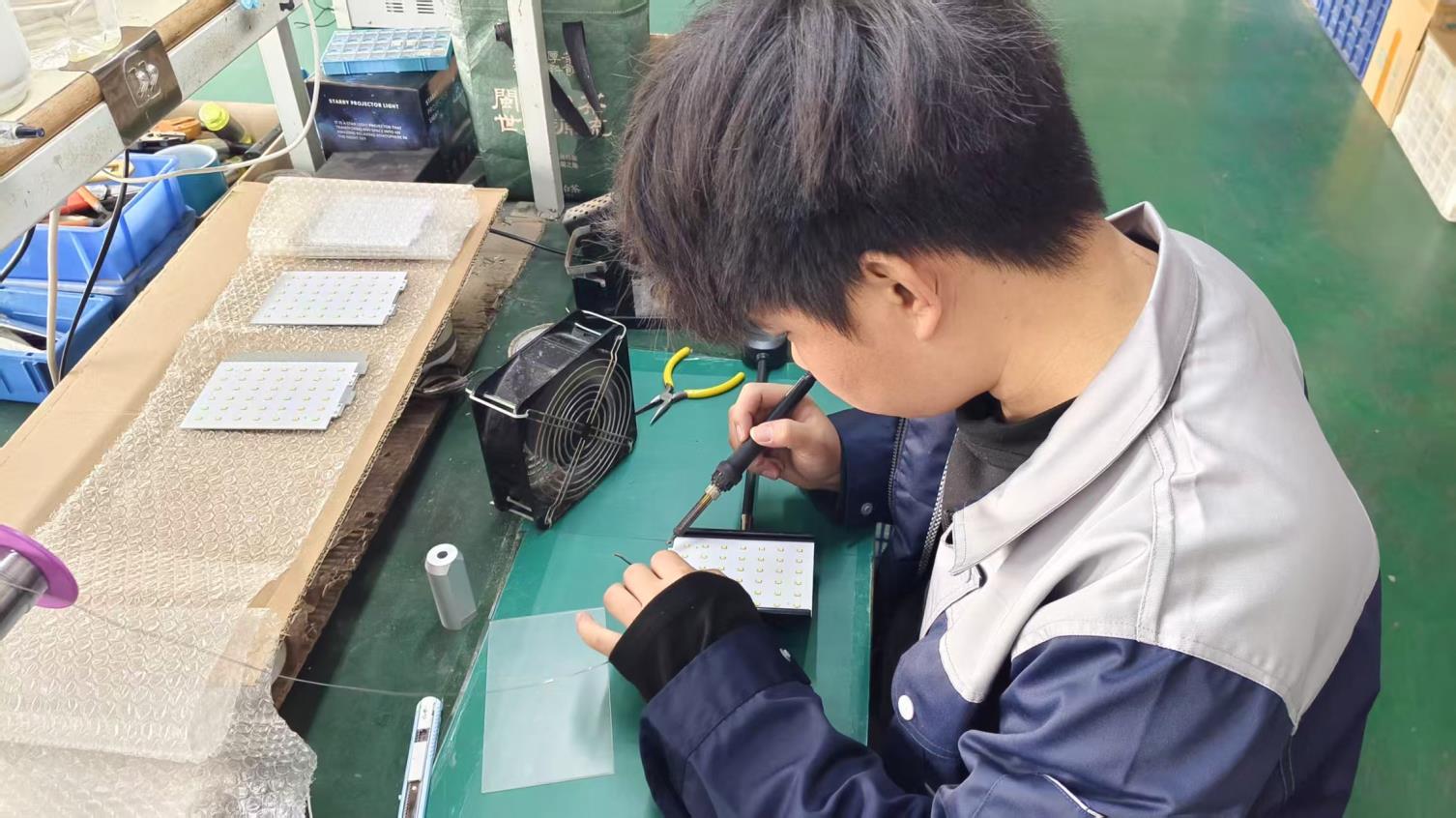
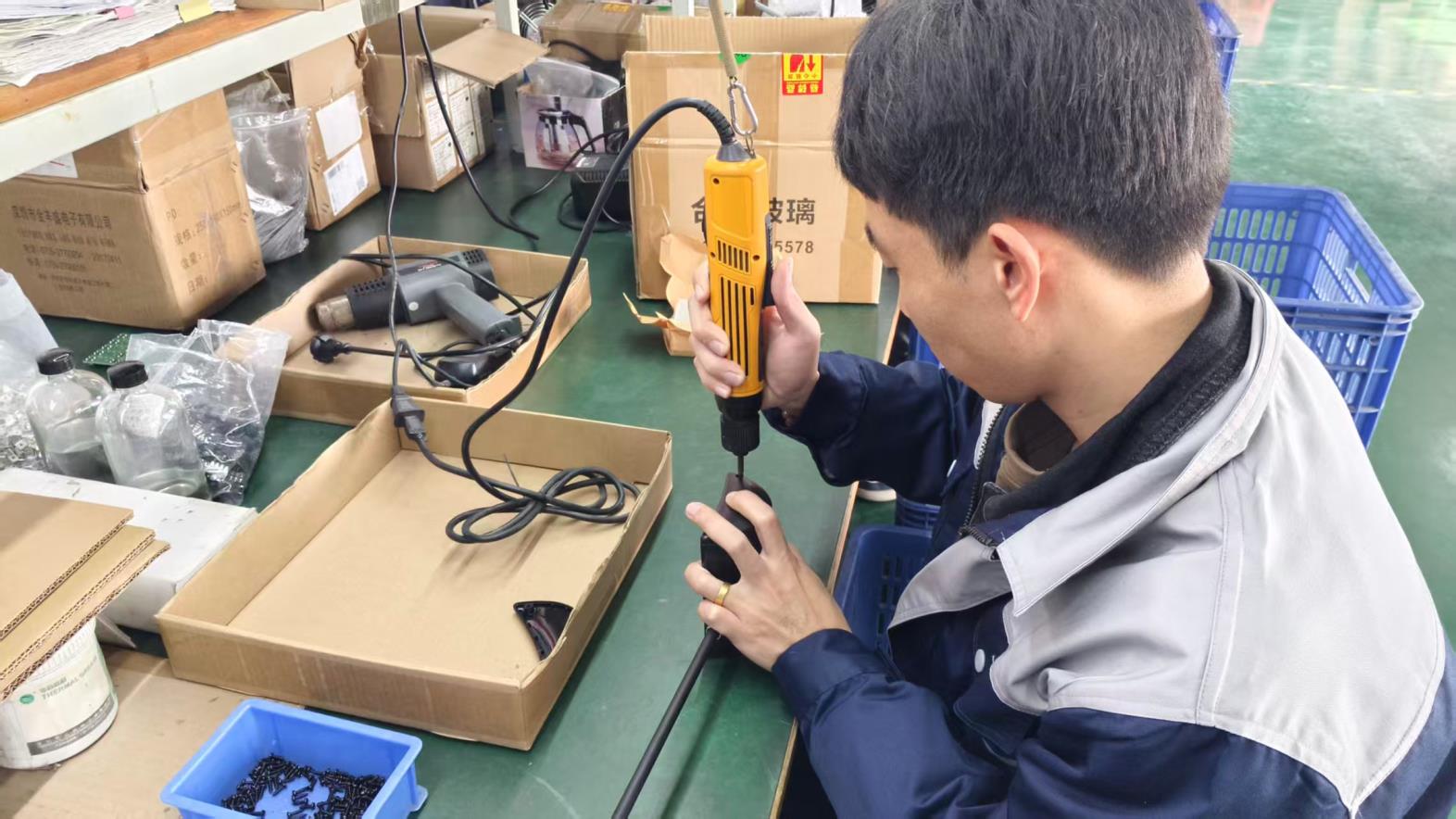
Zhongshan Venti Lights Co., Ltd. was established on January 25th, 2005. It is an integrated enterprise specializing in the research and development, manufacturing, and global marketing of LED lighting products. With years of steady growth, the company has developed a strong production and innovation capability supported by modern facilities and a professional engineering team.
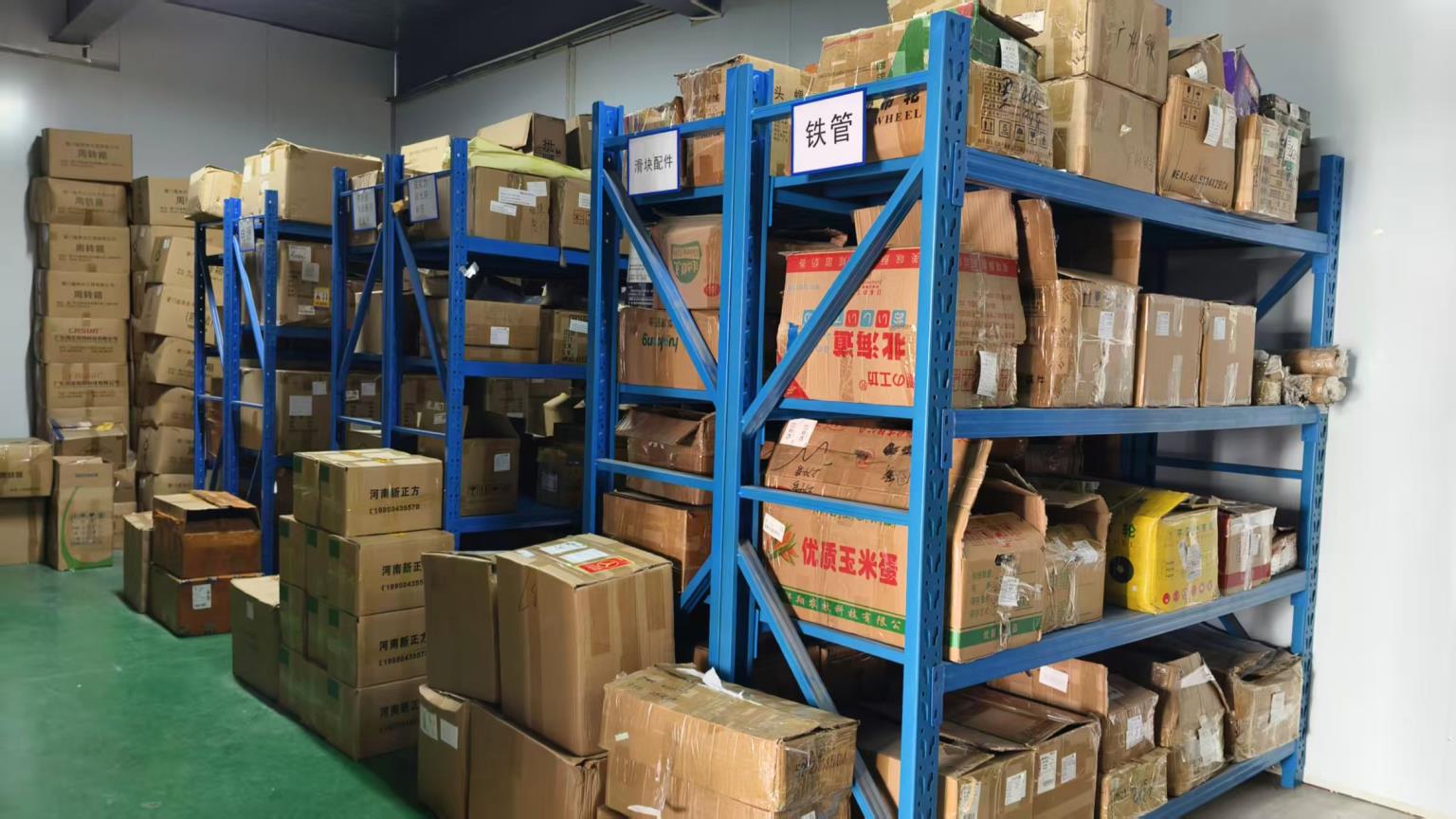
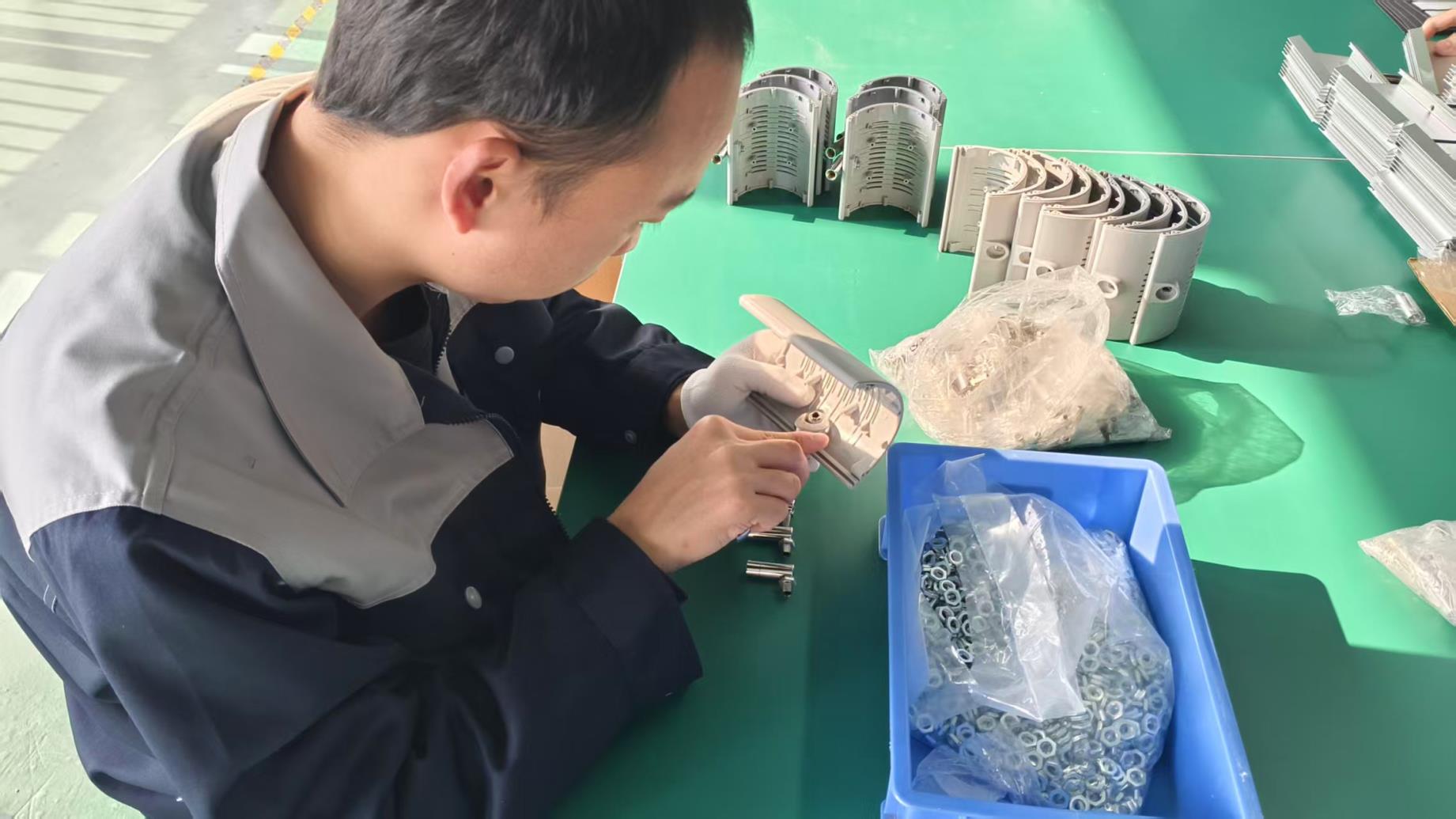
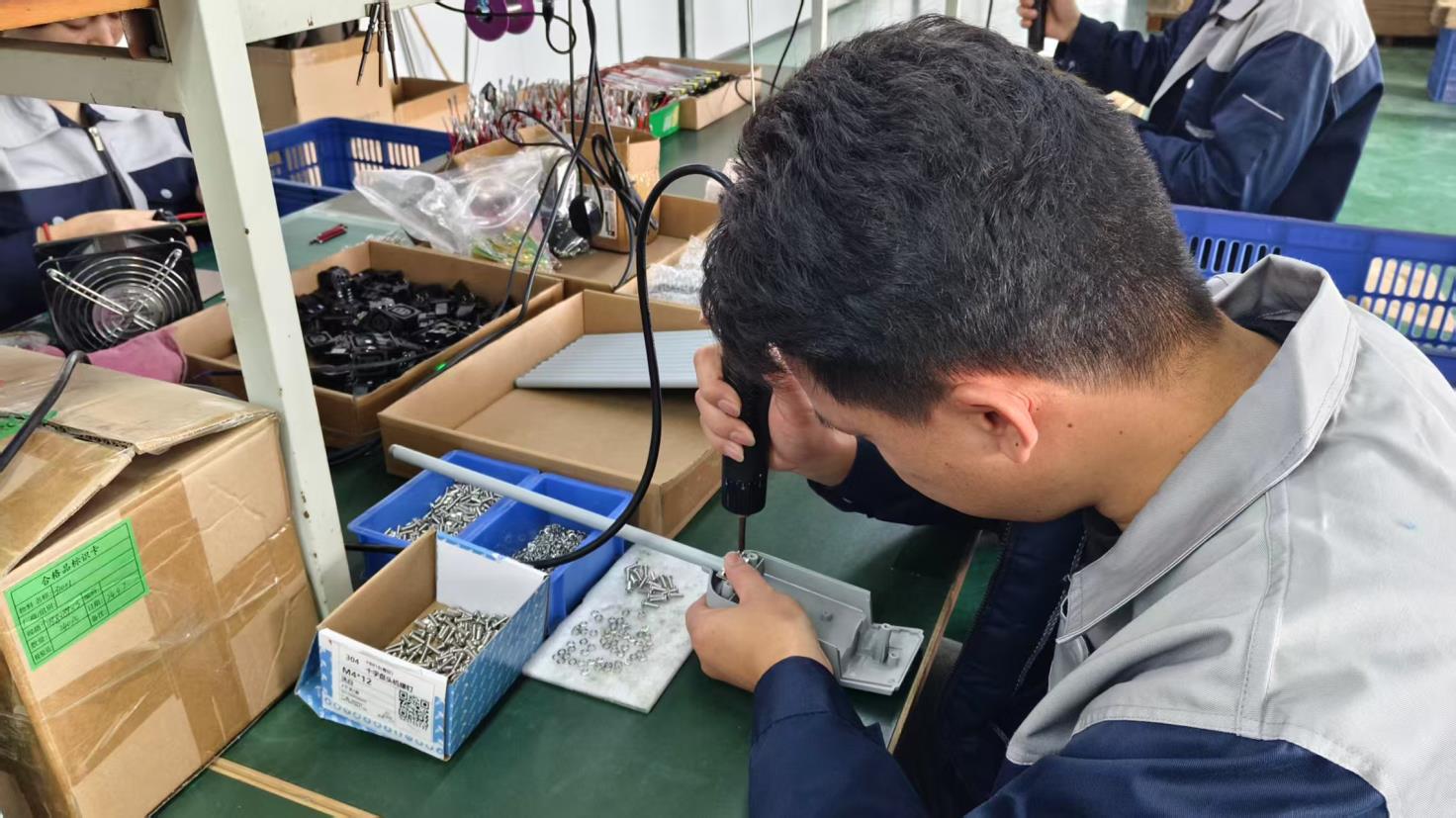
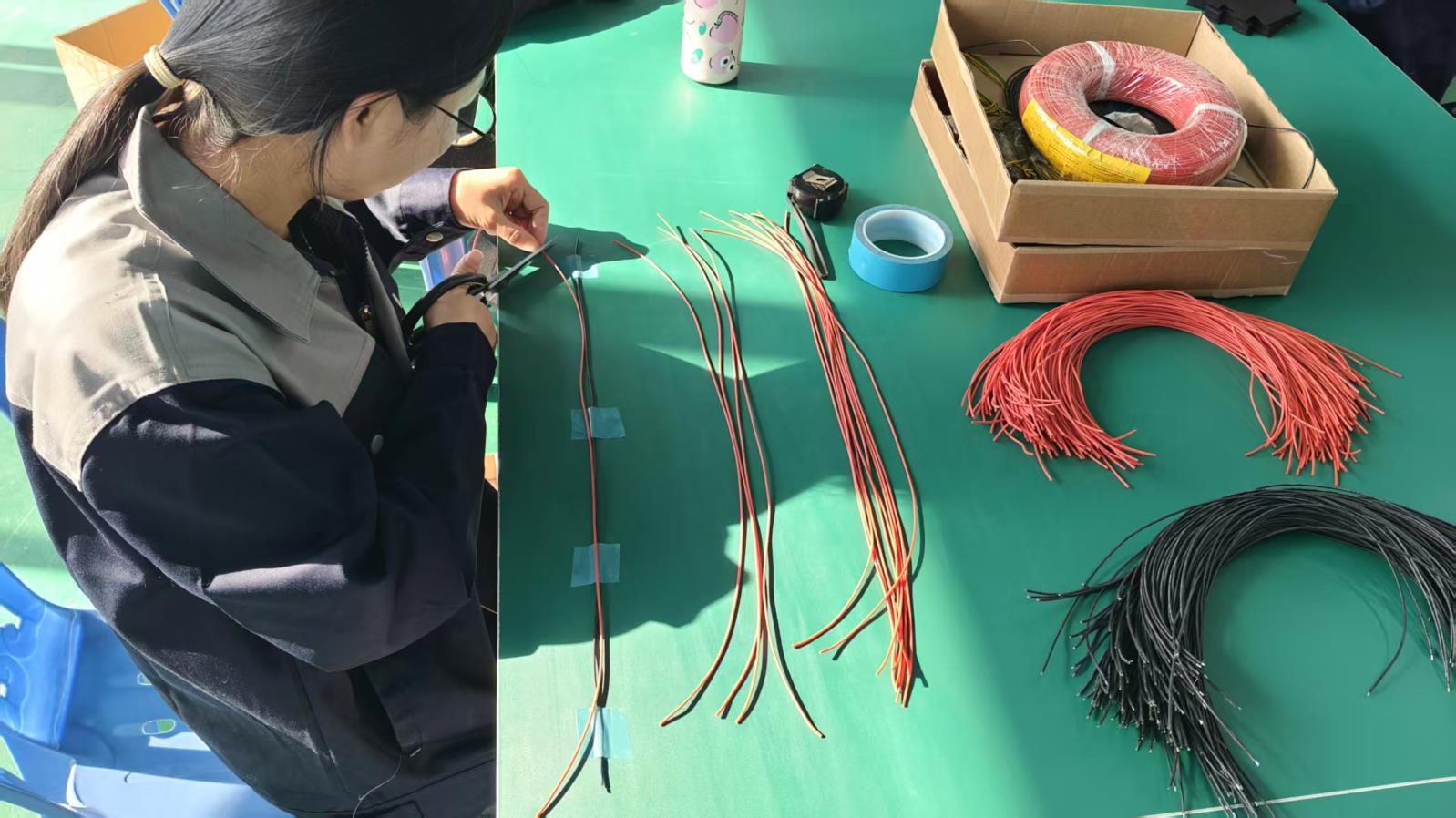
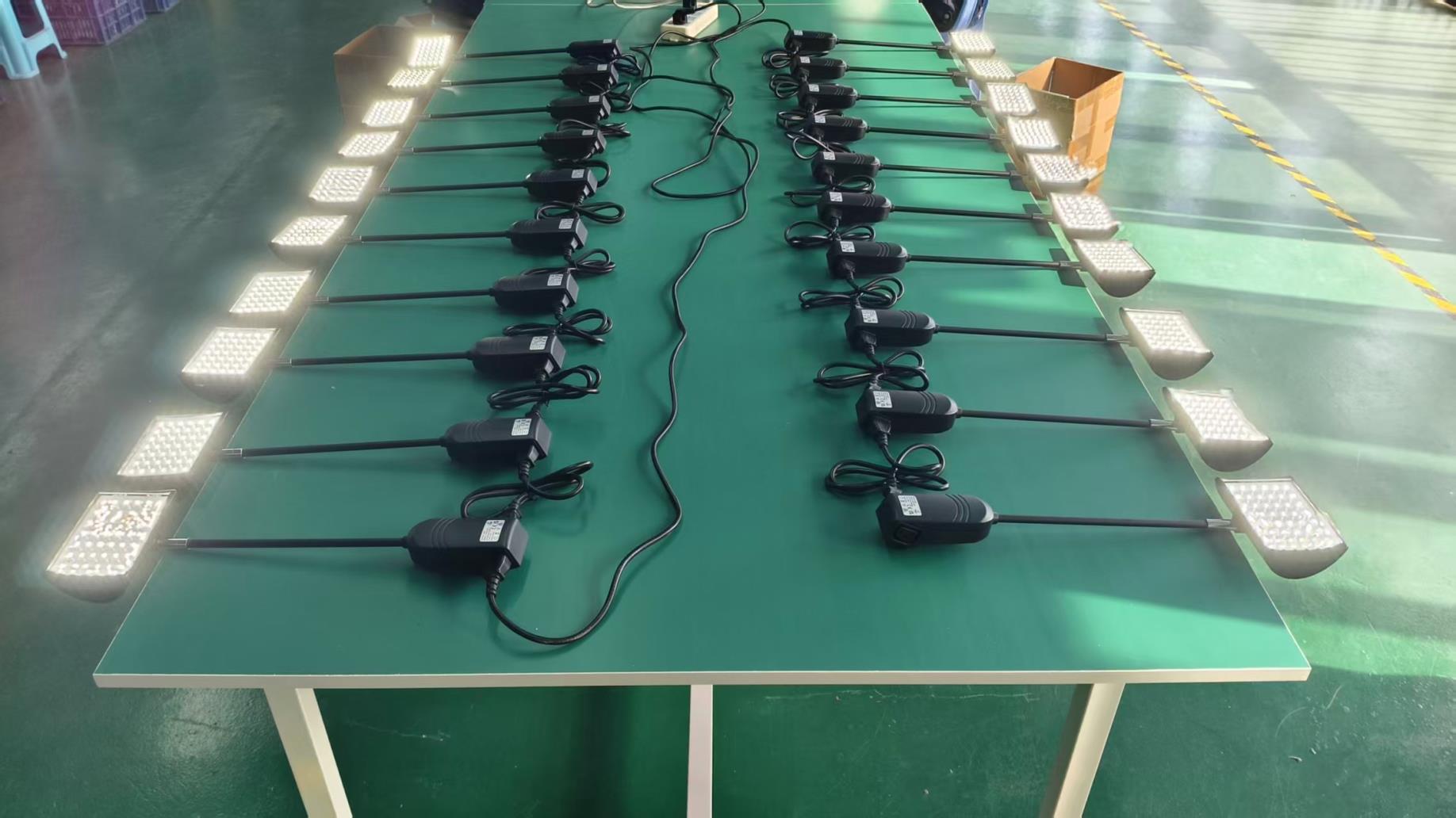
At present, we operate two production bases. The headquarters in Shenzhen (5,000 sqm) focuses on LED components, while our subsidiary factory in Zhongshan (3,000 sqm) is dedicated to advanced LED grow lights and driver power supplies.
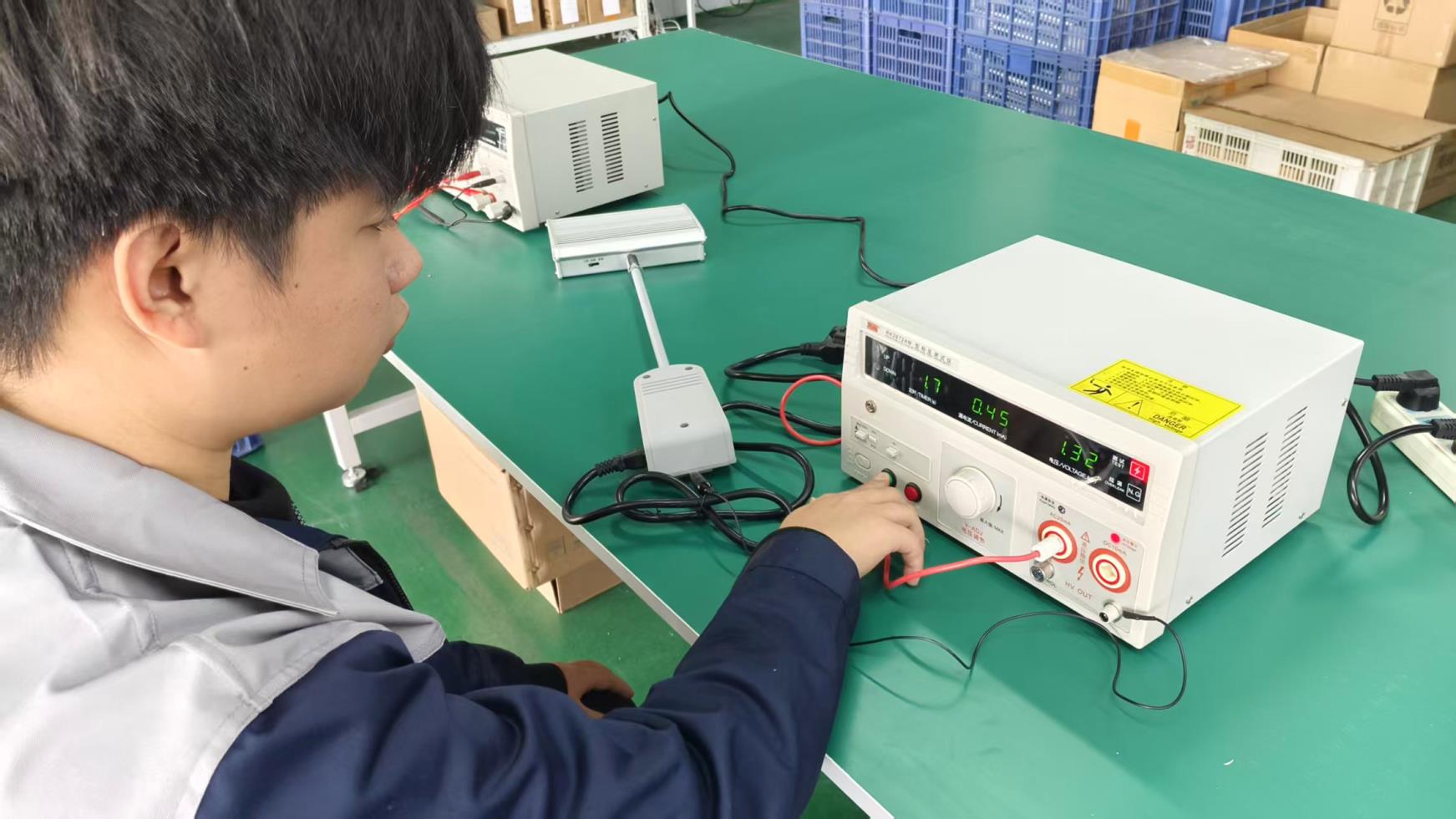
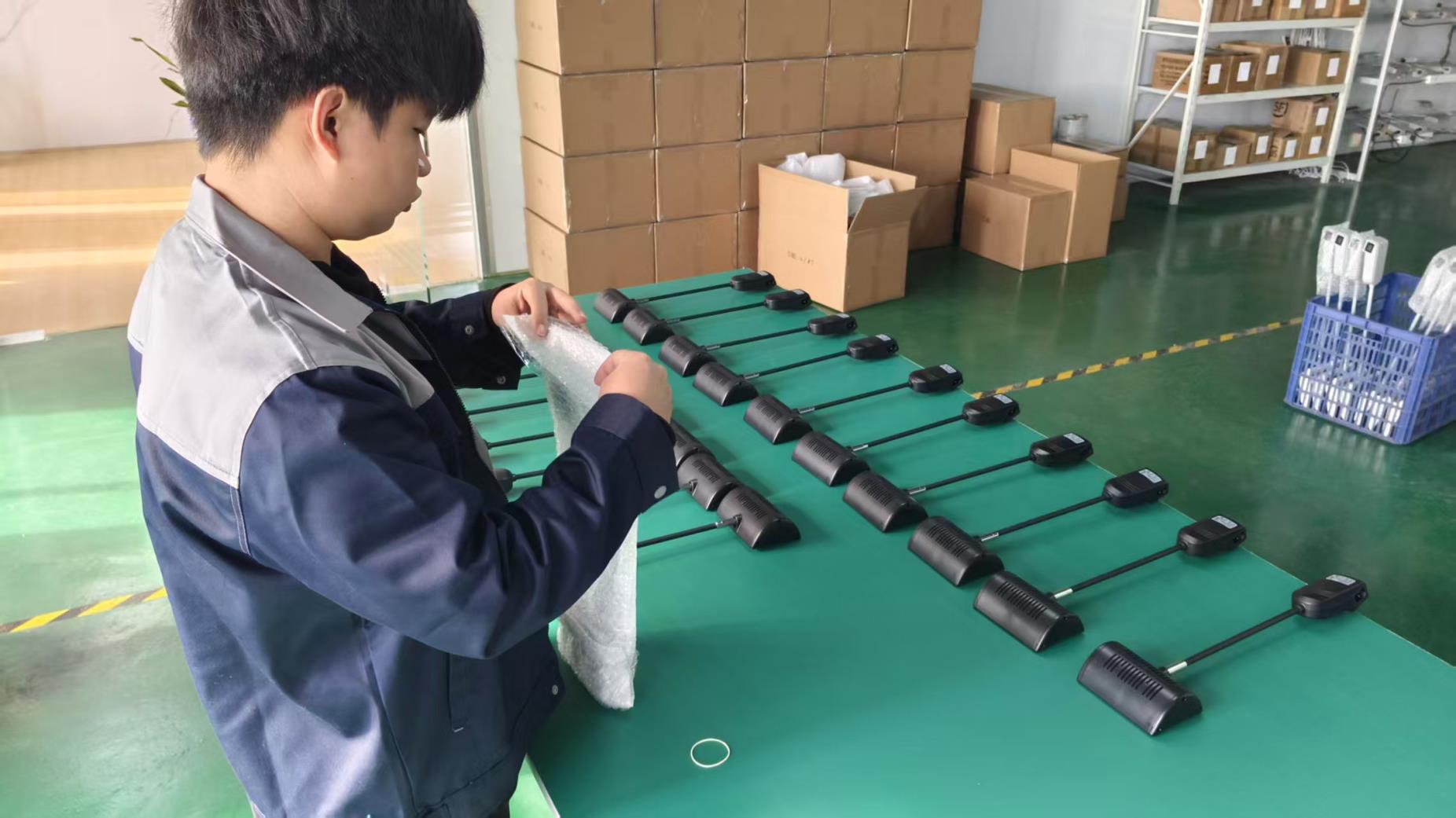
Quality is our core. Our ISO9001 management system ensures consistency from raw materials to aging tests. With CE, RoHS, and SAA certifications, we meet the rigorous demands of the global export market. Over 70% of our manufacturing is automated, ensuring the precision required for high-performance horticultural lighting.
Expert Answers for Professional Growers
A: CE certification ensures that the vegetative lights meet EU safety, health, and environmental protection requirements. For commercial importers, it is a guarantee of electrical safety and electromagnetic compatibility (EMC).
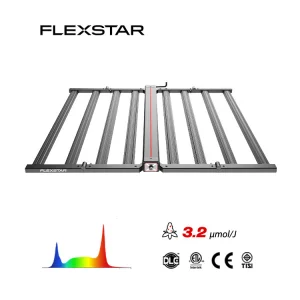
A: The LM301H is specifically designed for horticulture, offering industry-leading photon efficacy (μmol/J). This results in more light for the plants with less heat and power consumption compared to standard LEDs.
A: Vegetative lights prioritize the blue spectrum (400-500nm) to promote thick stems and healthy foliage. Bloom lights add more red (600-700nm) and Far-Red to trigger flowering and fruit development.
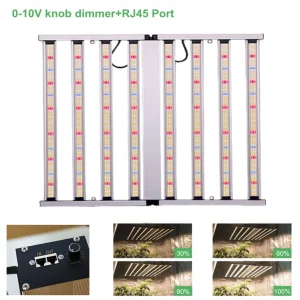
A: Yes, our modern drivers support 0-10V dimming and PWM control, allowing them to be linked to centralized climate and light controllers for automated scheduling.