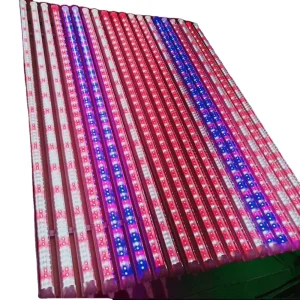
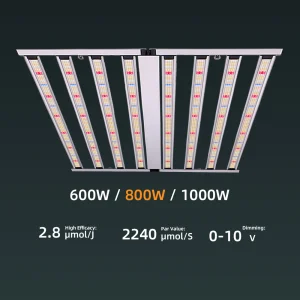
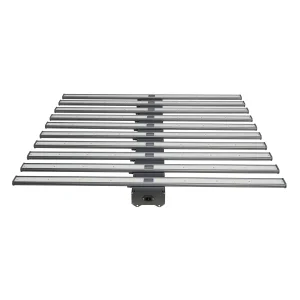
The global horticultural lighting market has undergone a paradigm shift from traditional HPS (High-Pressure Sodium) systems to advanced Quantum Board LED technology. In 2025, the demand is driven by the trifecta of energy efficiency, spectral precision, and thermal management. As energy costs fluctuate globally, commercial greenhouses and vertical farms are seeking "Information Gain" through data-driven lighting solutions that maximize Photosynthetic Photon Efficacy (PPE).
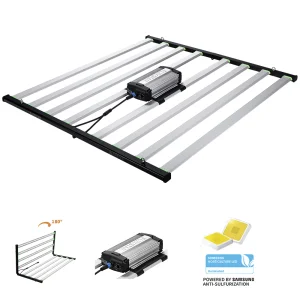
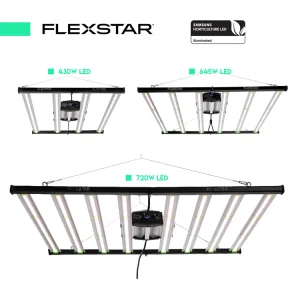
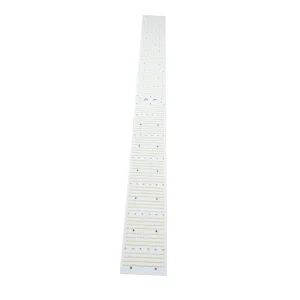
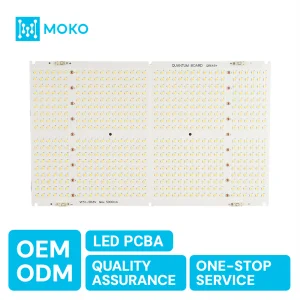
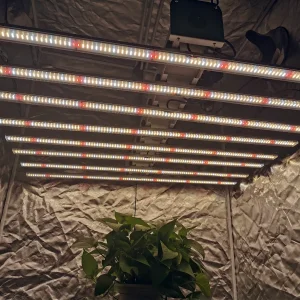
Quantum Board lights, originally popularized by DIY enthusiasts, have now matured into industrial-grade solutions. The core of this technology lies in the high-density distribution of SMD chips (like the Samsung LM301H EVO) across a large PCB surface, which reduces heat concentration and eliminates the need for noisy cooling fans. Today, the "Top 10" factories are not just assemblers; they are innovation hubs integrating AI-controlled dimming, IoT connectivity, and multi-band NIR/UV spectrum tuning.
Identifying the right supplier requires looking beyond price. The top manufacturers in 2025 are characterized by their R&D investment, ISO-certified processes, and localized compliance (UL/DLC/CE).
Focusing on the Samsung LM301H EVO integration, these suppliers push the boundaries of μmol/J. They typically serve high-end medical cannabis facilities where every photon counts.
Factories like Zhongshan Venti Lights combine massive output with strict quality control, ideal for large-scale commercial greenhouse retrofitting.
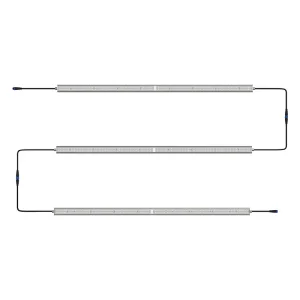
Suppliers focusing on 0-10V dimming, Daisy-chaining, and App-controlled ecosystems for automated farm management.
(Note: Industry leaders include giants like HLG, Samsung-partnered OEMs, and high-efficiency specialists in the Pearl River Delta hub.)
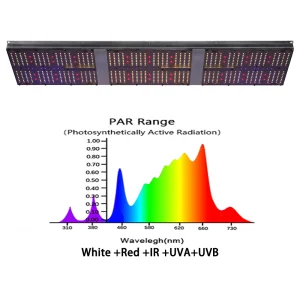
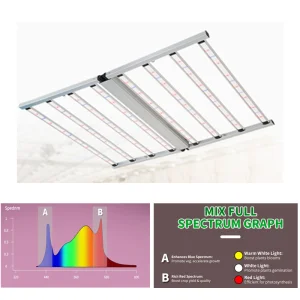
Modern Quantum Boards use a "Full Spectrum" approach—blending 3000K, 5000K, 660nm Deep Red, and 730nm Far Red. This mimics the solar curve while emphasizing the McCree Action Spectrum for optimal photosynthesis.
Using 2.0-3.0mm thick aluminum PCBs with high thermal conductivity (2.0W/m.k) ensures that the Samsung chips operate within their optimal temperature range, preventing lumen depreciation.
The transition to Meanwell or Sosen drivers with IP65/IP67 ratings ensures reliability in high-humidity hydroponic environments.
Zhongshan Venti Lights Co., Ltd., established on January 25th, 2005, stands as a beacon of reliability in the LED industry. As a National High-Tech Enterprise, we have transitioned from simple component manufacturing to becoming a global leader in high-performance horticultural lighting solutions.
Dual-Base Manufacturing Power:
Quality & Compliance:
Our facility operates under ISO9001 standards. With 70% automation, we ensure precision that manual assembly cannot match. Our products carry CE, RoHS, and SAA certifications, making them ready for immediate deployment in Europe, Australia, and North America.
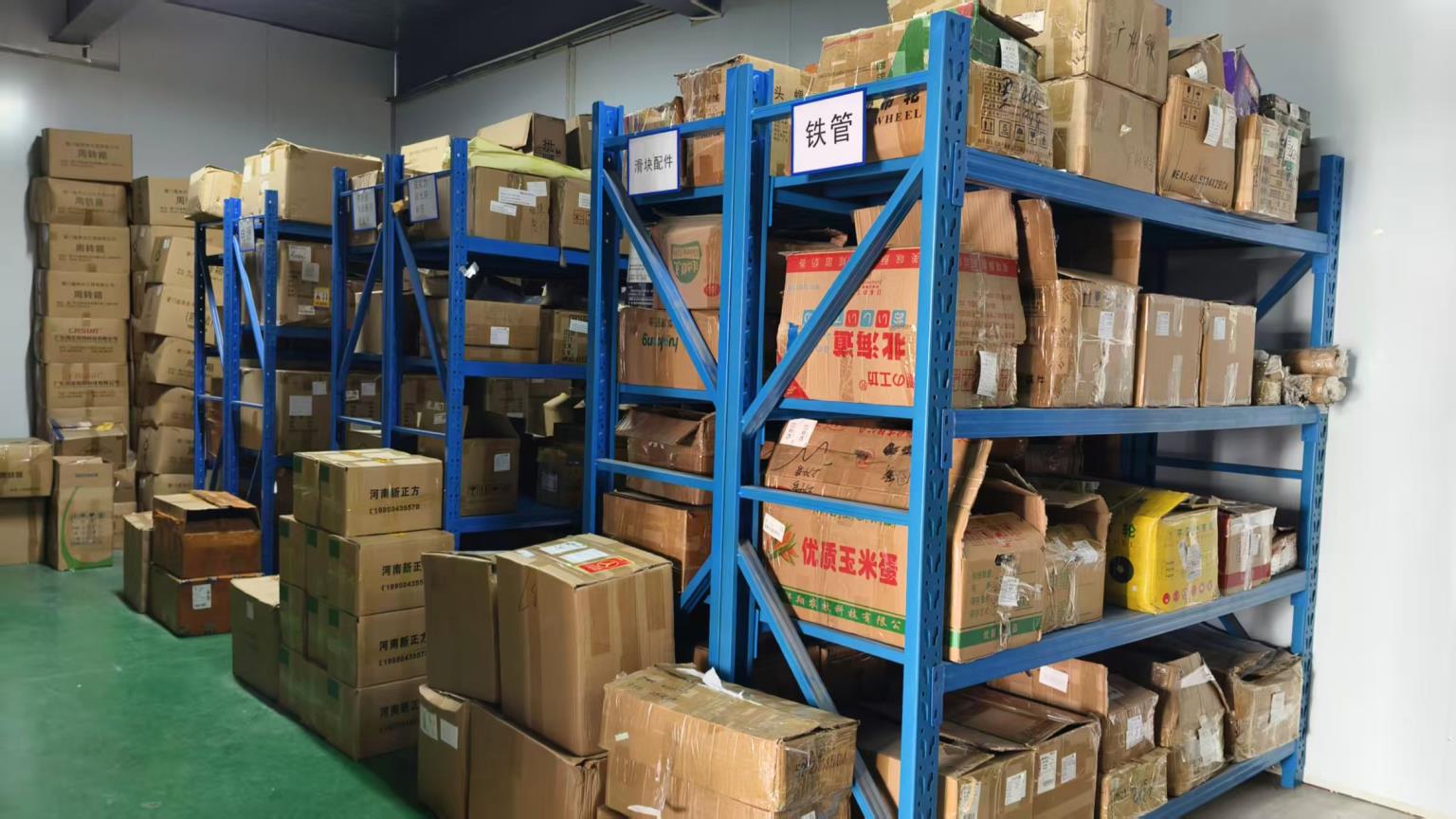 Raw Materials
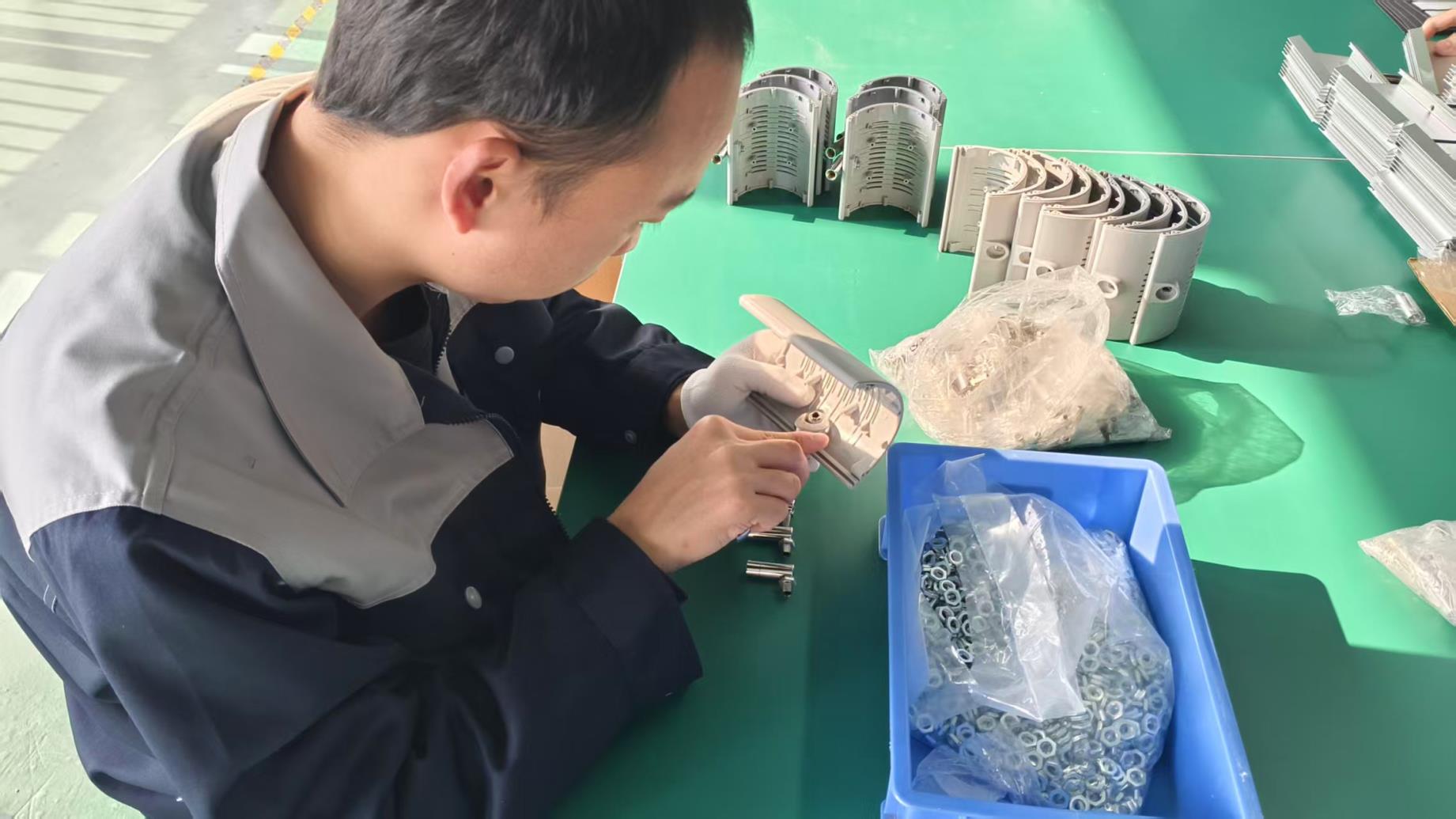 Lamp Head Install
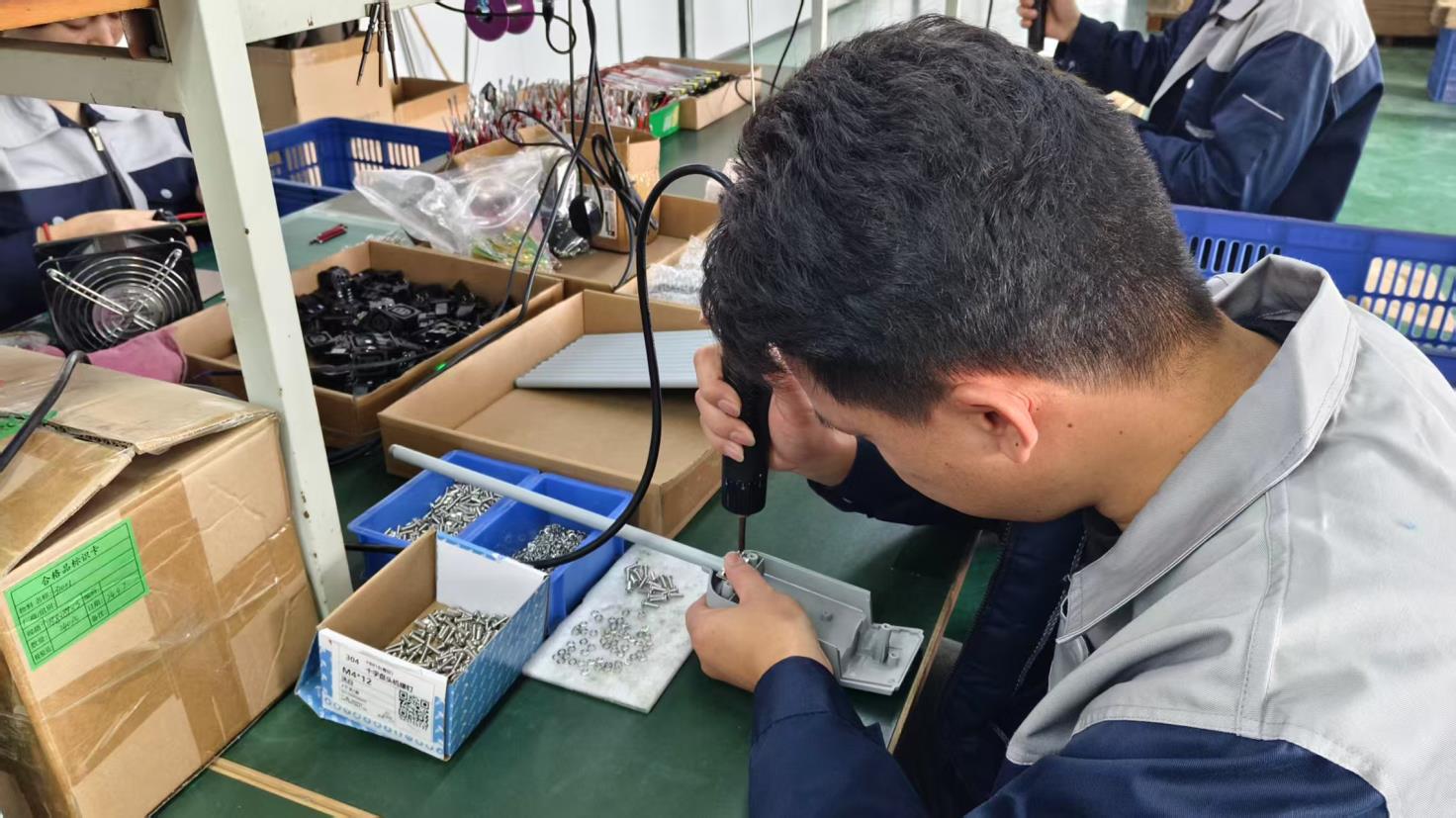 Tail Cover
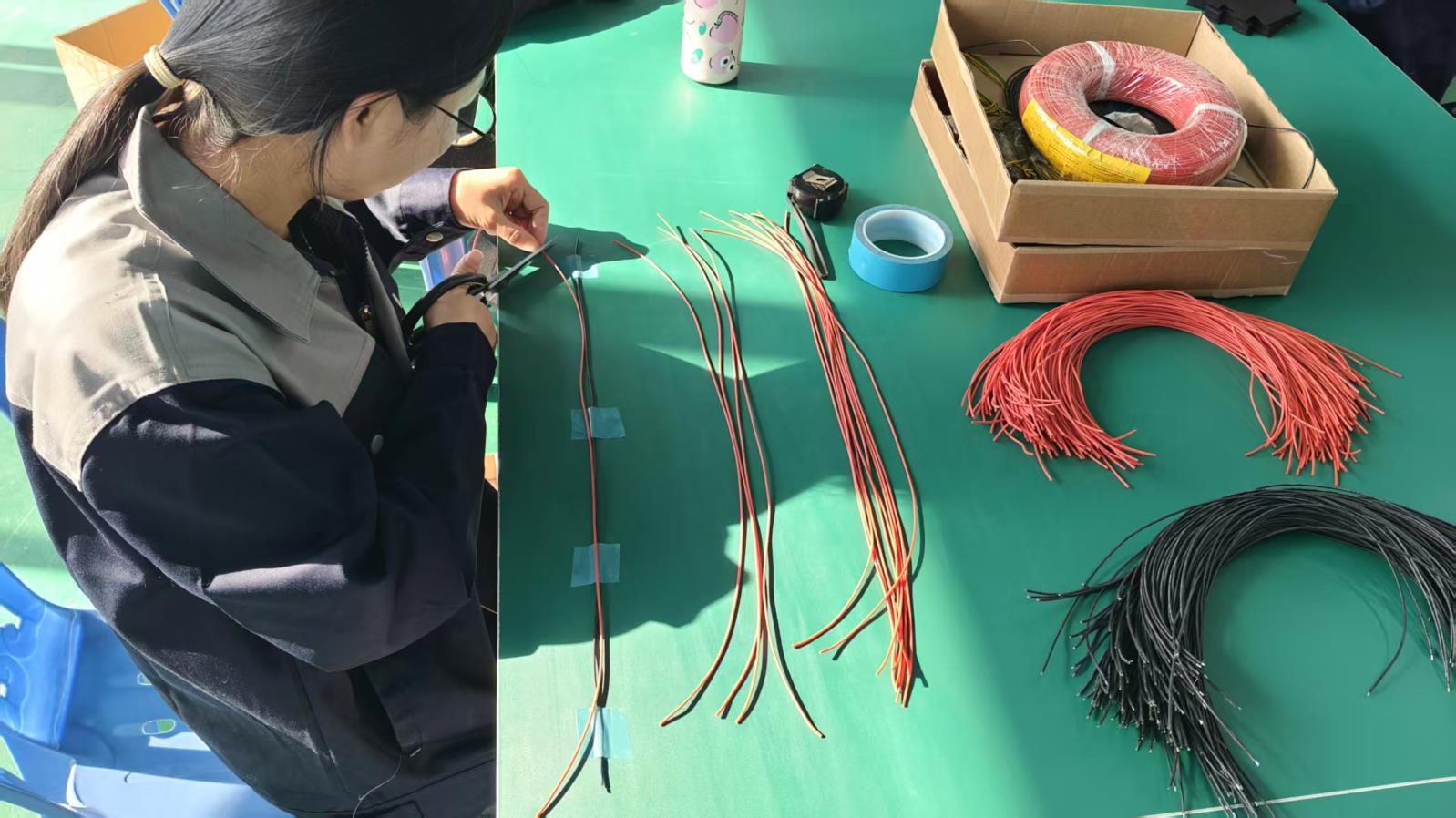 Wire Cutting
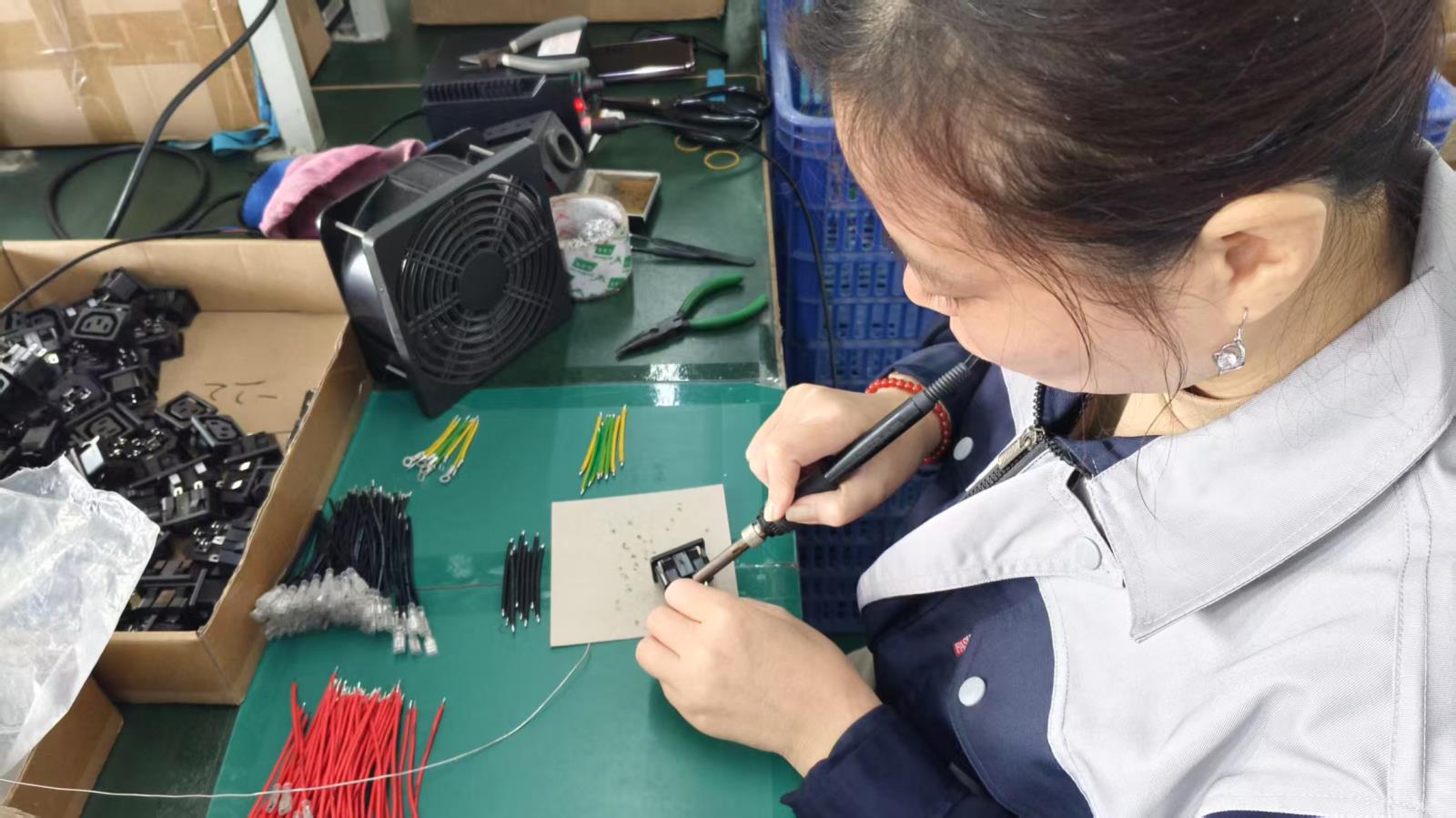 Soldering
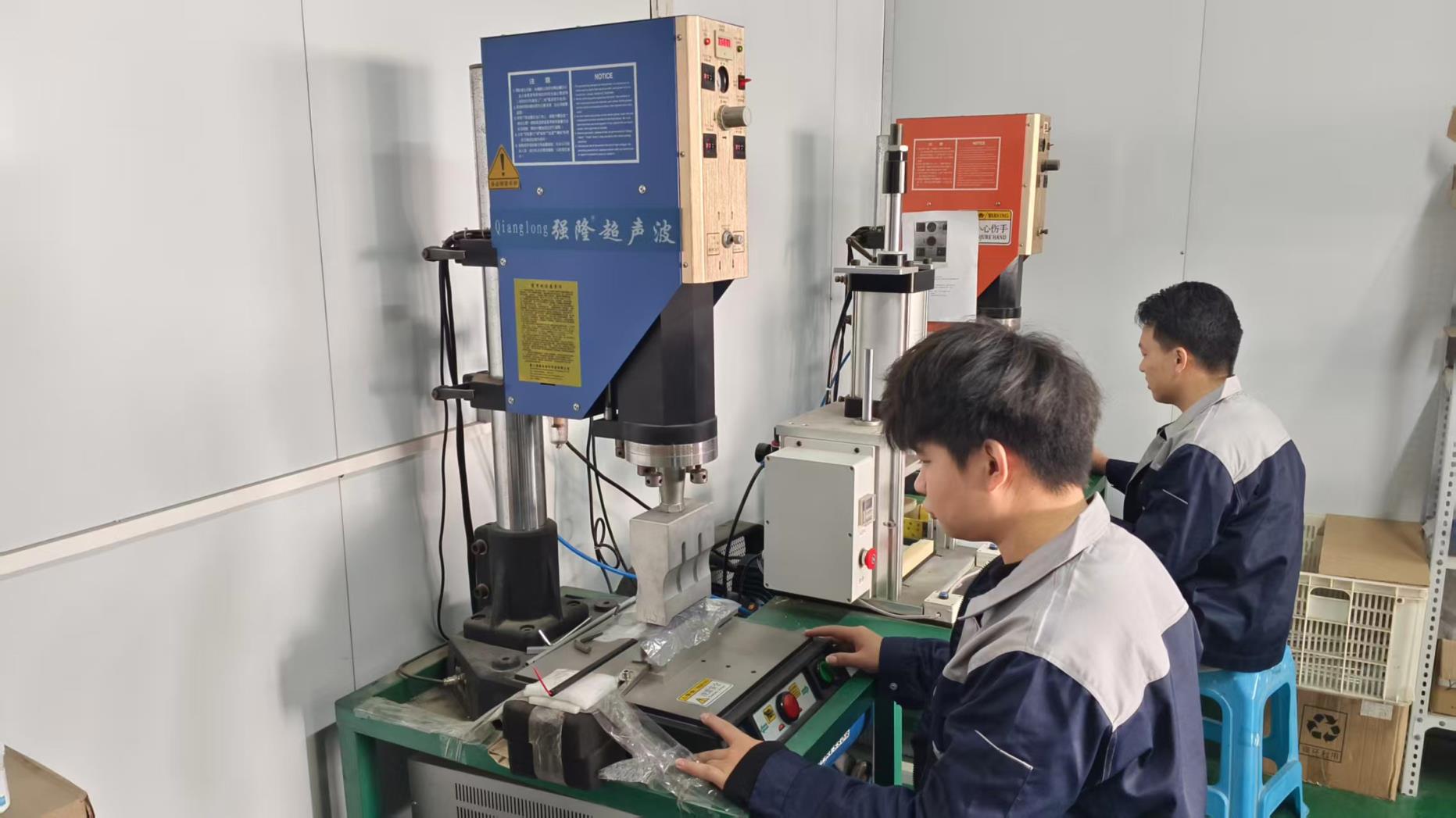 Ultrasonic Welding
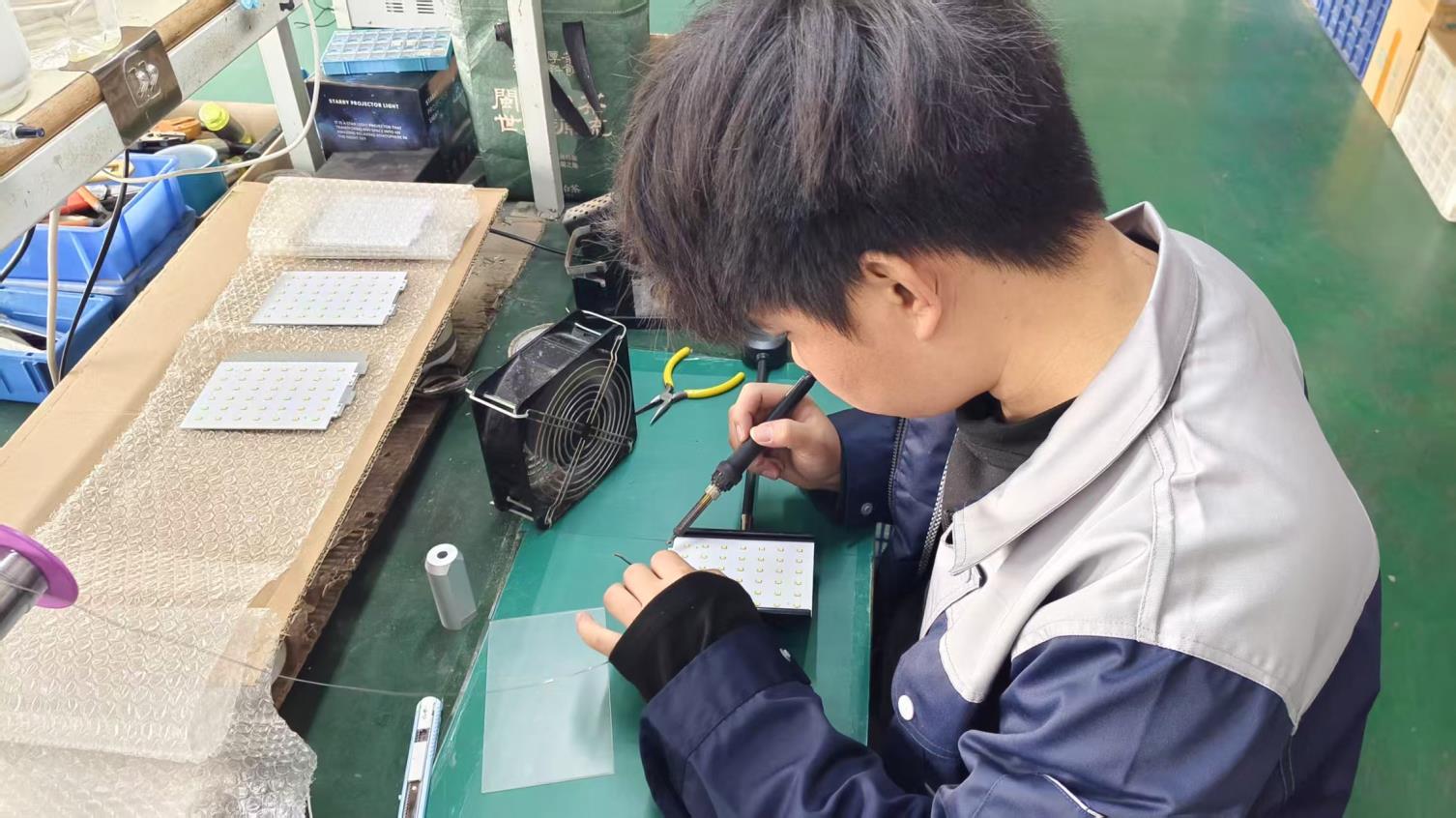 Weld Lamp Board
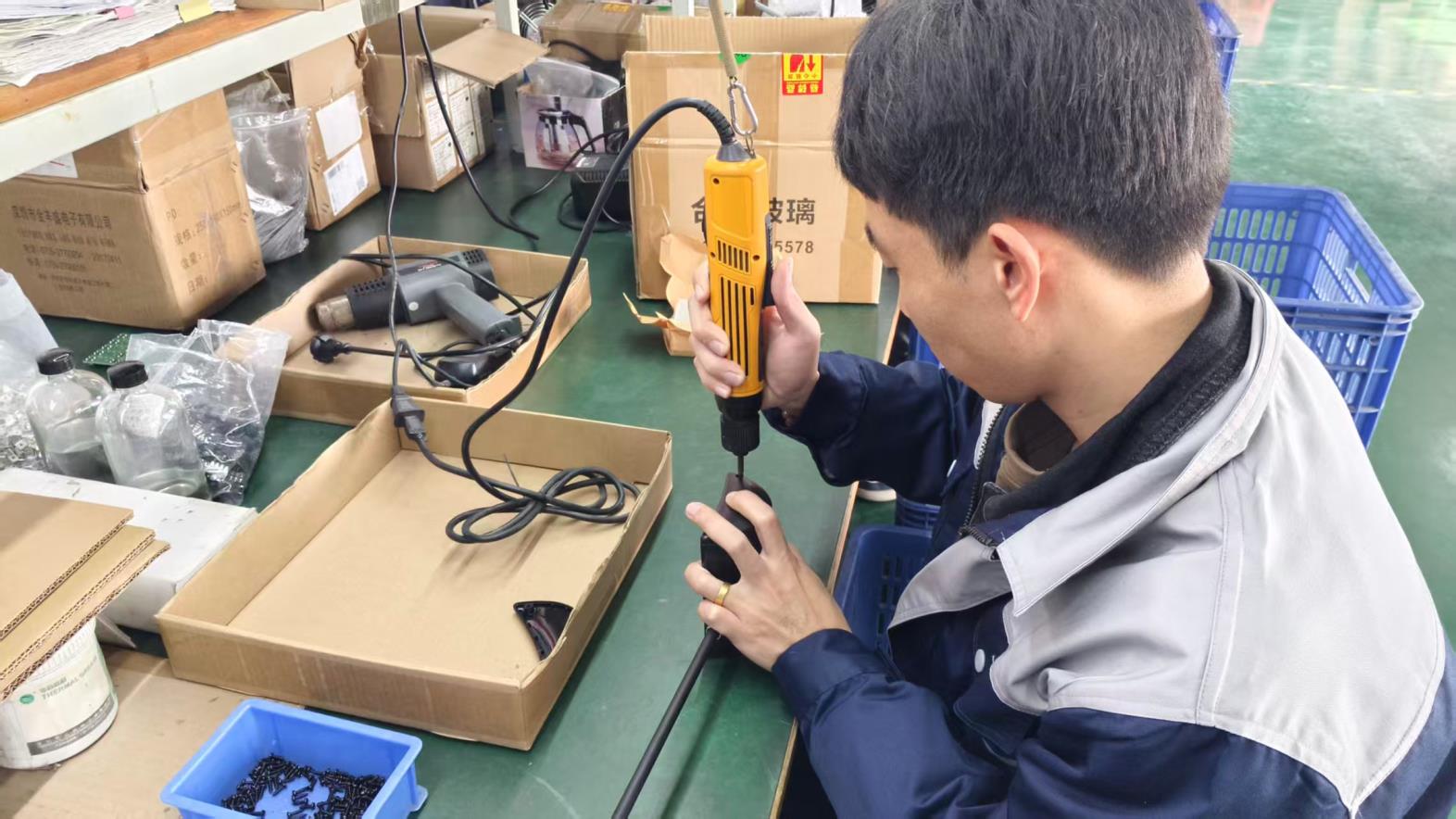 Housing Lock
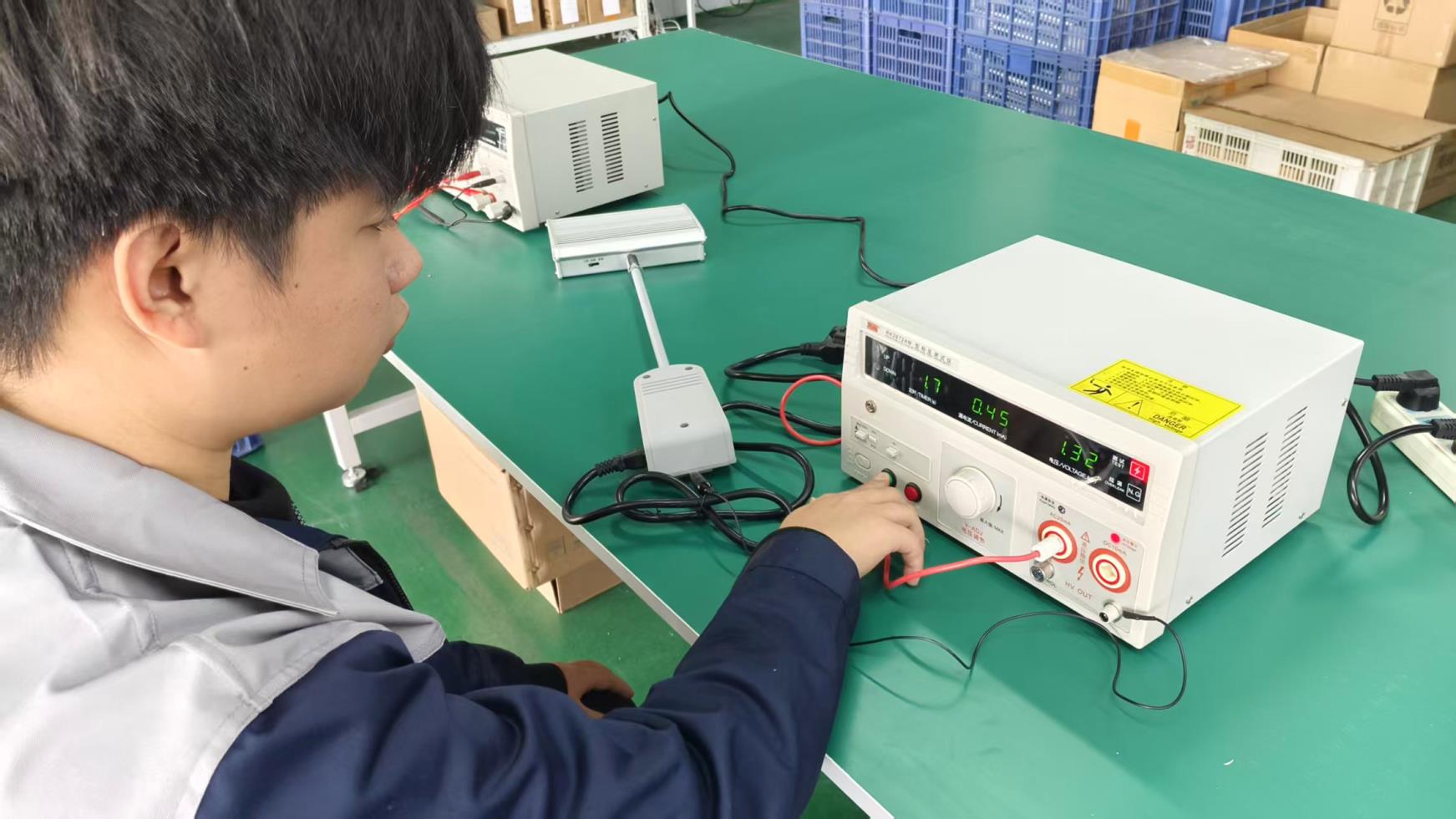 Quality Inspection
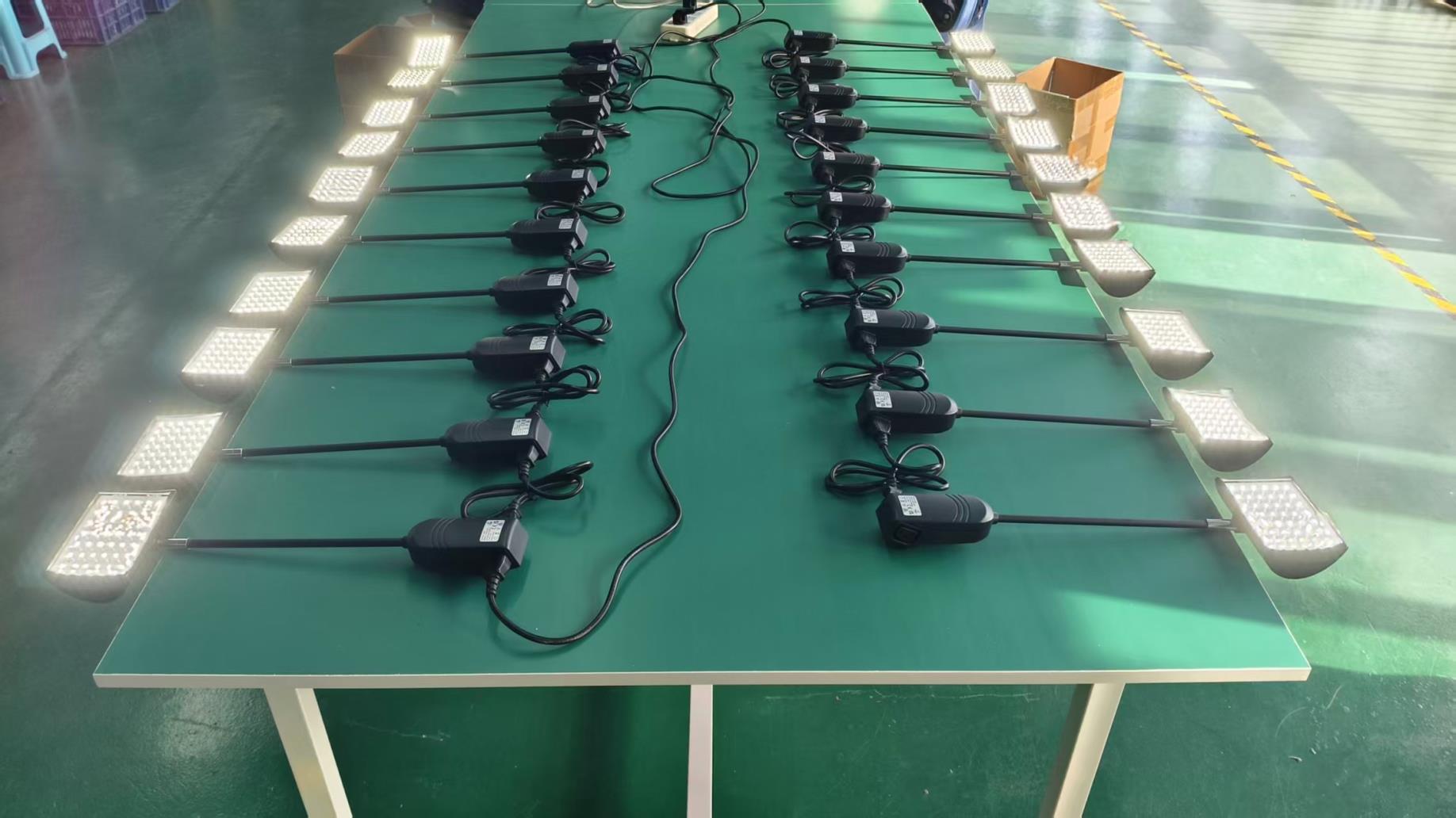 Aging Test
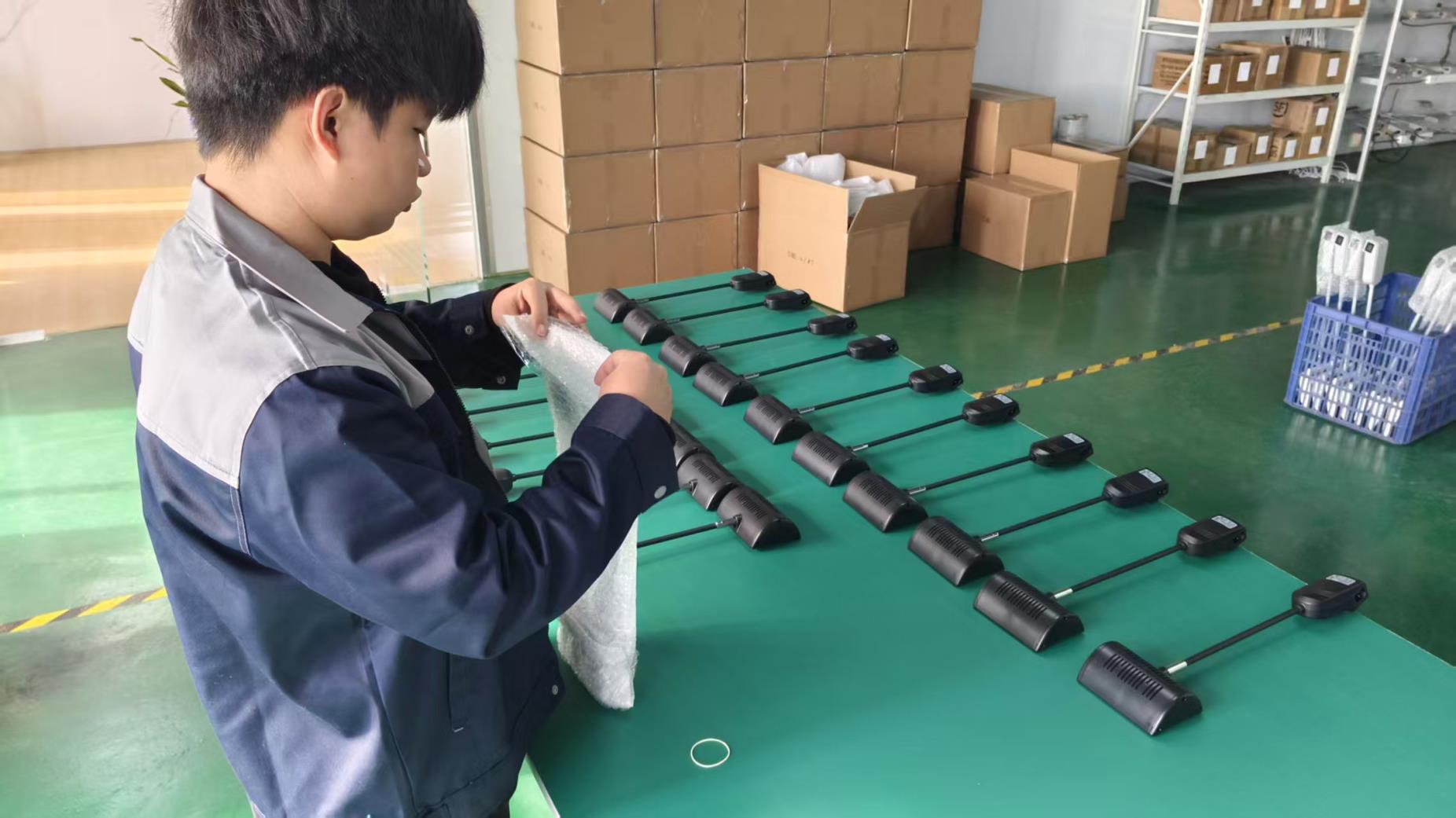 Packing
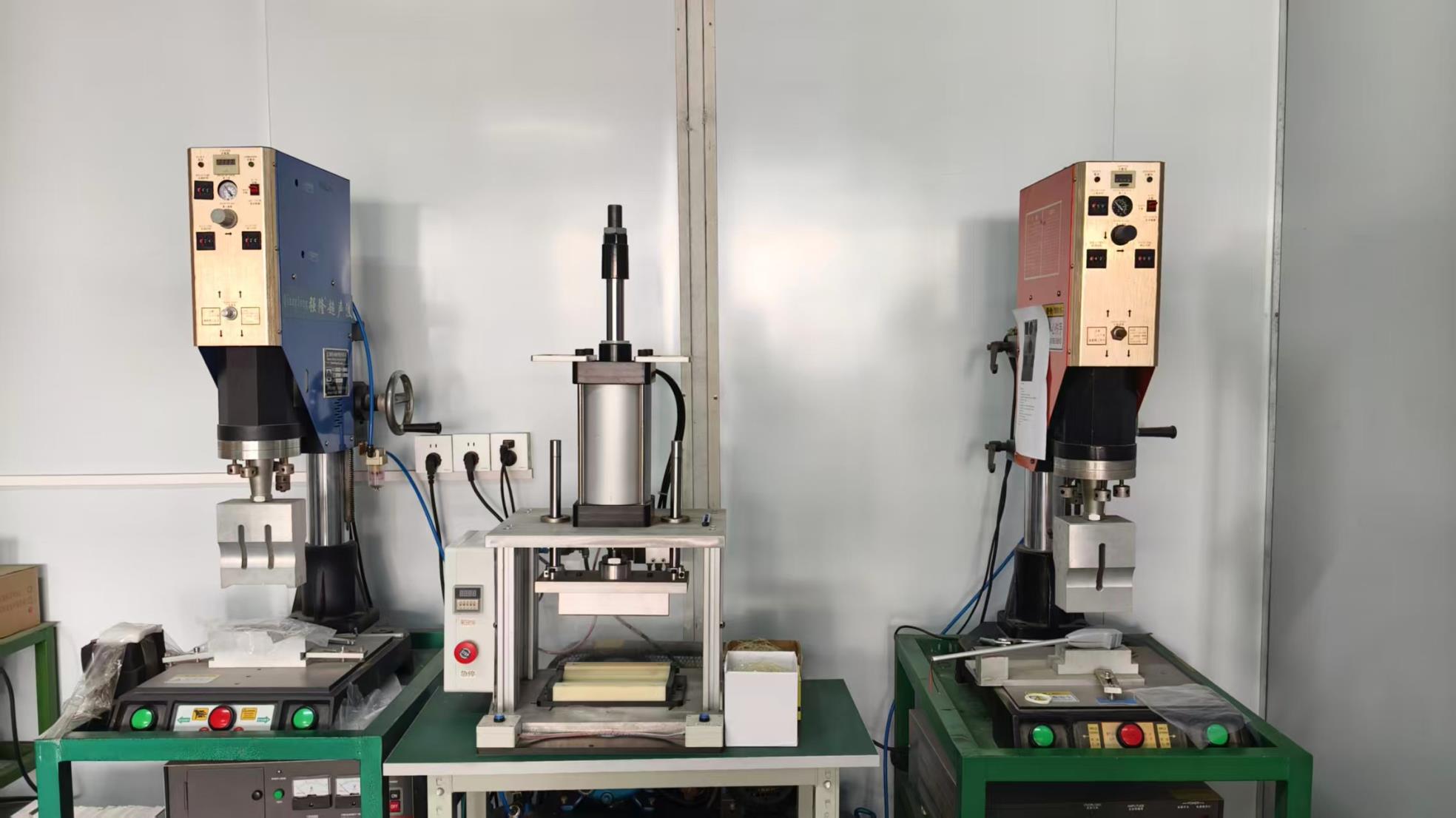 Welding Machine
For North American clients, we offer solutions that meet DLC 5.2 standards for energy rebates. For European partners, our CE-EMC/LVD reports ensure hassle-free customs clearance and industrial safety compliance.
The next generation of Quantum Boards will feature Real-time PPFD Sensing. Sensors will detect ambient light and adjust the LED output to maintain a constant DLI (Daily Light Integral), further reducing electricity waste by up to 20%.
A: While both share similar physical dimensions, the LM301H is specifically marketed for horticulture, featuring higher photon efficacy and a sulfur-resistant coating to withstand the harsh environments of greenhouses.
A: Quantum Boards offer better light uniformity for smaller, square growing areas and are generally more cost-effective for veg and seedling stages due to their high diode density.
A: Every unit undergoes a rigorous 48-72 hour aging test in high-temperature chambers. We utilize oversized heat sinks and premium drivers to ensure components never run at 100% thermal capacity.