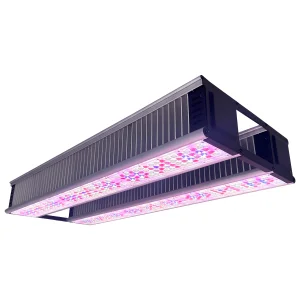
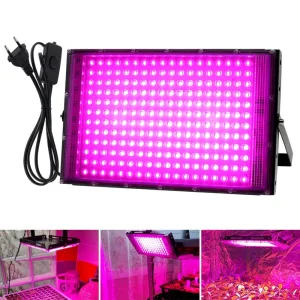
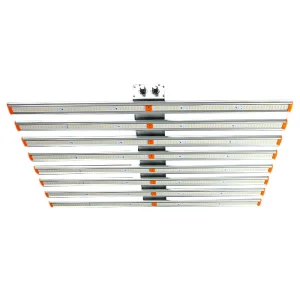
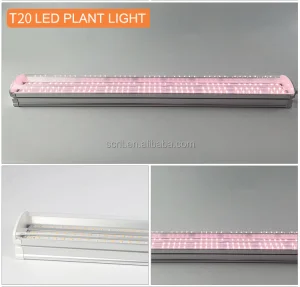
The global controlled environment agriculture (CEA) sector is undergoing a profound paradigm shift. Transitioning from legacy High-Pressure Sodium (HPS) and Metal Halide (MH) systems toward intelligent, spectral-tunable Growth Enhancement Light Systems has become a operational imperative for commercial farm operators. Modern agricultural photobiology demands precise manipulation of Photosynthetically Active Radiation (PAR, 400nm–700nm), expanded into the extended Photosynthetic Photon Flux (ePAR, 400nm–750nm) spectrum. Industrial growers no longer evaluate fixtures strictly by wattage; total photon yield per joule, customized photomorphogenetic response, thermal dissipation efficiency, and fixture durability govern operational return on investment (ROI).
As premier original equipment manufacturers (OEM) and original design manufacturers (ODM), verified growth enhancement light factories provide the hardware architecture necessary to meet strict commercial benchmarks. Energy costs represent up to 30% of total operational expenditure in indoor vertical farming. Achieving photosynthetic photon efficacy (PPE) ratings reaching 3.8 µmol/J allows facility operators to lower power draw by 40% to 55% compared to conventional 1000W HPS fixtures, while concurrently increasing Daily Light Integral (DLI) delivered to crop canopies.
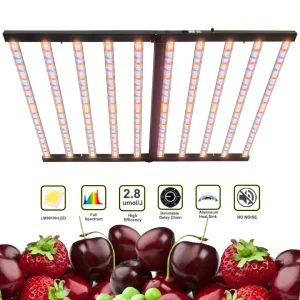
Deploying top-tier semiconductor chips such as Samsung LM301B / LM301H EVO alongside Osram and Bridgelux deep-red (660nm) and far-red (730nm) emitters. High-efficiency light engines balance photon emission with long-term optical degradation limits, preserving 90% photon yield beyond 50,000 operational hours (L90B10 standard).
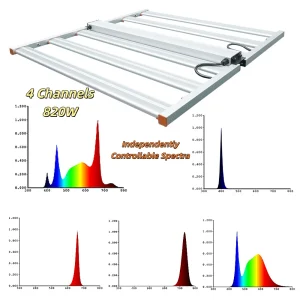
Integrating multi-channel control interfaces (0-10V, PWM, RS485, and wireless Zigbee/Tuya protocols). Automated spectrum manipulation allows independent adjustment of Vegetative, Flowering, UV (385nm), and Far-Red channels to trigger targeted phytochrome responses and Emerson enhancement effects.
Utilizing heavy-duty extruded 6063 aluminum heat sinks designed for low thermal resistance ($R_{th}$). Operating diode junction temperatures ($T_j$) stay well under 65°C, preventing spectral drift, protecting internal phosphor layers, and eliminating energy-hungry active cooling fans.
Equipped with custom high-efficiency power supplies featuring over-voltage, over-current, and thermal overload protection. IP65 to IP67 waterproof ratings guarantee structural resistance against high ambient humidity, sulfur vaporization, and automated greenhouse washing cycles.
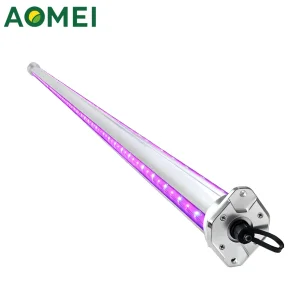
In high-latitude northern regions (North America, Northern Europe), natural solar light drops drastically during winter. Installing slimline 800W–1000W high-PPFD top lights (delivering > 2500 µmol/s output) provides high optical transmission without blocking ambient sunlight. Uniform beam distribution profile guarantees consistency across wide tomato, cucumber, and pepper gutters.
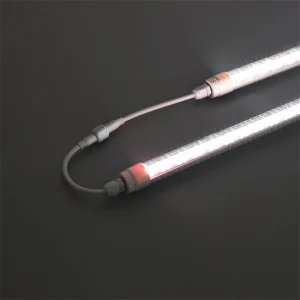
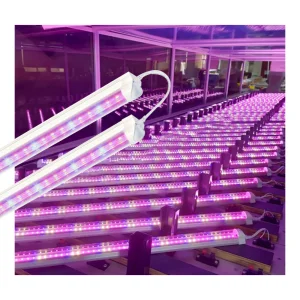
For high-density vertical rack setups cultivating leafy greens, lettuce, and microgreens, vertical height clearance is limited. Utilizing low-profile T8 LED tubes and ultra-thin Samsung LM301H LED bars provides uniform near-field PPFD (150–300 µmol/m²/s) without thermal hotspot risks, reducing rack distance to less than 30 cm.
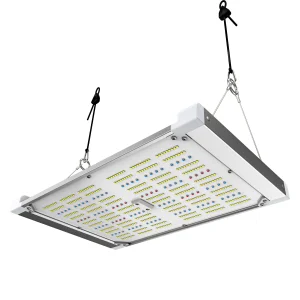
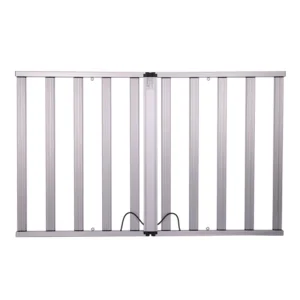
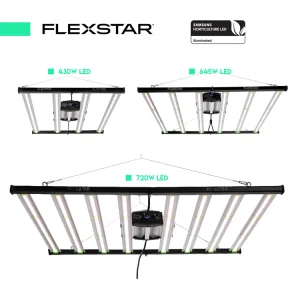
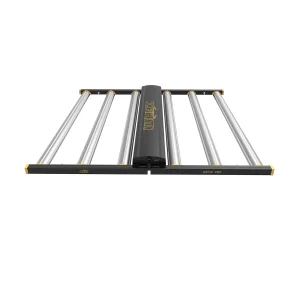
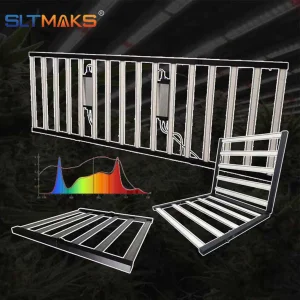
Precision cultivation demands high photoperiod control. 600W to 1000W foldable spider-style fixtures offering high broad-spectrum light and targeted UV/IR channels allow growers to optimize secondary metabolite accumulation, terpene expression, and cannabinoid yields during terminal flowering stages.
Animal husbandry photobiology differs from plant biology. Continuous lighting with zero flickering is necessary to avoid bird stress. Specialized IP65 T8 0-10V dimmable flicker-free poultry tubes modulate circadian rhythms, promoting healthier growth rates and improved egg-laying efficiency.
The Pearl River Delta in Guangdong, China—specifically the dual industrial hubs of Shenzhen and Zhongshan—represents the global epicenter of solid-state lighting manufacturing. Sourcing commercial agricultural growth lights directly from established Chinese factories provides significant strategic advantages:
From raw aluminum extrusion casting and high-speed SMT surface mounting to specialized LED driver winding and optical lens molding, full vertical integration minimizes vendor stack margins and slashes production lead times.
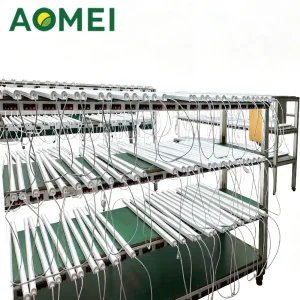
High-speed automated placement lines achieve pick-and-place accuracy within microns. Automated optical inspection (AOI) ensures zero solder bridging, guaranteeing long-term circuit reliability under harsh greenhouse operating conditions.
In-house photobiological laboratories and CAD engineering teams can rapidly prototype custom spectrum configurations, localized voltage modifications (120V–480V industrial grids), and private-label physical enclosures within tight timelines.
Zhongshan Venti Lights Co., Ltd. was established on January 25th, 2005. It is an integrated enterprise specializing in the research and development, manufacturing, and global marketing of LED lighting products. With years of steady growth, the company has developed a strong production and innovation capability supported by modern facilities and a professional engineering team.
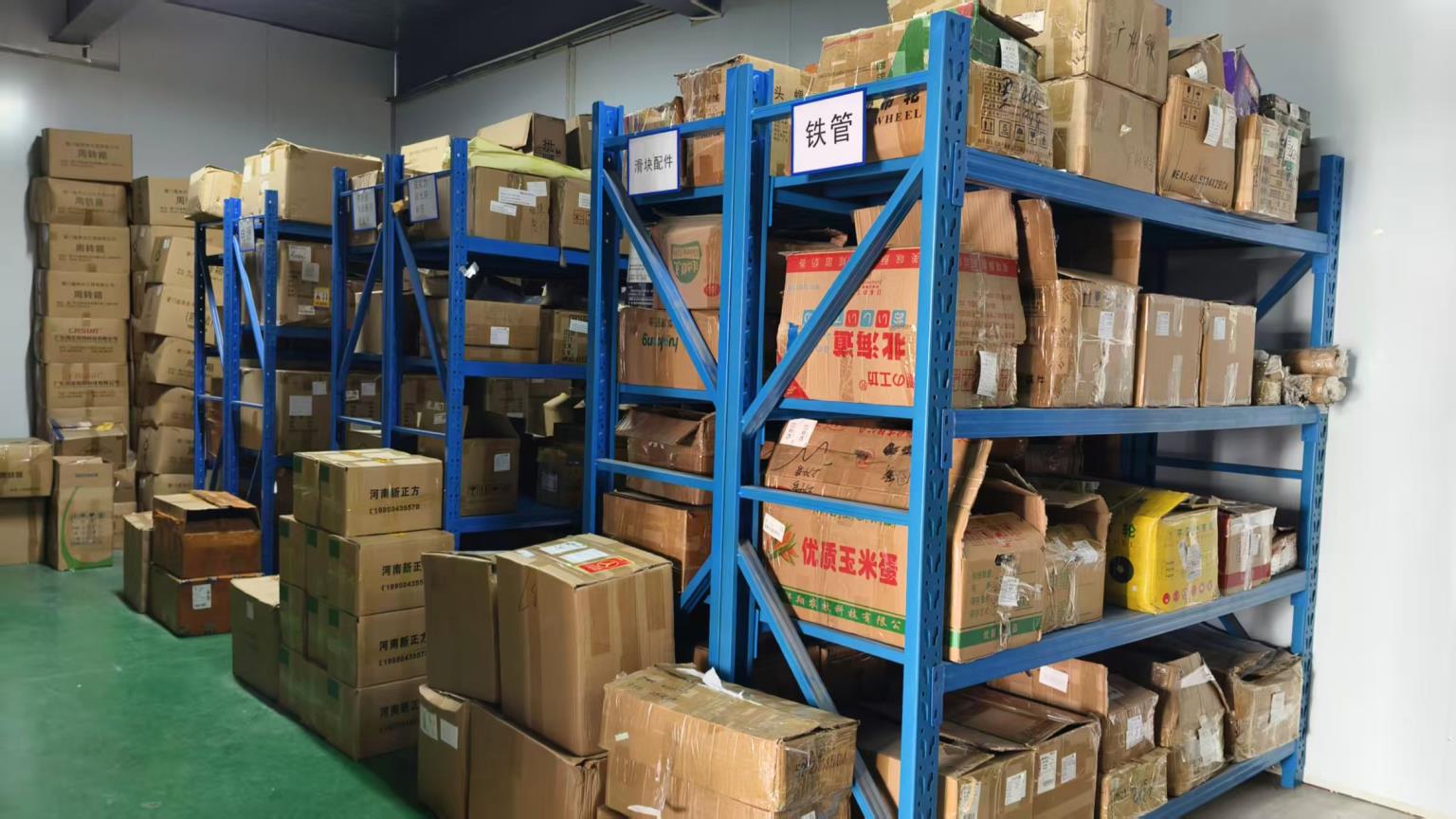
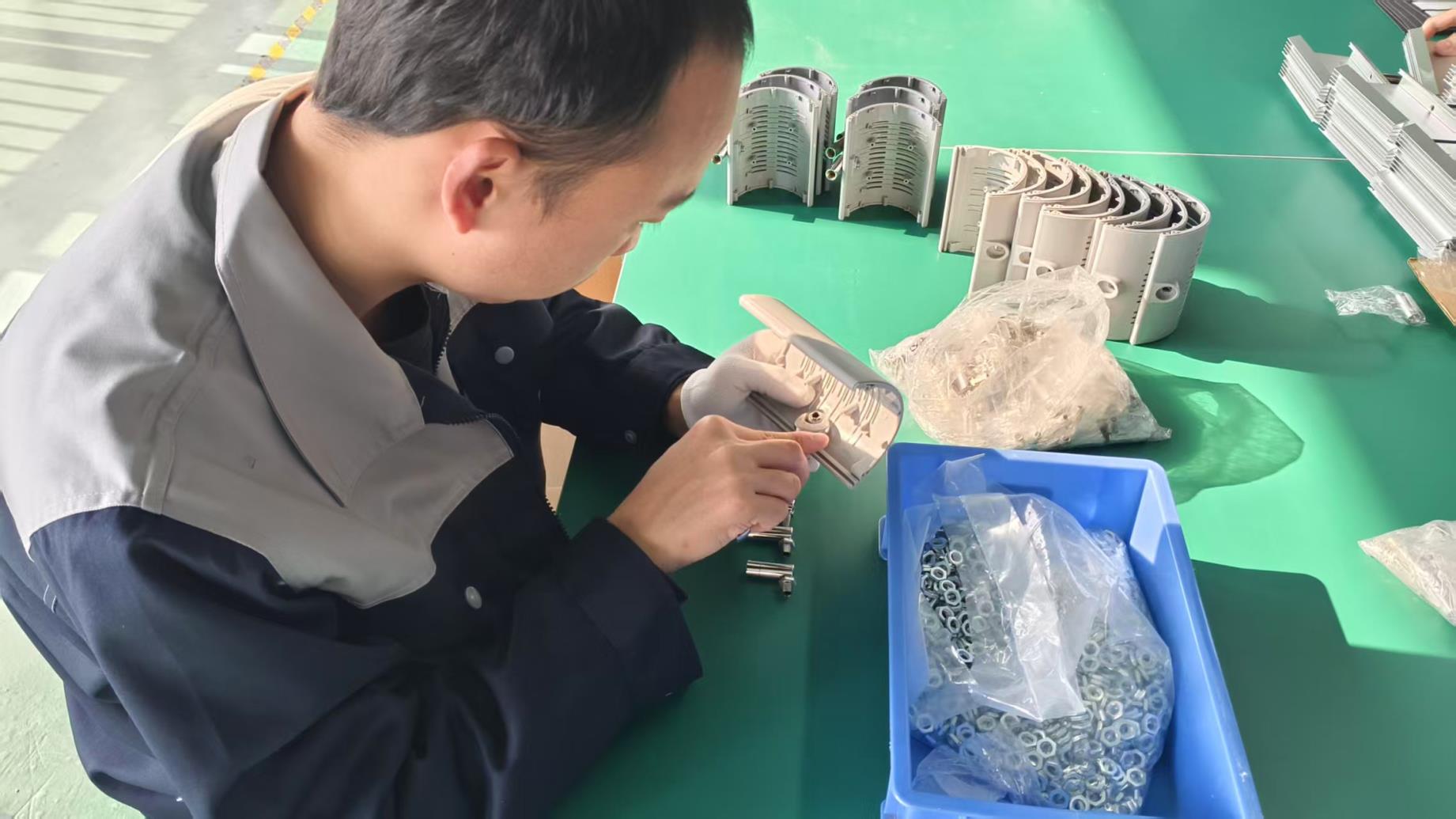
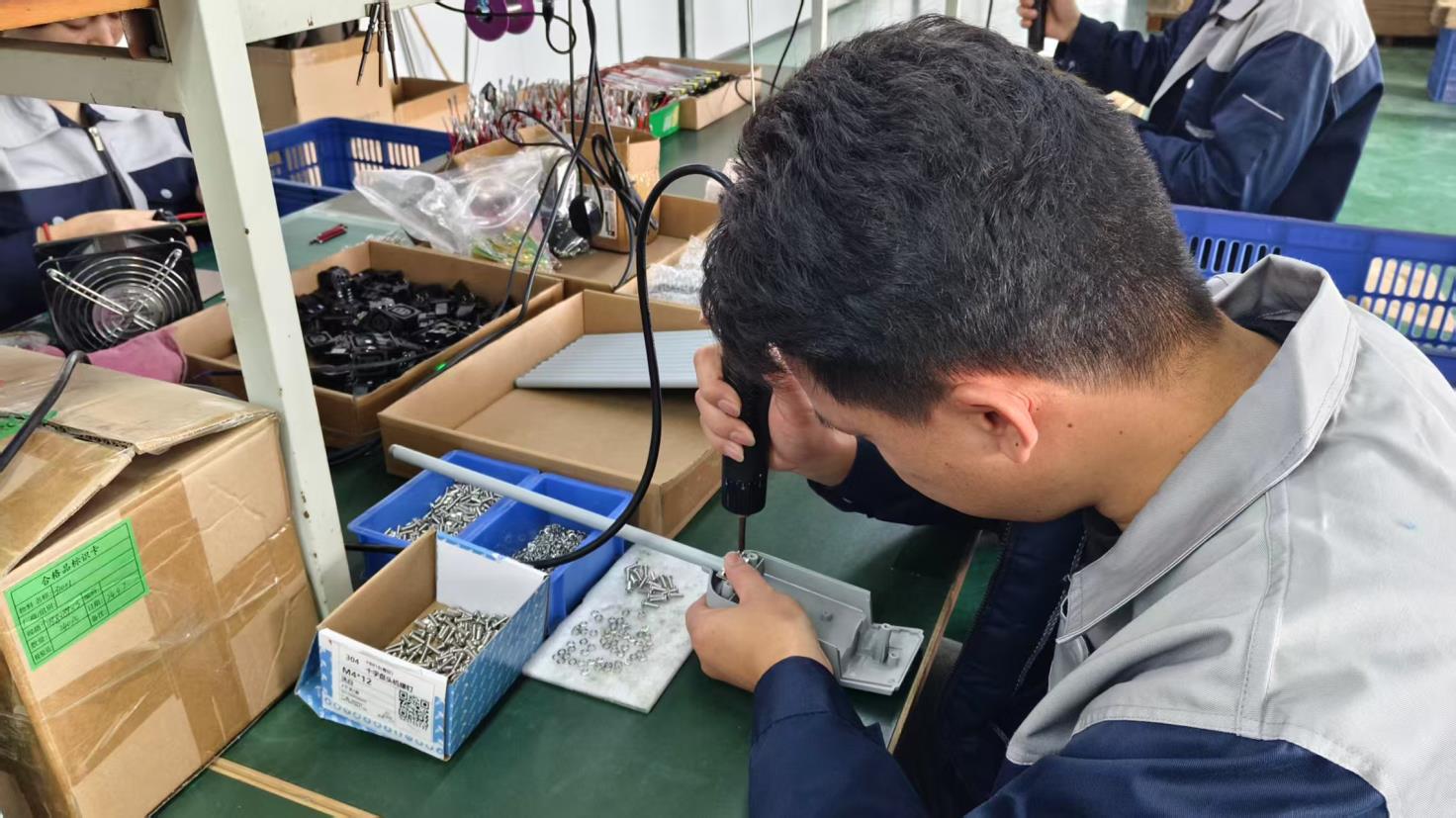
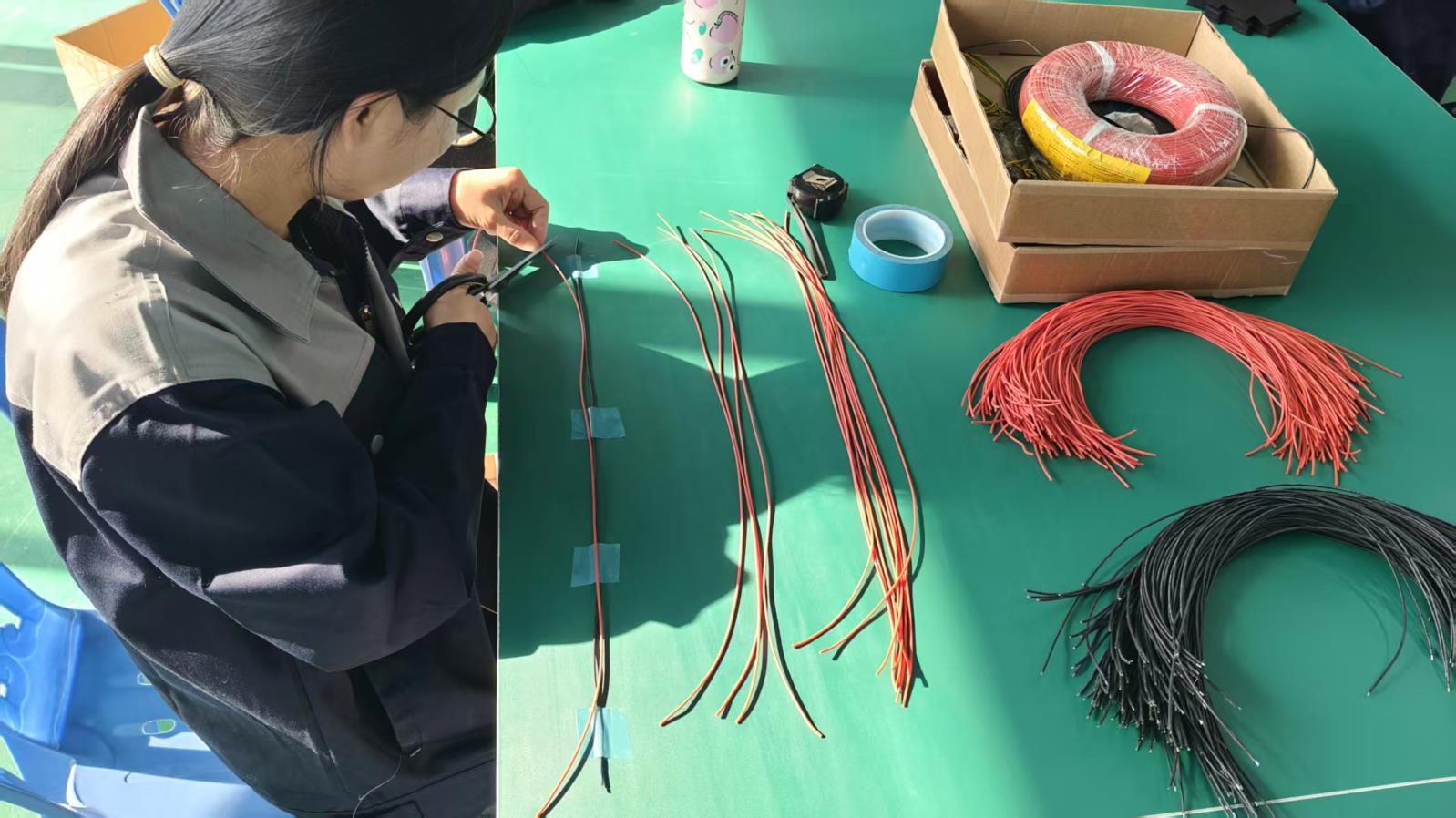
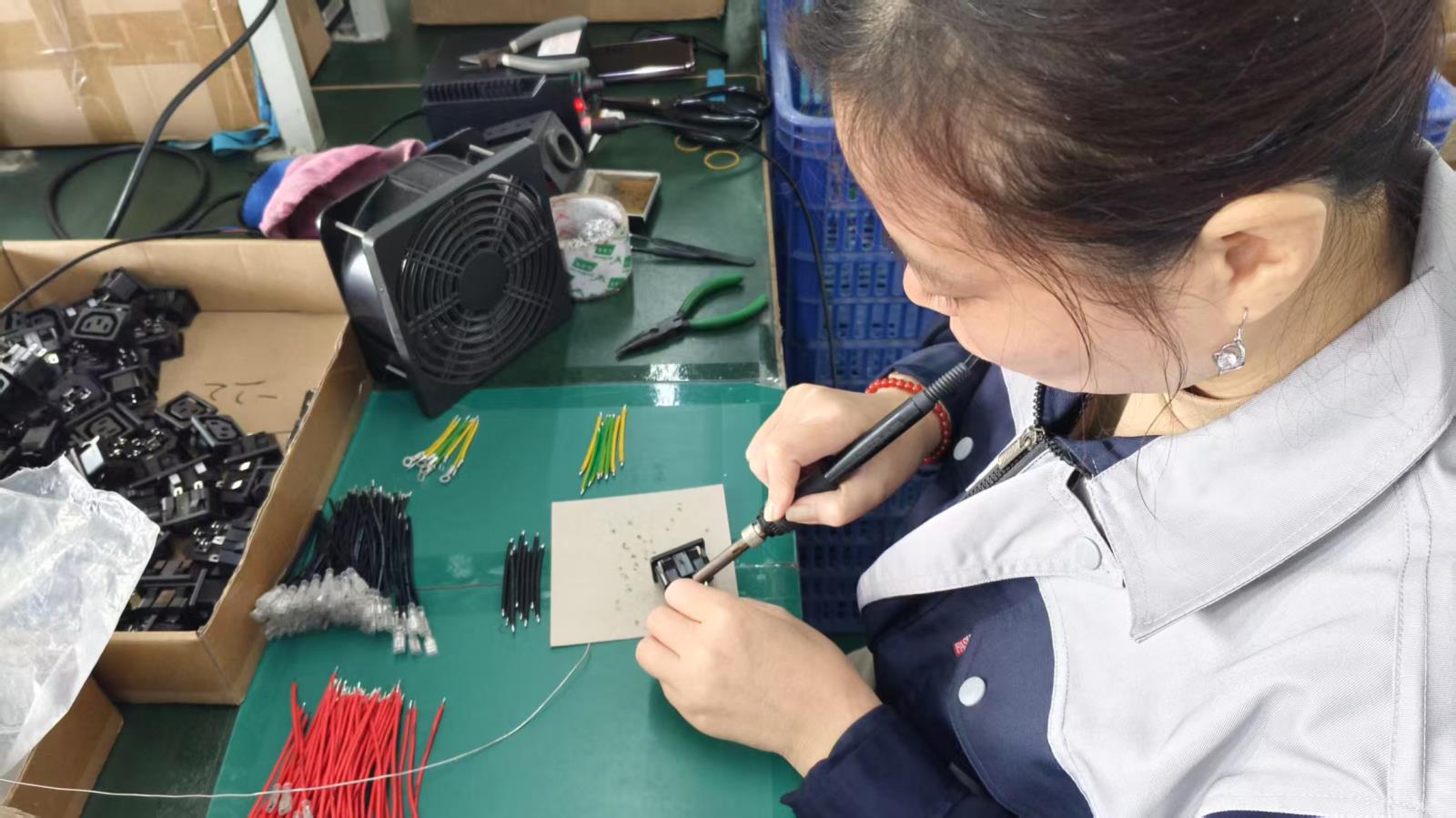
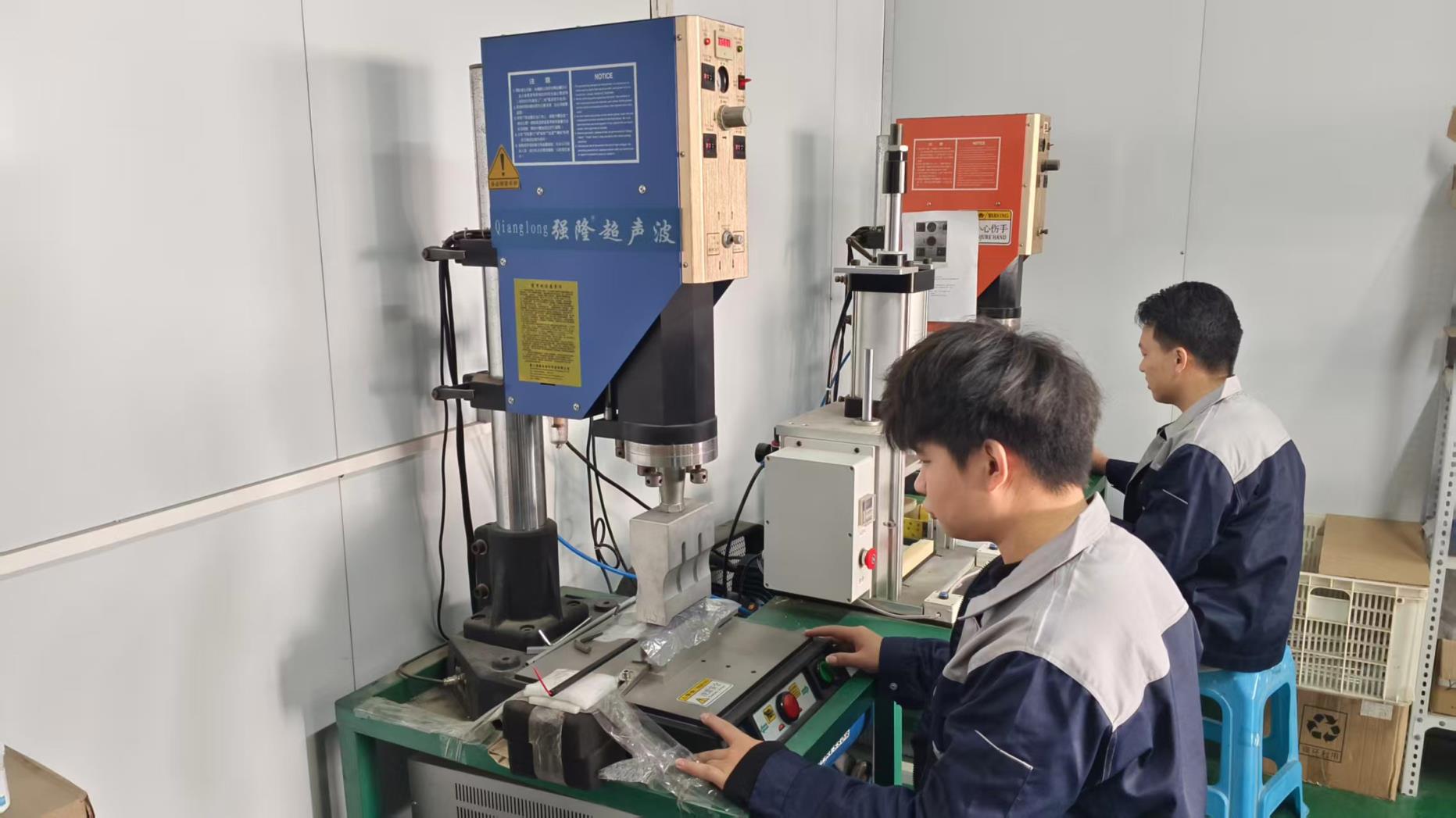
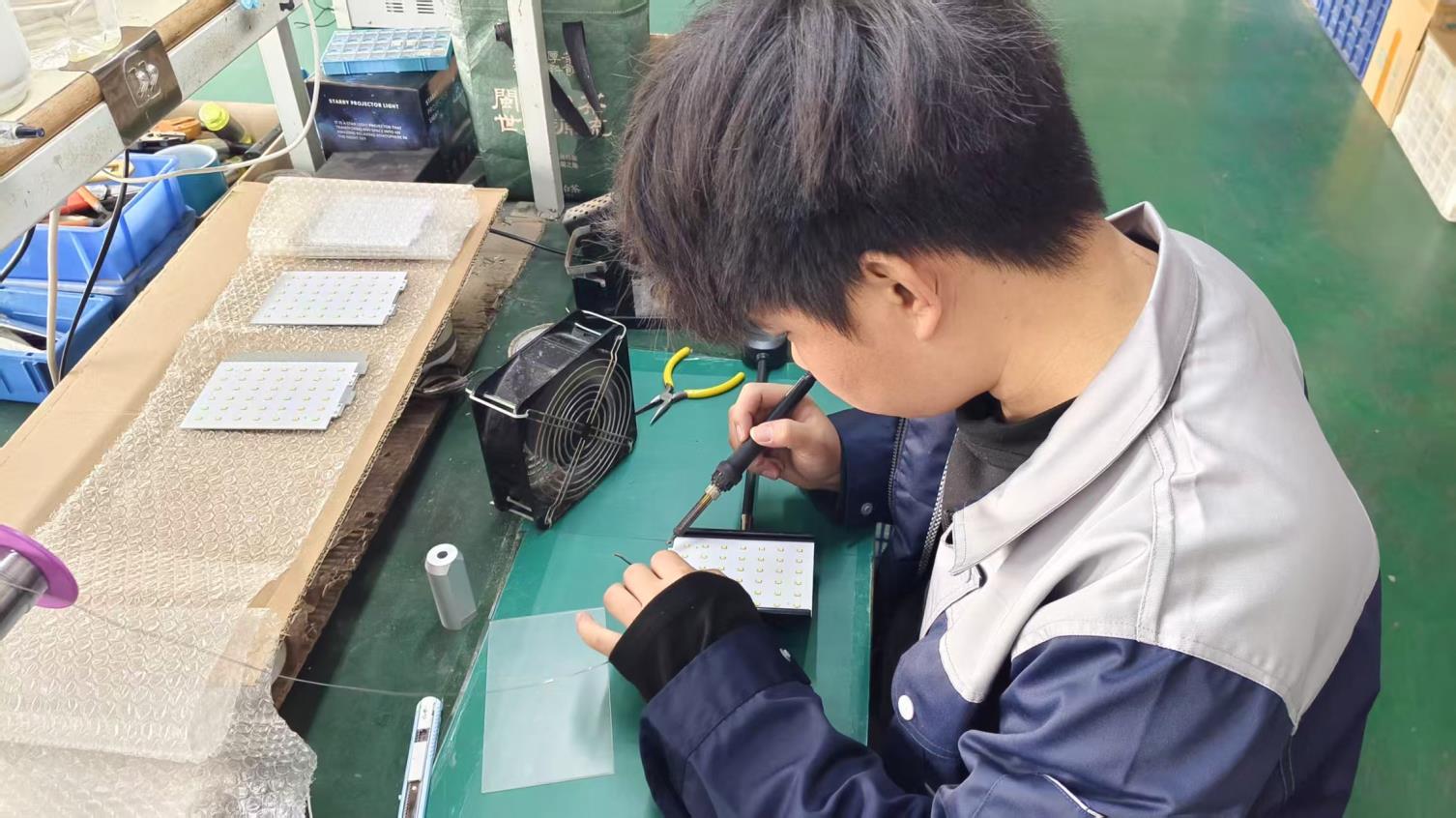
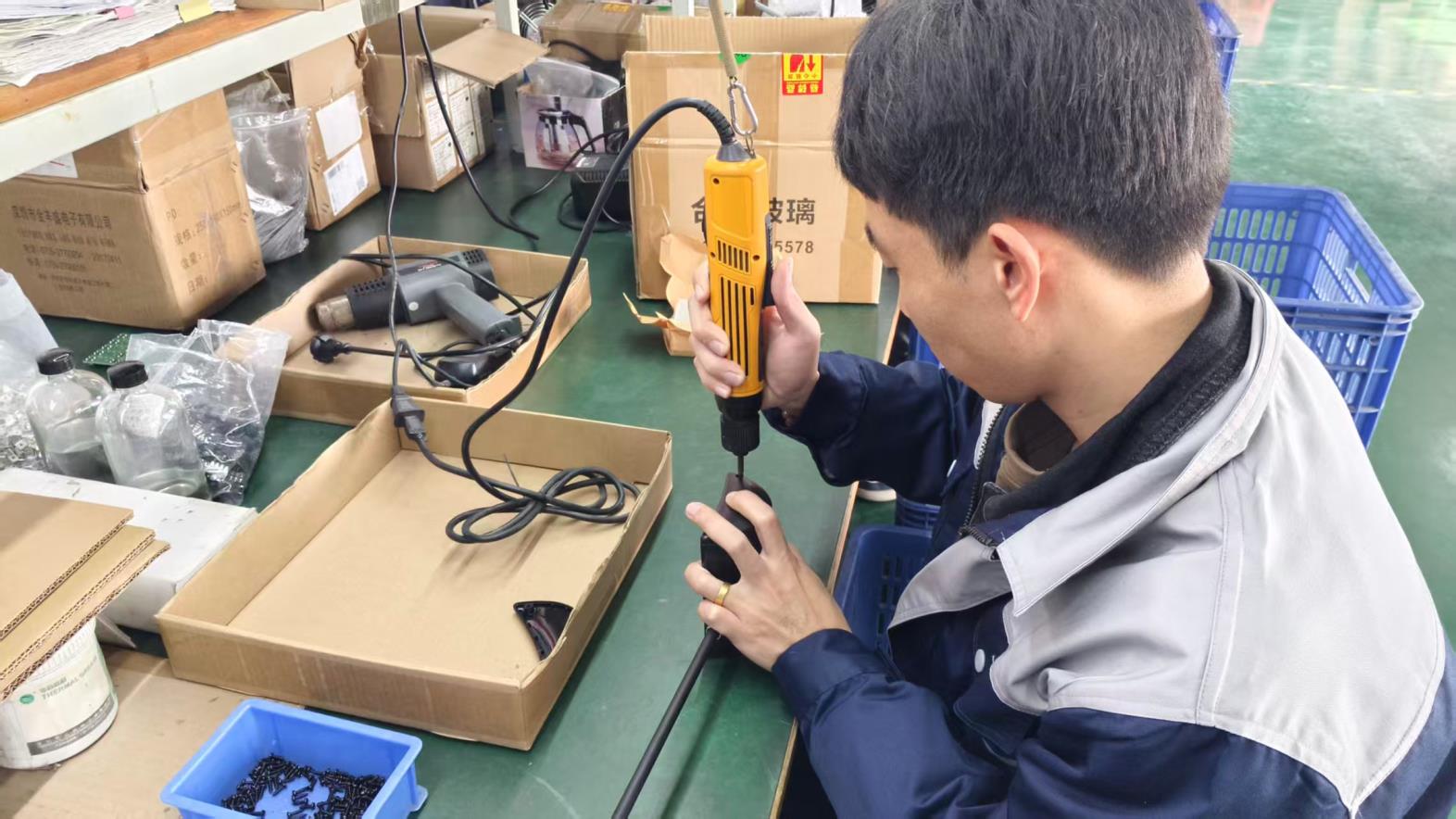
At present, we operate two production bases. The headquarters in Shenzhen, covering an area of approximately 5,000 square meters, focuses on the manufacturing of LED components and decorative amusement LED bulbs. The subsidiary factory in Zhongshan, covering around 3,000 square meters, is dedicated to LED grow lights and LED driver power supplies, providing stable and efficient lighting solutions for horticulture and commercial applications.
Quality is at the core of everything we do. The company has implemented a strict quality management system in line with ISO9001 standards, ensuring consistent control throughout the entire production process—from raw material selection to final product testing. Many of our products have obtained international certifications such as CE and RoHS, while selected LED driver products have also passed SAA certification, meeting the requirements of different global markets.
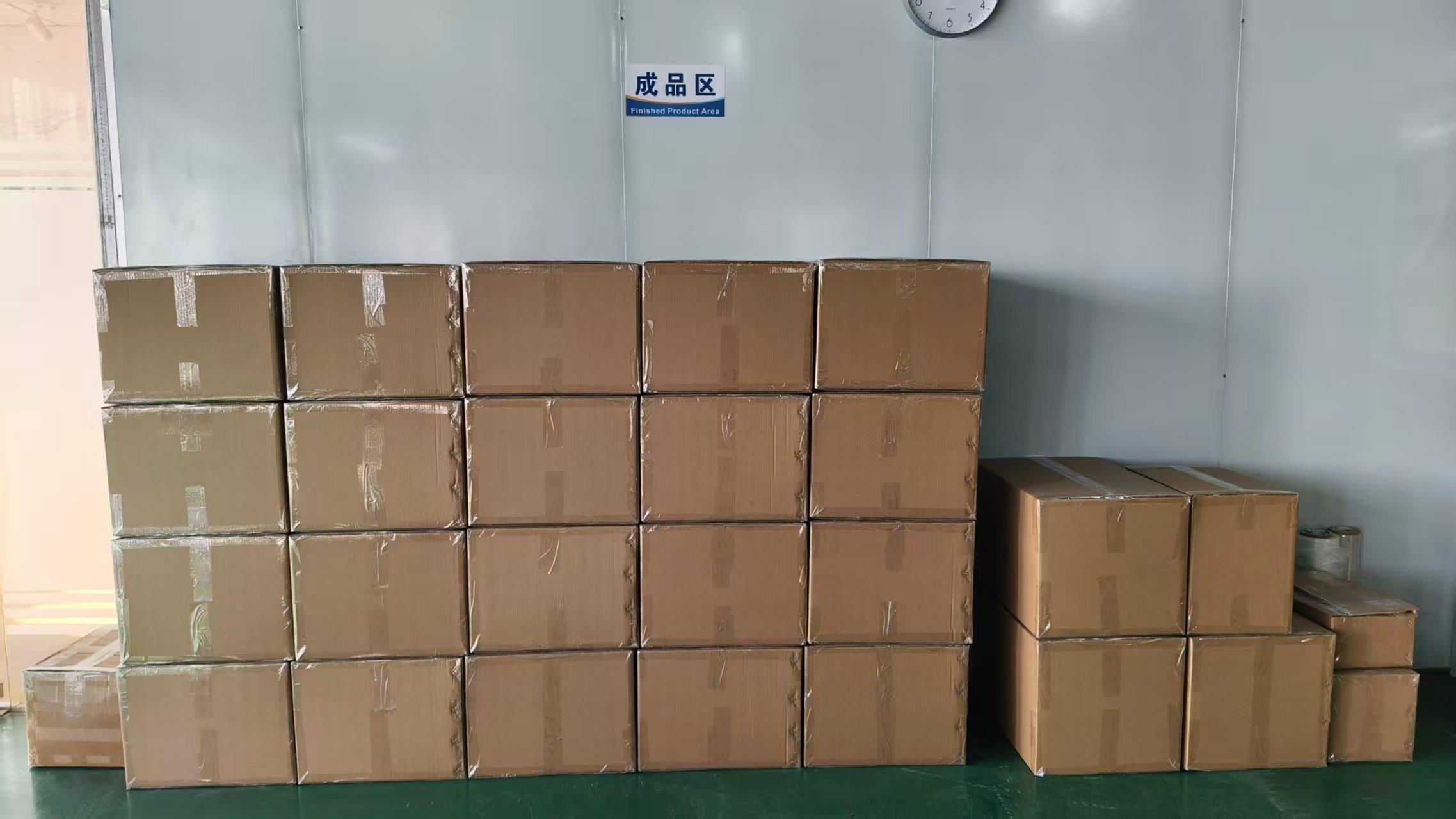
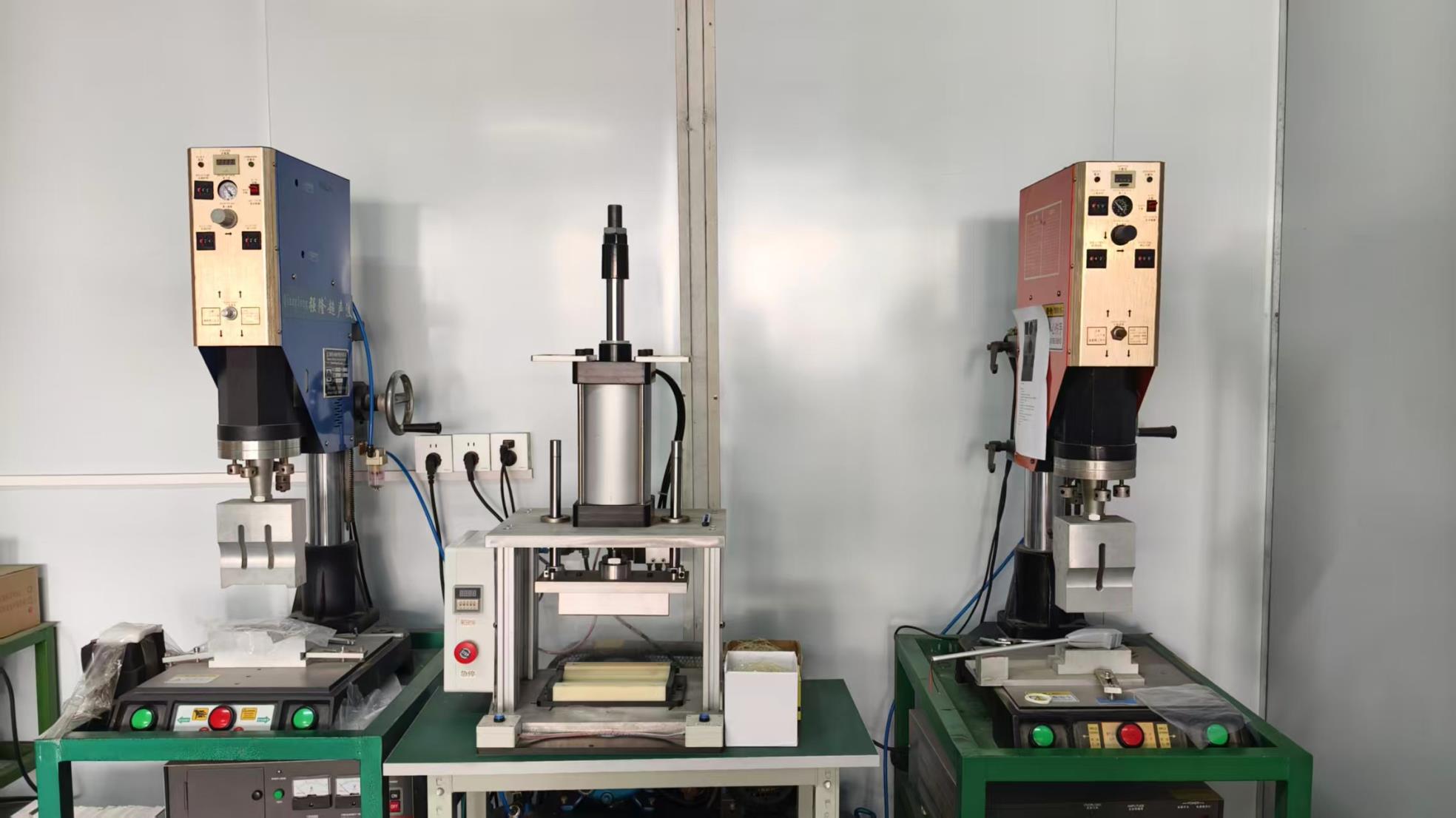
To enhance production efficiency and product consistency, approximately 70% of our manufacturing processes are automated, with the remaining 30% completed through skilled manual assembly and inspection. This balanced approach allows us to maintain both precision and flexibility in production.
In terms of research and development, Zhongshan Venti Lights Co., Ltd. is recognized as a National High-Tech Enterprise and continues to invest in innovation each year. Our R&D team develops multiple new product series annually and has obtained various design and utility model patents. With a continuous focus on energy efficiency, smart lighting technology, and sustainable horticultural lighting solutions, we strive to stay ahead in a highly competitive global market.
We believe that innovation, quality, and integrity are the foundation of long-term success. As the lighting industry continues to evolve, we remain committed to strengthening our comprehensive capabilities and delivering reliable, high-performance lighting solutions to customers worldwide. With a professional, honest, and customer-focused approach, Zhongshan Venti Lights Co., Ltd. looks forward to building long-term partnerships and creating a brighter future together.
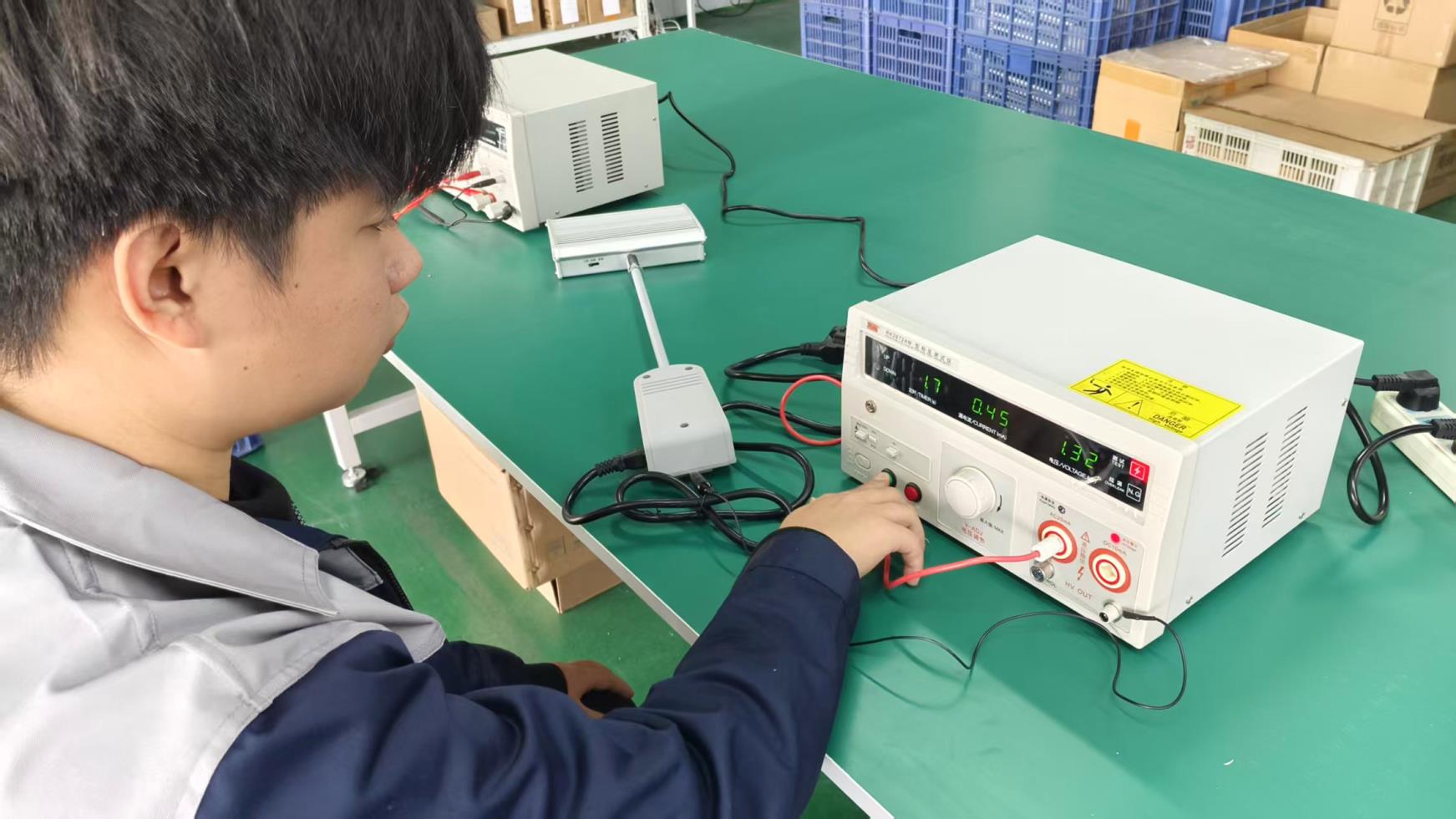
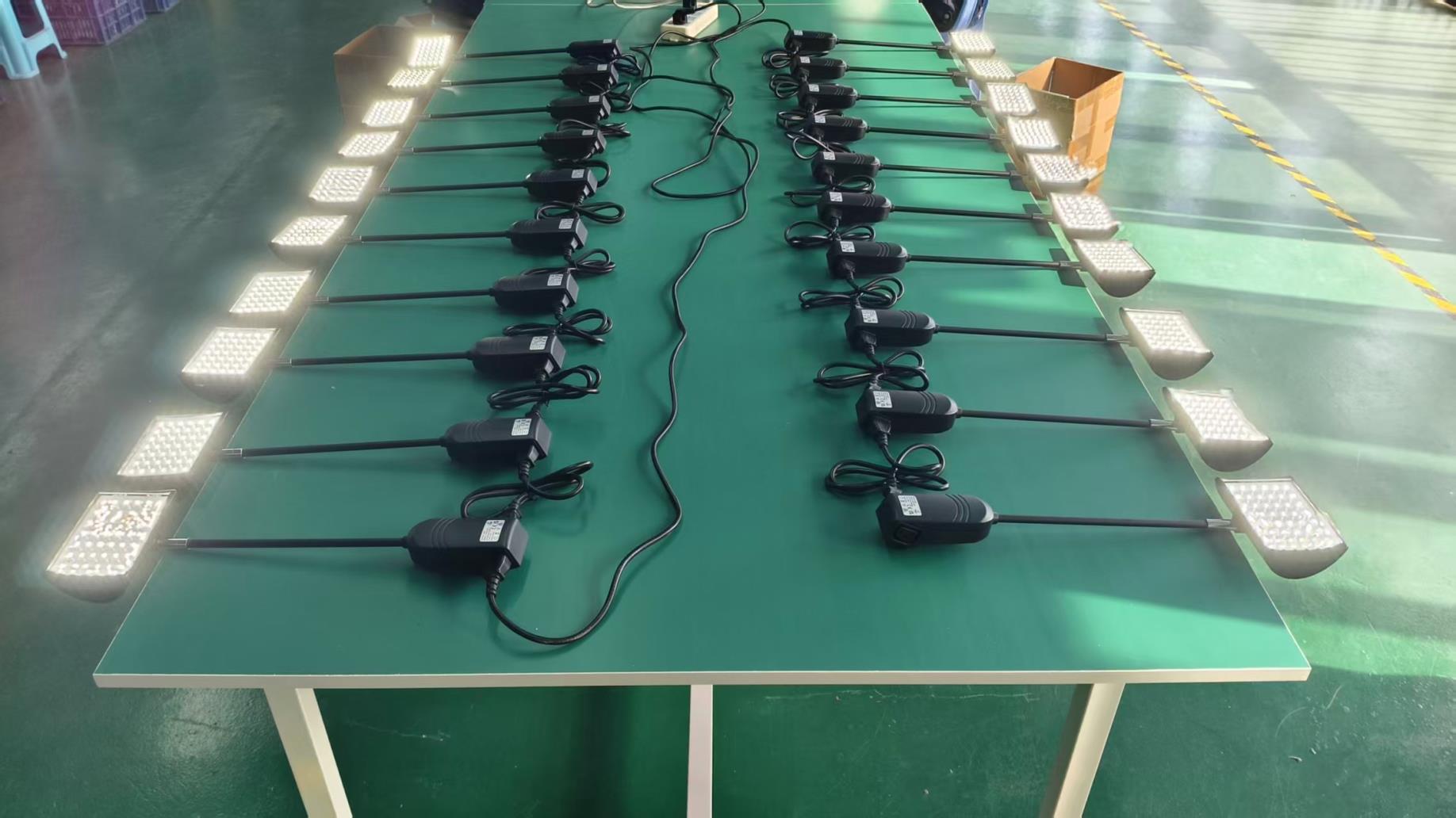
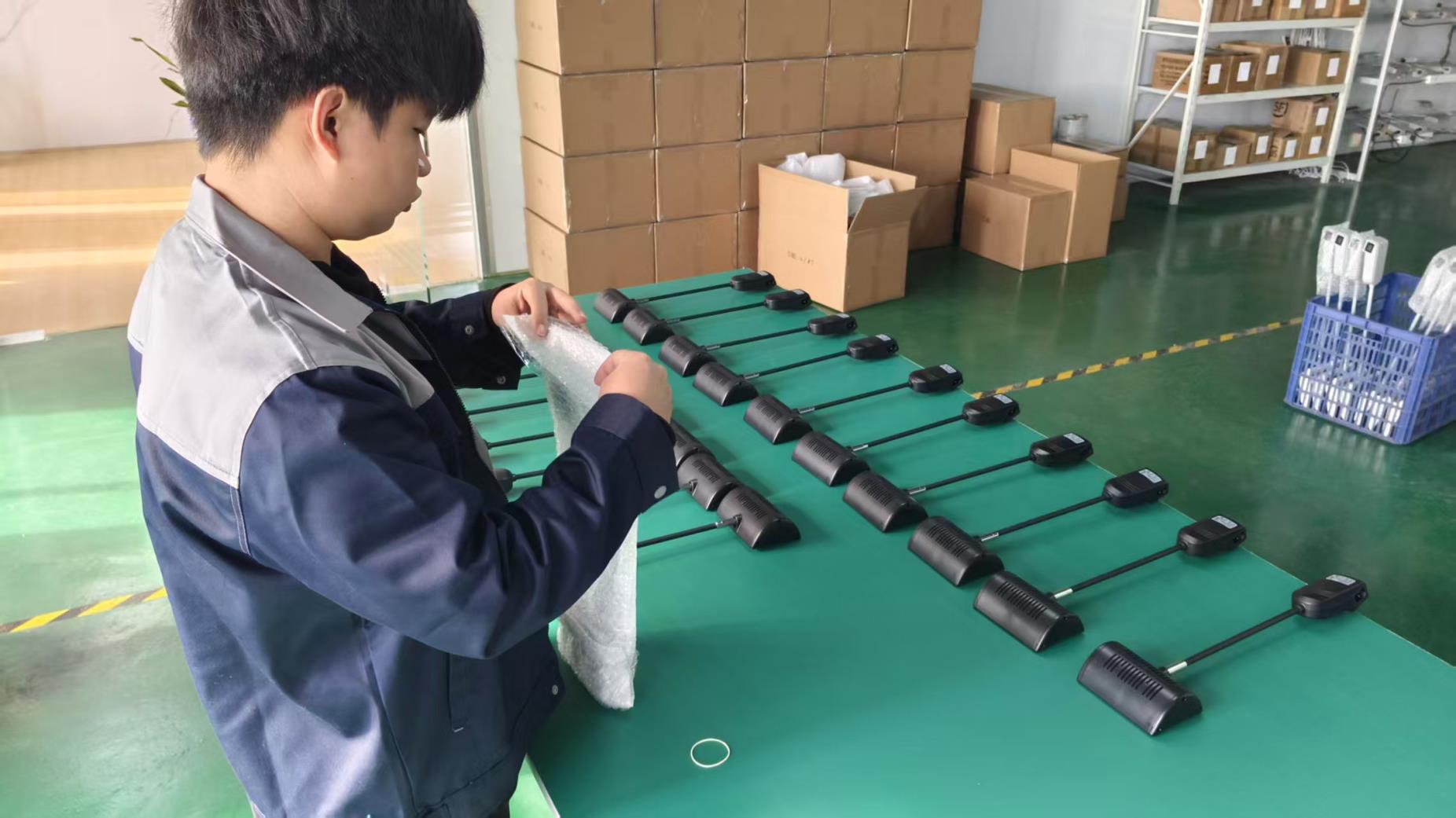
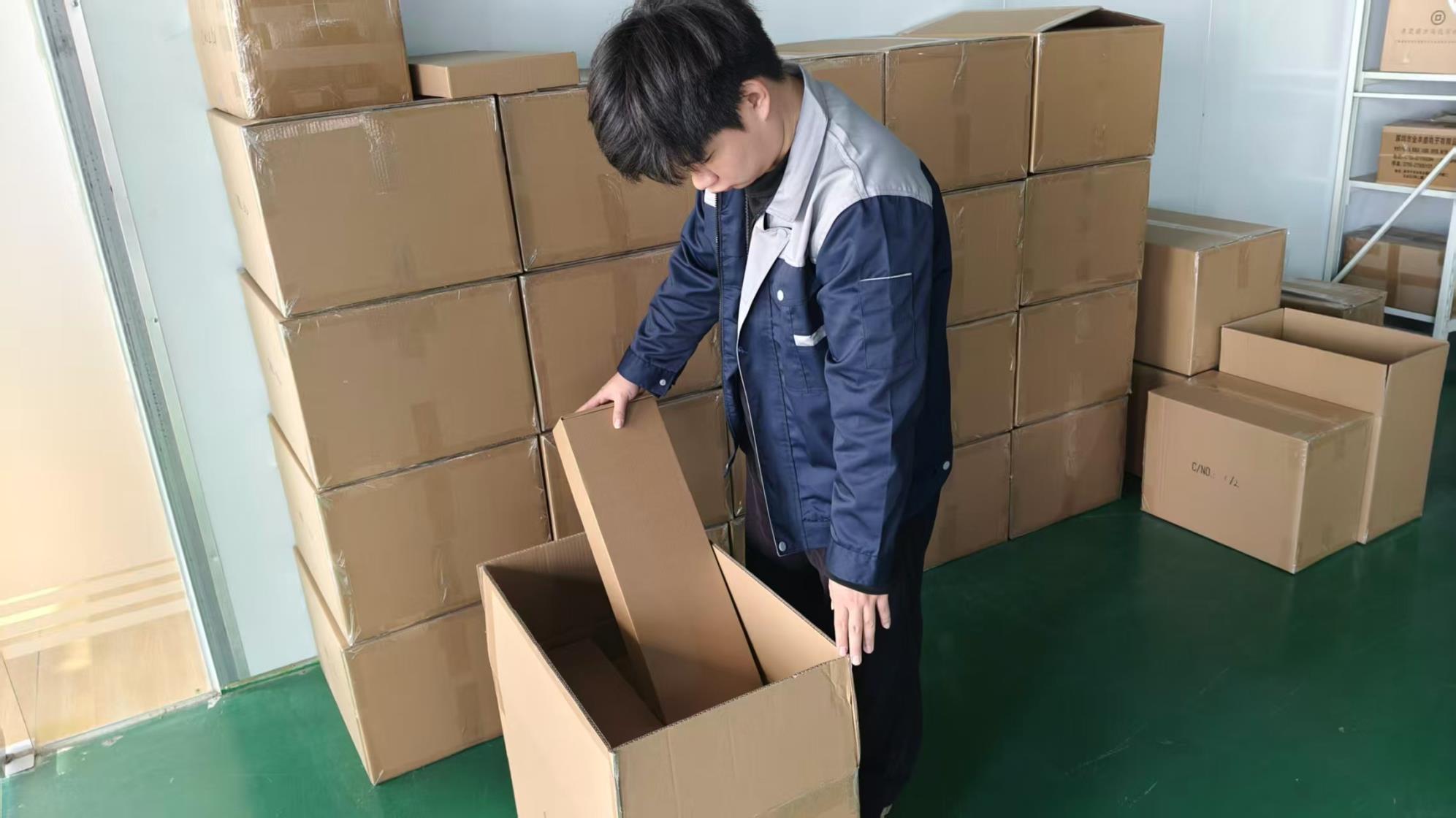
Commercial horticultural equipment procurement requires strict alignment with safety, electromagnetic compatibility (EMC), and environmental regulations. All growth enhancement lights produced by Zhongshan Venti Lights undergo multi-stage compliance verification:
Ensures zero hazardous substances (lead, mercury, cadmium) are present in solder joints or housing components. Complete Low Voltage Directive (LVD) and EMC compliance prevents electrical interference with farm automation sensors and wireless communication gear.
Engineered specifically to satisfy Australian and New Zealand electrical safety requirements. Drivers undergo rigorous insulation resistance, high-voltage breakdown, and temperature rise testing for stable operation on regional electrical grids.
Designed to meet DesignLights Consortium (DLC) higher efficiency metrics, facilitating commercial grower eligibility for local energy utility rebates across North American markets, drastically accelerating capital payback.