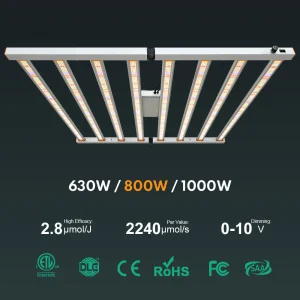
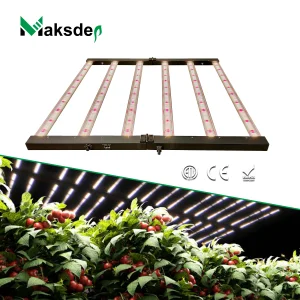
Engineered for maximum photosynthetic efficiency, high heat-dissipation capacity, and compatibility with localized generator/solar hybrid micro-grids.
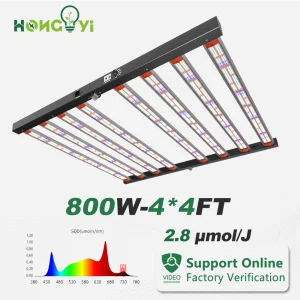
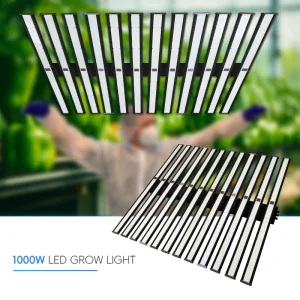
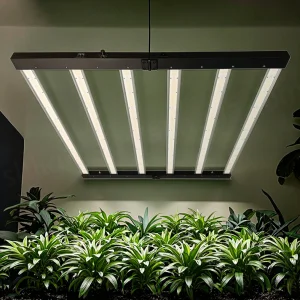
An analytical overview of modern agritech infrastructure, energy integration, and food security strategies in West Africa.
Nigeria’s agricultural sector stands at a critical juncture. Faced with erratic climate patterns, soil degradation in key farming regions, and the imperative to support a rapidly growing population of over 210 million, conventional farming alone is no longer sufficient. Progressive agronomists, commercial enterprises, and urban planners in economic hubs like Lagos, Abuja, and Kano are turning to Controlled Environment Agriculture (CEA) and vertical farming to secure local food systems, optimize resource conservation, and cultivate high-value crops year-round.
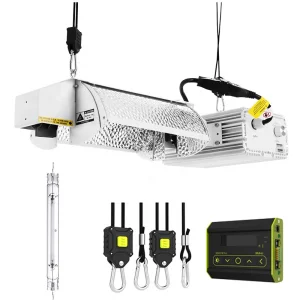
However, running high-yield indoor farms in tropical regions presents unique engineering challenges. Traditional lighting solutions generate unsustainable levels of heat, compounding the load on HVAC and ventilation networks. By upgrading to customized solid-state horticultural lighting systems, Nigerian growers can achieve optimal Photosynthetic Photon Flux Density (PPFD) while reducing power consumption by up to 50% compared to legacy High-Pressure Sodium (HPS) installations. This technological leap enables the commercial viability of leafy greens, medical cannabis, and propagation programs across West Africa.
Our lighting systems are engineered with high-efficiency drivers (up to 96% power efficiency) that smoothly integrate with generator sets, off-grid industrial solar arrays, and fluctuating grid voltages typical of industrial zones in Nigeria.
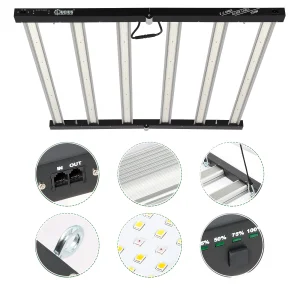
Constructed with high-grade, heavy-duty 6063 aluminum alloy casings, our passive cooling configurations prevent heat accumulation, maintaining low junction temperatures (below 65°C) even in ambient warehouse temperatures exceeding 35°C.
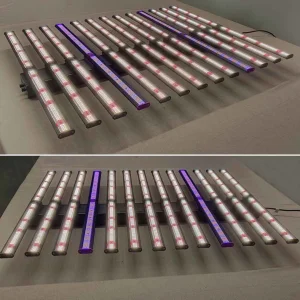
From vegetative propagation and tissue culture to flowering and fruiting cycles, we specialize in customizing spectra (deep red 660nm, far-red 730nm, UV, and white light) to drive target secondary metabolites in native Nigerian crop varieties.
Advancing photosynthetic efficacy and structural longevity in high-humidity climates.
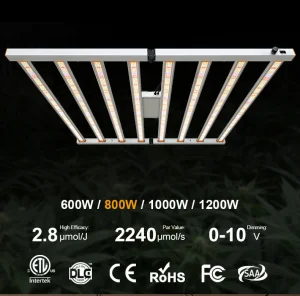
In modern horticulture, productivity is determined by light quality and utilization efficiency. Our commercial LED grow lights utilize premium LED chips, including the Samsung LM301H EVO and custom high-power Osram 660nm/730nm diodes. This enables us to achieve a Photon Efficacy (PPE) of up to 3.2 μmol/J. By delivering precise wavelengths that match the absorption spectra of chlorophyll A and B, our fixtures minimize wasted energy, transforming input power directly into biological growth.
Furthermore, indoor farming in coastal regions like Lagos demands strict environmental sealing. High humidity, airborne salinity, and dust can degrade internal circuits, leading to early fixture failure. To address this, our commercial grow light series is engineered with an IP65 to IP66 ingress protection rating, featuring waterproof silicone seals, anti-corrosive structural coatings, and robust industrial cables. This ensures long-term operational integrity and prevents downtime in demanding industrial growing facilities.
A premier Chinese manufacturing force delivering state-of-the-art agricultural lighting to global markets since 2005.
Zhongshan Venti Lights Co., Ltd. was established on January 25th, 2005. It is an integrated enterprise specializing in the research and development, manufacturing, and global marketing of LED lighting products. With years of steady growth, the company has developed a strong production and innovation capability supported by modern facilities and a professional engineering team.
At present, we operate two production bases. The headquarters in Shenzhen, covering an area of approximately 5,000 square meters, focuses on the manufacturing of LED components and decorative amusement LED bulbs. The subsidiary factory in Zhongshan, covering around 3,000 square meters, is dedicated to LED grow lights and LED driver power supplies, providing stable and efficient lighting solutions for horticulture and commercial applications.
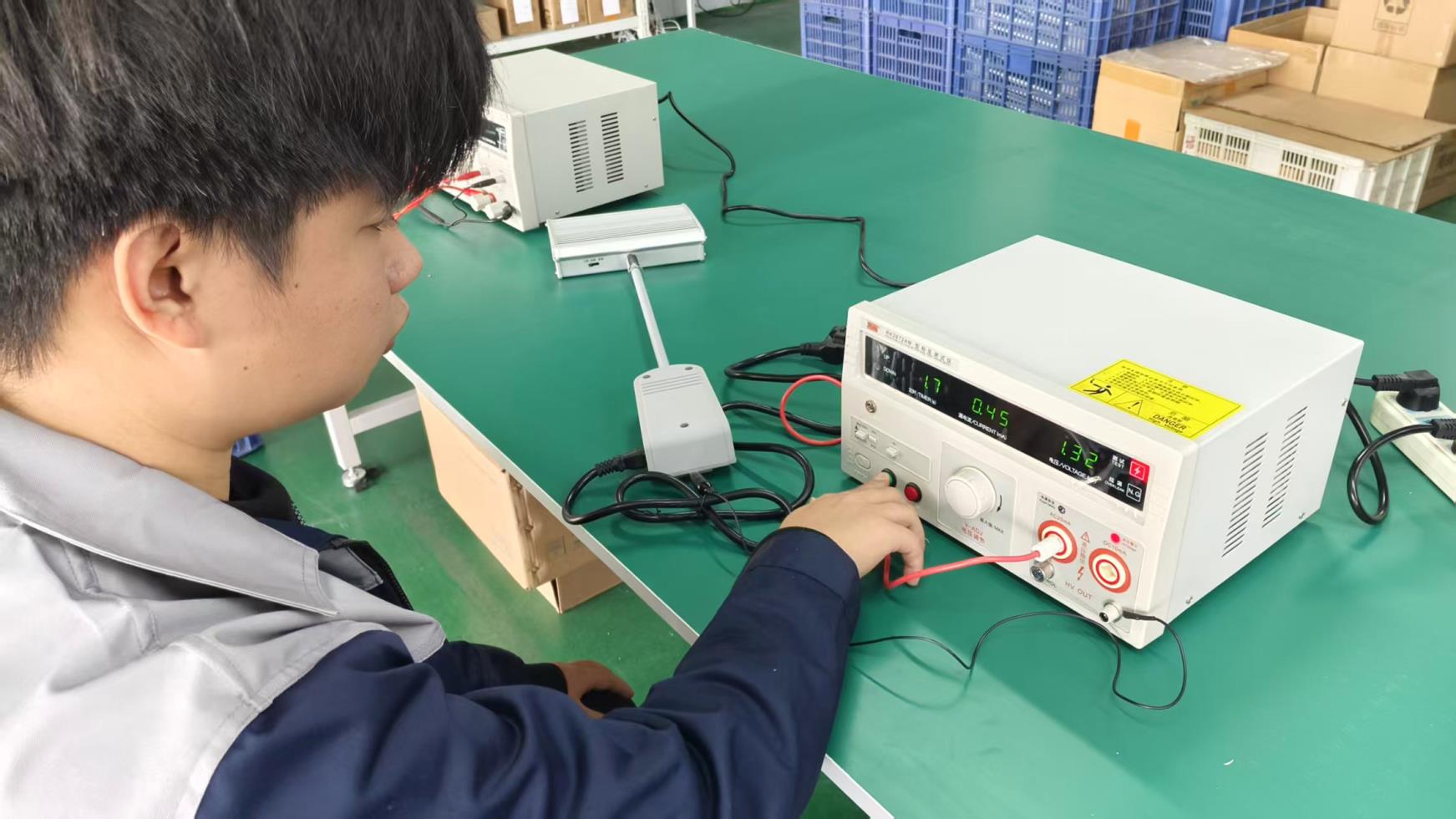
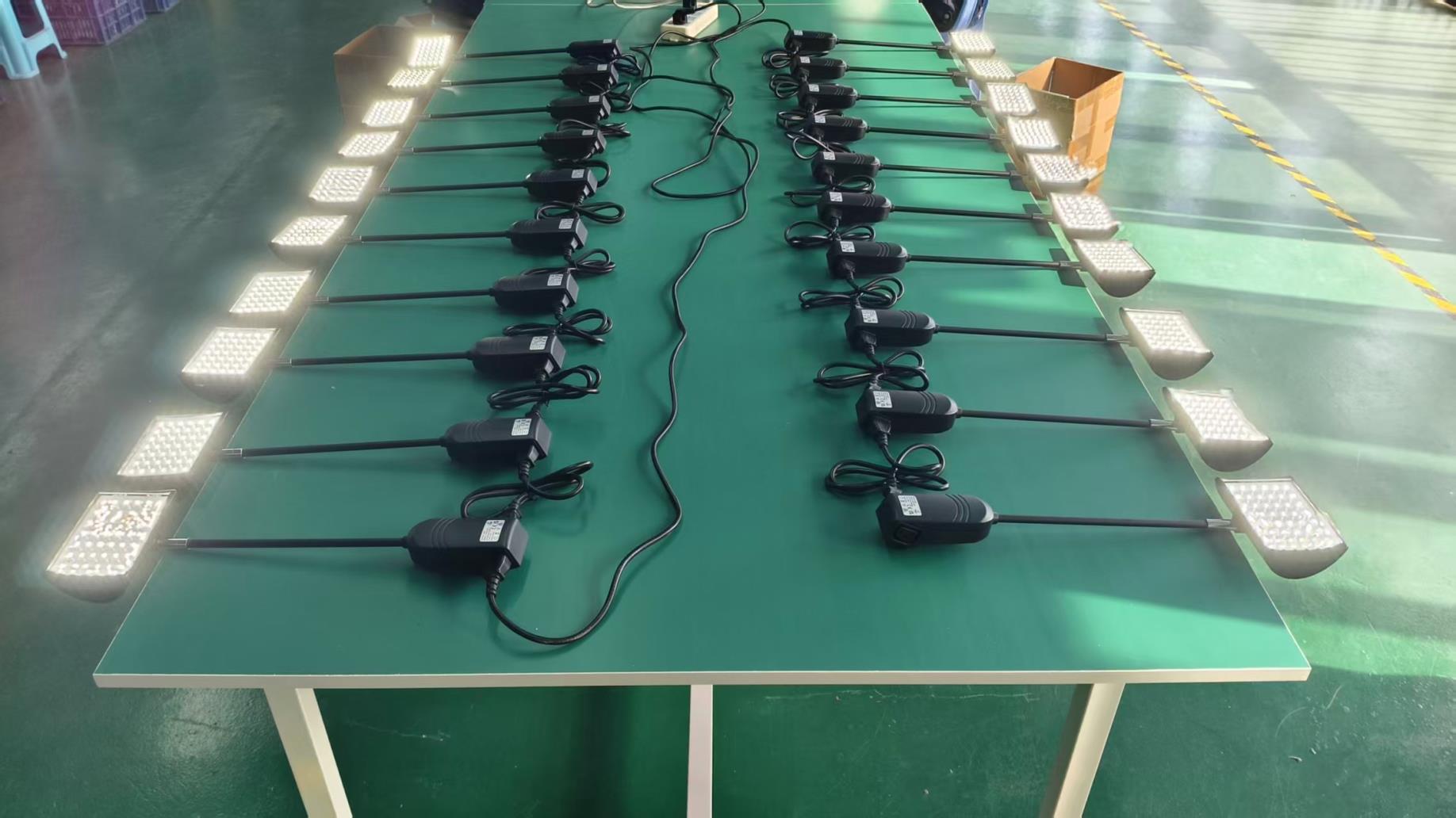
Quality is at the core of everything we do. The company has implemented a strict quality management system in line with ISO9001 standards, ensuring consistent control throughout the entire production process—from raw material selection to final product testing. Many of our products have obtained international certifications such as CE and RoHS, while selected LED driver products have also passed SAA certification, meeting the requirements of different global markets.
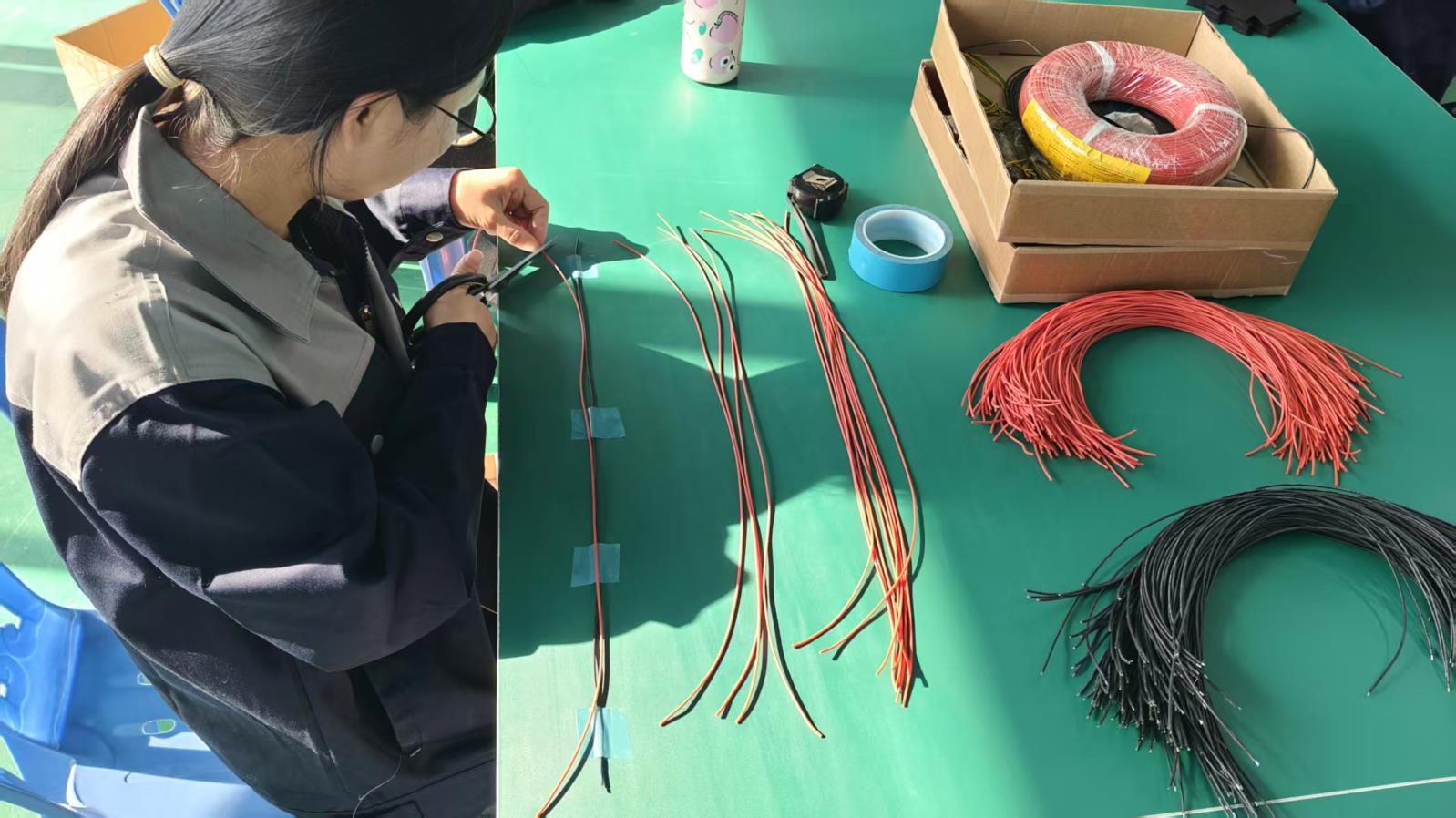
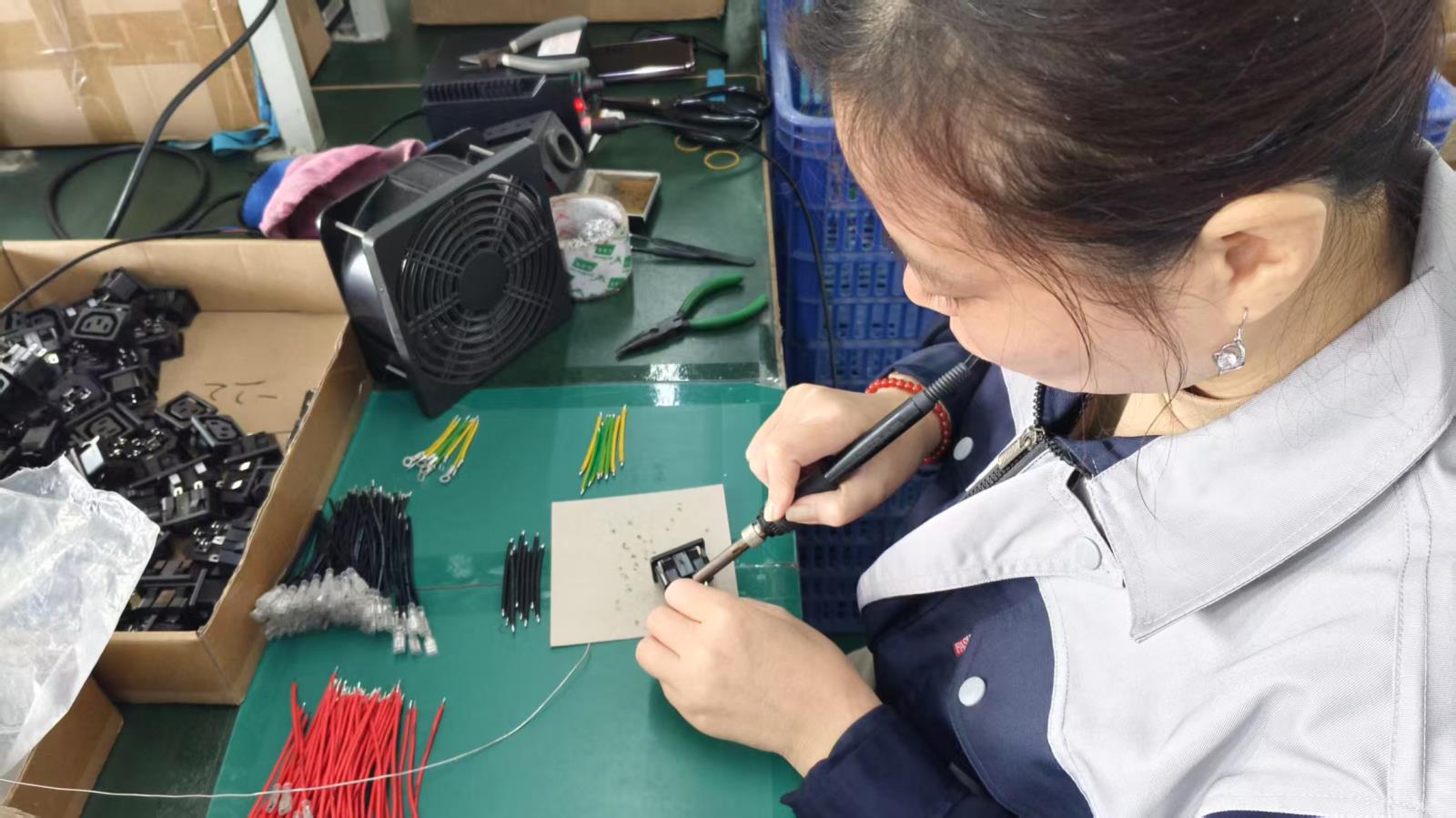
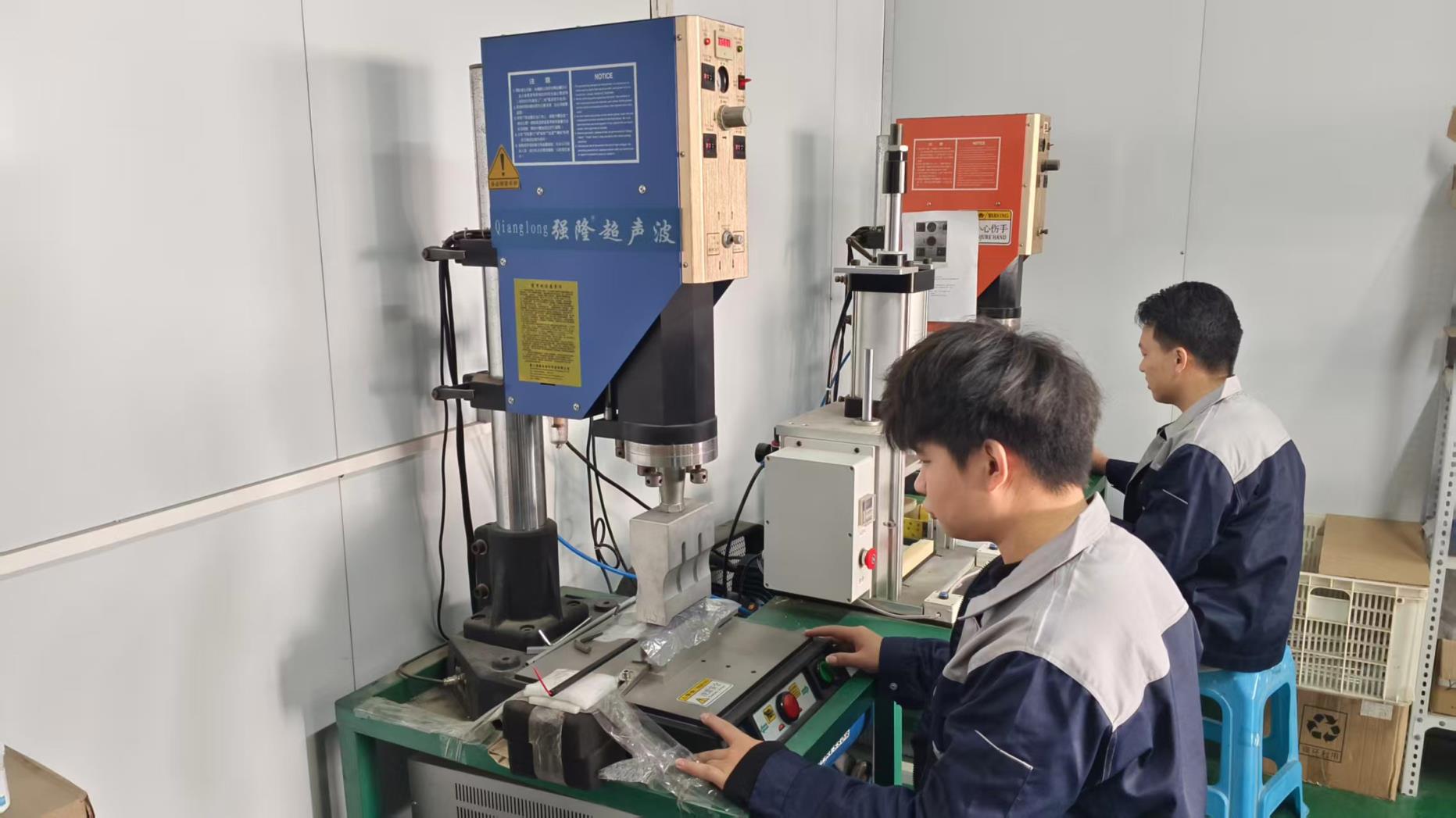
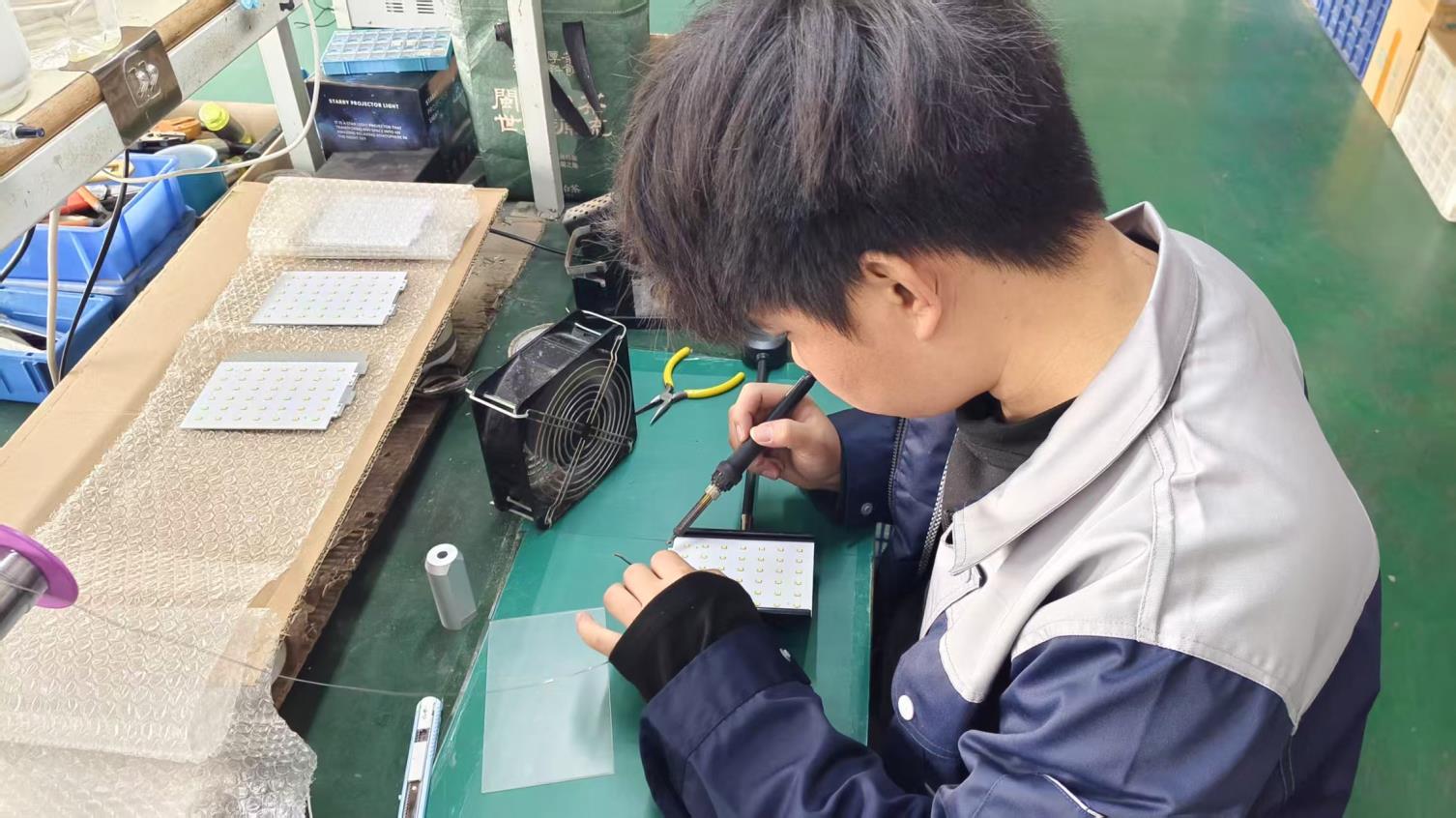
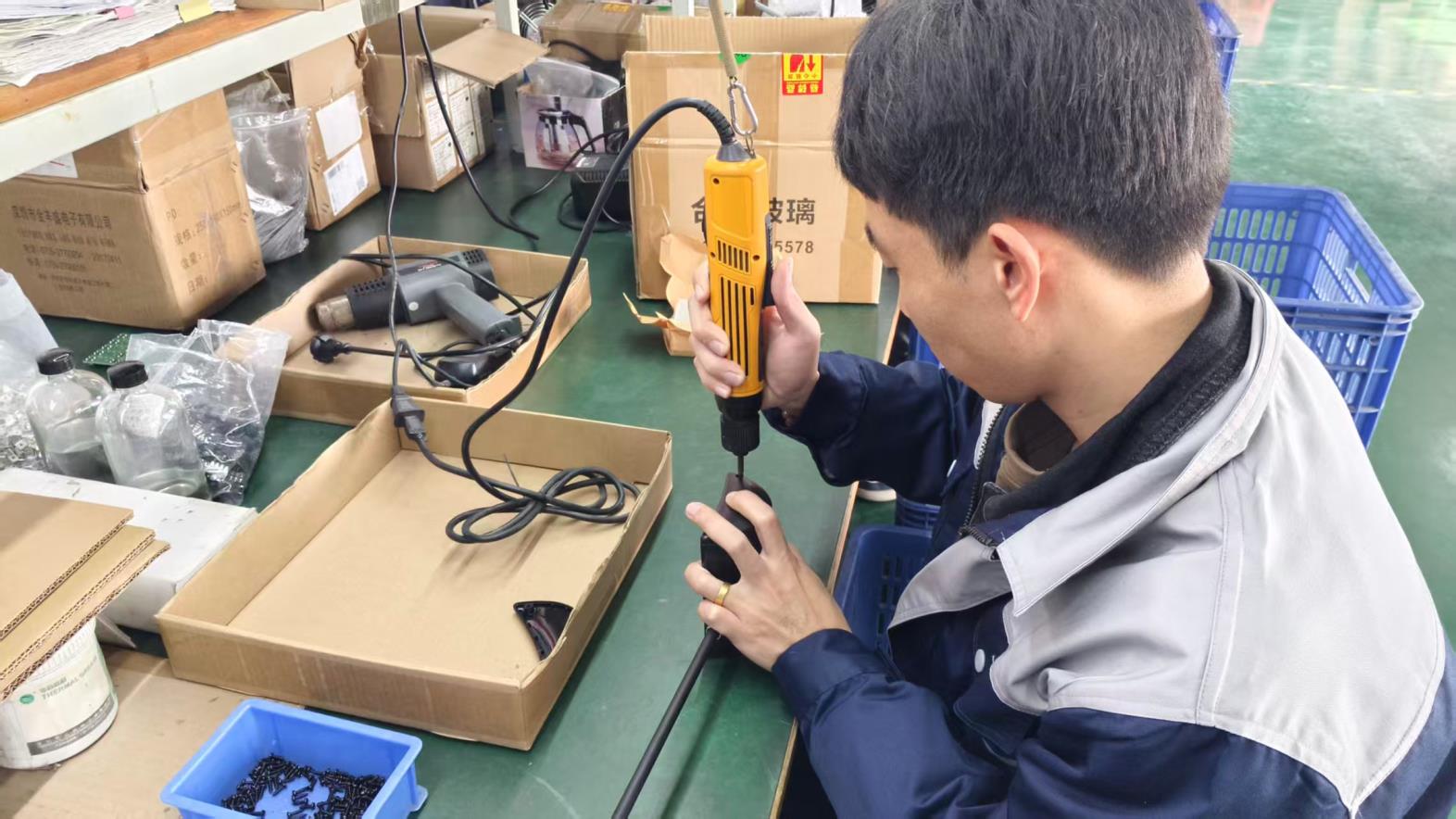
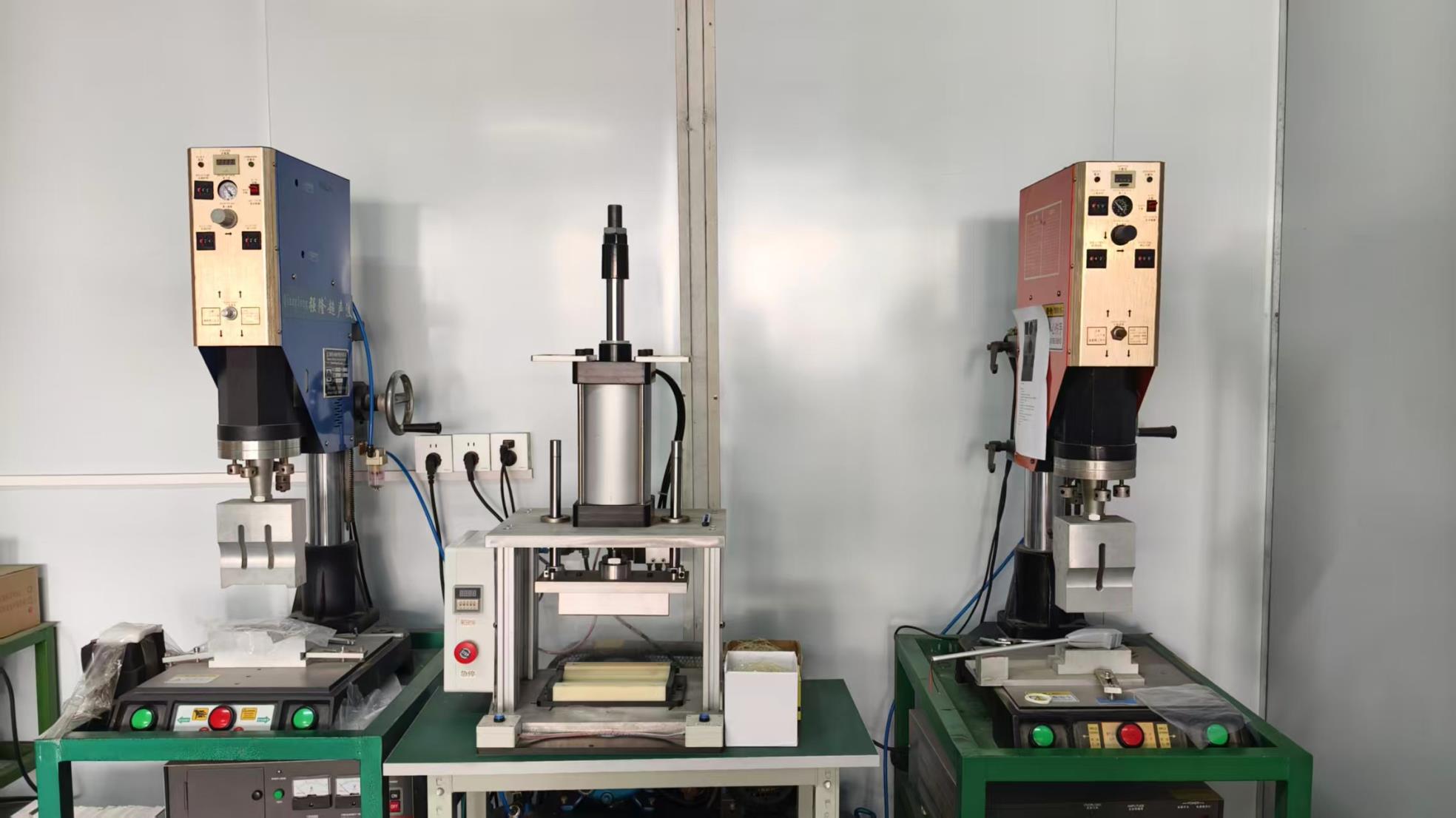
To enhance production efficiency and product consistency, approximately 70% of our manufacturing processes are automated, with the remaining 30% completed through skilled manual assembly and inspection. This balanced approach allows us to maintain both precision and flexibility in production.
In terms of research and development, Zhongshan Venti Lights Co., Ltd. is recognized as a National High-Tech Enterprise and continues to invest in innovation each year. Our R&D team develops multiple new product series annually and has obtained various design and utility model patents. With a continuous focus on energy efficiency, smart lighting technology, and sustainable horticultural lighting solutions, we strive to stay ahead in a highly competitive global market.
We believe that innovation, quality, and integrity are the foundation of long-term success. As the lighting industry continues to evolve, we remain committed to strengthening our comprehensive capabilities and delivering reliable, high-performance lighting solutions to customers worldwide. With a professional, honest, and customer-focused approach, Zhongshan Venti Lights Co., Ltd. looks forward to building long-term partnerships and creating a brighter future together.
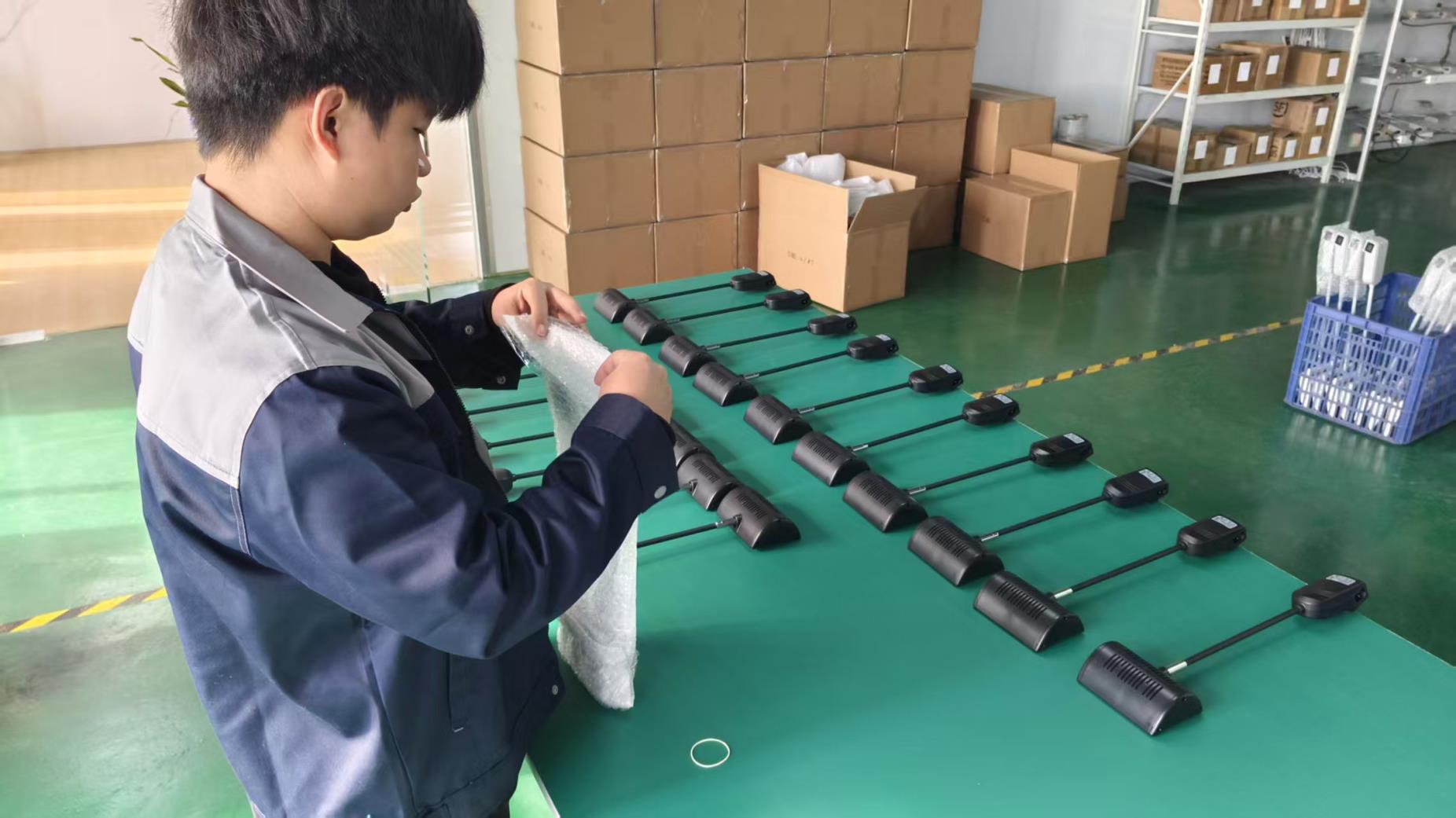
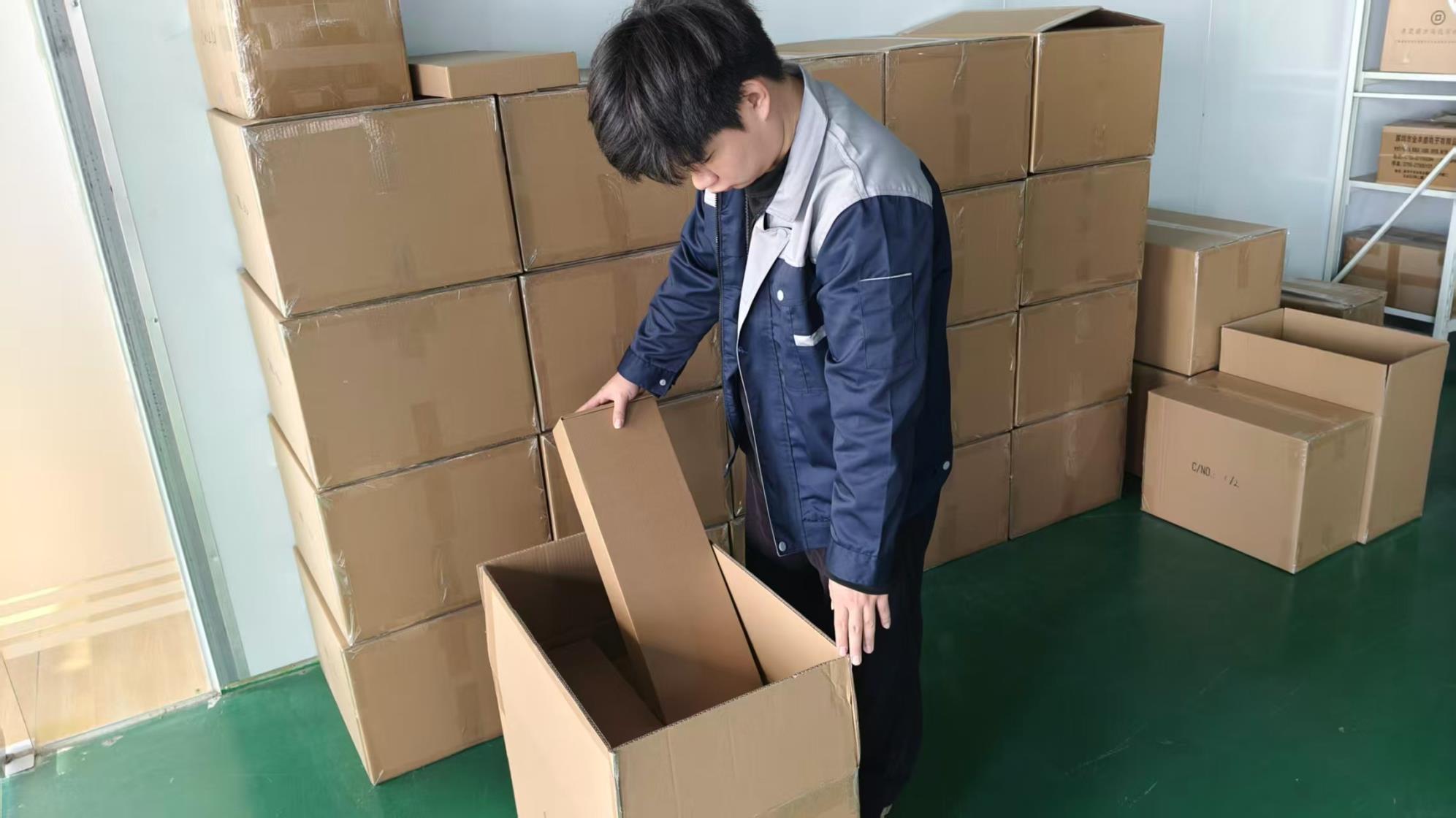
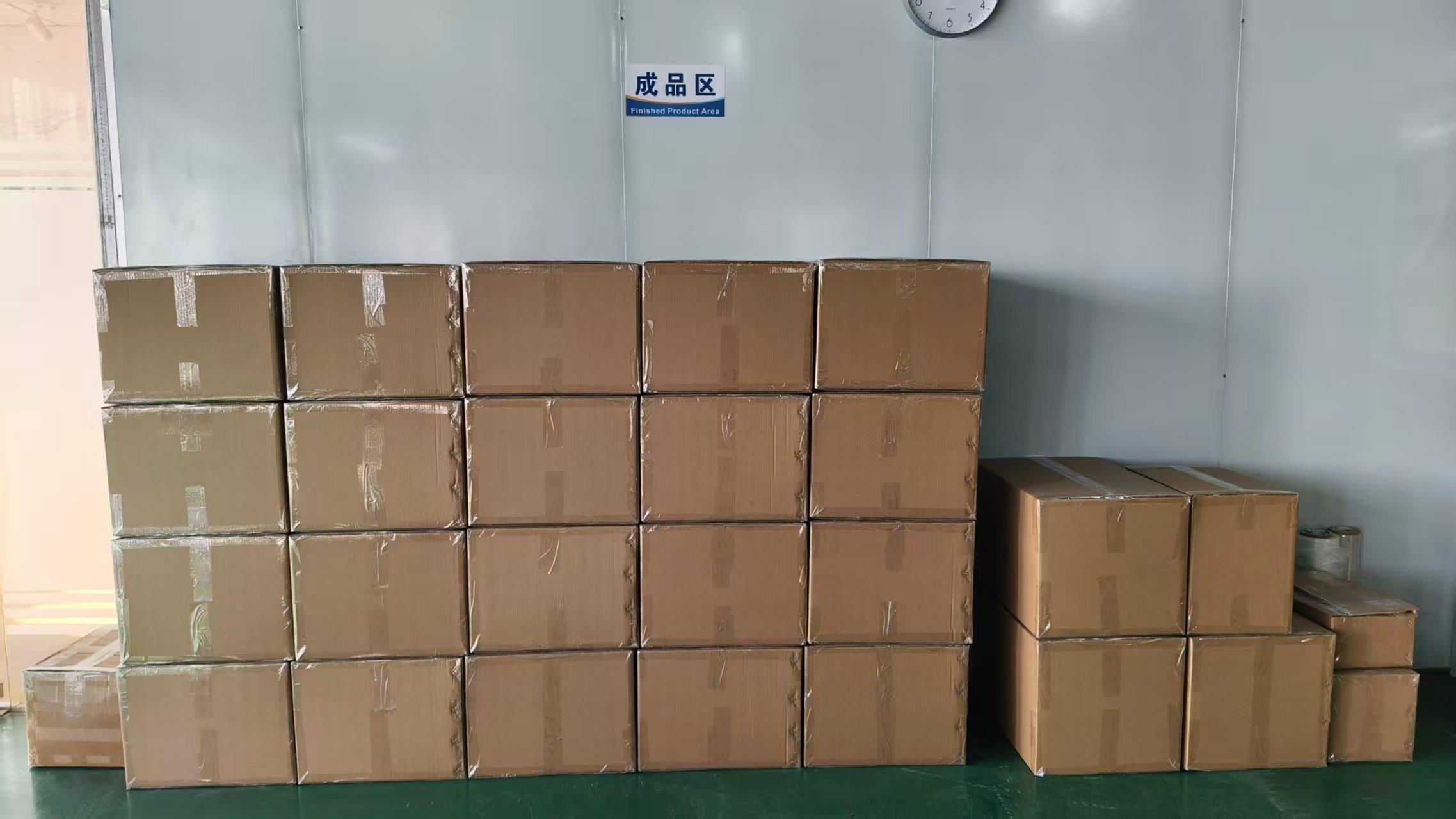
How Venti Lights ensures industrial-grade consistency from raw materials to final shipment.
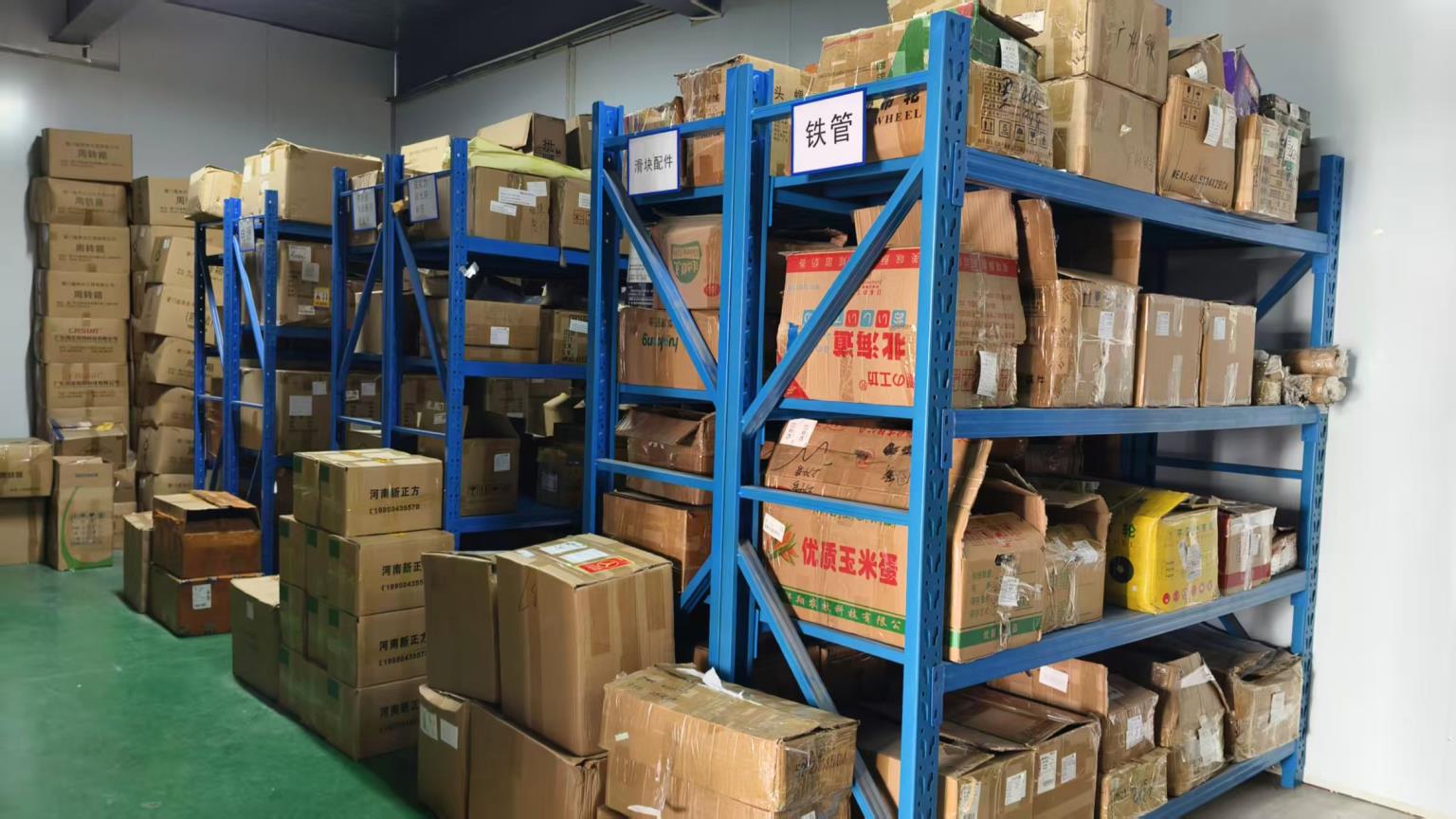
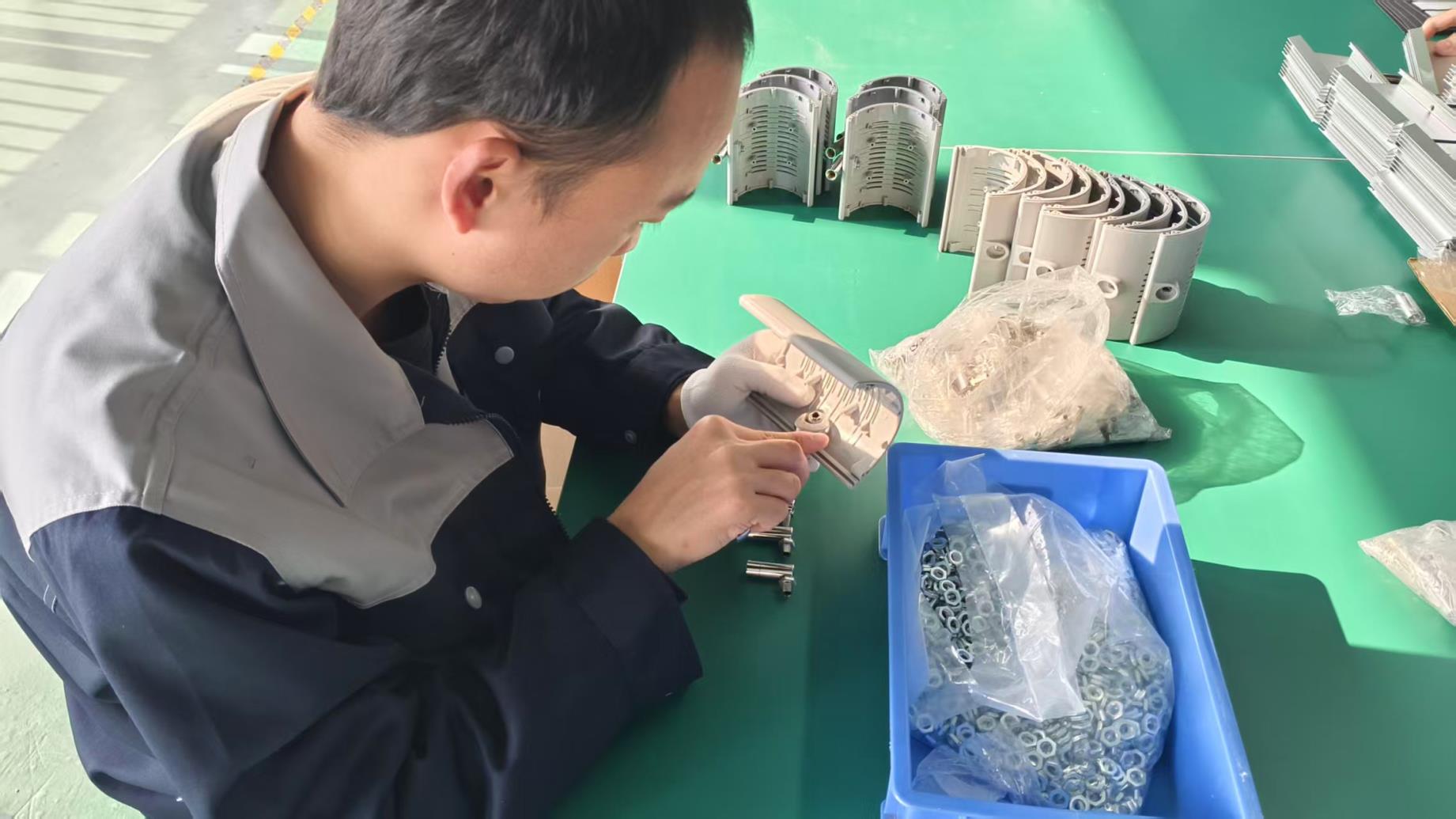
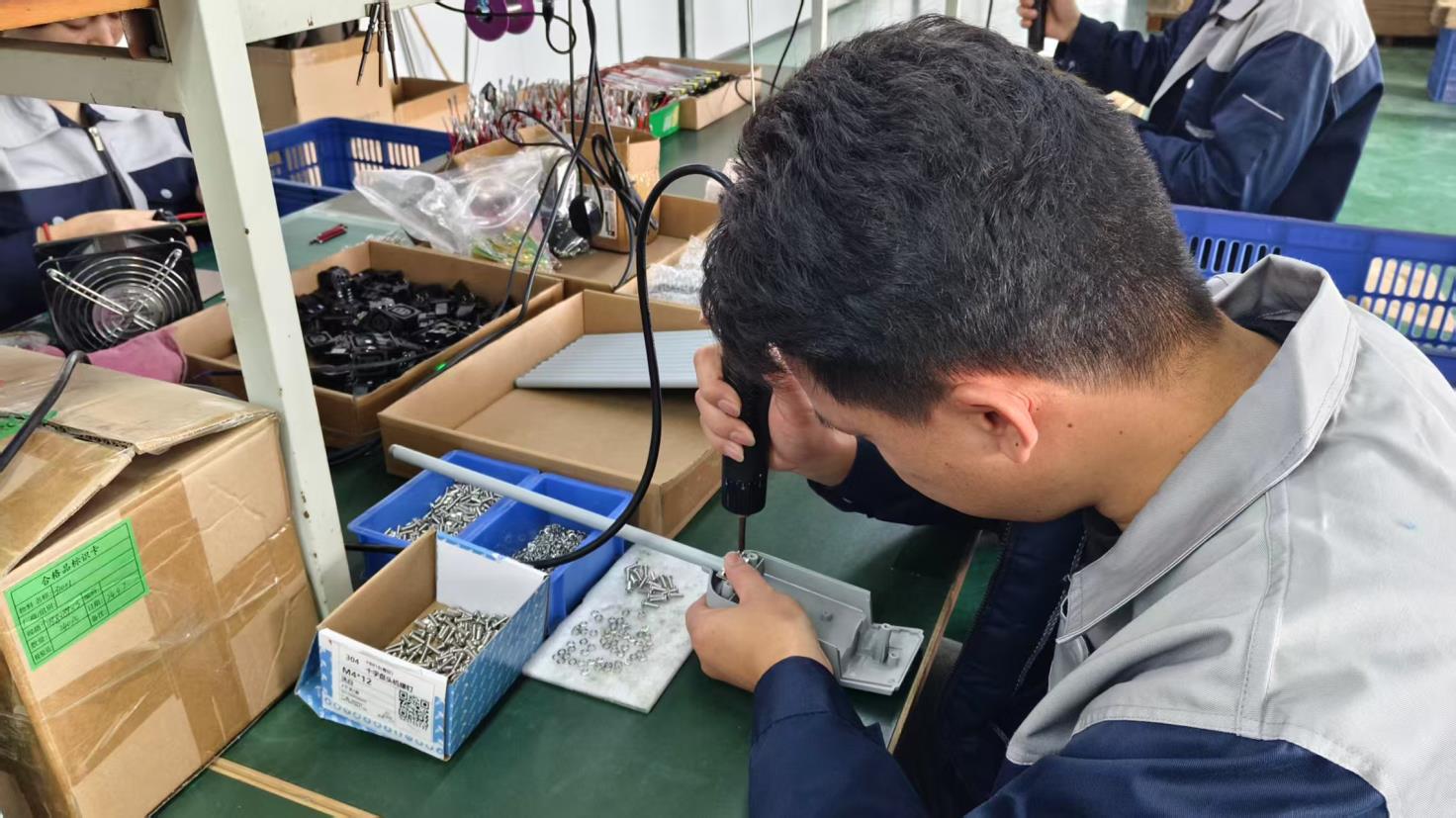
Leveraging China's manufacturing clusters to deliver reliable hardware solutions to West African projects.
Our locations in the industrial hubs of Shenzhen and Zhongshan place us at the center of the global optoelectronics supply chain. This proximity allows us to source premium raw materials and electronic components quickly, control production costs, and maintain competitive pricing for commercial-scale projects. By integrating automated manufacturing with specialized manual assembly, we achieve consistent build quality while maintaining the flexibility needed to fulfill custom OEM/ODM requests.
To support clients in Nigeria, we offer complete support for national regulatory and shipping requirements. We manage SONCAP (Standards Organisation of Nigeria Conformity Assessment Programme) certifications to ensure compliance at the ports of Apapa and Tin Can Island in Lagos. Whether shipping via ocean freight for large-scale greenhouse setups or air cargo for rapid installations, our logistics team coordinates with top-tier carriers to deliver secure, timely shipments to commercial growers throughout Nigeria.
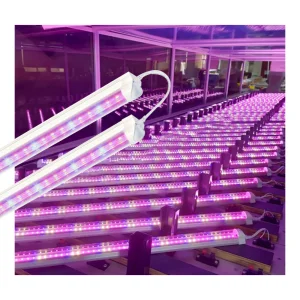
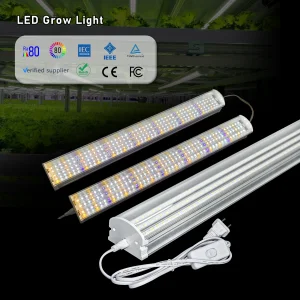
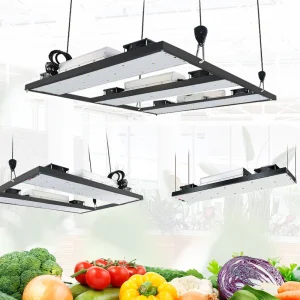
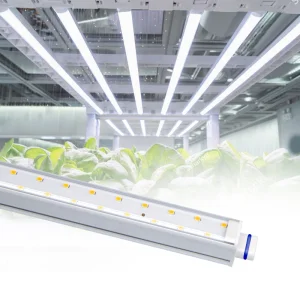
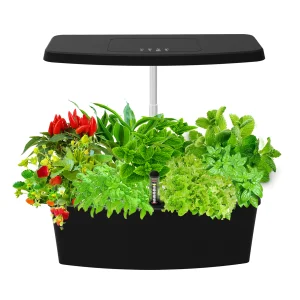
Explore our full line of commercial LED grow lights, seedling strips, and smart greenhouse systems.
Analyzing global tech adoption and the future of resource-efficient farming systems.
Worldwide, agricultural industries are adopting solid-state lighting to insulate crop production from environmental instability. From vertical farms in Singapore to commercial greenhouses in the Netherlands, LEDs are the standard for high-yield farming. For Nigeria, this technology represents an opportunity to bypass legacy farming infrastructure and transition directly to high-efficiency, climate-resilient agriculture.
In addition to saving energy, smart LEDs allow growers to fine-tune light recipes to influence plant growth characteristics. By adjusting red to far-red ratios, growers can trigger early flowering or promote compact vegetative growth. This level of control is crucial for urban farming projects in Lagos, where space is limited and crop cycles must be optimized for continuous supply to local markets.
In warm climates, managing heat build-up inside growing facilities is essential. Standard high-intensity discharge lights emit considerable radiant heat, raising leaf temperatures and requiring higher HVAC cooling capacities. Our fixtures feature passive cooling designs with high-surface-area aluminum heat sinks. By dissipating heat upward and away from the plant canopy, they help maintain a stable macro-climate, reducing cooling demands and lowering overall energy usage.
With grid power variations common in many industrial zones in Nigeria, off-grid and hybrid solar installations are becoming the standard for modern commercial facilities. Our grow lights are engineered with drivers that tolerate voltage fluctuations and high-power surges. Their low startup current requirements prevent load spikes on solar inverters and generators, supporting reliable operation on site-level power networks.
Expert technical insights regarding commercial LED grow light imports, installations, and operation in Nigeria.
Consult with our horticultural engineers to develop a custom lighting design, request sample fixtures, or receive a complete quotation for your commercial project in Nigeria.
Send Inquiry Now