1. Executive Summary: The Dawn of Indoor Agritech in Bangladesh
Bangladesh, one of the most densely populated nations globally, stands at a critical junction in agricultural adaptation. With arable land shrinking by approximately 1% annually due to urbanization and industrial growth, coupled with extreme climate vulnerabilities—such as unpredictable monsoon cycles, heavy flooding, and increasing salinity in coastal districts like Khulna and Satkhira—traditional farming is facing unprecedented limits. To secure food self-sufficiency for its 170+ million citizens, the country must look upward.
Controlled Environment Agriculture (CEA), specifically vertical farming, offers a viable pathway to cultivate crops with up to 95% less water and 90% less land. Central to this technological transformation is the vertical farming grow light. As the sole engine for photosynthesis in indoor farms, grow lights determine not only the yield and quality of the crops but also the financial sustainability of commercial urban farms. This document analyzes the technological, commercial, and logistical landscapes of importing state-of-the-art horticultural LED lighting systems from China's premier manufacturer, Zhongshan Venti Lights Co., Ltd., to power the rising agricultural facilities in Bangladesh.
Why Semantic Light Engineering Matters for Bangladesh
Unlike natural solar radiation which contains non-selective light wavelengths, horticultural LEDs can target specific bands (such as 450nm royal blue and 660nm deep red) to accelerate growth cycles, improve carotenoid profiles, and save immense electrical energy. For Bangladesh's emerging growers, selecting the correct supplier is the difference between operational profitability and capital failure.
2. Bangladesh Agricultural Transition & Commercial Feasibility
While historically dominated by grain crops like rice, the growing urban middle class in metropolitan areas like Dhaka, Chittagong, and Sylhet has generated a surge in demand for high-value crops: gourmet leafy greens, strawberries, medicinal herbs, and high-quality vegetable seedlings. Traditional logistics from rural areas fail to guarantee freshness, leading to massive post-harvest losses exceeding 30% due to poor cold-chain infrastructure.
Urban vertical farms situated on the outskirts of Dhaka solve this transit puzzle by placing cultivation directly adjacent to consumption centers. However, operating vertical farms in a tropical delta climate presents distinct challenges:
- Ambient Thermal Load: Bangladesh experiences high humidity and ambient temperatures exceeding 35°C during summer, demanding horticultural lighting with low thermal output and high heat-dissipation ratings to minimize cooling (HVAC) overheads.
- Grid Reliability: Energy conservation is vital. Grow lights must achieve high efficacy (measured in micromoles per Joule, μmol/J) to translate electrical input into maximum photosynthetic photon flux density (PPFD) without overloading localized commercial circuits.
- Longevity under Humidity: Indoor vertical farms maintain high humidity ranges (60% to 80% RH). Lighting fixtures must have robust IP65 or IP66 moisture-proof protection ratings to prevent driver failure and degradation of diodes.
3. Spectral Physics & Photosynthetic Optimization
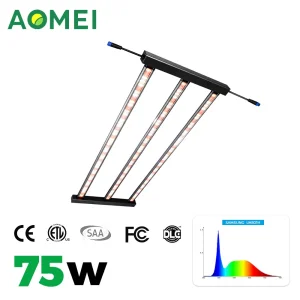
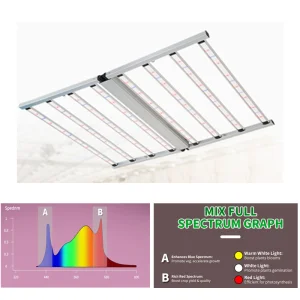
To maximize biomass, grow light suppliers utilize advanced chip technology. Zhongshan Venti Lights integrates premium diodes including Samsung LM301B, LM301H, and the latest Samsung LM301H Evo, coupled with customized supplemental spectrums like Far-Red (730nm) and Deep Red (660nm).
Understanding Daily Light Integral (DLI) in Tropical Indoor Farming
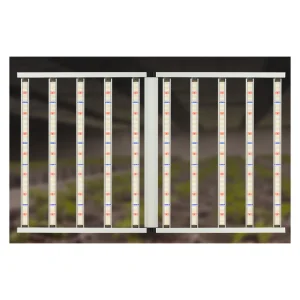
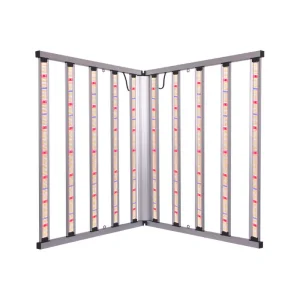
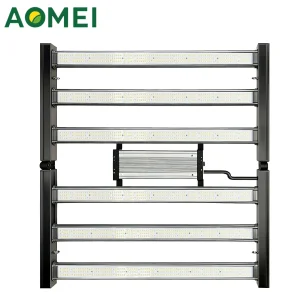
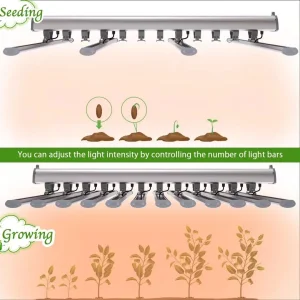
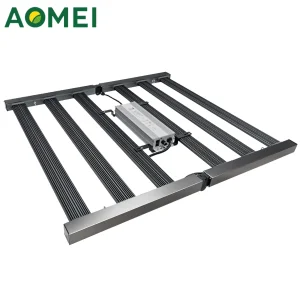
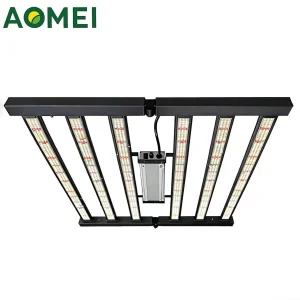
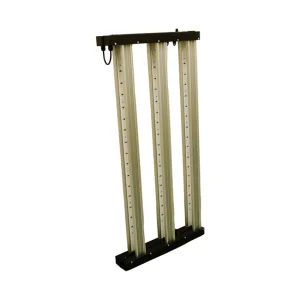
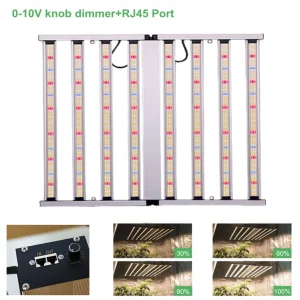
Daily Light Integral (DLI) refers to the cumulative photon count delivered to a square meter of crop over a 24-hour cycle. High-value crops like lettuce require a DLI of 14-17 mol/m²/day, while flowering plants may require upwards of 25-30 mol/m²/day. Achieving these numbers with low energy consumption requires highly concentrated optics and optimal positioning of vertical light bars. Venti Lights designs adjustable, multi-bar arrays that permit customized mounting heights, allowing growers to calibrate PPFD mapping across multiple rack tiers.
4. Global Sourcing Metrics: China Factory 4.0 Resilience
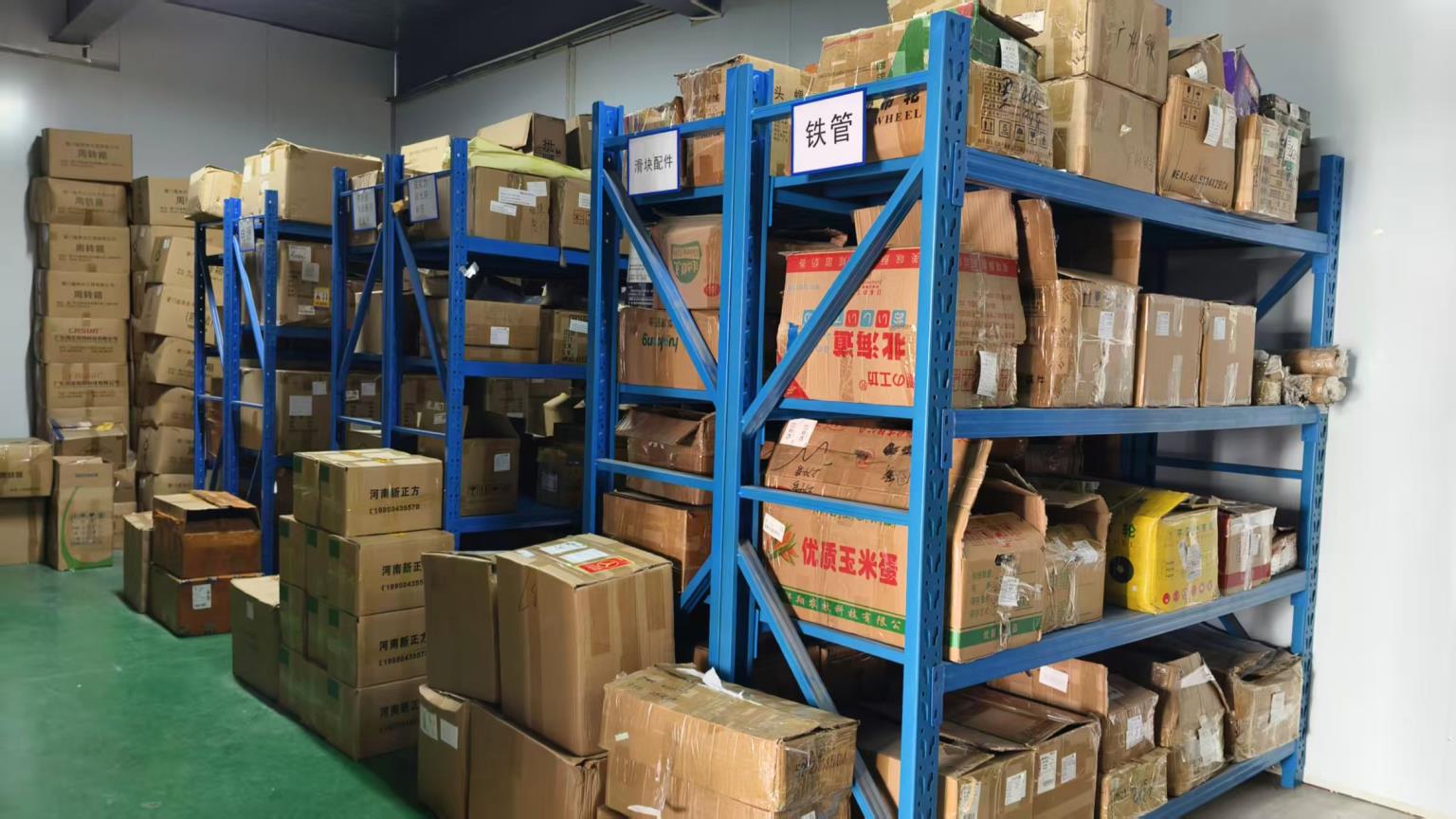
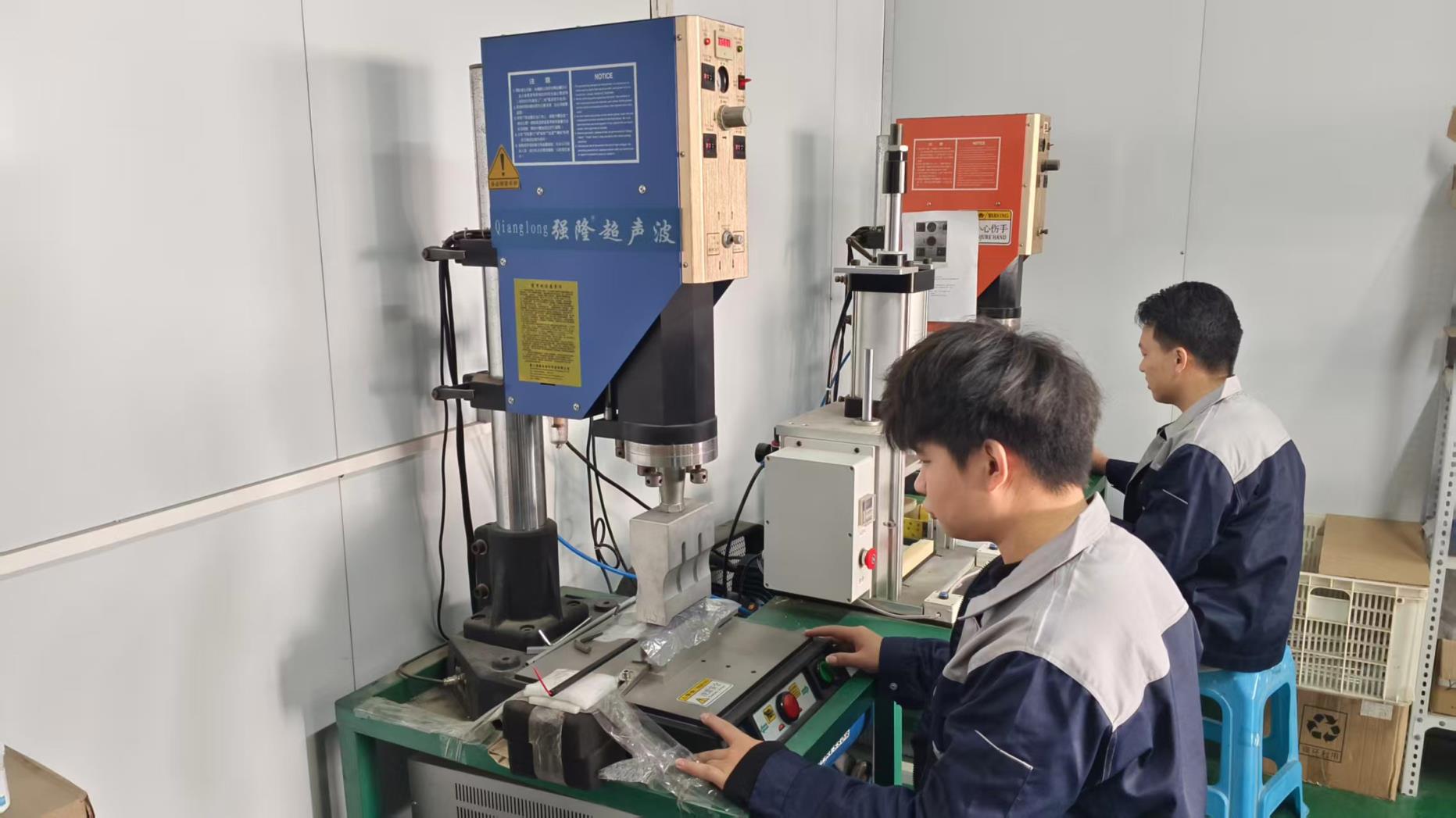
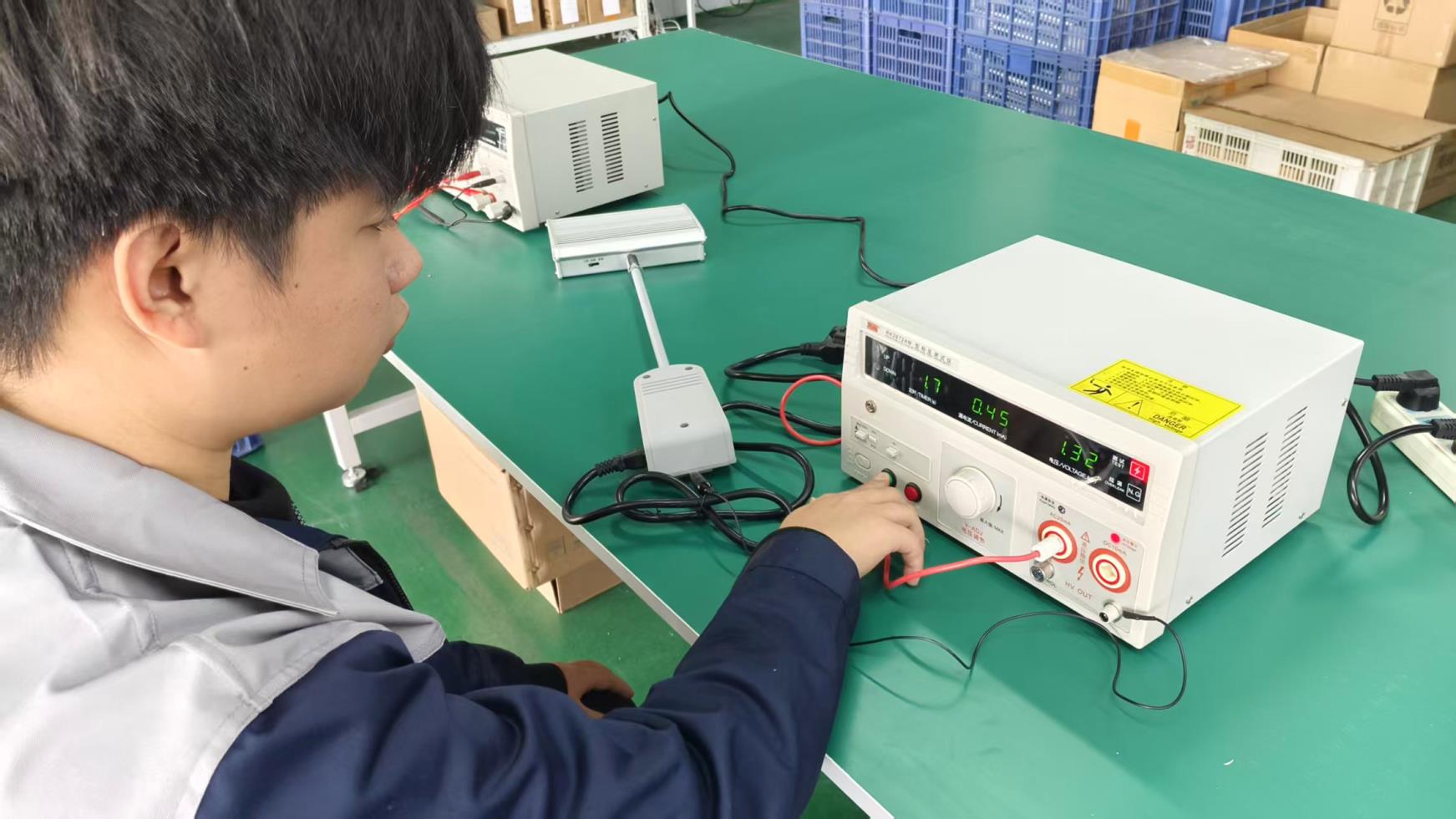
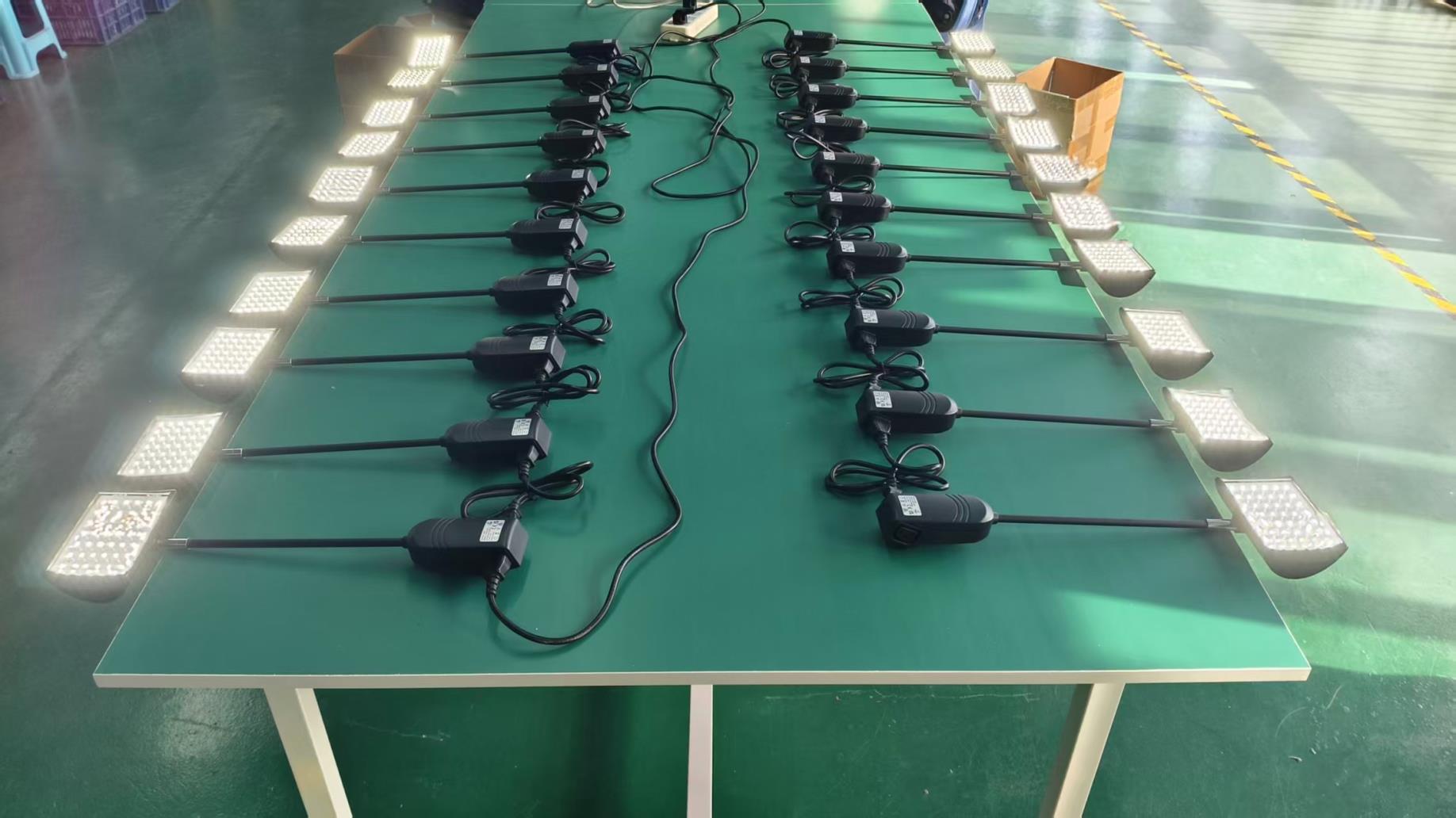
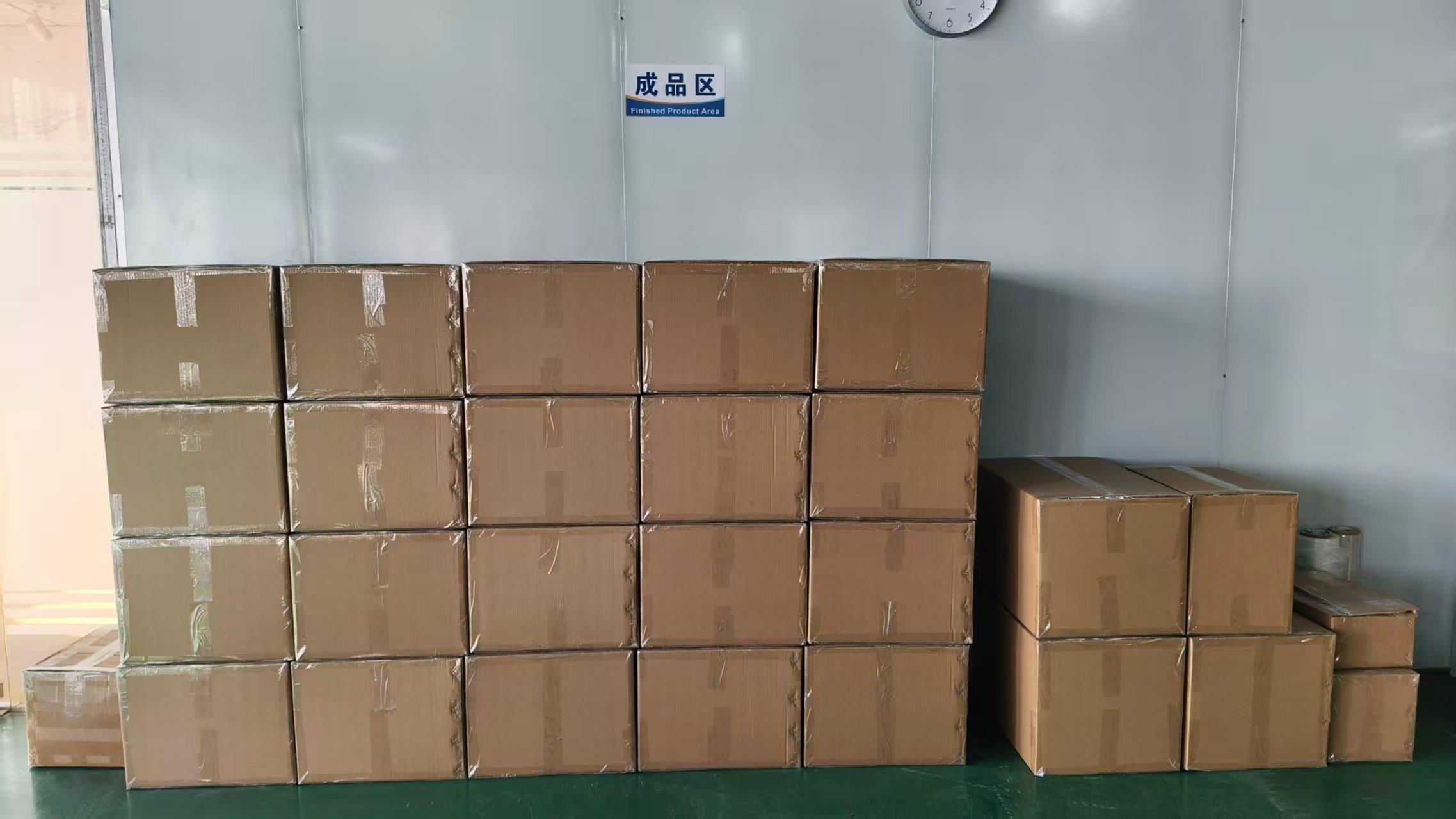
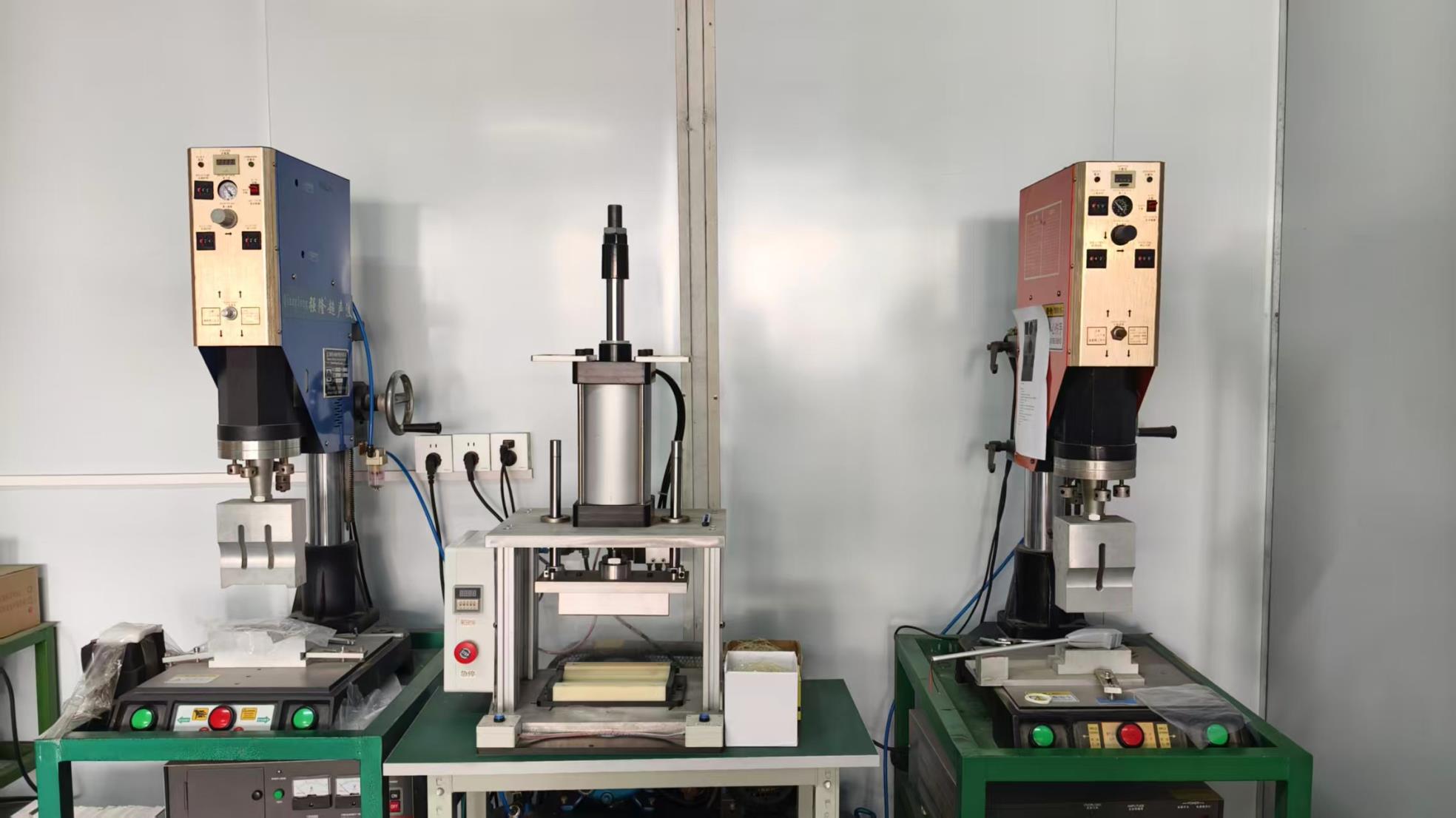
Purchasing directly from vertical farming grow light factories in China ensures significant cost efficiencies, customization options, and technology quality. Zhongshan Venti Lights Co., Ltd. represents the peak of Chinese smart lighting manufacturing (Factory 4.0). Under a strict ISO9001 quality framework, Venti Lights utilizes advanced SMT lines and high-precision assembly processes to maintain defect rates below 0.1%.
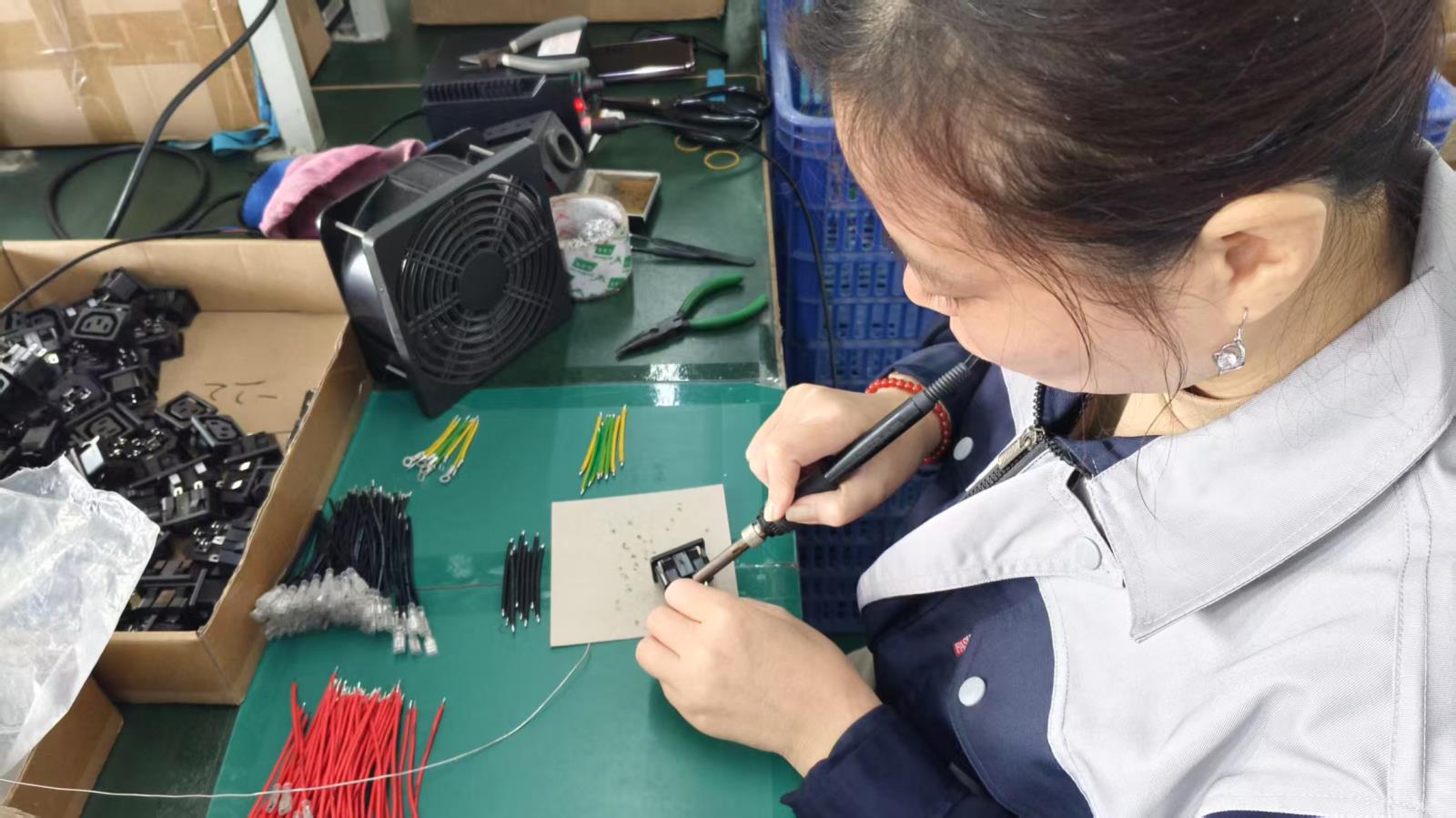
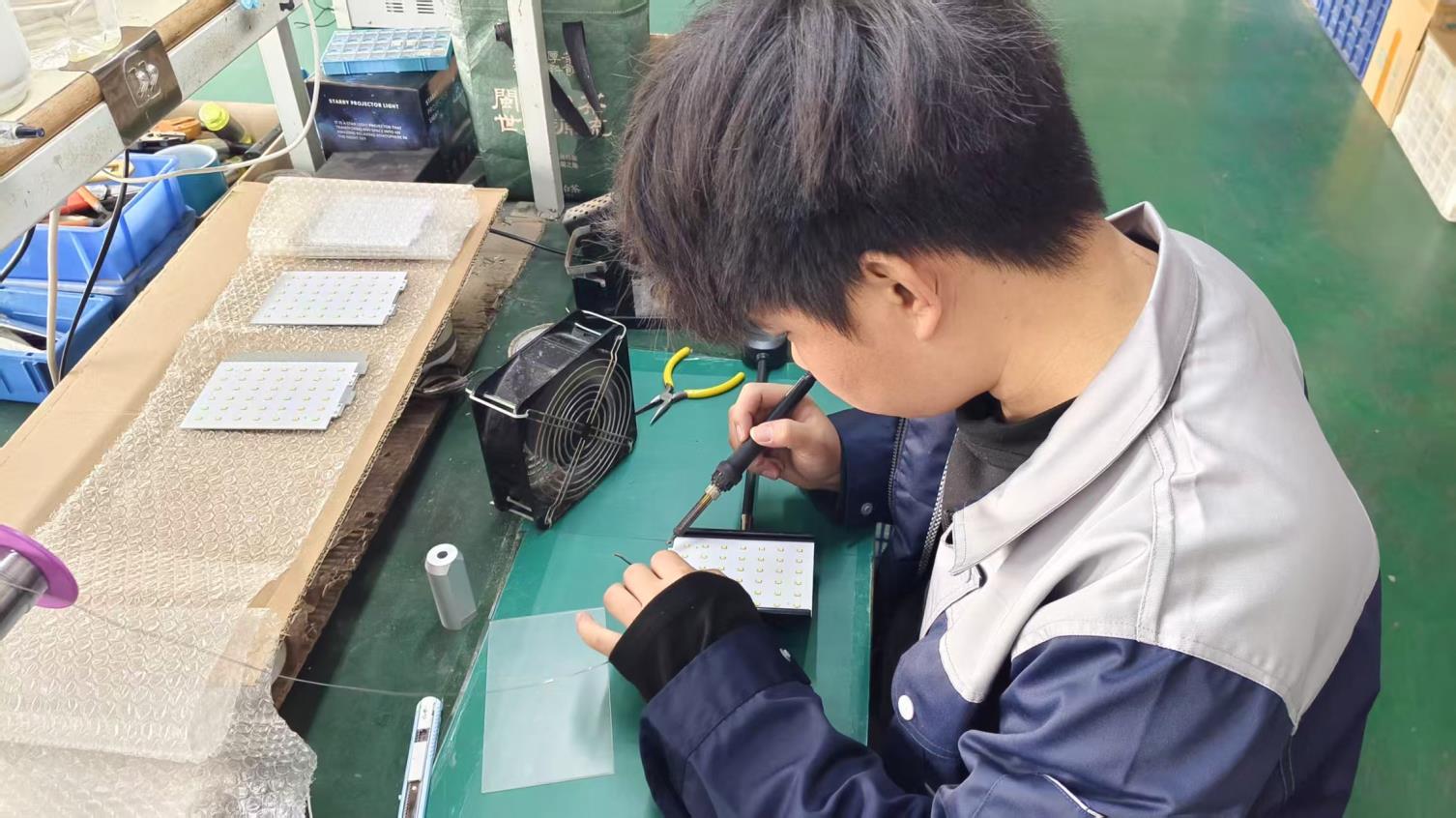
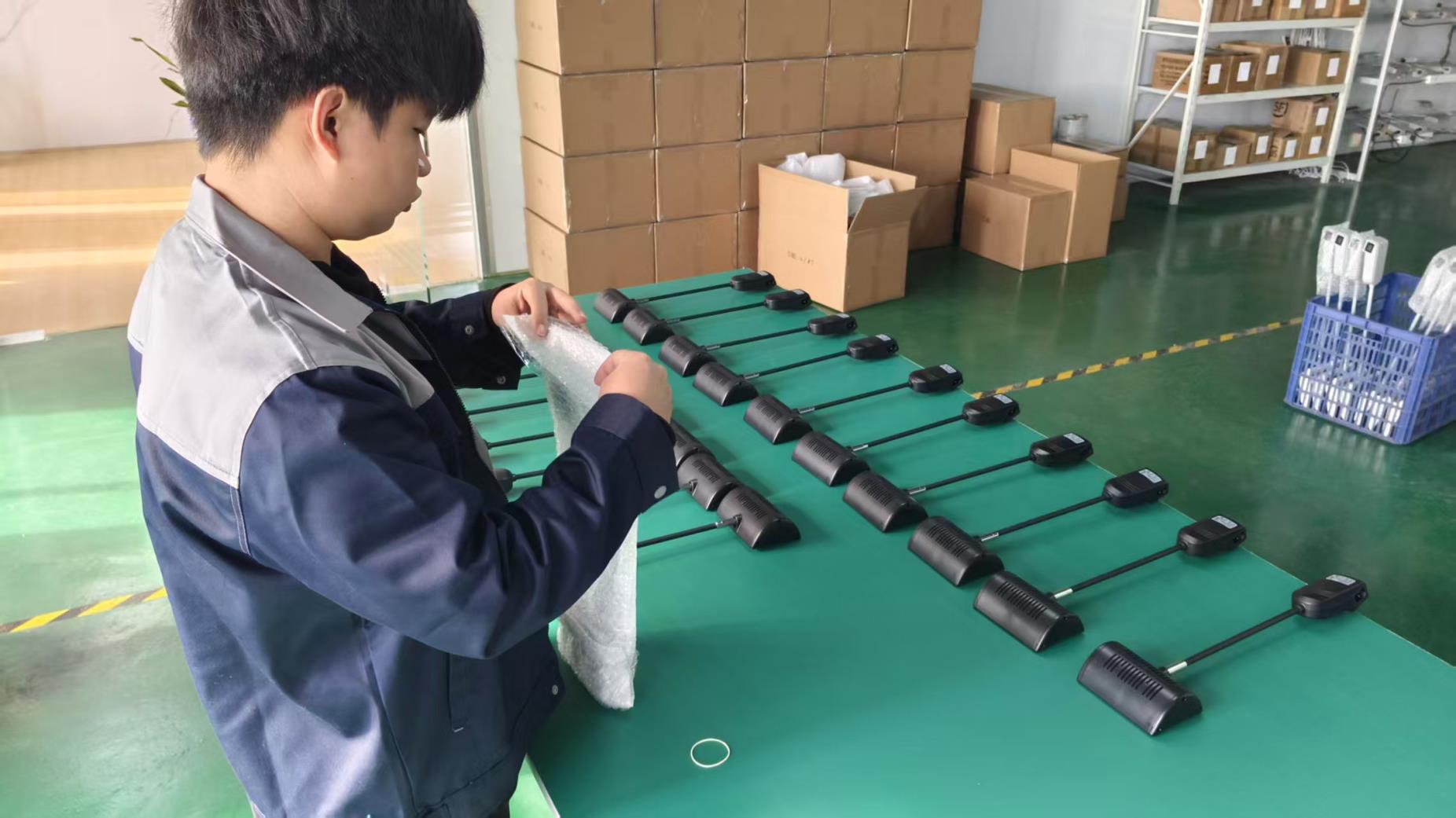
With 70% of production processes automated, the factory achieves unmatched consistency. Automated pick-and-place machines ensure LED chip placements are structurally flawless, maximizing electrical distribution and thermal pathways, which in turn prevents localized overheating on the light boards. This resilience is critical for Bangladesh import projects where replacement parts can incur costly custom delays.
5. Industry 4.0 Manufacturing: About Zhongshan Venti Lights Co., Ltd.
Established on January 25th, 2005, Zhongshan Venti Lights Co., Ltd. is a premier integrated enterprise dedicated to the research, development, assembly, and global distribution of advanced LED lighting equipment. Through structural expansion, the company operates dual production bases strategically situated in China’s tech hubs:
- Shenzhen Headquarters: Spanning approximately 5,000 square meters, this facility focuses on raw LED component development, custom encapsulation, and smart controls.
- Zhongshan Subsidiary Factory: Covering 3,000 square meters, this plant focuses on commercial horticultural grow lights and premium LED driver power supply manufacturing.
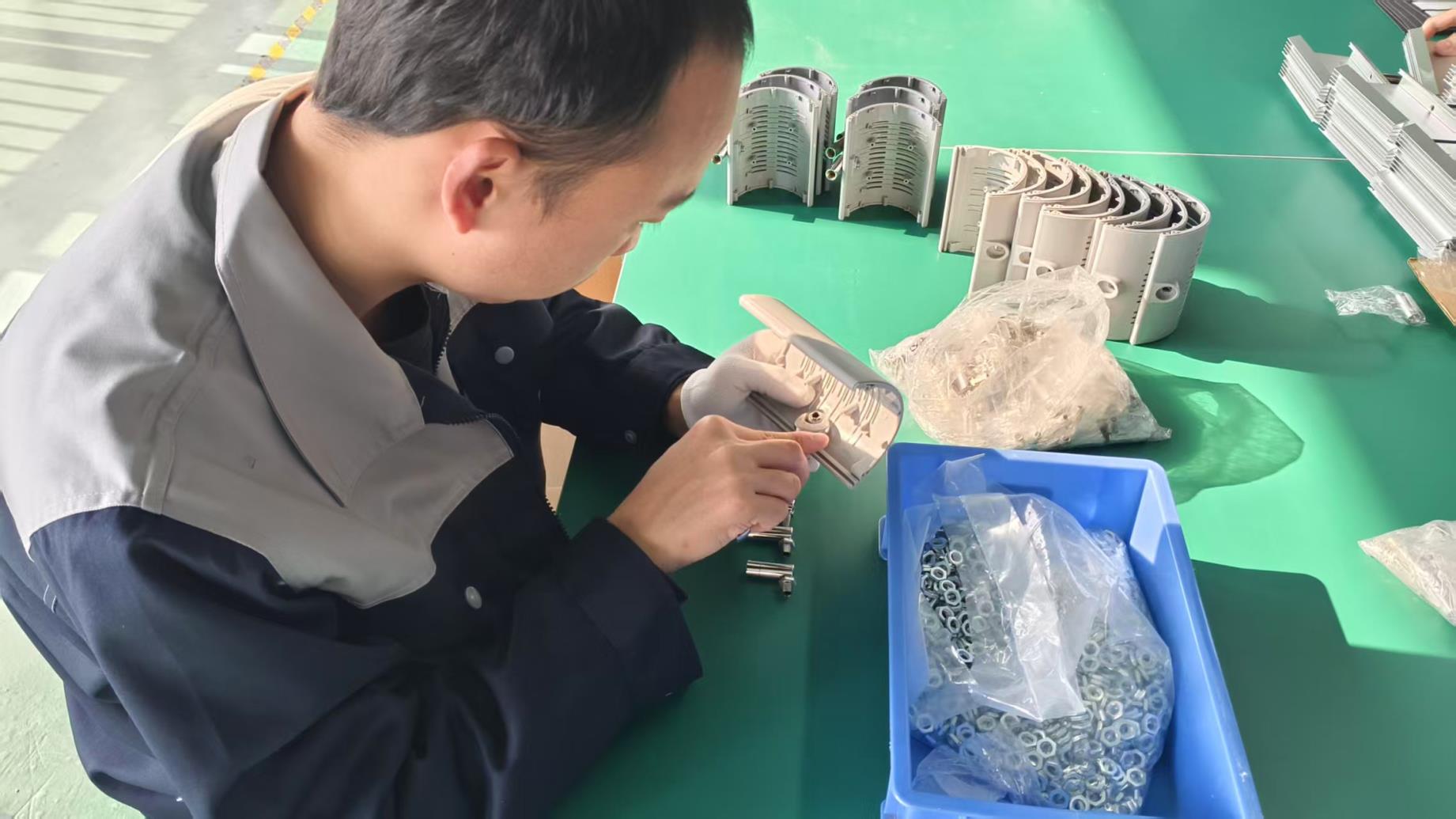
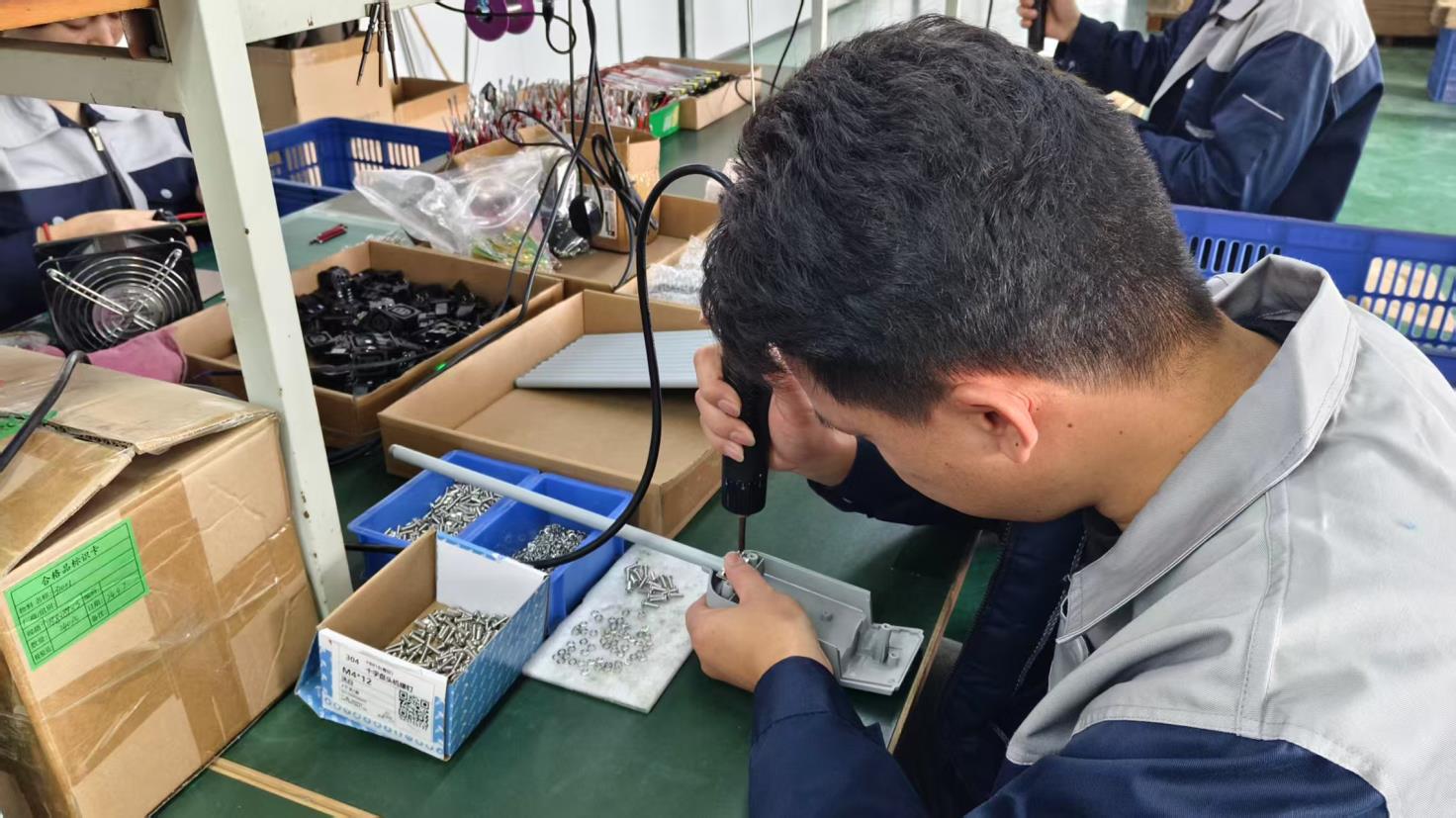
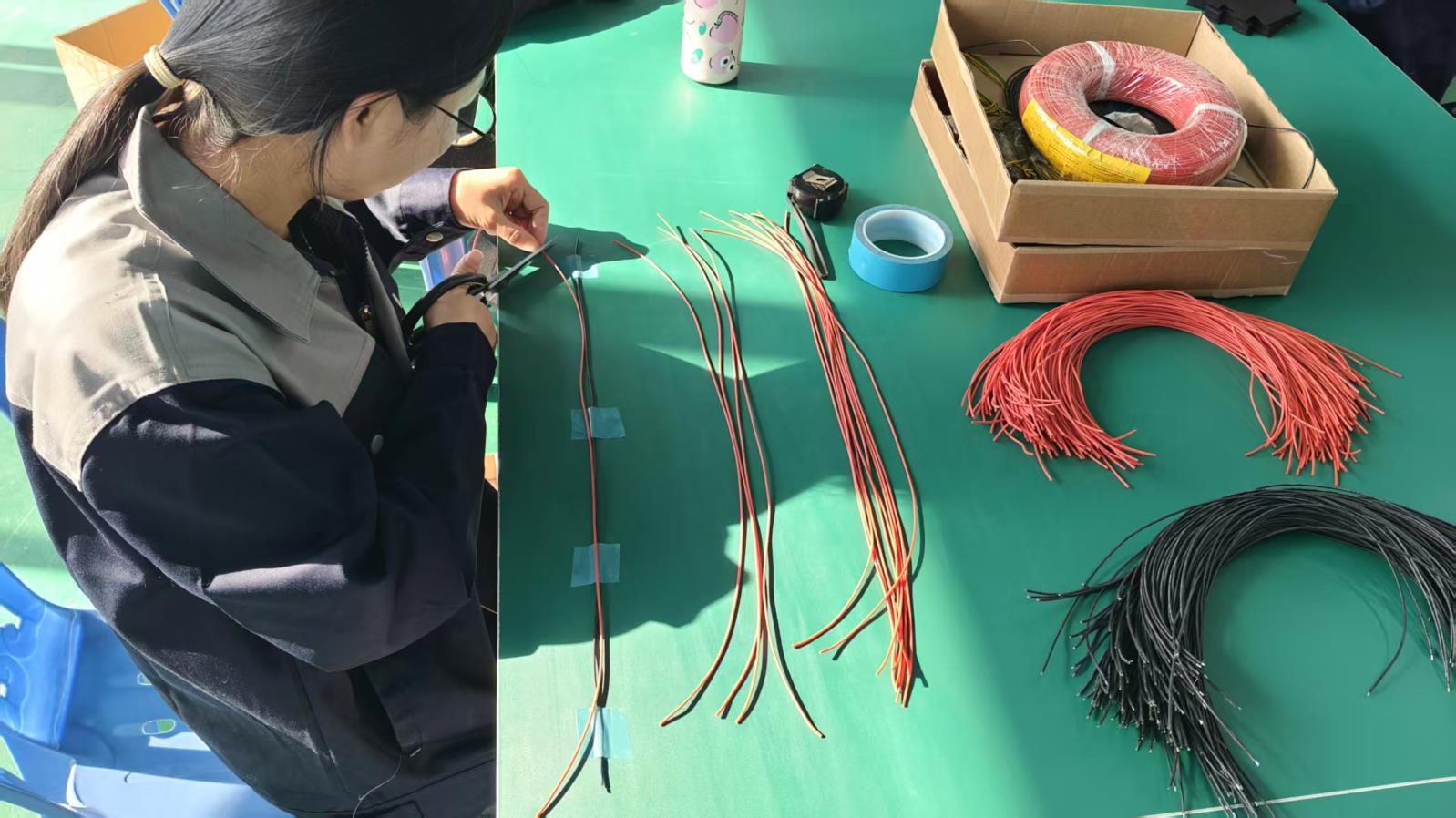
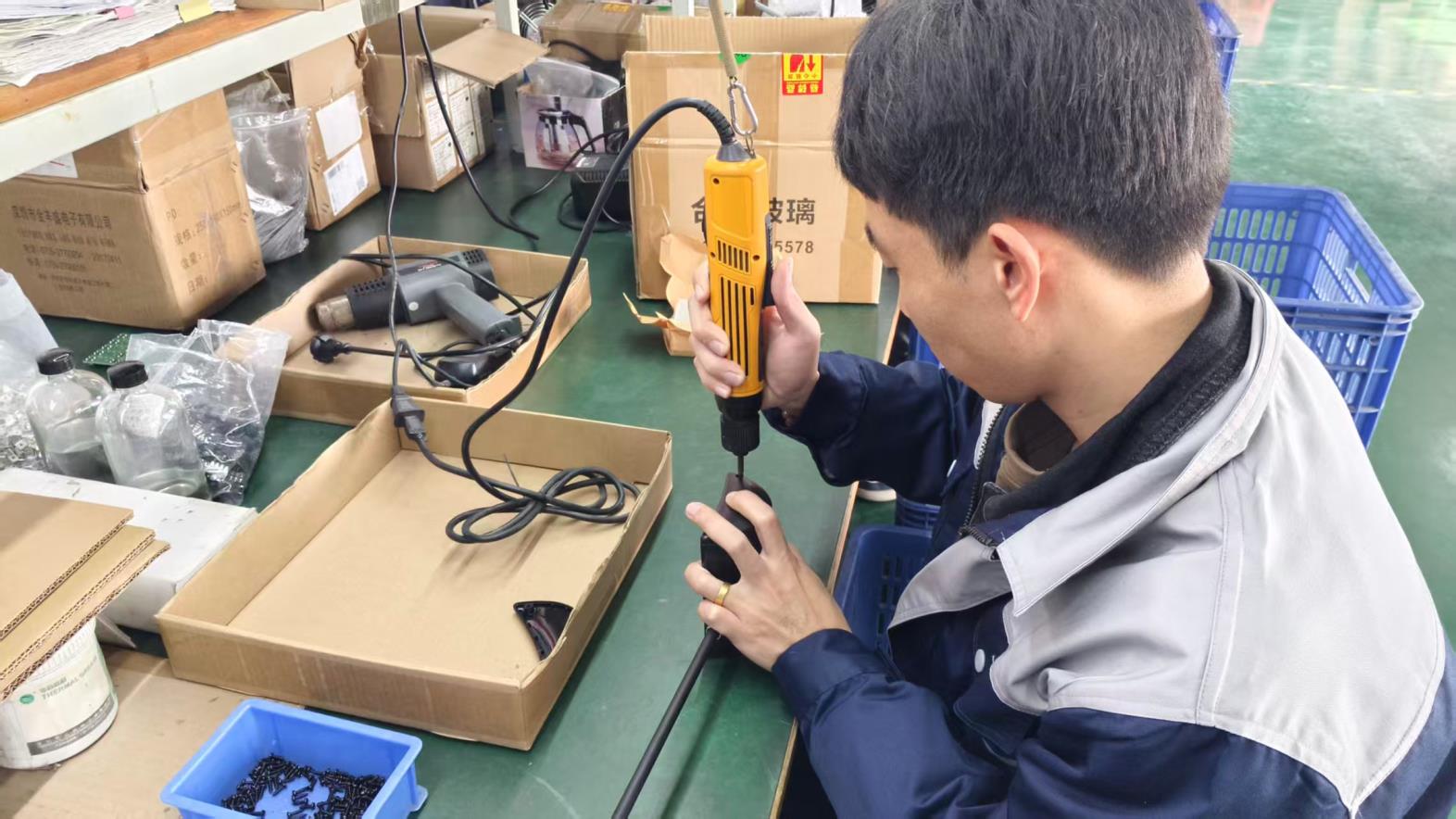
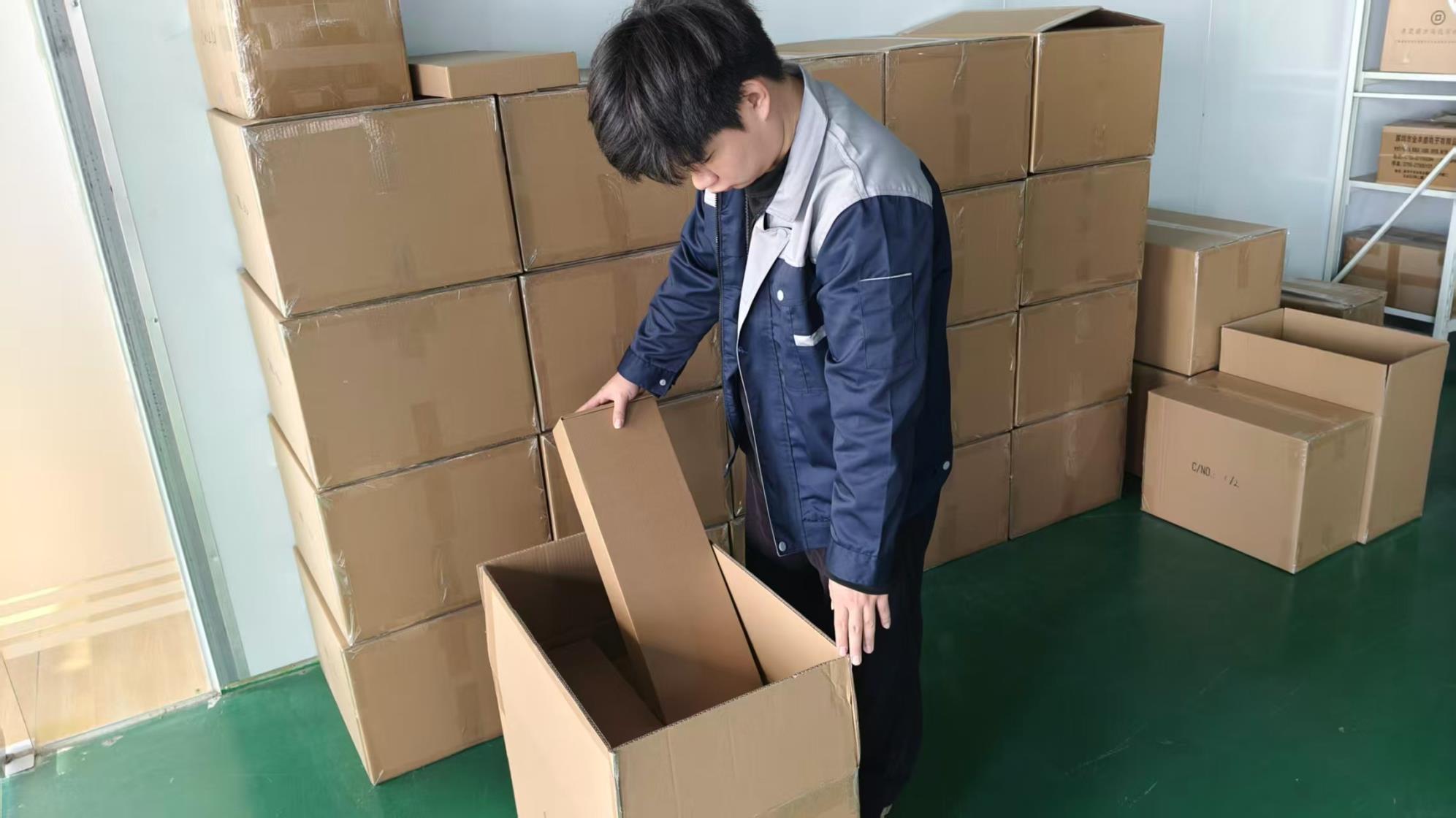
Venti Lights is recognized as a National High-Tech Enterprise. Adhering to strict international standards, all items carry CE, RoHS, and selected SAA certifications. A balanced manufacturing process—combining 70% automated machinery with 30% skilled manual assembly and inspection—allows Venti to provide flexible custom OEM/ODM solutions tailored for vertical farm operations in Bangladesh.
6. Vertical Farming Local Application Scenarios in Bangladesh
Commercial application of grow lights in Bangladesh is expanding across multiple urban and rural segments:
A. Commercial Leafy Green Shelving Systems in Dhaka District
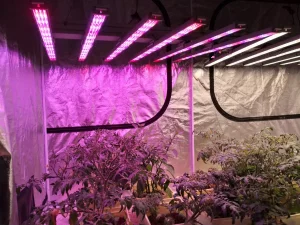
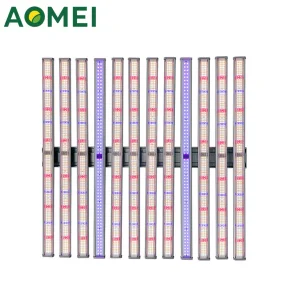
Using multi-layer vertical racks, local urban developers utilize 4-foot LED strip bar systems (like the Agg 4FT 120cm Full Spectrum Bar) to grow butterhead lettuce, pak choi, and culinary herbs. These setups use low-profile shelving configurations, demanding grow lights with minimal heat radiation to avoid leaf scorch.
B. Salinity Mitigating Controlled Farms in Khulna & Barisal
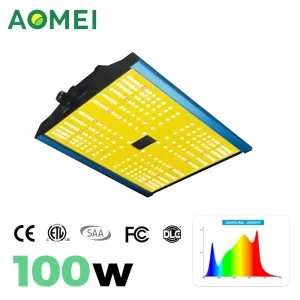
With coastal soils suffering from high saline saturation, indoor soil-less cultivation is vital. By using dimmable, high-efficacy LED panels, coastal facilities grow fresh vegetables year-round, bypassing ruined outdoor soil conditions entirely.
C. Agro-Biotech Tissue Culture Facilities in Mymensingh
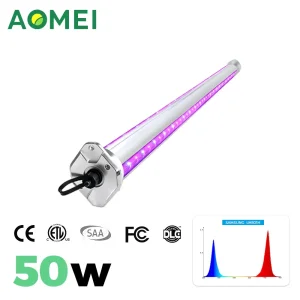
University agricultural labs and private tissue culture facilities use low-wattage full spectrum LED bars to propagate high-yield banana, potato, and orchid plantlets in cleanroom conditions, requiring highly stable color rendering and PAR ratios.