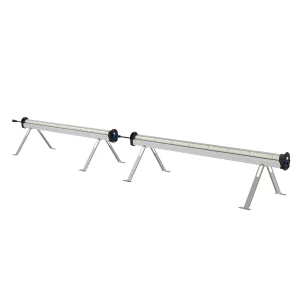
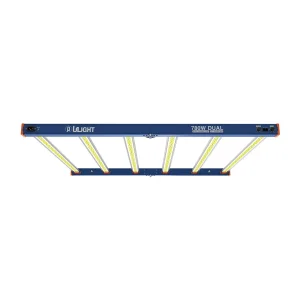
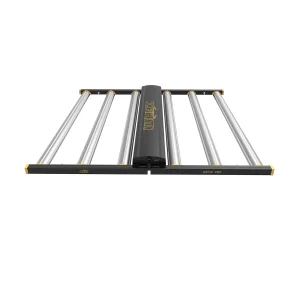
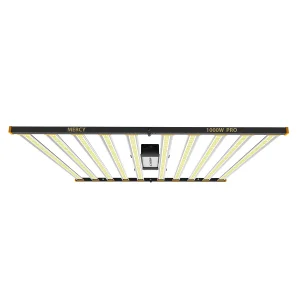
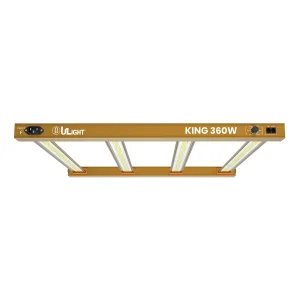
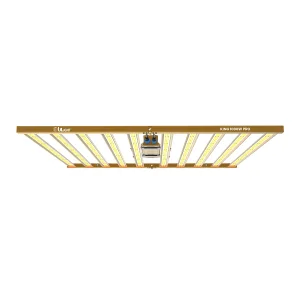
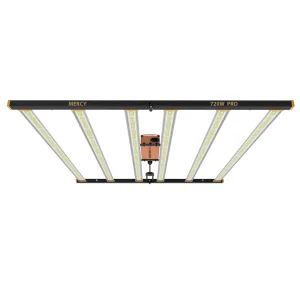
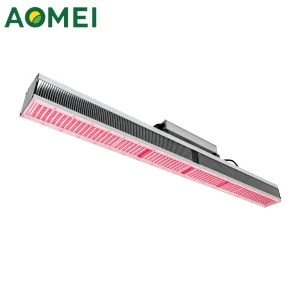
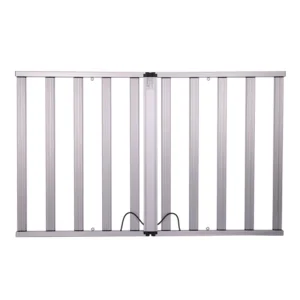
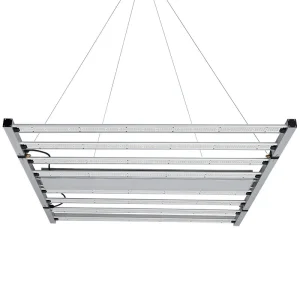
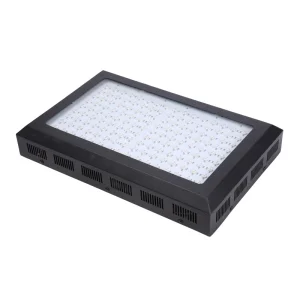
High-efficiency, high-PPFD LED fixtures designed to bypass equatorial UV saturation challenges, offering optimized crop profiles for commercial farms in Port Vila, Santo, and rural island projects.
An analysis of tropical microclimates, food security vectors, and hardware specifications required to establish robust indoor farming facilities across the Pacific.
As an archipelagic nation, Vanuatu encounters significant microclimatic fluctuations, cyclone exposure, and high soil salinity. Traditional ground farming suffers during tropical wet seasons when excessive cloud cover lowers the Daily Light Integral (DLI) to levels insufficient for high-yield leafy greens and vine vegetables.
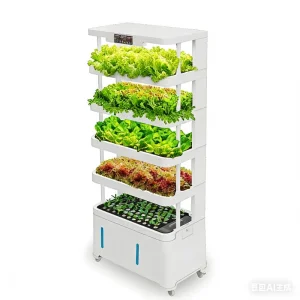
By transitioning to Controlled Environment Agriculture (CEA) and vertical hydroponics, domestic operations can stabilize produce yields. This ensures consistent food supplies for both the residential population and the growing tourism sector in Port Vila and Santo.
Tropical indoor farming demands precise spectral calibration. High-heat equatorial regions do not benefit from traditional incandescent or low-grade high-pressure sodium (HPS) installations due to high heat-dissipation footprints.
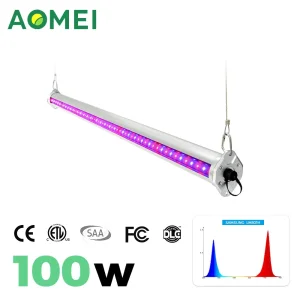
Our custom spectra deliver optimized photon emission ratios. They prioritize high blue light (450nm) to promote compact vegetative growth and prevent crop stretching, while deep red (660nm) stimulates photosynthesis. This energy-efficient combination provides consistent growth cycles without overloading off-grid solar-battery networks.
The maritime atmosphere of Vanuatu contains high humidity and corrosive salt aerosol levels. Standard indoor grow lamps often fail within 12 months due to circuit oxidization and thermal accumulation.
To address this, our fixtures use aerospace-grade aluminum heat sinks, conformal-coated circuit designs, and IP65/IP66 waterproof ingress protection. These design choices ensure durable, long-term performance even in uninsulated warehouse applications or coastal hoop-houses.
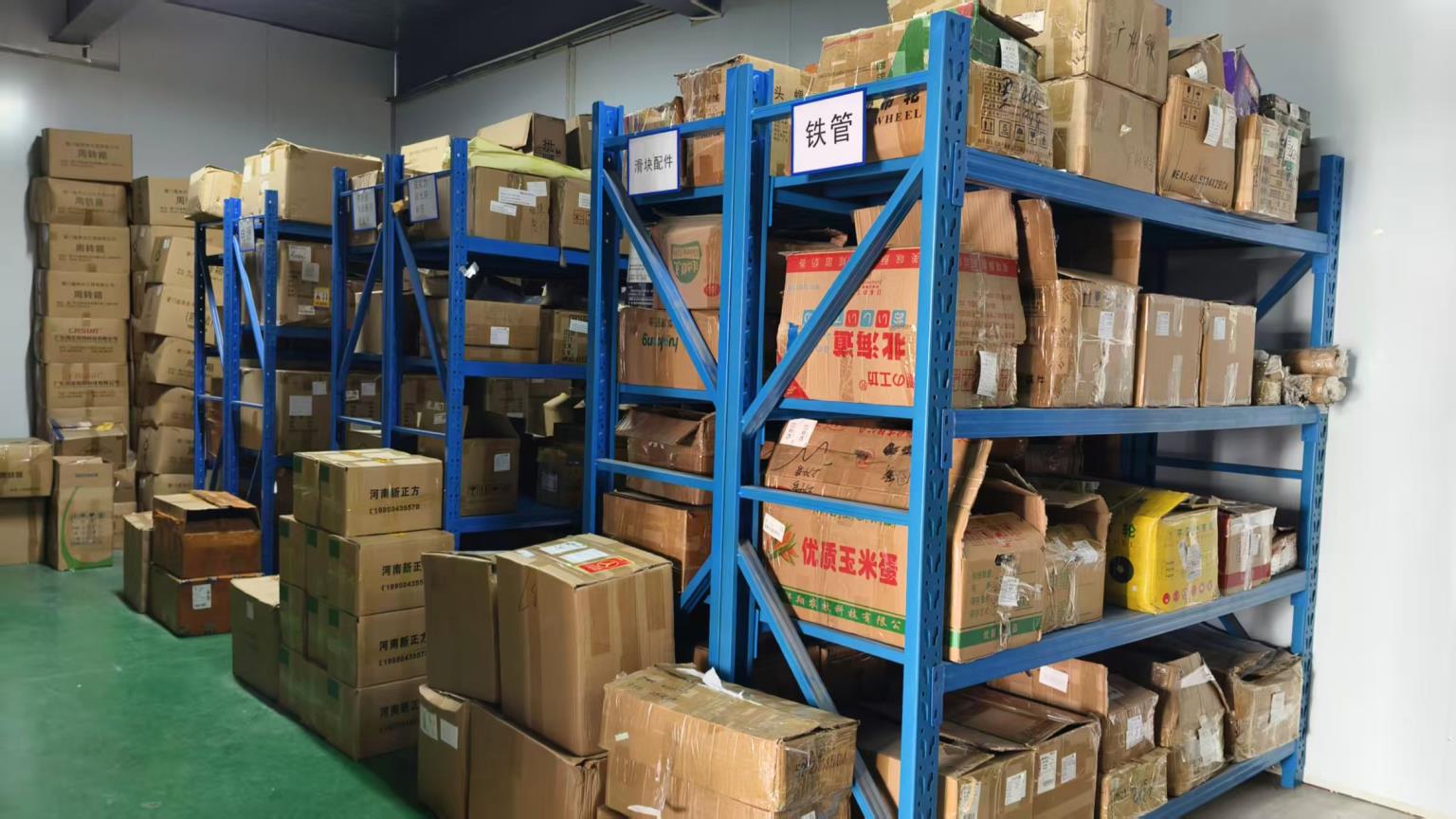
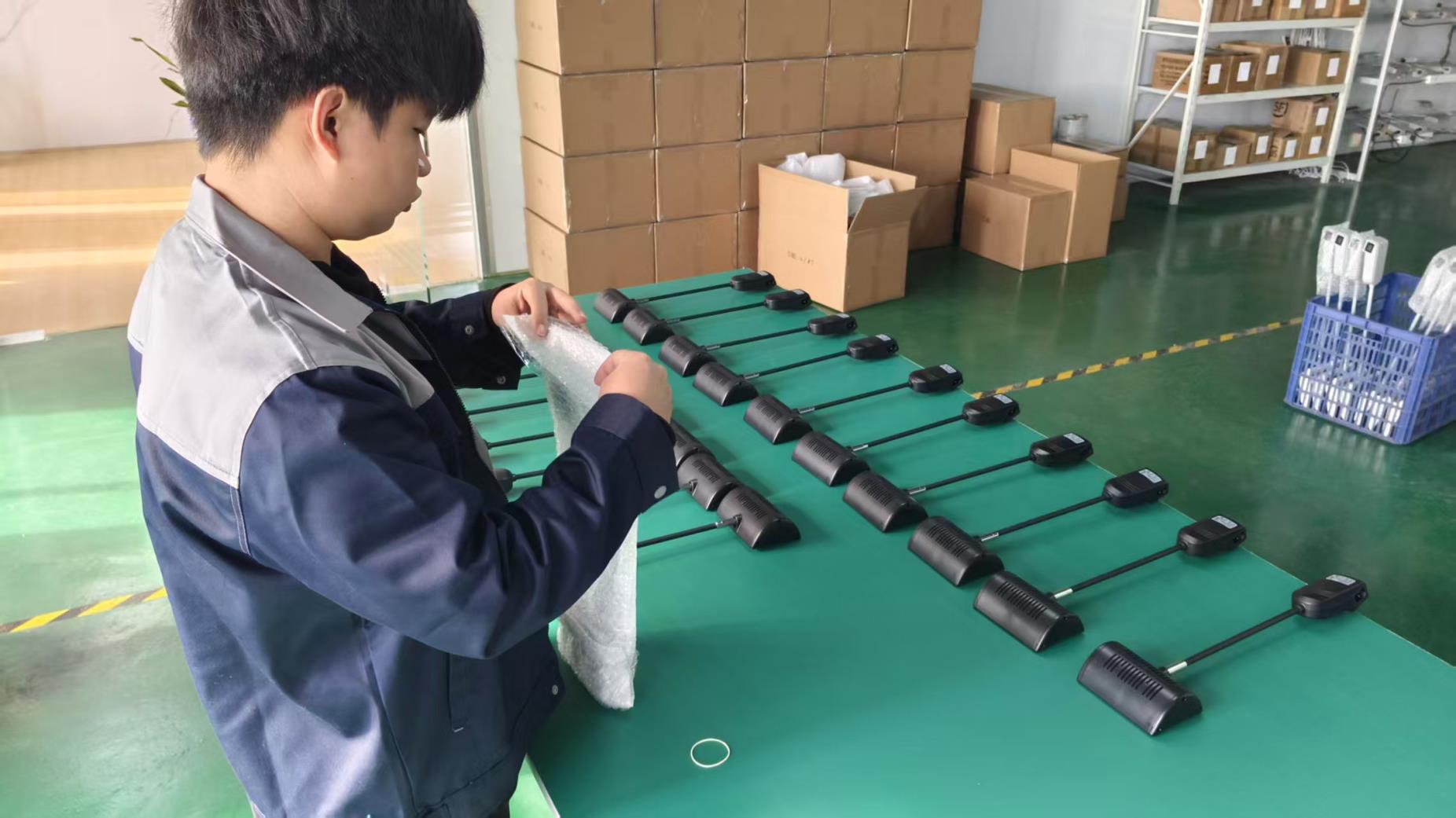
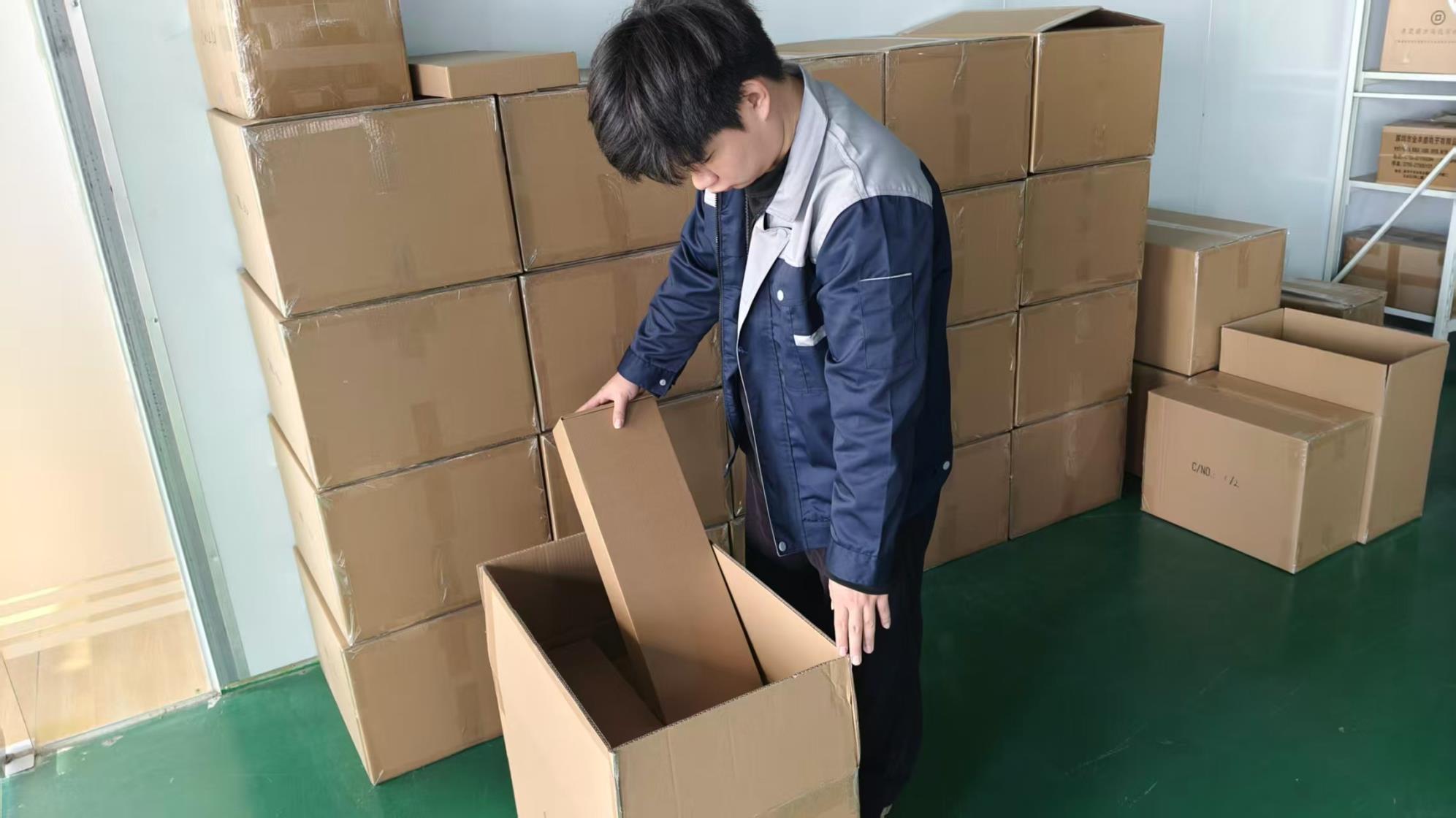
The global trade logistics infrastructure makes sourcing equipment to Pacific Islands a delicate operational task. Relying on fragmented distribution routes leads to elevated project risks, installation delays, and lack of technical support. By partnering directly with a consolidated manufacturer like Zhongshan Venti Lights Co., Ltd., commercial operators secure direct engineering assistance and optimized packaging dimensions that lower ocean freight rates.
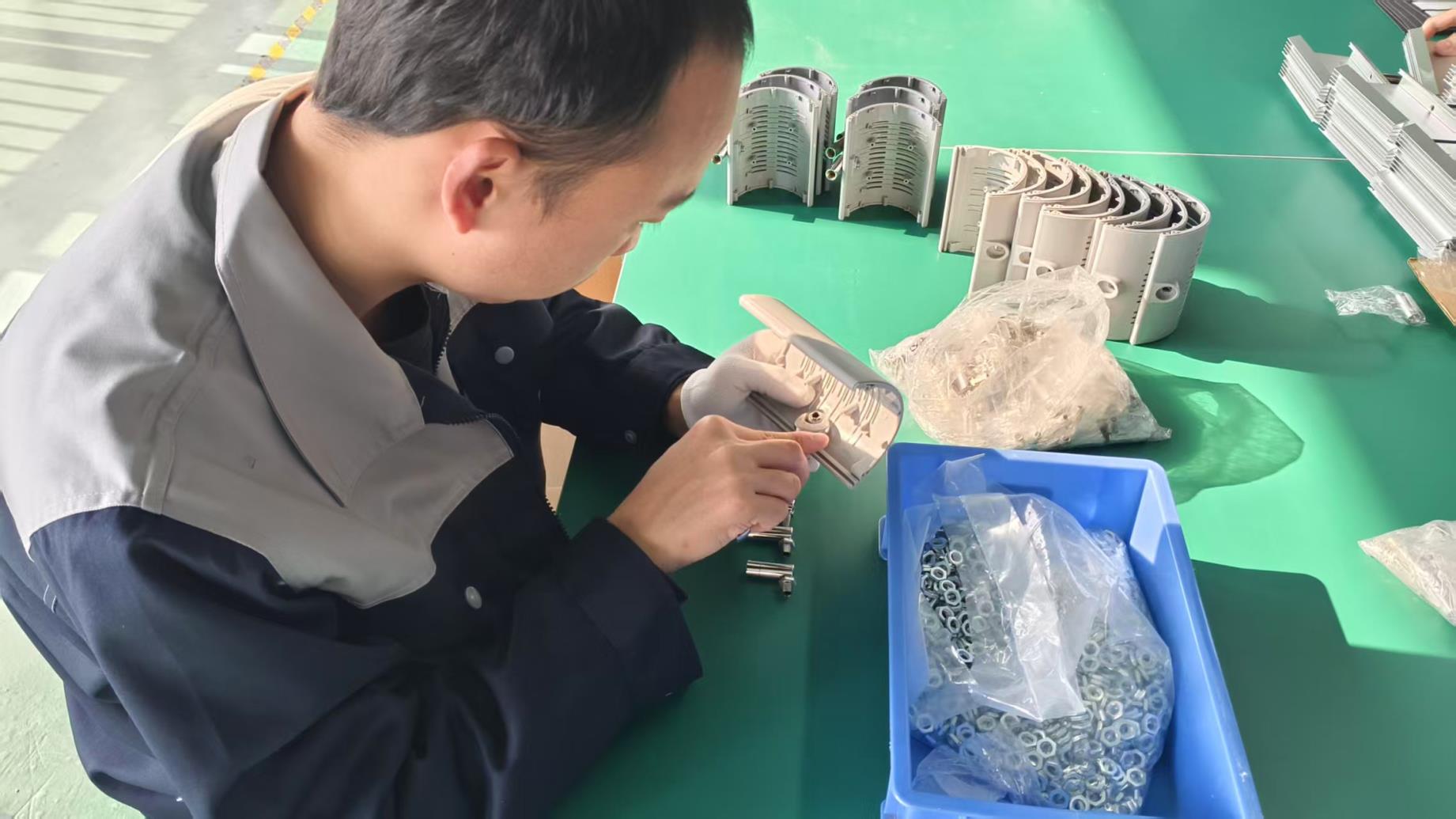
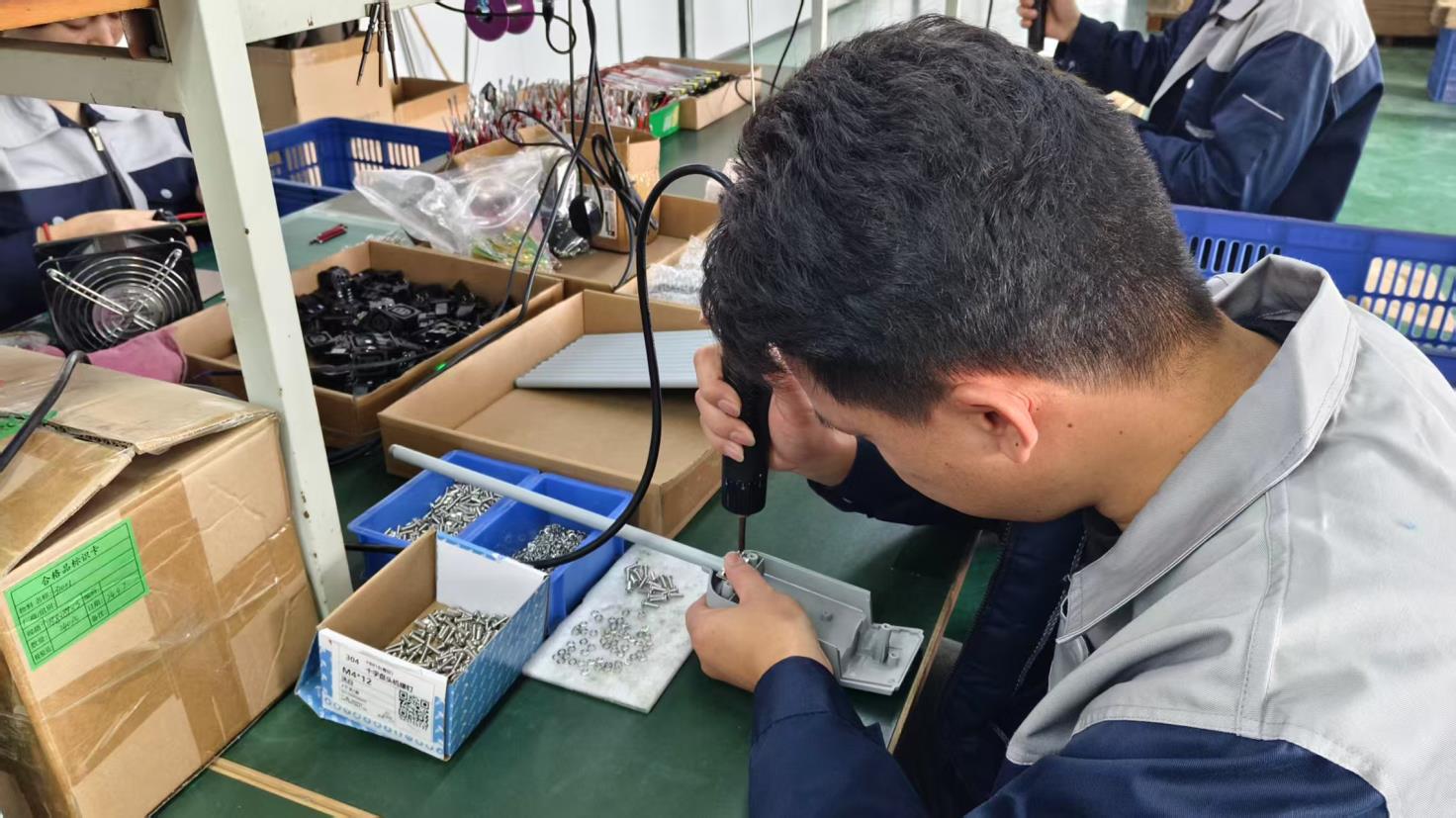
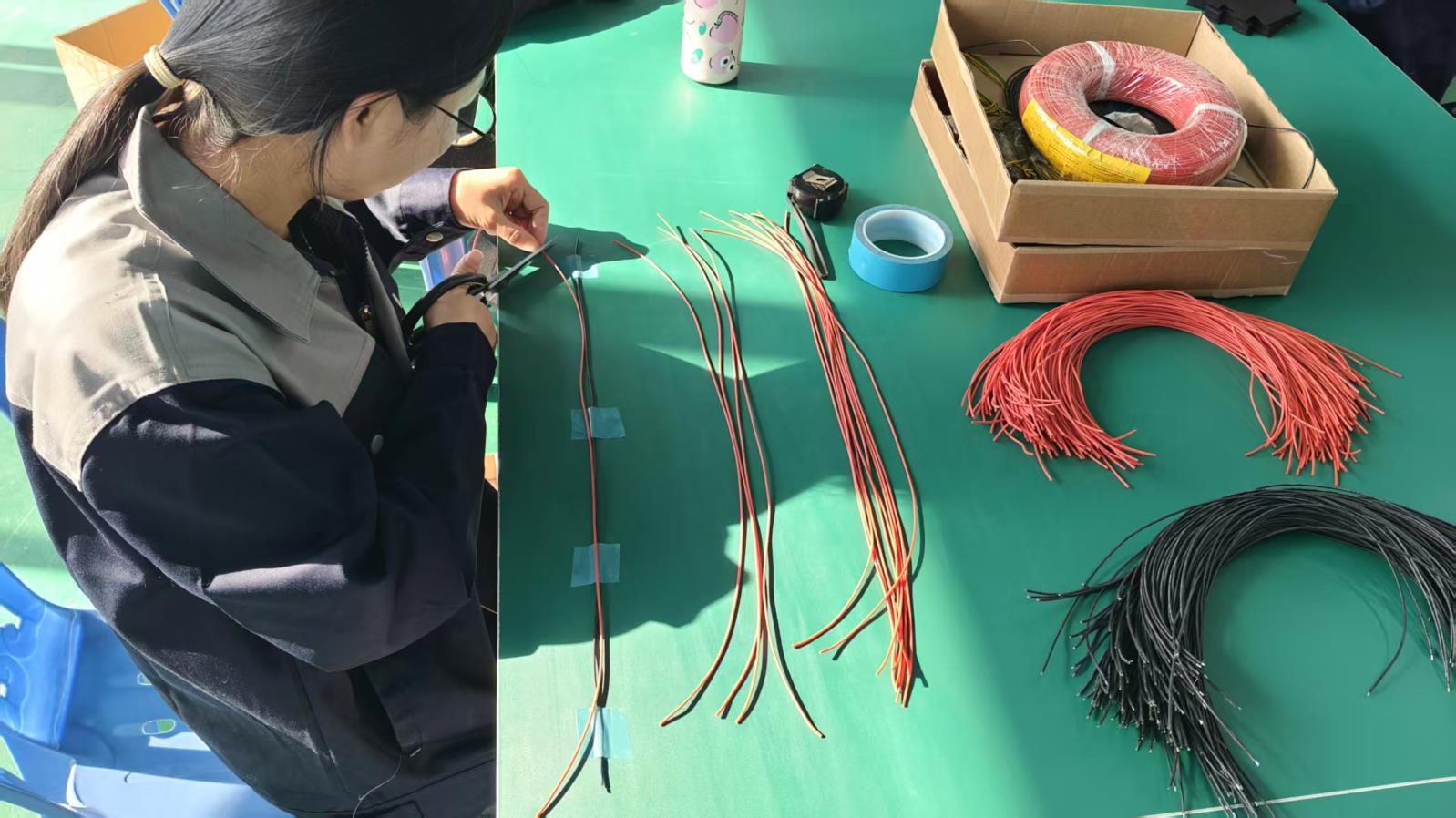
Our dual-production center system divides R&D expertise (Shenzhen headquarters) and automated commercial assembly (Zhongshan facility). This layout ensures that grow lights are engineered with dedicated, in-house LED driver power supplies. Stable power conversion is critical for Vanuatu, where voltage sags and spikes are common on public utility grids.
A premier global developer of advanced agricultural lighting solutions, blending automated manufacturing with strict ISO9001 quality control processes.
Established on January 25th, 2005, Zhongshan Venti Lights Co., Ltd. is a high-tech enterprise specializing in the research, design, production, and international logistics of LED horticultural and commercial lighting installations. Through continuous manufacturing improvements, we operate two facilities designed to meet global supply expectations.
Our Shenzhen headquarters (approx. 5,000 m²) focuses on core LED semiconductor components and specialized amusement lighting bulbs. Meanwhile, our Zhongshan manufacturing facility (approx. 3,000 m²) is dedicated to horticultural LED grow lights and LED power driver design. This enables us to offer reliable, cost-effective agricultural systems built under rigorous international standards.
Quality remains our central metric. Our factories maintain ISO9001 compliance, and our output products carry major international certifications, including CE, RoHS, and SAA, ensuring reliable operations on local electrical networks.
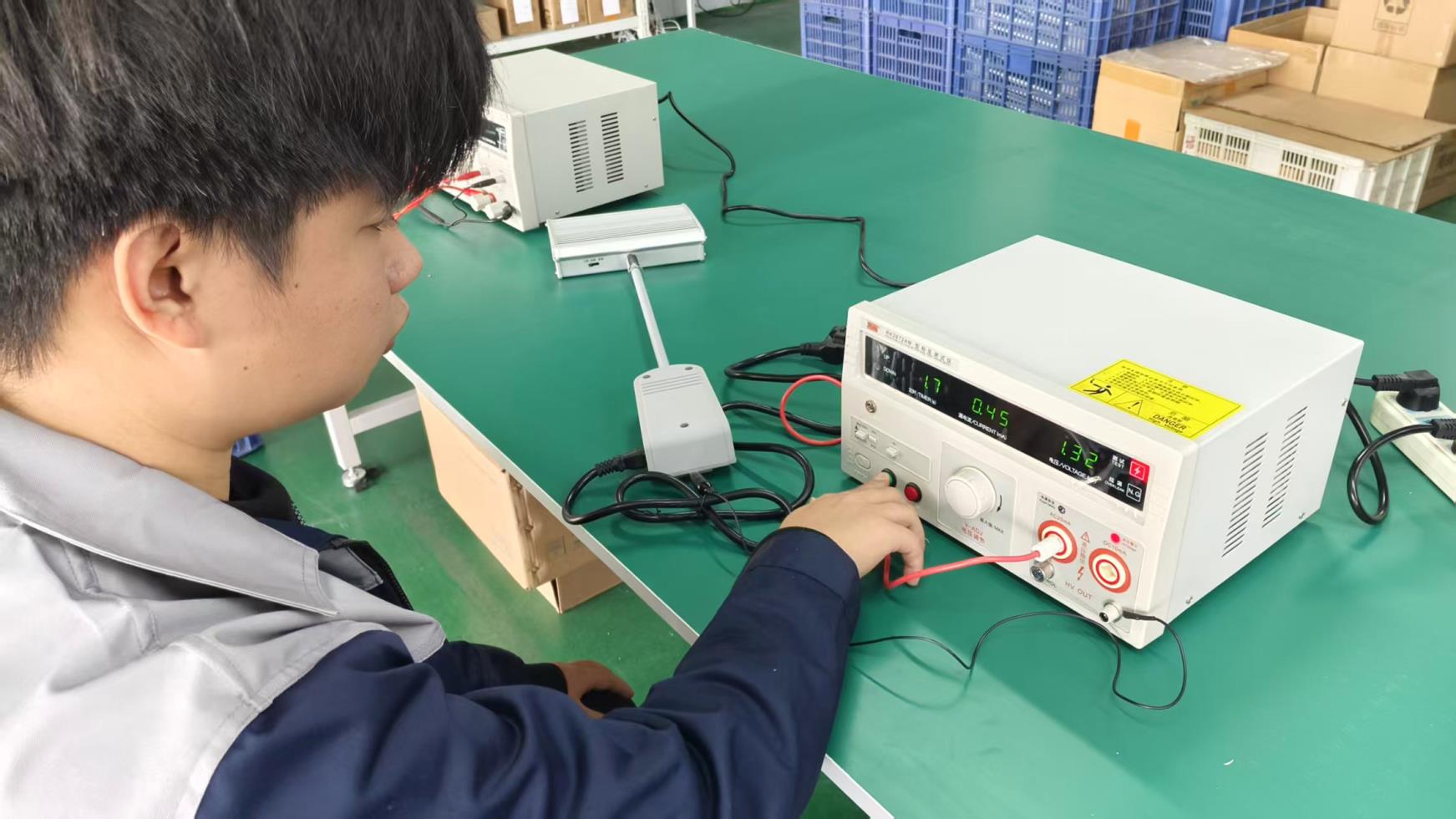
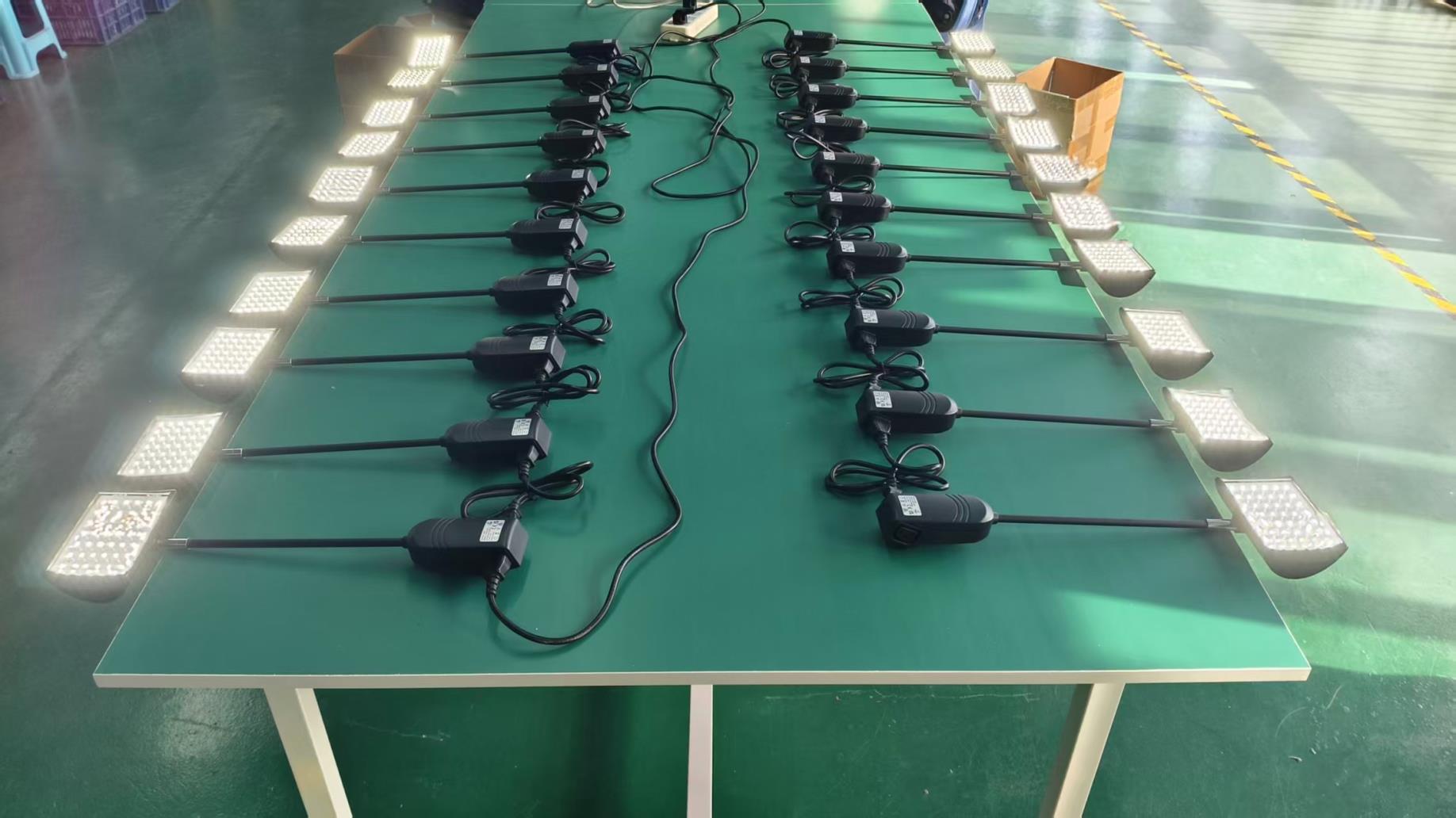
Our production workflow uses 70% automation alongside manual quality-assurance inspections to deliver durable fixtures that perform reliably in demanding environments.
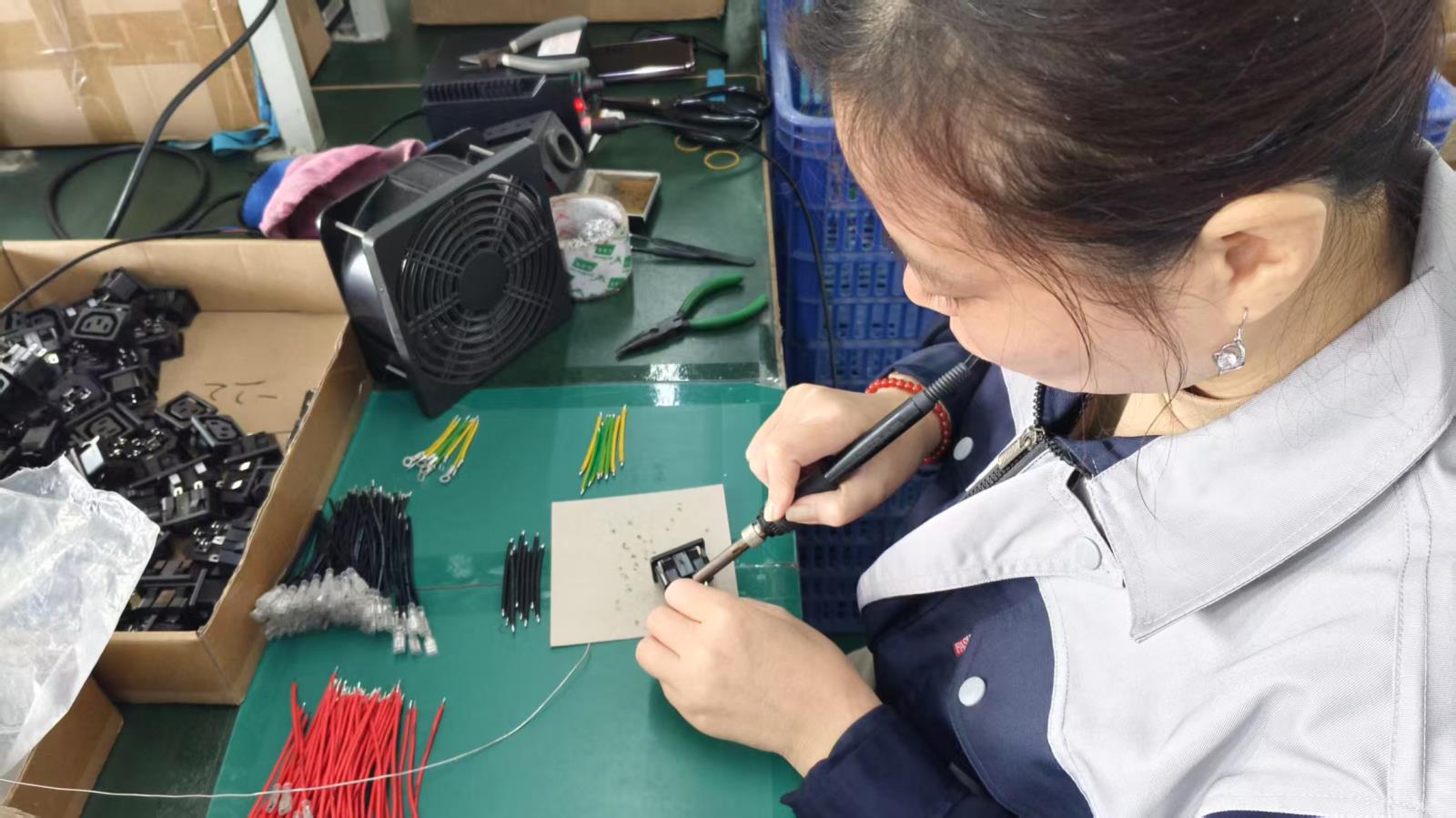
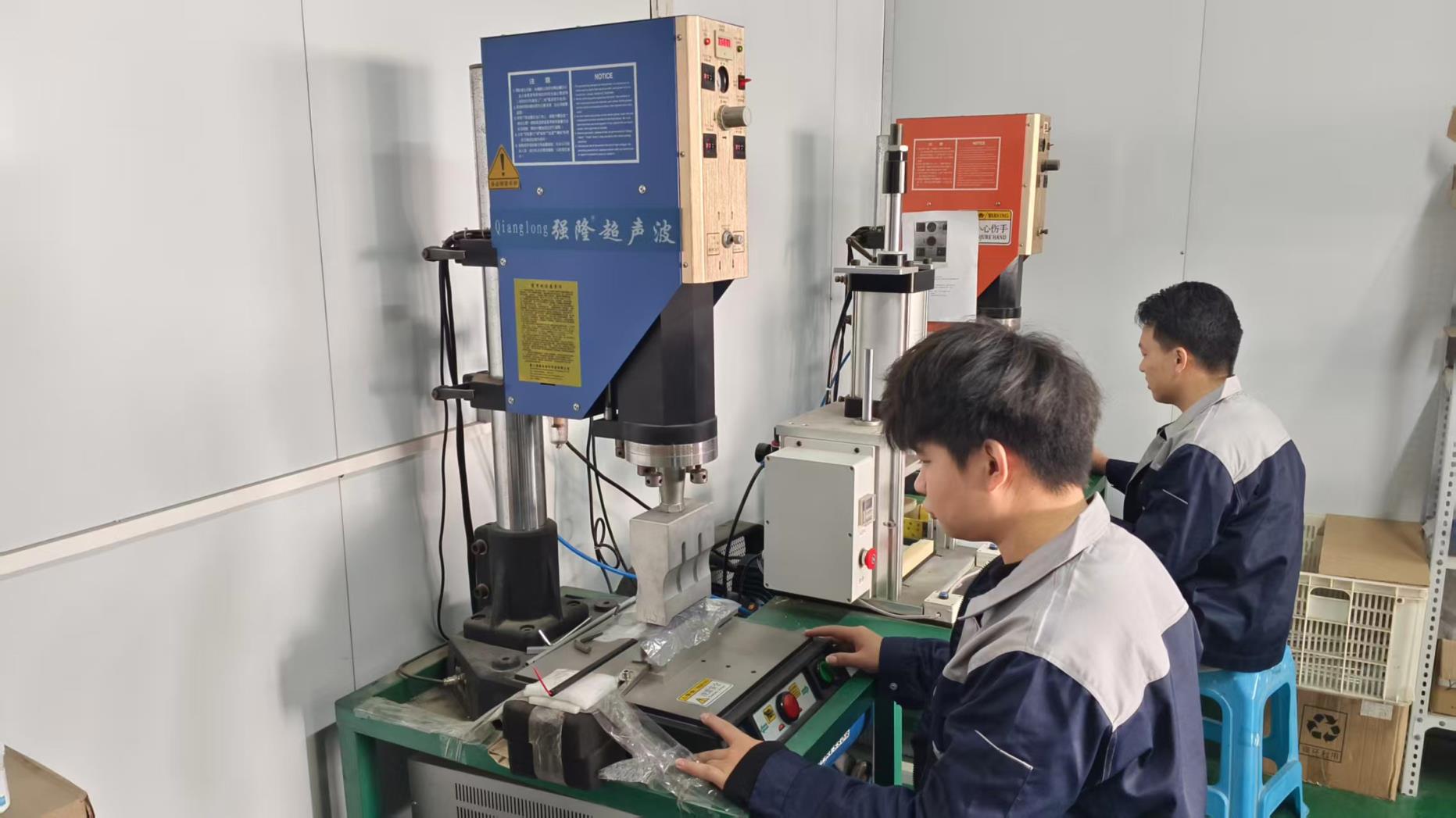
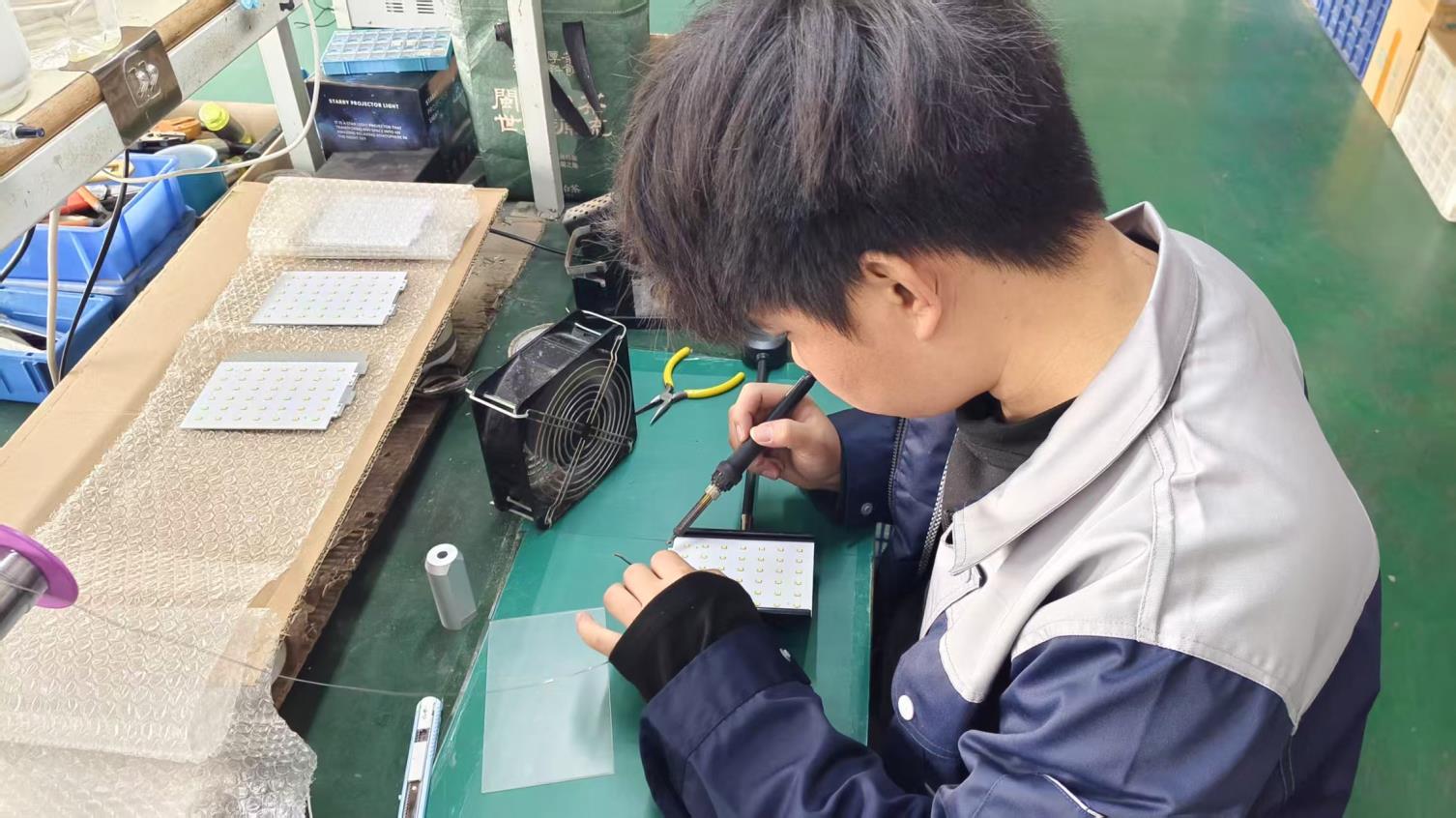
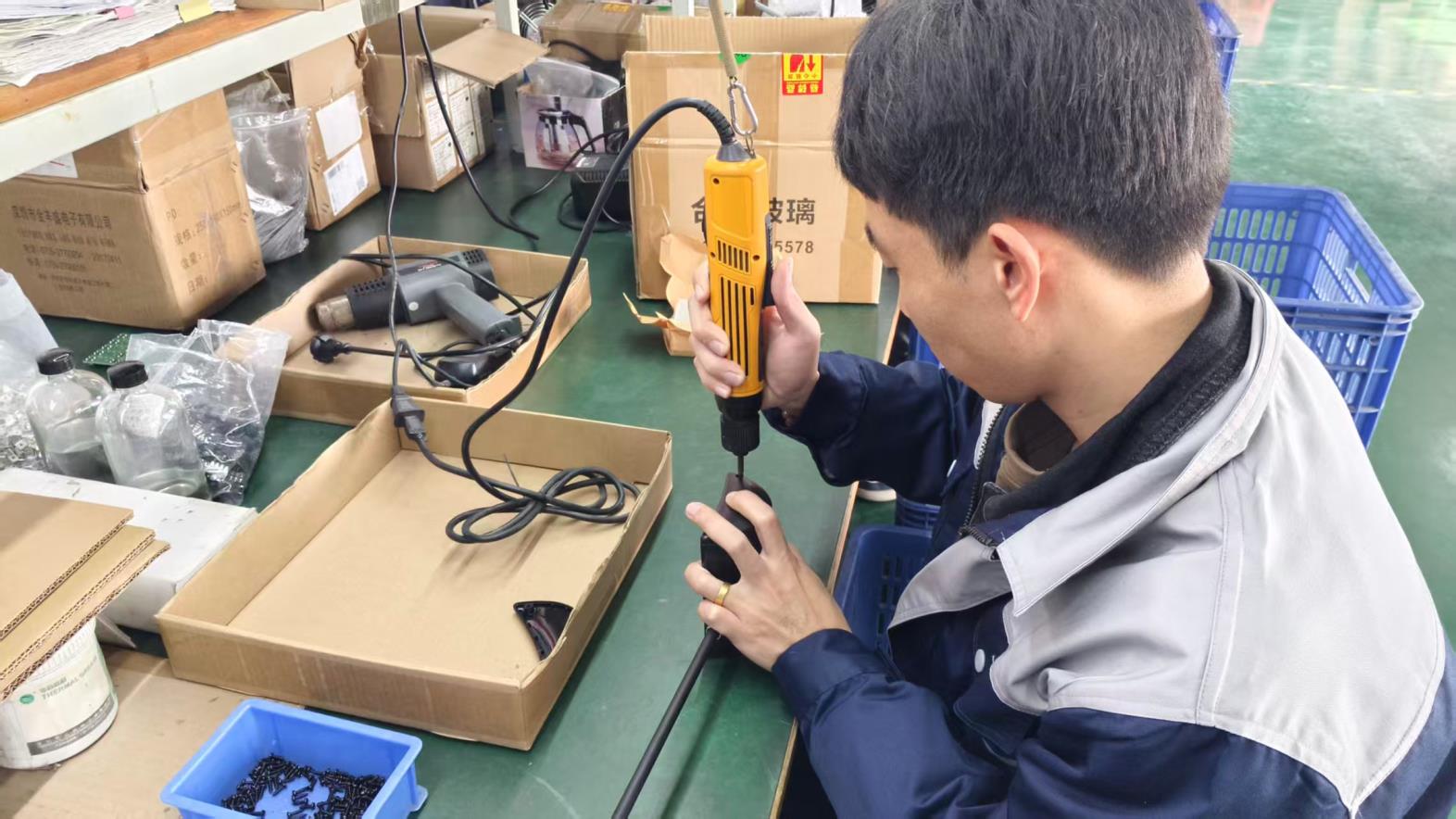
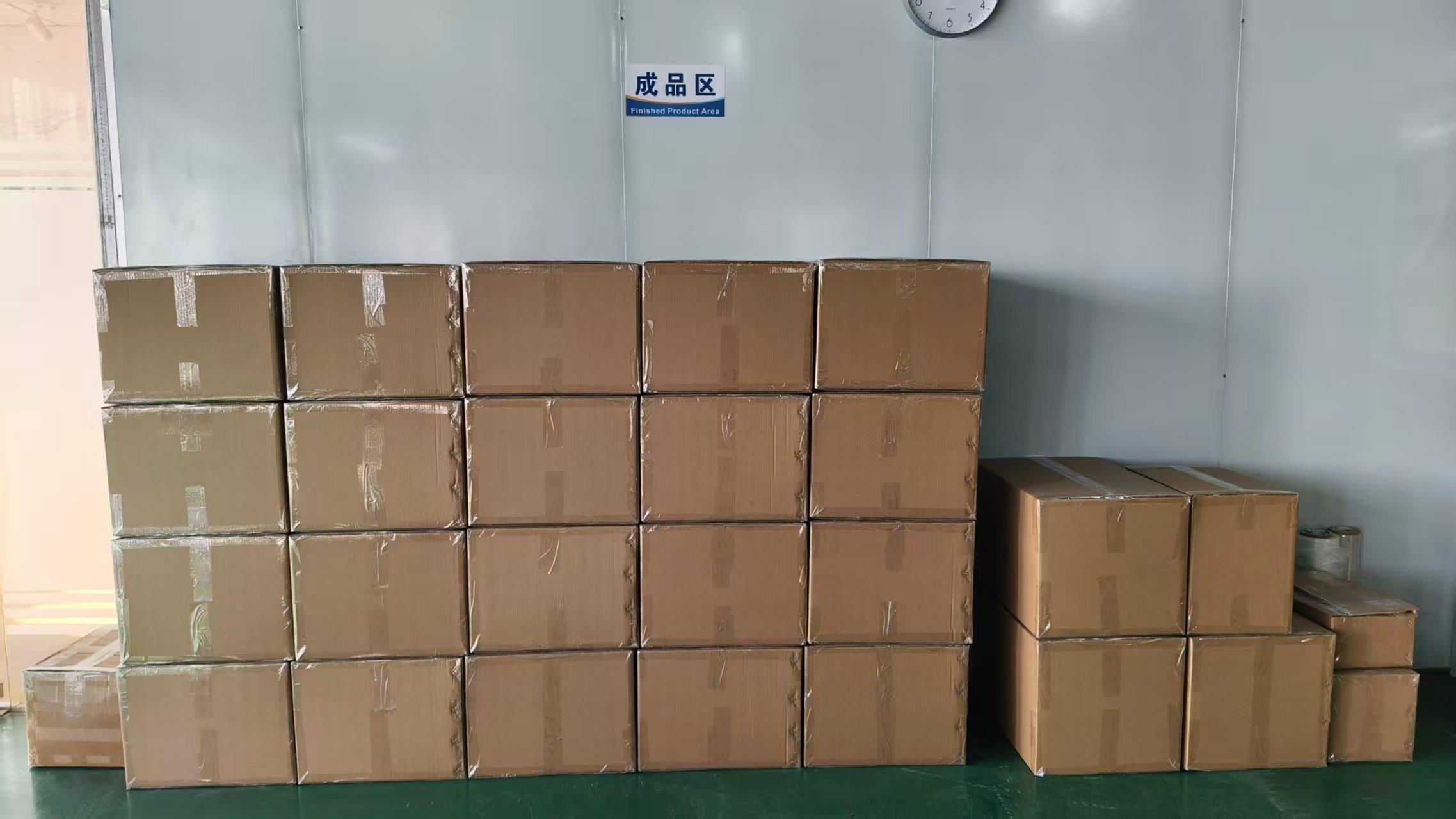
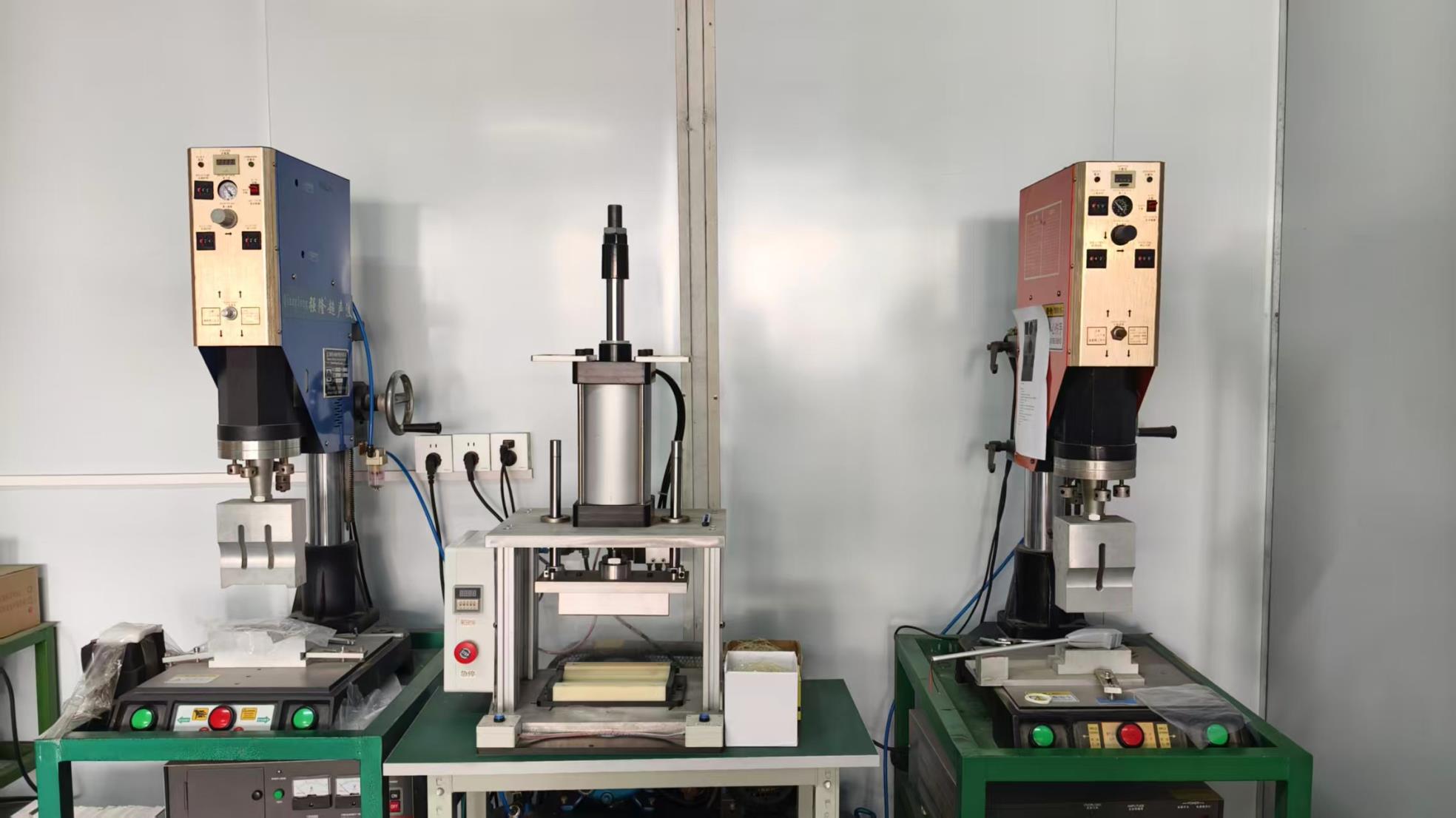
How our horticultural lighting systems support agricultural production across Vanuatu’s economic sectors.
Luxury eco-resorts in Port Vila and Espiritu Santo often import high-value culinary herbs and leafy greens to satisfy tourist demand. These supply lines are vulnerable to transport delays and high shipping costs.
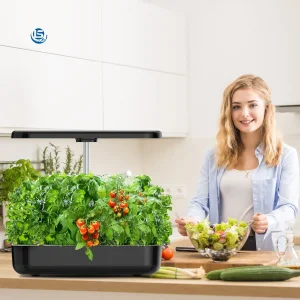
Setting up modular vertical hydroponics with custom lighting setups allows resorts to grow fresh microgreens, mint, and basil on-site. This micro-cultivation strategy provides a reliable supply of fresh ingredients year-round.
Vanuatu's remote communities rely on robust crops like kava, sweet potatoes, and taro. However, wild weather patterns can disrupt early-stage seedling development.
By using low-energy, solar-linked LED systems, local nurseries can grow starter crops indoors. This protective environment improves survival rates and accelerates growth cycles before transplantation into open fields.
Urban farms in Port Vila require energy-efficient lighting solutions that minimize operational overhead. Maximizing the Daily Light Integral (DLI) per watt of energy consumed is vital for profitability.
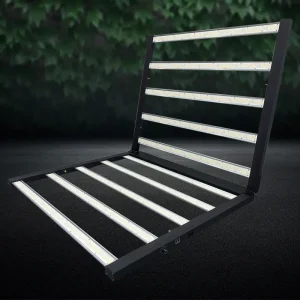
Our multi-tier linear systems produce up to 2.9 µmol/J. This performance allows indoor farms to maintain commercial-scale yields while managing energy consumption.
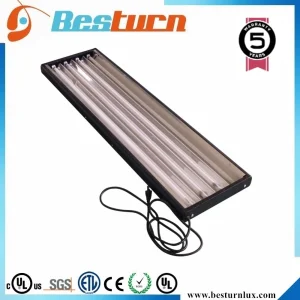
A versatile range of lighting systems, including vertical bars and smart dimming arrays, configured to suit greenhouse and indoor farm operations in tropical climates.
Solving technical challenges, addressing power considerations, and managing microclimates for commercial indoor farming in Vanuatu.