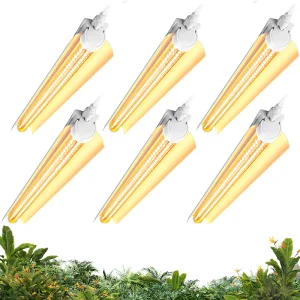
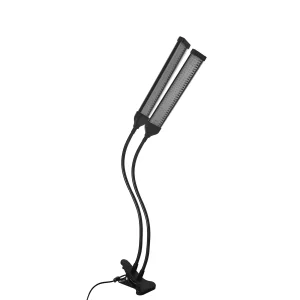
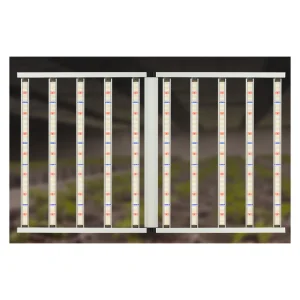
Commercial-grade crop lights manufactured in our ISO9001-certified facilities, optimized for high yield, efficiency, and durability.
How state-of-the-art crop lighting systems solve global supply chain, ecological, and economic challenges.
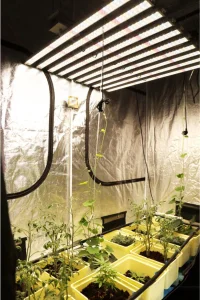
Modern commercial farming demands high output predictability. Supplemental lighting bridges the gap caused by geographic and seasonal sunshine shortages, elevating annual yields by up to 30-40%. By optimizing photosynthetic active radiation (PAR), growers achieve uniform growth cycles year-round.
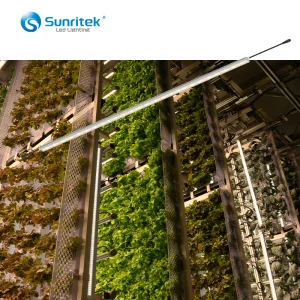
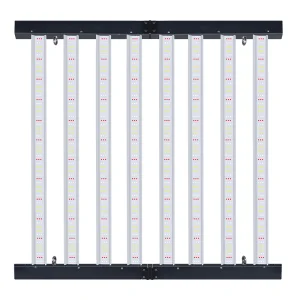
Vertical farming demands low-heat, high-efficiency illumination. Since crops stack tightly, heat dissipation is paramount to prevent leaf burn. Customized spectrum light bars (such as our 4FT 120cm solutions) enable growers to cultivate pesticide-free, nutrient-dense crops in vertical stacks, minimizing municipal water use by 90%.
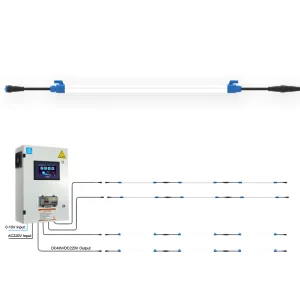
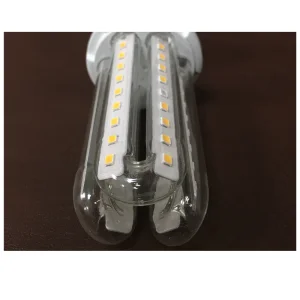
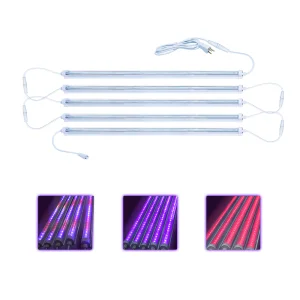
Photobiology extends beyond typical plants. Special spectrum lighting systems (such as the IP67 flicker-free tube lights) regulate poultry growth and stress levels. Simultaneously, high-intensity UV/IR enhanced spectra drive secondary metabolite production in pharmaceutical crops, enhancing CBD, THC, and terpene contents.
Understanding the transition from traditional High-Pressure Sodium (HPS) to Solid-State LED technology.
The global crop lighting market has entered a mature consolidation phase. Historically, facilities relied on High-Pressure Sodium (HPS) lighting. While HPS offered raw intensity, its poor energy efficiency (often below 1.8 μmol/J) and excessive radiant heat restricted vertical placement. Today, the transition to LED technology is driven by energy-conservation regulations, escalating electricity rates, and the scientific calibration of plant growth spectrums.
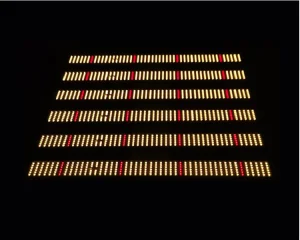
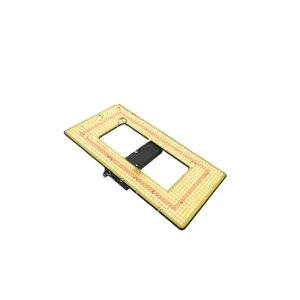
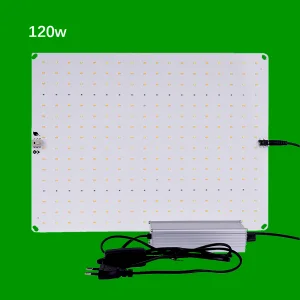
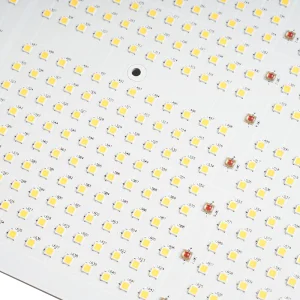
Top-tier manufacturers prioritize premium LED packaging, relying heavily on industry benchmarks like Samsung LM301H, LM281B, and OSRAM chips. This ensures high photosynthetic photon efficacy (PPE) up to 2.8 - 3.1 μmol/J. Supply chains are transitioning towards integrated custom spectrum boards, enabling growers to dynamically shift from vegetative growth spectrums (deep blue peaks) to flowering phases (deep red 660nm and far-red 730nm stimulation) via advanced RJ14 daisy chain protocols.
An integrated pioneer specializing in the R&D, manufacturing, and global marketing of LED horticultural lighting.
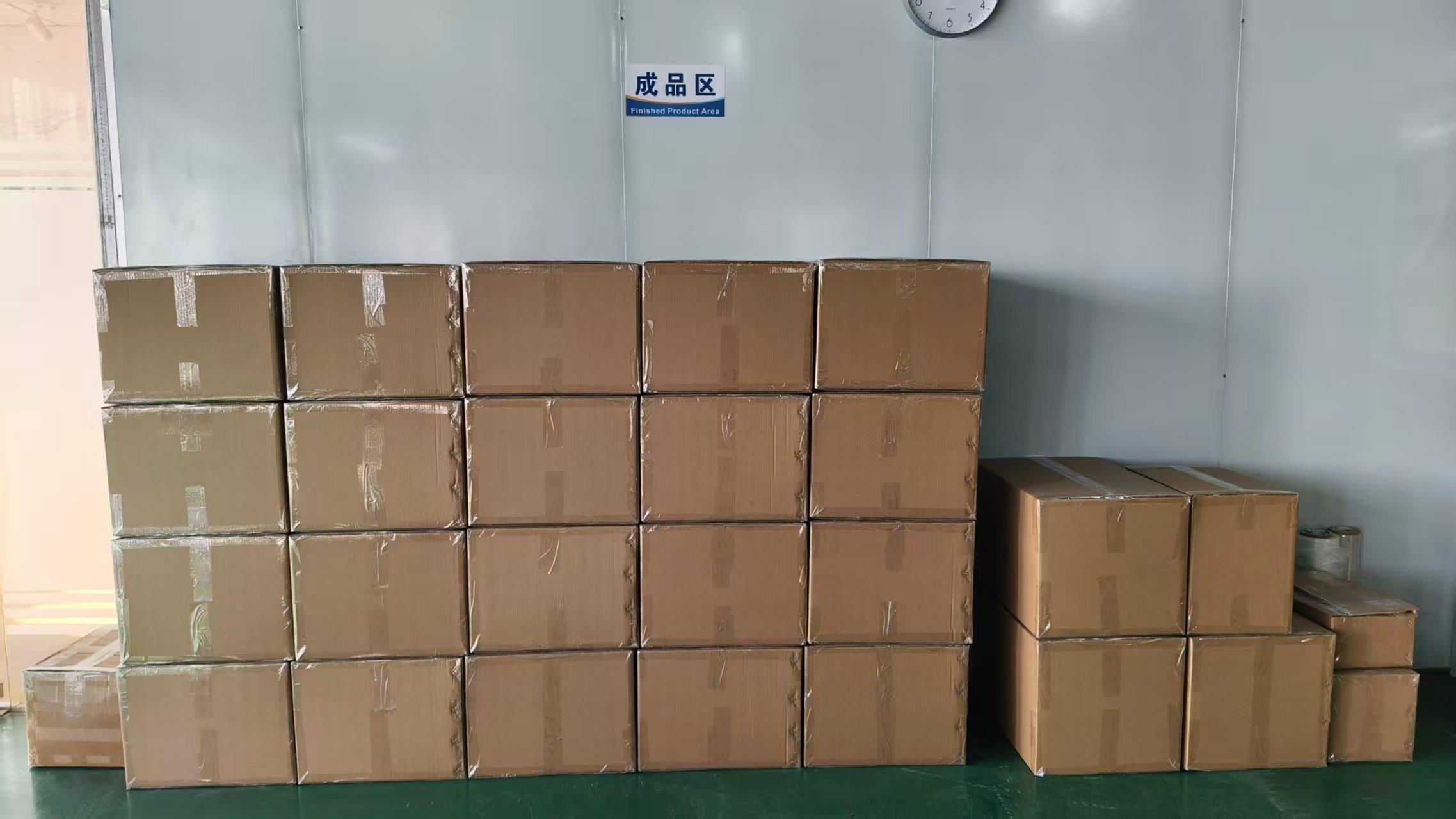
Zhongshan Venti Lights Co., Ltd. was established on January 25th, 2005. It is an integrated enterprise specializing in the research and development, manufacturing, and global marketing of LED lighting products. With years of steady growth, the company has developed a strong production and innovation capability supported by modern facilities and a professional engineering team.
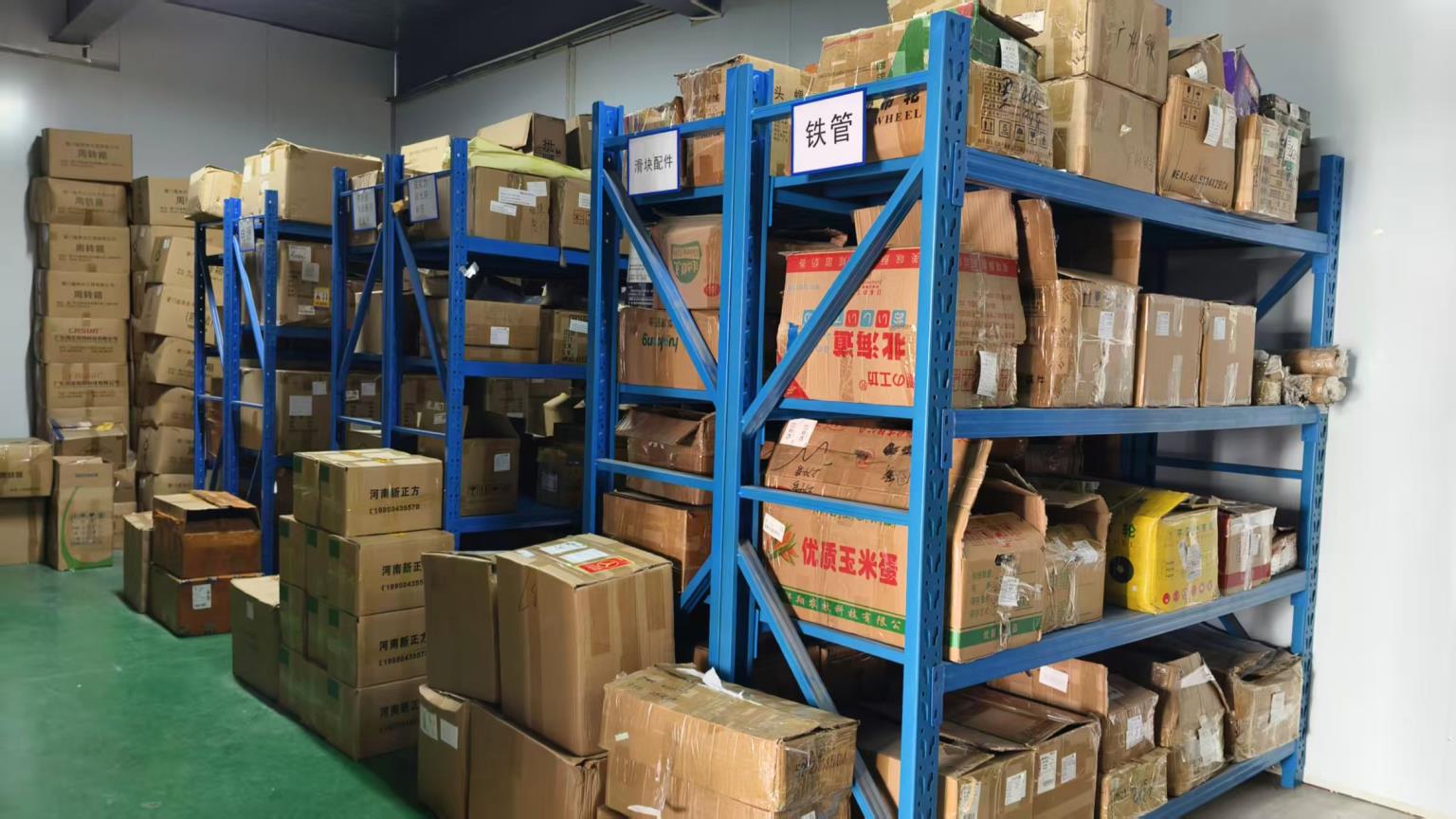
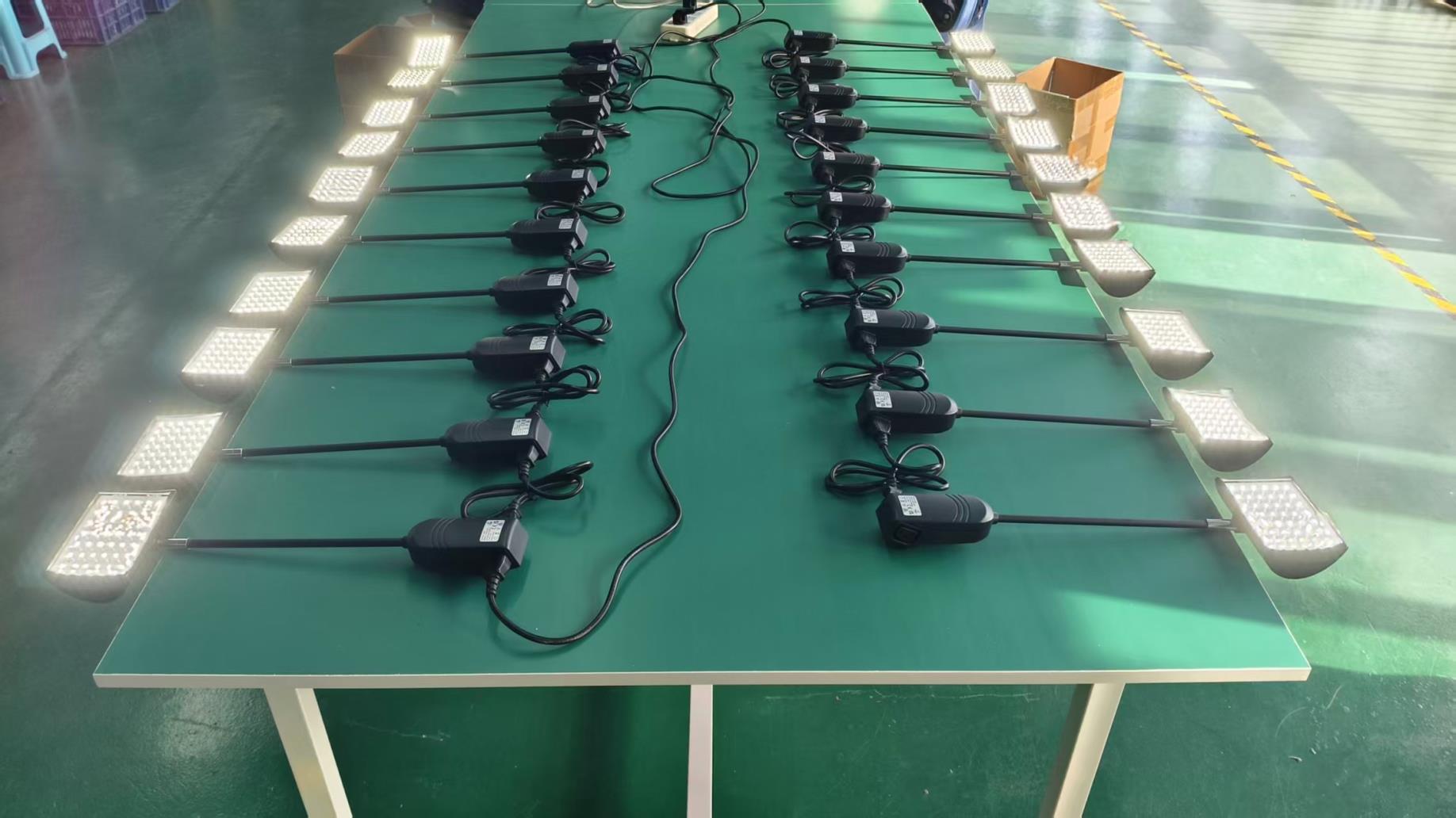
At present, we operate two production bases. The headquarters in Shenzhen, covering an area of approximately 5,000 square meters, focuses on the manufacturing of LED components and decorative amusement LED bulbs. The subsidiary factory in Zhongshan, covering around 3,000 square meters, is dedicated to LED grow lights and LED driver power supplies, providing stable and efficient lighting solutions for horticulture and commercial applications.
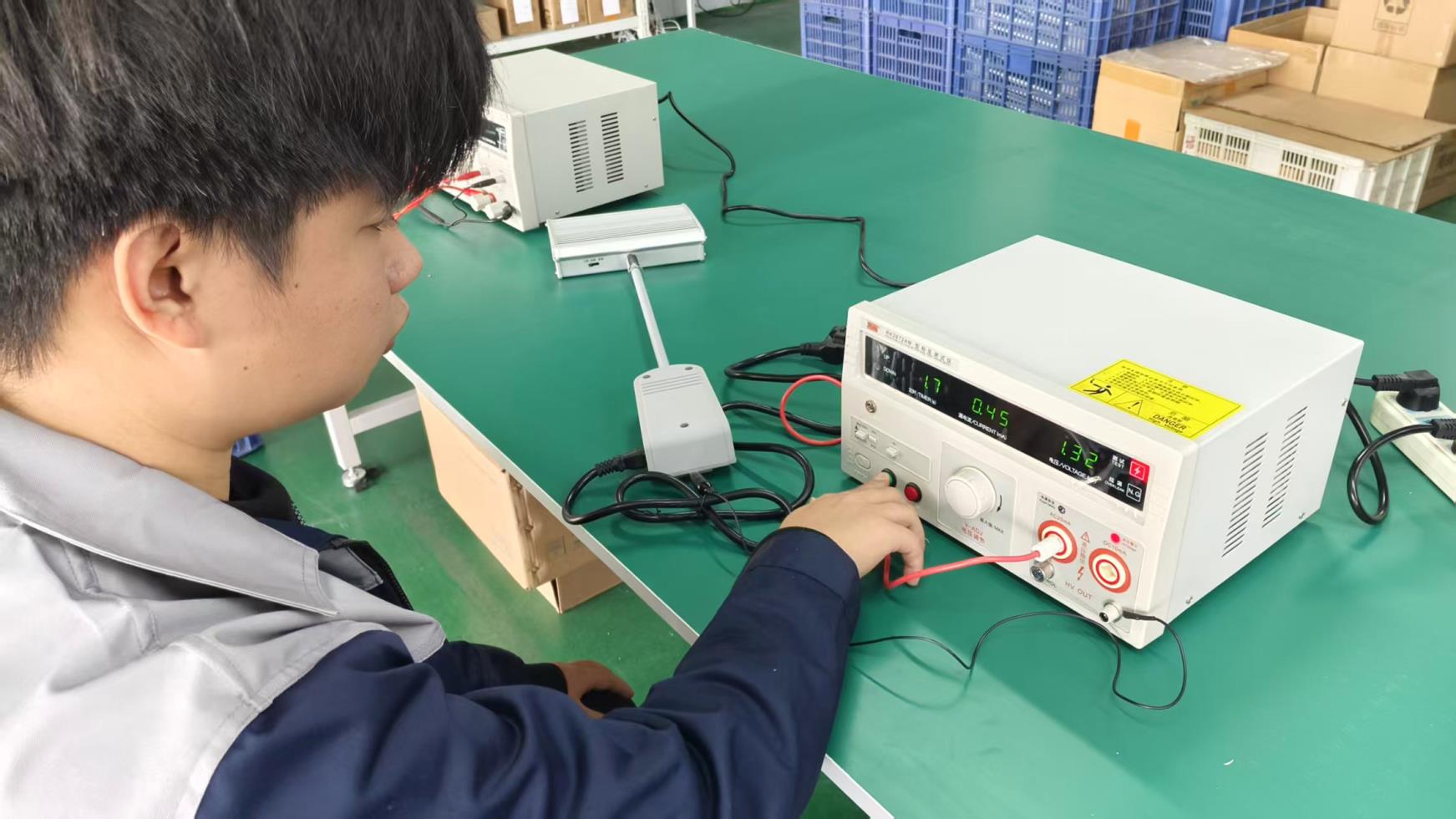
Quality is at the core of everything we do. The company has implemented a strict quality management system in line with ISO9001 standards, ensuring consistent control throughout the entire production process—from raw material selection to final product testing. Many of our products have obtained international certifications such as CE and RoHS, while selected LED driver products have also passed SAA certification, meeting the requirements of different global markets.
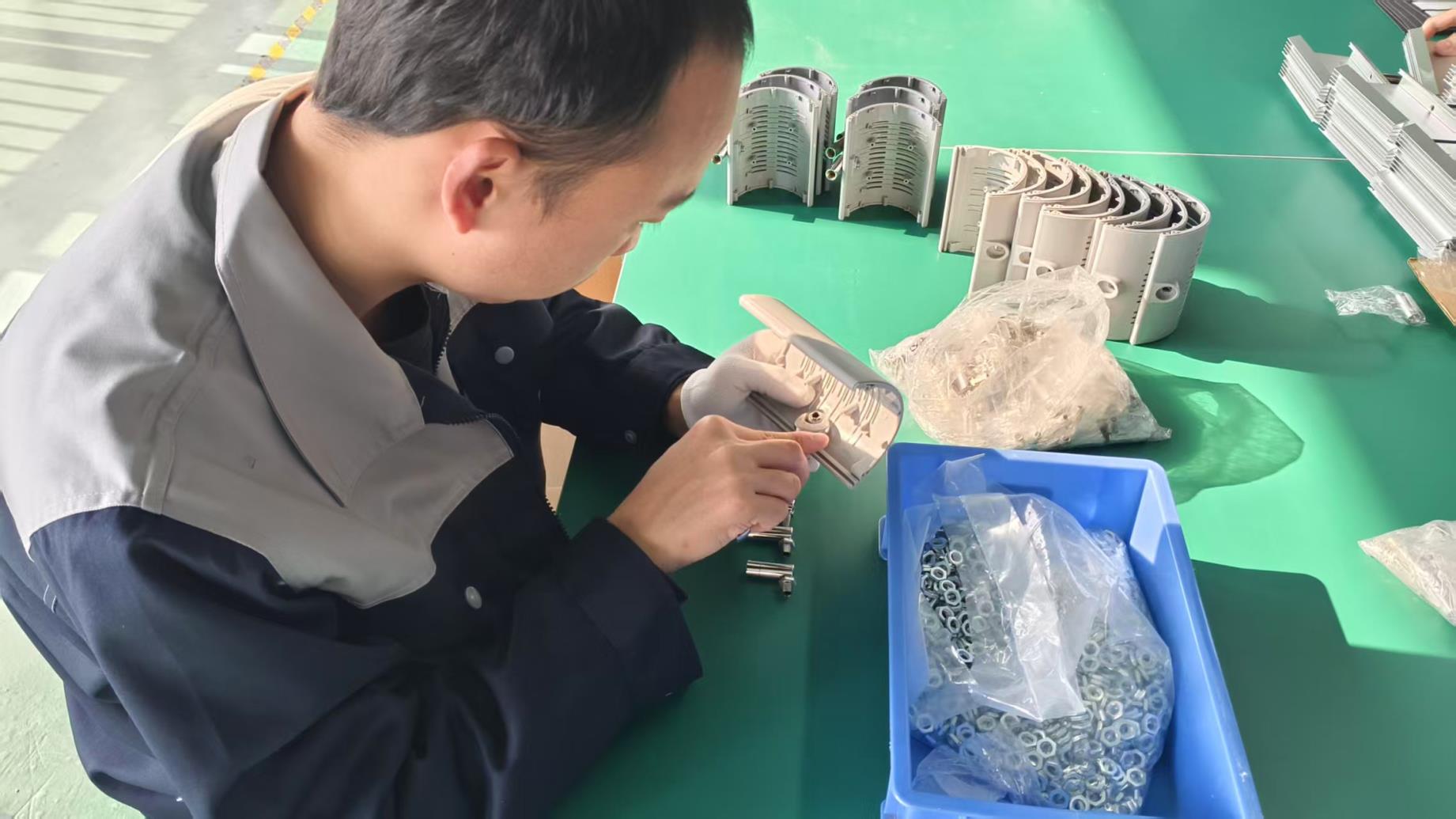
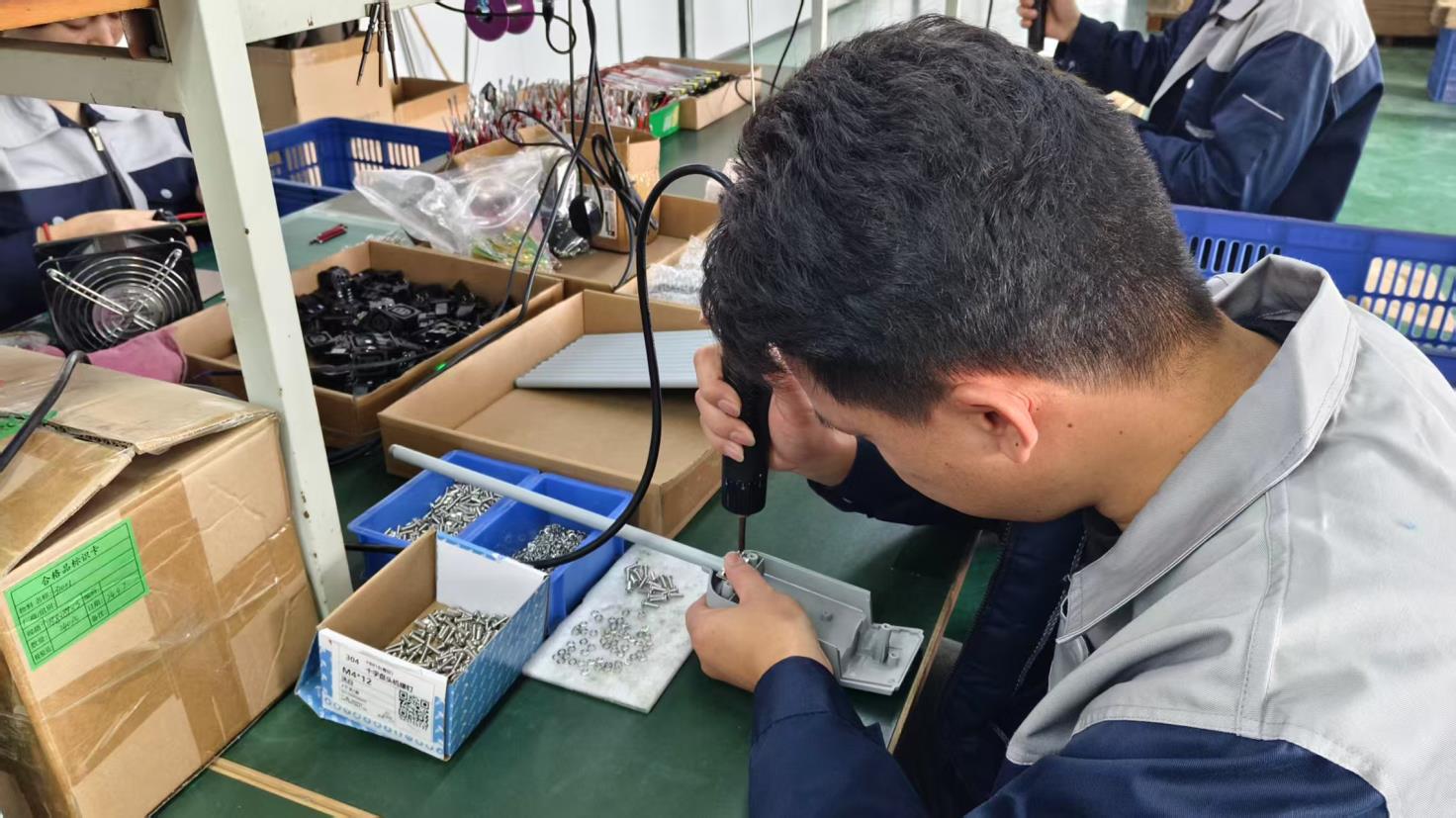
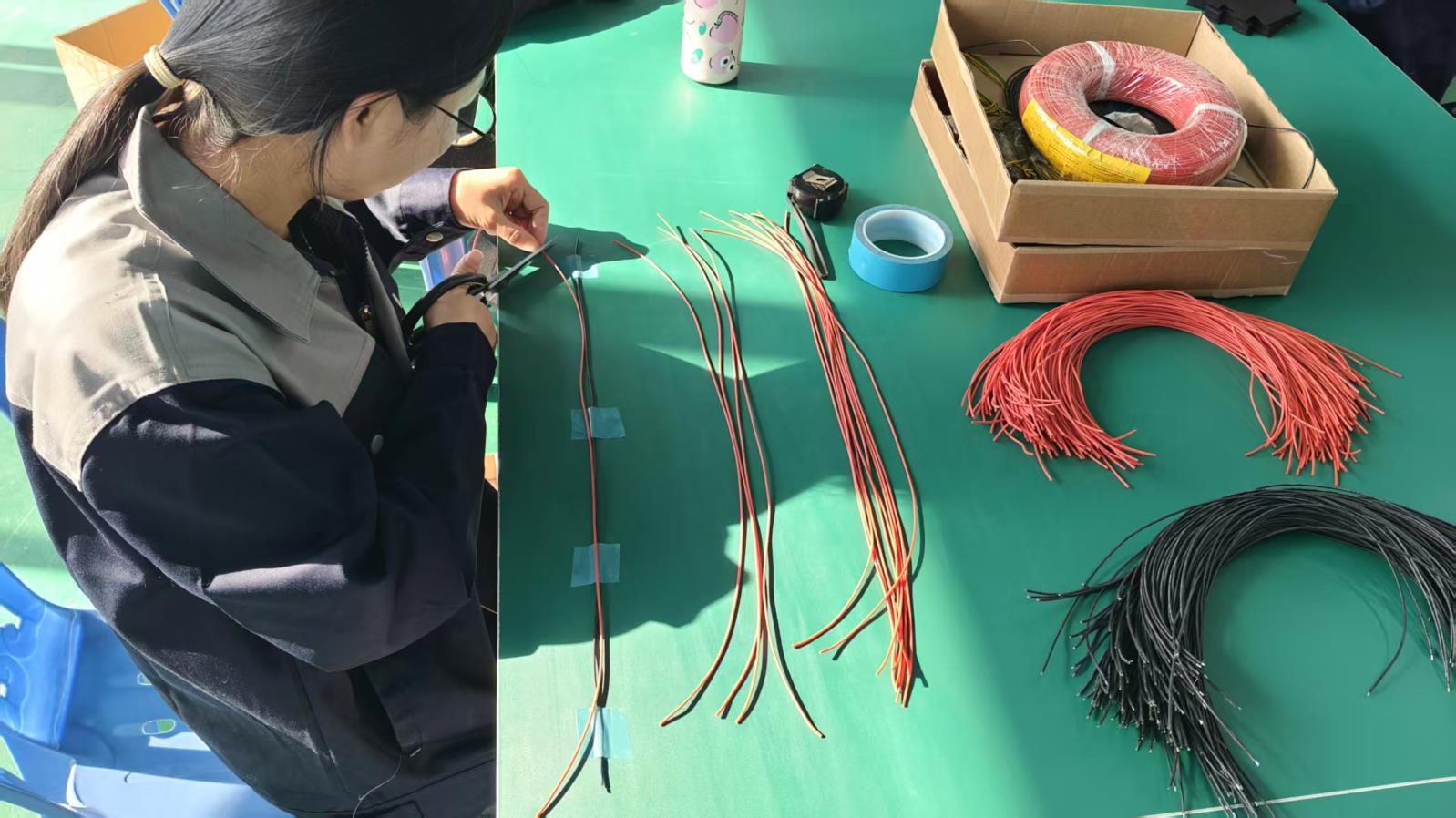
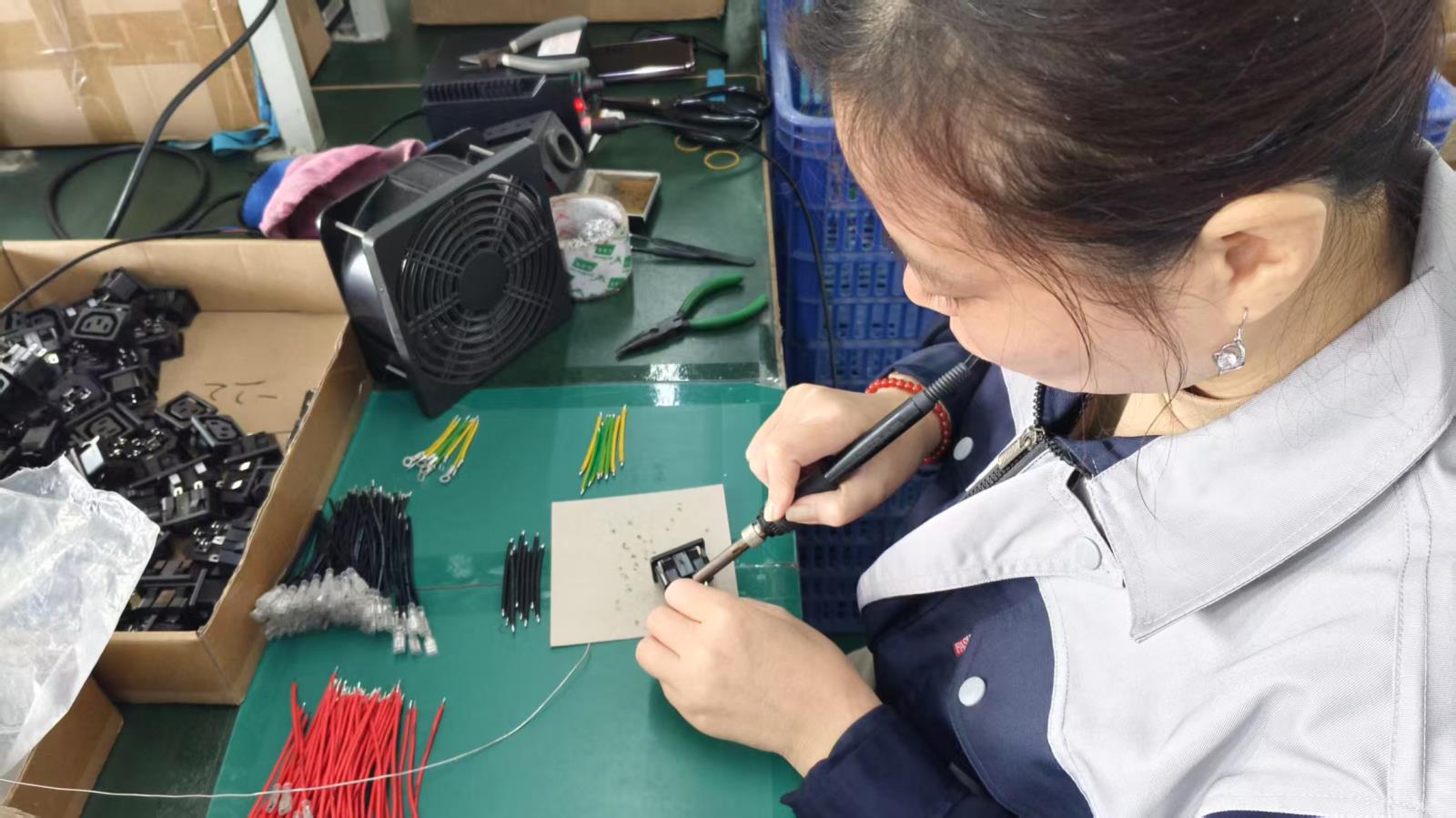
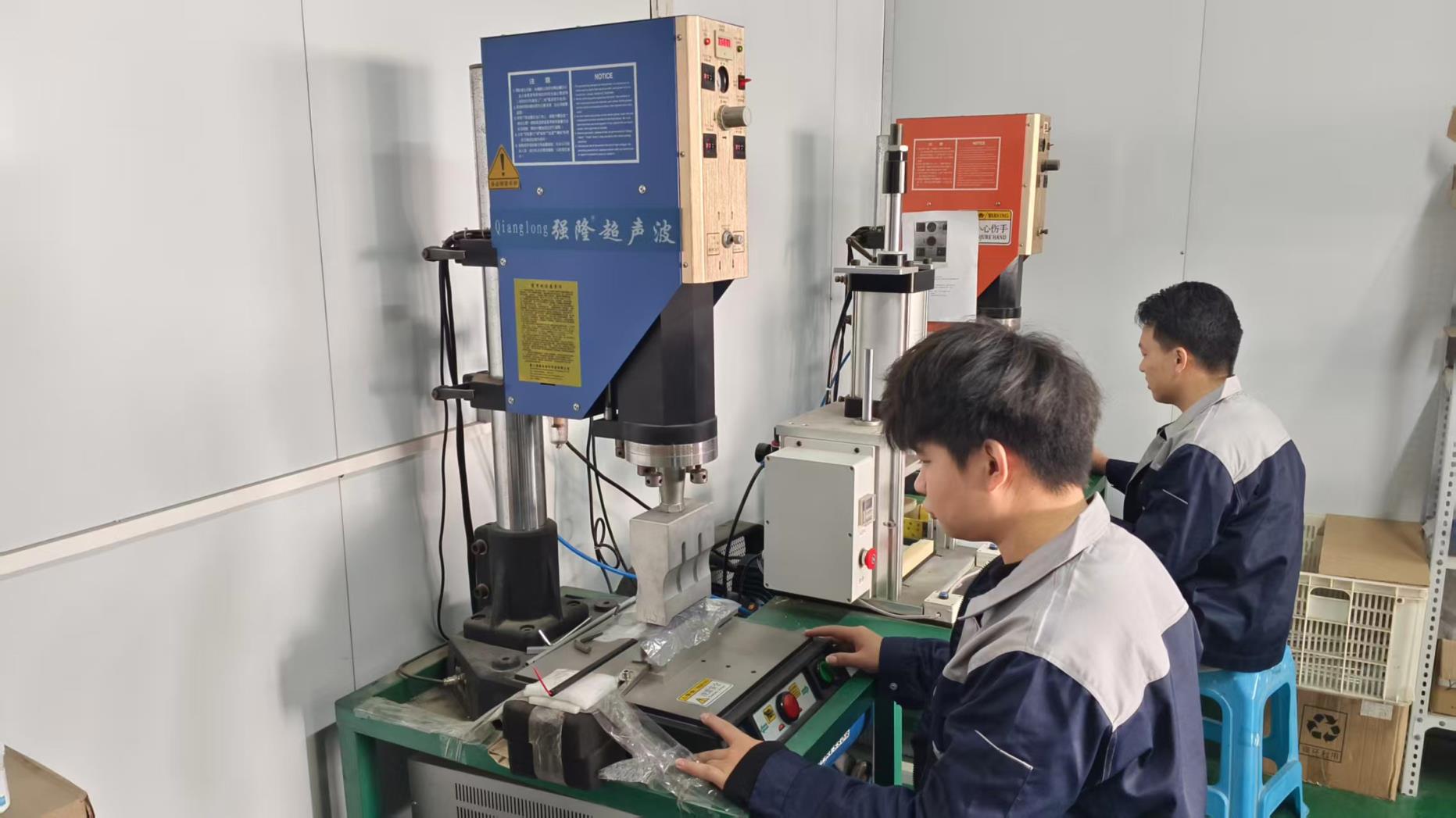
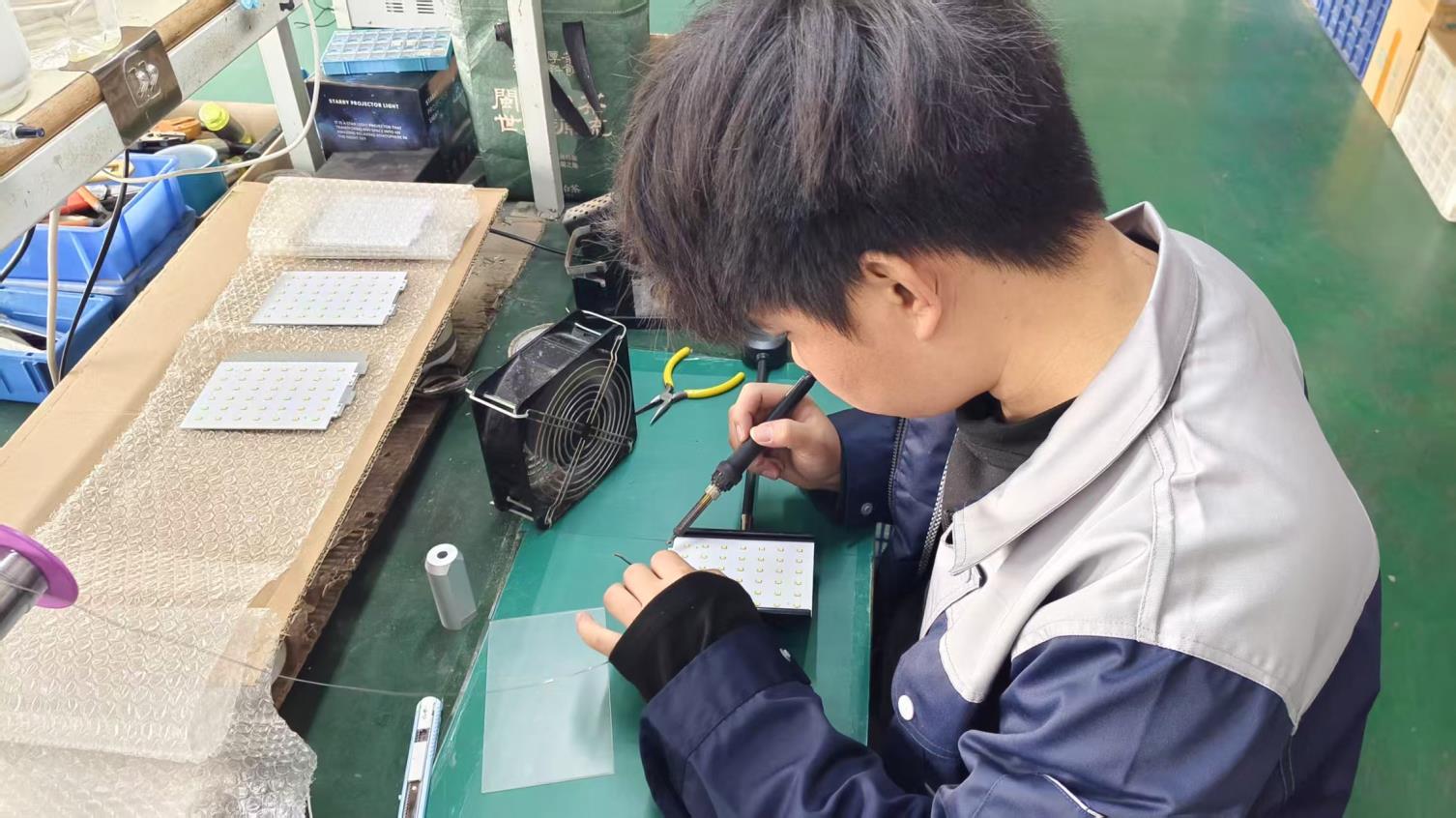
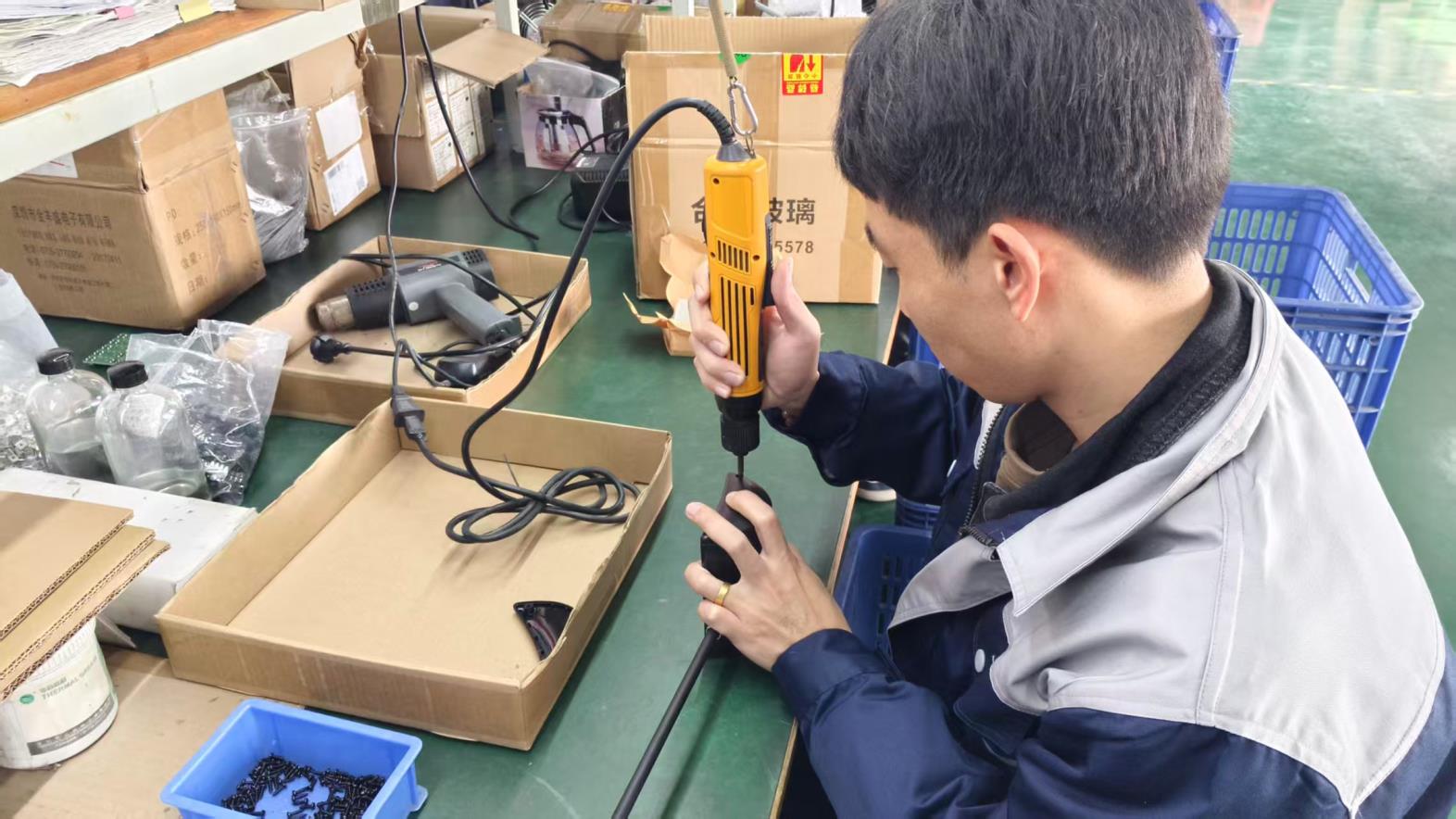
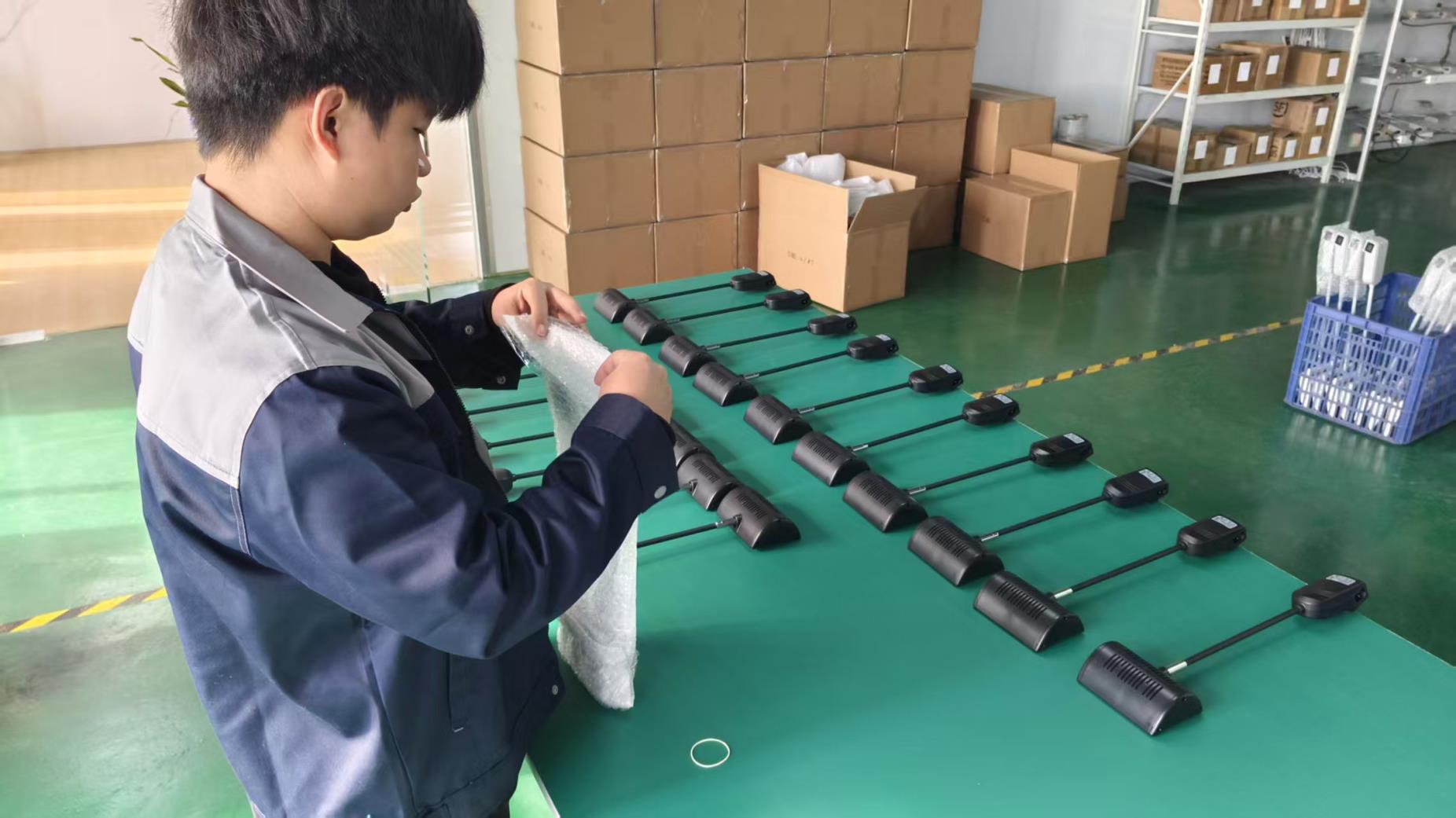
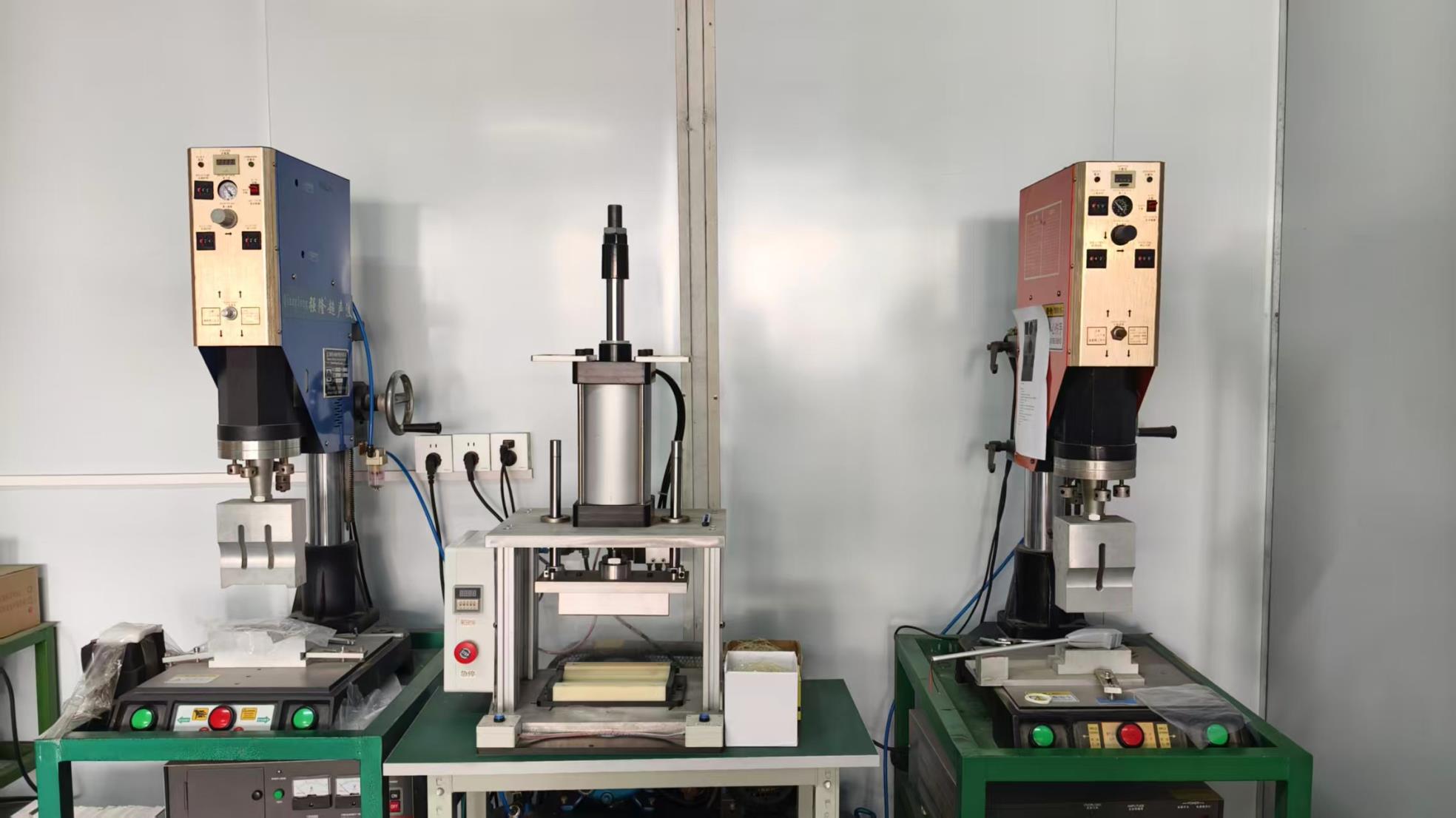
To enhance production efficiency and product consistency, approximately 70% of our manufacturing processes are automated, with the remaining 30% completed through skilled manual assembly and inspection. This balanced approach allows us to maintain both precision and flexibility in production.
In terms of research and development, Zhongshan Venti Lights Co., Ltd. is recognized as a National High-Tech Enterprise and continues to invest in innovation each year. Our R&D team develops multiple new product series annually and has obtained various design and utility model patents. With a continuous focus on energy efficiency, smart lighting technology, and sustainable horticultural lighting solutions, we strive to stay ahead in a highly competitive global market.
We believe that innovation, quality, and integrity are the foundation of long-term success. As the lighting industry continues to evolve, we remain committed to strengthening our comprehensive capabilities and delivering reliable, high-performance lighting solutions to customers worldwide. With a professional, honest, and customer-focused approach, Zhongshan Venti Lights Co., Ltd. looks forward to building long-term partnerships and creating a brighter future together.
Meeting rigorous global electrical and performance certificates for trouble-free local implementation.
North American compliance requires UL 8800 (Standard for Horticultural Lighting Equipment) or ETL equivalent listings. With inventory stocked locally in our USA warehouses, we offer rapid delivery and ensure local grid compliance (120V-277V/347V/480V auto-sensing drivers).
CE and RoHS directives are fully integrated into our assembly process. We comply with EU photobiological safety standards (EN 62471) to ensure worker eye safety in massive scale glasshouses. IP65/IP67 ingress ratings are standard for high-humidity greenhouse environments.
We provide SAA-certified LED drivers tailored to Australian electrical specifications. Our driver configurations include robust surge suppression circuitry (up to 6kV/10kV) to protect critical investments from regional grid fluctuations.
Next-generation R&D fields shaping the future of industrial farming.
Moving away from fixed spectrums, our next-gen R&D focus lies in AI-driven real-time spectrum tuning. By reading environmental sensors, our LED setups modify blue-to-red ratios dynamically, keeping PPFD values optimal as natural daylight fluctuates.
Implementing targeted Far-Red (730nm) and UV-B spectrum elements facilitates the "Emerson Enhancement Effect," accelerating photosynthesis rates and boosting defensive chemical compounds to prevent mold and pest damage naturally.
Integration of wireless mesh protocols (Zigbee, Tuya, or Bluetooth) into RJ14 multi-channel controllers allows growers to manage up to 200 light bars from a single central console, enabling automated sunrise/sunset dimming curves.
Answers to crucial technical queries of commercial agricultural producers.
PPFD (Photosynthetic Photon Flux Density) measures the quantity of active photons that fall on a square meter of crop surface every second. Raw wattage measures power consumption. Modern LED systems aim for high PPFD with low wattage consumption, optimizing energy efficiency.
Samsung LM301H chips are engineered specifically for horticulture, offering superior chemical resistance to sulfur and greenhouse humidity. They maintain high efficacy (over 3.0 μmol/J) and slow lumen degradation, retaining long-term performance.
Greenhouses operate under high humidity, daily watering cycles, and overhead misting systems. An IP65/IP67 waterproof rating ensures protection against dust and high-pressure water jets, ensuring longevity and avoiding electrical hazards.
Using RJ14 cables, growers can connect hundreds of grow light fixtures together in a daisy-chain configuration. This permits a master controller to manage the photo-period, dimming level, and spectral profiles simultaneously across a multi-acre greenhouse facility.
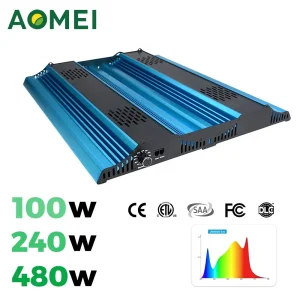
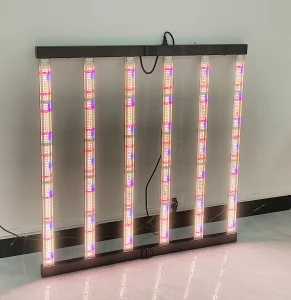
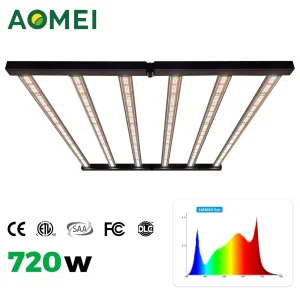
High-power, foldable, and customizable commercial grow lights engineered for diverse agricultural challenges.