Industry-leading LED technology for horticulture, commercial, and decorative applications.
The global light fixture market is undergoing a seismic shift. No longer just a commodity, lighting has become a strategic component of sustainable infrastructure, smart cities, and advanced agriculture. Valued at over $100 billion, the industry is transitioning from simple illumination to "Lighting as a Service" (LaaS). The convergence of IoT and LED technology has redefined what buyers expect from top-tier exporters: connectivity, spectral precision, and extreme energy efficiency.
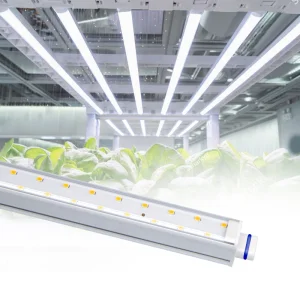
High-bay lighting for warehouses and precision LED arrays for vertical farming are the fastest-growing sectors, driven by global logistics expansion and food security initiatives.
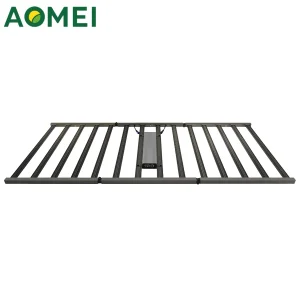
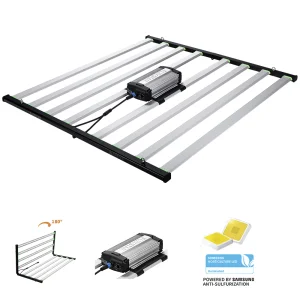
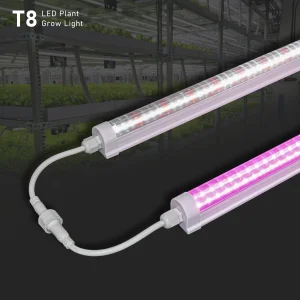
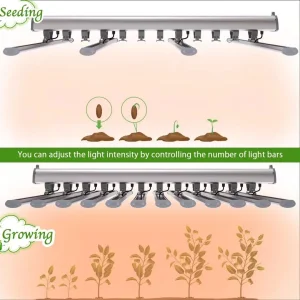
Exporters are now specializing in PAR (Photosynthetically Active Radiation) optimization, using chips like the Samsung LM301H to maximize crop yields while reducing carbon footprints.
Municipal lighting is shifting toward 5G-enabled poles and automated dimming systems, requiring factories to have advanced R&D capabilities in software and sensors.
China remains the undisputed powerhouse of the lighting world, accounting for over 70% of global LED production. The advantage isn't just about labor; it’s about a complete ecosystem—from rare earth mineral processing for phosphors to high-speed SMT (Surface Mount Technology) assembly lines. Factories like Zhongshan Venti Lights Co., Ltd. represent the pinnacle of this evolution, blending high-tech automation with rigorous Western quality standards.
The "China Speed" advantage allows for rapid prototyping. For global procurers, this means the time from a custom design concept to a container-ready product is shortened by months compared to other regions. This agility is critical for seasonal lighting (like Halloween motifs) and rapidly evolving tech like Samsung-driven grow lights.
Zhongshan Venti Lights Co., Ltd. was established on January 25th, 2005. It is an integrated enterprise specializing in the research and development, manufacturing, and global marketing of LED lighting products. With years of steady growth, the company has developed a strong production and innovation capability supported by modern facilities and a professional engineering team.
At present, we operate two production bases. The headquarters in Shenzhen, covering an area of approximately 5,000 square meters, focuses on the manufacturing of LED components and decorative amusement LED bulbs. The subsidiary factory in Zhongshan, covering around 3,000 square meters, is dedicated to LED grow lights and LED driver power supplies, providing stable and efficient lighting solutions for horticulture and commercial applications.
To enhance production efficiency and product consistency, approximately 70% of our manufacturing processes are automated, with the remaining 30% completed through skilled manual assembly and inspection. This balanced approach allows us to maintain both precision and flexibility in production.
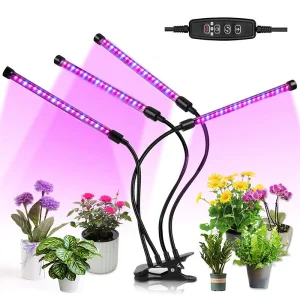
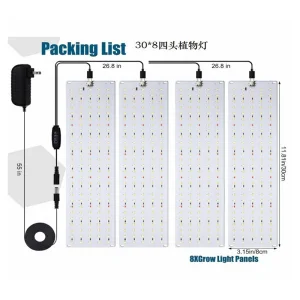
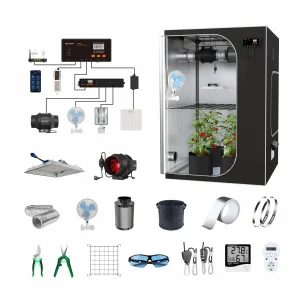
With the legalization of domestic indoor gardening in many states, compact, high-PAR grow lights with silent cooling are in high demand for residential growers.
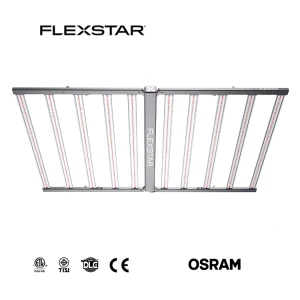
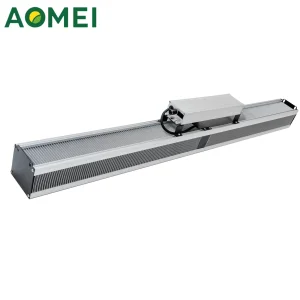
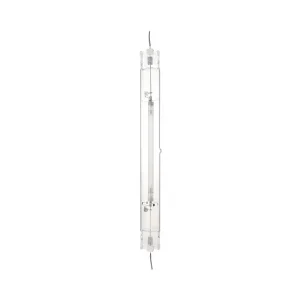
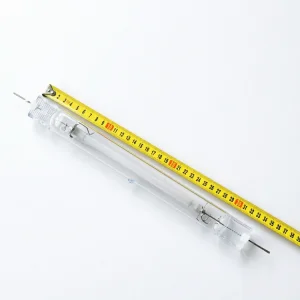
High electricity costs in the EU are driving a massive replacement of old HPS (High-Pressure Sodium) lamps with 1000W-equivalent LED bars that consume 40% less power.
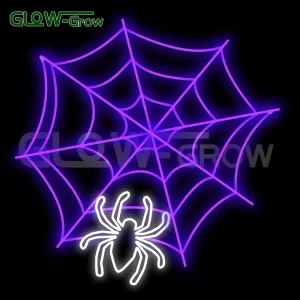
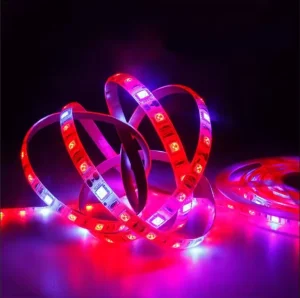
Decorative motifs and 2D rope light displays are essential for the global "Experience Economy," utilized in theme parks from Orlando to Shanghai.
Ensuring ISO9001 compliance through every stage of production.
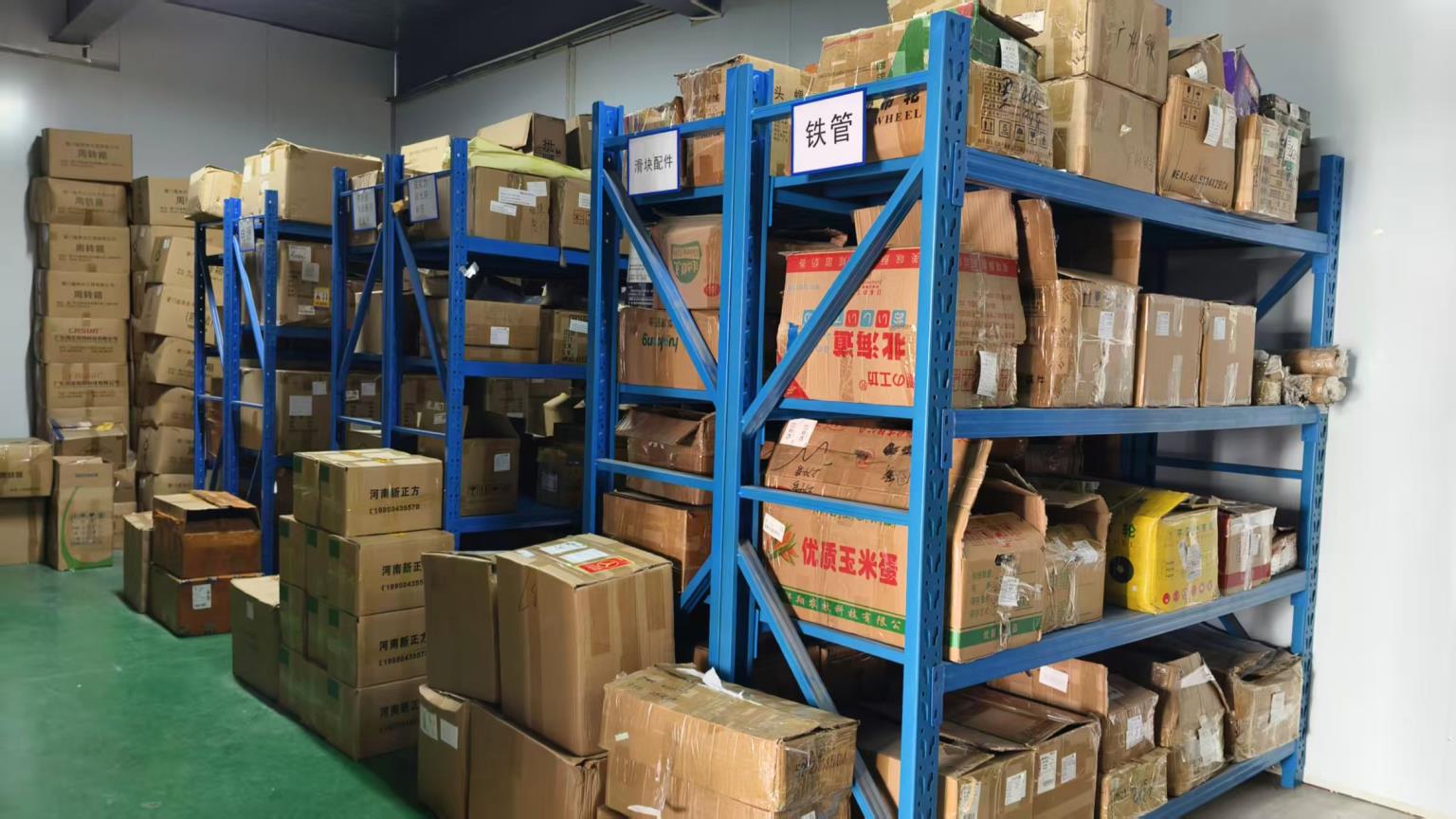
Raw Materials Inspection
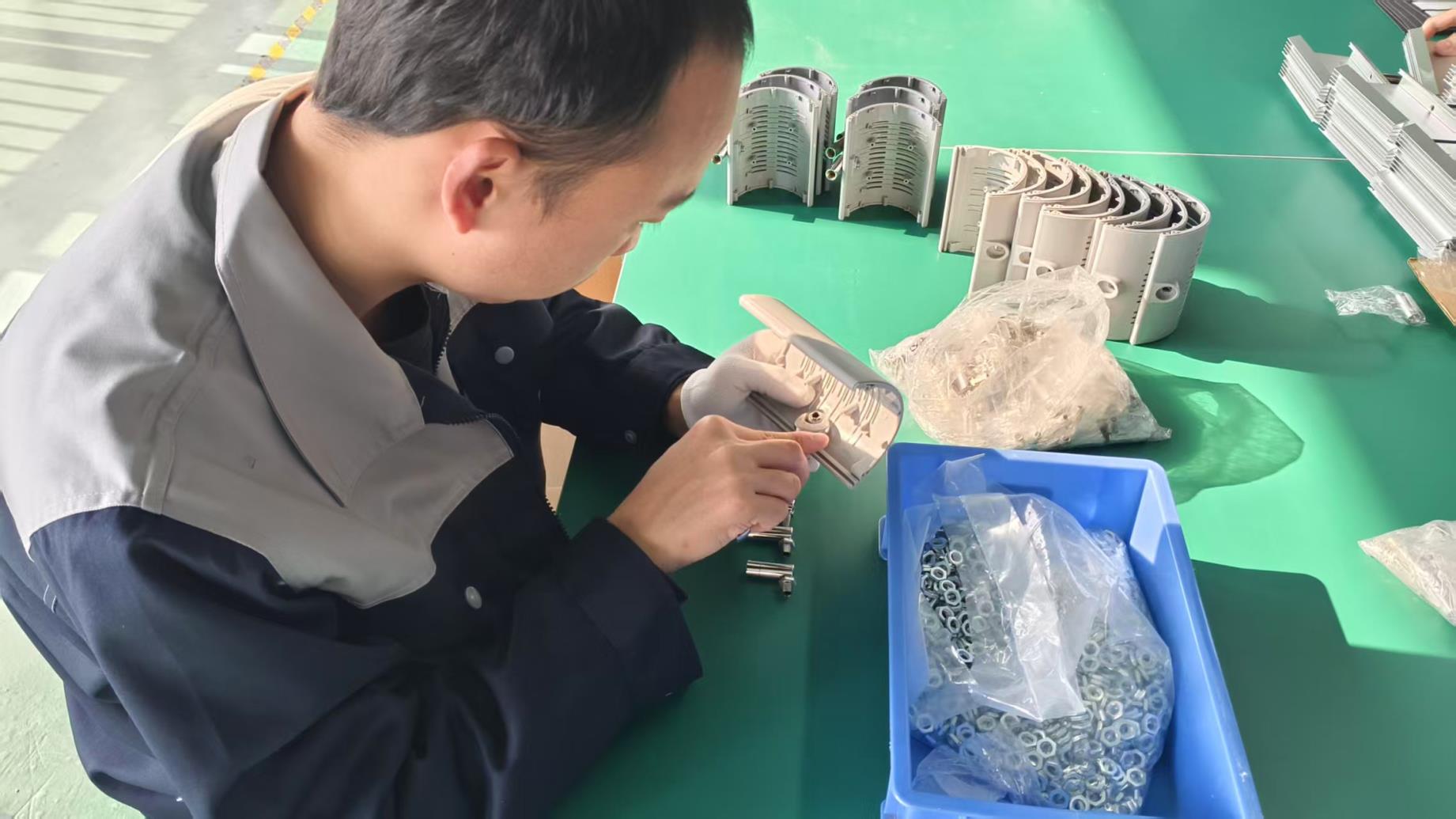
Install the Lamp Head
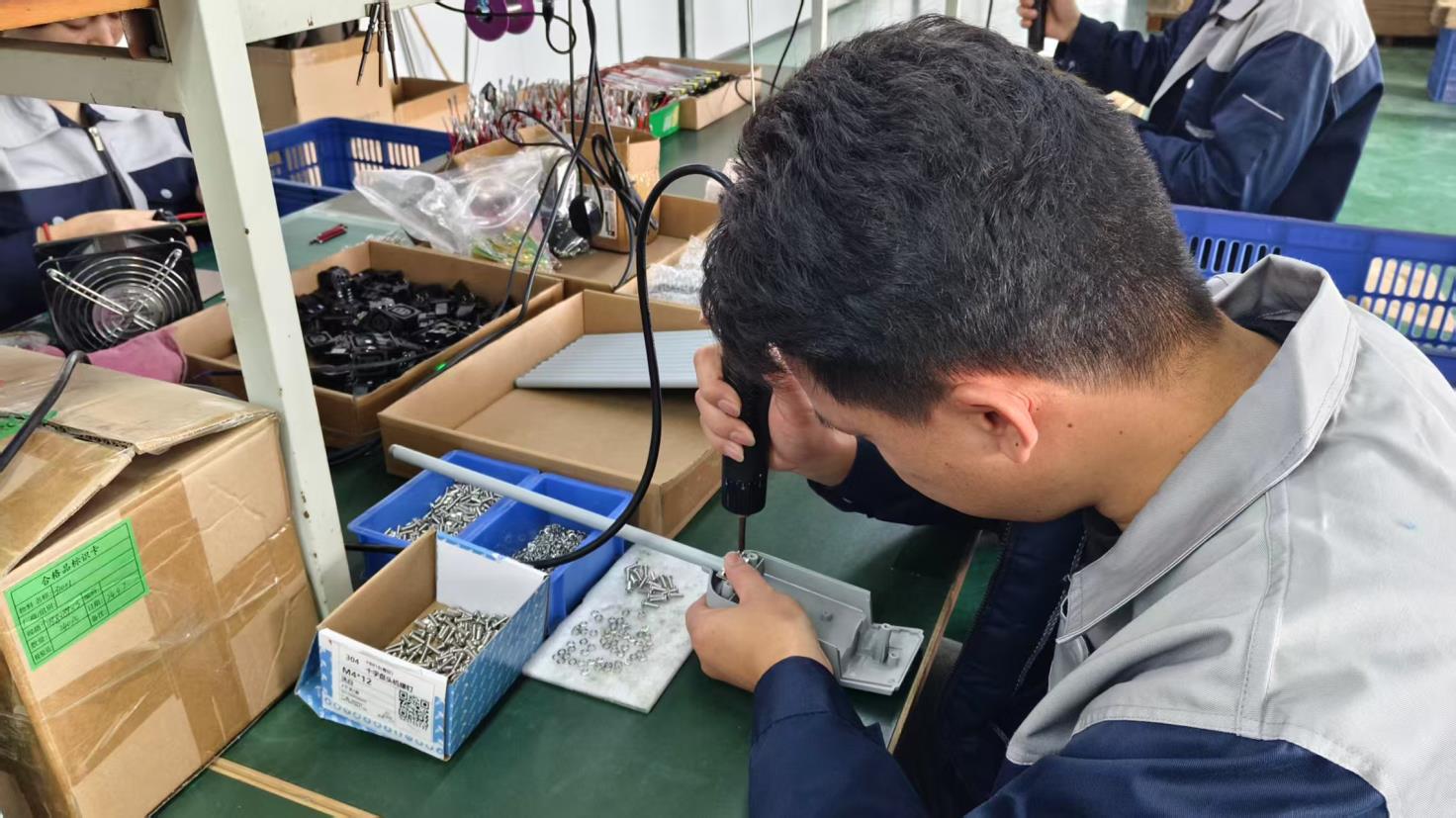
Install the Tail Cover
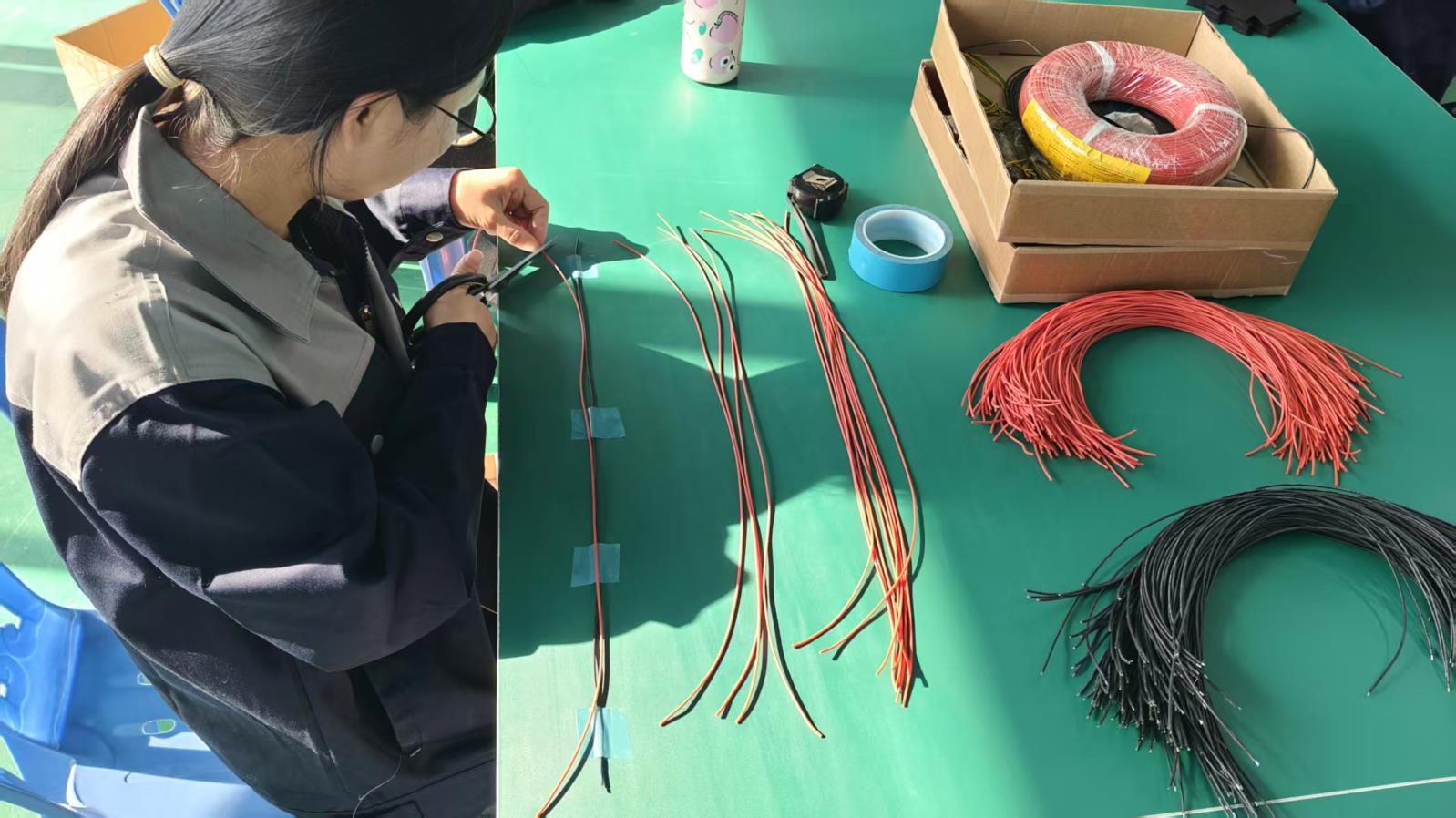
Cut the Electronic Wires
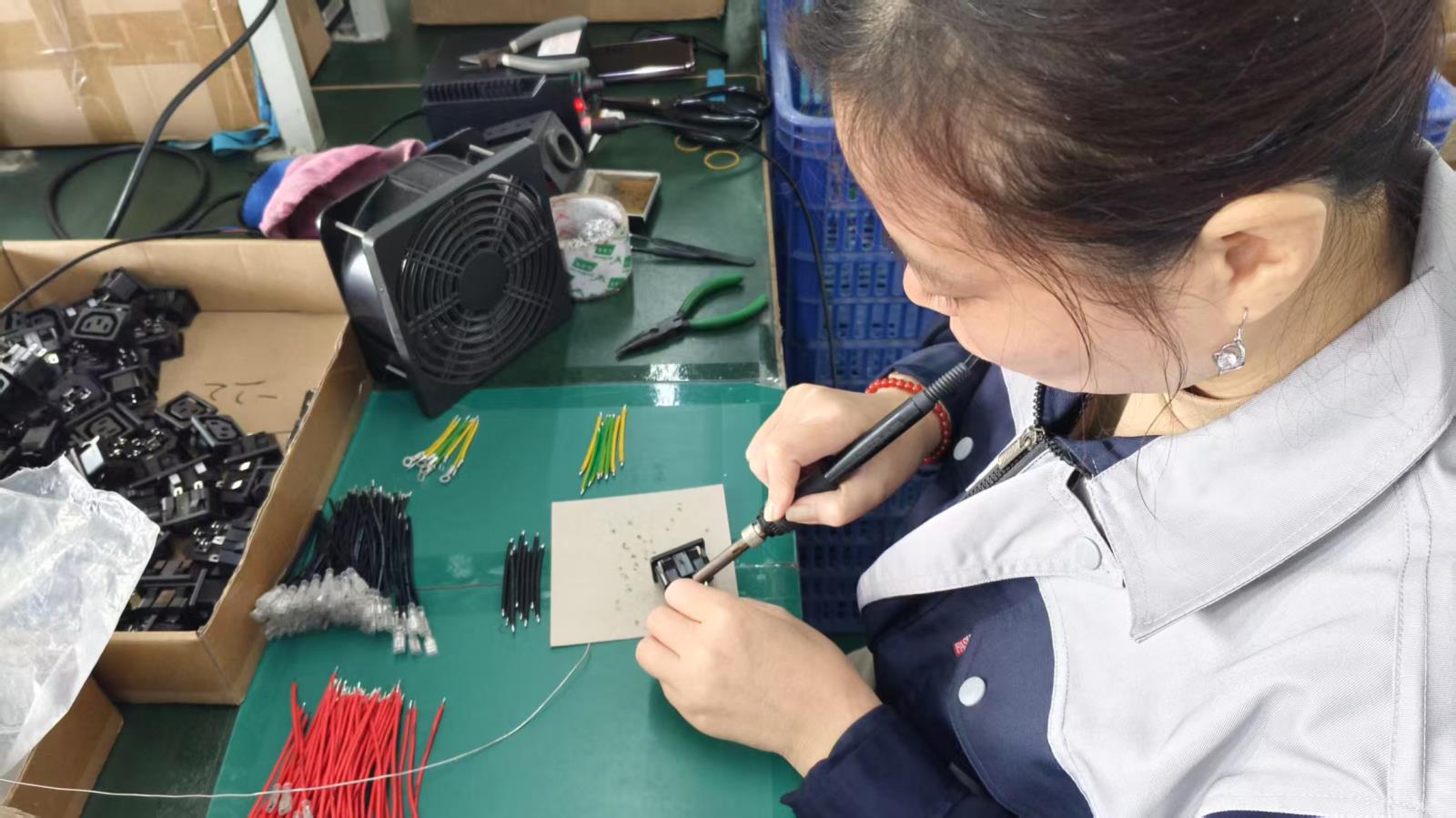
Solder the Components
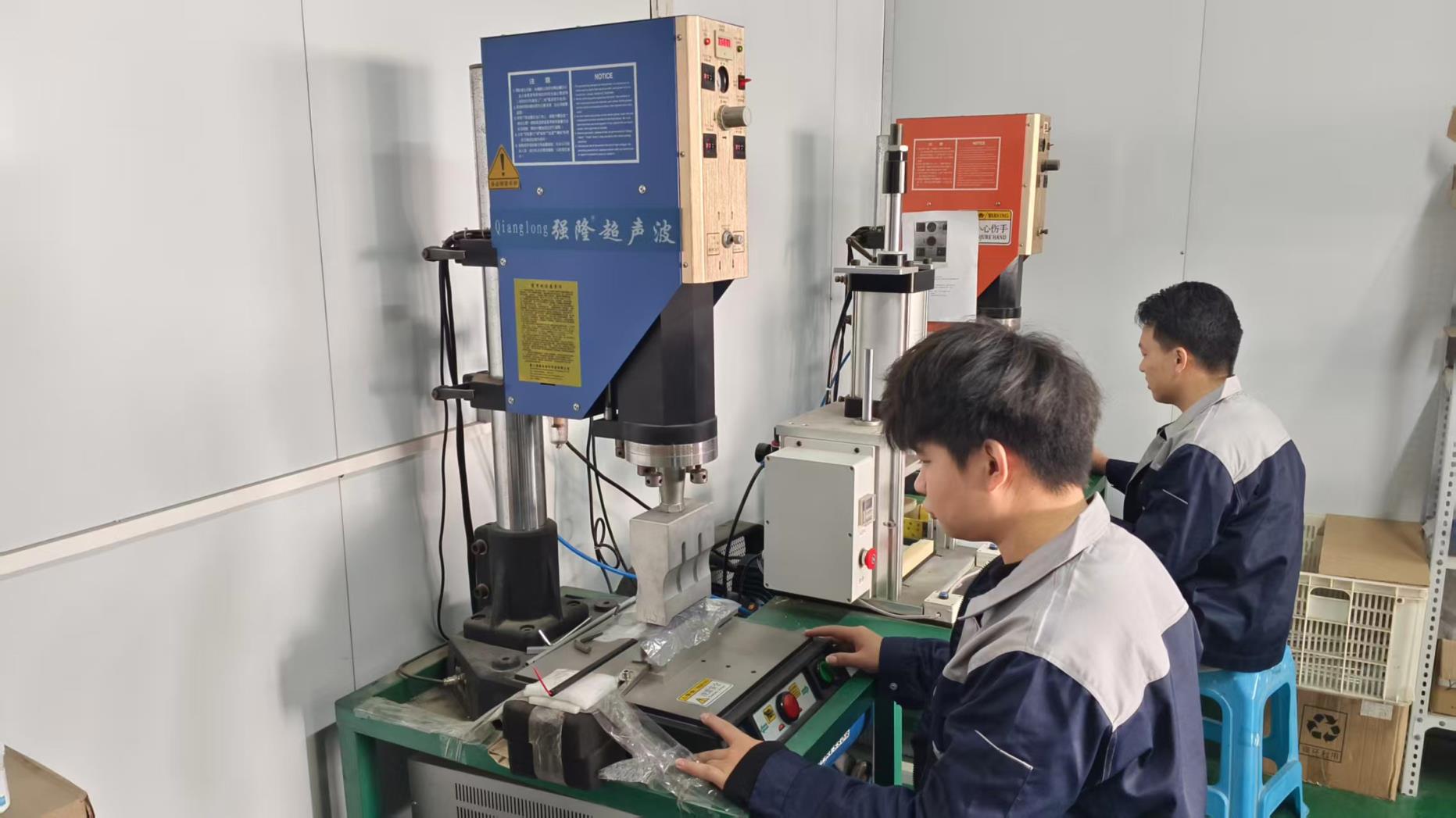
Ultrasonic Welding
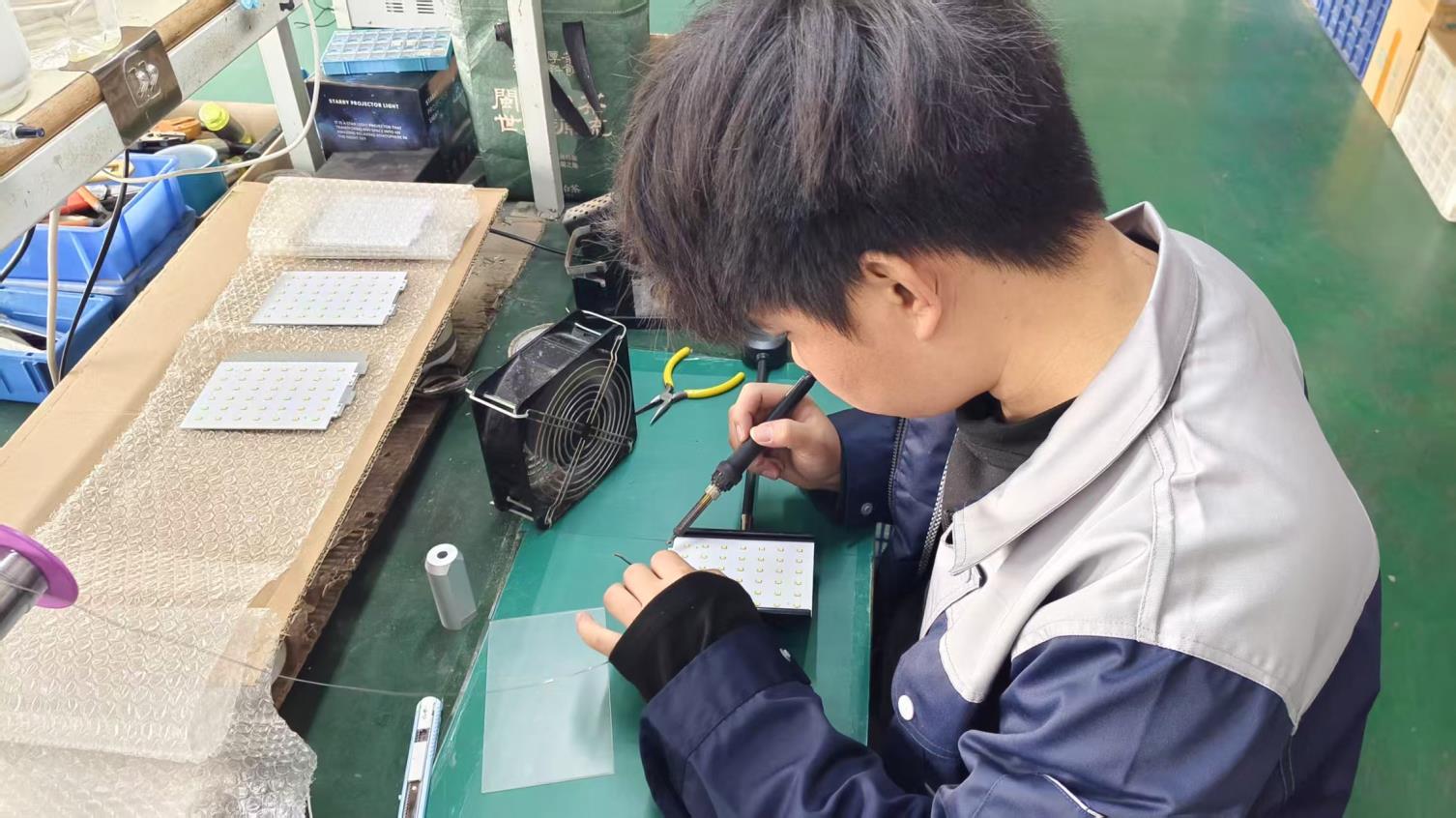
Weld the Lamp Board
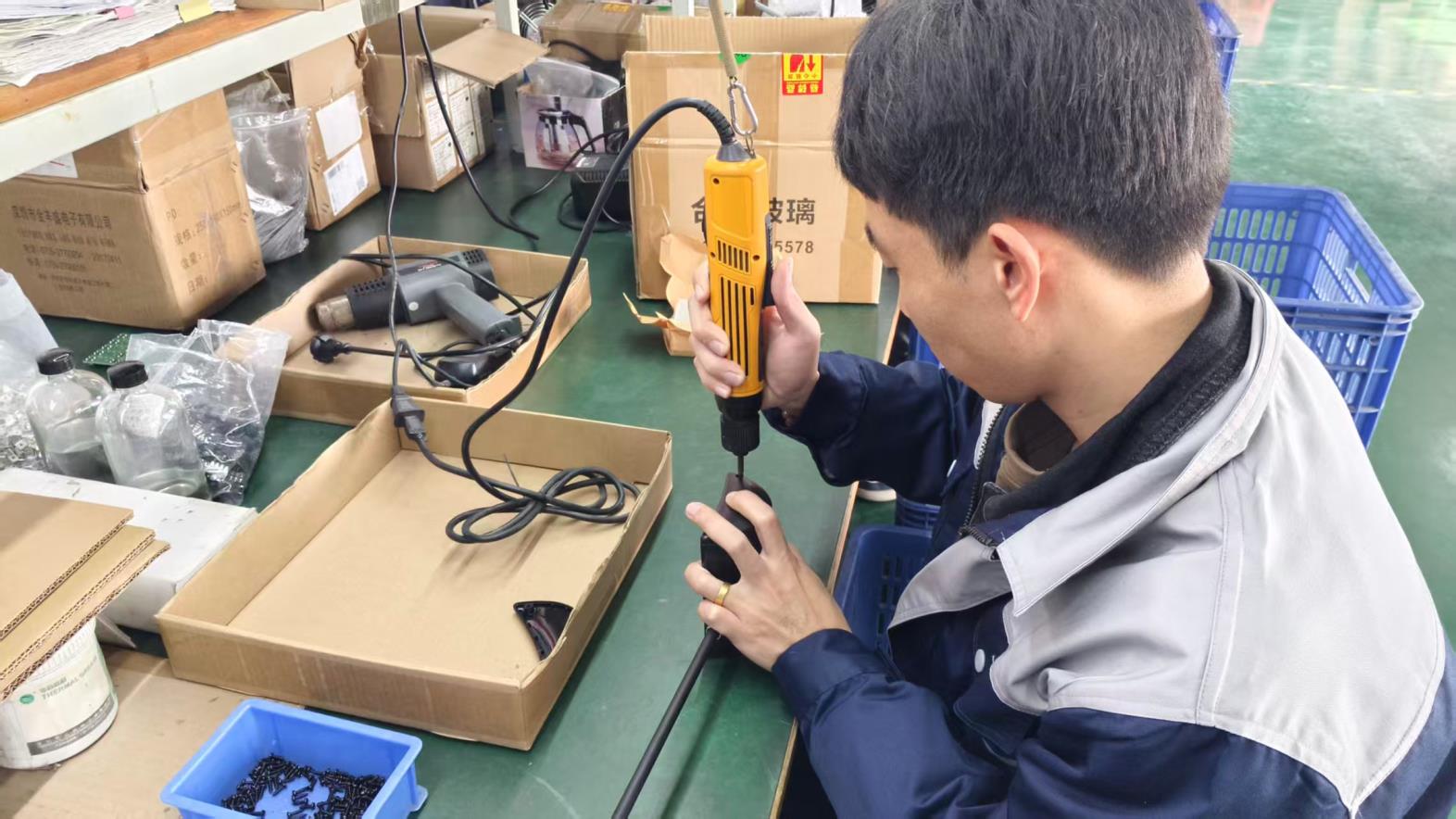
Lock Side Cover
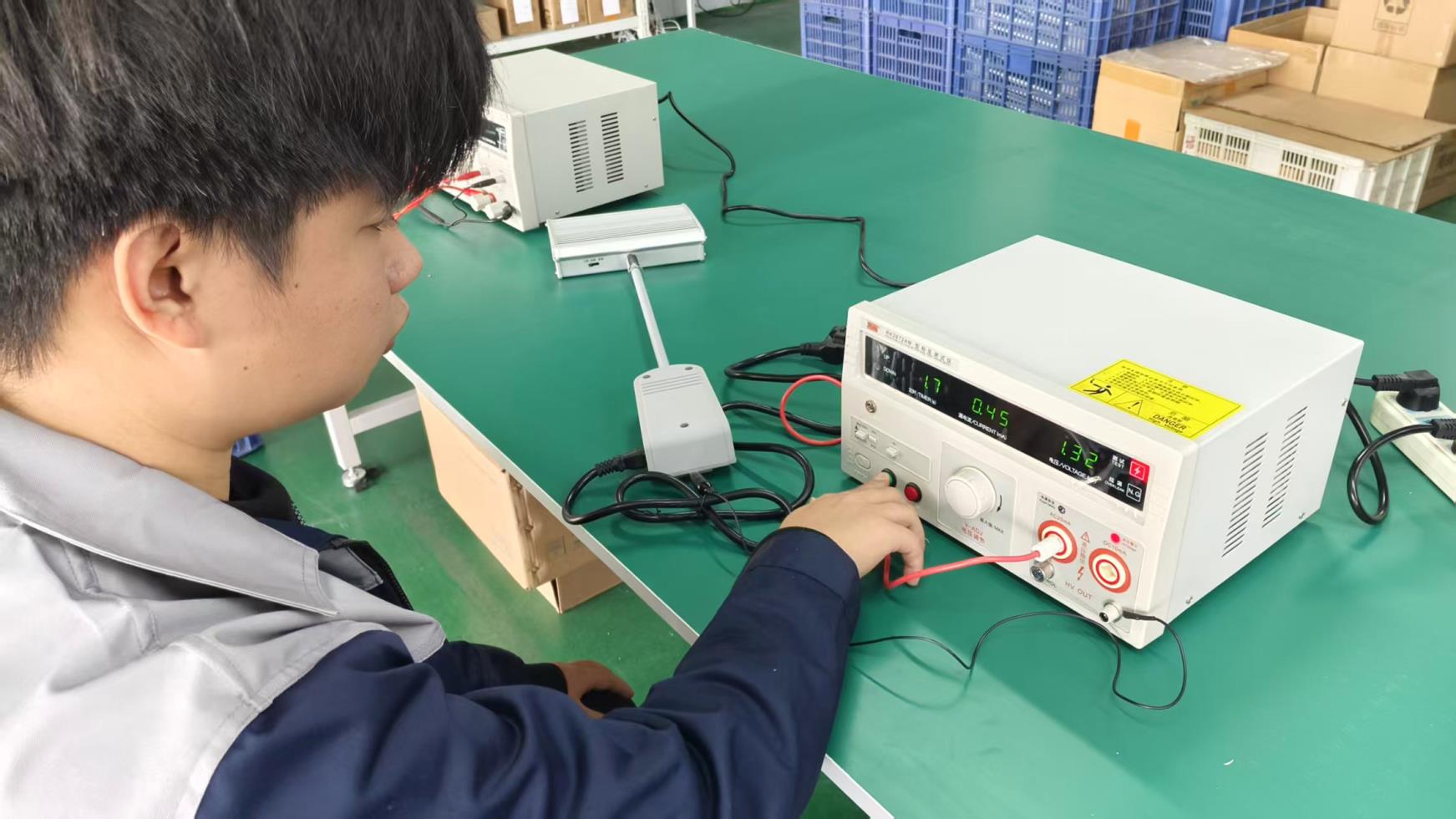
Quality Inspection
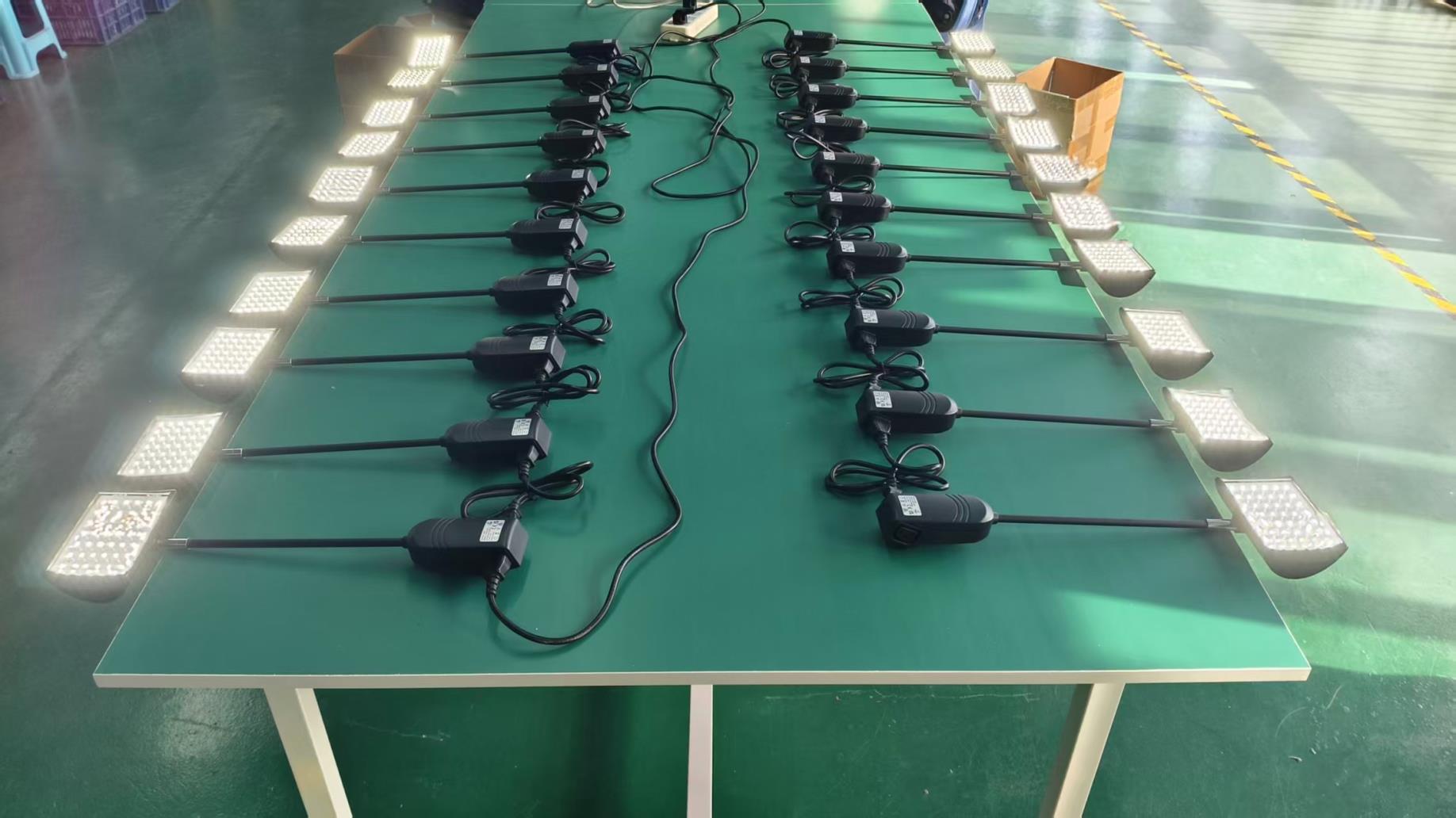
Aging Test
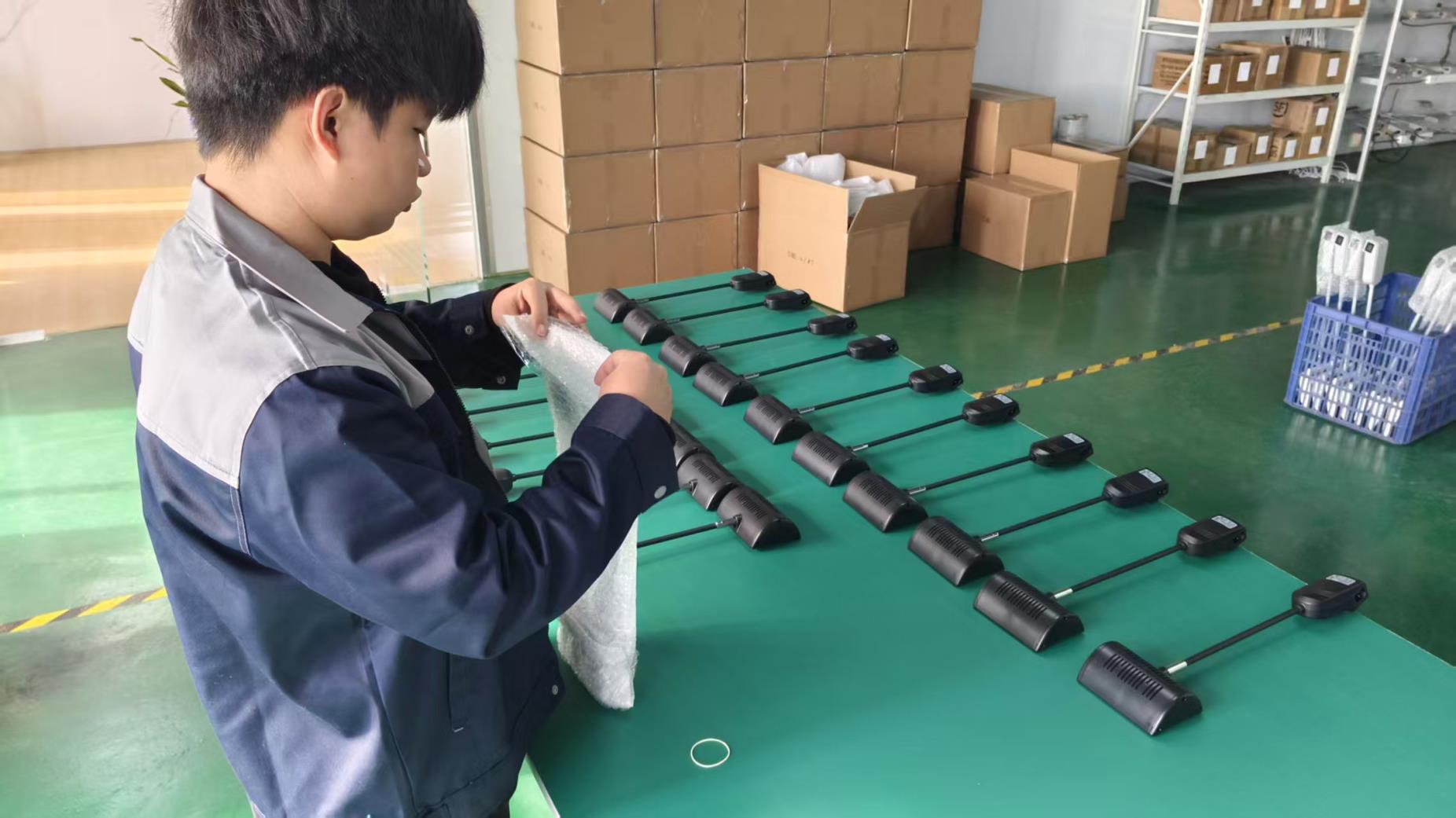
Packing
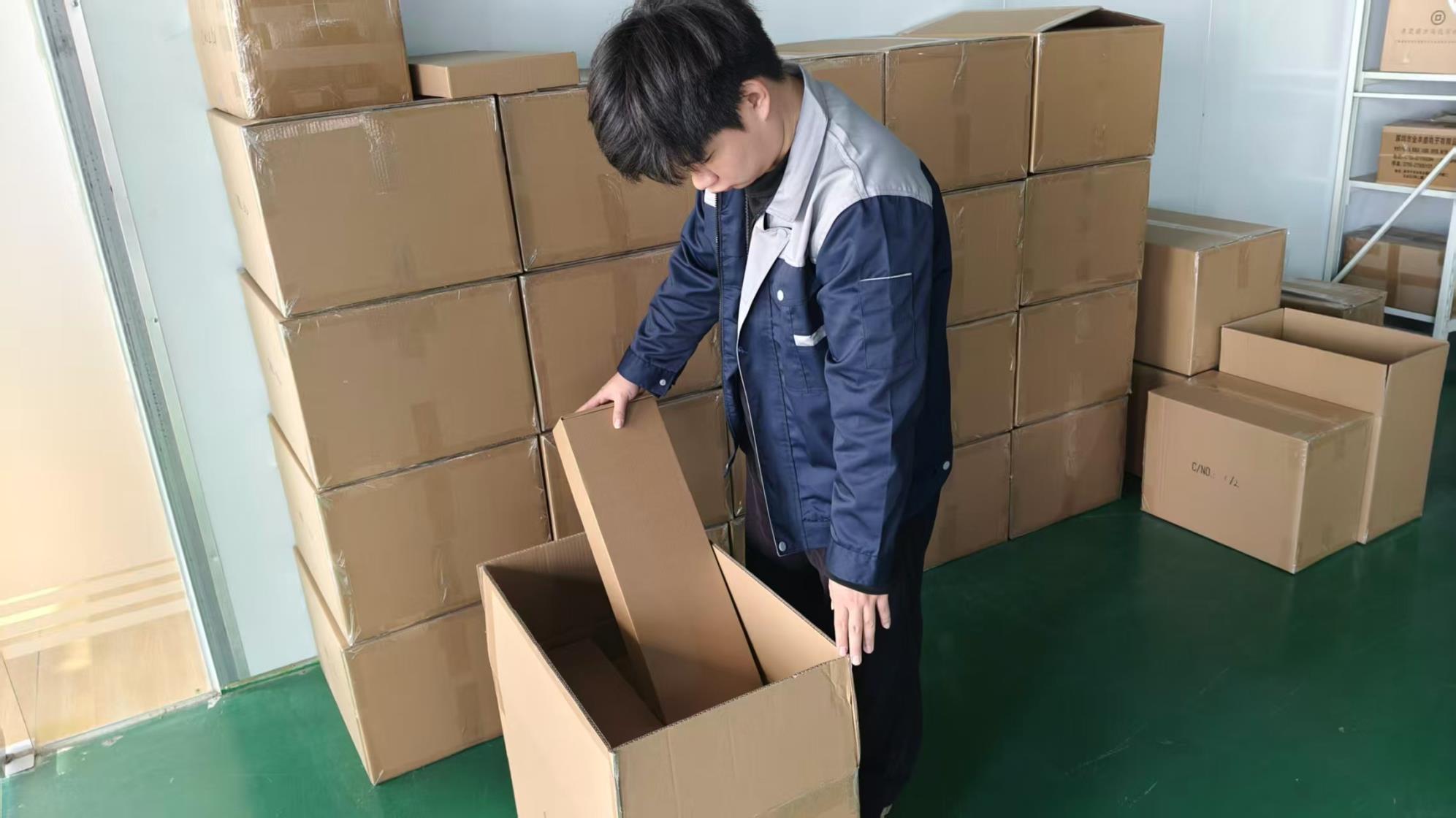
Carton Packing
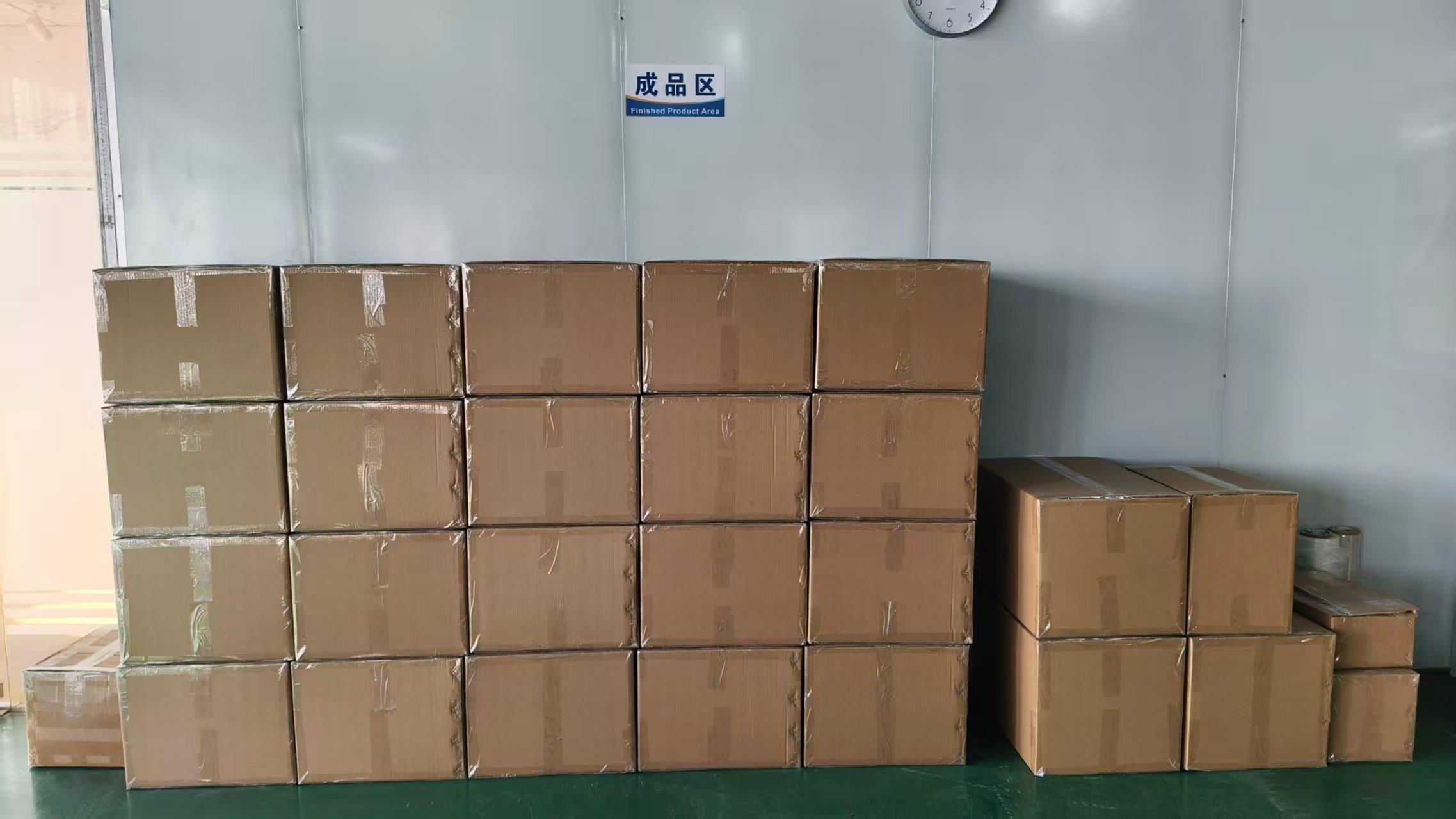
Finished Product
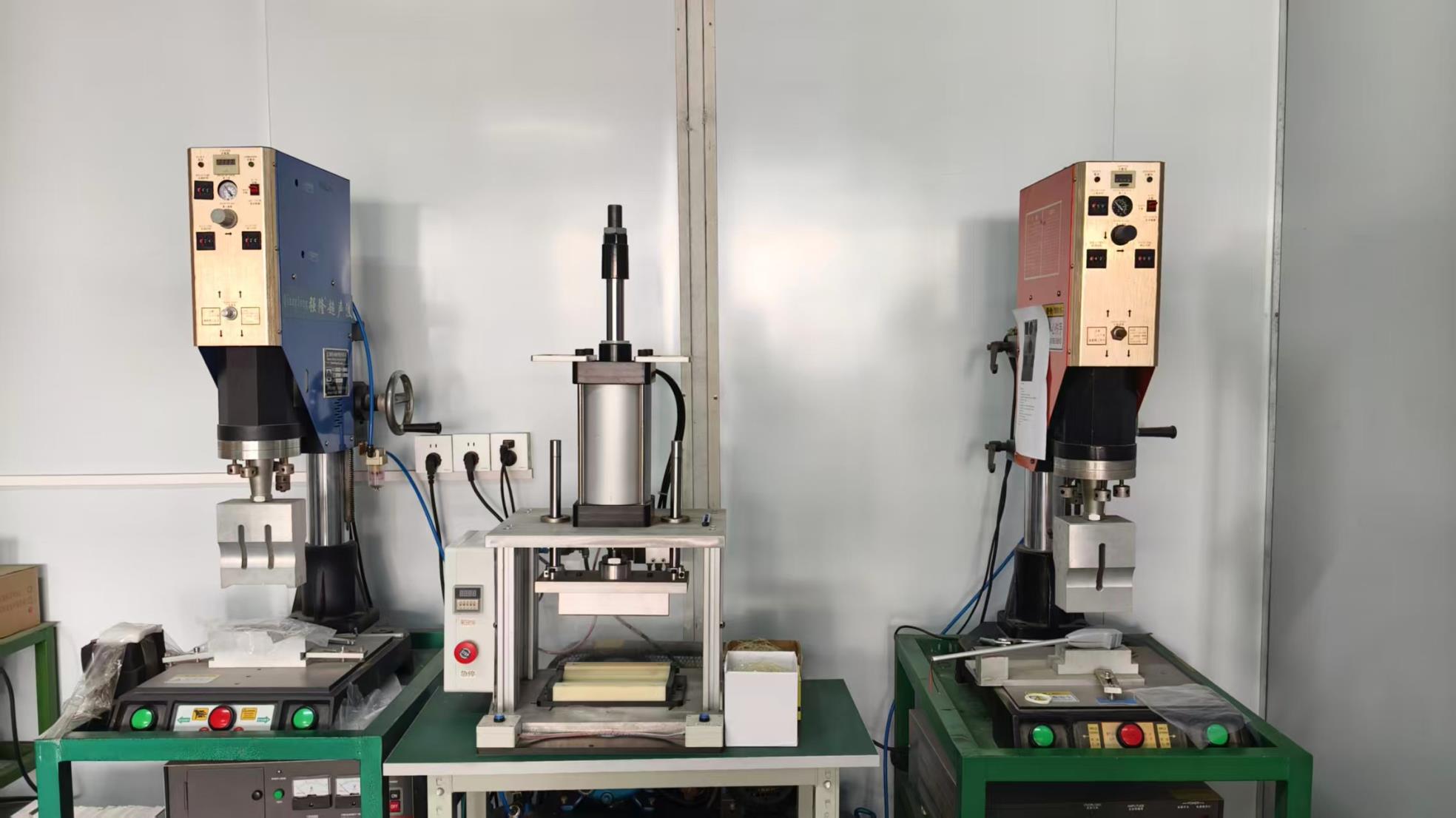
Ultrasonic Welding Machine
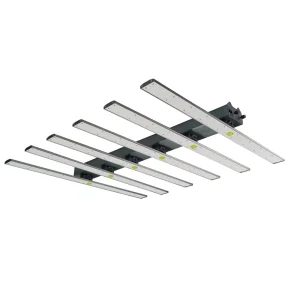
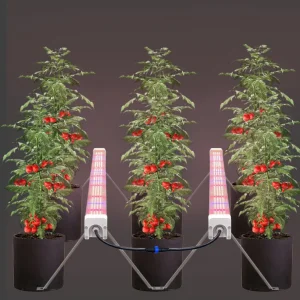
The next decade of lighting will be defined by Human-Centric Lighting (HCL) and Biological Precision. HCL adjusts color temperatures to align with human circadian rhythms, improving productivity in offices. In the industrial sector, the trend is toward modularity—fixtures like the Spider LED Bar allow growers to swap components rather than replacing entire systems, aligning with "Right to Repair" movements.
Global procurement teams are now prioritizing "Reliability-Over-Price." A cheaper fixture that fails in a vertical farm can cause millions in crop loss. Therefore, authoritativeness in certification (CE, RoHS, SAA) and the use of tier-1 components (Samsung, Osram, MeanWell) have become the standard filters for the Top 10 exporters list.
Advanced supplemental lighting and smart kits for global export.